
12 Farmers Markets Across Michigan Worth Waking Up Early For
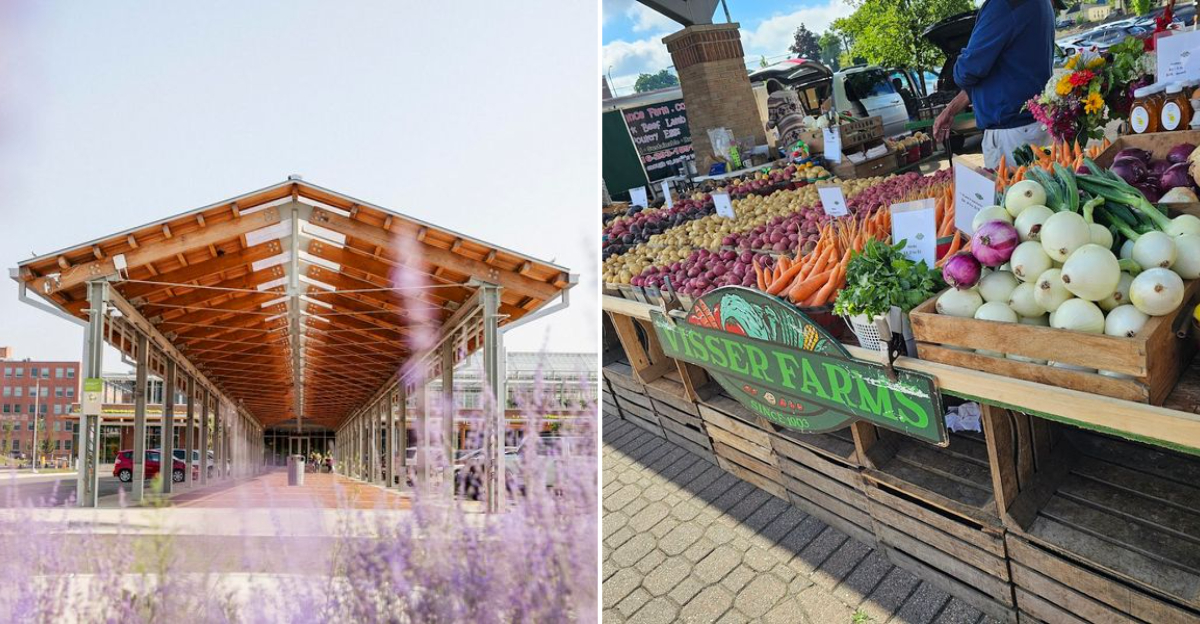
Nothing tastes like a market morning in Michigan. The honey section alone is really worth the drive, with local beekeepers offering varieties that change with whatever is blooming within a few miles of their hives.
Bakers set up tables with stacked pies that still hold the warmth from ovens fired before dawn, plus the preserves section runs the full color spectrum from tart cherry to peach.
Each market has its own personality, from waterfront setups where you grab a pastry and watch freighters pass to inland markets where the local farmers actually remember your name after a single visit.
You will leave with more bags than you planned to carry, plus the drive home always smells noticeably better than the drive there. Homemade food still draws a crowd across Michigan, plus every one of these markets makes the early wake-up feel like a fair trade.
12. Downtown Grand Rapids Farmers Market
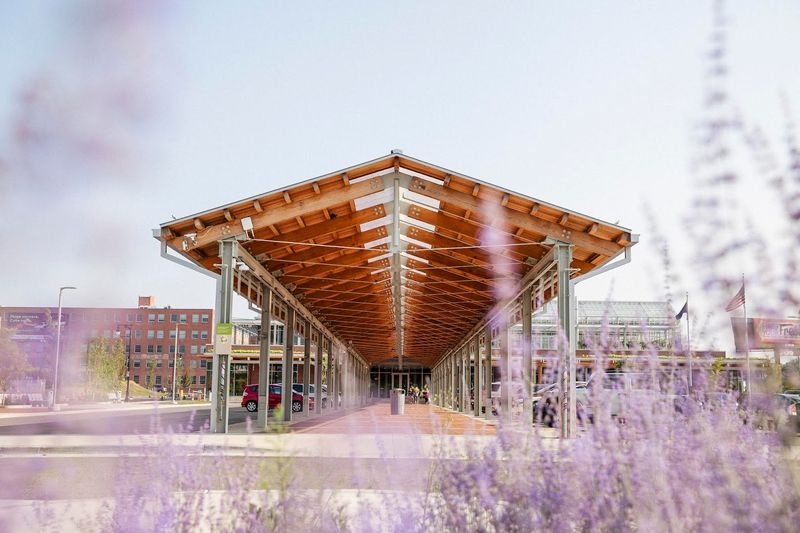
The first thing that strikes you here is the smell: peaches, basil, and something buttery from a nearby pastry table.
Downtown Grand Rapids Farmers Market at 955 Market Ave SW, Grand Rapids, MI feels polished without losing its working-market soul, with growers, bakers, and flower vendors arranged in a way that still invites wandering.
It wakes up the neighborhood with color before most people finish breakfast. Produce is the obvious draw, especially in high summer when tomatoes, sweet corn, berries, and greens seem to crowd every table.
Farm eggs, local cheese, honey, and fresh bouquets round out the experience, so it is easy to build an entire weekend meal in one slow lap. Vendors are usually happy to explain what is peaking and how they like to cook it.
What stays with me is the market’s easy confidence. It serves serious shoppers, casual browsers, and anyone trying to remember that a city morning can still feel connected to the land just beyond it.
11. Holland Farmers Market
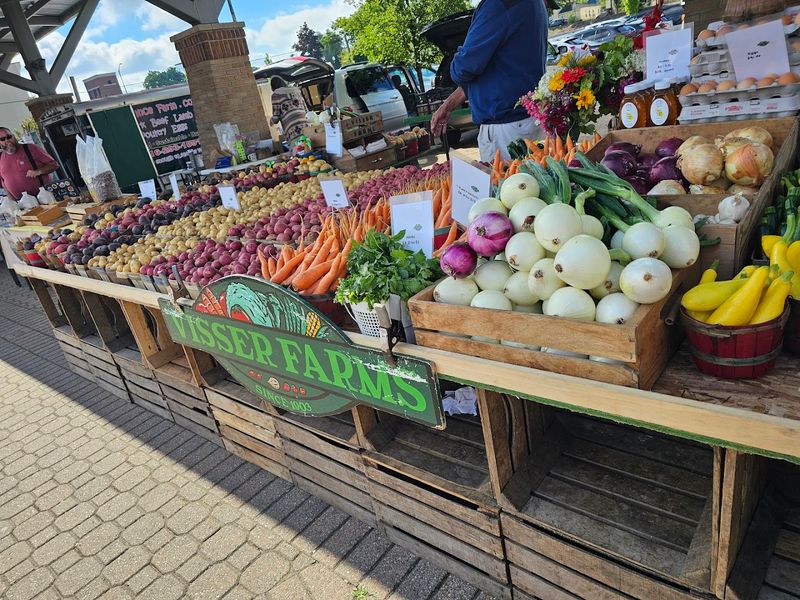
Color does a lot of the talking at Holland Farmers Market. At 68 W 8th St, Holland, MI, crates of fruit, vegetables, and flowers create the kind of display that makes even a practical grocery run feel a little celebratory.
The downtown setting helps, too, giving the market a walkable, social rhythm that suits a Saturday or a weekday detour equally well.
Summer brings berries and sweet corn, while the cooler months shift the palette toward apples, squash, and pumpkins. Alongside produce, local makers often offer pottery, soaps, baked goods, and pantry staples that make nice gifts without feeling overly curated.
It feels like a market built for both dinner planning and pleasant distraction.
I like how approachable it is. Nothing about Holland Farmers Market tries too hard, yet the quality is evident in the freshness of the food and the pride of the vendors.
You leave with a bag that feels heavier than expected and a morning that feels better spent than planned.
10. Traverse City Farmers Market
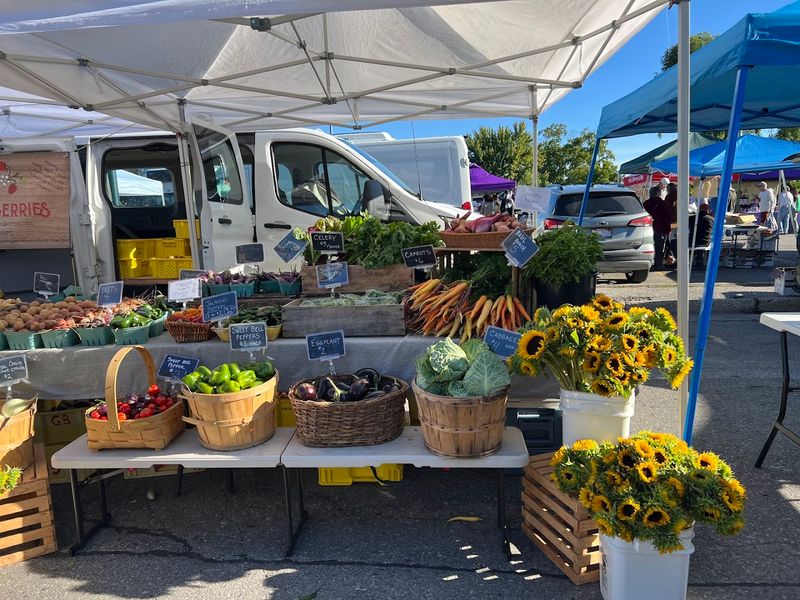
If a market can taste like a region, this one does. The Sara Hardy Downtown Farmers Market at 115 E Grandview Pkwy, Traverse City, MI draws on Northern Michigan’s orchard country, so the fruit is not just good, it often feels like the point of the whole landscape.
Cherries, apples, and seasonal vegetables share space with flowers, meats, and specialty drinks in a setting that feels brisk and bright.
With more than a hundred local farmers represented, the range is impressive without becoming anonymous. You can move from root vegetables to kombucha, from pasture-raised meats to honey, and still have the sense that the market is anchored by actual growers rather than trend-chasing stalls.
That scale gives it energy, but the food keeps it grounded. There is also something satisfying about shopping here within sight of the water and the town that depends so much on agriculture and tourism at once.
Traverse City feels most convincing to me when both of those identities show up together, and this market does exactly that.
9. Royal Oak Farmers Market
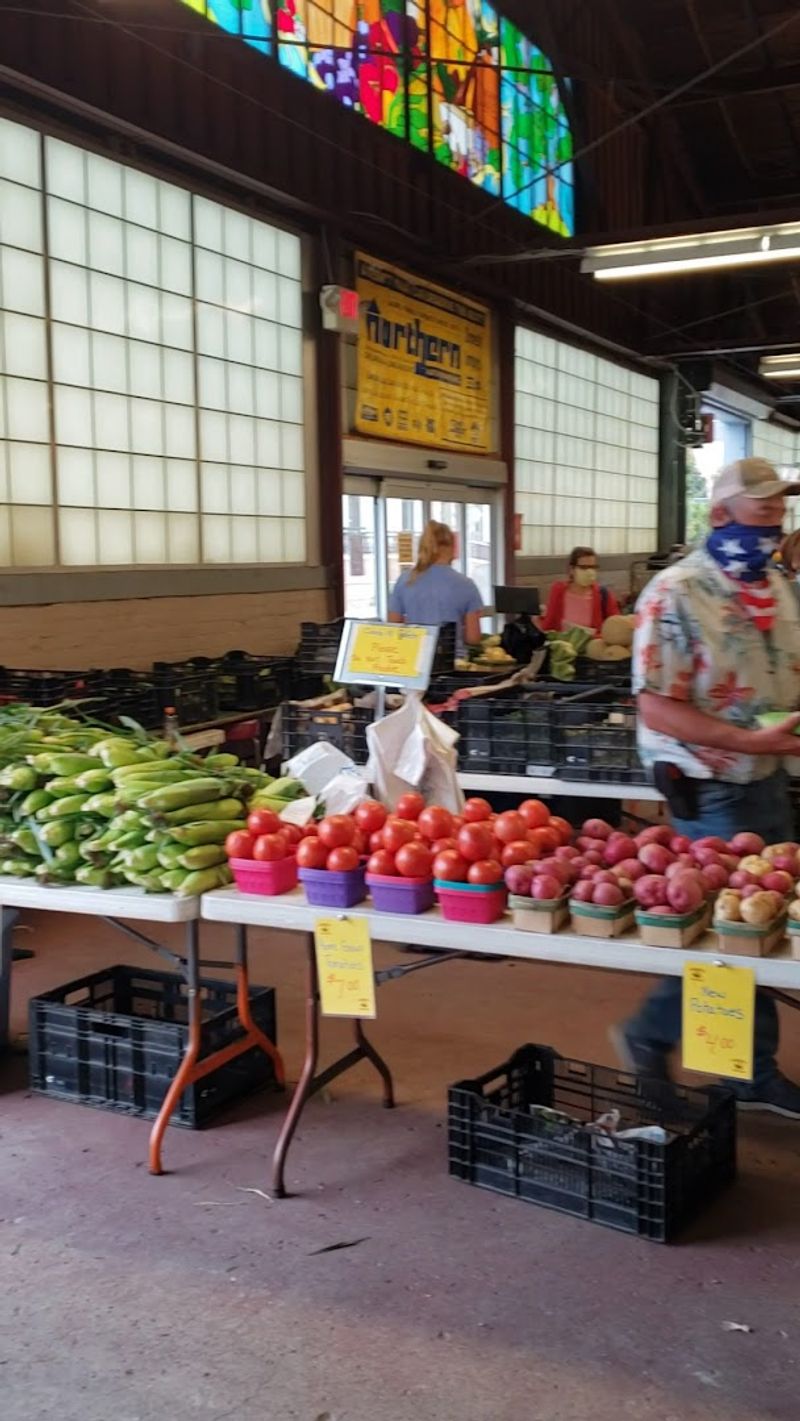
Royal Oak Farmers Market has the advantage of architecture before you even notice the food. Inside the historic building at 316 E 11 Mile Rd, Royal Oak, MI, the market feels sturdy, civic, and well practiced, like a place that understands how to host a crowd without turning chaotic.
Saturday and Sunday offerings give it a flexible, urban convenience that suits the neighborhood.
The selection leans broad rather than fussy: greens, root vegetables, fruit, baked goods, and specialty food vendors that can rescue a meal plan at the last minute. Because it sits so comfortably in downtown Royal Oak, the market also works nicely as part of a longer morning, with coffee before or brunch after.
That context matters more than people admit. What I appreciate most is its balance. It has enough personality to feel enjoyable, enough order to feel efficient, and enough variety that even a quick stop rarely stays quick.
Some markets ask for your attention loudly. This one earns it by being reliably worth the trip.
8. Birmingham Farmers Market
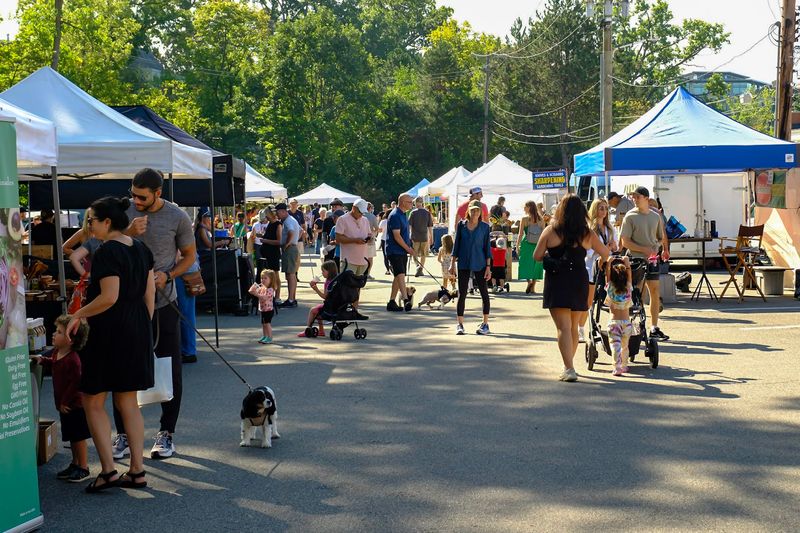
Some markets feel exuberant, others feel carefully composed. Birmingham Farmers Market at 220 S Bates St, Birmingham, MI belongs to the second group, with a Sunday morning atmosphere that is relaxed, tidy, and quietly confident.
The tone is polished, but not stiff, and the best part is that the food quality justifies the setting rather than hiding behind it.
You can expect locally grown produce, freshly baked breads, pantry goods, and artisanal products that often skew toward the premium end without becoming precious. Vegetables tend to look especially sharp here, and the overall curation encourages slower browsing than a typical errand stop.
It is easy to arrive for lettuce and leave with jam, flowers, and something flaky in a paper bag.
What makes this market memorable is not novelty so much as consistency. Birmingham Farmers Market knows its audience and serves it well, offering a dependable version of Michigan abundance in a setting that feels refined but still genuinely local.
That balance can be harder to pull off than it looks.
7. Eastern Market
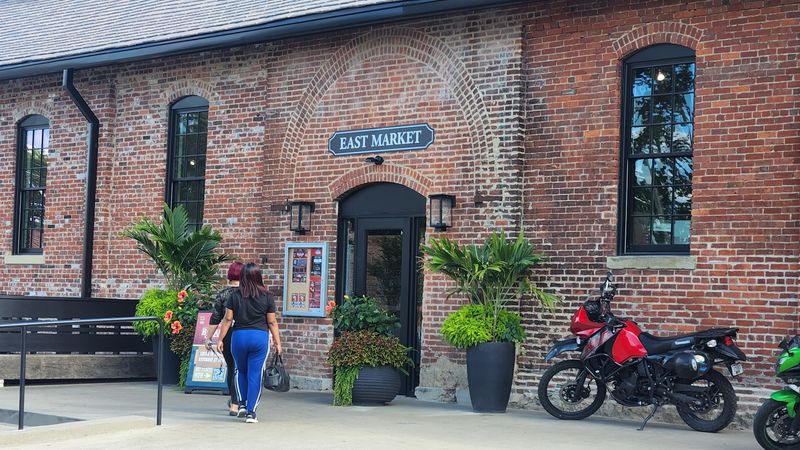
This market does not ease you into the morning. It announces itself with scale, noise, color, and the unmistakable sense that Detroit has been doing this for a very long time.
At 2934 Russell St, Detroit, MI, one of the oldest and largest publicly owned markets in the country spreads across multiple sheds, creating a Saturday experience that feels both historic and completely alive.
The food range is enormous: produce, flowers, specialty meats, cheeses, baked goods, and more, with hundreds of vendors shaping the flow of the morning.
It is the kind of place where one errand can become an all-day drift, partly because there is so much to see and partly because the energy is genuinely contagious. Even the practical shopping feels theatrical here.
I always think of Eastern Market as a lesson in abundance. It nourishes people, supports growers and makers, and shows how a market can function as civic memory as much as commerce. If you want a place that feels essential rather than decorative, this is the one.
6. Kerrytown Market
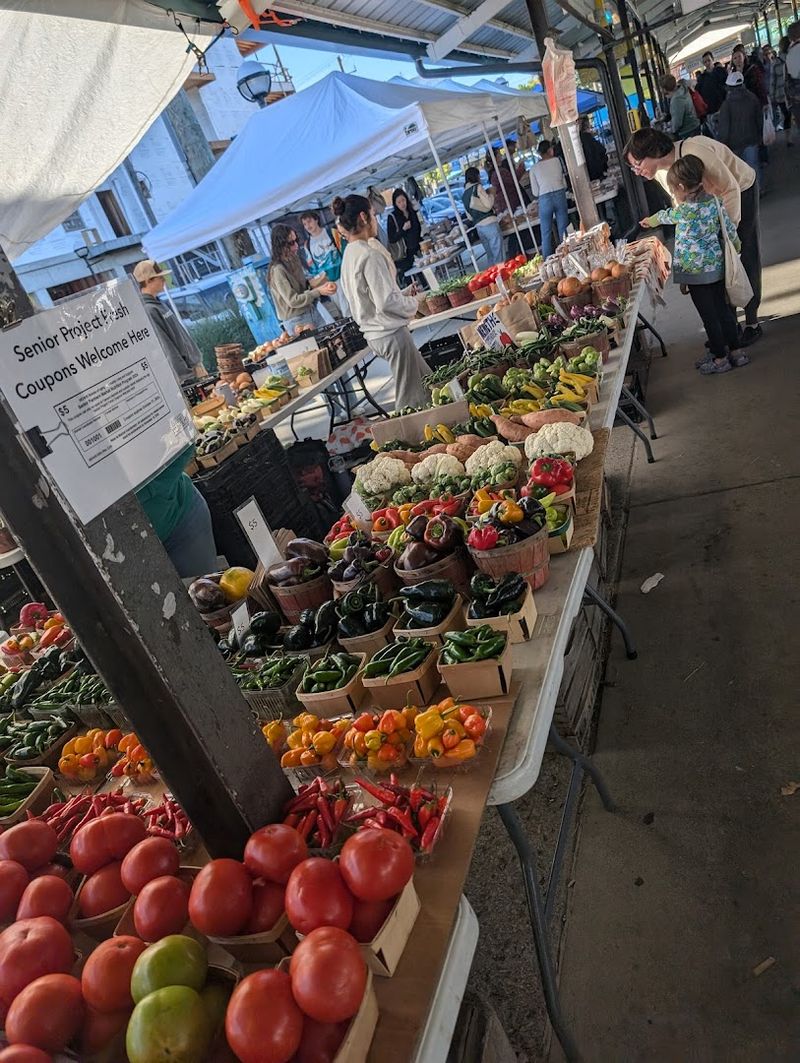
Kerrytown Market benefits from a setting that already feels a little charmed. In the historic district at 315 Detroit St, Ann Arbor, MI, the open-air market has a human scale that encourages conversation and browsing, especially when the season expands the schedule beyond winter Saturdays.
It never feels oversized, which is part of why the details stand out so clearly.
Seasonal produce shares the spotlight with eggs, honey, maple syrup, pastured meats, and local baked goods, including gluten-free options that feel thoughtfully included rather than tacked on. Artisan vendors add jewelry and crafts, but the market remains anchored in food and farm culture.
That balance keeps it from drifting into souvenir territory.
The mood here is one of steady affection between town and market. People seem to arrive knowing what they need, then linger anyway because the place rewards a little extra time.
Kerrytown Market makes Ann Arbor’s food-minded personality visible in a compact, inviting form, and that intimacy gives it a charm larger markets cannot really imitate.
5. Muskegon Farmers Market
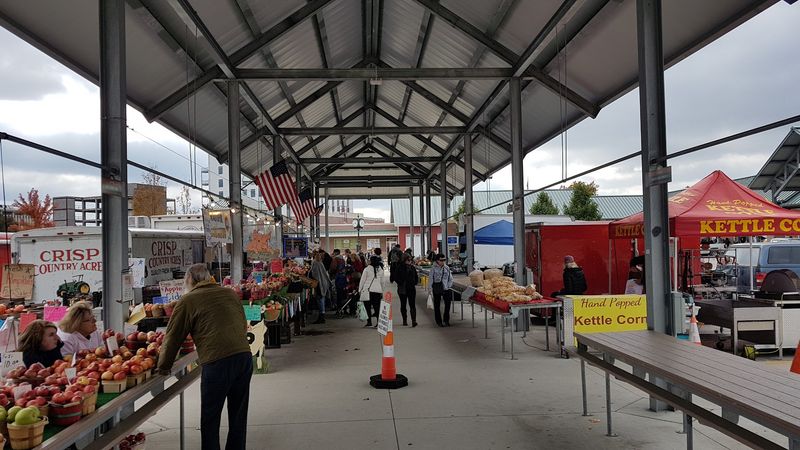
Muskegon Farmers Market feels grounded in usefulness in the best possible way. At 130 Yuba Ave, Muskegon, MI, the market has a strong community pulse, the kind that comes from people shopping for actual meals rather than merely collecting picturesque produce for a countertop.
That practicality gives it warmth, and the warmth gives it personality.
The selection covers the bases generously: fresh fruits and vegetables, meats, dairy, and baked goods, all reflecting West Michigan’s agricultural range. Instead of pushing one signature product, the market succeeds by offering a solid, varied snapshot of what the region produces well.
It is easy to imagine an entire week of cooking starting here, from breakfast eggs to dinner vegetables and dessert.
What I admire is the sense of mutual support built into the place. Vendors and shoppers seem connected by habit as much as commerce, and that relationship makes the market feel lived in rather than staged.
Muskegon Farmers Market may not shout for attention, but it leaves a lasting impression because it feels genuinely embedded in its city.
4. Frankenmuth Farmers Market
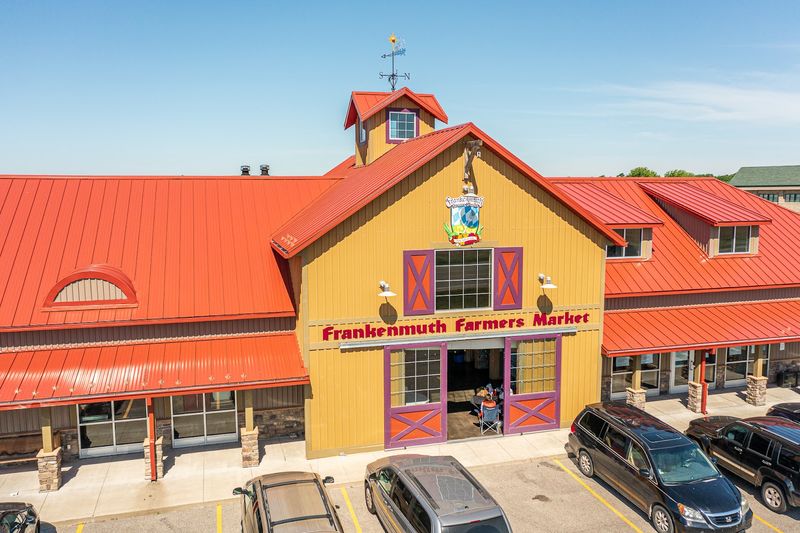
Frankenmuth brings its own visual personality to almost everything, and the farmers market quietly benefits from that backdrop. At 626 S Main St, Frankenmuth, MI, the market complements the town’s familiar Bavarian atmosphere without leaning too hard on theme, which I appreciate.
The effect is pleasant rather than gimmicky, leaving room for the produce and handmade goods to carry the experience.
You will generally find fresh seasonal fruits and vegetables, baked goods, and locally made crafts, all arranged in a way that feels approachable and regional. While the market is not defined by a single dramatic specialty, its appeal lies in how naturally it fits into a day in Frankenmuth.
It offers a fresher, more everyday counterpoint to the town’s tourism-friendly identity.
That contrast is what makes it worth an early stop. A market like this reminds you that even a destination known for charm still depends on growers, makers, and ordinary routines.
Frankenmuth Farmers Market may be modest in scale, but it adds a welcome note of local reality to a town often viewed through decoration first.
3. Kalamazoo Farmers Market
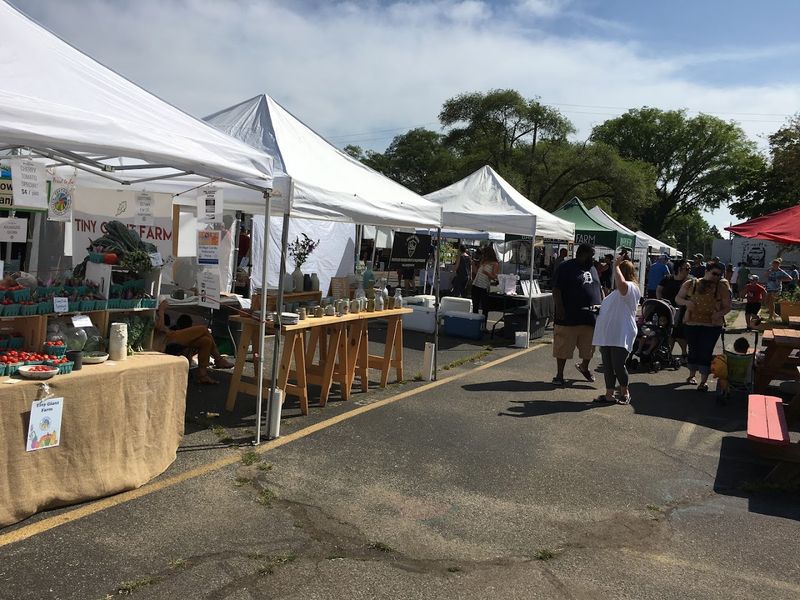
The farmers market at Kalamazoo opens with abundance and then keeps layering on interest. At 122 Bank St, Kalamazoo, MI, the market is known for local produce and prepared foods, and that combination gives the place an especially lively texture.
You can shop with a meal plan or simply follow your nose and still end up making sensible decisions.
Southwest Michigan’s agricultural strength shows in the range of fruits and vegetables, including heirloom varieties that bring real color and character to the tables.
Local honey, breads, and ready-to-eat offerings from regional food businesses add another dimension, making the market feel both rooted in farming and open to culinary experimentation. It is practical, yes, but never dull.
There is also something nice about a market that invites appetite immediately rather than asking you to imagine it later at home. Kalamazoo Farmers Market does that well.
It connects raw ingredients, prepared foods, and community life in one place, which means the morning can move naturally from shopping to tasting to planning what dinner should become.
2. Ludington Farmers Market
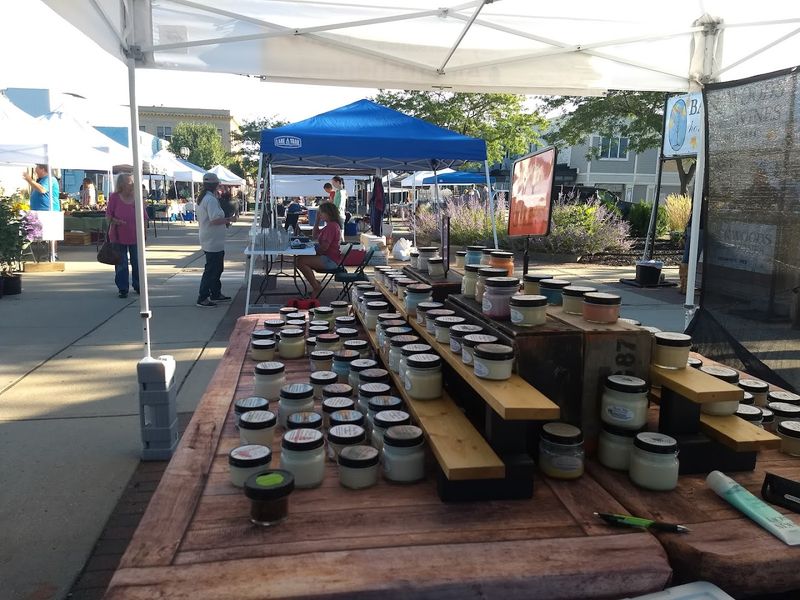
Ludington’s market has the advantage of timing and place. Opening in May at Legacy Plaza, the Downtown Ludington Farmers Market at 110 S Harrison St, Ludington, MI turns Friday mornings into a small celebration of the growing season, often with live music in the background.
Near the lakeshore, that combination of fresh air, produce, and music makes the whole scene feel especially easy to enjoy.
Seasonal fruits and vegetables lead the way, joined by locally made goods and occasional prepared foods that suit a casual summer rhythm. Nothing here feels overcomplicated, and that simplicity is part of its charm.
The market reflects the town’s coastal personality by staying welcoming, useful, and just festive enough.
I think this is one of those places where context deepens flavor. A bag of peaches or greens somehow feels more vivid when purchased before a day near the water, with music drifting across the plaza.
Ludington Farmers Market captures that mood gracefully, offering a reminder that regional food culture is often strongest in these cheerful, well-loved community rituals.
1. Ypsilanti Farmers Market
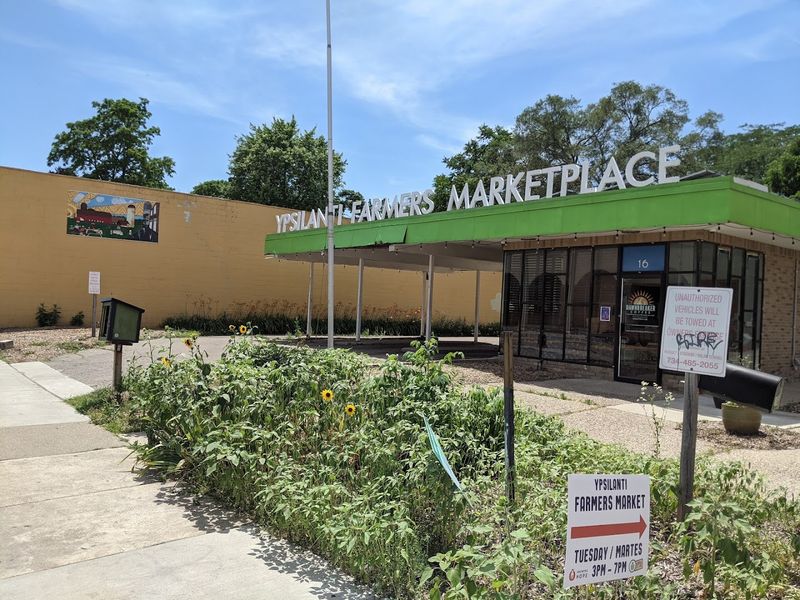
Ypsilanti Farmers Market stands out less for spectacle than for spirit, and that is very much in its favor.
At 2101 Ellsworth Rd, Ypsilanti, MI, the outdoor market has a strong community focus that comes through in the mix of shoppers, the diversity of offerings, and the overall sense that people are there for both food and connection. It feels open rather than performative.
Produce ranges from crisp greens to bright berries, joined by prepared foods and artisan goods that reflect the city’s creative streak without overwhelming the agricultural core.
The market’s identity seems shaped by inclusion and practicality, which makes it appealing whether you arrive with a list or just curiosity. That flexibility gives the morning a pleasant, unforced rhythm.
What lingers after a visit is the atmosphere of welcome. Ypsilanti Farmers Market does not need grand scale to feel important because its value is social as much as culinary.
It offers a clear view of local food culture as something shared, accessible, and rooted in everyday relationships, which is exactly what a good market should do.