
Follow The Keepers On A Daily Feeding Tour At This Colorado Wildlife Park In Pagosa Springs
A grizzly bear named Princess lives here, and she has a standing dinner date with a crowd of curious humans. Every single day, a caretaker walks the gravel trail with food in hand, and anyone can tag along.
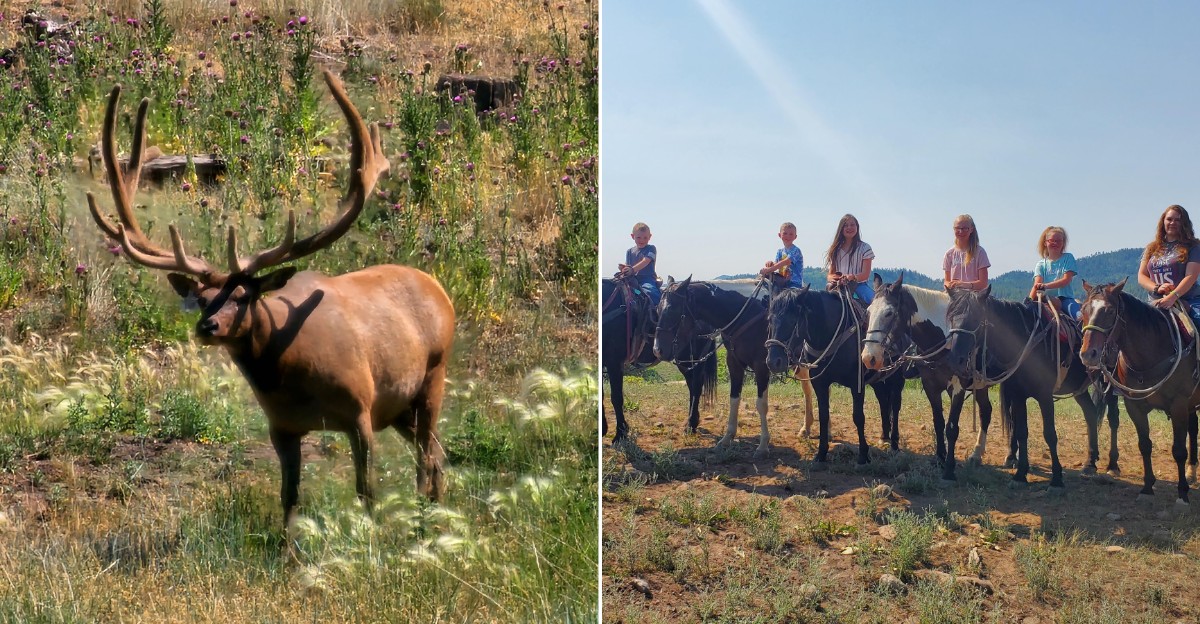
The guest list goes well beyond bears. Wolves, mountain lions, bobcats, foxes, porcupines, and a bull elk all wait for their turn.
Colorado wildlife is famously hard to spot in the wild, so this daily walk feels like a backstage pass.
I like how none of these animals are here for show alone. Every resident is non-releasable, which means each one would struggle to survive outside a protected home.
I can’t imagine a better way to meet the mountains’ wild neighbors without a long hike. The San Juan Mountains of southern Colorado frame the whole scene.
So, who gets served first?
The Feeding Tour Is The Main Event, So Plan Your Day Around It
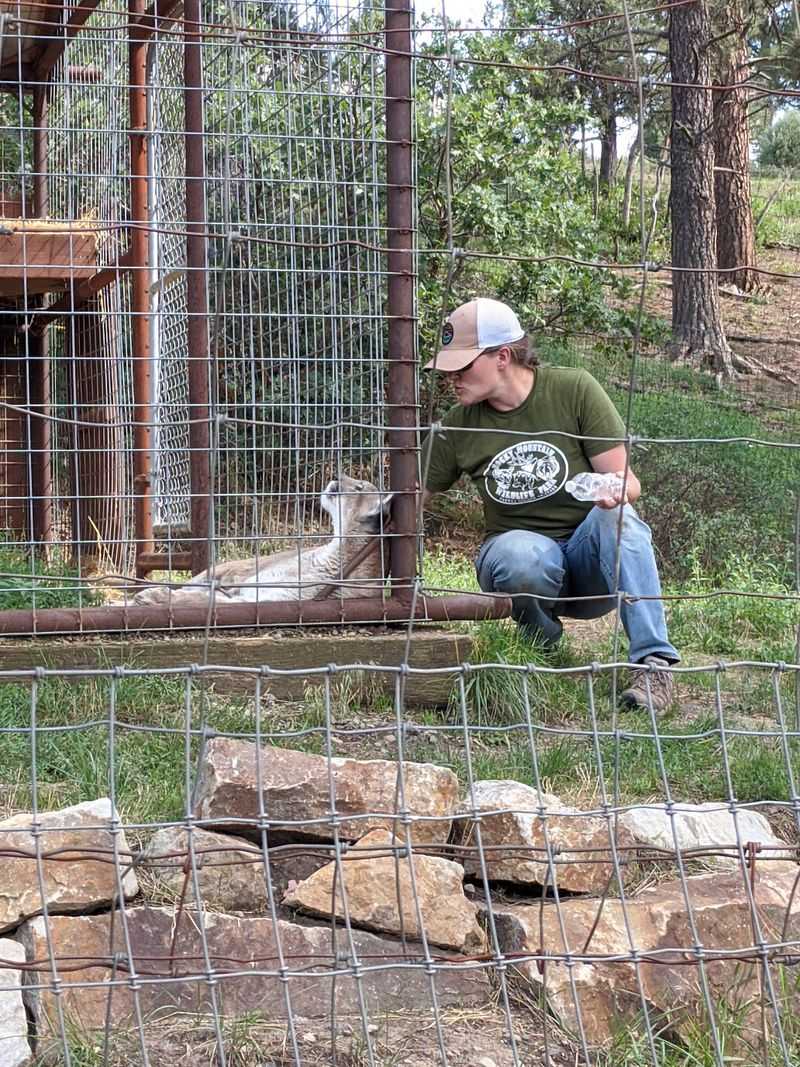
Timing is everything at Rocky Mountain Wildlife Park. The daily feeding tour starts at 3 PM in summer and 2 PM in winter.
Summer hours run from May 15 through September 30, from 9 AM to 5 PM. Winter hours run October 1 through May 14, from noon until 4 PM.
The tour lasts about an hour. You follow an animal caretaker from enclosure to enclosure while they share facts about each resident.
No reservations are needed for the feeding tour. Just show up at the right time, ready to walk and ask questions.
A smart move is arriving a little early. You can stroll the grounds first, read the signs, and get your bearings before the keeper heads out.
The park is open seven days a week, all year long. It only closes on Thanksgiving Day and Christmas Day.
Hot afternoons can send animals into shade or their houses. Food has a funny way of changing their minds, which is exactly why this tour matters.
Staff members are around to answer questions even outside tour time. Still, the feeding walk is when the whole cast tends to make an appearance together.
Princess The Grizzly Steals The Spotlight
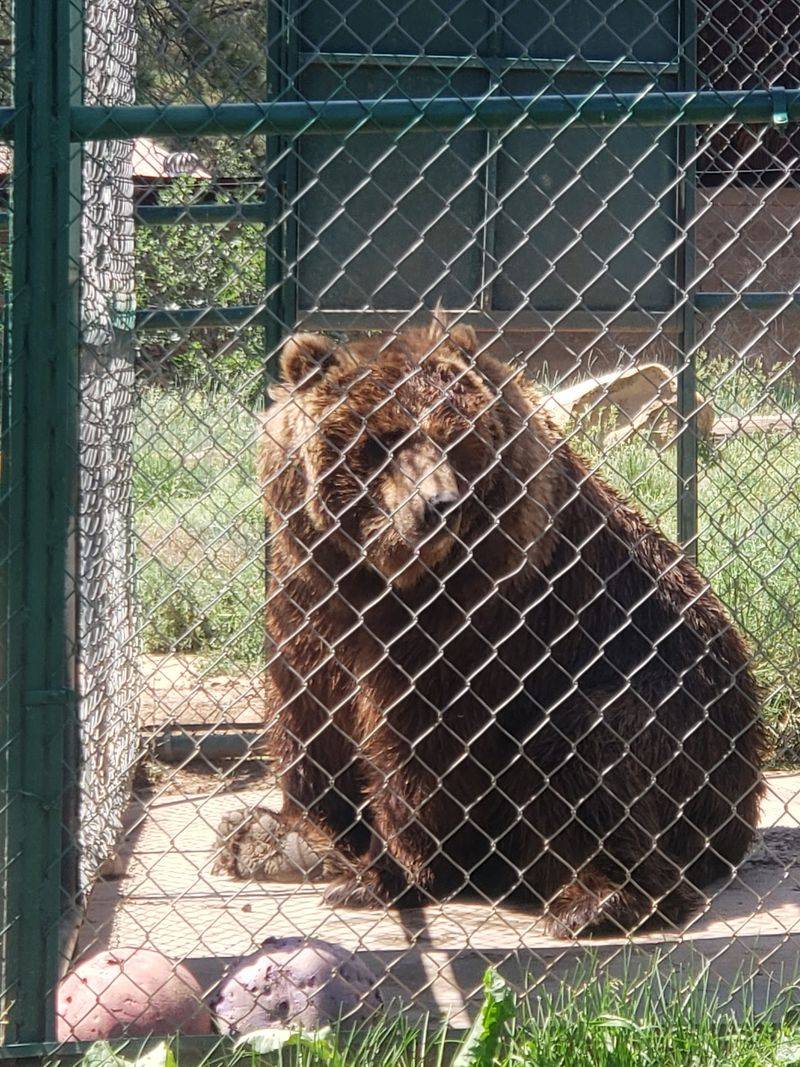
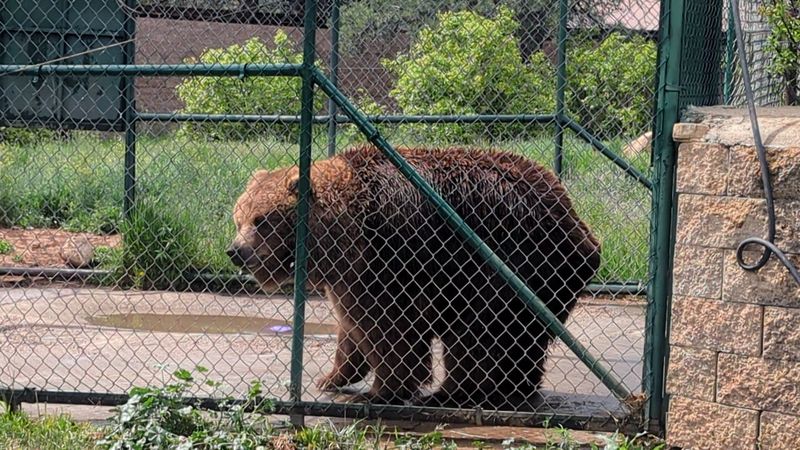
Royalty rarely waits politely for lunch. Princess, the park’s grizzly bear, is one of the best-known residents on the trail.
Grizzlies are massive animals, and seeing one from a safe spot is a real treat. Most people would rather not meet one on a mountain hike anyway.
Black bears also live at the park. Seeing both kinds on the same walk helps you spot the differences, which is handy knowledge for any trip into bear country.
The keeper shares details about each bear during the tour. You’ll learn how they live, what they need, and why they ended up here.
Every animal at the park is non-releasable. That means they couldn’t survive on their own in the wild.
Many residents were born in captivity, and many others are rescues. Each one has a backstory, and the caretakers love to share it.
Kids especially tend to light up around the bears. Bring good questions, because the keeper is there to answer them.
Keep your camera ready but your patience readier. Bears move on their own schedule, even when dinner is on the way.
Wolves, Coyotes, And Foxes Bring The Canine Crew
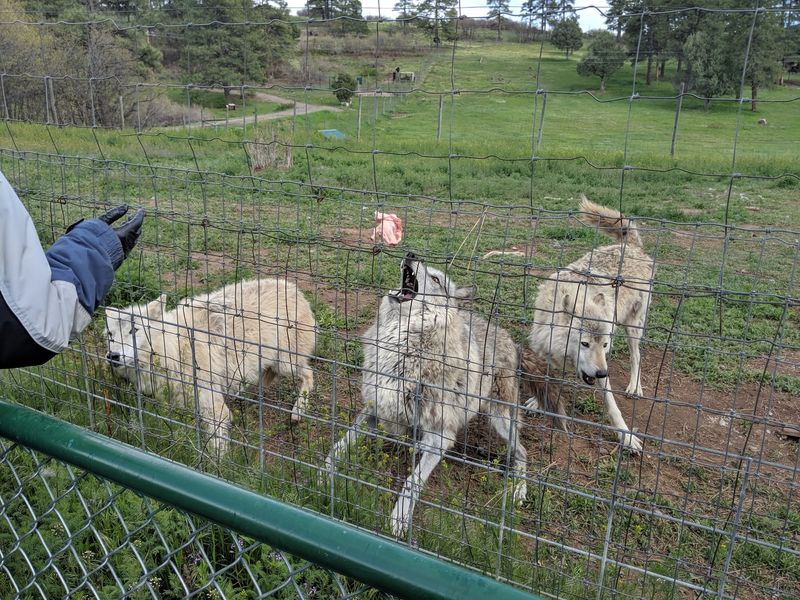
Howls, yips, and sharp little barks all come from one family tree. Rocky Mountain Wildlife Park keeps wolves, coyotes, and foxes, so you get the full canine lineup.
Seeing them close together makes comparisons easy. Wolves look big and powerful, while foxes seem built for sneaking.
Coyotes land somewhere in the middle. They’re famous for adapting to almost anywhere, from open plains to city edges.
The feeding tour is a great time to watch them move. Food tends to bring out their natural energy and curiosity.
Your keeper will explain how each animal hunts and survives in the wild. These are the kinds of facts that stick with kids long after the trip.
Informational signs sit along the walking trail too. They’re perfect for a self-guided look before or after the tour.
Here’s a fun challenge for the car ride home. Ask everyone to name one difference between a wolf and a coyote.
Odds are, the answers will be better than expected. A one-hour walk with a keeper can turn casual visitors into mini wildlife experts.
Big Cats With Serious Mountain Credentials
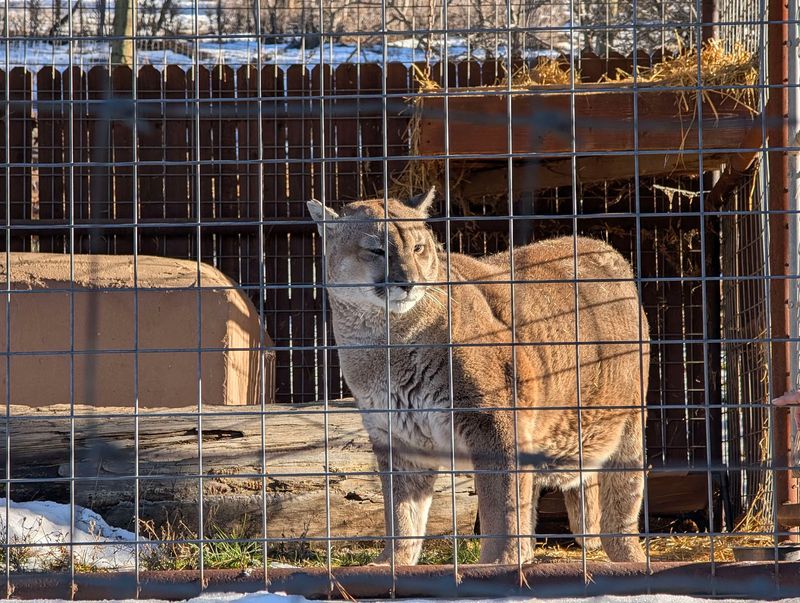
Mountain lions are masters of staying unseen. Many people spend years in the Rockies and never spot one.
At Rocky Mountain Wildlife Park, the odds improve dramatically. Mountain lions and bobcats both live along the trail.
Bobcats are smaller, with short tails and tufted ears. Mountain lions are long, sleek, and much larger.
Cats love a good nap, especially on warm days. If they’re tucked away in the shade, the feeding tour is your best chance to see them stir.
Keepers share how these cats live and what makes them unique. Their stories also explain why each one can’t return to the wild.
Some residents at the park are older animals. Seniors need special attention, and their care is part of the daily routine.
Take your time at these enclosures. Big cats often reward quiet, patient watchers.
A good tip is to keep voices low and movements calm. You’ll get a better look, and the cats will appreciate the manners.
An Elk, Some Porcupines, And A Surprise Emu
One of these residents clearly missed the memo about native wildlife. The emus are a fun twist in a park that mostly celebrates Colorado species.
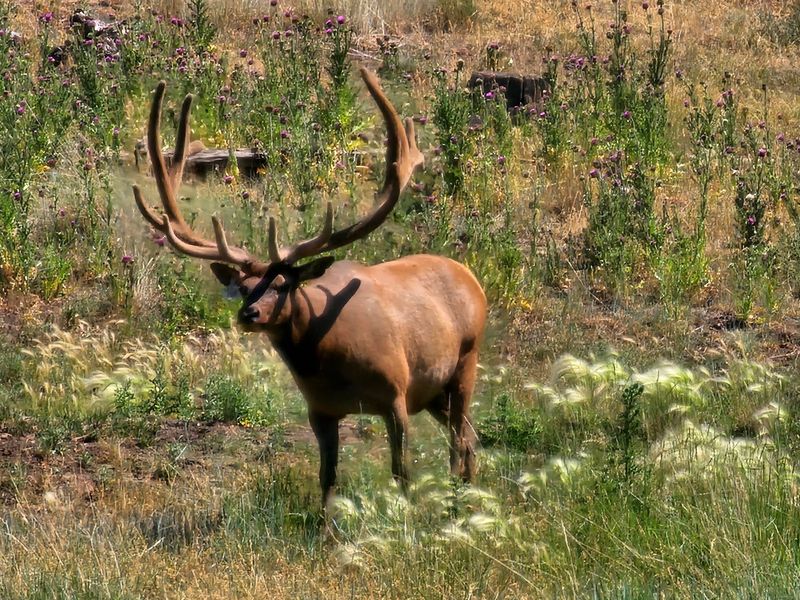
The bull elk is a true local, though. Elk are a symbol of the Rockies, and the bulls grow impressive antlers.
Antlers are shed and regrown, so the elk can look different depending on the season. That’s a great reason to visit more than once.
Porcupines are another crowd favorite. Their quills look scary, but watching them eat is surprisingly charming.
Each species gets its own spotlight on the feeding tour. The keeper explains diets, habits, and how each animal arrived at the park.
Variety keeps the walk interesting for every age. Little kids might love the spiky porcupine while adults admire the elk’s size.
Be sure to read the signs along the gravel path. They add fast facts between feeding stops.
And yes, ask about the emus. Odd ones out usually come with the best stories.
Your Shoes Will Thank You For Planning Ahead
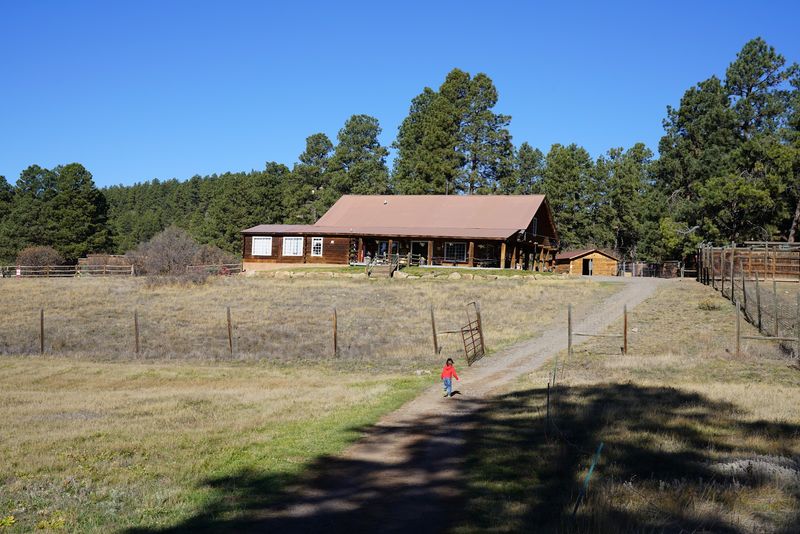
Fancy sneakers and gravel trails are not best friends. The feeding tour follows a walking path, so sturdy footwear makes a big difference.
Winter brings extra challenges. Mud and ice can show up on the trail, and snow boots are a wise choice.
Summer is easier on your feet, but weather can still shift fast in the mountains. A light jacket or rain layer is smart to pack.
The tour runs about an hour with lots of stops. Comfortable shoes help everyone stay focused on the animals instead of sore toes.
Families with little ones should plan accordingly. A carrier may work better than a stroller on uneven gravel.
Bring water on warm afternoons too. Sun at high elevation can feel stronger than expected.
Sunglasses and a hat are also handy. The open trail offers great views, along with plenty of sunshine.
A little preparation goes a long way here. Dress for dirt and weather, and you’ll enjoy every stop without worry.
Saddle Up For A Summer Trail Ride
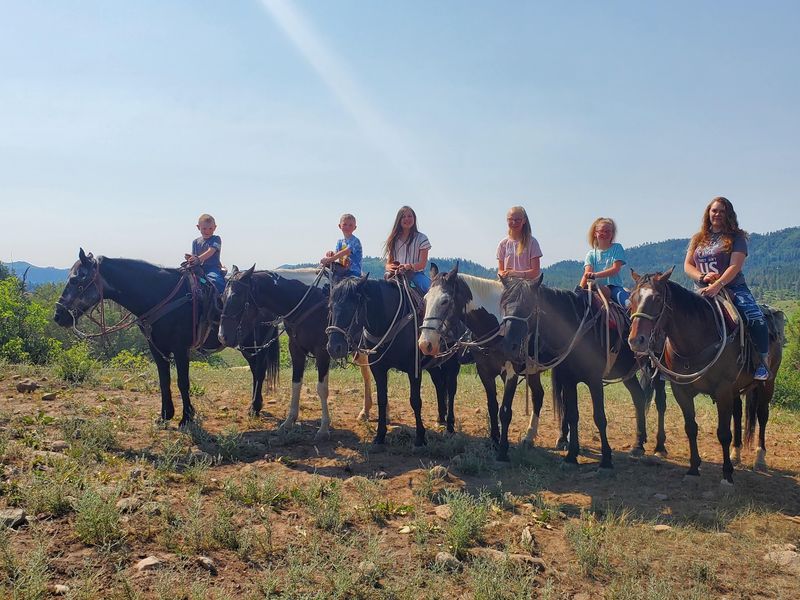
Animal lovers can double the fun in summer. Rocky Mountain Wildlife Park offers guided horseback trail rides during the warm season.
Rides come in half-hour and one-hour options. Reservations are recommended, so call ahead before you go.
A few rules keep everyone safe. Riders must be at least six years old.
Children under twelve need an adult riding along. Every rider must ride independently, with a weight limit of 270 pounds.
Closed-toe shoes are required. Sandals and flip-flops should stay in the car for this one.
Pairing a trail ride with the feeding tour makes a full afternoon. Schedule your ride so you can still catch the keeper’s walk.
The scenery adds plenty to the experience. The San Juan Mountains surround the area, giving riders plenty of pretty views.
First-timers shouldn’t feel nervous. Guides lead the rides, so you can focus on enjoying the trail.
Just remember your timing. Summer feedings start at 3 PM, and nobody wants to miss bear dinner.
Art Lovers Get A Bonus Gallery Inside
Wildlife shows up on the walls, too. The park houses one of the largest art galleries in the Four Corners area.
The collection focuses on western and wildlife art. You’ll find originals, giclees, and signed prints.
It’s a nice change of pace after the trail. Seeing bears in paintings right after seeing real ones is a fun connection.
A gift shop sits alongside the art. It carries prints, t-shirts, novelties, souvenirs, and toys for kids.
Families can grab a keepsake to remember the day. Kids usually have strong opinions about which animal toy comes home.
Want to give back? The park runs an animal sponsorship program.
Sponsorships help pay for daily care like food, water, shelter, and habitat enrichment. It’s a meaningful way to support a favorite resident.
Leave time to browse before you head out. Rushing through a gallery after a great tour would feel like skipping dessert.
A Family Dream That Has Lasted Since 1985
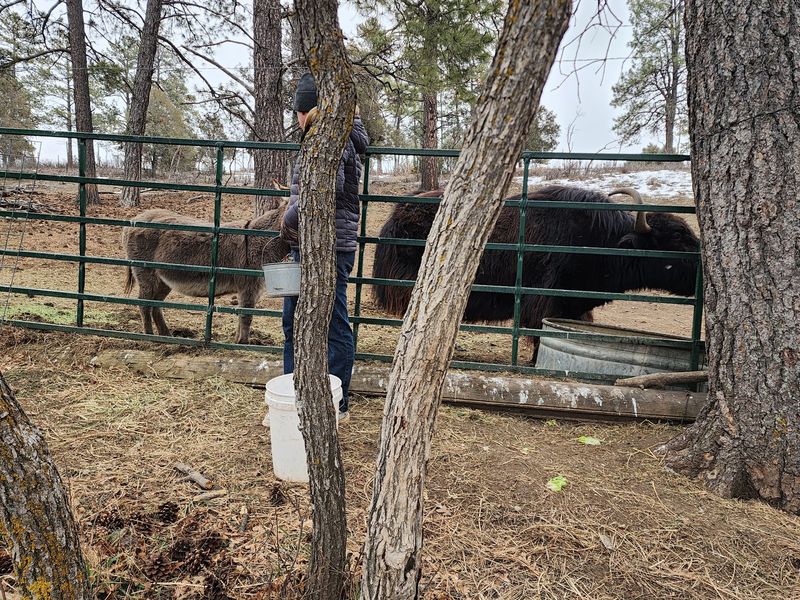
Dick and Vimmie Ray founded Rocky Mountain Wildlife Park in 1985. Their goal was teaching people about Colorado’s native wildlife.
Vimmie was known for her dedication and hands-on care for the animals. She passed away in 2019, but her devotion still shapes the park’s spirit.
Today, the park is a privately owned, USDA-licensed zoo. It offers a quiet, zoo-like experience with animals in natural habitats.
Finding it is simple. The park sits at 4821 A US Highway 84, Pagosa Springs, CO 81147.
That’s roughly five miles south of Highway 160. The drive from Pagosa Springs takes about fifteen minutes.
Many travelers pair a visit with other plans in town. The park makes an easy afternoon stop on any southern Colorado road trip.
Plan to arrive before tour time if you can. A relaxed start lets you enjoy the trail, the gallery, and the mountain views.
Nearly four decades in, the mission hasn’t changed. Teach visitors, care for the animals, and keep dinner coming right on time.