
You Can Walk Through A Town Carved Into The Cliffs In New Mexico
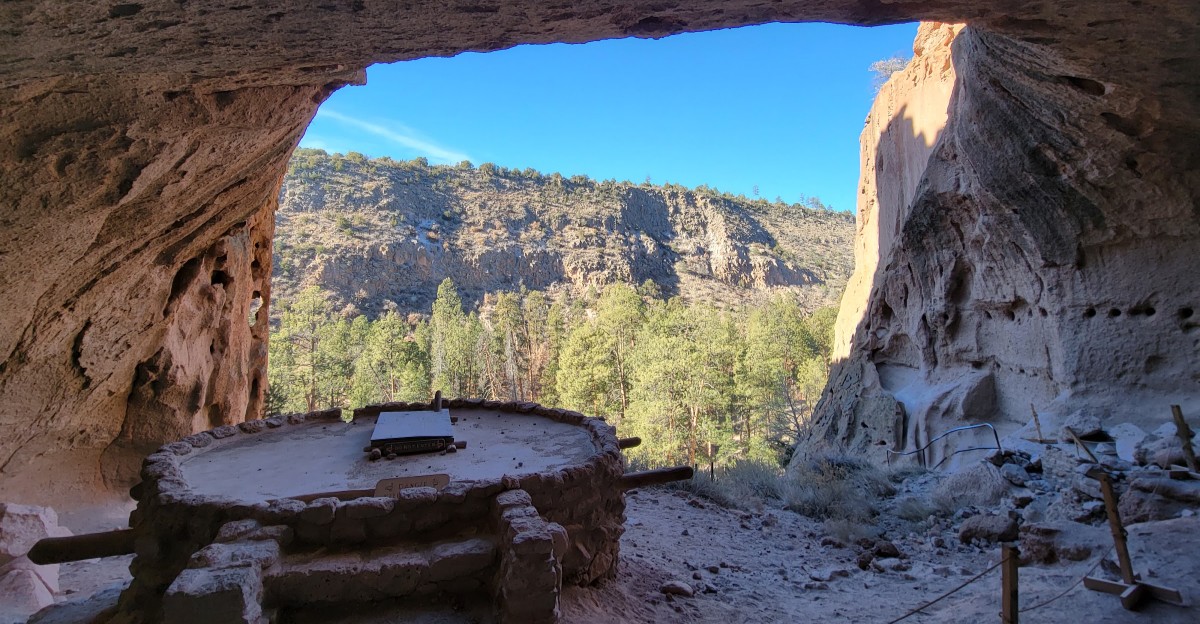
Wooden ladders lean against a canyon wall, leading to rooms carved straight into volcanic rock. Yes, really.
No velvet rope, no glass case, just you climbing into a doorway that has been there for centuries. I’d have a few questions before taking that first step.
The rock is soft volcanic tuff, left behind by massive eruptions over a million years ago. Ancestral Pueblo people carved it into homes and built multistory stone villages below.
The more I picture it, the more it feels like an ancient apartment complex, only with much better views and a considerably steeper commute.
This spot lies in the high country of northern New Mexico, tucked inside a green canyon. A creek winds through it, adding one more unexpected detail to a place that already feels worlds away.
History usually asks you to look through glass. Here, you can climb a ladder and step right into it.
Just how comfortable are you with heights?
Climb Right Into Homes Carved From Volcanic Rock
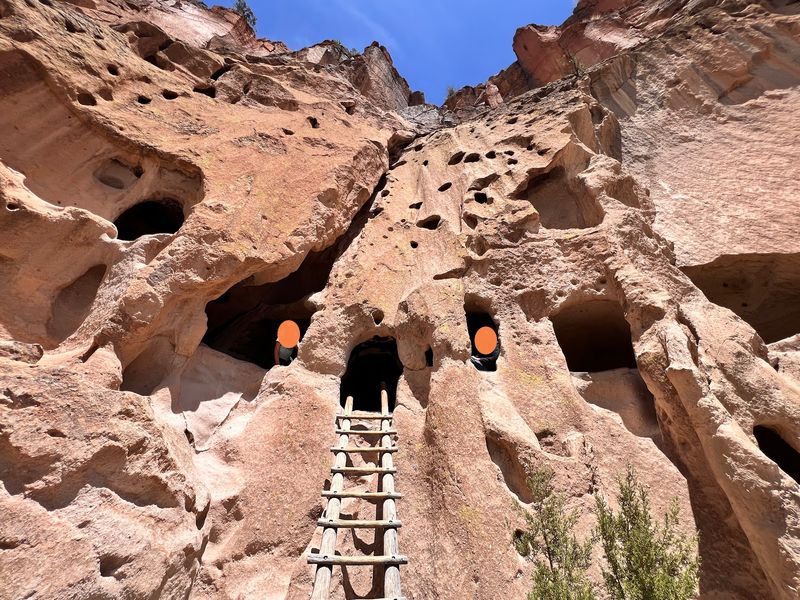
Most museums ask you to keep your hands to yourself. Bandelier National Monument hands you a ladder instead.
Along the Pueblo Loop Trail, you’ll find cavates, which are small rooms carved into the soft cliff face. Ancestral Pueblo people hollowed them out of tuff, a rock made from compacted volcanic ash.
Several cavates have sturdy wooden ladders leading up to them. You can climb in, duck under the low ceilings, and look out over Frijoles Canyon.
Take the ladders slowly and use both hands. The rungs can feel steeper than they look, especially when coming down.
Kids usually treat this part like the best treehouse ever built. Adults tend to act the same way, honestly, and nobody judges.
The loop is about 1.4 miles round trip and mostly paved near the start. That makes it a great first stop, even if you’re short on time or energy.
Just remember to stay on the trail and never climb on the walls themselves. The rock crumbles easily, and these homes need to last a lot longer.
A Round Village Once Stood Two Stories Tall Down Below
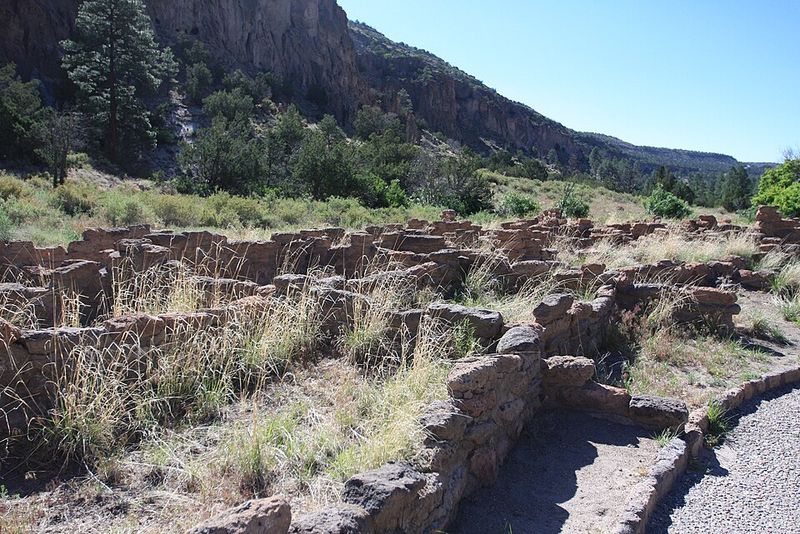
Down on the canyon floor sits Tyuonyi, the stone outline of a big circular village. From above, it looks like a giant honeycomb pressed into the earth.
Archaeologists believe Tyuonyi once had around 400 rooms. Parts of it likely rose two or even three stories high, with a large central plaza in the middle.
Ancestral Pueblo people lived here roughly between the 1100s and the mid-1500s. Their descendants include today’s Pueblo communities along the Rio Grande, such as Cochiti and San Ildefonso.
That connection matters. Bandelier National Monument isn’t some abandoned mystery spot, because the people tied to it are still very much here.
As you walk the trail, notice how the rooms fit together like puzzle pieces. Some were for living, while others likely stored corn, beans, and squash.
Nearby, you’ll also see a kiva, a round ceremonial space set partly into the ground. Visitors should view it respectfully from the trail.
The Pueblo Loop Trail guide booklet explains each numbered stop along the way. Grab one at the visitor center so you’re not just guessing which pile of stones did what.
Long House Proves Cliffs Make Great Back Walls
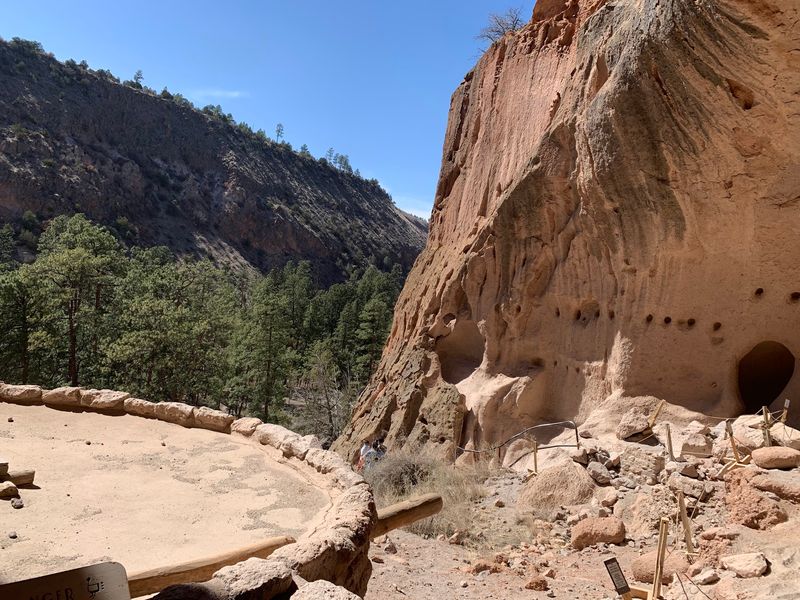
Why build four walls when a cliff already gives you one? That seems to be the smart thinking behind Long House.
Stretching along the base of the canyon wall, Long House was a row of multistory stone homes. The cliff served as the back wall for every unit, like a very ancient townhouse block.
Look up at the rock above the ruins. You’ll see neat rows of small holes, called vigas holes, where wooden roof beams once rested.
Those holes show you how tall the buildings stood. Counting the rows is a fun little detective game, and it really helps you picture the scale.
Keep your eyes peeled for petroglyphs too. Images carved into the rock appear above parts of Long House, adding art to the architecture.
Bring binoculars if you have them. Some carvings sit high and are easier to enjoy with a closer view.
Long House is part of the same Pueblo Loop Trail, so you won’t need a separate hike. It’s a great spot to pause, sip some water, and appreciate some serious ancient engineering.
Alcove House Asks Exactly How Brave You Feel
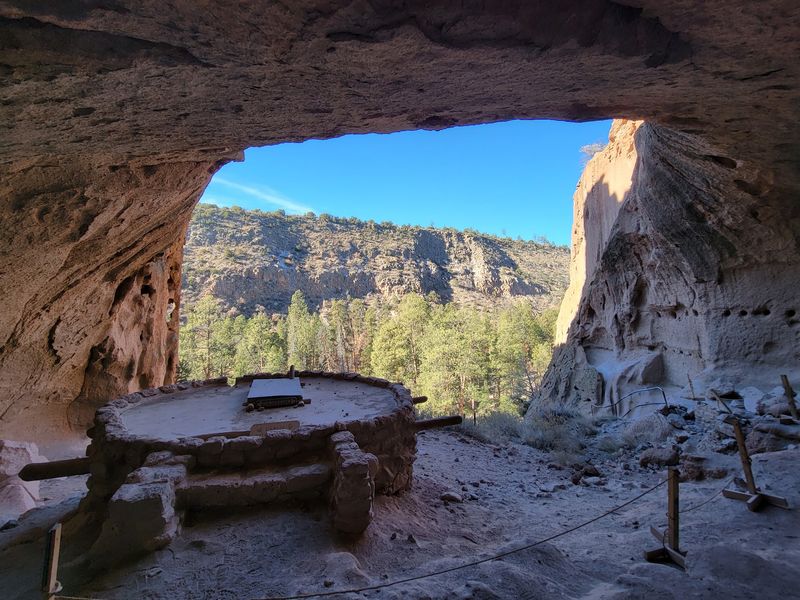
Here’s a fun number: 140 feet. That’s how high Alcove House sits above the floor of Frijoles Canyon.
To reach it, you climb a series of wooden ladders and stone steps up the cliff. The payoff is a large natural alcove that once held homes and a reconstructed kiva.
The trail to the base starts beyond the Pueblo Loop and runs about a half mile along Frijoles Creek. It’s shady, pretty, and easy until the ladders show up.
Not great with heights? No shame in enjoying the view from the bottom instead.
If you do climb, wear shoes with good grip. Keep bags light so your hands stay free for the rungs.
The National Park Service sometimes closes Alcove House for maintenance or safety. Check conditions at the visitor center before you head out so you’re not disappointed.
When it’s open, standing in that alcove feels unreal. You can look across the canyon and think about the people who made this climb every single day, probably without complaining once.
Meanwhile, the rest of us might be breathing a little hard, and that’s perfectly fine.
Start At A Visitor Center Built By The CCC
Before you climb anything, swing by the visitor center in Frijoles Canyon. The buildings themselves are part of the story.
Workers from the Civilian Conservation Corps built this complex in the 1930s. They used local tuff and a Pueblo Revival style, and the district is now a National Historic Landmark.
Inside, you’ll find a museum with artifacts and exhibits about Ancestral Pueblo life. There’s also a short film that sets the scene nicely.
Rangers can answer questions, point out open trails, and share current conditions. Kids can pick up a Junior Ranger booklet and earn a badge along the way.
A park store sells books, maps, and souvenirs. Seasonally, there’s also a snack bar and gift shop nearby for a quick bite.
Restrooms and water filling stations are here too. Fill every bottle you own, because the air in New Mexico is dry and sneaky.
Ten minutes at the visitor center makes the whole trip richer. Suddenly those stone walls stop looking like rubble and start looking like somebody’s house.
Stay The Night Under Pines At Juniper Campground
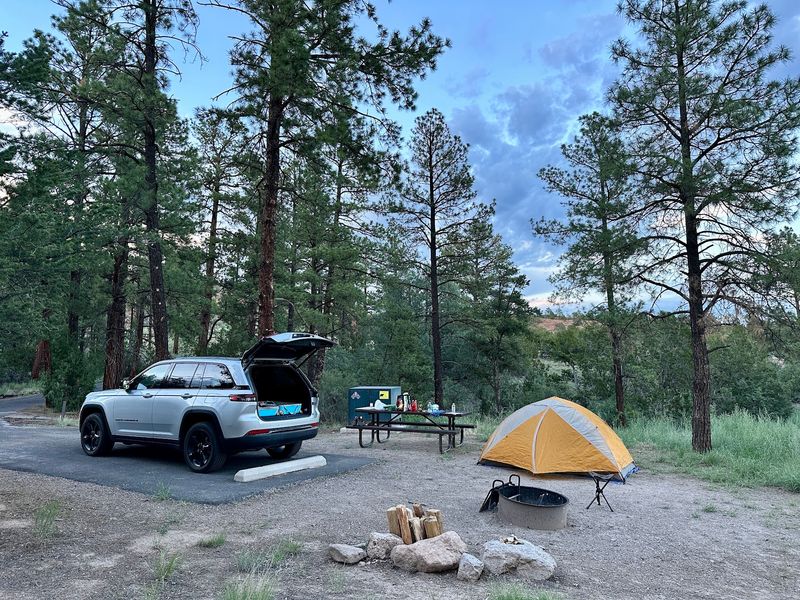
One day is good. A night under New Mexico stars is even better.
Juniper Campground sits near the park entrance on the mesa top. It offers tent and RV sites surrounded by juniper and pine trees.
Sites include picnic tables and fire rings, with restrooms and water available. There are no RV hookups, but a dump station is on site.
Reservations are typically made through Recreation.gov, and some seasons may close loops. Check availability before you count on a spot.
Staying here puts you close to the canyon for an early start. You can catch the trails before the afternoon heat and crowds roll in.
Nights at this elevation get chilly, even in summer. Pack a warm layer, because the desert loves to surprise people who only brought shorts.
Fire restrictions are common during dry periods. Follow posted rules carefully, since wildfire has shaped this land many times.
Wildlife like deer, squirrels, and colorful birds may wander by too. Store food properly, and enjoy the show from a respectful distance.
Escape The Crowds On Backcountry Trails
The cliff dwellings get the spotlight, but they cover a tiny slice of the park. Bandelier National Monument stretches across more than 33,000 acres.
Most of that land is designated wilderness, with over 70 miles of trails. You’ll find mesas, canyons, and forests waiting for anyone with sturdy boots.
The Falls Trail follows Frijoles Creek downstream toward the Upper Falls. It’s a solid option for hikers wanting more than a short loop.
Flooding after past wildfires has damaged parts of some trails. Ask rangers which routes are open before you commit.
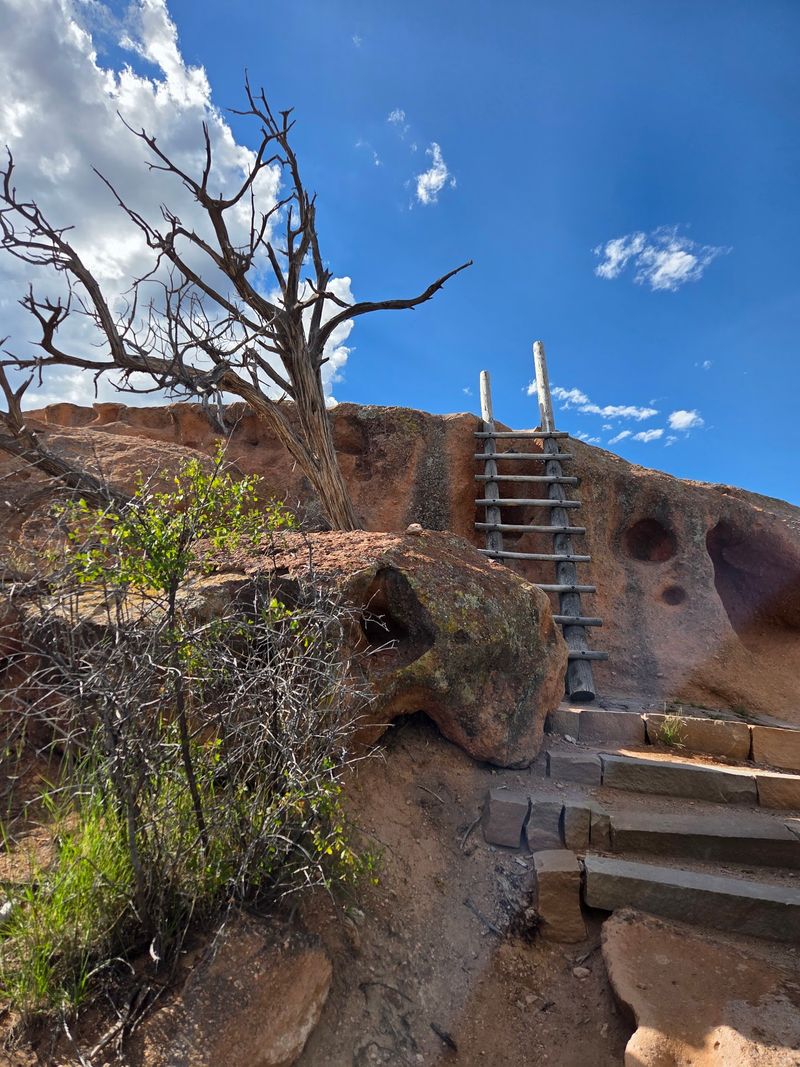
Up on the mesa, Tsankawi is a separate section of the park near White Rock. There, a trail follows footpaths worn deep into the rock by centuries of feet.
Tsankawi also has ladders, petroglyphs, and wide views of the Rio Grande Valley. It feels wilder and quieter than the main canyon.
Bring plenty of water, sun protection, and snacks for any longer hike. The elevation sits above 6,000 feet, so your lungs might file a complaint early on.
A Volcano Set The Stage For Everything You See
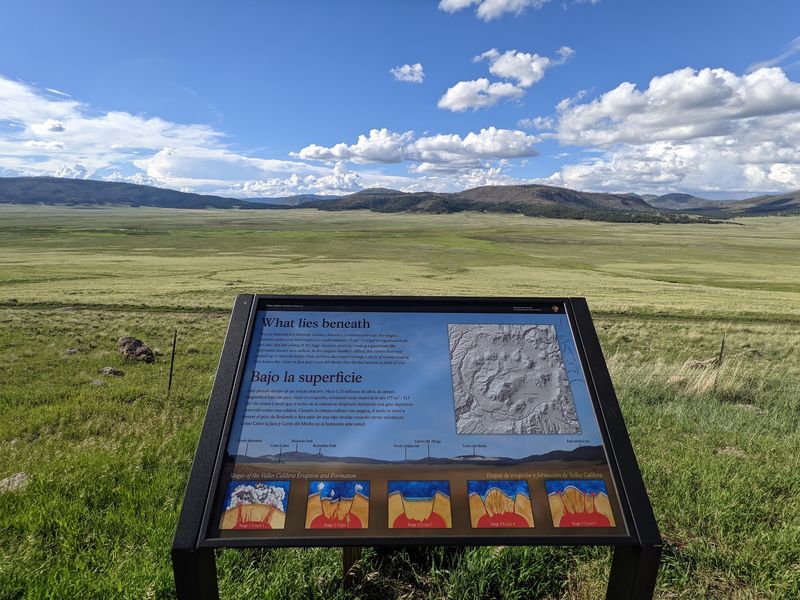
Long before anyone carved a doorway, a supervolcano did the heavy lifting. The Jemez Mountains erupted massively about 1.6 million and 1.2 million years ago.
Those blasts left thick layers of ash that hardened into the tuff you see everywhere. Wind and water then sculpted it into canyons and those famous little holes.
The leftover crater is Valles Caldera National Preserve, just up Highway 4 from the park. Its huge grassy valleys make a perfect add-on stop for the same trip.
The monument’s name honors Adolph Bandelier, a Swiss-American scholar who studied the area in the 1880s. President Woodrow Wilson made it a national monument in 1916.
That history gives the whole visit a cool full-circle feeling. Fire made the rock, people made it home, and you get to wander through it.
Nearby Los Alamos adds science history with the Bradbury Science Museum. Together, these stops turn northern New Mexico into a weekend packed with surprises.
Leave room in your schedule for slow moments too. Sometimes the best part is just sitting quietly and listening to the creek.