
12 Forgotten Arizona Ruins With Creepy History Worth Exploring
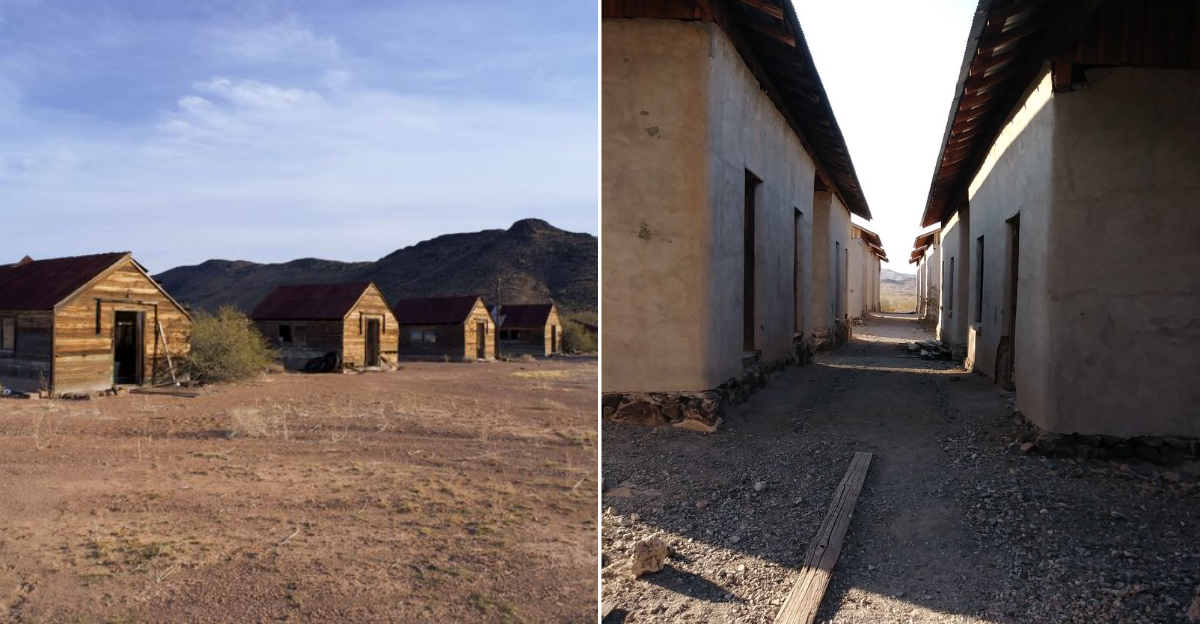
Arizona hides more than cactus and canyons out in its wide, dusty backcountry. Scattered across the desert are crumbling adobe walls, empty jail cells, silent mine shafts, and lonely cemeteries that once belonged to busy little towns.
Walking through these forgotten places feels like stepping straight into a story, where the wind carries old tales of miners, soldiers, and outlaws. I put together twelve of my favorite spooky spots so you can plan your own adventure into Arizona’s mysterious past.
Grab water, good boots, and a sense of wonder, because these ruins are waiting for curious explorers like you.
1. Swansea Historic Ghost Town, Parker
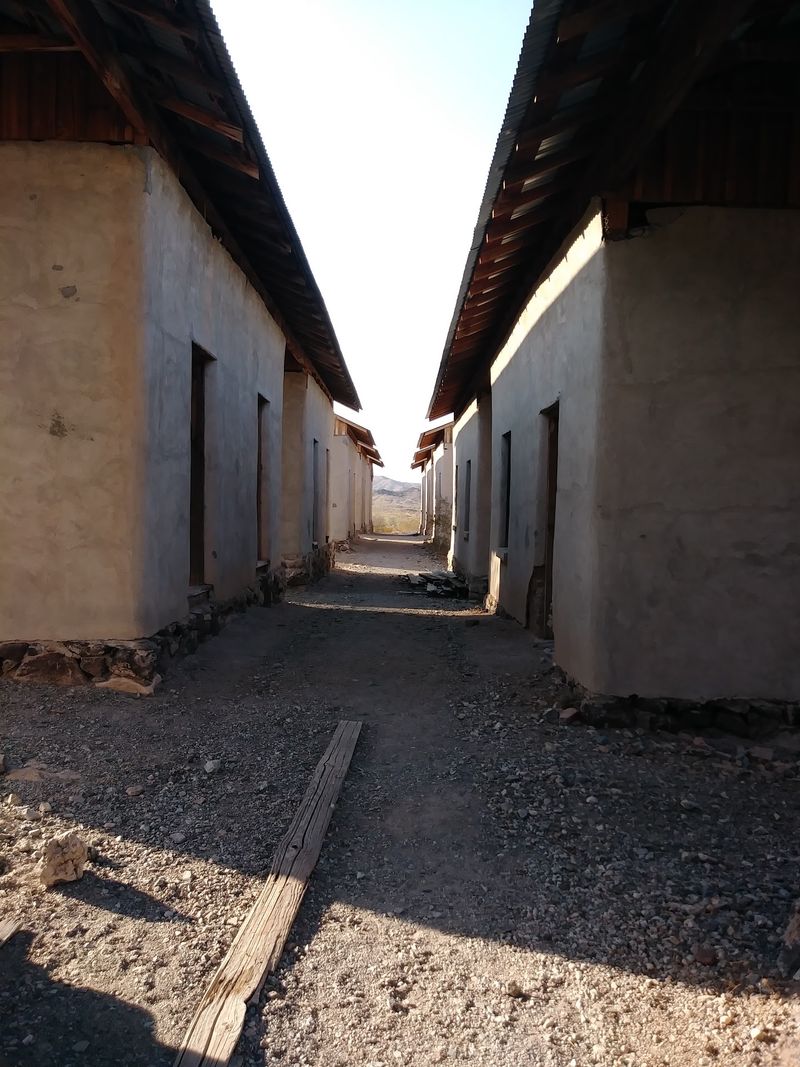
Out in the lonely desert near Parker, Swansea sits like a chapter torn from a copper mining book. This old town once buzzed with workers chasing rich ore, but time and quiet emptied it long ago.
Today you can wander past adobe buildings, stone foundations, and rusty railroad remnants that stretch across the sand. The old mine workings still scar the ground, reminding visitors how hard folks labored here.
Managed by the BLM, Swansea stays open to anyone brave enough to make the bumpy drive. A high-clearance vehicle helps, and cell service disappears fast, so tell someone your plans before heading out.
Early morning or late afternoon gives you softer light and cooler temperatures, which makes exploring far more comfortable. Bring plenty of water, since the desert offers no shade or shops nearby.
Standing among these silent walls, you truly feel how quickly a bustling place can slip into memory.
2. Fairbank Historic Townsite, Near Tombstone
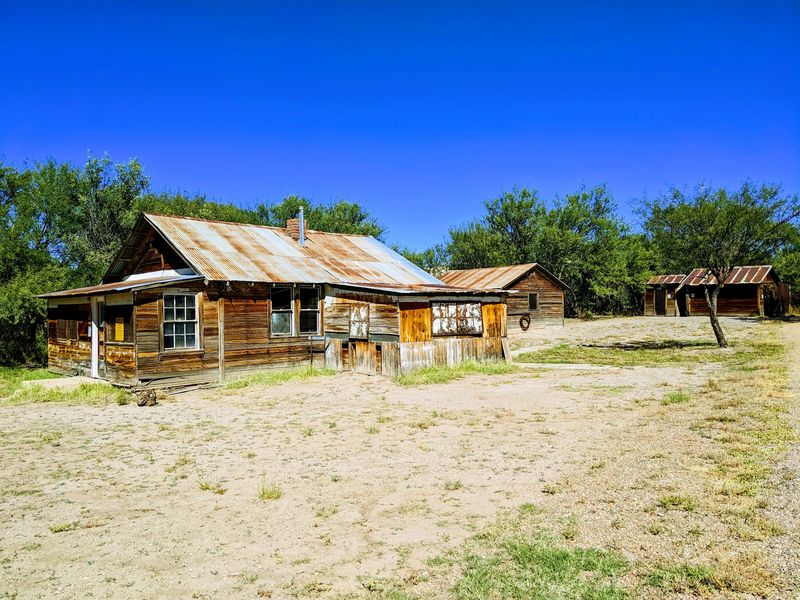
Once a rowdy railroad boomtown, Fairbank still shows off a handful of stubborn survivors near Tombstone. Several original buildings remain standing, giving you a real peek into frontier life.
A quiet cemetery rests nearby, along with the ruins of an old mill that hint at busier, noisier days. Wandering the grounds, you can almost picture trains rolling in loaded with goods and passengers.
The BLM keeps this site ready for public exploration, so trails and signs help guide your visit. That makes Fairbank an easy pick for families or first-time ruin hunters.
Cooler months bring the most pleasant weather, and the surrounding grasslands look especially pretty then. Pack a hat, sturdy shoes, and a camera to capture the weathered wood and adobe.
Take your time reading the interpretive markers, because they turn plain walls into vivid stories. By the time you leave, this sleepy townsite feels a little more alive in your imagination.
3. Millville Historic Townsite, Near Tombstone And Sierra Vista
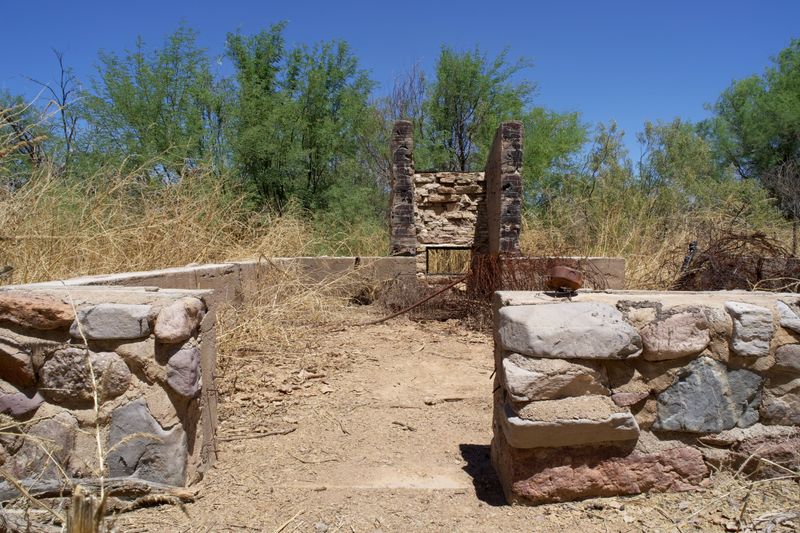
Along the shady banks of the San Pedro River, Millville tells the story of Tombstone’s silver rush. The mills here once crushed and processed ore, and their crumbling remains still dot the landscape.
You will spot old adobe pieces, stone foundations, and scattered rubble as you follow the trail. Because the site sits inside the San Pedro Riparian National Conservation Area, the public can explore freely.
Birds fill the trees near the river, so bring binoculars if you enjoy wildlife along with history. The mix of ruins and greenery makes this walk feel peaceful yet mysterious.
Fall, winter, and spring offer the friendliest temperatures for hiking the flat, easy paths. Wear comfortable shoes and carry water, since desert sun can sneak up on you quickly.
Reading the trail signs helps connect these broken walls to the famous boomtown just over the hills. Leaving Millville, you understand how ore turned rough diggings into legends.
4. Charleston Ghost Town Ruins, Near Tombstone
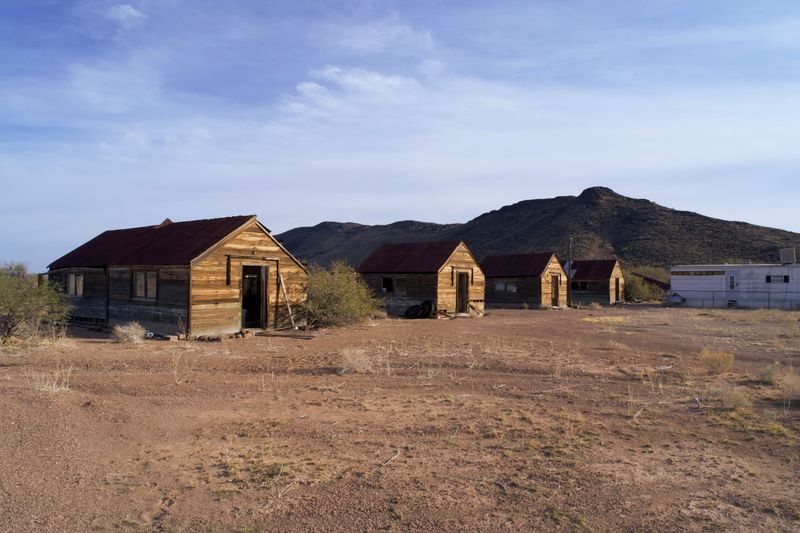
Barely a whisper of a town remains at Charleston, and that emptiness is exactly what makes it fascinating. Only adobe walls and low foundations poke up through the brush along the San Pedro.
Back in its day, Charleston carried a rough frontier reputation, full of tough characters and wild happenings. Now the silence swallows those stories, leaving just crumbling clues behind.
Reaching the ruins takes a walk on foot across BLM land, so wear supportive shoes and watch for uneven ground. There are no shops or restrooms, so plan ahead and pack out everything you bring.
Mesquite trees provide a little cover, but sun protection is still a smart idea. Cooler months make the hike far more enjoyable and safer.
Because so little survives, your imagination does most of the heavy lifting here. That mysterious feeling is what keeps curious travelers coming back to this quiet, forgotten spot.
5. Presidio Santa Cruz De Terrenate, Near Huachuca City
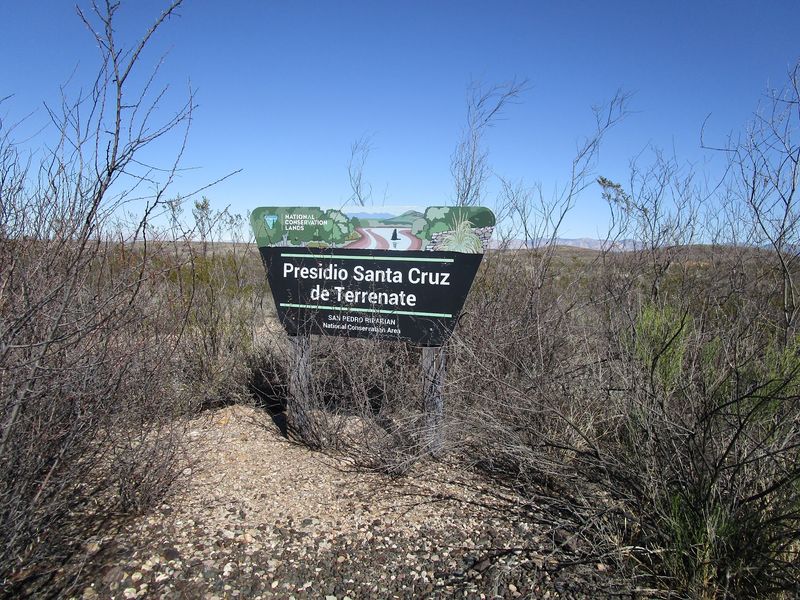
Perched on a lonely bluff near Huachuca City, this Spanish military outpost fits the creepy label perfectly. Soldiers stationed here faced constant conflict, supply troubles, and low spirits before finally leaving the fort behind.
What remains are weathered foundations and adobe fragments that speak of hardship and isolation. An interpretive trail loops through the site, sharing the strange and difficult history along the way.
The presidio stays open year-round, though the exposed grasslands can get hot, so morning visits work best. Sturdy shoes help on the rocky path, and water is a must.
Standing where those weary troops once kept watch, you feel the loneliness that hung over this place. The wide views across the valley add to that eerie, faraway mood.
Read every sign you pass, since they explain why the outpost struggled so badly. When you walk back to your car, the empty fort seems to linger in your thoughts like a half-remembered tale.
6. Fort Bowie National Historic Site, Bowie
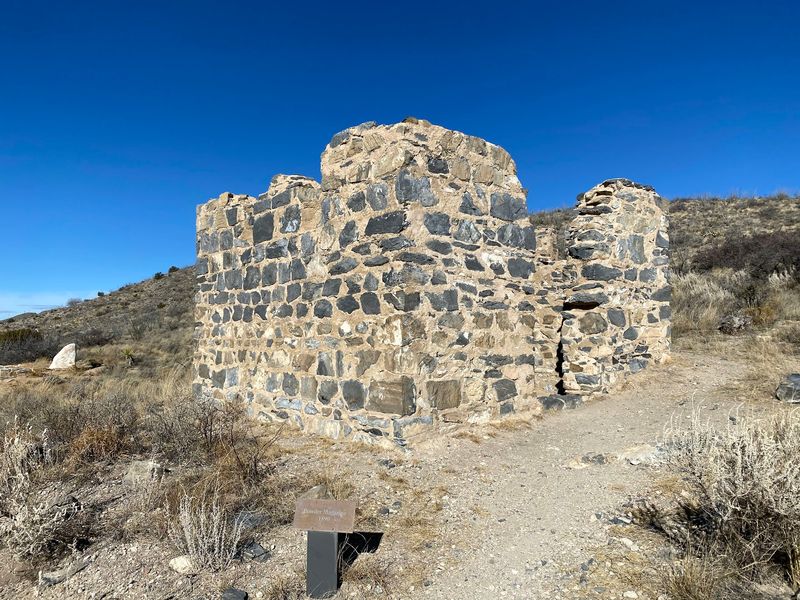
Tucked into a rugged canyon near Bowie, this ruined frontier fort holds some of Arizona’s most gripping history. Connected to the Apache Wars, the site includes crumbling walls, a cemetery, and remnants of an old stage station.
Getting there is part of the adventure, since a roughly three-mile round-trip hike leads you to the ruins. The trail winds past historic markers that unfold the tense events of the era.
The site stays open every day from sunrise to sunset, giving you plenty of time to explore. Bring water, snacks, and a hat, because the canyon offers little shade.
Cooler seasons make the walk far more pleasant, and the desert scenery feels wide and dramatic. Take breaks at the interpretive stops to soak in the stories.
Reaching the old fort after that hike gives a real sense of accomplishment. Fort Bowie rewards patient explorers with history you can practically feel underfoot.
7. Kentucky Camp Historic District, Near Sonoita
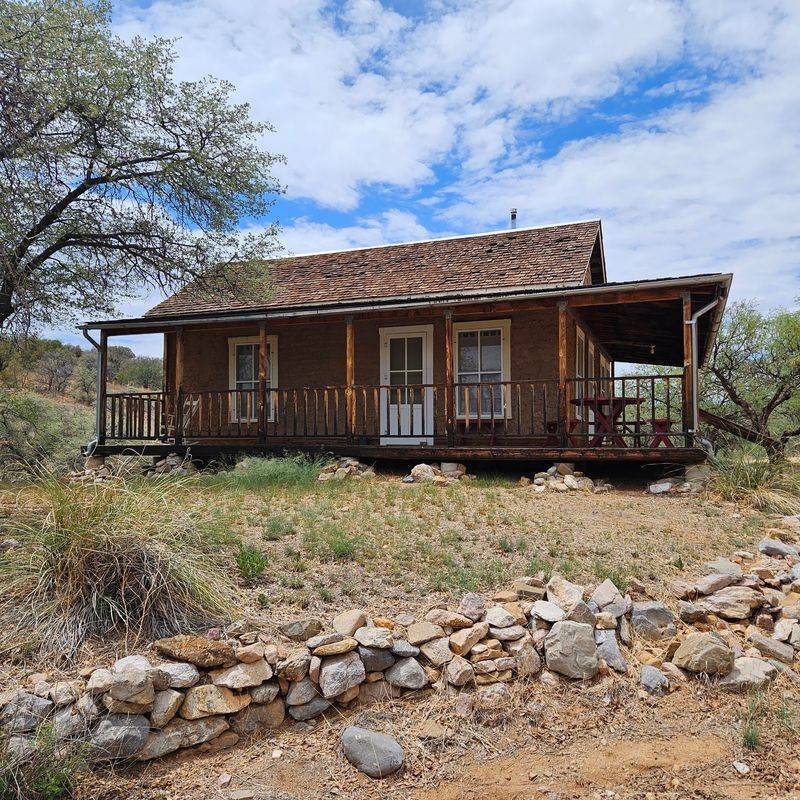
Hidden deep in the Santa Rita Mountains near Sonoita, Kentucky Camp is a haunting reminder of dreams that fell apart. This mining operation collapsed after the sudden loss of its founder, leaving the whole plan unfinished.
The surviving adobe complex still stands among rolling oak grasslands, quiet and weathered. Walking around, you can picture the hopeful workers who once believed this place would strike it big.
The Forest Service now maintains the historic site, so visitors can explore the buildings and grounds. Cooler months bring lovely weather and golden hillsides that make the setting even more memorable.
The drive in can be rough, so a higher-clearance vehicle helps a lot. Pack water and let someone know where you are headed, since the area feels remote.
Reading about the camp’s failure adds a layer of sadness to those silent adobe walls. Kentucky Camp shows how quickly big ambitions can fade into desert stillness.
8. Historic Camp Rucker, Chiricahua Mountains
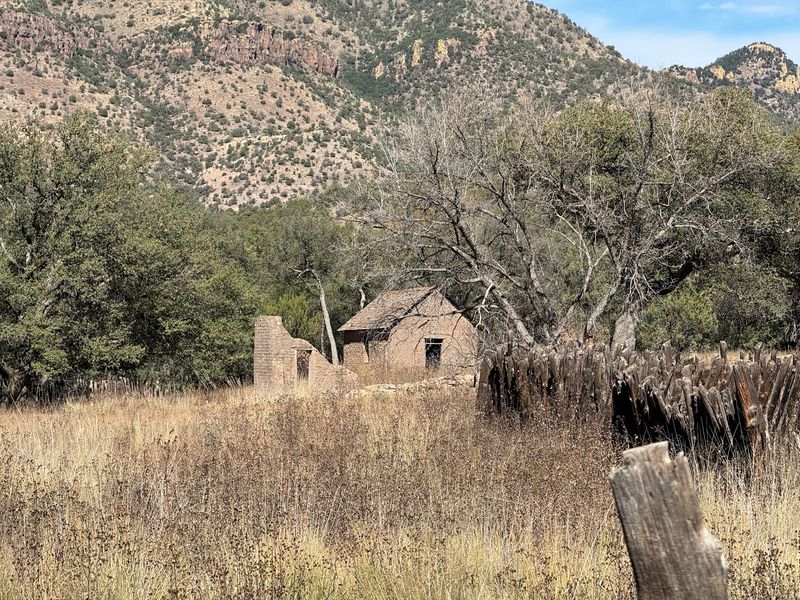
Way out in the Chiricahua Mountains, Camp Rucker feels like a secret only the mountains remember. This nineteenth-century military camp saw plenty of the turbulent frontier days in southeastern Arizona.
Several historic buildings and foundations still survive, resting quietly on Coronado National Forest land. The forested canyon setting gives the place a cool, hushed feeling that many desert ruins lack.
Because it sits so far off the beaten path, you will likely have the area mostly to yourself. That remoteness makes the visit peaceful, but it also means you should prepare carefully.
Fill your tank, pack extra water, and carry a paper map, since signals fade out here. Spring and fall offer comfortable temperatures and pretty scenery for wandering the grounds.
Exploring the old camp, you can imagine soldiers keeping watch in this rugged, faraway spot. Camp Rucker rewards adventurers who love history wrapped in quiet wilderness.
9. Gleeson Ghost Town, East Of Tombstone
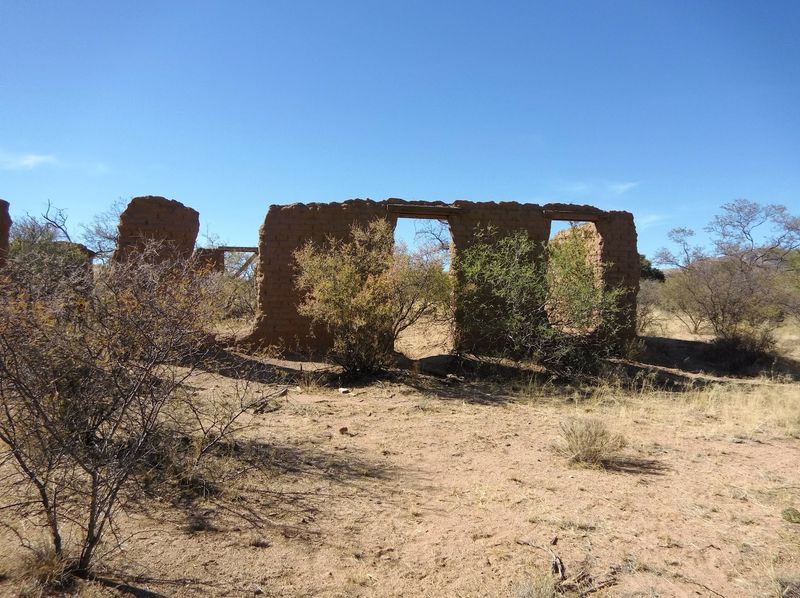
East of Tombstone, Gleeson greets visitors with the eerie shells of an old copper town. Hospital ruins, scattered foundations, and a lonely cemetery all remain, along with a restored 1910 jail that steals the show.
The town’s past includes gunfights, bandits, and other frontier trouble, so the creepy mood comes honestly. Peeking inside that old jail, you can almost sense the rowdy characters once locked away there.
Some of the ruins sit on private property, so stick to permitted areas and public roads out of respect. Following the rules keeps the site open for everyone who follows you.
Cooler weather makes the drive and walk far more comfortable, and the desert light looks gorgeous then. Bring water, sun protection, and your camera for the weathered structures.
Chatting with locals or reading the signs adds even more color to Gleeson’s wild story. This half-forgotten town proves that copper country never ran short on drama.
10. Vulture City Ghost Town, Wickenburg
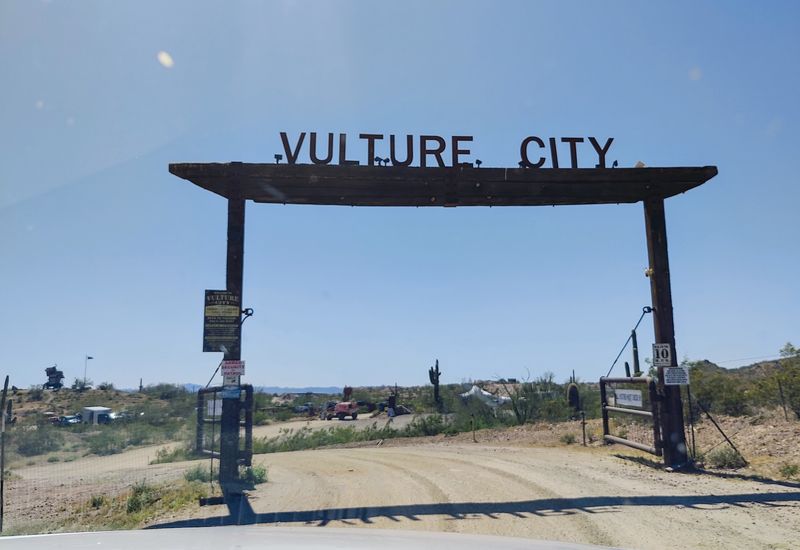
Near Wickenburg, Vulture City stands as one of Arizona’s most famous and shiver-worthy old mining towns. Original and restored structures surround the former Vulture Mine, giving visitors a full picture of boomtown living.
The site also features the notorious Hanging Tree, which comes with plenty of eerie stories to match its name. Guided details and displays back up the spooky reputation with documented history.
Unlike wide-open ruins, this is a managed attraction, so you get organized paths and helpful information. It generally operates seasonally, usually from mid-October into May, so check hours before you go.
Cooler months line up perfectly with the open season, making your visit both comfortable and informative. Wear good shoes for walking between the many buildings and mine features.
Bringing curiosity pays off, since every structure seems to hide another strange tale. Vulture City lets you explore mining history without wandering completely off the grid.
11. Castle Dome City Ghost Town And Hull Mine, North Of Yuma
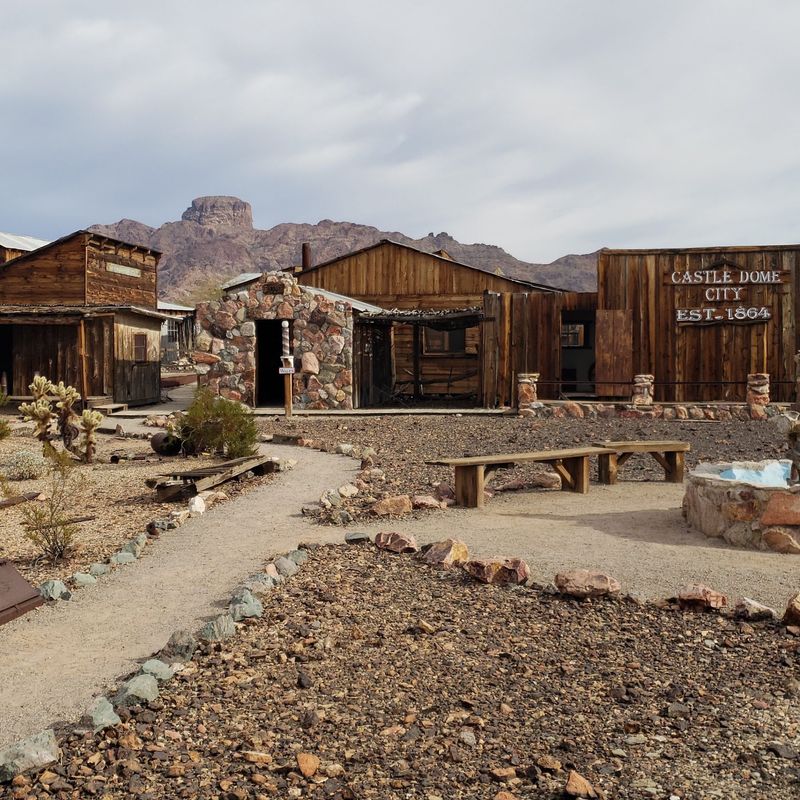
Far north of Yuma, Castle Dome City surprises visitors with buildings you can actually step inside. This isolated former mining settlement has been carefully preserved, so its walking tour feels wonderfully real.
You can wander through rooms filled with old items, then explore the nearby Hull Mine for an underground peek. That combination makes the place both educational and delightfully spooky.
The town operates mainly from October 15 through April 15, matching the cooler and safer travel season. Summer visits require checking ahead, since the desert heat here can be intense and remote.
The drive out is long and rugged, so bring a full tank, water, and snacks. A higher-clearance vehicle helps on the rougher stretches of road.
Taking the tour, you truly feel like a time traveler stepping into a busy mining past. Castle Dome City stands out as one of the most hands-on ruins Arizona has to offer.
12. Jerome Sliding Jail, Jerome
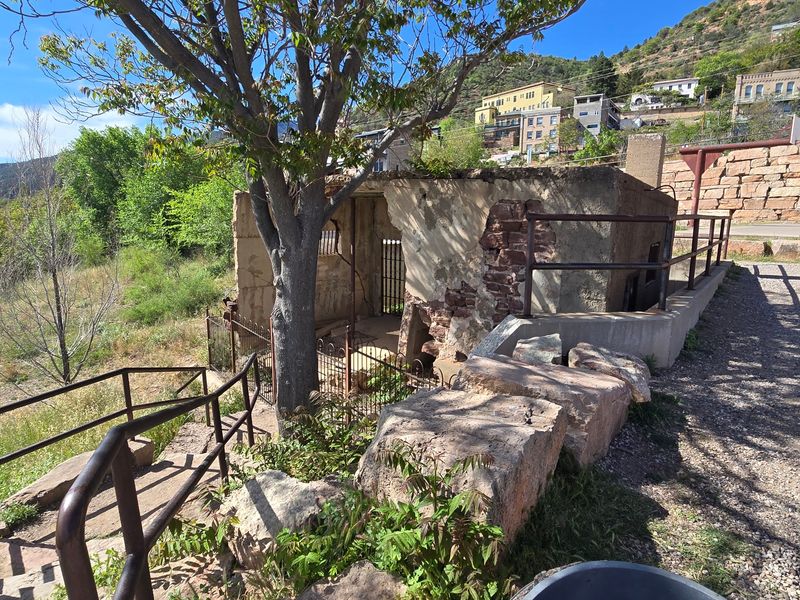
Up in the hillside town of Jerome, one attraction literally went for a slide. The damaged concrete jail broke away from its original spot after ground movement linked to mining and crept downhill.
Seeing this tilted, wandering building in person is oddly thrilling and a little unsettling. The Town of Jerome still marks the Sliding Jail area as a public visitor location, so you can check it out easily.
Jerome itself clings to a steep mountainside, offering great views and plenty of quirky charm. Comfortable shoes help with the sloped streets and sidewalks around town.
Because it sits inside a lively community, you can pair the jail visit with shops and eateries nearby. That makes it a fun stop for travelers who want history plus a friendly town vibe.
Snapping a photo of the runaway jail is practically a must for any explorer. Jerome proves that even ruins can have a stubborn sense of humor.