
10 California Restaurants Inside Buildings That Were Never Meant To Be Restaurants
Would you trust a restaurant that used to be a bank? A church?
Maybe even a train station? In California, the answer might be a surprisingly enthusiastic yes.
All across the state, chefs and restaurateurs have been giving unlikely old buildings a second act, and some of them make for seriously memorable places to eat. The fun isn’t just figuring out what’s on the menu.
It’s looking around and realizing the walls, windows, beams, or even the entire layout were designed for something completely different.
You came for dinner. You accidentally got a history lesson with your entrée.
And we’ll take that deal. These restaurants prove that a great dining room doesn’t always start with a blueprint for a restaurant. Sometimes, the best ones begin with a building that had an entirely different life.
1. Manhattan Beach Post
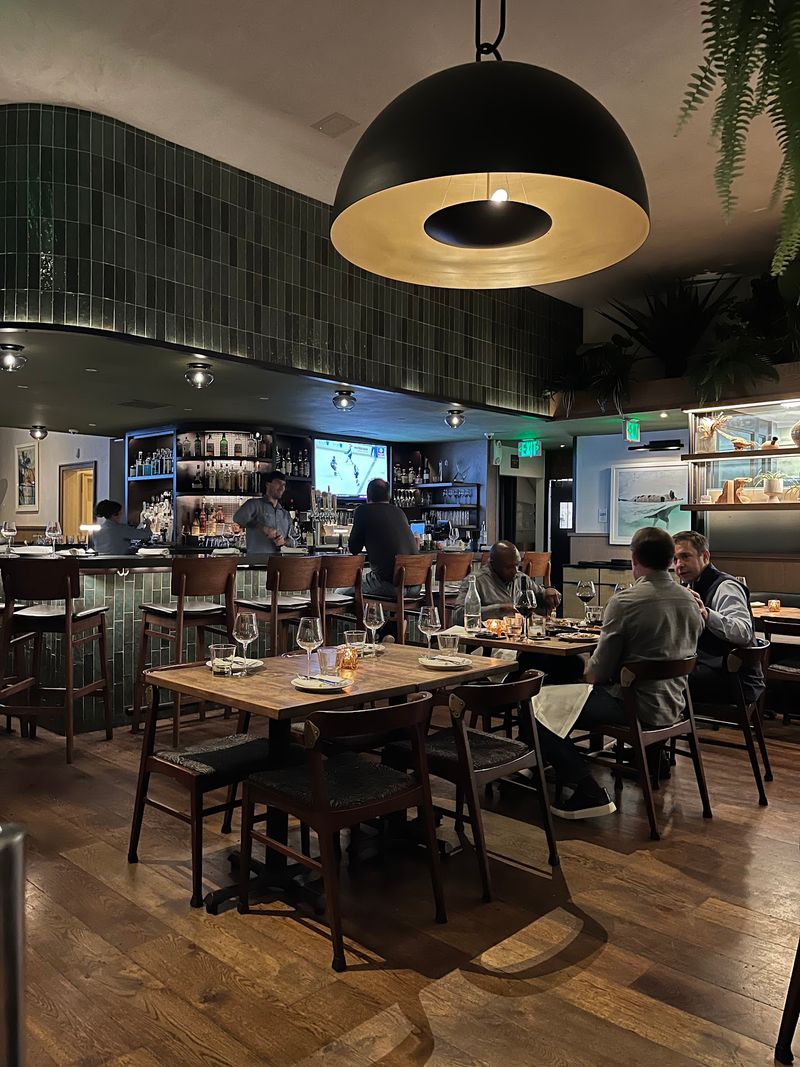
Imagine sitting down to a plate of wood-fired food inside a building that once sorted your grandparents’ mail. Manhattan Beach Post pulls off this trick with serious style.
Located at 1142 Manhattan Ave, Manhattan Beach, CA 90266, this restaurant took over a building that operated as the local post office from the 1950s through the 1970s.
When the designers got their hands on it, they did not hide the building’s bones. Instead, they celebrated them.
The original concrete walls and barrel-vaulted ceiling were left fully exposed, giving the space a raw, honest energy that feels both industrial and cozy at the same time.
Reclaimed barn wood was layered throughout, adding warmth to what could have felt like a cold government building.
Subtle nods to the postal history are woven into the decor, making every corner feel intentional. The menu leans into coastal California flavors, with bold, shareable dishes that match the building’s bold, unexpected personality.
There is something genuinely fun about eating a beautifully crafted meal inside a place that once had a PO box number.
MB Post, as regulars call it, turned civic history into a dining experience worth writing home about. Old mail vibes, new food obsession.
2. The Firehouse Restaurant
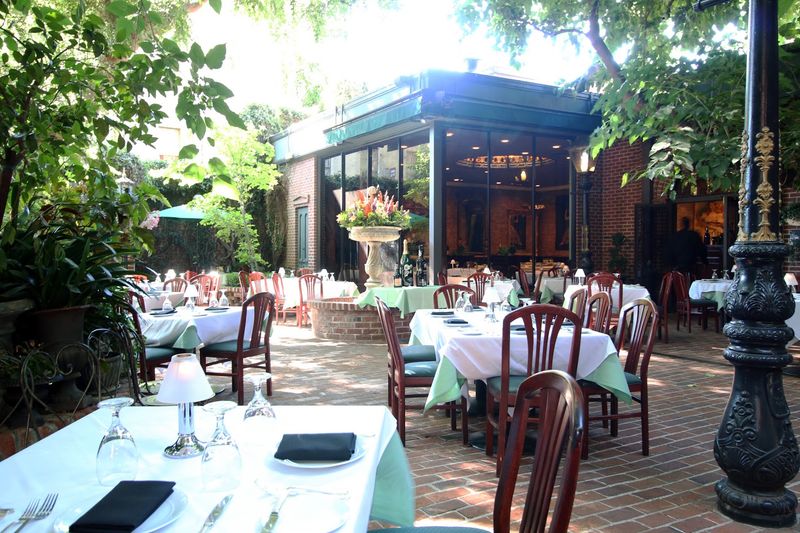
Sacramento’s oldest restaurant story starts with a fire bell, not a dinner bell. The Firehouse Restaurant at 1112 2nd St, Sacramento, CA 95814 lives inside a redbrick building that dates back to 1853.
This was not just any old building. It was California’s very first fully staffed fire station, home to Engine Company No. 3.
For over a century, the building stood as a symbol of public safety in the growing city. Then in 1959, a renovation transformed the entire space into a restaurant and gathering place.
It officially opened as The Firehouse Restaurant in 1960 and has been a Sacramento landmark ever since.
What makes this place truly special is how much history survived the conversion.
The original fire pole is still standing inside the dining room, which has to be the coolest piece of decor in any restaurant anywhere. The cover plate is still there too, a quiet reminder of the building’s emergency-response past.
The menu is upscale and refined, a sharp contrast to the rugged origins of the space. Somehow that contrast makes every bite feel more interesting.
Eating where firefighters once rushed out the door gives dinner an unexpectedly dramatic energy.
3. The French Laundry
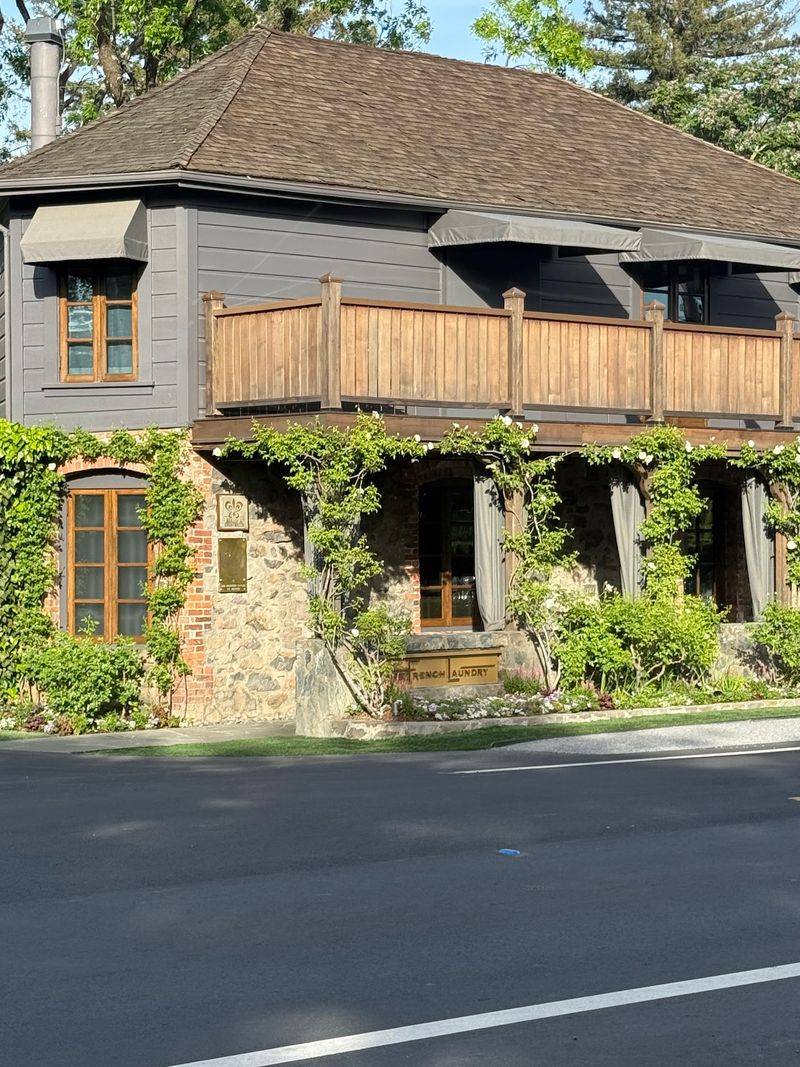
Few restaurant names carry as much weight as The French Laundry, and the name itself is the biggest plot twist in California dining history.
The building at 6640 Washington St, Yountville, CA 94599 was originally constructed in the late 1800s, with some records pointing to 1896 and others to 1900, by a Scottish stonemason who built it to be a saloon.
Here is where it gets interesting. Yountville had early prohibition laws, which made running a pub in that location basically impossible.
So the building sat at a crossroads, looking for a new purpose. By the 1920s, it had been converted into a French steam laundry, which is exactly where the restaurant got its now-iconic name.
Decades later, one of America’s most celebrated chefs transformed this former laundry into a culinary destination that earns global recognition year after year.
The stone walls and intimate scale of the original structure give the restaurant a warmth that no newly built space could replicate.
From saloon to laundry to world-class restaurant, this building has lived more lives than most people can imagine. Every course served here is seasoned with that layered, fascinating history.
That is a story you can actually taste.
4. Old Place
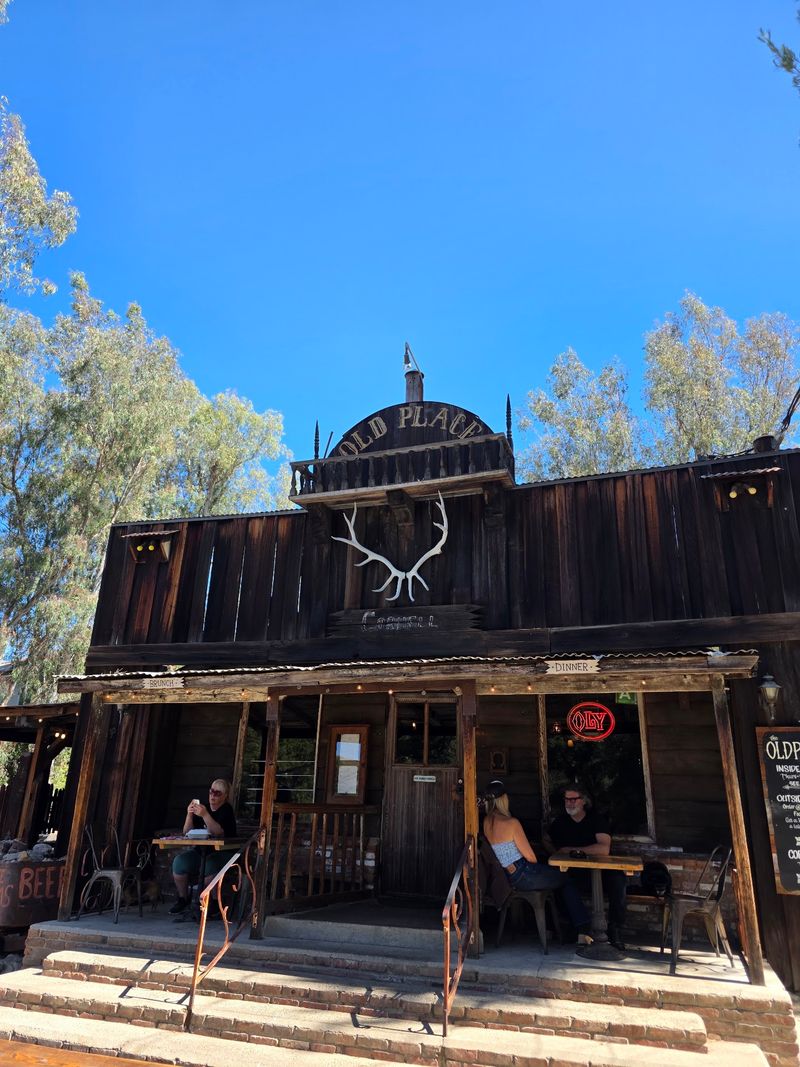
Tucked into the Santa Monica Mountains like a well-kept secret, Old Place in Agoura Hills is the kind of spot that feels frozen in a really good moment. The building at 29983 Mulholland Hwy, Agoura Hills, CA 91301 was originally built around 1909 to 1915 and served as a general store and post office for the tiny, secluded village of Cornell.
As the community around it shrank over the decades, the building fell into disrepair. Then in the 1960s, someone with vision saw past the weathered wood and dusty shelves and turned it into the rustic restaurant it is today.
The transformation was thoughtful and intentional, preserving the original tin ceiling and wood-burning stove that give the space its unmistakable character.
The menu leans into comfort, with hearty, satisfying dishes that feel perfectly at home in a space this storied. Sitting inside Old Place feels like being invited into someone’s family history.
The walls have absorbed over a century of California mountain life, and it shows in the best possible way.
Old Place is a reminder that the most charming dining rooms are often the ones that were never designed to be dining rooms at all.
Some buildings just know what they want to become eventually.
5. Campfire
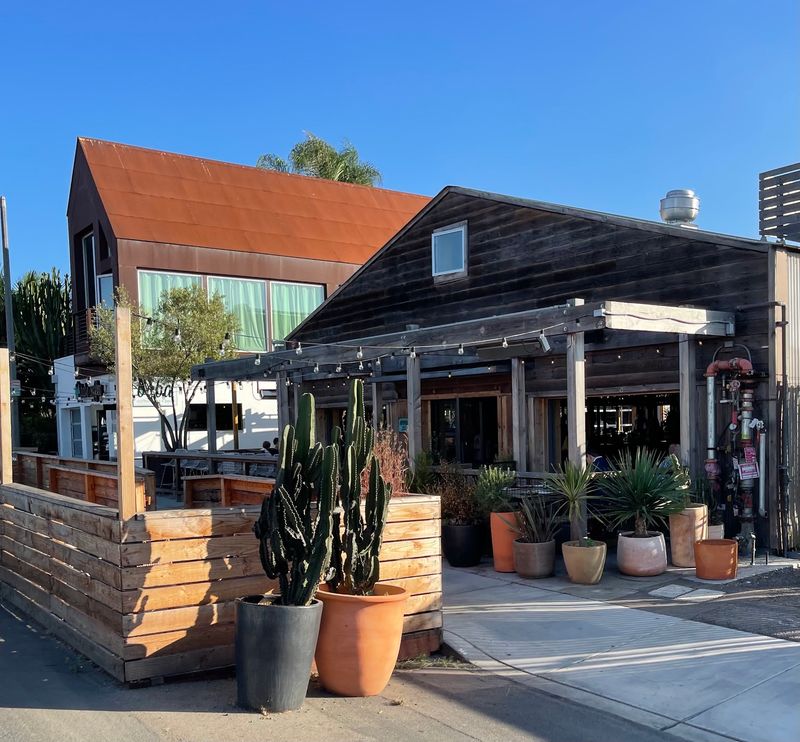
Campfire in Carlsbad is what happens when a restaurant concept and a building’s past life are almost too perfectly matched. Found at 2725 State St, Carlsbad, CA 92008, this fire-forward restaurant sits inside a space with a genuinely wild history.
The building was once an auto repair shop, which already gives it serious character, but the architectural centerpiece is even more unexpected.
A World War II-era Quonset hut-style corrugated metal arch runs through the dining room. This iconic curved structure was salvaged directly from the nearby Camp Pendleton Marine base, bringing a piece of military history right into the heart of a coastal California neighborhood.
The result is a space that feels both rugged and theatrical.
Before the cars and before the marines, the space also has history as a place where original drag race cars were built in the 1950s. Layer after layer of California grit lives in those walls.
The restaurant leans fully into the campfire theme, with live-fire cooking and a menu built around smoke, char, and bold seasonal ingredients.
Every element of Campfire feels earned rather than designed, and that authenticity makes the food taste even better.
6. Redbird
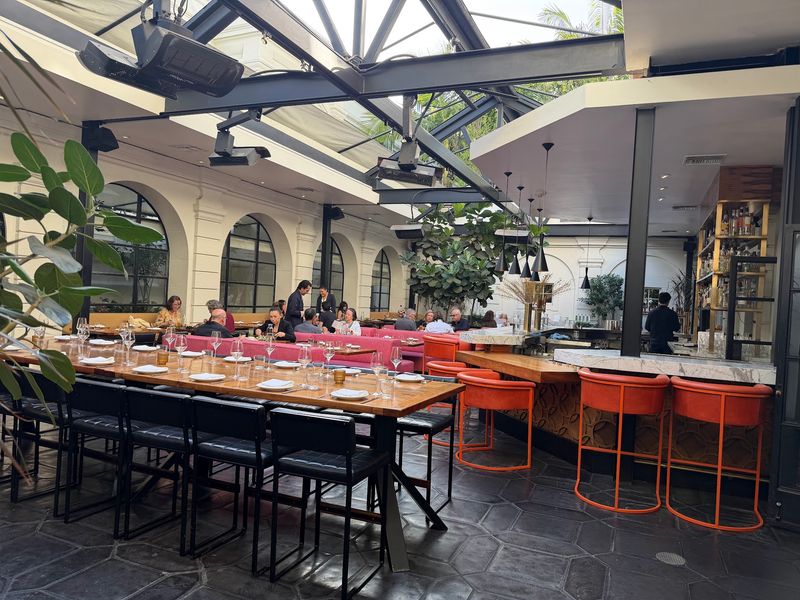
Not many restaurants can say they share a wall with Los Angeles’ first Catholic cathedral, but Redbird is not most restaurants. Situated at 114 E 2nd St, Los Angeles, CA 90012, Redbird occupies the former rectory building of Vibiana, the cathedral completed in 1876 that served as the spiritual heart of the city for over a century.
The rectory building sat unfinished and underutilized for years before a chef took over the property in 2012 and transformed it into one of downtown LA’s most celebrated dining destinations. The design team leaned into the existing architecture rather than working against it, blending modern elements with the timeless bones of the original structure.
Arched windows, soaring ceilings, and a courtyard that feels transported from another era make Redbird one of the most visually striking restaurants in the entire state. The food matches the setting with refined, seasonal California cuisine that feels worthy of the surroundings.
The combination of sacred history and contemporary cooking creates a dining atmosphere that is genuinely unlike anything else.
Redbird proves that a building does not need to stay in its original role to remain meaningful. Sometimes a new purpose is exactly what gives a historic space its next great chapter.
7. Hermon’s
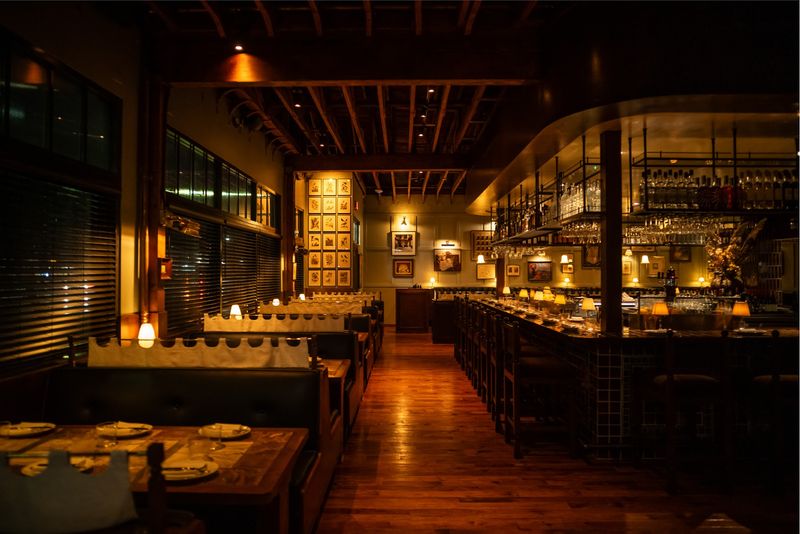
The Hermon neighborhood of Los Angeles has its own quiet, layered history, and the restaurant at 5800 Monterey Rd, Los Angeles, CA 90042 sits right at the center of it. This spot occupies a former banquet hall that once belonged to the Free Methodist Church, the same organization that originally established the Hermon community back in 1903.
That kind of deep neighborhood connection is rare, and it gives the space a sense of belonging that newer buildings simply cannot manufacture.
The building itself carries Art Deco design details that stand out beautifully against the predominantly Craftsman-style architecture of the surrounding neighborhood. It is a visual conversation between two very different eras of American design.
Walking in, you get a sense that the building has hosted countless gatherings, celebrations, and community moments long before a menu ever existed. That communal energy is still very much present.
The restaurant honors that spirit by creating a welcoming, neighborhood-centered dining experience rooted in the character of the space.
The contrast between the building’s original religious and community function and its current role as a vibrant restaurant makes every visit feel layered with meaning.
History has a way of flavoring a meal in ways that no spice rack ever could, and this spot is a perfect example.
8. El Adobe De Capistrano
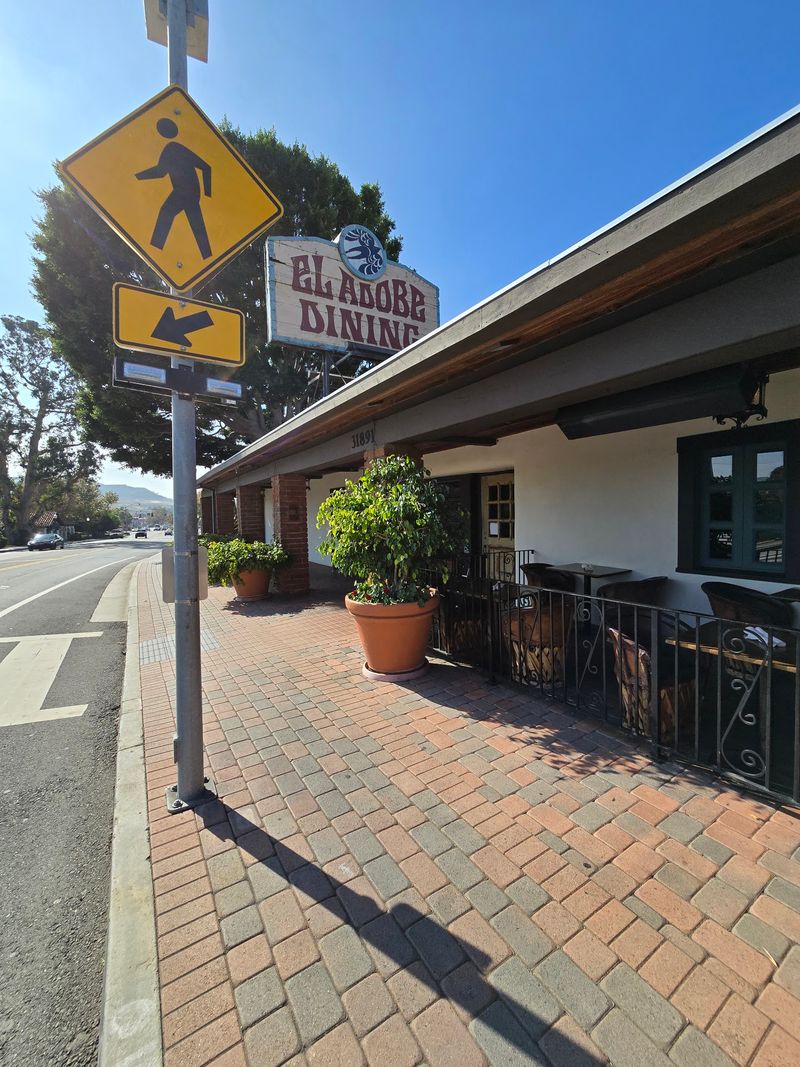
Some restaurants have history. El Adobe de Capistrano has centuries of it.
Located at 31891 Camino Capistrano, San Juan Capistrano, CA 92675, this restaurant is housed inside not one but two historic adobe structures that together span over two hundred years of California history.
The northern section of the building dates back to 1797, originally serving as the home of Miguel Yorba.
The southern section was constructed in 1812 and served a rotating cast of community functions over the years, including a court with jails, a post office, a general store, and a stage depot. The building was basically the town center before the town even knew what it wanted to be.
One of the most fascinating details is the old jail cell, which has been repurposed as the restaurant’s cellar. That transformation from a place of confinement to a place of preservation is a perfect metaphor for what this entire building represents.
The thick adobe walls, exposed beams, and mission-era architectural details make every room feel like a living museum.
The menu celebrates traditional Mexican and Californian flavors in a setting that feels genuinely irreplaceable.
El Adobe de Capistrano is not just a restaurant. It is a monument to the layered, complicated, and beautiful history of Southern California.
9. Bestia

There is a moment when you walk into Bestia for the first time where you stop and think, wait, this used to be a warehouse?
The space at 2121 E 7th Pl, Los Angeles, CA 90021 sits on the edge of downtown’s Arts District and opened in 2012 inside a former factory building that had been sitting vacant for years.
The design team embraced every inch of the industrial past. Exposed brick walls, raw steel beams, and poured concrete floors create a setting that feels energetic and alive without trying too hard.
The open kitchen adds another layer of visual drama, turning cooking into a performance that matches the scale of the room.
The founders chose this location deliberately, believing that the Arts District’s creative, rough-around-the-edges energy was exactly right for the kind of bold Italian cooking they had in mind.
That instinct paid off spectacularly. Bestia quickly became one of the most talked-about restaurants in Los Angeles, earning a loyal following that books reservations weeks in advance.
The menu is built around handmade pastas, wood-fired proteins, and house-cured ingredients that feel deeply satisfying in a space this raw and unapologetic.
Bestia is proof that great food and great architecture are always better together. The warehouse never stood a chance of staying empty.
10. The Factory Kitchen
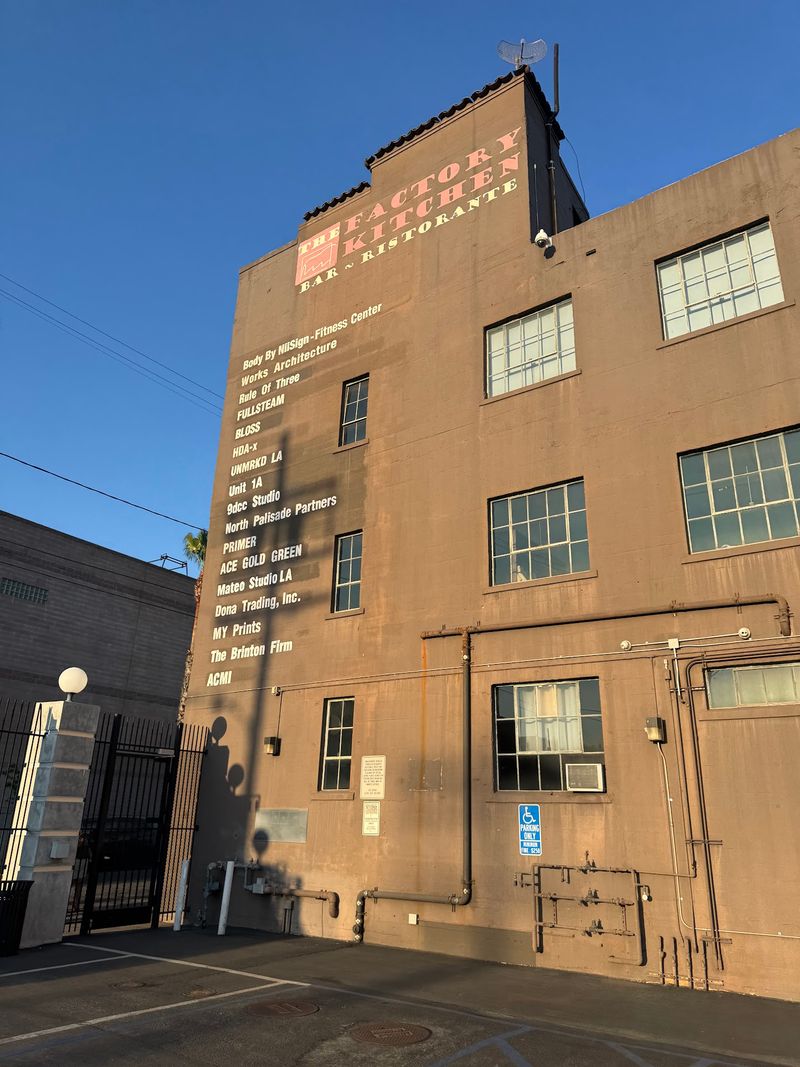
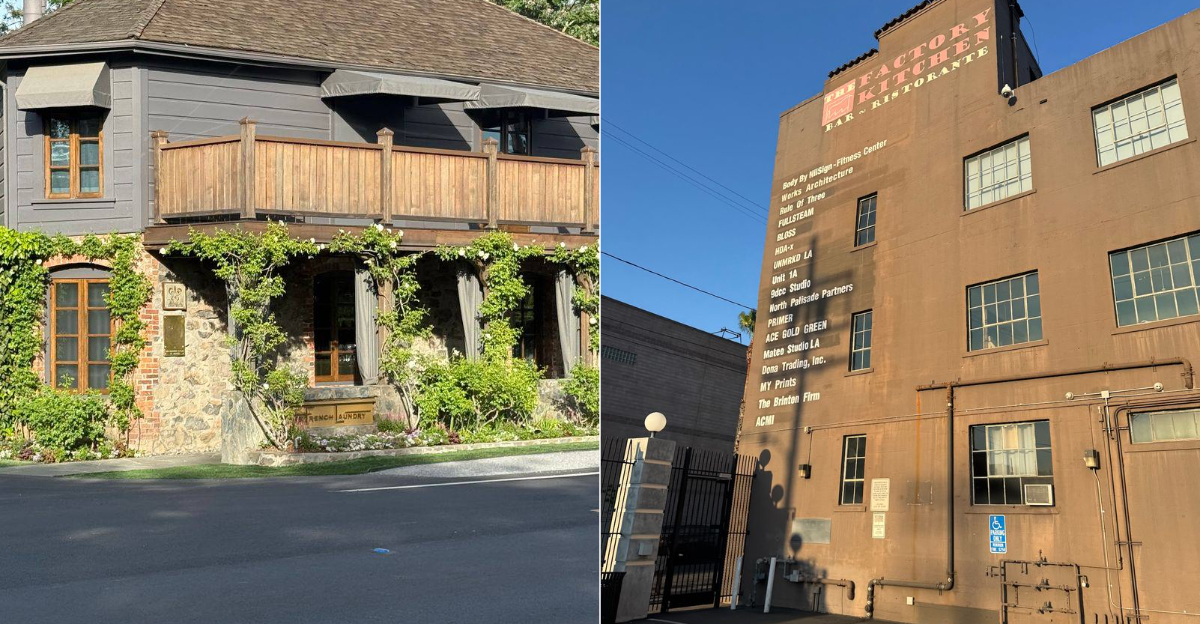
The name says it all, and then some. The Factory Kitchen at 1300 Factory Pl, Los Angeles, CA 90013 earns its name honestly, sitting inside the Factory Place Arts Complex, a 90-year-old warehouse that once operated as a fish factory and manufacturing facility.
The address is practically a spoiler for the story inside.
When the restaurant opened in late 2013, the design choices were all about honoring the building’s working-class roots. Concrete surfaces, reclaimed wood tables, and the original bones of the former loading dock were preserved and celebrated rather than covered up.
The result is a space that feels both gritty and refined, which turns out to be a combination that works brilliantly for Italian food.
The menu focuses on traditional Italian trattoria cooking, with handmade pasta, carefully sourced ingredients, and recipes rooted in regional Italian tradition. There is something deeply satisfying about eating a beautifully delicate dish of fresh pasta in a room that once processed fish for a living.
The contrast is jarring in the best possible way.
The Factory Kitchen represents everything exciting about California’s approach to dining. Old spaces, new ideas, and food that makes you forget to check your phone.
If these walls could talk, they would probably ask for seconds.