
Illinois Has A Riverside Trail That Feels Like A Secret Summer Escape
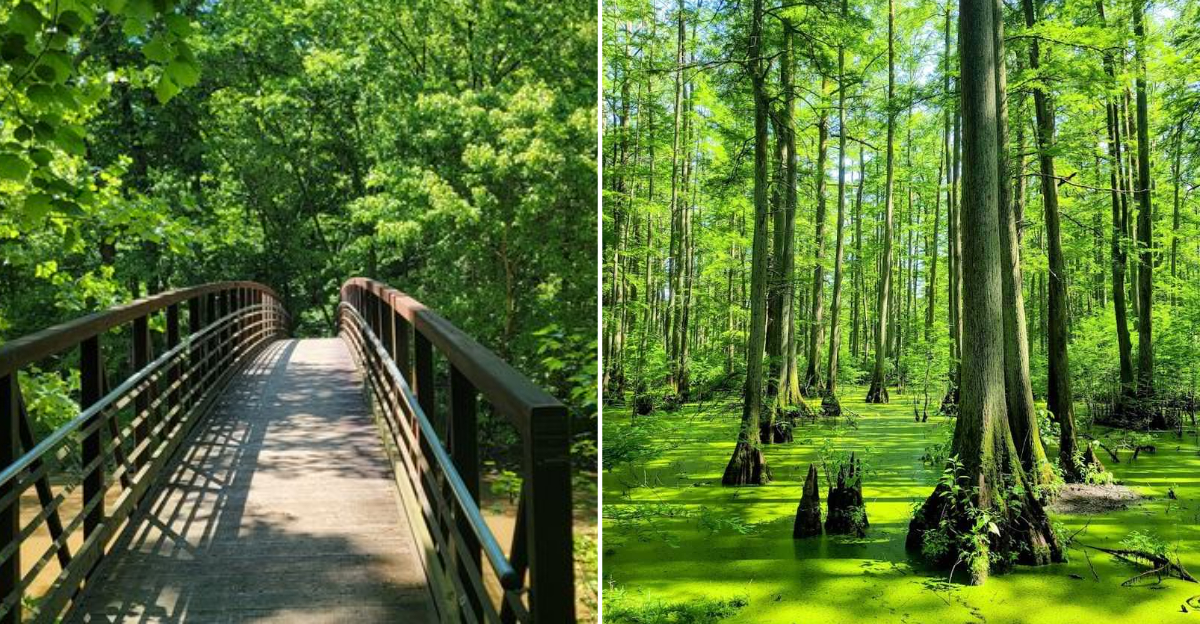
Illinois has a secret that feels wildly out of place: a swampy trail where ancient trees rise out of dark water and the air hums with frogs, birds, and summer heat.
Far beyond the usual image of flat farmland and city skylines, this southern Illinois escape leads into bottomland woods and quiet river scenery that feels more like a hidden bayou than the Midwest.
This swamp trail delivers a moody, green, wildlife-filled adventure for travelers craving something different. It is peaceful, strange, and surprisingly dramatic, with every bend offering another reason to slow down and look closer.
Ancient Giants In The Swamp
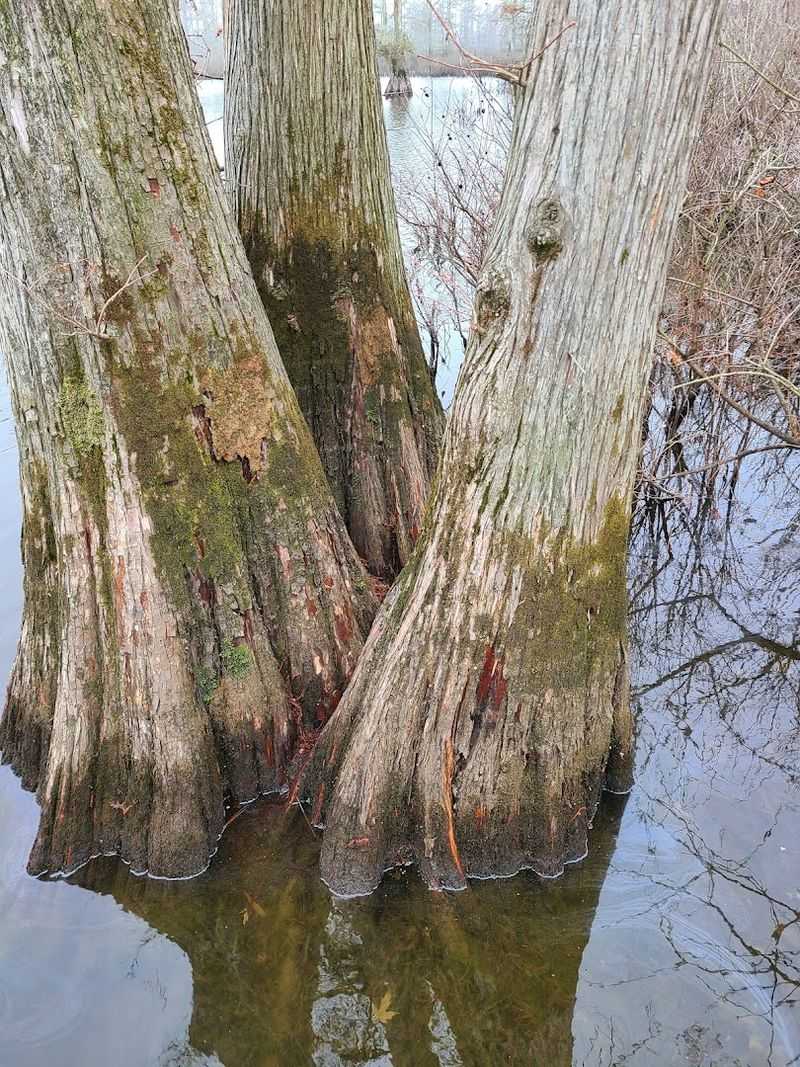
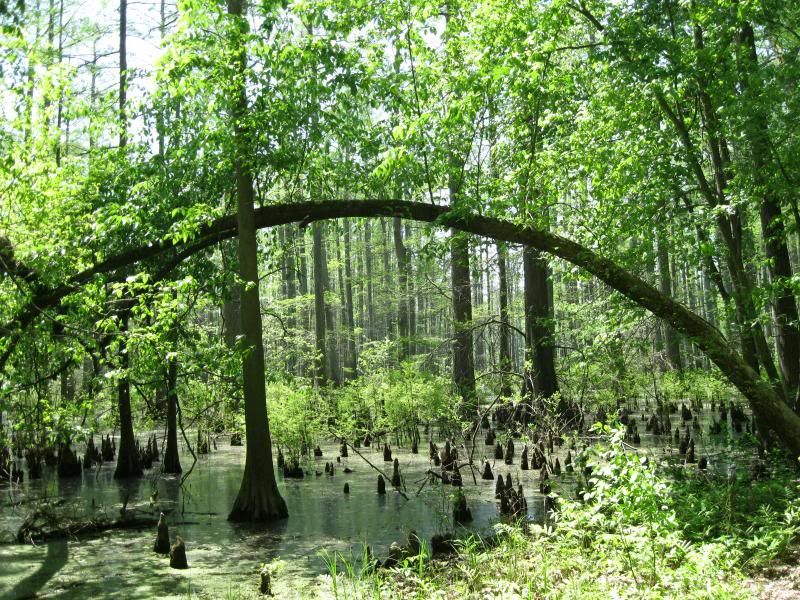
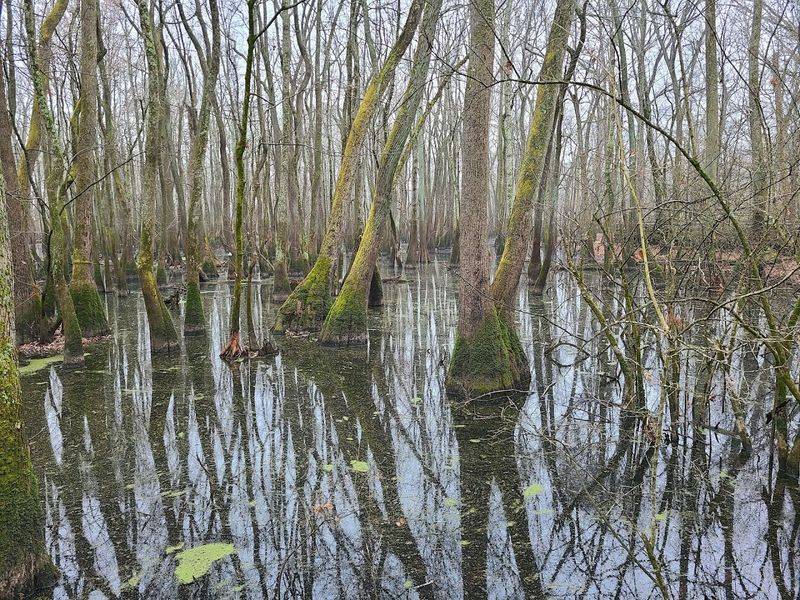
Some trees here have been standing since before the United States was even a country. The bald cypress trees along the Lower Cache River Swamp Trail are among the oldest living things in Illinois, with some estimated to be over 1,000 years old.
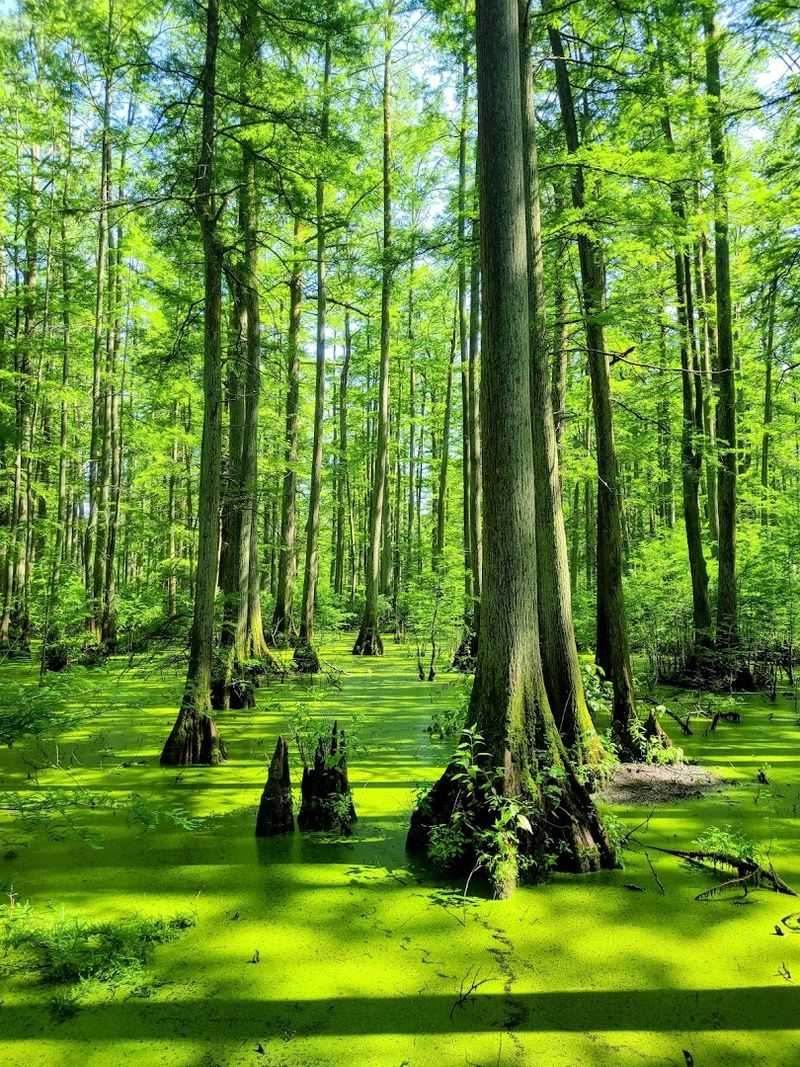
Their massive, flared bases rise dramatically from the water, creating a cathedral-like atmosphere that stops most hikers in their tracks.
These trees are specially adapted for wet, swampy conditions. Their knobby root structures, called cypress knees, poke up through the water surface like curious little sculptures.
Walking among them feels genuinely prehistoric, as if the landscape has barely changed in centuries.
The Illinois Nature Preserves Commission has officially designated this area as a state nature preserve, recognizing the ecological significance of these ancient trees. Visiting in the early morning gives you the best light for photos and the best chance to hear the swamp fully awake around you.
Into The Wetland Wild
Walking through the Lower Cache River wetlands is one thing, but following a quiet trail through bottomland forest and swamp-edge scenery is something else entirely.
The Lower Cache River Swamp Trail is a highlight for visitors who want a quieter look at the Cache River landscape, with wetland views, forested sections, and a route that follows the river corridor.
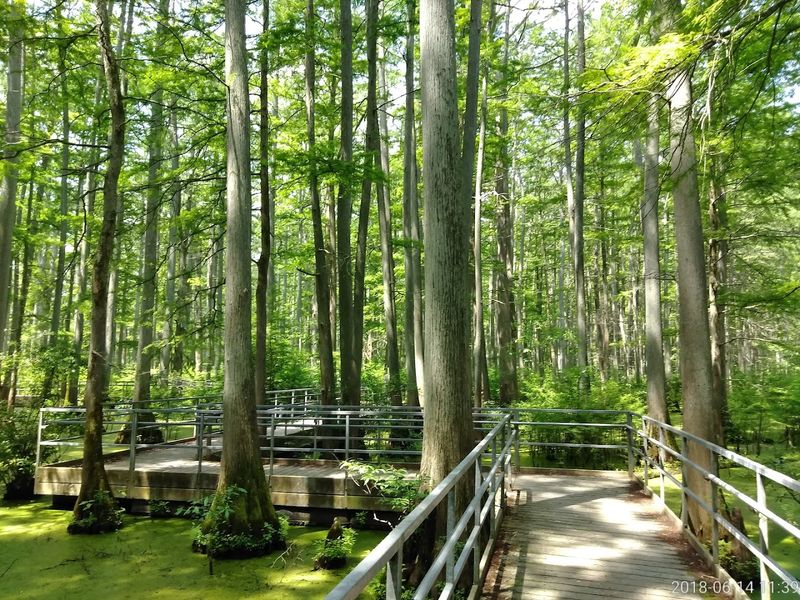
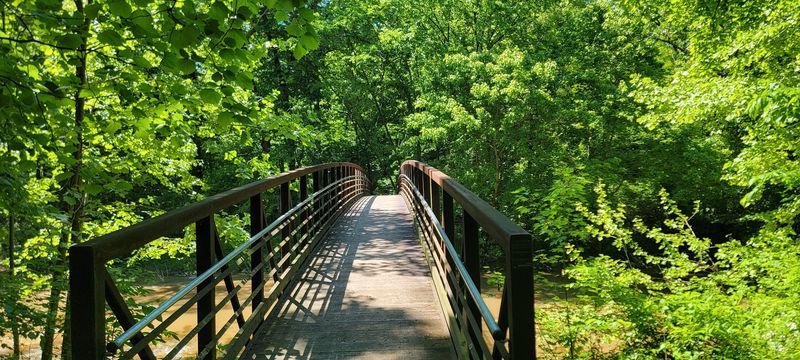
The boardwalk is well-maintained and wide enough to feel safe while still feeling adventurous. Standing still for just a minute or two, you might spot turtles basking on submerged logs, water striders skating across the surface, or even a great blue heron standing motionless nearby.
This structure was designed to protect the fragile swamp ecosystem while still giving visitors a close-up encounter with it. The quiet forest and wetland edges remind you that you are moving through one of Illinois’ most distinctive wilderness-like landscapes.
It is the kind of simple feature that turns an ordinary nature walk into a memory worth keeping for a long time.
Illinois With A Bayou Soul
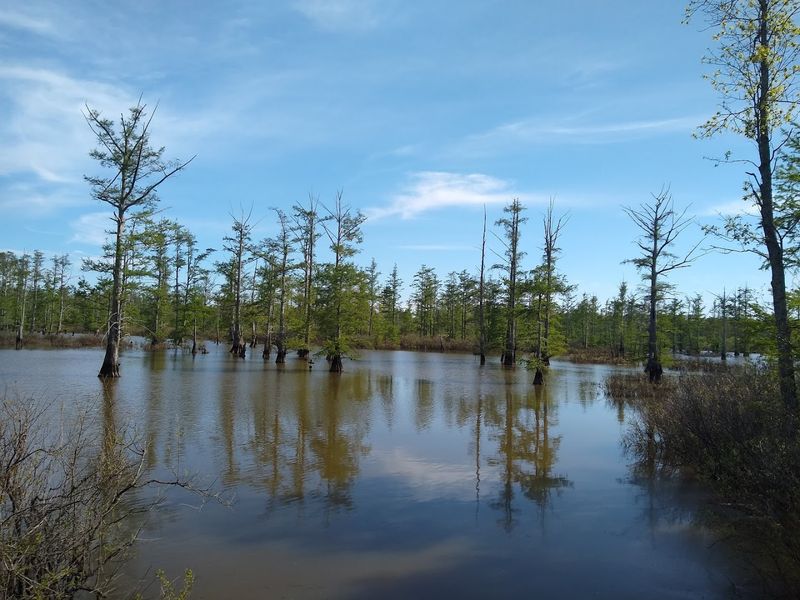
Standing in the middle of this swamp, it is genuinely hard to believe you are in Illinois. The Lower Cache River Swamp Trail looks and feels like a Louisiana bayou, complete with cypress trees, murky water, and an atmosphere so thick and green it almost feels tropical.
This is not a coincidence.
The Cache River watershed sits at the northern edge of a Mississippi Embayment ecosystem that stretches all the way down into the Gulf Coast region.
That geological history explains why the plant and animal communities here resemble those found hundreds of miles to the south. The Cache River itself is one of the most biologically diverse waterways in the entire Midwest.
This unique ecological crossroads makes the trail fascinating for nature enthusiasts who want to experience something genuinely different from the typical Illinois landscape.
You get the charm of a southern swamp without the long drive, which makes this spot a surprisingly satisfying warm-weather escape hiding in plain sight.
Eyes Up, Swamp Alive
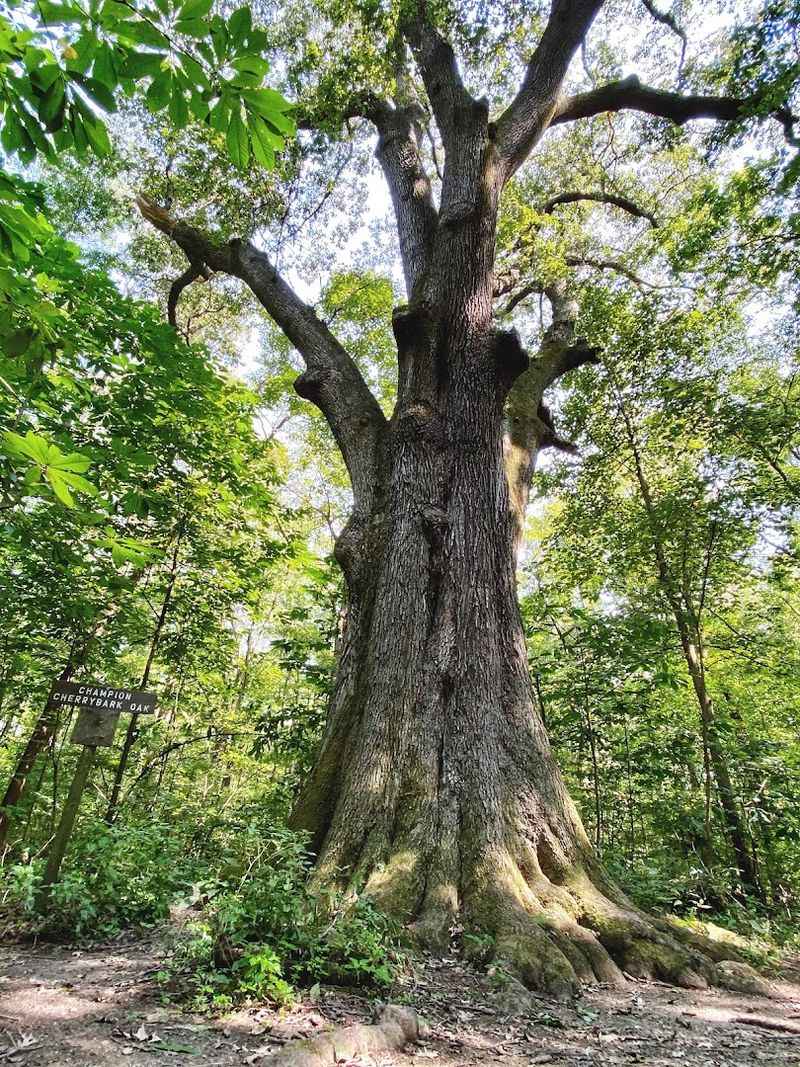
The Lower Cache River Swamp Trail is a wildlife corridor that supports an impressive variety of species. Birders come specifically for the great blue herons, wood ducks, prothonotary warblers, and barred owls that inhabit the area.
Reptile fans are rewarded too, with turtles, lizards, and various non-aggressive snake species visible along the trail edges.
The key to spotting wildlife here is patience and quiet. Moving slowly and stopping often dramatically increases what you will observe.
Early morning visits tend to produce the most activity, especially from birds calling back and forth across the water.
Mammals including white-tailed deer, river otters, and raccoons also move through this area regularly. The Cache River corridor has been recognized as a Wetland of International Importance under the Ramsar Convention, which reflects just how significant this ecosystem is for migratory and resident wildlife alike.
Bringing binoculars is a genuinely good idea, not just a suggestion for serious birders.
The Practical Details
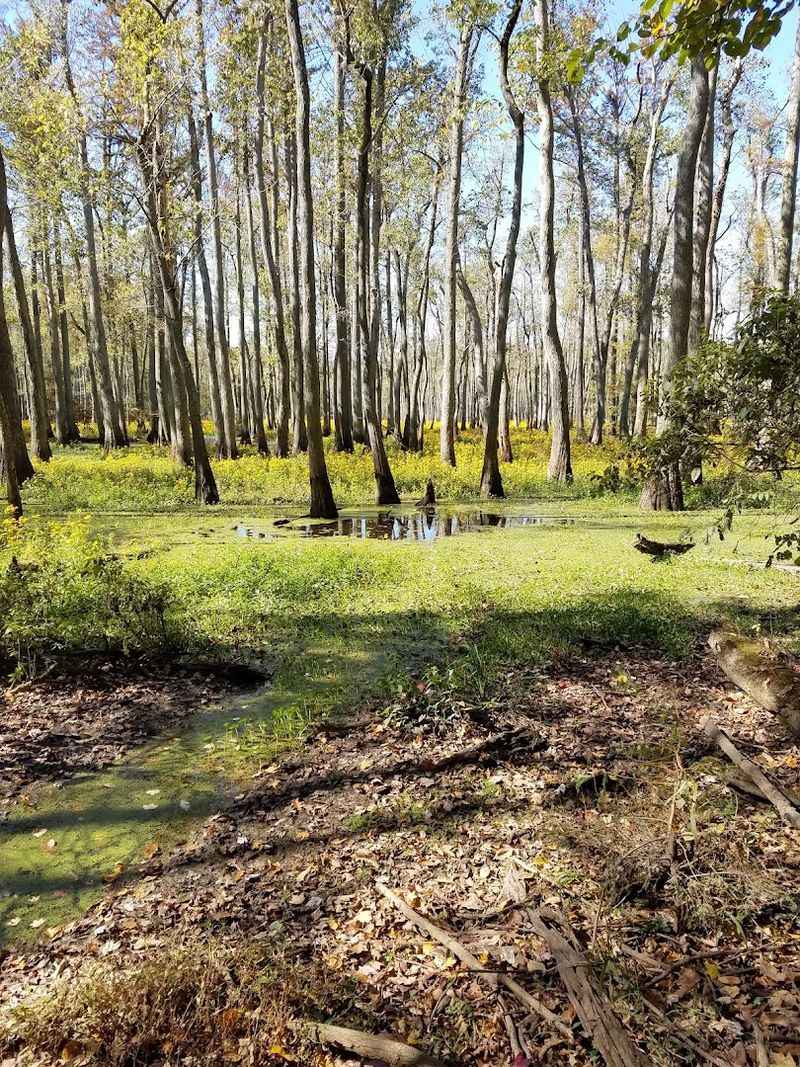
Cache River State Natural Area’s main office is listed at 930 Sunflower Lane, Belknap, IL 62908, and the park can be reached at (618) 995-2411. The park is open Wednesday through Sunday from 9 AM to 4 PM and is closed on Mondays and Tuesdays, so planning your visit around those hours is essential.
One important navigation tip: search for Lower Cache River Access or Lower Cache River Swamp Trail rather than relying only on the main park address, since Cache River State Natural Area covers a large area with multiple access points.
The park covers a large area with multiple trailheads, so knowing exactly which entry point you want saves a lot of confusion on arrival.
Admission to the trail is free, which makes this one of the most accessible summer outings in southern Illinois. Parking is available at the trailhead.
Wearing closed-toe shoes with good grip is strongly recommended, as some sections of the trail can be muddy or uneven after rainfall.
The Mosquito Reality Check
There is one piece of advice that nearly every experienced visitor to the Lower Cache River Swamp Trail agrees on completely: bring bug spray, and apply it generously before you start walking. Mosquitoes are part of the swamp ecosystem, and in the warmer months they are present in serious numbers.
The mosquito population tends to peak between late May and early September, with June and July being particularly intense. Visiting in spring before the heat builds, or in fall after temperatures drop, significantly reduces the insect situation.
Early morning visits during summer can also be more comfortable than midday, though no time is entirely mosquito-free in peak season.
DEET-based repellents or picaridin sprays are the most effective options for this environment. Wearing long, lightweight sleeves and pants in a light color also helps.
The experience is absolutely worth it, but going unprepared for the bugs is the one mistake that turns a great outing into an itchy memory.
The Peaceful Atmosphere
Crowds are genuinely not a concern on the Lower Cache River Swamp Trail. Unlike better-known state parks in southern Illinois, this trail sees modest foot traffic even on weekends, which means you can walk for long stretches in near-total silence.
That kind of quiet is increasingly hard to find anywhere near populated areas.
The soundscape here is its own reward. Frogs call from the water, woodpeckers hammer distant trees, and the occasional splash of a turtle dropping off a log creates a rhythm that feels completely unhurried.
Bench seating is placed at several points of interest along the trail, giving you a reason to stop and simply absorb the environment.
The full shade provided by the dense forest canopy keeps the trail noticeably cooler than open trails during summer. Even on hot days, the tree cover creates a comfortable microclimate.
That combination of quiet, shade, and wildlife makes this trail one of the most genuinely restful outdoor experiences in the entire state.
Ecological Significance Behind The Scenery
The Cache River watershed has a history that stretches back thousands of years. Indigenous peoples used this waterway corridor long before European settlers arrived, and the river itself has shaped the surrounding landscape through centuries of flooding, sediment deposit, and ecological change.
The swamp you walk through today is the result of that long natural history.
In the twentieth century, much of the original wetland in this region was drained for agriculture. Conservation efforts beginning in the 1970s and 1980s worked to restore and protect what remained, eventually leading to the area receiving Ramsar Wetland of International Importance status in 1996.
That designation puts the Cache River in the same category as globally significant wetlands around the world.
The visitor center at the natural area does an excellent job explaining this ecological story with exhibits that are informative without being overwhelming.
Spending a few minutes there before hitting the trail gives the experience a richer context that makes every cypress tree and patch of open water more meaningful.
Pack For The Swamp
Preparing well for the Lower Cache River Swamp Trail is straightforward, but a few specific items make a real difference.
Water is the top priority since the trail offers no facilities along the route, and summer heat combined with humidity can tire you out faster than expected. Bringing more water than you think you need is always a smart call in swamp terrain.
A pair of binoculars earns its weight here given how much wildlife moves through the area. A small waterproof bag or dry sack is useful for protecting your phone and camera from unexpected splashes near the boardwalk.
Comfortable, closed-toe shoes with some ankle support handle the terrain well.
Sunscreen matters even on this heavily shaded trail, since open sections near the water can expose you to direct sun.
A light rain jacket packs small and provides insurance against afternoon summer storms that can roll through southern Illinois quickly. Arriving at the trailhead with these basics covered means you can focus entirely on the experience.
Why Summer Is The Best Season
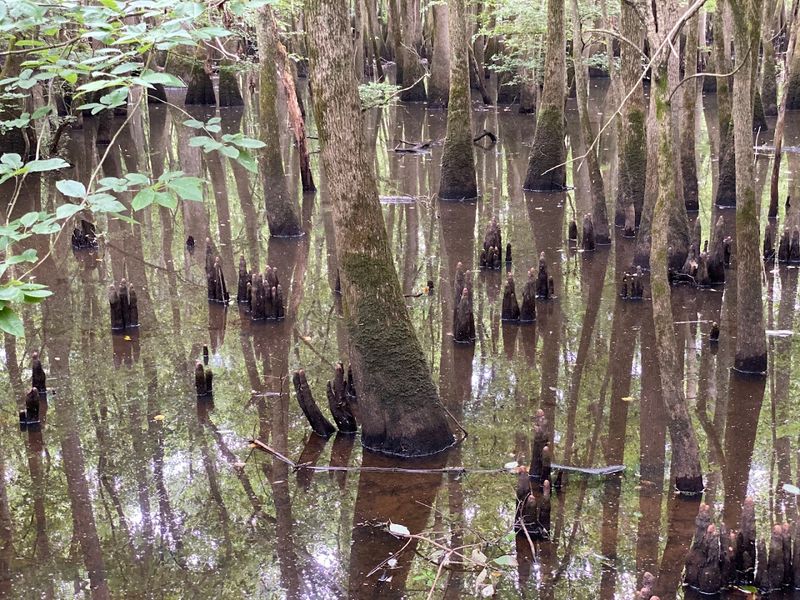
Summer transforms the Lower Cache River Swamp Trail into its most visually dramatic version. The cypress trees are fully leafed out, creating a dense green canopy that filters sunlight into soft, shifting patterns across the water.
The swamp is alive in every direction, with frogs calling, dragonflies hovering, and birds moving constantly through the undergrowth.
Water levels can vary by season and recent rainfall, but summer often brings the lush greenery, wetland atmosphere, and shaded forest scenery that make this area feel so distinctive.Wildflowers bloom along the drier sections of trail, adding unexpected color to the predominantly green and brown palette of the swamp.
Yes, mosquitoes are part of the summer deal here, but armed with proper repellent, the season delivers an experience that no other time of year can fully replicate.
The heat, the humidity, the noise, and the green intensity all combine to make this trail feel genuinely alive. That aliveness is exactly what makes it worth every sweaty, wonderful step.