
10 Illinois Hiking Trails With Tick Concerns Worth Knowing About
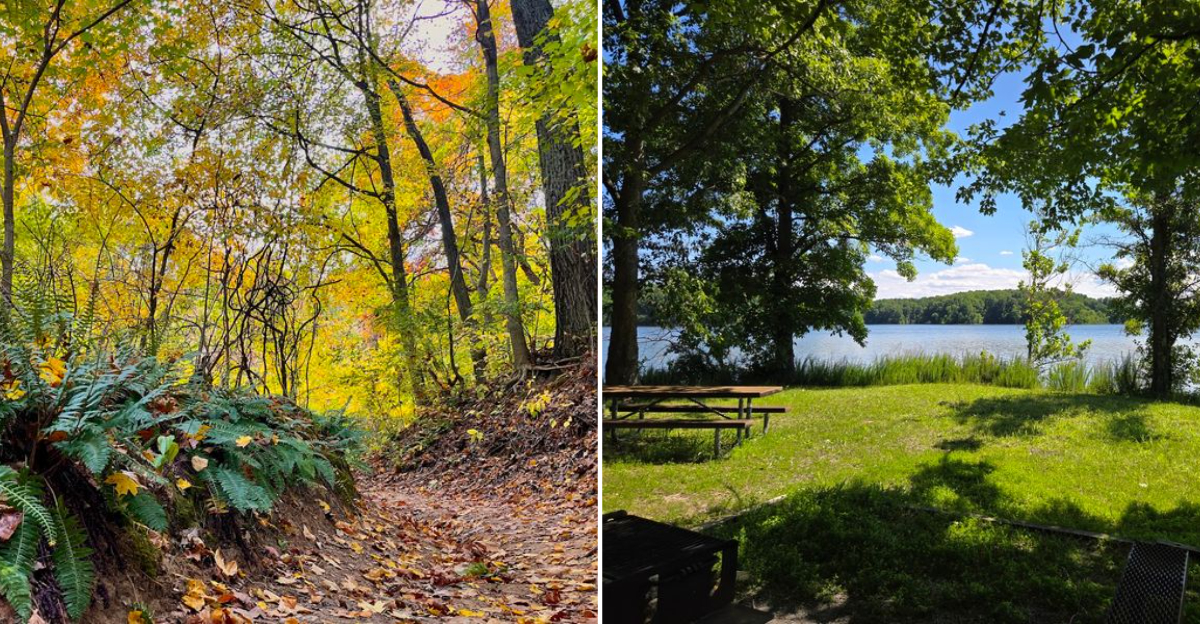
A tiny tick can turn a great hike into a problem long after the trail ends. Illinois is packed with sandstone canyons, wooded ridges, and lakeside paths that make getting outdoors hard to resist.
Those same shady and brushy areas can also create ideal conditions for ticks, especially during spring, summer, and early fall. That does not mean hikers should stay home.
A little preparation can make a big difference. This guide looks at ten popular trails where tick awareness matters, along with simple ways to lower your risk before heading into the woods.
Long pants, insect repellent, and a careful post-hike check can help keep an enjoyable day outdoors from ending with an unwanted hitchhiker.
1. Pomona Natural Bridge Trail

Few trails in Illinois pack as much geological drama into such a short distance as the Pomona Natural Bridge Trail, located in the Shawnee National Forest near Pomona in Jackson County.
The star of the show is a massive sandstone arch that looks like something out of a fantasy novel, and getting there takes you through thick forest that ticks absolutely love.
The dense leaf litter and low-hanging vegetation along this trail create ideal habitat for black-legged ticks, also known as deer ticks, which are the primary carriers of Lyme disease in Illinois. From April through October, the risk is especially elevated.
I always tuck my pants into my socks here, even though it looks ridiculous, because it genuinely helps.
The trail is a short 0.3-mile loop, making it manageable for most visitors. Stick to the center of the path when you can, and do a thorough tick check the moment you return to your car.
Wearing light-colored clothing makes it much easier to spot any hitchhikers before they find skin. The payoff of seeing that ancient arch is absolutely worth the extra preparation.
2. LaRue-Pine Hills Trails
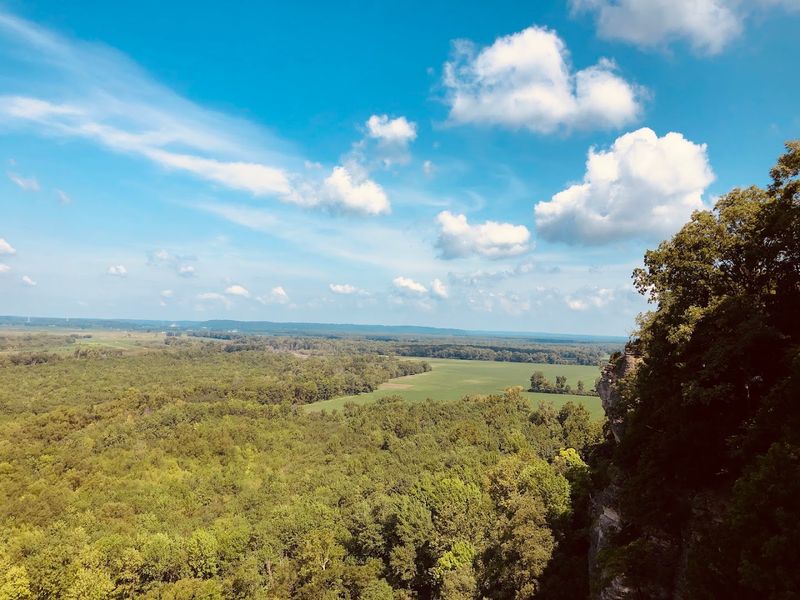
One of the most ecologically rich areas in all of Illinois, LaRue-Pine Hills sits in the Shawnee National Forest near Wolf Lake in Union County.
The contrast between the towering limestone bluffs and the swampy bottomlands below is genuinely stunning, but that lush, wet environment is also a five-star resort for ticks.
The bottomland sections of these trails are particularly high-risk zones. Tall grasses, standing water, and dense shrubs create the perfect combination for lone star ticks and deer ticks to thrive.
I have found ticks on my gear within the first half mile of hiking here, so I never skip the permethrin spray on my boots and pants before heading out.
The road through LaRue-Pine Hills is seasonally closed to protect migrating snakes, which adds a wild, untamed atmosphere to the whole experience. Spring and fall visits are popular, but those are also peak tick seasons, so come prepared.
Carry a tick removal tool in your pack, check yourself every thirty minutes on the trail, and shower as soon as you get home. The wildlife viewing here is spectacular and completely worth the extra effort to stay protected.
3. Buttermilk Hill Trail
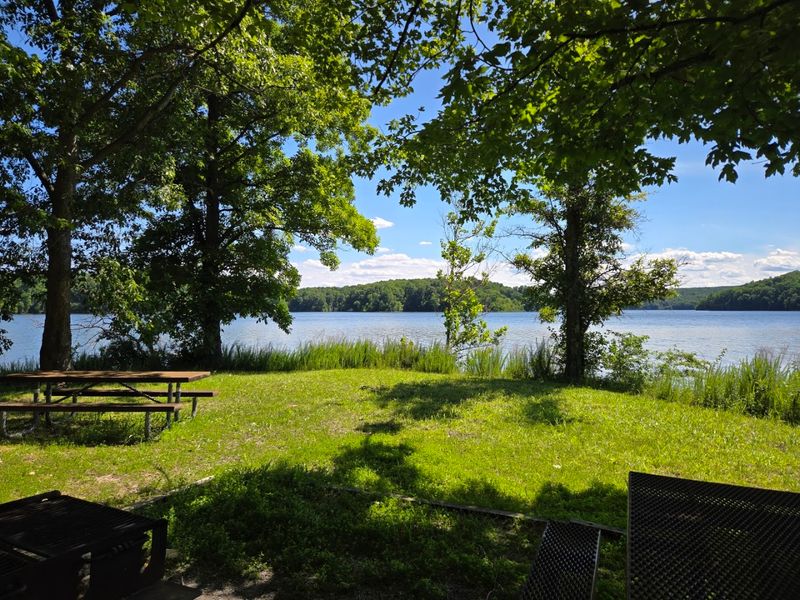
Buttermilk Hill Trail is located in the Kinkaid Lake area of Jackson County in southern Illinois. The trail winds through a mix of open meadows and forested ravines, and that combination of habitat types is exactly what makes tick awareness so important here.
Meadow edges are among the highest-risk spots for tick encounters anywhere in the country. Ticks climb to the tips of grasses and low shrubs and wait for a warm-blooded host to brush past, a behavior called questing.
Buttermilk Hill has plenty of those meadow-to-forest transition zones where questing ticks are most active from late spring through early summer.
I find this trail genuinely peaceful, with gentle elevation changes and beautiful wildflower displays in May and June. The scenery rewards slower hiking, which ironically also gives ticks more time to latch on, so staying alert matters.
Perform a head-to-toe check when you finish, paying special attention to the back of your knees, armpits, and hairline. Bringing a buddy on this trail is smart not just for safety, but because a second set of eyes during tick checks is genuinely helpful out here.
4. Kinkaid Lake Trail System
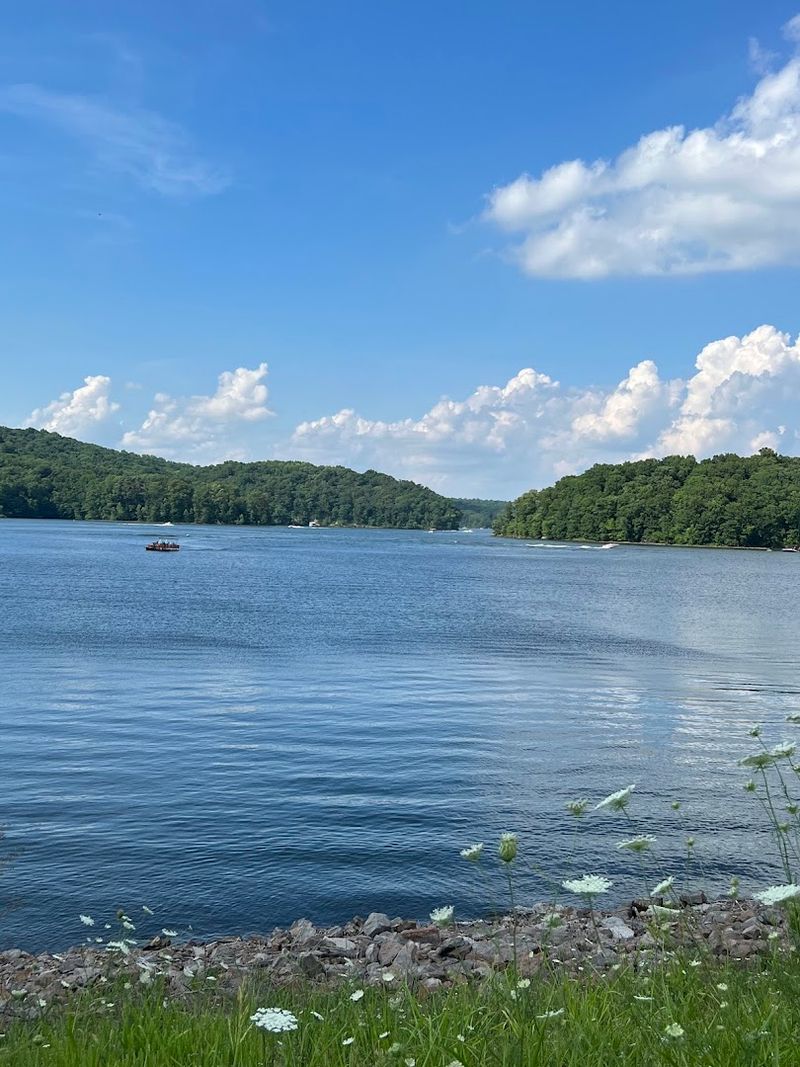
Wrapping around the shoreline and through the surrounding woodlands near Murphysboro in Jackson County, the Kinkaid Lake Trail System offers some of the most scenic lake views in southern Illinois.
The mix of oak-hickory forest and lakeshore brush makes this trail system one of the more tick-active areas I have visited in the state.
Southern Illinois generally has a higher tick population than the northern parts of the state, and Kinkaid Lake is no exception. American dog ticks are common here alongside deer ticks, and the dog tick season typically peaks in late spring and early summer.
These ticks can transmit Rocky Mountain spotted fever, which makes knowing about them more than just a casual concern.
The trails range from easy lakeside walks to more rugged woodland routes, giving hikers of different fitness levels plenty of options. I recommend wearing long sleeves even on warm days and using an EPA-registered insect repellent containing DEET or picaridin.
The reward for your preparation is genuinely lovely: quiet forest paths, great fishing spots, and expansive water views that feel miles away from everyday life. Kinkaid Lake deserves far more attention than it typically gets from Illinois hikers.
5. Little Grand Canyon Trail
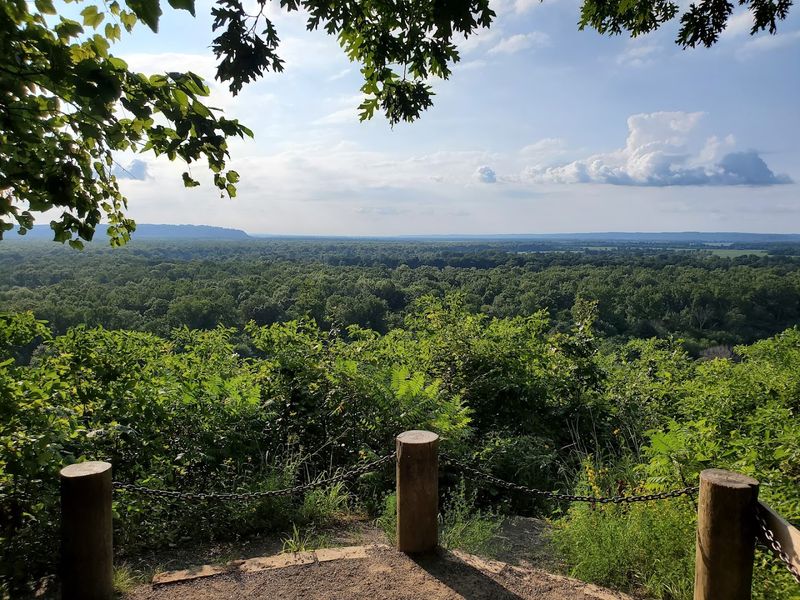
The name might sound bold, but Little Grand Canyon in the Shawnee National Forest near Murphysboro in Jackson County earns every syllable.
This four-mile loop drops you into a sandstone canyon with sheer walls, mossy overhangs, and views across the Big Muddy River bottoms that genuinely stop you in your tracks.
The shaded vegetation and leaf litter can provide tick habitat during active periods, especially in the warmer months. The trail also passes through open upland areas near the canyon rim where lone star ticks are particularly active from late spring through summer.
I have done this trail in both spring and fall, and both times I found ticks on my clothing during the post-hike check.
That said, I keep coming back because this is one of the most visually dramatic trails in Illinois. The key is preparation: treat your gear with permethrin before you go, apply repellent to exposed skin, and stick to the established trail rather than pushing through overgrown side areas.
Keeping to the path significantly reduces your contact with vegetation where ticks wait. Little Grand Canyon rewards careful hikers with scenery that genuinely rivals anything the state has to offer.
6. River To River Trail

Stretching roughly 160 miles across southern Illinois from the Ohio River to the Mississippi River, the River to River Trail is a long-distance hiker’s dream and a tick awareness priority all in one.
The trail passes through the Shawnee National Forest and crosses a remarkable variety of terrain, including bluffs, bottomlands, prairies, and dense forest.
Because the trail spans so many different habitat types across such a long distance, tick species and risk levels can vary significantly depending on which section you are hiking. Bottomland and brushy sections carry the highest risk, while open ridge sections offer a bit more breathing room.
Multi-day hikers on this trail should make tick checks a firm part of their evening camp routine, not an afterthought.
I have section-hiked portions of this trail over several trips, and the variety of scenery is extraordinary. Each stretch feels different from the last, which keeps the miles interesting.
Pack a tick removal tool alongside your first-aid supplies, and use permethrin only on clothing or gear specifically approved on the product label. The River to River Trail is one of Illinois’s best-kept outdoor secrets, and with the right preparation, it is an experience that stays with you long after you get home.
7. Fox Ridge State Park Trails
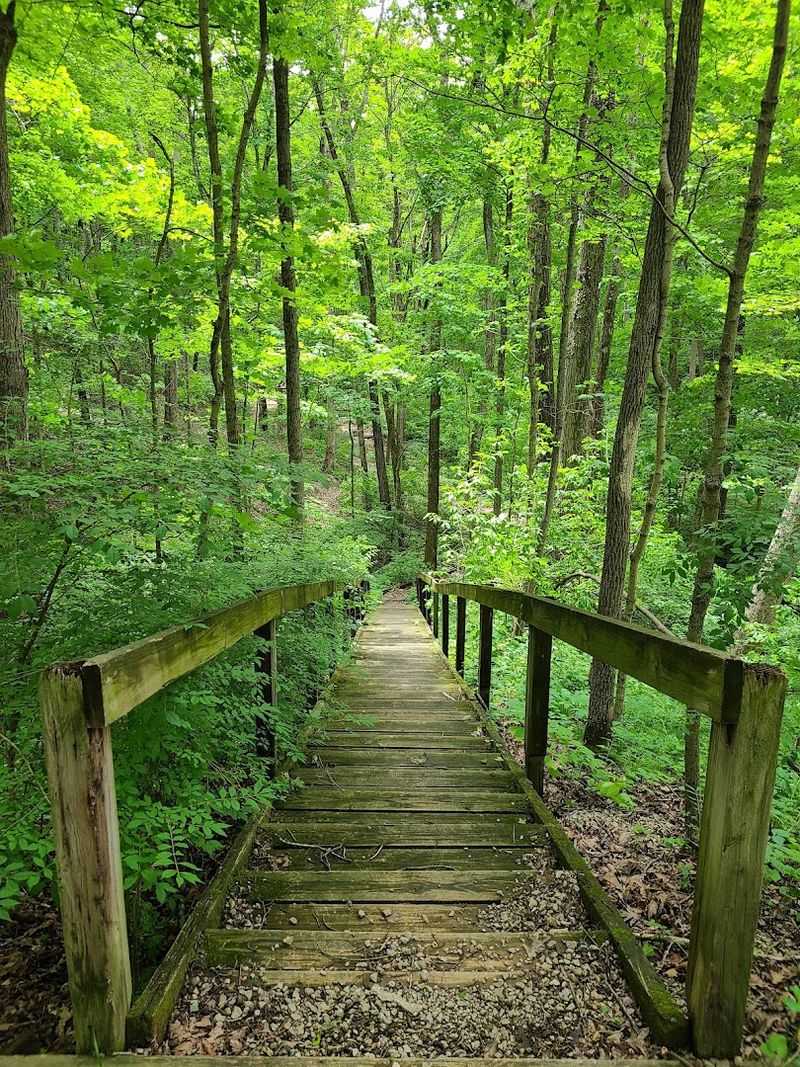
Fox Ridge State Park sits near Charleston in Coles County in east-central Illinois, and it punches well above its weight in terms of trail quality.
The park features rugged ravines, scenic ridge tops, and a winding creek corridor that gives the whole place a wilder feel than most Illinois state parks manage to pull off. That creek corridor and the adjacent bottomland forest are prime tick territory.
Deer ticks are well established in Coles County, and the park’s combination of white-tailed deer, small mammals, and dense understory creates exactly the conditions where tick populations thrive. Spring and early summer bring the highest activity, though fall hikes carry risk as well.
What I genuinely love about Fox Ridge is how different each trail section feels. The ridge trails offer open views and breezy conditions that reduce tick exposure somewhat, while the valley trails are shadier and more humid.
Alternating between ridge and valley routes is a smart way to enjoy the full park while managing your exposure.
Always do a careful check after hiking the lower sections. Fox Ridge is a fantastic park that deserves a spot on every Illinois hiker’s list, as long as you come prepared for its tiny eight-legged residents.
8. Pere Marquette State Park Trails
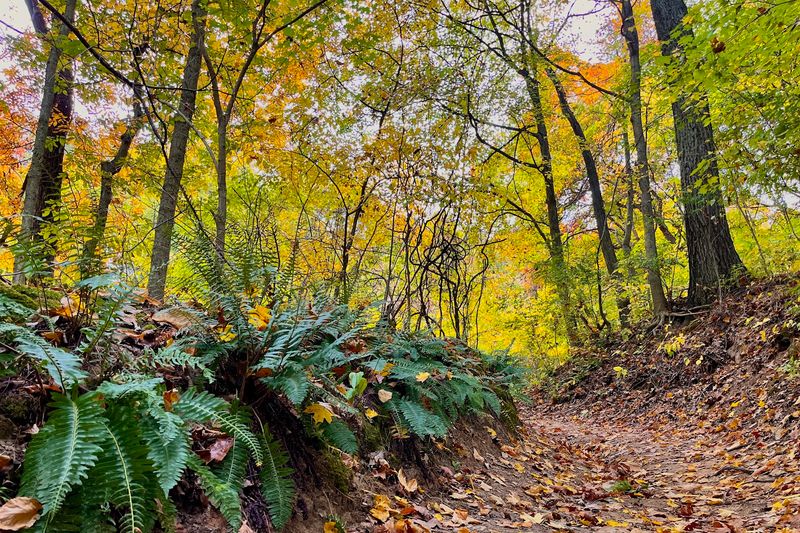
Miles of paths wind through oak and hickory forest, climb to dramatic river bluffs, and dip into shaded ravines overlooking the confluence of the Illinois and Mississippi rivers.
Pere Marquette State Park near Grafton in Jersey County is the largest state park in Illinois, and its trail network reflects that scale.
The park’s diverse habitat is a major draw for wildlife enthusiasts, but it also supports a healthy tick population.
Lone star ticks are particularly common in this part of Illinois, and they are notably more aggressive than deer ticks when it comes to questing behavior, meaning they actively move toward hosts rather than just waiting. Hikers in the brushy ravine sections should be especially alert.
I visited Pere Marquette on a crisp October morning and found the fall foliage absolutely breathtaking from the ridge overlooks.
Even with the cooler temperatures, I still found a tick on my jacket during the post-hike check, which is a good reminder that tick season does not end with summer. The McAdams Peak area offers some of the best panoramic views in the state.
Wear repellent, check carefully, and enjoy one of Illinois’s most rewarding hiking destinations from the bluffs to the riverbanks.
9. Moraine Hills State Park Trails
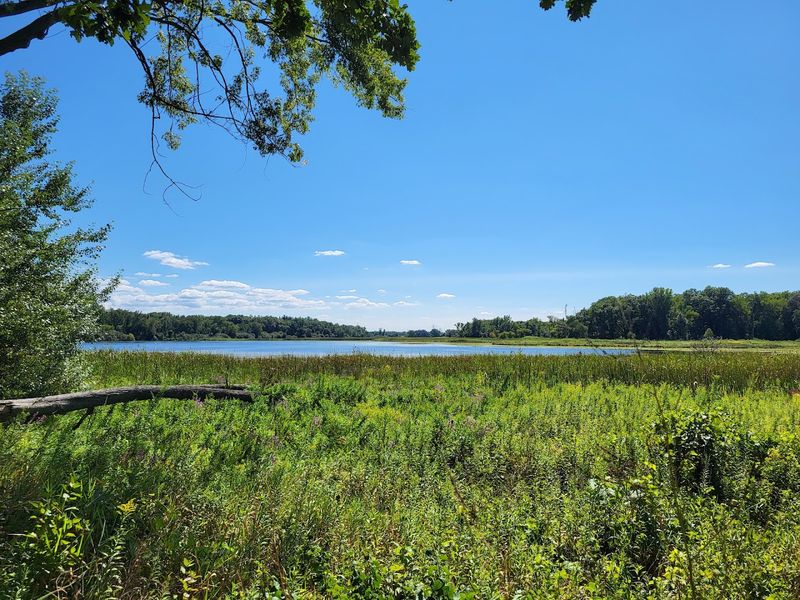
This state park in McHenry County offers a completely different kind of Illinois hiking experience.
Rather than dramatic canyon walls or river bluffs, this park gives you a glacially sculpted landscape of lakes, bogs, fens, and rolling moraines that feel almost like a nature documentary setting.
The wetland areas here are particularly worth noting from a tick awareness standpoint. While open water itself does not harbor ticks, the dense cattail marshes and shrubby edges surrounding the lakes are exactly where lone star and deer ticks set up camp.
The park’s location in northeastern Illinois also puts it in a region where Lyme disease cases have been increasing in recent years.
Moraine Hills has three crushed-limestone trails and a paved River Road Trail, with wider surfaced routes generally limiting contact with vegetation. Families with kids will find this park especially accessible, but parents should make tick checks part of the post-hike routine for the whole group.
The lake views, especially at sunrise, are soft and serene in a way that feels genuinely restorative. Moraine Hills proves that flat terrain can still deliver an unforgettable outdoor experience.
10. Starved Rock State Park Trail System
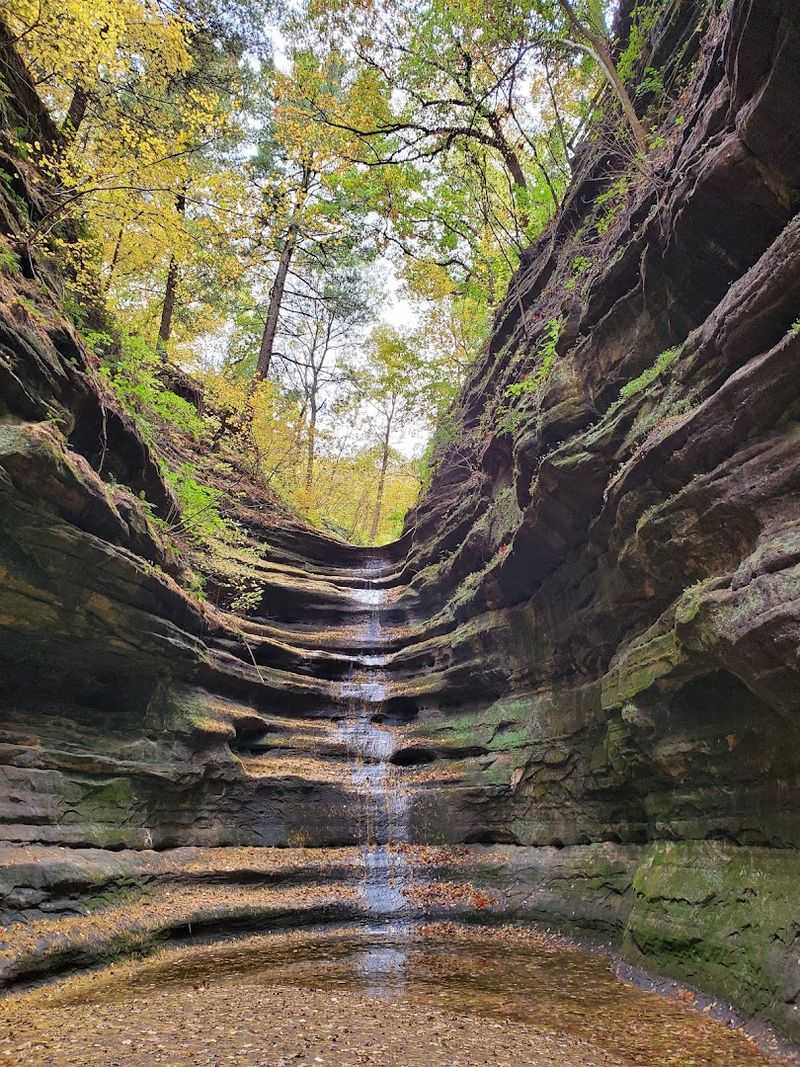
Starved Rock State Park near Utica in LaSalle County is arguably the most visited hiking destination in Illinois, and for good reason. The park has 18 sandstone canyons, several of which produce dramatic waterfalls after sufficient rain or snowmelt.
All that beauty comes with a tick caveat. The canyon floors are shaded, moist, and lined with dense ferns and mosses, conditions that suit deer ticks perfectly.
The trails connecting the canyons pass through open oak forest where lone star ticks are also active.
Given the park’s popularity, it is a bit surprising how few visitors seem to know about the tick risk, but the Illinois Department of Natural Resources has posted warnings in recent years.
I have hiked Starved Rock in every season, and late spring is both the most spectacular and the highest-risk time for ticks. The waterfalls run strong and the wildflowers are peak, but so is tick activity.
Stick to the main established trails rather than scrambling off-path into the canyon vegetation, and do your tick check before getting back in the car.
Starved Rock rewards every hiker who shows up prepared, and its canyons are among the most genuinely awe-inspiring places I have ever hiked in the entire Midwest.