
This Washington Train Shop Repairs Tiny Railroads And Hunts Down Rare Collectibles
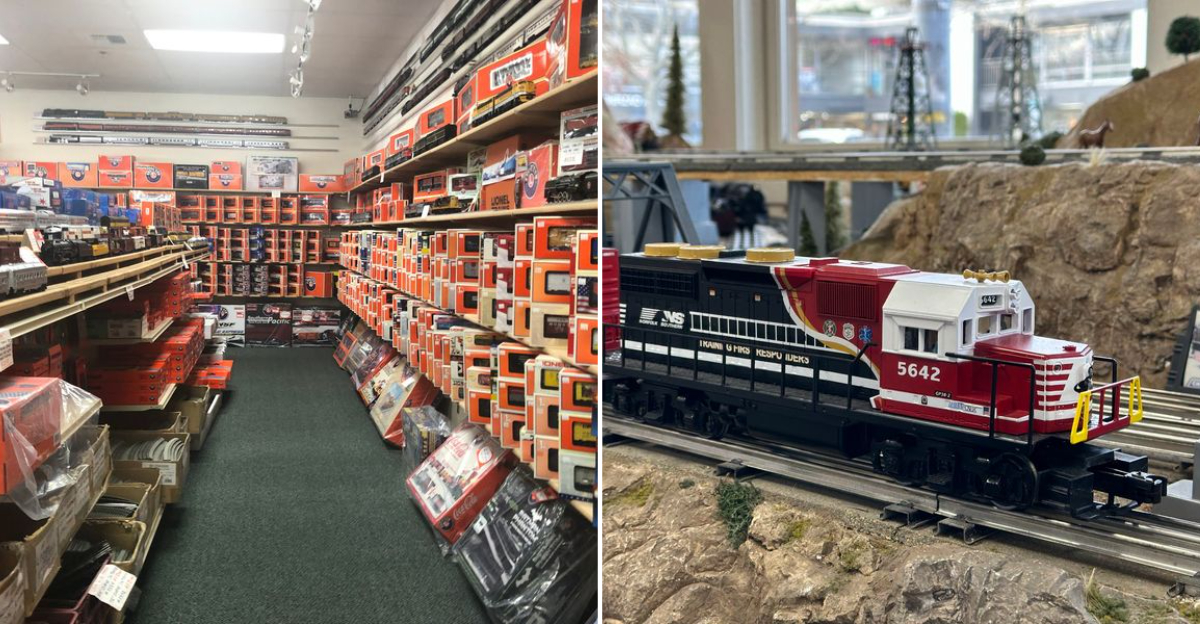
Growing up, my biggest life crisis was when my favorite locomotive lost a plastic wheel and officially retired from the living room rug.
If only little me had known about this magical Washington train shop! Walking through the door feels like stepping into a miniature wonderland where grown-ups lovingly play doctor to tiny, broken railroads with the seriousness of brain surgeons.
But it’s not just a hospital for battered boxcars; it’s a full-blown treasure hunt. Whether you are searching for a rare vintage caboose that hasn’t seen daylight since the seventies or just trying to fix grandpa’s old engine, this place is a wonderland.
Trust me, even if you don’t know a freight car from a caboose, you’ll leave Washington ready to build a tiny empire on your dining room table.
A Four-Decade Journey On Miniature Rails
Opening its doors in 1983, this Kirkland institution grew into something remarkable over 43 years. Steve Suskin’s childhood fascination with locomotives transformed into a full-scale operation that became the second-largest model train store west of the Mississippi River at its peak.
The walls have witnessed countless conversations between enthusiasts, seen collections change hands, and heard the delighted squeals of children experiencing their first electric train.
What started as a modest shop evolved into a comprehensive resource center for the hobby. Generations of families have made pilgrimages here, passing down their love of trains like heirlooms.
The staff’s expertise grew alongside the inventory, creating an environment where knowledge flowed as freely as the model trains circling display tracks.
Every corner tells a story of dedication to craft and community. The shop didn’t just sell products; it nurtured relationships and fostered a culture where newcomers felt welcomed and veterans found respect.
That legacy continues to resonate throughout Kirkland’s downtown, reminding us that some businesses become irreplaceable parts of a community’s identity.
The Repair Shop Where Locomotives Get Second Lives
Behind a door marked “Service Department,” magic happens daily. Certified technicians work under bright lamps, their skilled hands breathing life back into beloved engines that have stopped running.
As an authorized service station for Lionel and MTH, two of the industry’s most prestigious brands, the repair capabilities here are genuinely impressive. I watched a technician carefully clean a vintage locomotive’s motor, treating it with the reverence of a surgeon.
The repair services extend beyond simple fixes. Complex upgrades, routine maintenance, and even restoration of antique pieces all fall within their expertise.
Customers travel from across Washington and neighboring states, trusting their prized possessions to these skilled craftspeople. The waiting area often buzzes with stories of cherished trains and the memories attached to them.
What sets this service apart is the genuine care taken with each piece. Technicians understand that these aren’t just toys or collectibles.
They’re connections to childhood, family traditions, and sometimes irreplaceable gifts. That emotional understanding translates into meticulous work that honors both the machinery and the sentiment behind it.
Treasure Hunting Among Rare Collectibles
My pulse quickened every time I explored the collectibles section. Rare finds hide among the inventory like buried treasure waiting for the right collector to discover them.
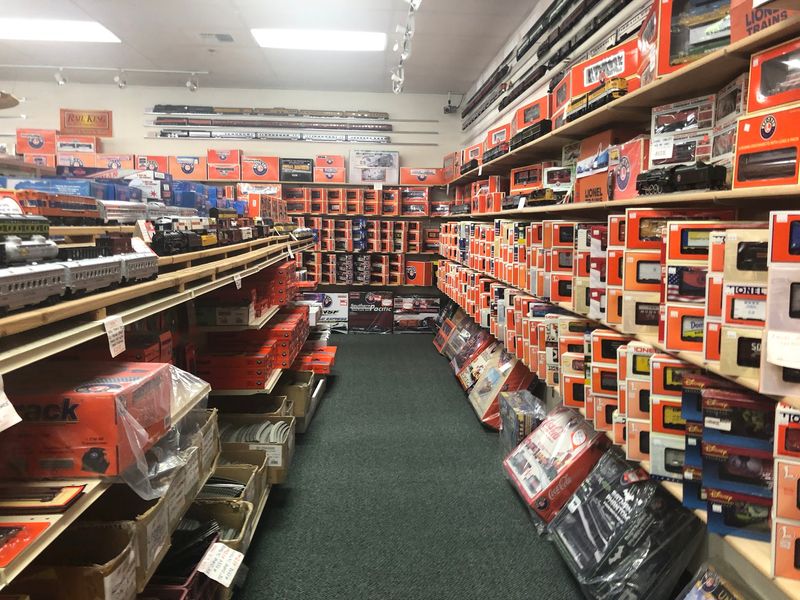
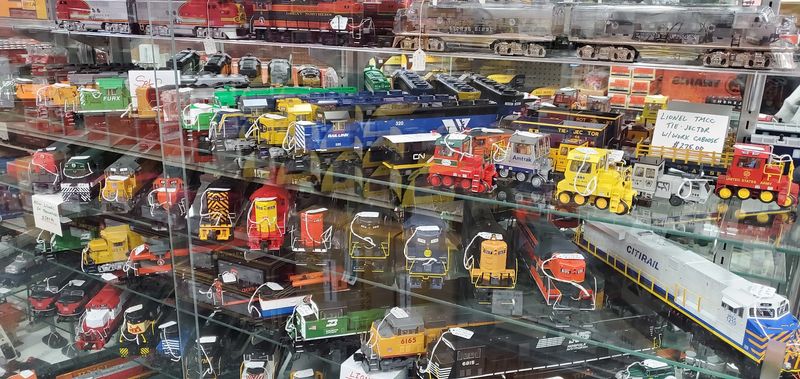
Pre-World War Two locomotives sit alongside limited edition releases, each piece telling its own story. The shop’s reputation for hunting down hard-to-find items has made it a destination for serious collectors nationwide.
The range is staggering. From massive G-Gauge outdoor trains to delicate N-Gauge models that fit in your palm, every scale has representation here. LGB, Atlas, American Flyer, and even Thomas the Tank Engine collections occupy dedicated spaces.
I once witnessed a collector nearly weep when he found a locomotive he’d been searching for across three decades. What makes the collecting experience special is the staff’s knowledge.
They don’t just know what’s in stock; they understand the history, rarity, and value of pieces. They’ve connected countless collectors with their white whales, facilitating transactions that complete lifelong quests.
That expertise transforms shopping into an educational experience where every visit might uncover something extraordinary.
Starter Sets That Launch Lifelong Passions
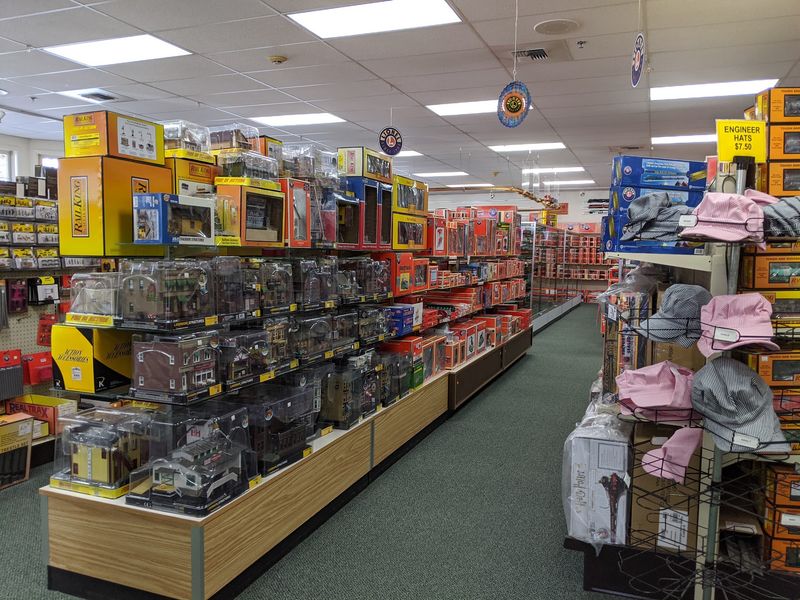
Not everyone arrives as an expert, and the shop recognizes that beautifully. Starter sets line dedicated shelves, each containing everything a beginner needs: train, track, and transformer.
I’ve watched parents’ eyes light up as staff members explain how simple it is to set up a basic layout on a living room floor. These complete packages remove the intimidation factor that sometimes keeps people from trying the hobby.
The selection caters to different interests and budgets. Whether someone wants a classic steam locomotive or a modern diesel, options exist at various price points.
Thomas the Tank Engine sets attract younger enthusiasts, while historically accurate models appeal to adults rediscovering childhood interests. The packaging makes gift-giving easy, too.
What happens after that first purchase often surprises new hobbyists. The staff provides setup guidance, troubleshooting tips, and encouragement that helps beginners succeed.
Many customers return weeks later, already planning their first expansion. Those initial starter sets become gateways to elaborate home layouts, proving that sometimes the journey of a thousand miles begins with a single locomotive.
Building Miniature Worlds From Imagination
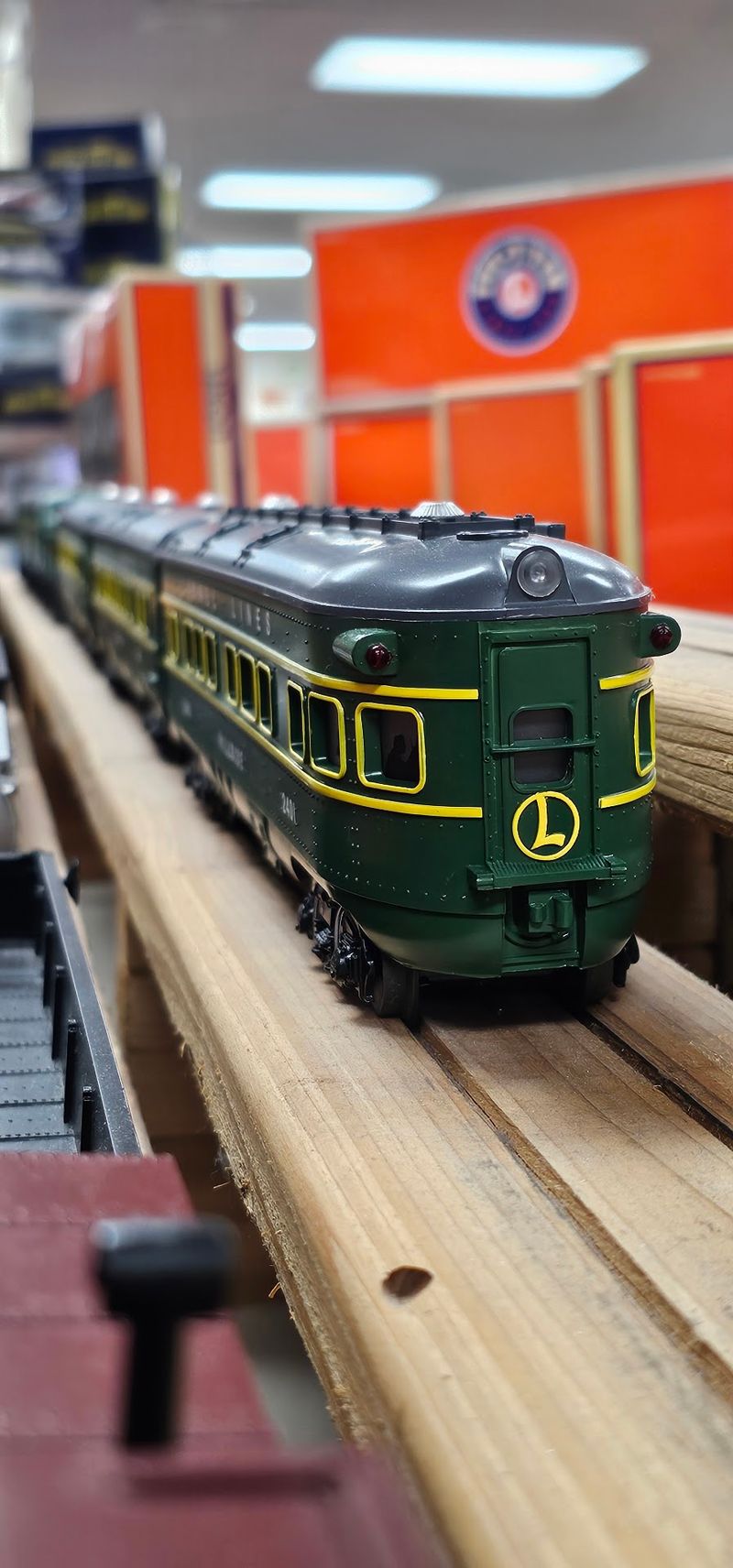
The scenery and buildings section feels like walking through a miniature city planning department. Pre-made structures stand ready for placement, while kits offer the satisfaction of construction.
I spent an hour once just examining the tiny details on a Victorian-era station house, marveling at the craftsmanship. For those with specific visions, individual pieces allow complete customization.
Track expansion packs enable layouts to grow beyond starter set ovals. Switches, crossings, and curved sections let builders create complex networks.
The variety accommodates different scales and manufacturers, ensuring compatibility with existing collections. Staff members offer layout planning advice, helping customers avoid common mistakes and maximize their available space.
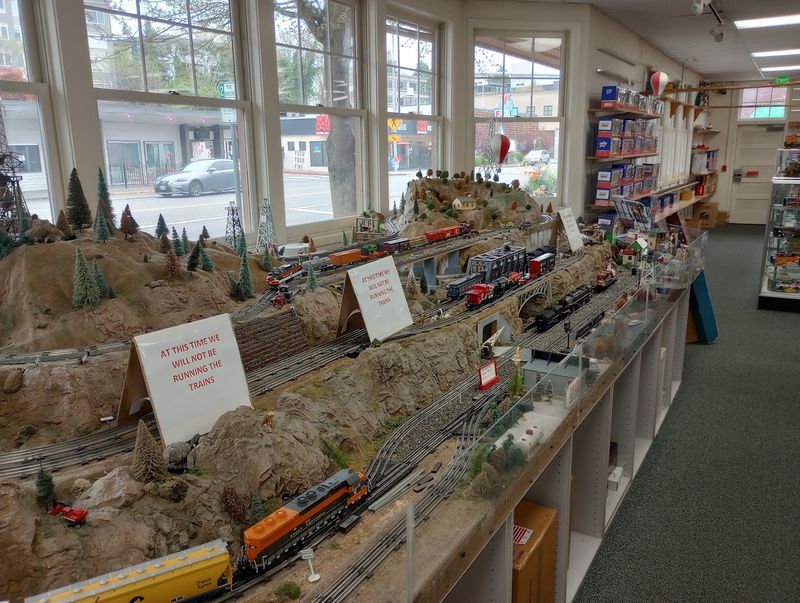
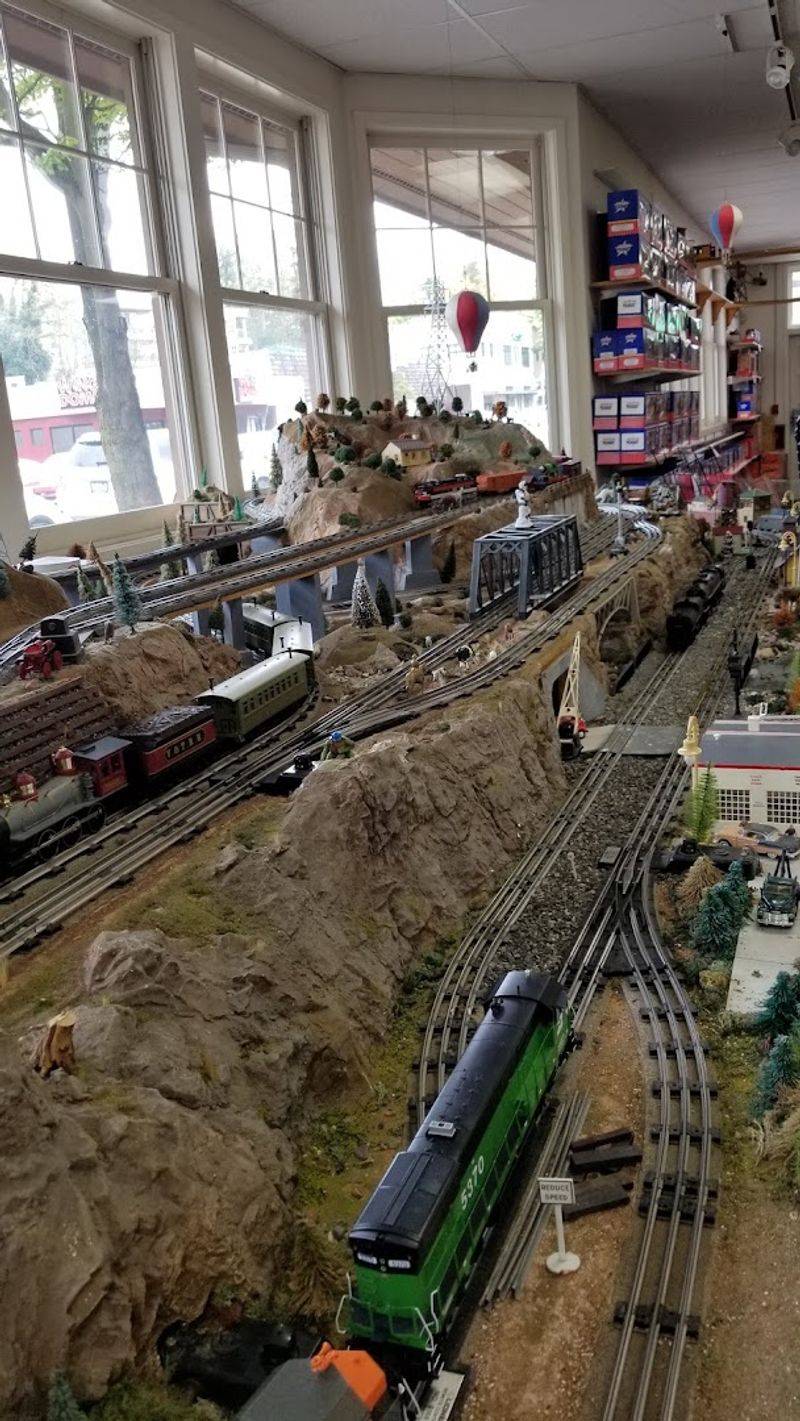
The displays throughout the shop serve as inspiration galleries. Completed scenes showcase what’s possible with patience and creativity. Mountains, tunnels, bridges, and populated town squares demonstrate techniques and products in action.
These miniature landscapes prove that model railroading combines engineering, artistry, and storytelling. The only limit is imagination, and the shop provides all the tools needed to bring those visions to life in stunning miniature detail.
A Community Hub Beyond Commerce
Step inside during peak hours and you’ll find something unexpected: genuine community. Regulars greet each other by name, sharing updates on their latest projects. Conversations flow between strangers united by their passion for miniature railroads.
I’ve seen experienced modelers mentor beginners, advice given freely without expectation of return. The shop functions as a social hub where the hobby thrives through human connection.
Special events and informal gatherings have punctuated the calendar over the years. Operating layouts let visitors watch trains navigate complex routes, sparking ideas for home projects.
Children press their faces against display cases, their wonder reminding older hobbyists why they fell in love with trains originally. These interactions create memories that transcend simple retail transactions.
The atmosphere differs markedly from typical commercial spaces. There’s patience here, a willingness to spend time answering questions and sharing expertise.
Staff members remember customers’ interests, following up on special orders and alerting them to new arrivals. That personal touch built loyalty spanning generations, transforming customers into friends and the shop into a cherished community institution.
The Final Station After 43 Years Of Service
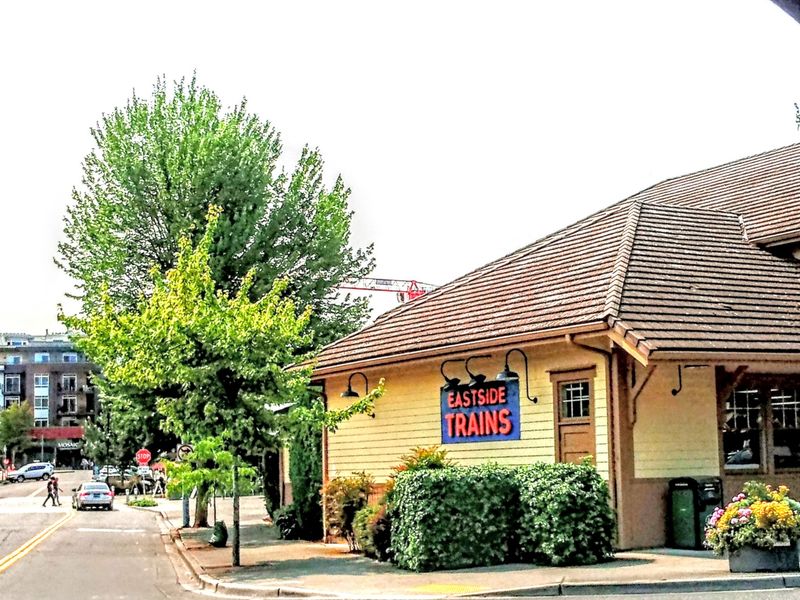
All journeys eventually reach their destination, and Eastside Trains will pull into its final station on December 30, 2026. The announcement sent ripples through the model railroading community, marking the end of 43 years serving enthusiasts.
The shop is no longer accepting new repair orders, though they remain committed to completing all current work. It’s a decision that feels both understandable and heartbreaking simultaneously.
The closure represents more than a business ending. It’s the loss of a gathering place, a knowledge center, and a living museum of model railroad history. Longtime customers are making pilgrimages to say goodbye, sharing memories and gratitude for decades of service.
The staff, some of whom have worked there for years, are preparing for their own transitions. What remains is an impressive legacy. Thousands of layouts exist because Eastside Trains provided the parts, expertise, and encouragement to build them.
Countless repairs extended the lives of beloved trains. Rare collectibles found homes with passionate collectors. The shop’s influence on the hobby will persist long after the doors lock for the final time, proving that some impacts outlast their physical presence.
Scale Mastery Across Every Gauge
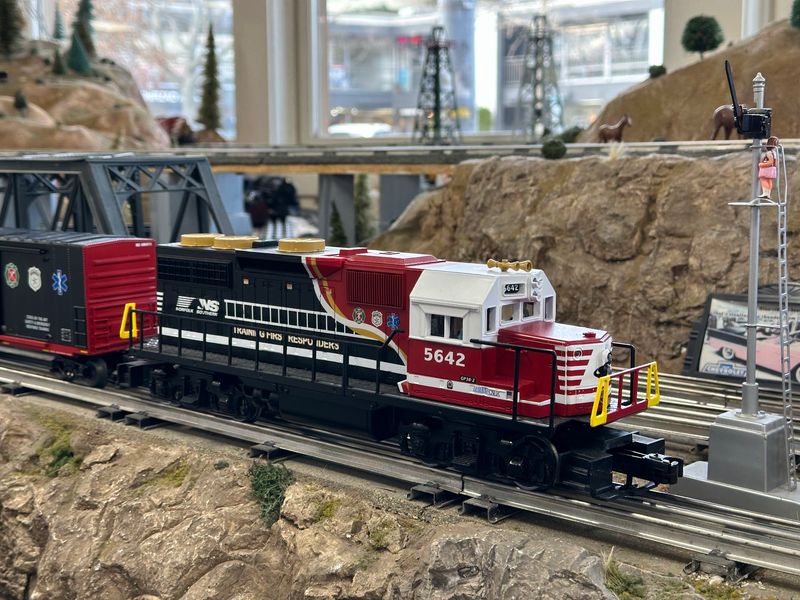
From the tiniest Z scale locomotives fitting in a palm to massive G scale garden trains, this shop handled every size imaginable.
Steve Suskin developed encyclopedic knowledge of all model railroad scales over his decades in business. His patient guidance prevented countless mistakes when customers chose between HO layouts for basements or compact N scale setups for small apartments.
Each gauge required different technical expertise, from track compatibility to electrical systems. Regular customers trusted his recommendations completely, returning season after season for decoder installations and system upgrades.
That accumulated wisdom proved essential as manufacturing standards evolved throughout the hobby’s history. Beginners could ask basic questions without feeling rushed or embarrassed. Experienced collectors also relied on him when rare compatibility problems threatened an entire layout.
He understood how one small purchase could affect every locomotive, switch, and section of track already in place. That attention saved customers both money and hours of frustrating troubleshooting.
For many hobbyists, his advice became as valuable as the trains themselves.