
11 Illinois Rail-Trail Towns Made For A Relaxed 2026 Escape
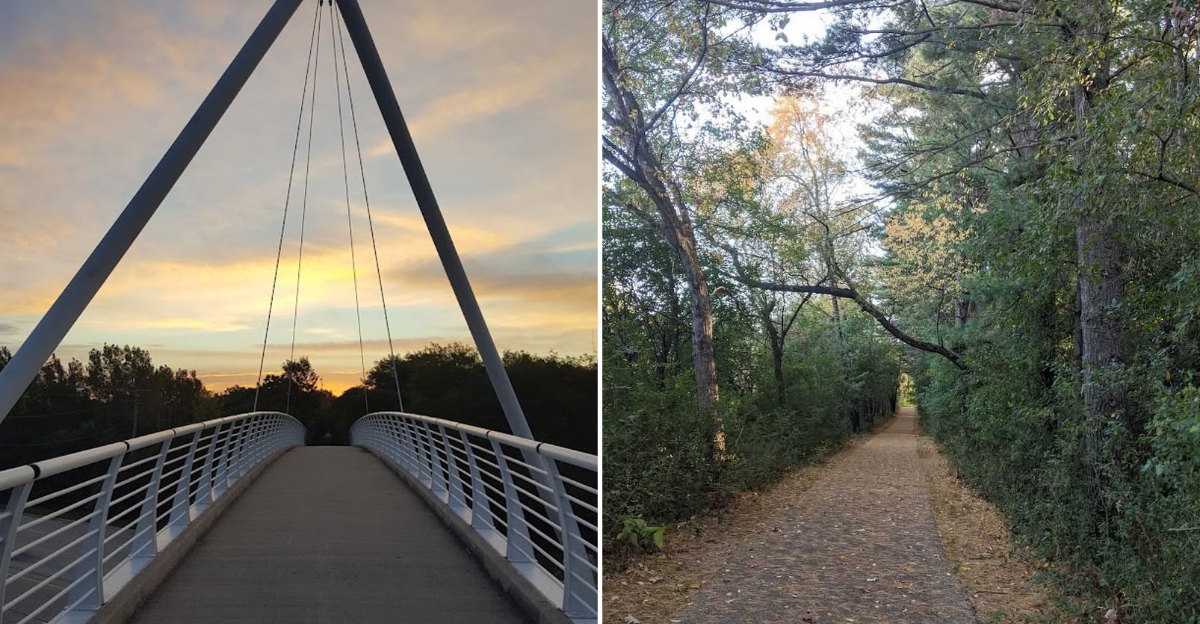
Illinois keeps one of its best travel tricks under old railroad gravel. Long after the trains stopped running, those corridors turned into easygoing routes for bikes, walking shoes, and slow weekend plans that do not involve airport lines.
The fun is not only the trail. It is the town waiting beside it, with a courthouse square nearby, a café close enough for a mid-ride break, or a stretch of prairie that suddenly makes the whole day feel calmer.
In 2026, a getaway can be as simple as picking a route, packing water, and letting the miles set the pace. These trail towns bring out a quieter side of Illinois, where history, scenery, and small-town stops make the journey feel worth lingering over.
Wheaton
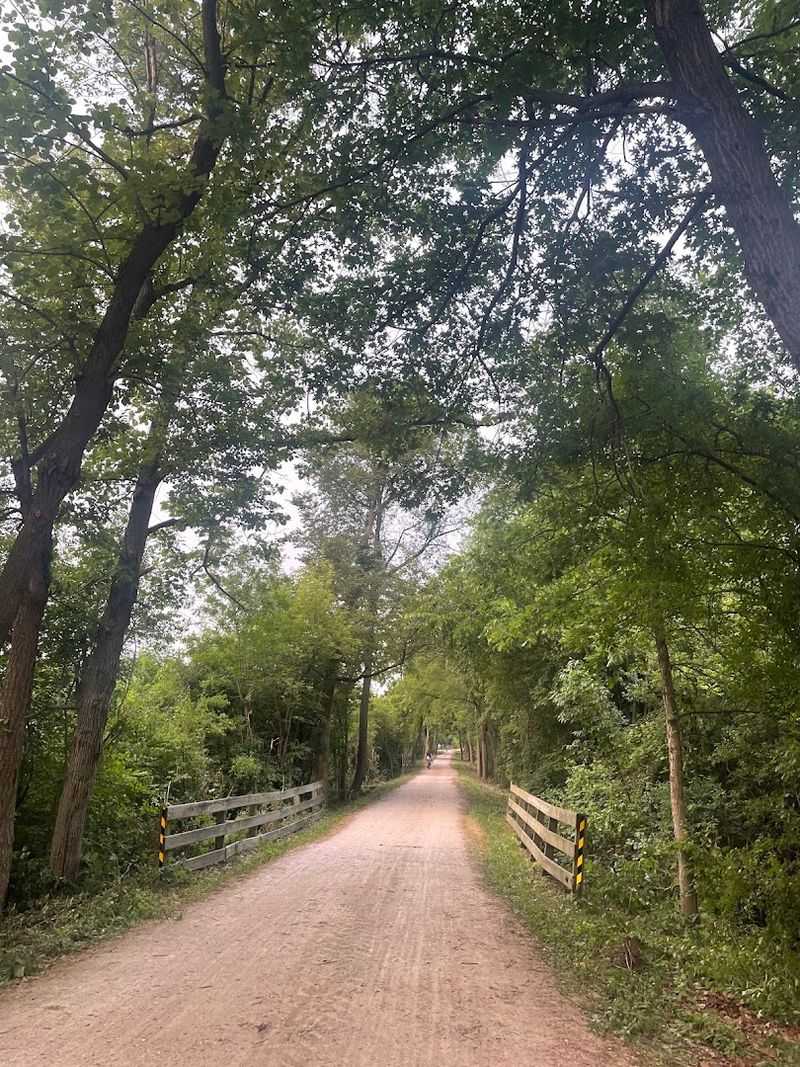
Few towns wear their trail heritage as proudly as Wheaton, Illinois, a handsome suburb about 25 miles west of Chicago that sits right along the Illinois Prairie Path.
This trail holds a special place in American history as one of the very first rail-to-trail conversions in the entire country, repurposed from an old electric railroad corridor in the 1960s. That pioneering spirit still feels alive every time a new visitor discovers just how good the riding is here.
The path stretches for roughly 61 miles in total, with Wheaton serving as a central hub where multiple branches split off in different directions.
Riders can head east toward the Chicago suburbs or venture west into quieter countryside. The town itself rewards a slow afternoon of exploration, with a walkable downtown featuring independent cafes, bookshops, and the excellent Cantigny Park nearby.
Spring and fall are the sweetest seasons to visit, when the trail canopy shifts colors dramatically. Families with younger children will find the flat terrain forgiving and fun.
Wheaton is the kind of place that convinces first-time rail-trail visitors that this style of travel deserves a permanent spot on their itinerary.
Elmhurst
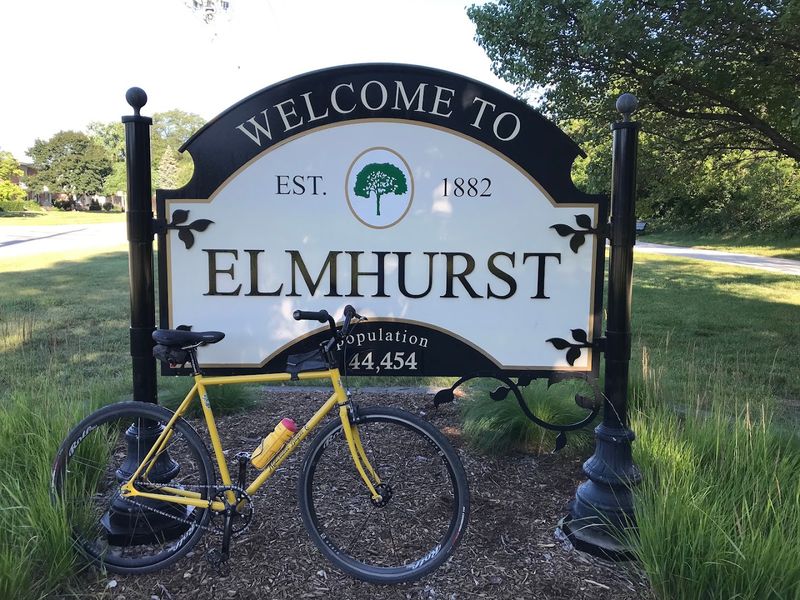
Right next door to Wheaton in spirit but with its own distinct personality, Elmhurst sits along the eastern stretch of the Illinois Prairie Path and offers one of the most accessible entry points to the trail in the entire Chicago metro area.
The city is clean, walkable, and genuinely proud of its green spaces. York Woods and Wilder Park give trail visitors easy places to rest and recharge between miles.
Elmhurst’s downtown is a particular highlight, packed with locally owned restaurants and shops that line York Street just a short ride from the trailhead.
The Elmhurst History Museum is worth a stop if you want context for the region’s railroad past, and it is free to enter. History lovers will appreciate how thoughtfully the town has preserved its architectural character while still feeling modern and livable.
The trail surface through Elmhurst is well-maintained and clearly marked, making navigation stress-free even for first-timers.
Parking near the path is plentiful, and the flat grade means riders of all fitness levels can enjoy a long morning without burning out. If Wheaton is the trail’s heart, Elmhurst might just be its most welcoming front door.
Frankfort
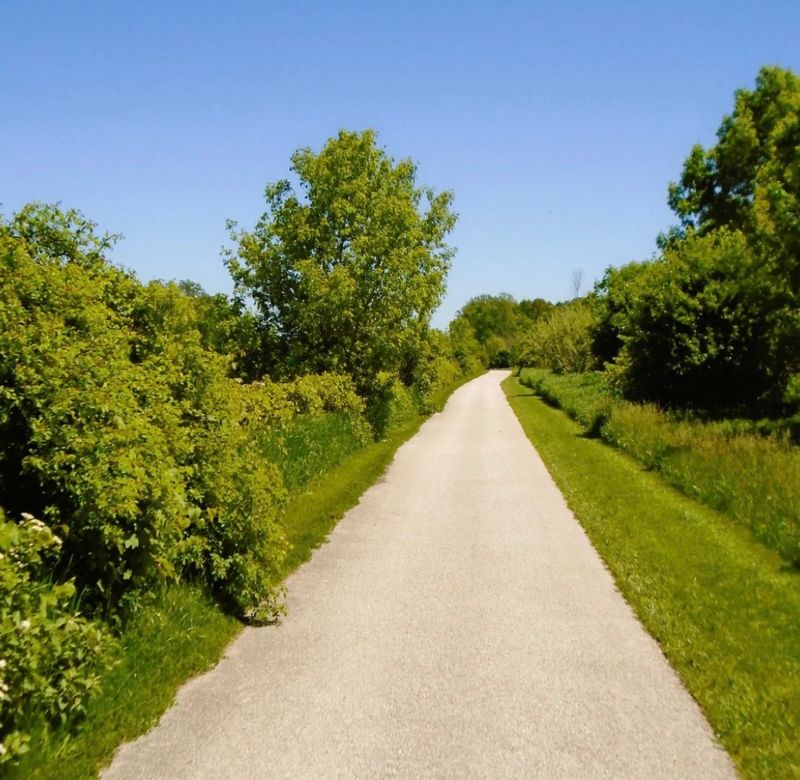
There is something genuinely refreshing about Frankfort, a Will County town with deep roots and a downtown that feels like it belongs on a postcard.
The Old Plank Road Trail runs directly through the community, connecting it to neighboring suburbs along a 22-mile paved corridor that follows the historic route of one of Illinois’s earliest roads. History is literally beneath your wheels here.
Frankfort’s downtown district is one of the most walkable and photogenic along the entire trail system. Brick storefronts house antique dealers, artisan shops, and family-run eateries that have been serving locals for decades.
The town hosts a popular outdoor market during warmer months, giving trail visitors a built-in reason to slow down and browse.
The trail itself passes through a pleasant mix of open prairie sections and tree-lined corridors, offering variety that keeps longer rides interesting. Birdwatchers will want to keep their eyes on the open fields, especially during spring migration.
Frankfort rewards visitors who take their time, and that is exactly the kind of travel the Old Plank Road Trail seems designed to encourage. Pack a picnic, bring a camera, and plan to stay longer than you originally intended.
New Lenox
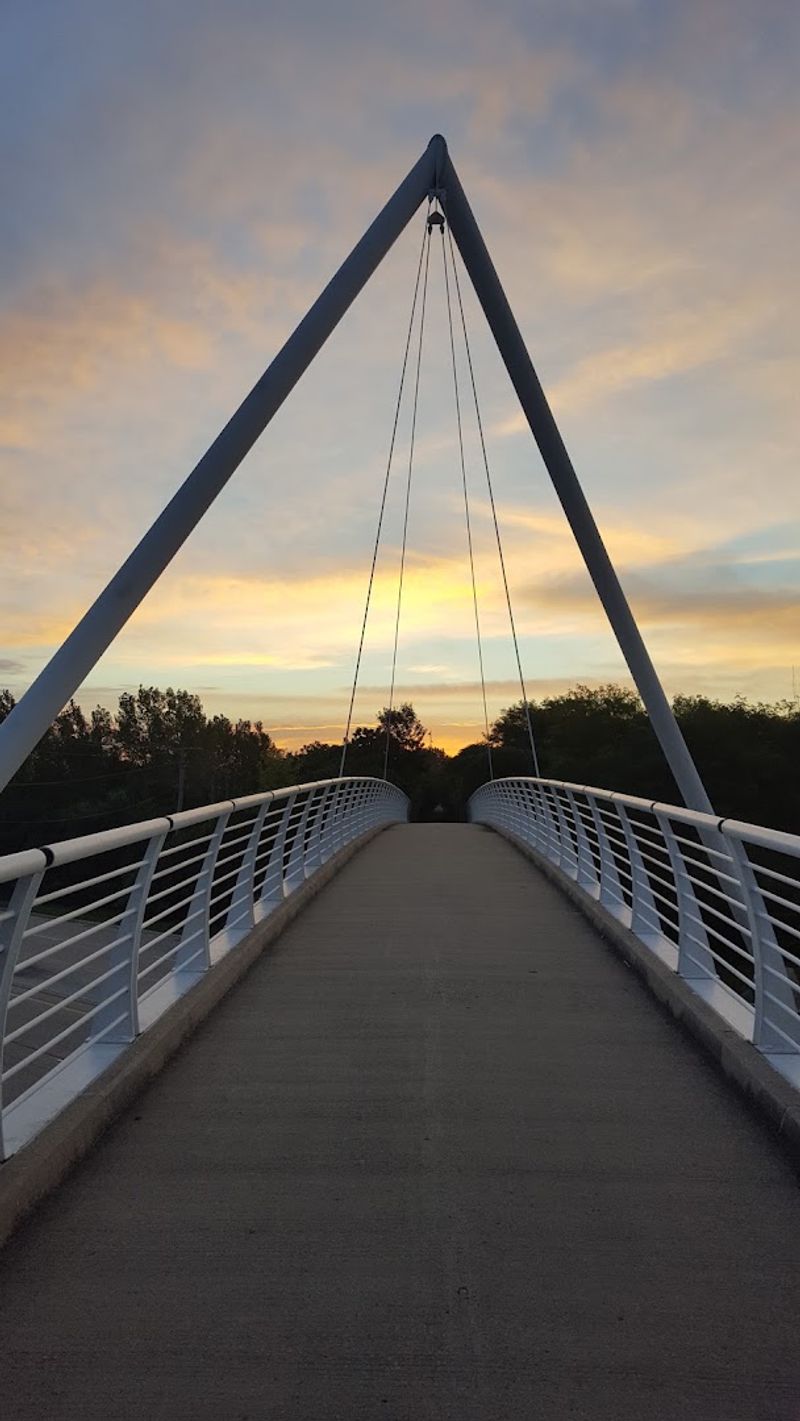
New Lenox might not have the name recognition of some larger Illinois towns, but trail enthusiasts who have pedaled through it know exactly why it deserves a spot on this list.
Positioned along the western half of the Old Plank Road Trail, this Will County community offers a quieter, more residential stretch of the route that feels genuinely relaxed from the first mile.
The trail through New Lenox passes through well-kept neighborhoods and open green corridors, giving riders a pleasant mix of scenery without the noise of heavy traffic.
Local parks dot the route, making it easy to find a bench and take in the surroundings. The town has invested in trail infrastructure, with clear signage and maintained surfaces that keep the experience smooth.
For visitors who want more than just miles, New Lenox has a small but growing dining scene near its village center, with casual spots perfect for refueling after a long ride.
The community also hosts seasonal events that often spill over to trail-adjacent parks. This is the kind of town where the pace of life feels genuinely slower, and a few hours on the trail here can reset even the most overworked traveler’s sense of calm.
Freeport
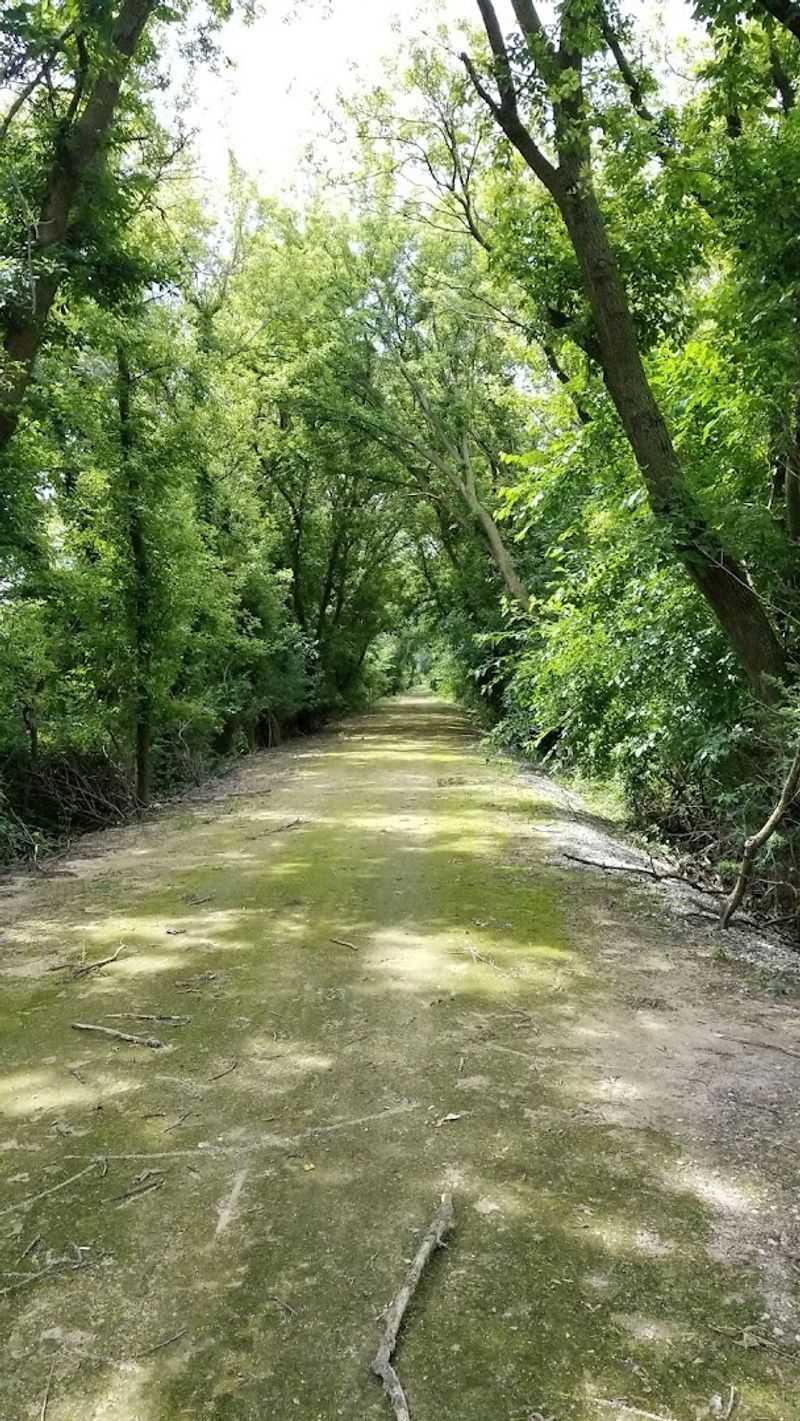
Freeport is a city with serious historical credentials. This Stephenson County seat is best known as the site of the second Lincoln-Douglas debate in 1858, but it has also earned recognition as the southern gateway to the Jane Addams Trail, a beautiful route that runs north toward the Wisconsin border.
That combination of history and outdoor recreation makes Freeport a genuinely compelling destination.
The trail surface is packed limestone, which gives the route a more natural, rustic feel compared to paved alternatives.
It is well-suited for hybrid bikes and fat-tire cruisers, and the rolling Stephenson County terrain adds just enough elevation change to keep things interesting. The route passes through farmland and woodlands that feel far removed from suburban Illinois.
Downtown Freeport has been quietly reinventing itself with local restaurants, riverfront improvements near the Pecatonica River, and a lively arts scene centered around the Freeport Art Museum.
Tutty’s Crossing also connects visitors with developing trail options around Freeport, extending possibilities for more adventurous riders.
Visiting in October means catching the fall color at its absolute peak along the tree-lined sections, a reward that justifies the drive from anywhere in the state.
Orangeville
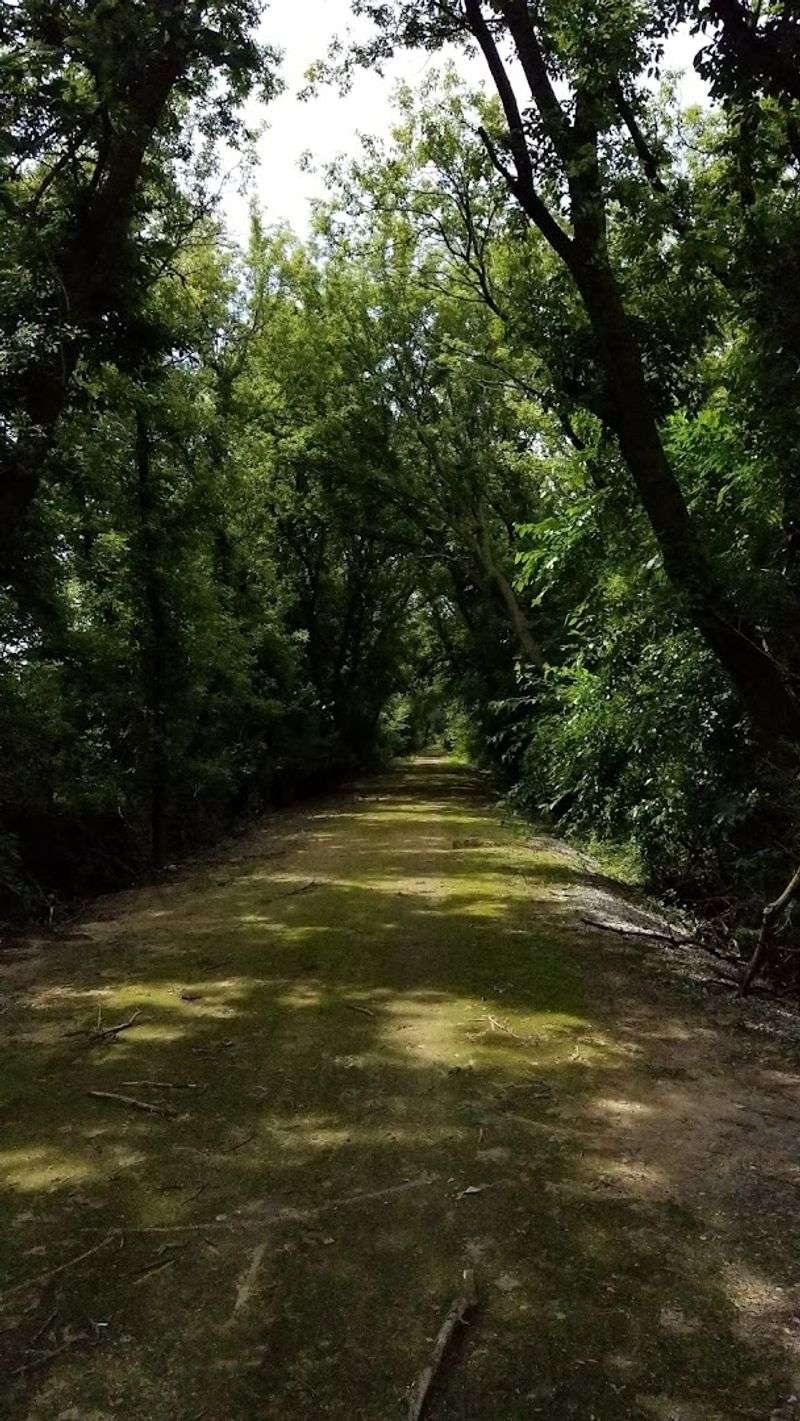
If the goal is genuine solitude, Orangeville delivers it without apology. This tiny Stephenson County village sits along the Jane Addams Trail at a point where the surrounding landscape feels almost entirely untouched by development.
The trail corridor here is flanked by working farms, creek crossings, and stands of mature hardwood trees that create a canopy experience unlike anything found closer to Chicago.
Orangeville itself has a population of just a few hundred people, which means trail visitors are often the only strangers in town. That is not a drawback; it is the whole point.
The village has a quiet, self-sufficient character that feels authentic in a way that more tourist-oriented stops sometimes do not. Local residents are friendly toward trail users, and the pace here is genuinely unhurried.
The crushed limestone surface through this section requires a slightly more capable bike than a basic road model, but the trade-off is a riding experience that feels connected to the actual landscape rather than just passing through it.
Wildlife sightings are common, including deer, foxes, and a wide variety of birds. For travelers who want a trail escape that feels truly off the beaten path, Orangeville is the answer worth finding on the map.
Algonquin
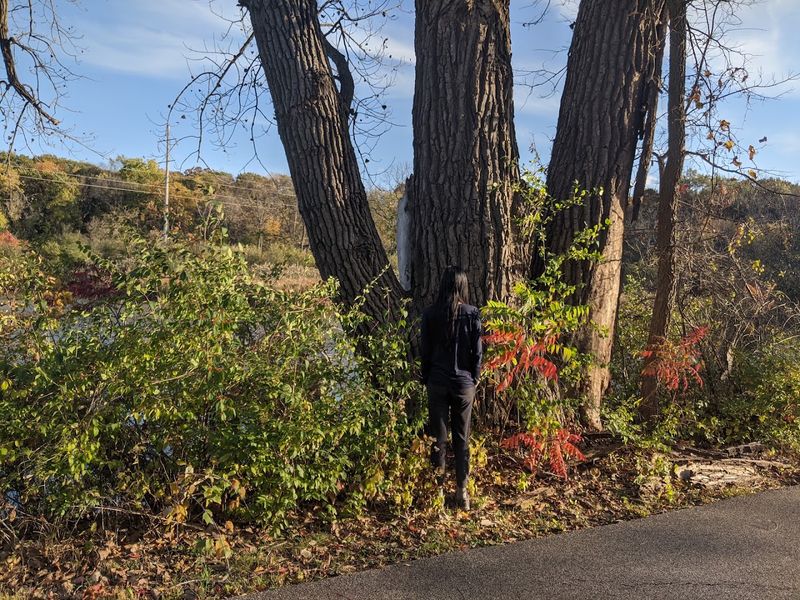
Algonquin has one of the most scenic trail settings in all of northeastern Illinois, and that is saying something in a region full of strong competition.
The Prairie Trail runs right through this McHenry County town along the Fox River, giving riders a waterfront experience that feels more like a vacation destination than a suburban bike path. The river views are genuinely beautiful, especially during morning rides when the light sits low on the water.
The Prairie Trail stretches about 26 miles between the Wisconsin state line and the Kane County border, and Algonquin sits comfortably in the middle of that run.
The paved surface is smooth and well-maintained, making it a reliable choice for road bikes as well as casual cruisers. Connections to the Fox River Trail extend the mileage options considerably for more ambitious riders.
Downtown Algonquin adds real value to a trail visit, with riverside restaurants and shops that make a midday stop feel like a treat rather than just a fuel break.
The town also has a strong community events calendar, with outdoor festivals running from late spring through early fall. Algonquin is the trail town that proves you do not need to travel far from Chicago to find a genuinely lovely place to spend the day.
Crystal Lake
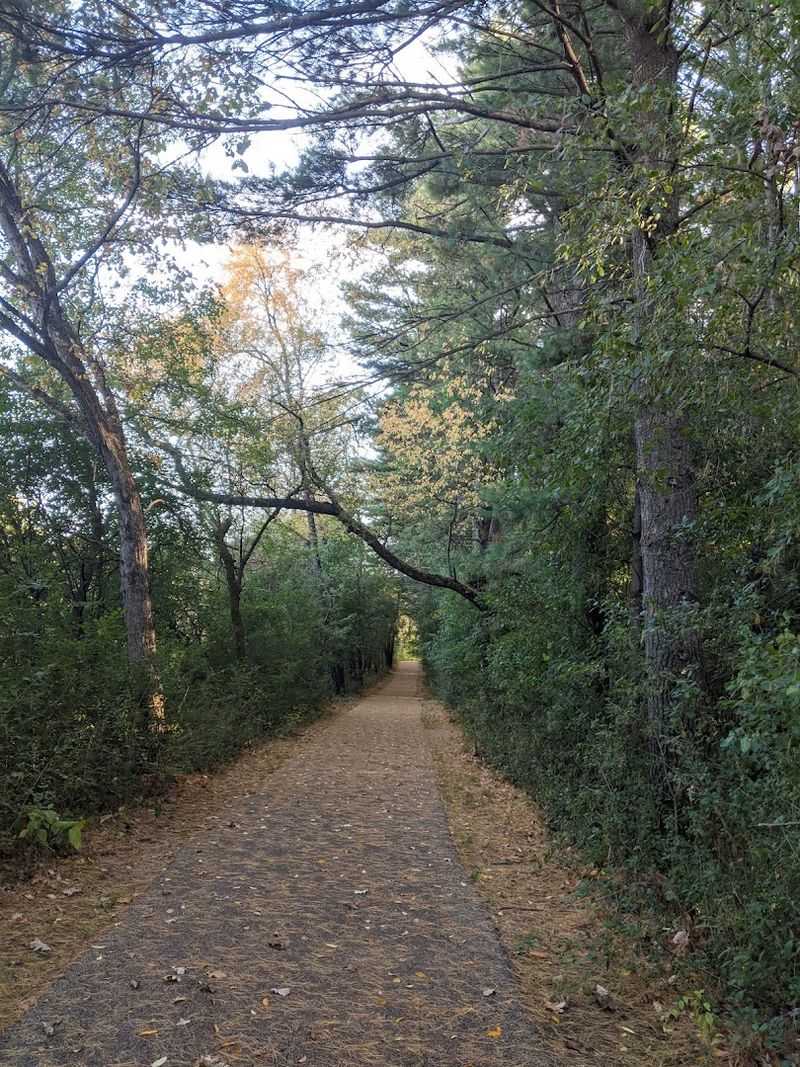
Crystal Lake earns its name honestly. The actual lake at the center of this McHenry County city is a genuine focal point for outdoor recreation, and the Prairie Trail runs nearby, connecting the community to the broader northern Illinois trail network in a way that makes multi-day touring genuinely practical.
It is one of those towns where trail access and town amenities line up almost perfectly.
The city has put real effort into its parks and green infrastructure, and that investment shows along the trail corridor. Rest areas are clean and well-spaced, the surface is consistently maintained, and the surrounding scenery shifts pleasantly between wooded stretches and open views.
Riders who extend their trip toward the Wisconsin border will find the northern sections of the Prairie Trail increasingly scenic and less trafficked.
Crystal Lake’s Main Street district is worth exploring on foot after a morning ride, with independent coffee shops, boutiques, and a seasonal downtown farmers market that draws locals and visitors alike.
The downtown beach on Crystal Lake itself is a popular summer stop that trail visitors can easily reach. There is a satisfying completeness to a day that starts on the trail and ends watching the sun lower over the lake from a lakeside bench.
Peoria Heights
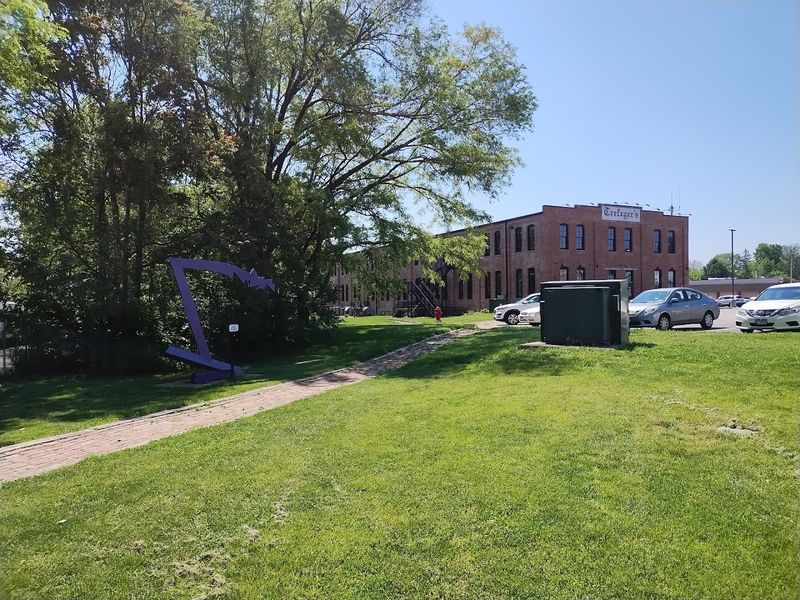
Peoria Heights is a small village with an outsized personality, perched above the Illinois River valley in a way that gives the community dramatic views and a distinctly elevated sense of place.
The Rock Island Greenway passes through here, following the old Rock Island Railroad corridor and offering trail users one of the most topographically interesting rides in central Illinois. The bluff terrain means more elevation change than most Illinois trails, which makes the riding more engaging.
The village itself has a well-earned reputation for its restaurant row along Prospect Road, where locally owned spots serve everything from casual American fare to more adventurous menus. After a morning on the trail, a long lunch with a view of the river valley feels like a well-deserved reward.
Peoria Heights also hosts outdoor events and art installations that give the community a creative, slightly artsy character.
The Rock Island Greenway connects Peoria Heights to the broader Peoria metro trail network, making it possible to string together a multi-hour ride that covers diverse terrain and neighborhoods.
Fall is the absolute best season here, when the bluff-top foliage turns brilliant and the views across the Illinois River valley become almost impossibly picturesque. This is a trail town that surprises people who expect central Illinois to be entirely flat.
Vienna
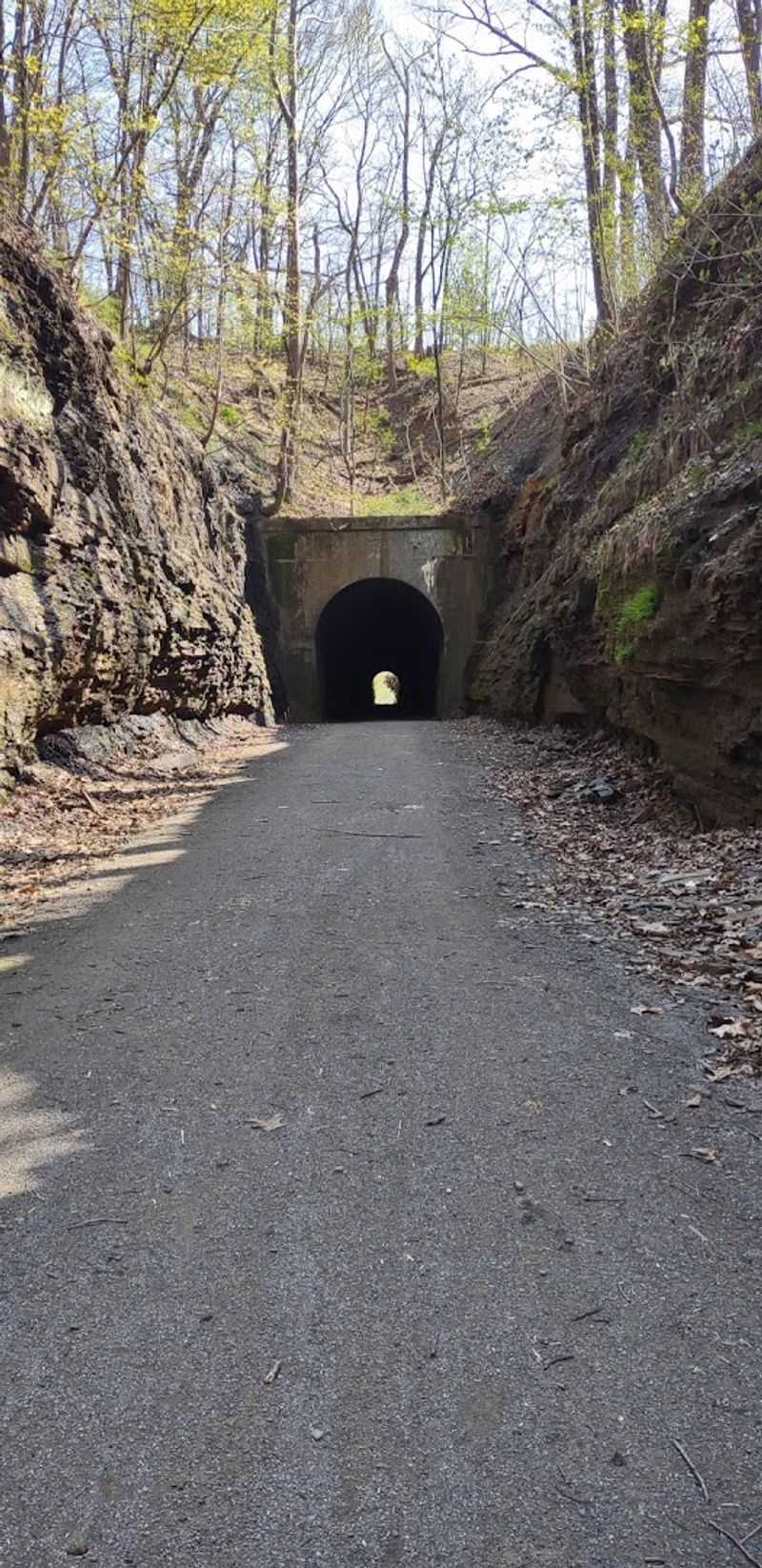
Vienna, pronounced locally as VY-enna, is the kind of small southern Illinois town that feels like a genuine discovery for visitors from the northern part of the state.
Johnson County’s seat sits along the central-southern portion of the Tunnel Hill State Trail, a 45-mile crushed limestone corridor through some of southern Illinois’s most scenic wooded landscapes.
The trail is widely considered one of the most scenic rail trails in the entire Midwest, and that reputation is fully deserved.
The forest surrounding the trail through this section is dense and diverse, with towering oaks, hickories, and tulip poplars creating a canopy that feels more like the Appalachians than the Illinois most people picture.
Wildlife is abundant, and trail users regularly spot wild turkeys, white-tailed deer, and a remarkable variety of songbirds. The crushed limestone surface is ideal for hybrid bikes and comfortable for most casual riders.
Vienna itself has the relaxed rhythm of a small county seat, with a courthouse square, local diners, and a community that has warmly embraced trail tourism over the past decade.
The proximity to Garden of the Gods and other Shawnee National Forest attractions makes Vienna a natural base camp for a multi-day southern Illinois adventure. Few trail towns in the state offer this much natural drama per square mile.
Harrisburg
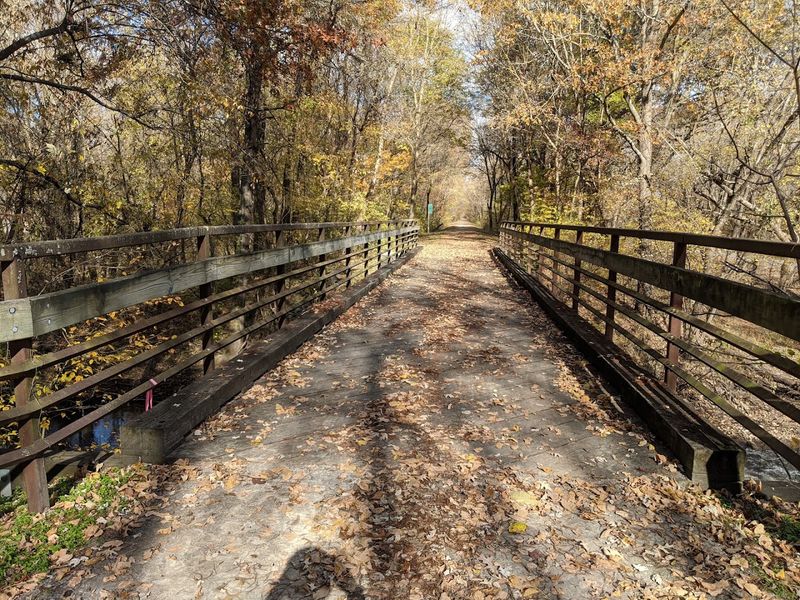
The namesake feature of the Tunnel Hill State Trail is a 543-foot railroad tunnel near the village of Tunnel Hill, south of Harrisburg along the trail corridor, making this southern Illinois route one of the most memorable in the state.
Riding through the tunnel is a genuinely thrilling experience, the temperature drops noticeably, the light disappears, and the sound of your bike changes completely inside the stone walls. It is the kind of trail moment people talk about for years.
Harrisburg serves as one of the primary access points for the Tunnel Hill corridor, with good parking, trail amenities, and a downtown that offers practical services for trail visitors.
The surrounding Saline County landscape is rolling and forested, a world away from the flat agricultural plains that define much of Illinois. The trail surface is well-maintained crushed limestone that handles well in dry conditions.
South of Harrisburg, the trail builds toward wooded sections with creek crossings, trestles, and seasonal wildflower displays that often peak in April and May.
The town has local restaurants and lodging options that make an overnight stay practical and comfortable. Harrisburg is where the Tunnel Hill experience reaches its dramatic peak, and it earns its place as the trail’s most talked-about destination without any exaggeration.