
10 Illinois Spots That Feel Like A Mini Vacation Without Leaving The State
Think Illinois is all skyline, pizza, and flat farmland? That idea falls apart fast once the road starts winding past bluffs, quiet river towns, and landscapes that feel wildly unexpected for the Prairie State.
One moment, you are looking at lake waves under a city skyline; the next, you could be standing beneath ancient trees or wandering streets that still carry the mood of another century. This is the Illinois that surprises people: beautiful, strange, historic, and much more adventurous than its reputation suggests.
No airport, no huge travel budget, no complicated planning needed. Just a free day, a charged phone, and a little curiosity can turn into a getaway that feels far bigger than the distance on the map.
1. Mississippi Palisades State Park, Savanna
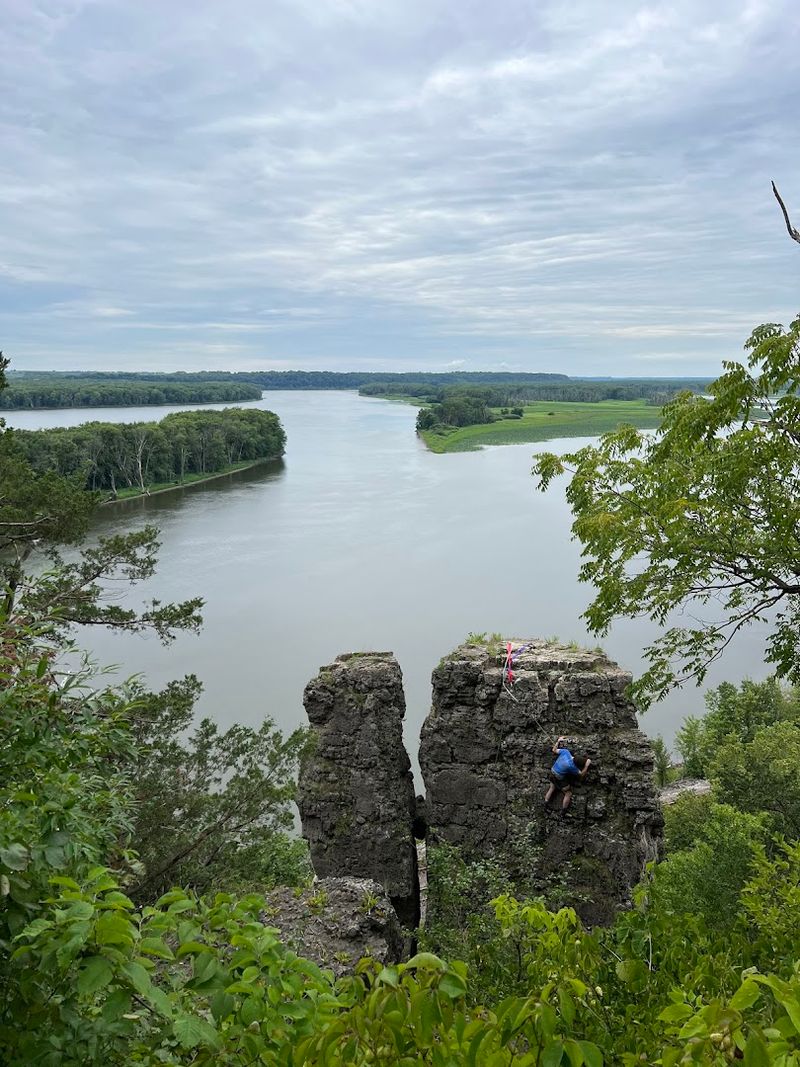
Picture standing on a rocky bluff while the Mississippi River stretches out below you like a silver ribbon through the trees. That is exactly what awaits at Mississippi Palisades State Park in Savanna, Illinois, a place that genuinely earns the word “dramatic” without any exaggeration.
The park sits in the northwest corner of the state and offers some of the most jaw-dropping overlooks in the entire Midwest.
Hikers of all skill levels will find trails here, ranging from easy walks to more challenging climbs up rugged limestone formations. The Twin Sisters and Sentinel rock formations are fan favorites that make great photo stops along the way.
Fall is an especially popular season, when the bluffs turn into a canvas of orange, red, and gold that reflects off the river below.
Wildlife lovers will spot bald eagles, white-tailed deer, and a variety of songbirds throughout the year. Camping is available on-site, making an overnight stay a natural choice for those who want to extend the experience.
Savanna itself is a small, welcoming river town with a handful of local shops and eateries worth exploring before or after your hike.
2. Shawnee National Forest, Harrisburg,
Most people picture Illinois as flat farmland, so Shawnee National Forest tends to catch first-time visitors completely off guard.
Covering nearly 290,000 acres in the southern tip of the state, this forest feels more like a scene from the Appalachian highlands than the Prairie State. The landscape is wild, rugged, and full of surprises around every trail bend.
The Garden of the Gods is the crown attraction, where ancient sandstone formations with names like Camel Rock and Anvil Rock rise dramatically above the forest canopy.
A short, paved observation trail makes the main viewpoints accessible for most visitors, while longer backcountry trails reward those willing to wander farther.
The Rim Rock National Recreation Trail is another standout, winding past rocky overhangs and hardwood forest with views that feel genuinely earned. Spring wildflower season and autumn color season are both spectacular times to visit.
The forest also contains parts of the Cache River wetlands, making it a layered destination where one trip can include canyon hiking and swamp exploration on the same day. Nearby Harrisburg serves as a solid base with lodging and dining options to round out the trip.
3. Rockford, Illinois
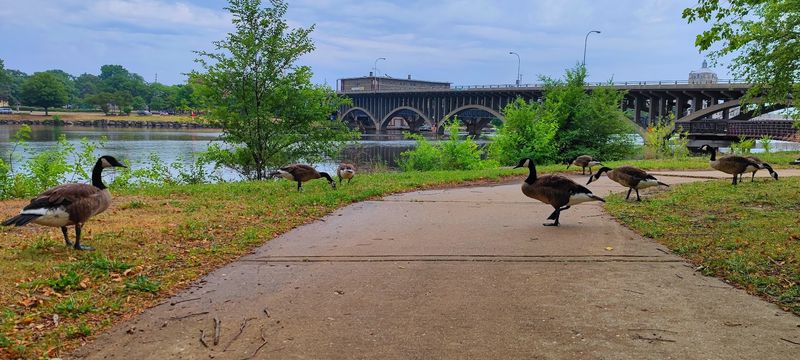
Rockford tends to fly under the radar, but that is exactly what makes it such a satisfying find for travelers looking to stretch their legs without a long road trip.
Located about 90 miles northwest of Chicago along the Rock River, Rockford has quietly built a reputation as one of Illinois’s most underrated small cities. There is genuine depth here, from world-class gardens to hands-on science museums.
Anderson Japanese Gardens is the undisputed highlight and has been rated among the finest Japanese-style gardens in North America.
The design is meticulous, with koi ponds, waterfalls, stone lanterns, and seasonal plantings that change beautifully with each visit. A walk through the gardens feels like stepping into a completely different country without the jet lag.
Beyond the gardens, the Burpee Museum of Natural History houses a remarkably complete juvenile T. rex skeleton nicknamed “Jane,” which is a genuine crowd-pleaser for kids and adults alike. The Discovery Center Museum consistently ranks as one of the top children’s museums in the country.
Rockford’s riverfront district also offers pleasant walking paths, local restaurants, and outdoor events throughout the warmer months that give the city a lively, community-centered energy.
4. Starved Rock State Park, Utica
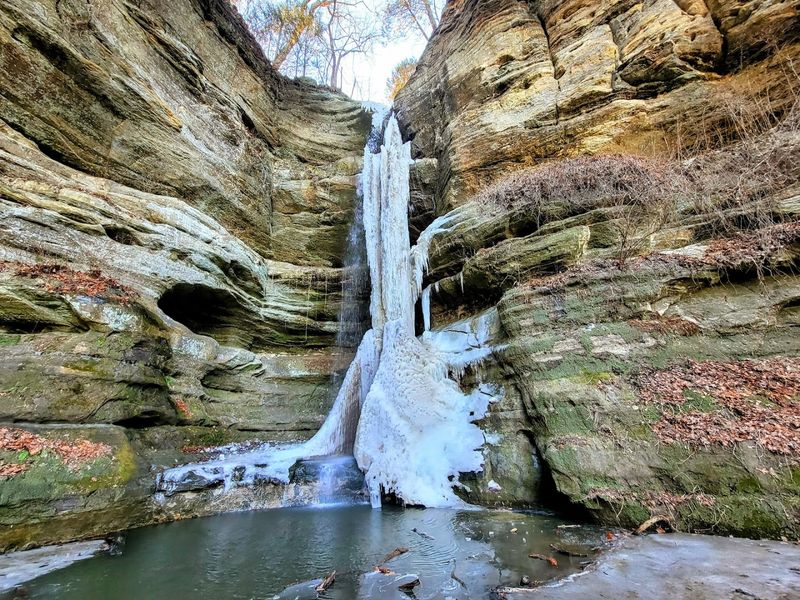
There is a canyon system hiding in central Illinois, and it goes by the name Starved Rock State Park. Located near Utica along the Illinois River, this park draws more than two million visitors a year, and once you see those sandstone canyons up close, the popularity makes complete sense.
Eighteen canyons carved by glacial meltwater thousands of years ago create a landscape that genuinely stops people mid-step.
Each canyon has its own personality. French Canyon features a dramatic waterfall that freezes into a stunning ice sculpture during winter, drawing photographers from across the region.
St. Louis Canyon offers a longer hike with a rewarding waterfall payoff at the end.
The main overlook trails along the Illinois River bluffs provide sweeping views that are especially beautiful during sunrise and fall foliage season.
The historic Starved Rock Lodge, built by the Civilian Conservation Corps in the 1930s, adds a cozy layer to any visit with its log-and-stone architecture, fireplace-warmed great room, and on-site dining.
Staying overnight at the lodge turns a day trip into a full mini getaway. The park is open year-round, and each season brings something new worth seeing, which is a rare quality for any destination.
5. Cahokia Mounds State Historic Site, Collinsville
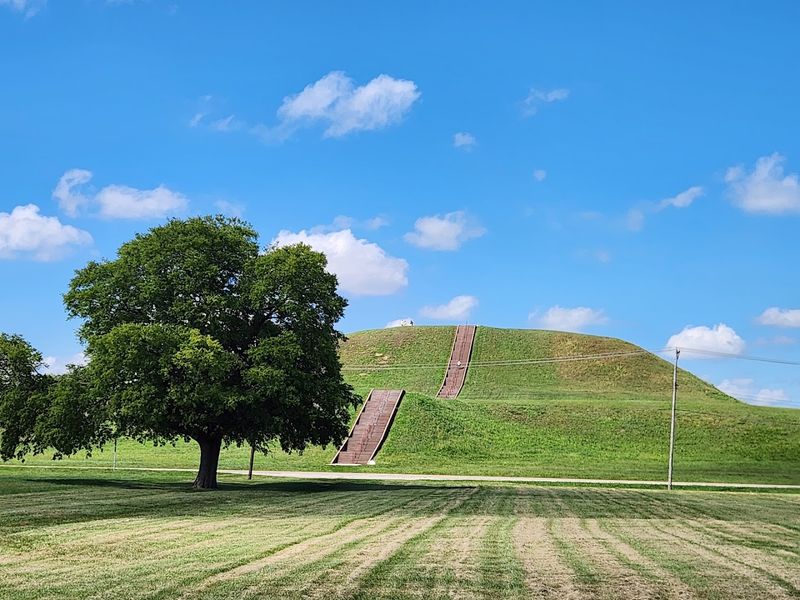
Long before European explorers arrived in North America, a city larger than medieval London stood right here in Illinois. Cahokia Mounds State Historic Site in Collinsville preserves the remains of the most sophisticated pre-Columbian civilization north of Mexico.
At its peak around 1100 AD, Cahokia was home to an estimated 20,000 people, a number that would not be matched by any American city north of the Rio Grande for another 600 years.
The centerpiece of the site is Monks Mound, a massive earthen platform that covers more ground at its base than the Great Pyramid of Giza. Climbing to the top offers a panoramic view of the surrounding landscape and a powerful sense of the scale of what was built here entirely by hand.
The interpretive center does an excellent job of bringing the civilization’s culture and history to life through artifacts, models, and multimedia displays.
Cahokia is a UNESCO World Heritage Site, placing it in the same category as the Egyptian pyramids and the Great Wall of China. Admission is free, which makes this one of the best value travel experiences in the entire state.
Plan at least two to three hours to absorb everything the site has to offer.
6. Fulton And The Netherlands Windmill, Fulton
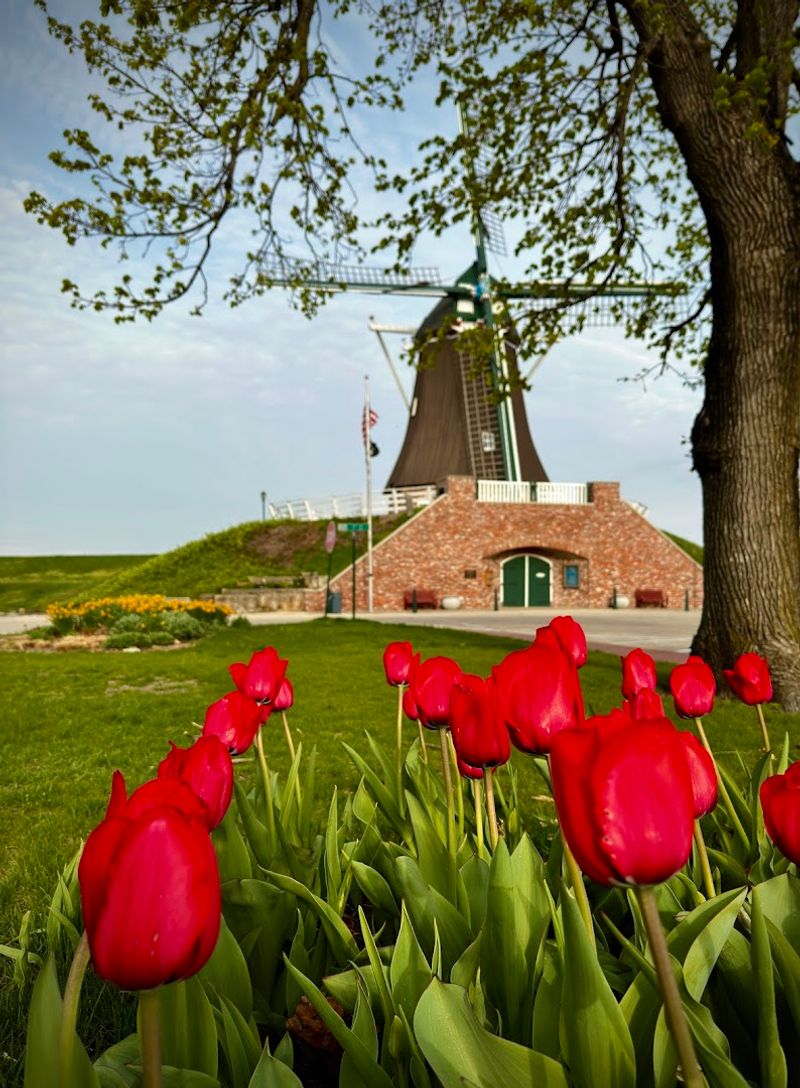
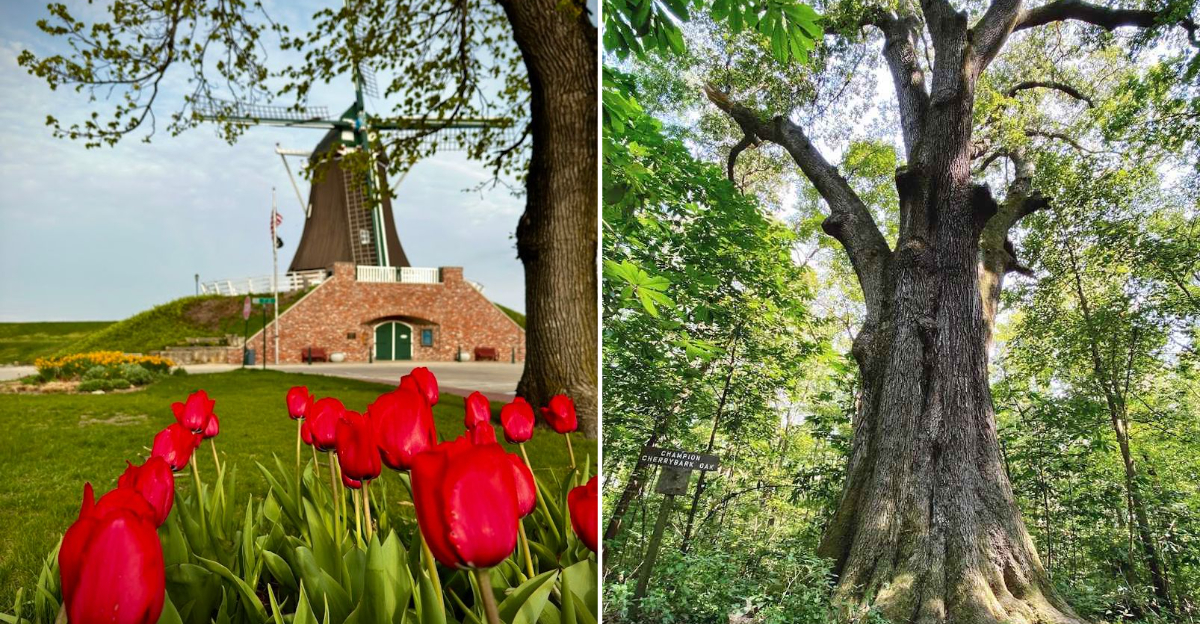
Driving along the Mississippi River on the Illinois side and suddenly spotting a fully operational Dutch windmill is one of those travel moments that makes you do a double take.
Fulton, Illinois, a small city with a proud Dutch heritage, is home to De Immigrant, an authentic working windmill that was built in the Netherlands and shipped to Illinois piece by piece. It was officially dedicated in 2000 and has been a beloved landmark ever since.
The windmill stands five stories tall and is one of only a handful of authentic Dutch windmills operating in the entire United States. Guided tours take visitors inside to see the original millstone machinery, wooden gears, and the upper observation deck with sweeping views of the Mississippi River.
The experience is genuinely educational and surprisingly moving, offering a tangible connection to the immigrant families who shaped this region.
Fulton celebrates its Dutch roots every May during the annual Dutch Days festival, when the streets fill with traditional costumes, folk dancing, and tulip displays.
The surrounding area along the Great River Road offers scenic drives with river views and several small towns worth a stop. Fulton proves that a big cultural experience does not always require a big city.
7. Galena Historic District, Galena
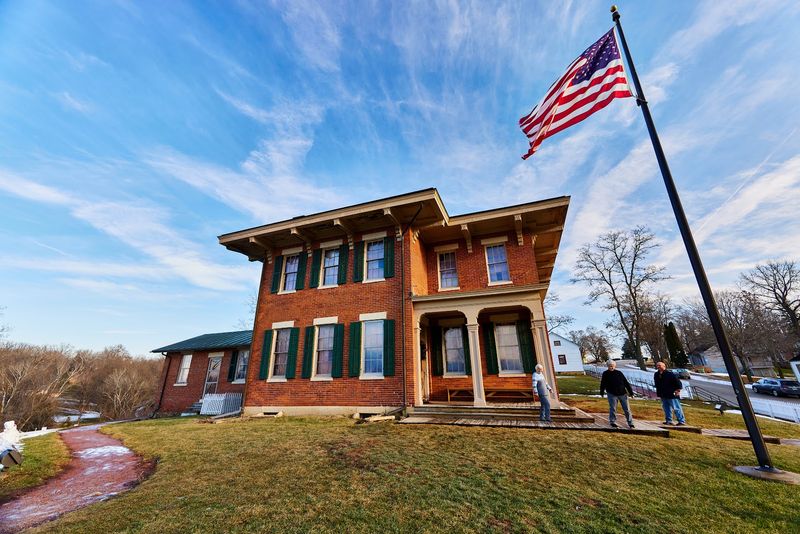
Galena is the kind of town that makes you feel like you have stepped into a history book, but one that also has great coffee shops and a surprisingly good brunch scene.
Situated in the hilly northwest corner of Illinois near the Wisconsin border, Galena sits in a river valley surrounded by rolling bluffs that look nothing like the flat prairie most people associate with the state. The town itself was once one of the most prosperous cities in the entire Midwest.
The historic district is remarkably well-preserved, with over 85 percent of its buildings listed on the National Register of Historic Places.
Main Street is lined with 19th-century brick storefronts now filled with boutiques, galleries, candy shops, and locally owned restaurants. The Galena and Chicago Union Railroad once made this town a commercial powerhouse, and that energy is still palpable in the architecture and civic pride on display.
Ulysses S. Grant, the 18th President of the United States, called Galena home, and his preserved residence is open for tours.
The surrounding countryside offers horseback riding, cycling, and scenic drives that feel a world away from urban Illinois. A weekend in Galena genuinely resets the mind and fills the camera roll in equal measure.
8. Illinois Beach State Park, Zion
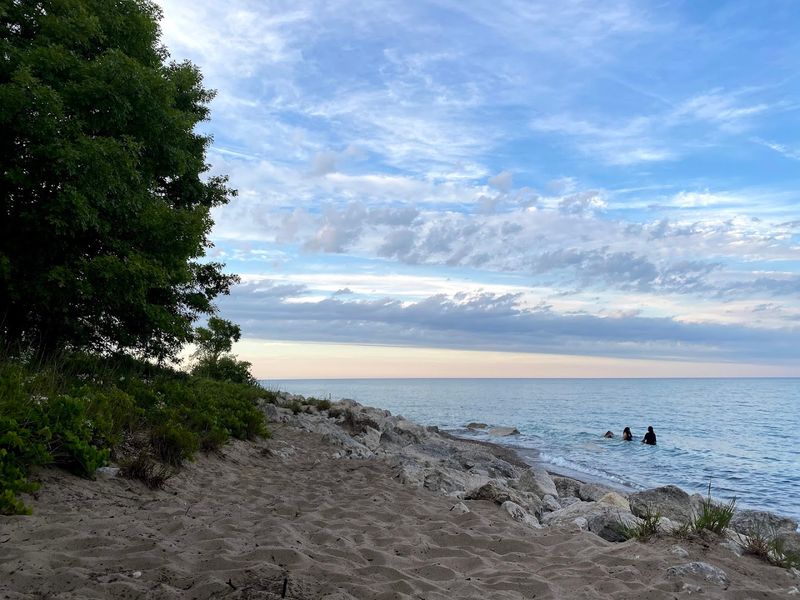
Sand dunes, crashing waves, and a horizon that stretches as far as the eye can see, and yet you never left Illinois.
Illinois Beach State Park in Zion is the only remaining natural beach dune habitat in the entire state, making it a genuinely rare and precious place.
Stretching along six and a half miles of Lake Michigan shoreline, the park offers a beach experience that rivals destinations people travel much farther to reach.
The park is divided into a North Unit and a South Unit, each with its own character. The South Unit features the main beach area, a marina, and the Illinois Beach Resort and Conference Center, which offers lodge-style accommodations right on the water.
Waking up to a Lake Michigan sunrise from a lakeside room is one of those simple pleasures that stays with you long after the trip ends.
Hiking and nature trails wind through dune prairie, black oak savanna, and wetland areas that support an impressive variety of birds and plant species.
Birdwatching is excellent here, particularly during spring and fall migration seasons. The town of Zion provides additional dining and lodging options nearby, and the Chicago suburb corridor means the park is easy to combine with other North Shore attractions for a full weekend itinerary.
9. Lake Michigan Beaches, Chicago
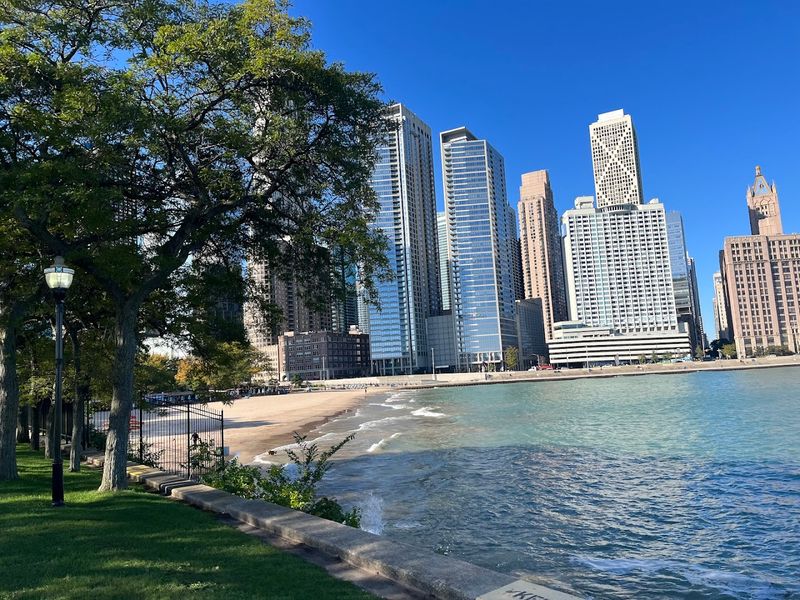
Chicago’s lakefront is one of the great urban beach experiences anywhere in North America, and it is entirely free and open to the public year-round.
Twenty-six miles of lakefront parkland run along the city’s eastern edge, and within that stretch are dozens of sandy beaches that fill with swimmers, volleyball players, and sunbathers from late spring through early fall.
The backdrop of the Chicago skyline rising above the water creates a view that is hard to match anywhere in the world.
Oak Street Beach is the most iconic, sitting at the northern edge of the Magnificent Mile with a crescent of golden sand and a beachside cafe that serves food and drinks throughout the summer.
North Avenue Beach is larger and livelier, complete with a beach house that offers equipment rentals and a rooftop bar area.
Montrose Beach, farther north, tends to attract a more laid-back crowd and is a favorite among birdwatchers and kite flyers.
The lakefront trail connects all the major beaches and is perfect for cycling or a long morning run with a view. Navy Pier, Millennium Park, and the Museum Campus are all within easy reach, meaning a beach day in Chicago can expand into a full cultural itinerary without ever needing a car.
10. Cache River State Natural Area, Belknap
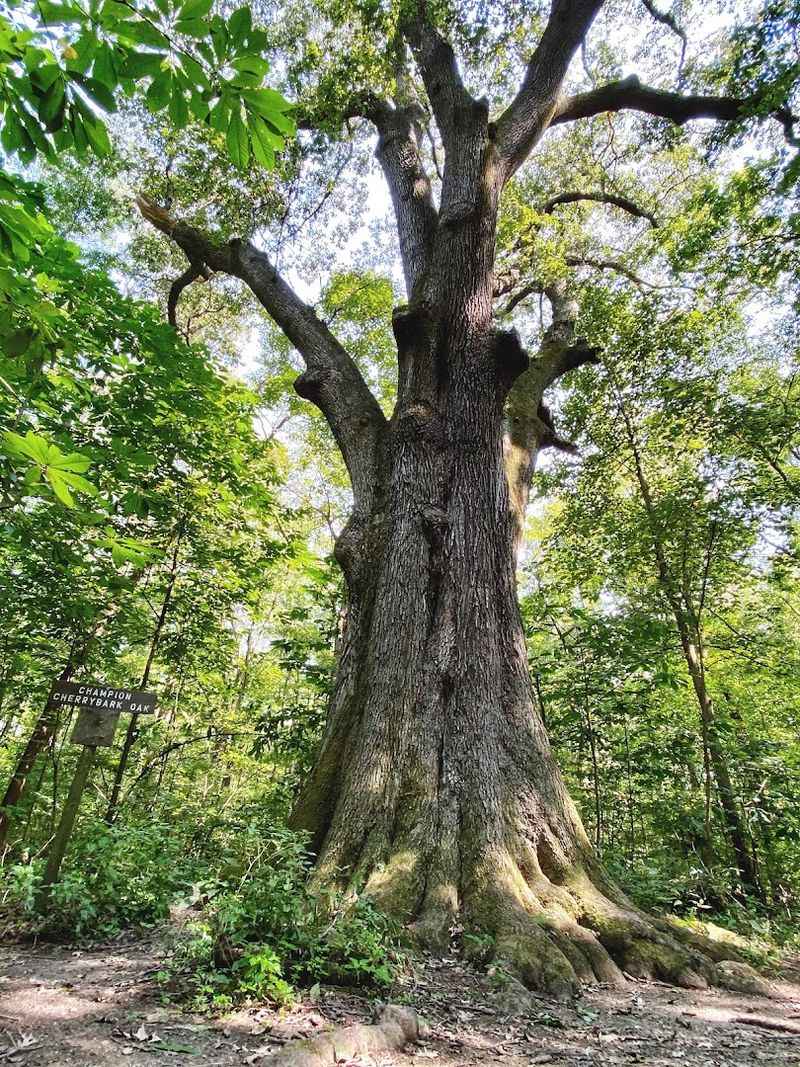
Nothing quite prepares you for the moment you round a trail bend in southern Illinois and find yourself face to face with a cypress swamp that looks straight out of Louisiana.
Cache River State Natural Area near Belknap, Illinois, protects one of the last remaining bottomland swamp ecosystems in the entire Midwest. The ancient bald cypress trees here, some estimated to be over 1,000 years old, rise from dark, still water in a way that feels primordial and deeply peaceful.
The area is a designated Wetland of International Importance under the Ramsar Convention, a distinction shared with only a handful of sites across the United States. Boardwalk trails wind above the water, allowing visitors to walk directly through the swamp without getting their feet wet.
The reflection of the cypress knees and twisted trunks in the glassy water creates photographic opportunities that look almost too beautiful to be real.
Wildlife is abundant throughout the preserve, including river otters, barred owls, wood ducks, and the occasional great blue heron standing motionless in the shallows.
Spring is the most magical time to visit, when wildflowers bloom along the trail edges and migratory birds pass through in impressive numbers. The remote, quiet nature of this spot makes it feel like a true escape from everyday life.