
In The Pennsylvania Wilderness, A Massive Concrete Ruin Marks One Of The State’s Most Tragic Disasters
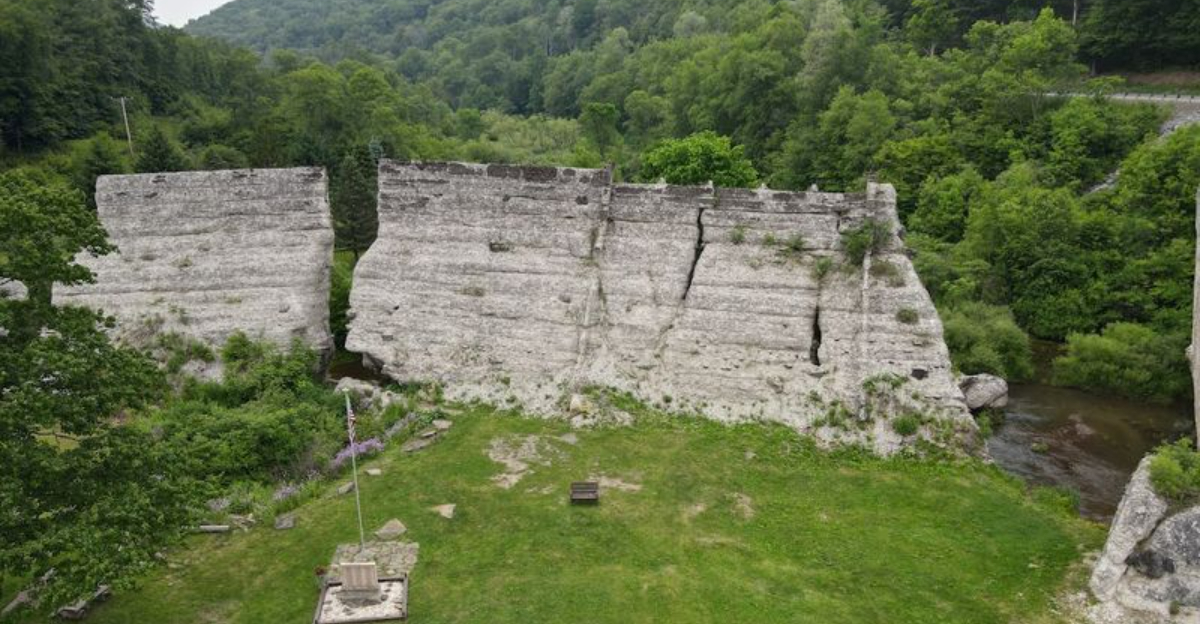
Some places do not whisper their stories. They loom, they linger, and they leave you standing still for a moment, trying to take in everything that happened there.
Deep in the Pennsylvania wilderness, a massive concrete ruin like this feels more than scenic and more than historic. It feels haunting, powerful, and impossible to shrug off once you see it with your own eyes.
Nature may have softened the edges, but the weight of the past still hangs in the air, turning a quiet landscape into something far more unforgettable. That is what makes places like this so compelling.
You get the beauty of the outdoors, the eerie pull of a forgotten disaster, and the kind of real-life history that hits harder than anything in a textbook.
Crumbling walls, solemn atmosphere, and a story too big to ignore all come together in one deeply memorable stop. It is part wilderness escape, part time capsule, and part emotional gut punch.
I always find myself slowing down in places like this, because the second I realize I am standing where something so life-changing once happened, the whole visit feels heavier, quieter, and far more meaningful than I expected.
The 1911 Austin Dam Collapse That Shocked Pennsylvania
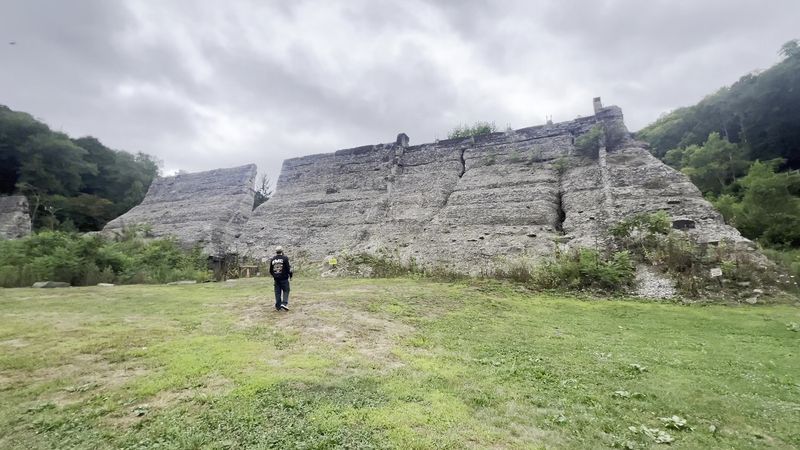
On September 30, 1911, the Austin Dam gave way without much warning, unleashing millions of gallons of water onto the town below.
The flood tore through Austin, Pennsylvania, destroying homes, businesses, and the lives of dozens of residents in a matter of minutes.
What made this tragedy even harder to accept was that warning signs had been ignored.
The dam had shown cracks and structural problems before the final collapse, yet repairs were delayed and concerns were dismissed.
Roughly 78 people lost their lives that day, though some estimates place the number higher due to missing persons who were never found.
The disaster drew national attention and sparked serious conversations about dam construction standards across the country.
Austin Dam Memorial Park now stands on that very ground, giving visitors a chance to understand the full weight of what happened here. The ruins speak louder than any monument ever could.
The Concrete Ruins Still Standing After More Than A Century
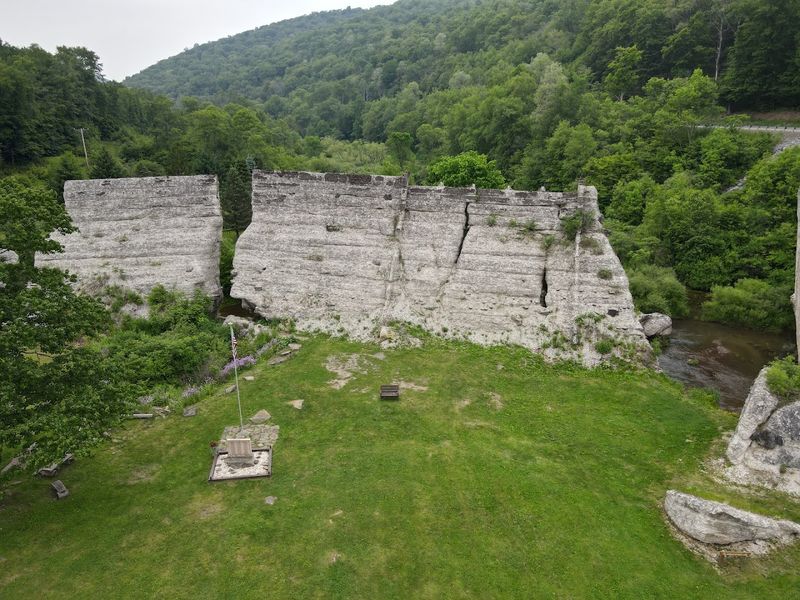
Standing in front of the remaining sections of the Austin Dam feels like stepping into a scene from another era.
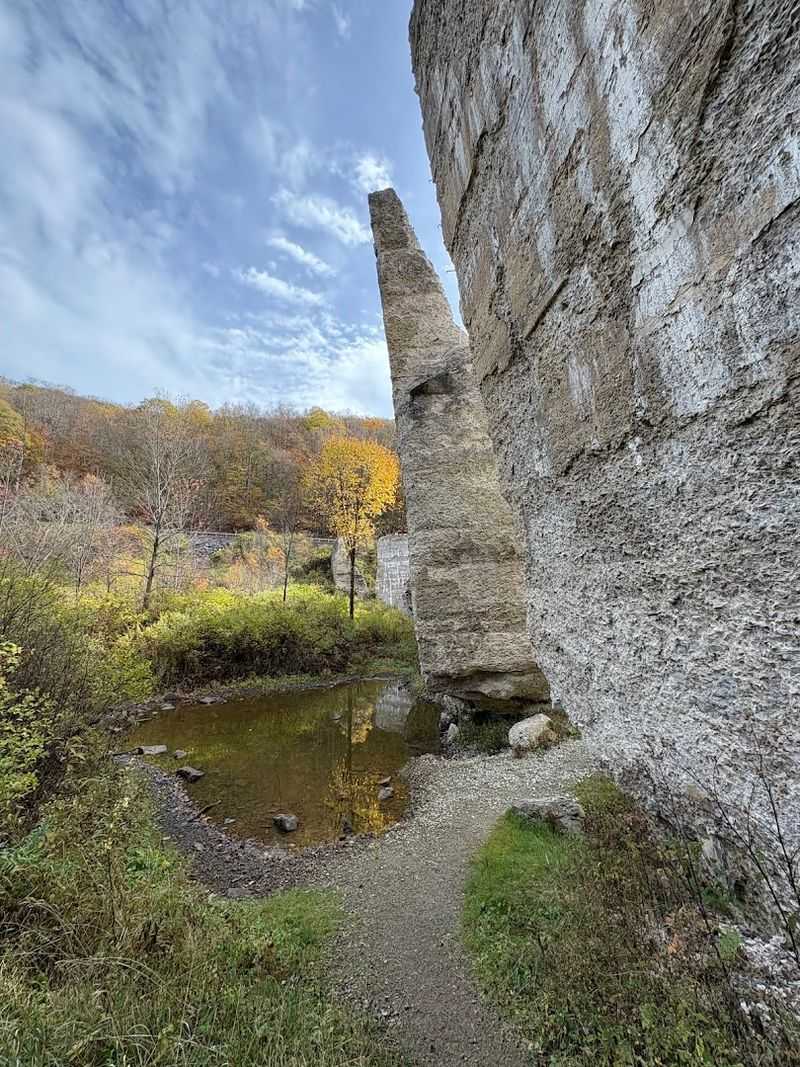
The concrete walls, some of them towering overhead, have been cracked, tilted, and scattered by the force of the 1911 flood.
Moss creeps across every surface, and wildflowers push up through the gaps in the rubble.
Nature has clearly been working hard to reclaim this space, but the sheer size of the concrete pieces makes it impossible to forget what they once were.
Engineers who have studied the ruins point out that the original construction used unusually large aggregate in the concrete mix, which weakened the overall structure significantly.
You can actually see those oversized chunks of stone embedded in the broken walls if you look closely.
Austin Dam Memorial Park has preserved these ruins intentionally, allowing them to remain as a raw and honest record of both engineering failure and human consequence.
The Abandoned Paper Mill That Adds To The Mystery
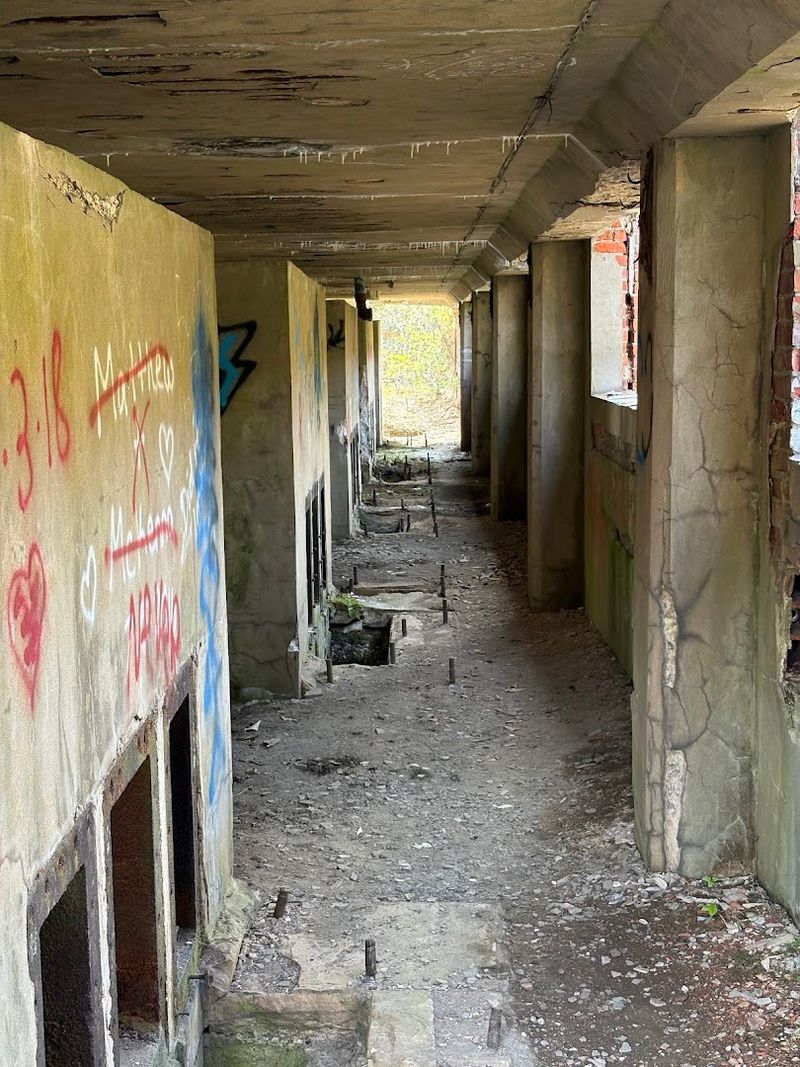
Just a short distance from the main dam ruins, the skeletal remains of the old paper mill add another layer of intrigue to a visit here.
The mill was one of the main reasons the dam was built in the first place, since it needed a steady water supply to operate.
When the dam collapsed, the mill was heavily damaged, and it never fully recovered.
Over the decades, the building fell into disrepair, leaving behind brick walls, rusted structural remains, and empty openings that frame the surrounding forest.
Visitors interested in the park’s history often connect the paper mill story with the dam itself, since the two sites together tell a more complete story of what Austin once was before that September morning changed everything.
Austin Dam Memorial Park sits close enough to the mill that the connection feels immediate, even though the site asks visitors to keep a safe distance and respect posted boundaries.
How The Park Honors The People Who Perished
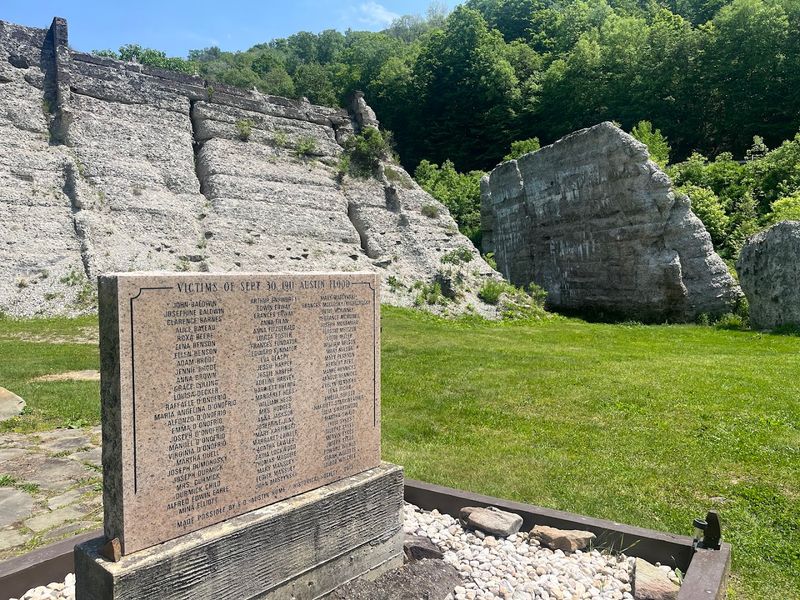
Remembering the people who were caught in the flood is a central part of what Austin Dam Memorial Park is all about.
The park includes a memorial honoring those who lost their lives, giving the tragedy a permanent and visible place in the historical record.
Standing near that memorial has a way of making the disaster feel personal rather than abstract. These were real people with families, neighbors, and daily routines, not just statistics in a history book.
The park was developed with strong local involvement, and that care shows in how thoughtfully the memorial elements are arranged alongside the natural landscape.
There is a balance between honoring the past and creating a peaceful space for reflection.
Community members and visitors still return here to reflect on the 1911 disaster, keeping the memory of what happened alive for younger generations who might otherwise never know this chapter of Pennsylvania history.
The Trails And Natural Beauty Surrounding The Site

Beyond the historical significance, Austin Dam Memorial Park offers a genuinely pleasant outdoor experience.
The trails wind through forested hillsides and along the edge of Freeman Run, giving visitors a chance to enjoy the quiet beauty of the Pennsylvania wilderness.
The paths add a recreational element to a place that might otherwise feel purely somber.
Comfortable walking shoes are a smart choice, and visitors who like to explore slowly will find plenty of reasons to linger.
Wildlife is active throughout the area, and it is not unusual to spot deer, wild turkeys, or various songbirds along the way.
The creek itself adds a calming soundtrack to the whole experience, especially in the early morning hours when the park feels especially quiet.
For families with children, the trails offer just enough adventure without being too demanding. The whole visit can be taken at a relaxed pace and still leave time to explore the ruins thoroughly.
What The Original Dam Was Built For And Who Built It
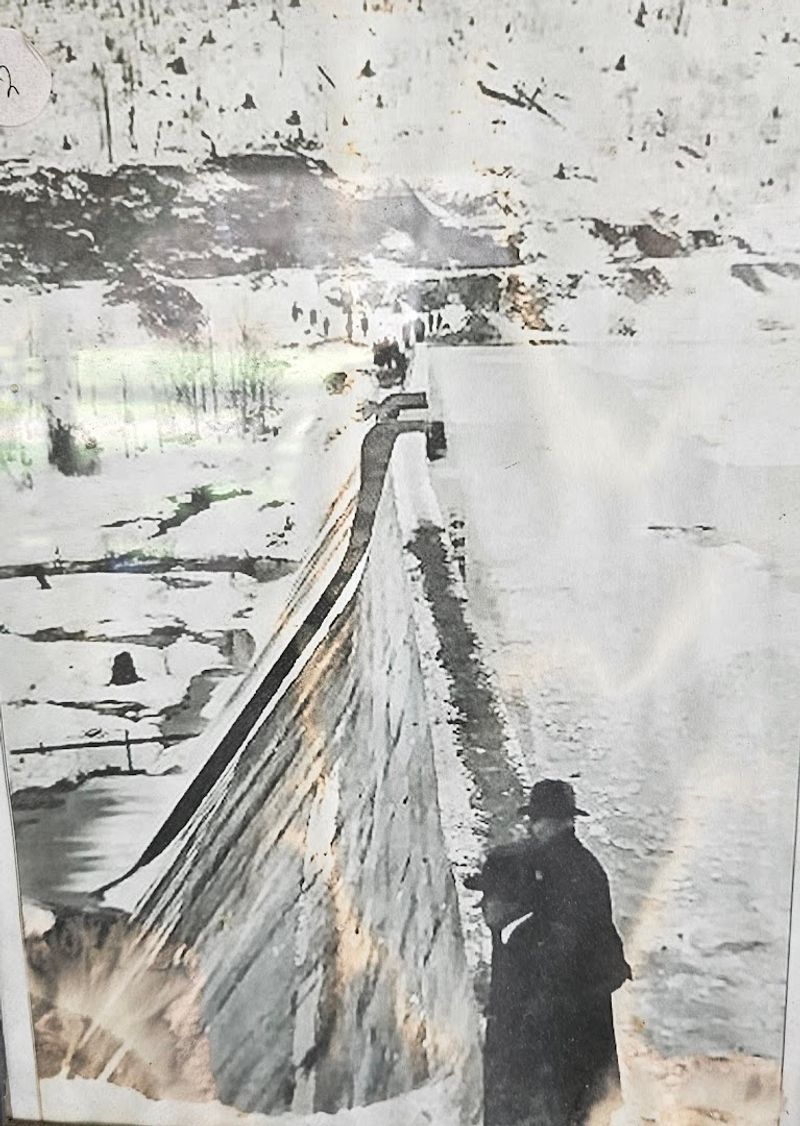
The Austin Dam was constructed between 1909 and 1910 by the Bayless Pulp and Paper Company, which needed a reliable water source for its mill operations in the valley below.
The dam was designed to hold back the waters of Freeman Run, a tributary of Sinnemahoning Creek. From the beginning, local engineers and residents had doubts about the construction quality.
The dam was built unusually thin for its height, and the concrete mixture used was considered substandard even by the engineering standards of that era.
Despite these concerns, the dam was completed and put into service. It held for about a year before showing serious signs of stress, including visible cracks along the base and face of the structure.
The Bayless company made some repair attempts, but they were widely regarded as insufficient.
The story of who built the dam and why corners were cut is an important part of what Austin Dam Memorial Park helps visitors understand today.
Visiting Practicalities And What To Expect On Arrival
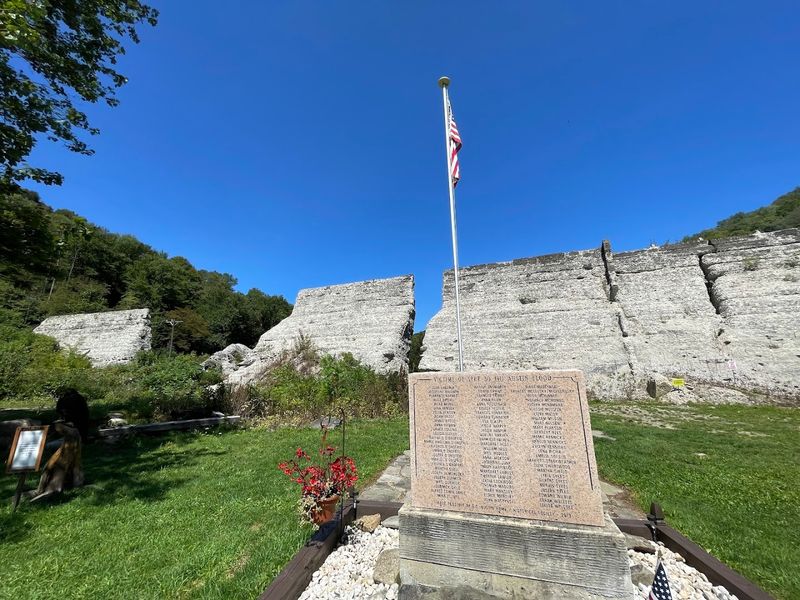
Planning ahead makes a real difference when heading out to Austin Dam Memorial Park. The park is always open, which gives visitors a flexible window to explore without feeling rushed.
The address is 5384 PA-872, Austin, PA 16720. Cell service in this area is limited, so downloading offline maps before arriving is a practical step worth taking.
Parking is available near the entrance, and there is no admission fee, which makes it an accessible stop for families and budget-conscious travelers alike.
Winter visits require extra caution because the access road is not maintained and can become icy and difficult to navigate.
Most people find the warmer months, particularly spring and early fall, to offer the best combination of comfortable weather and scenic surroundings at this remarkable Pennsylvania site.
The Historical Photographs And Educational Displays On Site
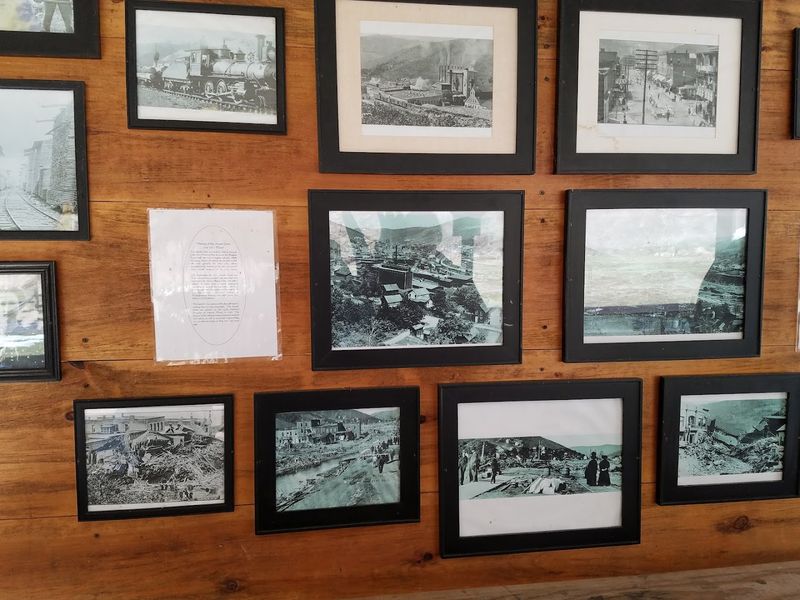
One of the most engaging aspects of a stop at Austin Dam Memorial Park is the historical material available on site.
Visitors can see historic photographs of the dam and flood aftermath, which add valuable context to the ruins themselves.
Seeing those old images next to the actual remains creates a striking contrast that photographs alone cannot fully capture.
You begin to understand the scale of what was lost by comparing the thriving community in the old photos with what stands today.
Interpretive material at the site helps explain the history in accessible terms, making the visit easier to follow for people who arrive knowing very little about the disaster.
Families with curious kids will find that the added context helps the site feel more immediate and understandable.
The combination of physical ruins and historical images gives the park an educational depth that turns a simple stop into something much more memorable.
The Campground That Turns A Day Trip Into An Overnight Adventure
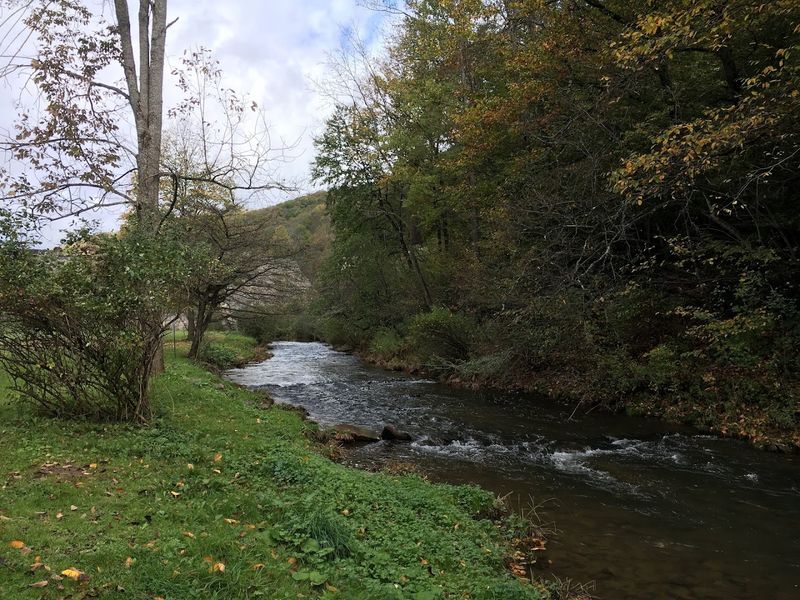
Austin Dam Memorial Park offers more than just a daytime visit. The park includes a basic campground that allows visitors to spend the night in the heart of the Pennsylvania wilderness, just steps away from one of the state’s most significant historical sites.
The campground is described by regular visitors as clean, peaceful, and full of wildlife activity. Waking up to birdsong with the sound of the creek nearby is a genuinely restorative experience, especially for people who spend most of their time in busy cities.
The facilities are simple rather than luxurious, so bringing your own supplies and being prepared for a back-to-basics stay is the right mindset. That simplicity is actually part of the appeal for many campers who prefer quiet over convenience.
Staying overnight also gives you the rare chance to explore the ruins in the early morning light before other visitors arrive, which adds a completely different and almost cinematic quality to the whole experience.
Why This Place Deserves A Spot On Every Pennsylvania History Lover’s List
There are plenty of historic sites across Pennsylvania, but few combine raw natural beauty with such a sobering piece of American engineering history the way Austin Dam Memorial Park does.
The setting alone, deep in Potter County’s forested hills, makes the drive feel like a reward in itself.
Visitors consistently praise the well-kept grounds, thoughtful memorial elements, and the sheer impact of standing next to those broken concrete walls.
That kind of steady appreciation says a great deal about what this place delivers.
History enthusiasts, outdoor explorers, and families looking for meaningful travel experiences all find something valuable here.
It is the kind of destination that stays with you long after you have driven back down PA-872 and rejoined the wider world.
Austin Dam Memorial Park is proof that the most powerful stories are sometimes found far off the main road, waiting quietly in the Pennsylvania wilderness for someone curious enough to show up.