
This South Carolina Blackwater River Is The Longest Free-Flowing One In America
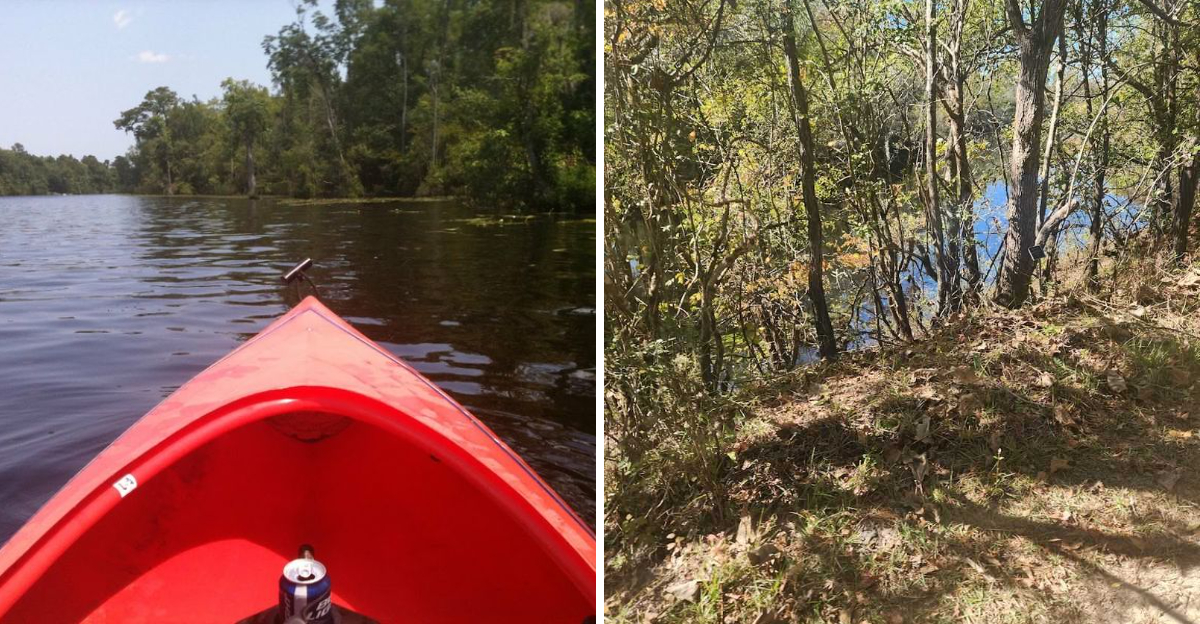
You don’t expect a river to look like this in South Carolina, and then the color stops you.
From the bank, it almost feels unreal. Dark, still, like something reflecting more than just the sky above it.
Then you look closer, and it starts to make sense.
A river like this doesn’t blend in across South Carolina, it stands out the moment you see it.
The water moves slowly, carrying that deep, tea-colored tone through a landscape that feels older than it should. Cypress trees rise from the edges, roots twisting into the current.
Nothing here feels rushed. The space, the sound, the way everything seems to exist on its own timeline.
People don’t hurry past it. They pause, take it in, and try to understand what they’re looking at.
It’s not just a river.
It’s something that feels untouched.
And once you’ve seen it, South Carolina doesn’t look quite the same anymore.
What Makes It A Blackwater River
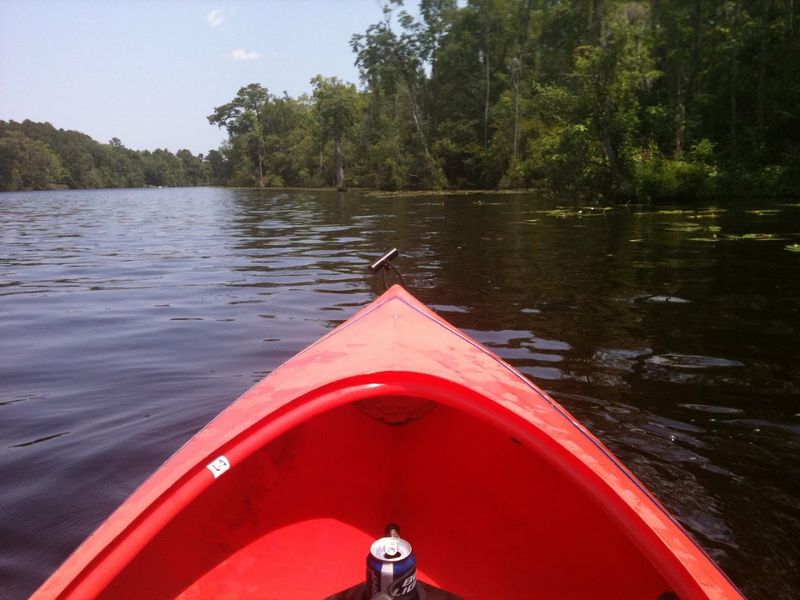
The name says it all, but the science behind it is genuinely cool. Blackwater rivers get their distinctive dark color from tannins, which are natural chemicals released when plant material like leaves, bark, and roots slowly break down in the water.
The Black River in South Carolina flows through thick swamplands and forests, collecting these tannins along the way. The result is water that looks almost like dark iced tea, ranging from amber to deep brown depending on where you are on the river.
Despite how it looks, the water is actually quite clean. It tends to be low in nutrients and slightly acidic, which limits algae growth and gives it that clear, dark appearance.
This unique chemistry also creates a very specific habitat that supports a surprising range of plants and animals found almost nowhere else. The Black River is living proof that beauty really does come in unexpected shades.
The Longest Free-Flowing Blackwater River In America
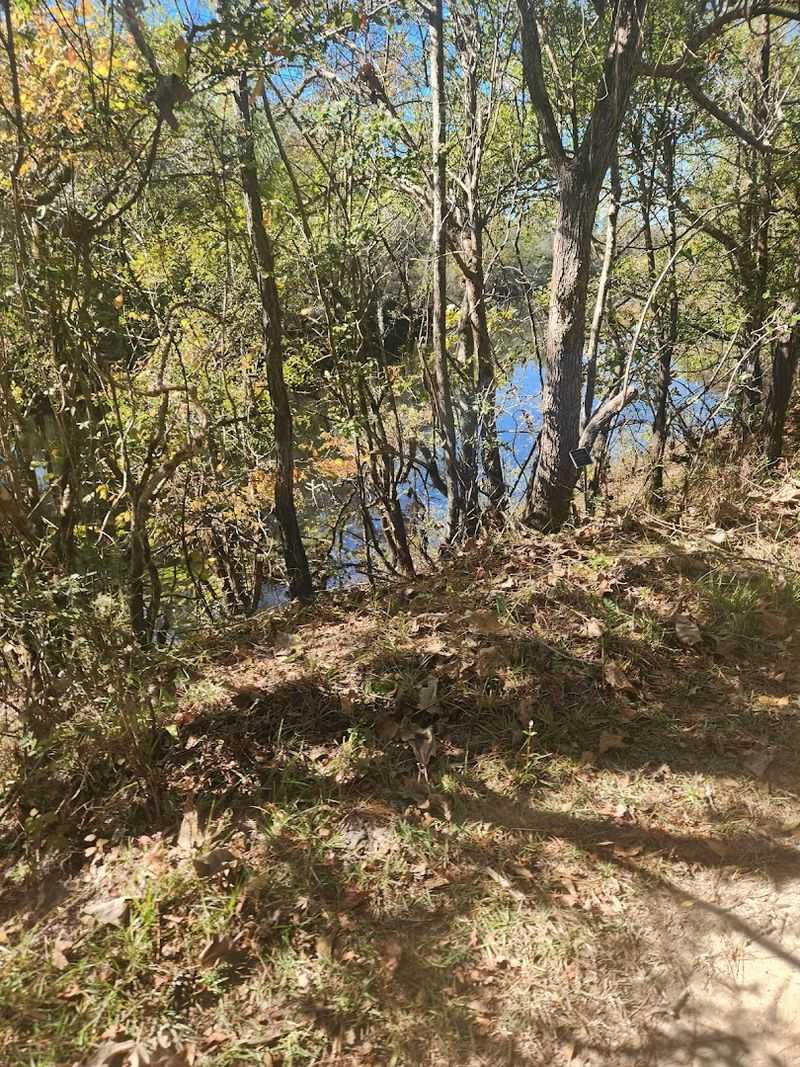
Here is a fact that tends to stop people mid-sentence: the Black River in South Carolina is the longest free-flowing blackwater river in the entire United States. That is not a small distinction.
The river stretches roughly 145 miles from its headwaters in Lee County all the way to Winyah Bay near Georgetown, South Carolina. What makes it truly remarkable is that it has never been dammed or significantly altered by human development along its main channel.
Free-flowing rivers are becoming increasingly rare across the country. Most major rivers have been dammed, diverted, or channeled for power, irrigation, or flood control at some point in their history.
The Black River managed to escape that fate, which means its natural flow patterns, sediment movement, and seasonal flooding cycles remain largely intact. For scientists and nature lovers alike, that kind of undisturbed river system is practically priceless in the modern world.
Ancient Cypress Trees Along The Banks
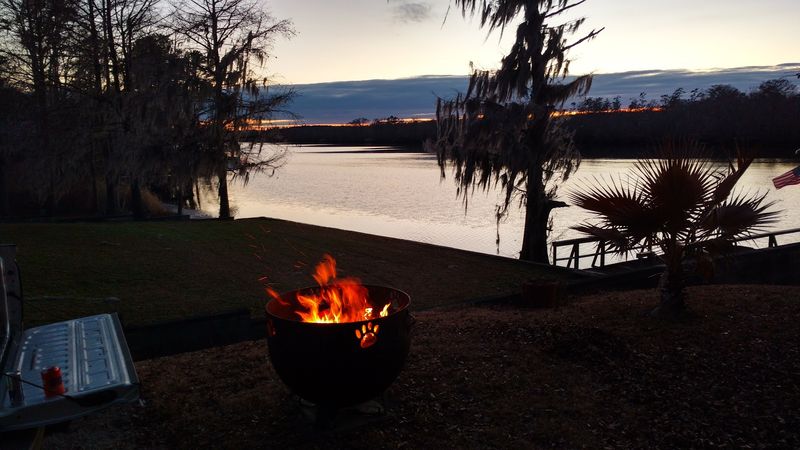
One of the most jaw-dropping things about paddling the Black River is coming face to face with bald cypress trees that have been standing for centuries. Some of the cypress trees along the river’s banks are over 1,000 years old, making them among the oldest living trees in the eastern United States.
These giants rise straight out of the dark water, their wide, flared bases called buttresses anchoring them firmly in the soft swamp floor. Hanging Spanish moss adds to the otherworldly atmosphere, draping over branches in long silver-gray curtains.
Researchers from the University of Arkansas actually confirmed the age of some of these trees through core sampling, finding growth rings that date back more than a millennium. One tree was estimated to be over 2,600 years old.
Standing near these ancient giants puts time into a very different perspective, and it is one experience along the Black River that stays with you long after you leave.
A Haven For Wildlife Watchers
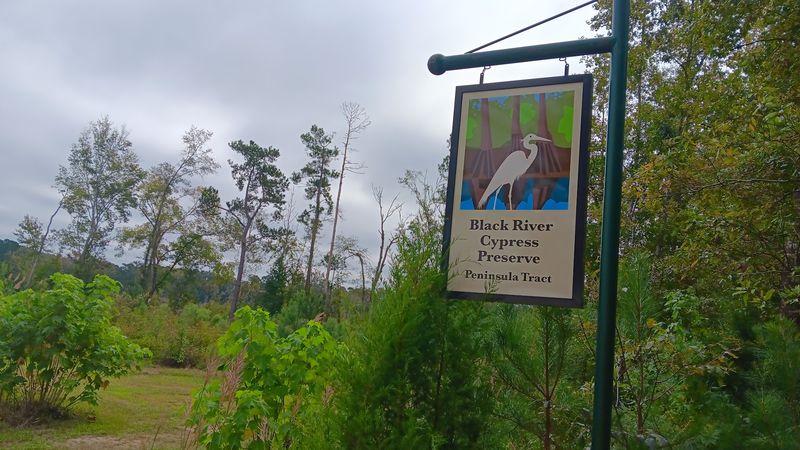
If you enjoy spotting animals in their natural habitat, the Black River delivers on a grand scale. The swampy corridor along the river supports an impressive variety of wildlife that thrives in the quiet, undisturbed environment.
Great blue herons are a common sight, standing motionless in the shallows before striking at fish with lightning speed. Wood ducks, osprey, and barred owls are also regular visitors along the riverbanks.
Alligators are present too, sunning themselves on logs or gliding silently through the dark water.
River otters, white-tailed deer, and even black bears have been spotted in the surrounding swamplands. The river corridor acts like a wildlife highway, connecting large patches of forest and wetland habitat across the South Carolina coastal plain.
Birdwatchers especially love this stretch of water during spring migration, when warblers and other songbirds pass through in impressive numbers. Every bend in the river brings a new possibility.
Kayaking And Canoeing The Black River
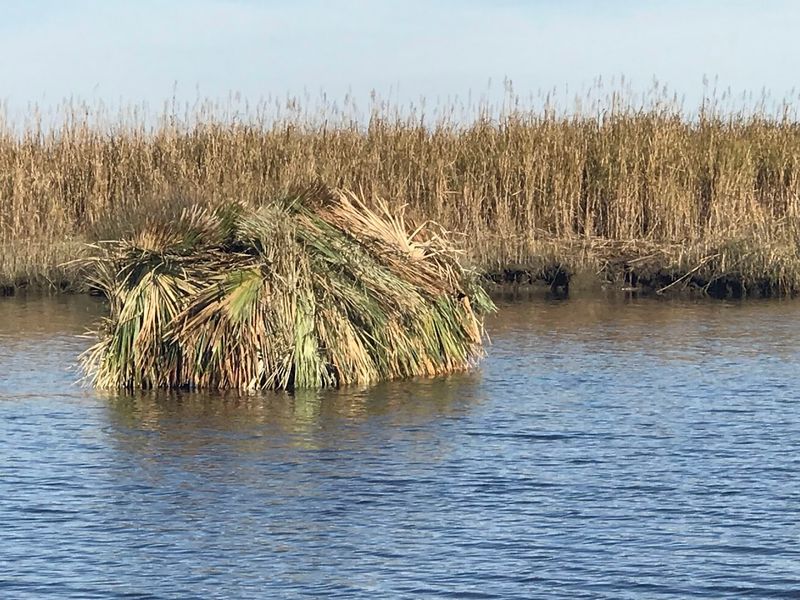
Paddling the Black River is one of those experiences that feels completely removed from ordinary life. The water moves slowly and quietly, and the surrounding swamp creates a natural tunnel of trees that blocks out most of the noise from the outside world.
Kayakers and canoeists regularly launch from access points near Kingstree and other communities along the river’s route through South Carolina. The calm current makes it manageable even for beginners, though some sections require navigating around fallen trees and low-hanging branches.
Multi-day paddling trips are popular among more experienced adventurers, with primitive camping spots available along the way. The sense of solitude on the river is remarkable, especially on weekdays when you might go hours without seeing another person.
Guided eco-tours are also available for those who want expert knowledge about the plants, animals, and history of the area. The river rewards curiosity at every stroke of the paddle.
The Role Of Tannins In The River’s Ecosystem
Tannins do more than just color the water brown. They play a genuinely important role in shaping the entire ecosystem of the Black River.
Because tannin-rich water is acidic and low in nutrients, it discourages the growth of many types of algae and bacteria that would otherwise cloud the water.
This keeps the river surprisingly clear despite its dark color. You can often see several feet down into the water, making it easier to spot fish, turtles, and other aquatic life moving beneath the surface.
The acidity also affects which species can thrive here. Certain fish species like sunfish, bass, and bowfin have adapted well to these conditions.
Amphibians, particularly various frog and salamander species, also find the tannin-rich environment well suited to their needs.
Scientists study blackwater river chemistry to better understand how natural water systems filter themselves without human intervention. The Black River is essentially a working laboratory for freshwater ecology.
Fishing On The Black River
Anglers have known about the Black River for generations, and for good reason. The river is home to a strong population of largemouth bass, making it a favorite destination for bass fishing enthusiasts across South Carolina and beyond.
The dark water and thick vegetation create ideal hiding spots for bass, which tend to grow large in these slow-moving, food-rich conditions. Bluegill, catfish, crappie, and the prehistoric-looking bowfin round out the fishing options for anyone who drops a line here.
Flat-bottomed johnboats are the watercraft of choice for most local anglers, as they can navigate the shallow, snag-filled sections of the river with ease. Early morning and late afternoon are generally the most productive times, when fish move into shallower water to feed.
Fishing the Black River is as much about the atmosphere as it is about the catch. The silence, the dark water, and the towering cypress trees create a setting that feels unlike any other fishing spot in the Southeast.
The River’s Journey Through South Carolina
The Black River begins its journey in Lee County, South Carolina, gathering water from small streams and wetlands as it flows southeast across the coastal plain. It passes through Sumter County before entering Williamsburg County, where the swamps deepen and the landscape becomes more remote.
From there, the river continues south through Georgetown County, eventually emptying into Winyah Bay near the city of Georgetown. Along the way, it passes through small communities like Kingstree, which serves as the county seat of Williamsburg County and sits right along the river’s banks.
The total journey covers roughly 145 miles of some of the least-developed land in South Carolina. Much of the surrounding terrain is protected wetland, state forest, or private timberland, which has helped preserve the river’s natural character over the decades.
Understanding the river’s geography helps explain why it has remained so wild. Distance, difficult terrain, and limited access have kept large-scale development at bay along most of its length.