
12 Michigan Factory Tours That Are Worth Taking For A Surprisingly Cool Day Trip
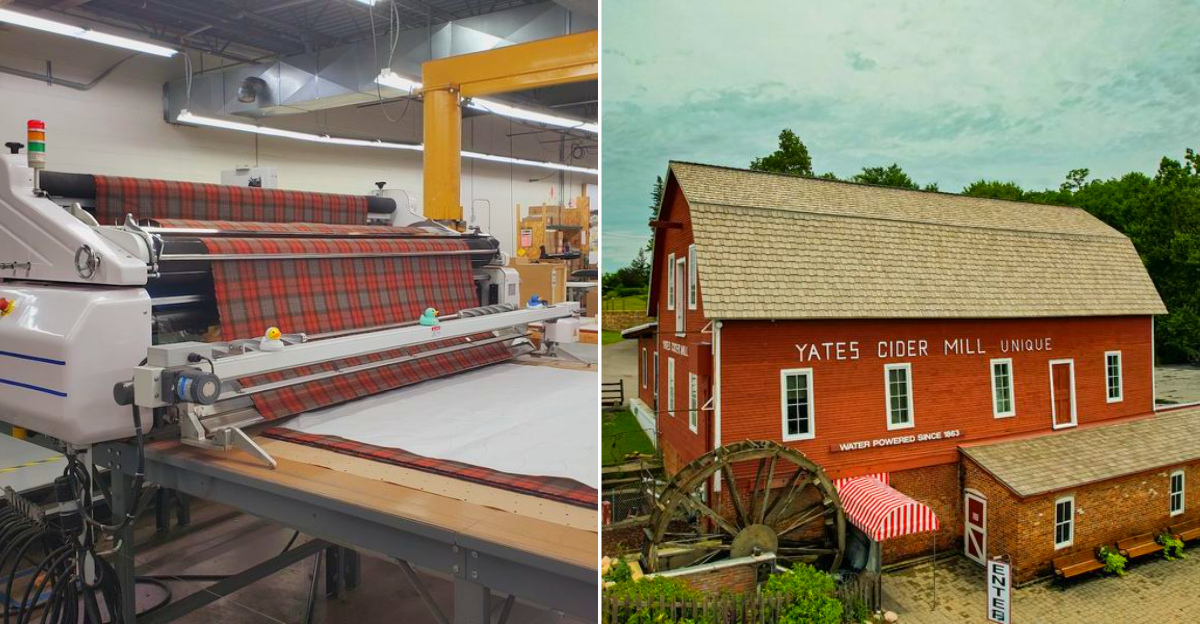
Factory tours sound like a school field trip until you realize that some of the most interesting things happening in Michigan are happening behind doors you normally drive right past and the smell of chocolate drifting out of a candy kitchen is enough to make you pull over even if you had no intention of stopping.
Michigan built its reputation on making things and the factories that still open their doors to visitors run the gamut from automotive assembly lines where you can watch trucks being built in real time to small-batch candy kitchens where the same recipes have been bubbling on the stove for more than a century.
The tours on this list are the ones that make you forget you are learning something because you are too busy watching chocolate get poured or engines get bolted or cider get pressed to notice the time.
Twelve factory tours across Michigan prove that the most surprising day trips happen inside buildings where things actually get made.
1. Ford Rouge Factory Tour (Dearborn)
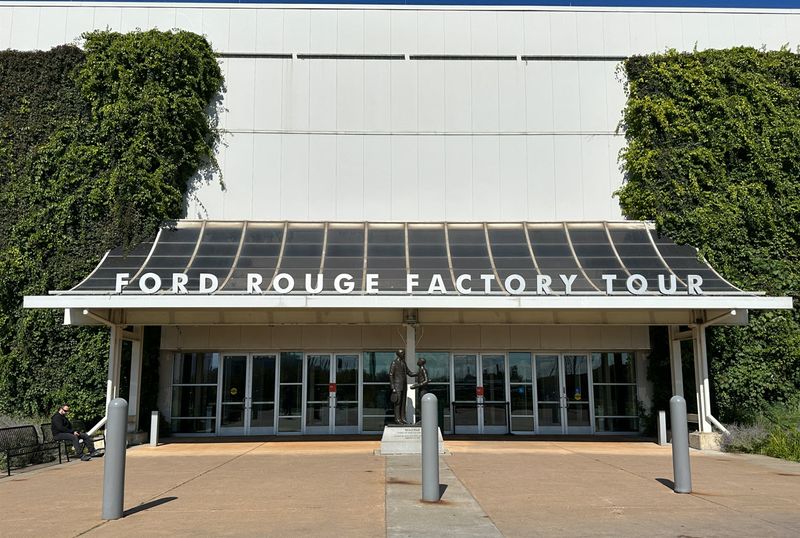
The scale hits first, and that is exactly what you want from a Michigan manufacturing landmark.
Ford Rouge Factory Tour, 20900 Oakwood Blvd, Dearborn, MI 48124, begins through The Henry Ford and leads into a five-part experience centered on the Dearborn Truck Plant, where visitors can view the final assembly area from an elevated walkway.
The tour works because it does not rely only on nostalgia. Historic films, manufacturing displays, an observation deck, and the plant walkway all build toward the same point: this is not just a story about what Michigan used to make, but about what still gets made here.
When assembly is active, the movement of bodies, parts, robots, and workers can feel almost choreographed. Even when production schedules shift, the suspended walkway and surrounding exhibits still give the visit enough substance to feel worthwhile.
Go earlier in the day if seeing active production matters to you, and check current assembly notes before building the whole trip around the line running. The factory is real, not staged, which means timing can change. What stays with you is the size of the system.
2. Morley Candy Makers And Sanders Candy Factory Tour (Clinton Township)
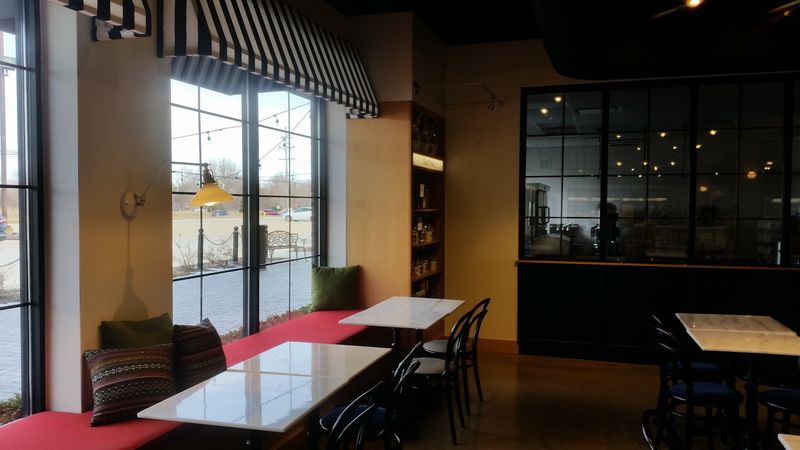
Chocolate makes a building seem friendlier before anyone says a word. Morley Candy Makers and Sanders Candy Factory, 23770 Hall Road, Clinton Township, MI 48036, offers a free factory-tour experience.
Here visitors can learn about the Sanders candy connection, watch production through viewing areas, and end with the kind of sample that makes education suddenly feel very reasonable.
The appeal is simple but strong. You see caramel, chocolate, packaging, and candy-making rhythms in a setting that feels polished enough for visitors but still connected to real production.
For Metro Detroit families, this stop also carries a layer of local memory. Sanders is not just a candy name here; it belongs to birthdays, sundae toppings, holiday boxes, and the kind of sweets people associate with growing up in the region.
Reservations are recommended, and weekday timing matters because production activity is not equally visible at every moment. That is part of the deal with real kitchens and real manufacturing lines.
The best way to treat the visit is as a compact, cheerful Macomb County outing. Watch the process, browse the shop, buy something unnecessary but completely justified, and accept that chocolate history is easier to remember when it smells this good.
3. Gilbert Chocolates Factory Tour (Jackson)
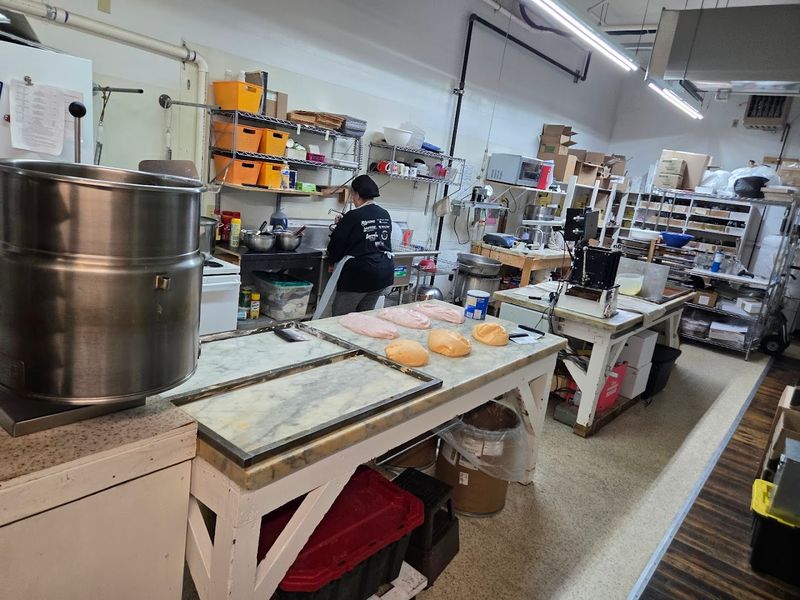
A smaller candy factory can be more satisfying than a giant one because you get close enough to notice the details. Gilbert Chocolates Factory Tour, 233 N Jackson St, Jackson, MI 49201, offers a free reservation-only tour on Tuesday mornings.
The tour gives visitors a look at chocolate history, candy-making technique, and the kind of careful work that turns simple ingredients into something gift-box worthy.
The experience feels personal rather than corporate. You learn about the company’s history, see chocolate artists at work, and get a better sense of how old-fashioned candy equipment and hand-finishing still matter in a modern sweets business.
Watching candy being made has a useful way of slowing your brain down. Hot mixtures, cooling surfaces, coating steps, and finishing touches all reveal that chocolate is less automatic than it looks from the display case.
Because tours require reservations and are limited in size, this is a stop to plan rather than improvise. That extra bit of planning is worth it if you like production experiences that still feel connected to people rather than just machines.
Jackson makes the visit easy to pair with lunch or a downtown wander.
4. Yates Cider Mill (Rochester Hills)

Old machinery feels different when water is part of the soundscape. Yates Cider Mill, 1990 E Avon Rd, Rochester Hills, MI 48307, has been water-powered since the nineteenth century, and its seasonal tours make the cider-making process feel less like a demonstration and more like a Michigan ritual with donuts waiting nearby.
The setting is a huge part of the charm. Rushing water, apple scent, paper bags, warm donuts, and people walking along the Clinton River all make the production feel cozy rather than industrial.
This is not a sterile factory-floor experience, and that is exactly why it works. You understand the process through the building, the pressing, the season, and the way visitors move through the place with cider in one hand and something sugary in the other.
Tours are generally scheduled by appointment on weekdays during the fall season, so it is smart to check before assuming you can just wander into a formal tour. Even without a full tour, the mill atmosphere still gives you a strong sense of production and tradition.
Arrive early in peak season if crowds bother you. The lines are part of the experience, but the first quiet hour always feels a little more like discovering the place for yourself.
5. The Parade Company (Detroit)
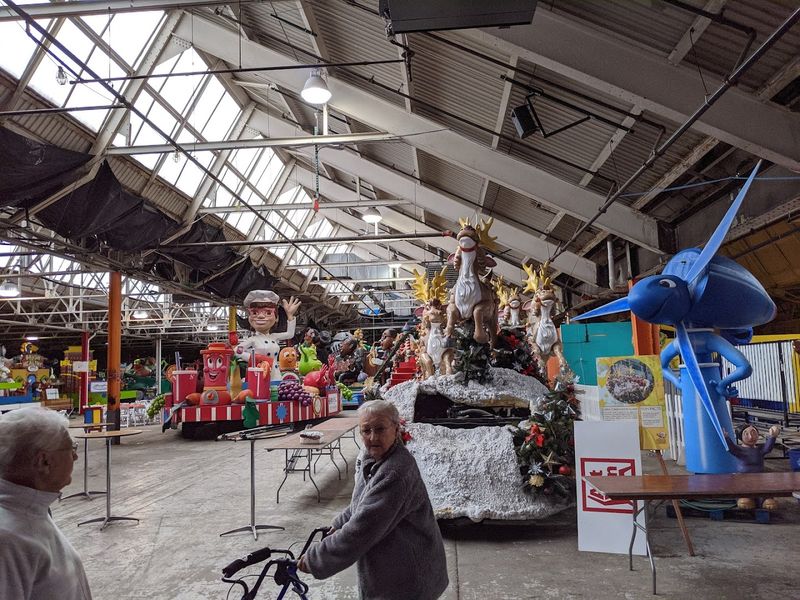
Few Detroit interiors are stranger, brighter, or happier than ParadeLand. The Parade Company, 9500 Mt.
Elliott, Studio A, Detroit, MI 48211, opens its studio for behind-the-scenes tours where visitors can see floats, giant papier-mâché heads, costumes, props, and the working world behind America’s Thanksgiving Parade.
The visit feels less like a normal factory tour and more like stepping inside the storage room of a giant civic imagination. Artists, builders, painters, sculptors, and designers all become part of the story, because the finished parade is only the public face of a year-round production machine.
What makes the tour memorable is the scale of the handmade work. A float seen on television feels distant, but a float seen up close becomes a strange mix of engineering, theater, carpentry, paint, and stubborn cheer.
Tours are available by appointment, so this is not a casual drop-in stop. That small planning requirement is worth it because the studio gives you access to a side of Detroit many visitors never think to see.
Go on a gray day if you can. The contrast between ordinary weather outside and full parade fantasy inside makes the whole place feel even more unlikely.
6. Stormy Kromer Factory (Ironwood)
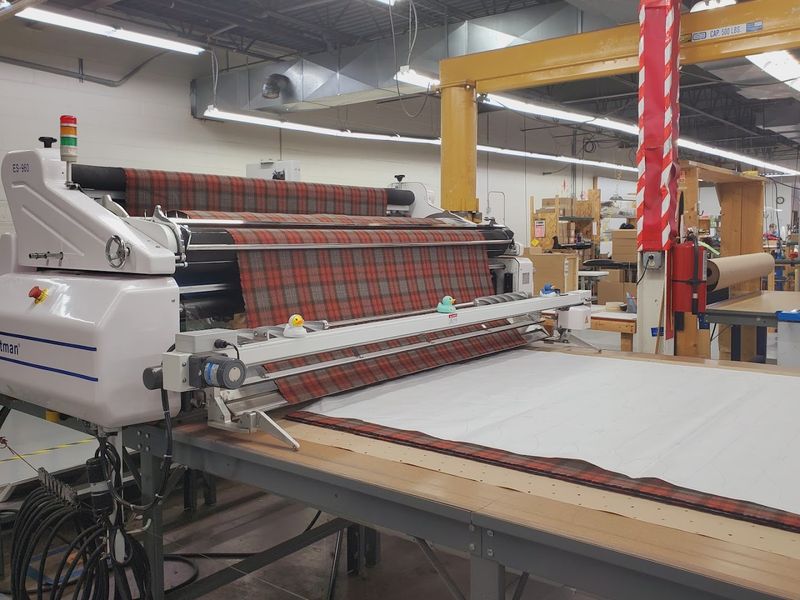
Practical objects become more interesting when you see how much care goes into making them. Stormy Kromer, 1238 Wall St, Ironwood, Michigan 49938, offers a free factory tour where visitors can watch the famous caps and outdoor apparel being made in the western Upper Peninsula.
The setting matters because the product belongs to the climate. Once you are in Ironwood, with U.P. weather never feeling too far away, the famous earband cap suddenly seems less like a quirky accessory and more like a sensible answer to wind, work, and cold.
Inside the factory, the pleasure is in the sewing, cutting, stitching, and repeated hand skills that turn fabric into something recognizable. It is not flashy, but the understatement suits the brand and the region.
Tours are limited, require reservations, and run on Central Time, which is worth remembering if you are driving in from elsewhere in Michigan. That detail alone feels very Upper Peninsula in the best way.
This stop pairs well with a western U.P. road trip because it adds human craft to a region often described only through waterfalls, snow, forests, and distance. You leave with a clearer sense that manufacturing can be quiet, local, and deeply tied to place.
7. Pewabic Pottery Tour (Detroit)
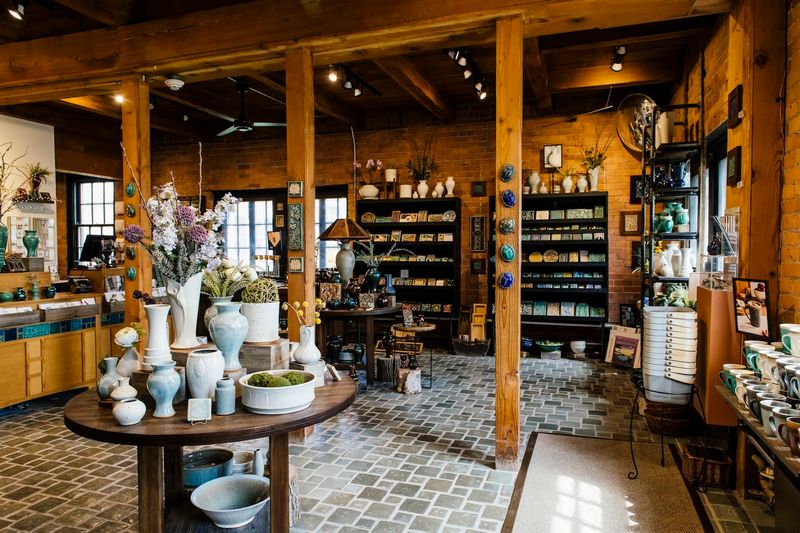
Clay, glaze, tile, and Detroit architecture come together beautifully at Pewabic. Pewabic Pottery, 10125 E Jefferson Ave, Detroit, MI 48214, is a working pottery and historic arts institution where tours and workshops help visitors understand how ceramic craft became part of the city’s visual identity.
The building itself does some of the storytelling. Pewabic has been part of Detroit since the early twentieth century, and the studio’s tilework appears in major buildings, homes, public spaces, and collections far beyond its east-side address.
A tour here feels different from a production-line visit because the scale is more intimate. You are looking at materials, surfaces, hands, kiln logic, and the long relationship between art and architecture.
This stop works especially well for people who like the process behind beautiful objects. Seeing how tile and pottery are made makes the finished pieces feel less decorative and more alive with decisions.
Check current tour and workshop availability before going, because offerings can shift by season and event schedule. If you can add a hands-on component, the visit becomes even stronger, especially for anyone who learns best by touching materials instead of only looking at them.
8. Holland Energy Park Visitor Center (Holland)
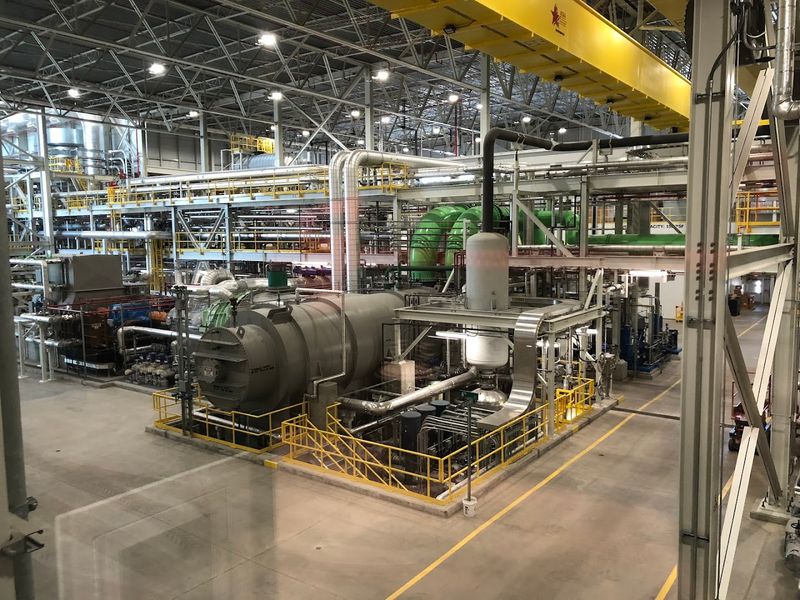
Not every factory-style tour ends with a snack or souvenir, and that can be refreshing. Holland Energy Park, 1 Energy Park Way, Holland, MI 49423, has a visitor center designed to explain how a modern energy facility works, using exhibits, views, and educational programming to make infrastructure visible.
The building itself is part of the draw. Its long red spine gives the site a surprisingly architectural presence, which helps the visit feel less like a utility errand and more like a designed public learning space.
Inside, the experience focuses on systems: energy use, generation, sustainability choices, community planning, and the hidden machinery that keeps ordinary life running. That makes it a strong option for people who enjoy practical intelligence more than spectacle.
Open public dates and group visits should be checked in advance, because access is not the same as walking into a museum whenever you feel like it. Planning matters here.
The reward is a different kind of day trip, one that asks you to look at the infrastructure most people ignore. Holland is already a good travel town, and this stop adds a thoughtful, unexpected layer to the usual lakefront and downtown routine.
9. Cherry Republic (Glen Arbor)
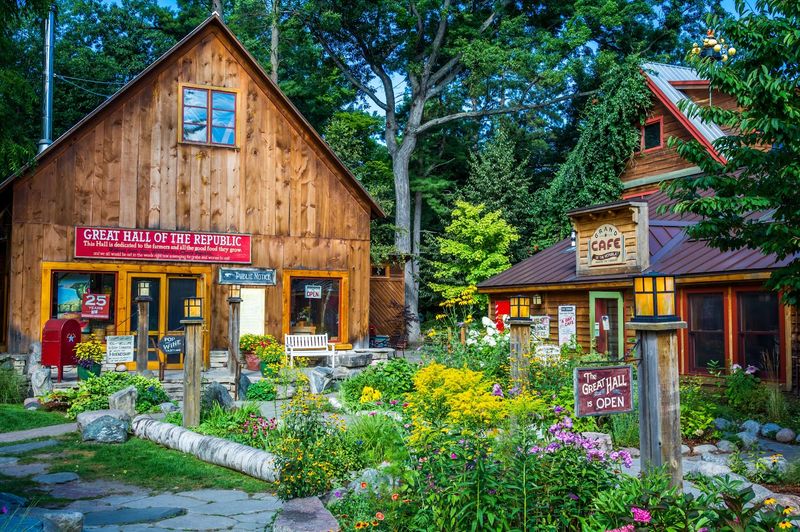
Glen Arbor can feel so postcard-perfect that a production stop helps anchor it. Cherry Republic does that nicely by turning northern Michigan’s most iconic fruit into a whole range of edible forms, from preserves to candy to sauces, with enough visible process to keep the place from becoming mere gift-shop theater.
You are really visiting a local food brand that understands its region and wears that identity openly. The result is part retail, part tasting experience, and part lesson in how agricultural abundance gets translated into shelves full of things people actually want to carry home.
What makes it worth your time is not just the cherry volume. It is the way the stop connects landscape, harvest, and local economy, especially if you visit outside peak beach hours and let the town breathe a little.
10. Michigan Sugar Company Factory Tour (Bay City)
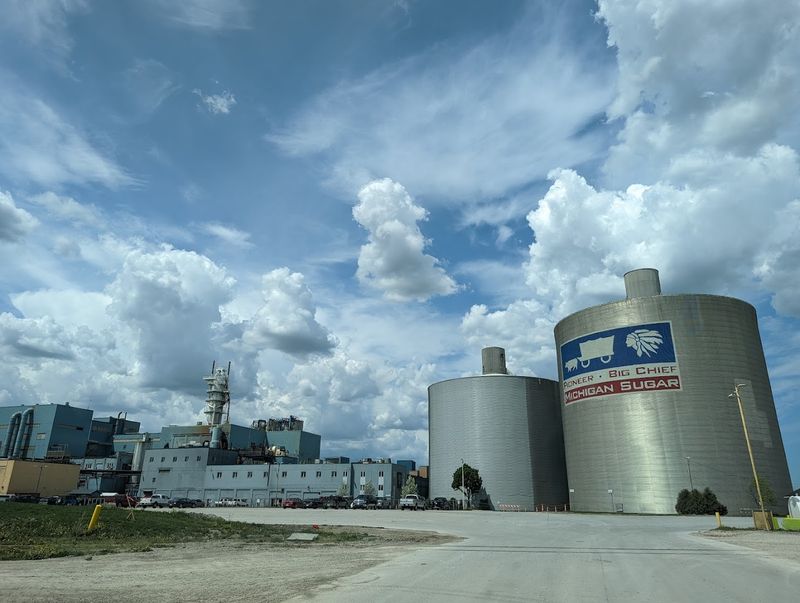
Sugar is ordinary on the table and surprisingly complex at factory scale. Michigan Sugar Company’s Bay City factory tour gives visitors a rare look at how sugarbeets become the familiar products sold under Michigan-connected brands, with public tours offered during the sugarbeet slicing campaign.
The company is headquartered at 122 Uptown Drive, Suite 300, Bay City, MI 48708, while the tour focuses on the Bay City factory operation. This is one of the more serious industrial tours on the list, with safety rules, age limits, waivers, stairs, and a fair amount of walking.
That seriousness is part of the appeal. You are not just looking through a glass window at something cute; you are stepping into a large agricultural manufacturing system tied directly to Michigan growers and regional production.
The tour is best for adults who are genuinely curious about where everyday ingredients come from. Seeing the scale of processing makes sugar feel less abstract and more connected to fields, harvest schedules, machinery, and labor.
Plan carefully and follow the dress code exactly. This is not a casual sandals-and-camera kind of stop, but for people who like real industry, it is one of Michigan’s most distinctive behind-the-scenes experiences.
11. Quincy Mine Tour (Hancock)
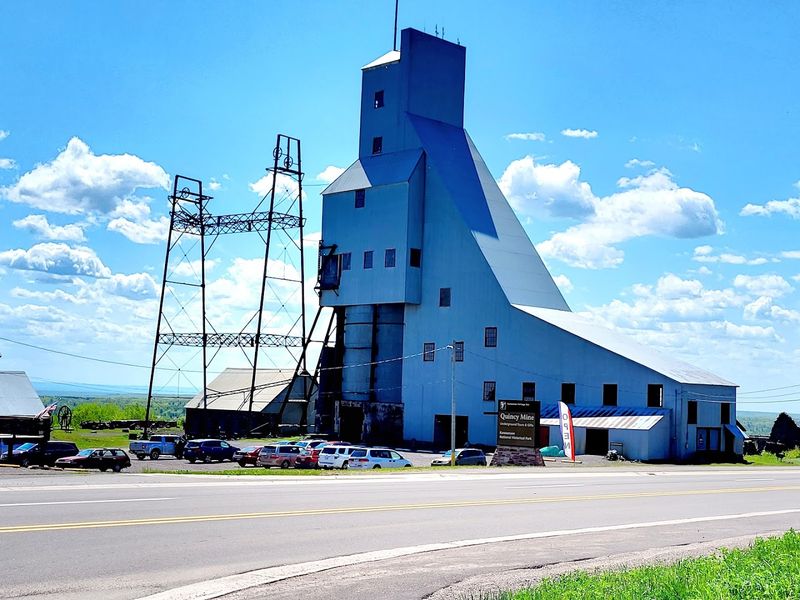
Copper Country history feels enormous at Quincy Mine. Quincy Mine, 49750 US Hwy 41, Hancock, MI 49930, offers guided tours that can include the hoist house, cog tram ride, underground mine access, museum areas, and a close look at the engineering behind one of Michigan’s most important mining sites.
The experience is layered in the best way. You see buildings, machinery, landscape, and underground spaces, which helps the story move from abstract industry into something you can physically understand.
This site works because it shows both ambition and difficulty. Mining required capital, engineering, immigrant labor, dangerous work, and entire communities organized around what came out of the ground.
A full tour is more involved than a quick stop, so plan time and dress for changing conditions. The underground portion can feel very different from the surface, and that contrast is part of what makes the visit stick.
For a Michigan day trip with real industrial weight, Quincy Mine is one of the strongest options in the state. It connects the Keweenaw landscape to national manufacturing history in a way that feels specific, sobering, and genuinely memorable.
12. Detroit Institute of Bagels (Detroit)
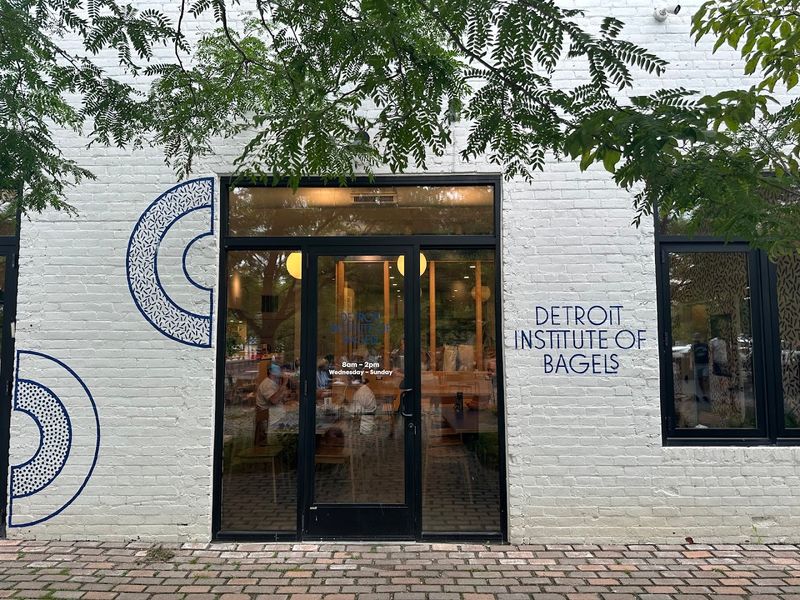
Bagels are quietly technical, which makes them more interesting to watch than many people expect. At Detroit Institute of Bagels, the appeal is seeing a humble daily food treated with enough care that boiling, baking, fermentation, and timing all become visible parts of the experience.
This is not a giant factory-tour setup, and that smaller scale is exactly why it belongs on a list like this. You get closer to the craft logic of production, where texture and flavor depend on a sequence of ordinary-looking steps executed very well.
In a city famous for heavyweight manufacturing, I enjoy the contrast of ending with something chewy and compact. Check current offerings or any special behind-the-scenes opportunities before you go, then arrive hungry enough to turn the educational portion into lunch without any internal debate at all.