
This Arkansas Museum Explores One Obscure But Fascinating Subject In Full
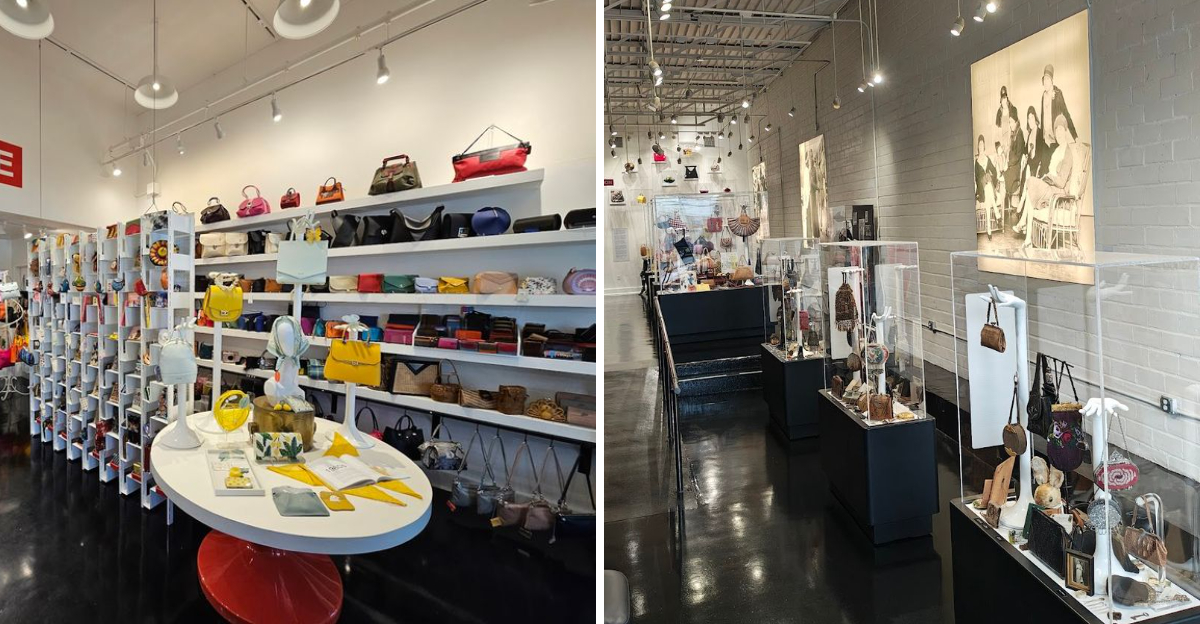
A handbag museum might sound like a five-minute curiosity stop. I get it.
I thought the same thing. Then I started looking closer.
In Arkansas, this one-place story turns the purse into something way bigger than an outfit detail. Each room feels like a quiet peek into how women moved through public life while keeping private worlds zipped safely shut tight.
That part stayed with me.
A small bag can show what a woman needed for the day. It can hint at what she feared, what she valued, and how much the world asked her to manage with a smile.
Suddenly, the whole idea feels less quirky and more personal.
I kept thinking about the bags in my own family. The ones hanging by doors. The ones nobody throws away.
A purse museum sounds simple. Then it starts making you remember people, places, habits, and old family stories.
A Stylish Walk Through Everyday History
Nobody warned me that a building about handbags would make me feel so connected to women I have never met.
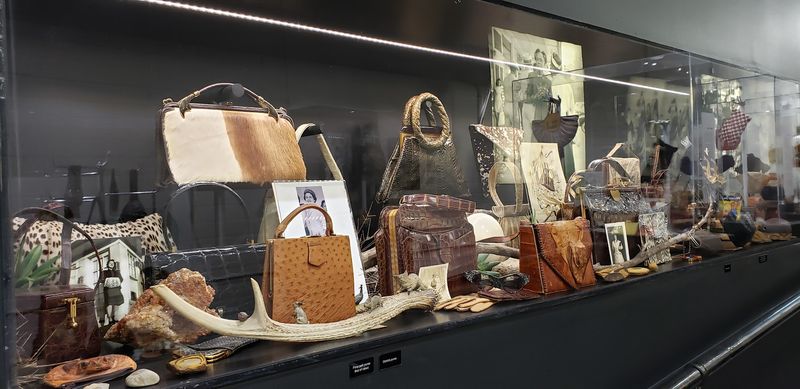
The permanent exhibit at this museum, often listed as “A Century of Women and Handbags 1900-1999” and also referenced as “What’s Inside,” does something quietly remarkable: it uses purses as a lens to examine the full sweep of women’s lives across an entire century.
Each decade gets its own dedicated display, and the progression feels genuinely moving as you walk from one era to the next.
You start with the structured, formal bags of the early 1900s and end up face-to-face with the chunky, logo-heavy carryalls of the 1990s.
Along the way, the exhibits trace women’s shifting roles in public life, from the parlor to the boardroom, all told through the objects they chose to carry.
The staff clearly cares deeply about the storytelling here, and the written explanations beside each case add real depth without ever feeling like a textbook.
By the time I reached the final display, I felt like I had taken a masterclass in social history, and I had barely noticed the time passing at ESSE Purse Museum and Store at 1510 Main St, Little Rock, AR 72202.
Vintage Cases With Quiet Stories
Old display cases can feel surprisingly personal. Especially when they are filled with objects carried by women who lived a century before you.
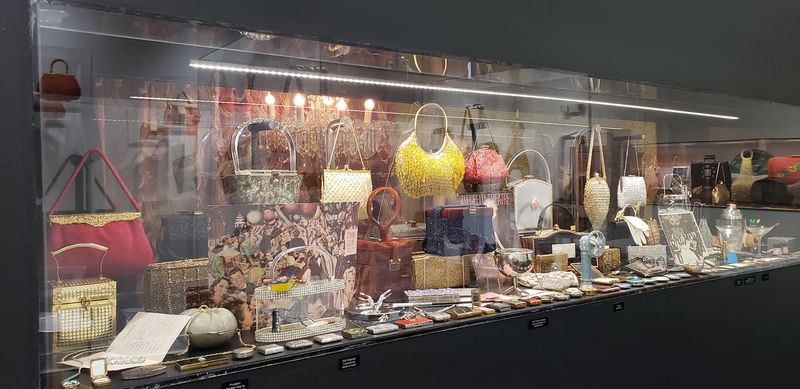
The cases at this museum hold far more than pretty bags; they contain the small, personal items that women actually carried inside those purses, and that detail makes all the difference.
Tiny pencils used for filling out dance cards sit beside address books no bigger than a matchbox.
Aspirin tins appear across the decades, which makes the whole display feel funny and oddly familiar.
Smelling salts from the early 1900s give way to compact mirrors and eventually to birth control pill cases, and each transition tells you something real about how women’s lives and freedoms changed over time.
Ration cards tucked into wartime clutches add a particularly sobering note, reminding you that fashion and hardship have always coexisted.
The museum never lets these objects feel like mere curiosities; instead, every item is presented with enough context to make you pause and actually think about the person who once reached into that bag on an ordinary Tuesday morning.
Decades Displayed Behind Glass
Chronological storytelling sounds simple on paper, but pulling it off in a physical space without making it feel like a boring timeline takes real curatorial skill.
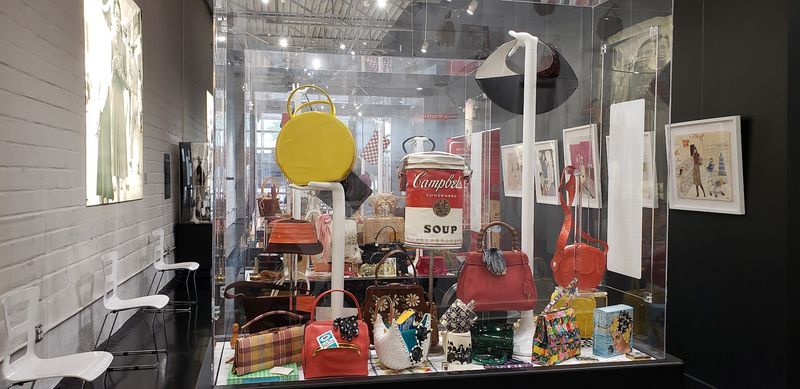
The decade-by-decade arrangement here works beautifully because each section has its own visual personality that immediately signals the era you have stepped into.
The 1920s section sparkles with beaded flapper bags small enough to hold little more than a powder puff and a hope.
Move forward to the 1940s and the bags become structured, practical, and quietly determined, reflecting a generation of women managing households and wartime responsibilities simultaneously.
The 1960s and 1970s sections burst with color and pattern, mirroring the social upheaval happening outside those museum walls.
What I found especially clever is that the displays do not just show you the bags in isolation; they pair each purse with period photographs and contextual notes that ground every object in its actual moment in history.
Spending time in each decade section feels less like browsing a collection and more like flipping through a very well-illustrated chapter of American women’s history, one that rewards slow, curious readers who are willing to linger.
A Small Museum With Big Personality
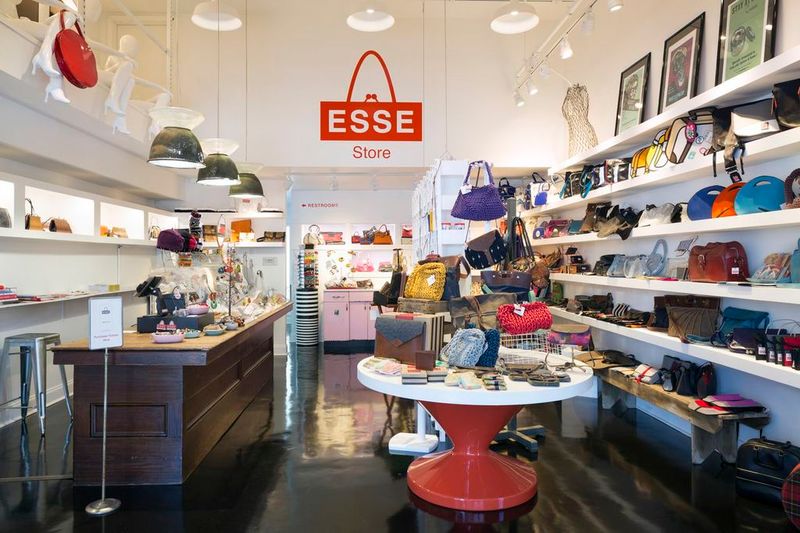
The museum opened in 2013, and the founder’s personal passion for the subject still radiates from every corner of the building.
The museum grew out of a large private collection and a traveling exhibition called “The Purse and the Person: A Century of Women’s Purses” that toured from 2006 to 2011, so by the time the permanent home opened, the concept had already been road-tested and refined.
The name ESSE comes from the Latin infinitive meaning “to be,” and that philosophical underpinning gives the whole enterprise a sense of purpose that goes beyond simple collecting.
Here, the purse is framed as an extension of a woman’s personal space and essence, and once you accept that idea, the exhibits take on an entirely different weight.
The building itself, a repurposed structure originally built in 1946, sits in Little Rock’s South Main district, known locally as SoMa, and the museum has been credited with contributing to the neighborhood’s revitalization.
USA Today recognized it in January 2020 as one of ten notable quirky museums in the United States, a distinction that feels both accurate and slightly underselling.
Small in square footage but enormous in ambition, this place consistently punches well above its weight class.
Handbag Details From Another Era
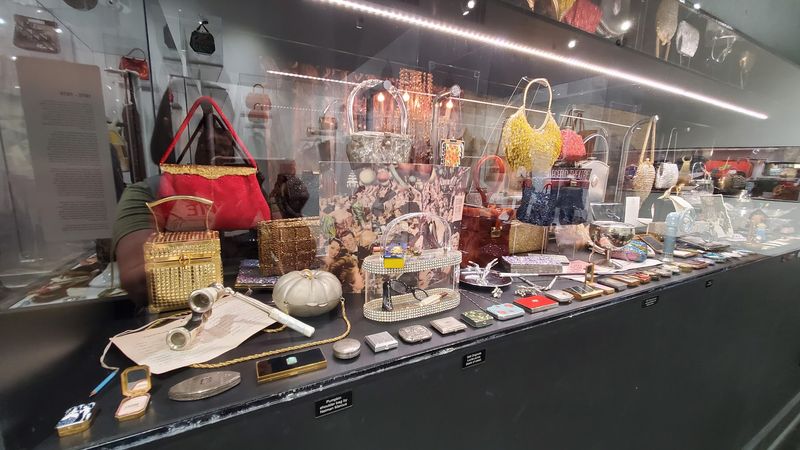
Up close, these bags reveal a level of craftsmanship that the fast-fashion era has largely left behind.
Evening bags from the 1910s and 1920s are encrusted with seed beads in patterns so intricate that I genuinely could not figure out how human hands assembled them without losing their minds entirely.
Metal mesh bags catch the light in that particular way that makes you understand immediately why women treasured them across multiple generations.
Clasps shaped like flowers and Art Deco forms tell you that even the functional hardware was considered an opportunity for artistry.
Some bags are so small that their purpose seems almost symbolic rather than practical, as if carrying them was a statement about elegance rather than a solution to storage.
The museum takes care to highlight these construction details through thoughtful positioning and lighting, so you are never straining to see the good parts.
A rhinestone-studded evening clutch in a catalog is one thing, but standing two feet away from one and realizing how much handwork went into it is the kind of detail that rewires your appreciation for objects you might otherwise walk past without a second glance.
A Colorful Stop On Main Street
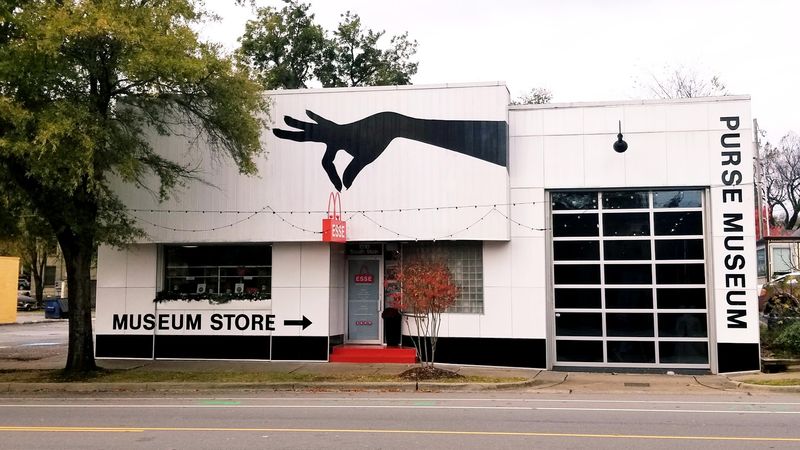
The museum sits at 1510 Main Street. Right away, I was charmed by how naturally it fits into the surrounding neighborhood.
The South Main district has a relaxed, creative energy that suits a place like this perfectly. Independent shops and local businesses share the block, giving the whole street a lived-in, community-oriented feel.
The museum’s storefront hints at what is inside without giving everything away, which is exactly the right approach for a place built around the art of personal mystery.
Once you step through the door, the transition from street to gallery happens naturally, and you quickly forget that you are in a commercial corridor at all.
The gift shop portion of the space is visible from the entrance, stocked with contemporary bags at a range of price points, so the visit ends with a practical opportunity to take a little piece of the experience home with you.
After an hour surrounded by beautiful bags, the shop feels less like an add-on and more like a final part of the visit.
By then, carrying one out the door as a souvenir of the whole experience starts to make perfect sense.
Charming Displays With Feminine Flair
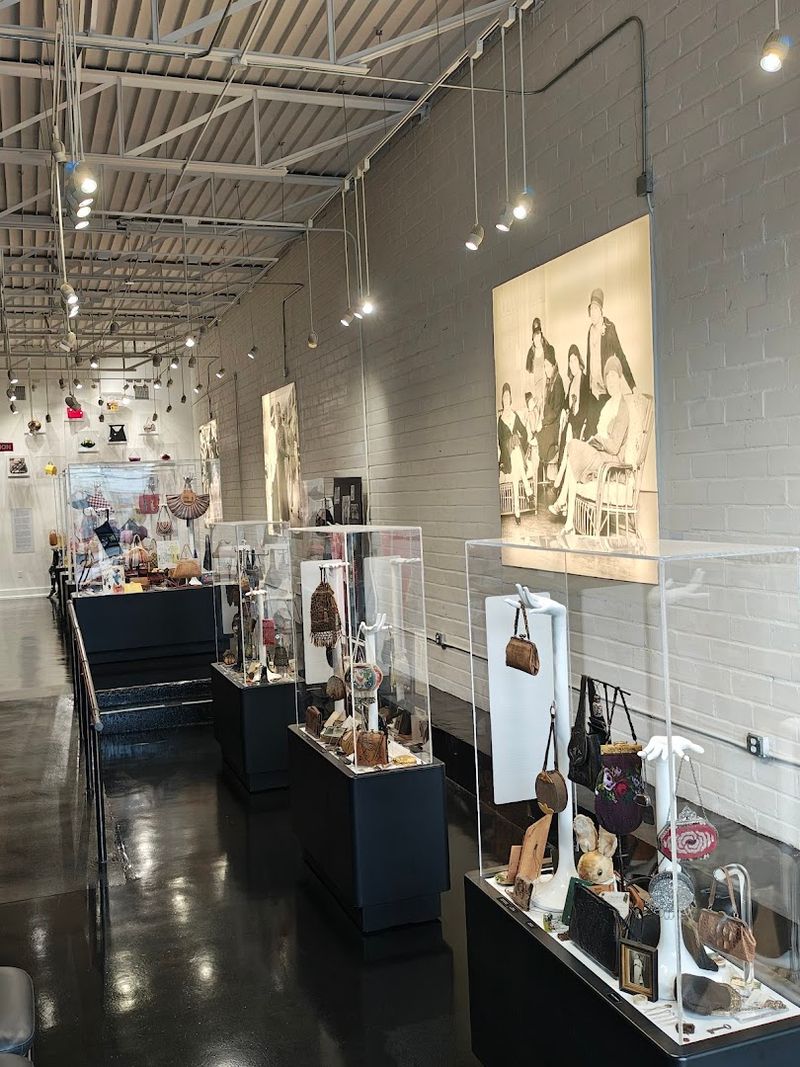
Every display case in this museum feels carefully assembled. You can tell the subject matters to the people behind it.
Period photographs placed alongside the bags give you a face to match with the fashion, which transforms each case from a collection of objects into something closer to a portrait gallery.
Cosmetics and compact mirrors fill the spaces between the bags, creating a sense of abundance that never tips into clutter.
The feminine perspective here is never treated as niche or secondary; it is centered and celebrated throughout, which makes the museum feel genuinely inclusive and important rather than decorative.
Temporary exhibitions rotate through the space as well, meaning repeat visitors often find something new waiting for them, and past exhibits have included a thoughtful display honoring the LGBTQIA plus community.
Family-made artwork appears throughout the space, adding a personal layer to the whole enterprise that gives the museum a warmth you do not always find in more institutional settings.
As I moved through these displays, I kept thinking that whoever arranged them understood exactly what it feels like to discover something small but deeply meaningful.
A Boutique-Like Space Full Of Character
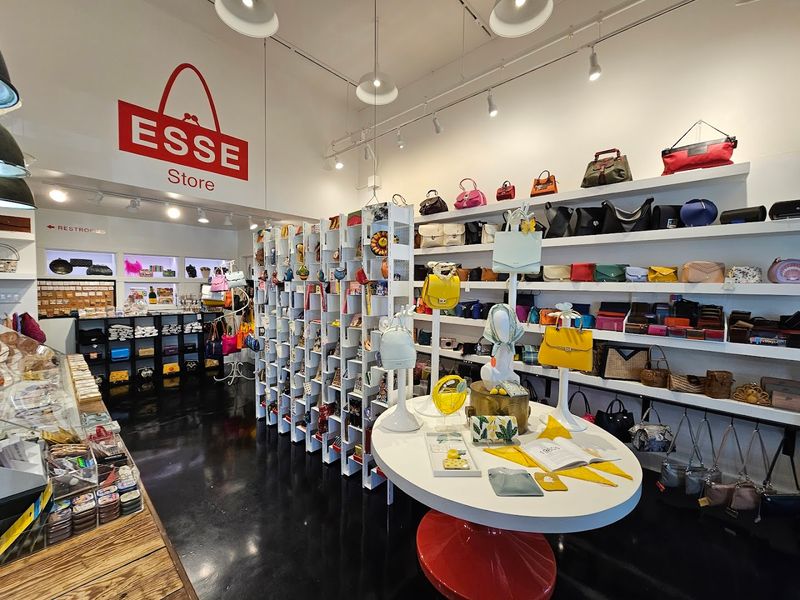
The gift shop at this museum deserves its own paragraph. I usually walk past museum shops without breaking stride, but this one feels different.
Contemporary handbags are arranged on shelves and display fixtures with the same care given to the historical collection, so browsing the store feels like a natural extension of the museum visit rather than an abrupt commercial interruption.
Prices span a genuine range, from small accessories under twenty dollars to more substantial investment pieces, which means the shop works for browsers and serious buyers alike.
The staff members I encountered were warm and genuinely helpful without being pushy, which made the shop feel welcoming instead of overly sales-driven.
The building itself, with its 1946 bones and repurposed interior, gives the boutique section a character that no purpose-built retail space could manufacture.
Exposed details and thoughtful interior choices make the whole room feel curated rather than commercial.
I found it hard to leave without at least one item from the shop, and I have zero regrets about that whatsoever.