
9 Mississippi Natural Wonders Where Petrified Trees, Red Cliffs, And Wild Rivers Steal The Show
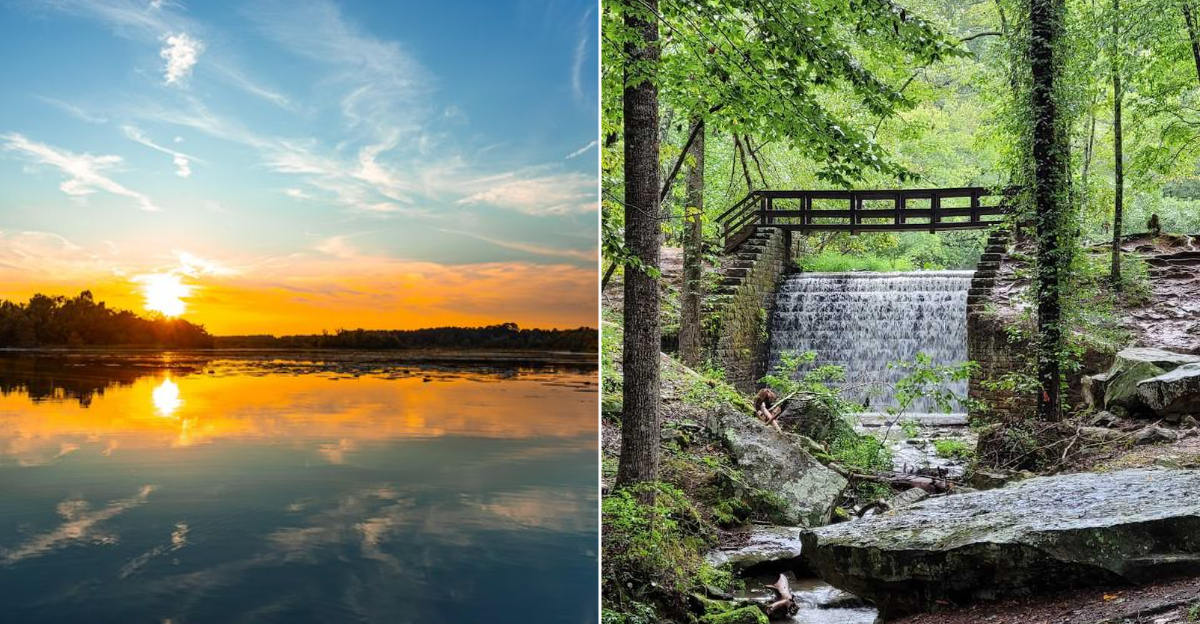
Mississippi doesn’t try to impress you. It just quietly does.
One minute you’re cruising past sleepy towns and endless green, the next you’re standing in front of a red clay cliff that looks like it forgot it was supposed to be subtle.
Then there are the rivers, wide, wild, and moving like they’ve got somewhere important to be, even if they’ve been going in circles for centuries. And the trees?
Some of them didn’t even stay trees. They turned to stone.
Petrified, frozen mid-existence, like nature hit pause and never came back to fix it. This is a state that keeps its drama underground, in river bends and hidden bluffs, in forests that feel older than they let on. You don’t really “visit” these places.
You stumble into them, get a little quieter, and start paying attention. Because Mississippi’s natural wonders don’t shout.
They don’t need to. They just stand there, red, green, and timeless, waiting for you to notice you’ve slowed down.
1. Mississippi Petrified Forest
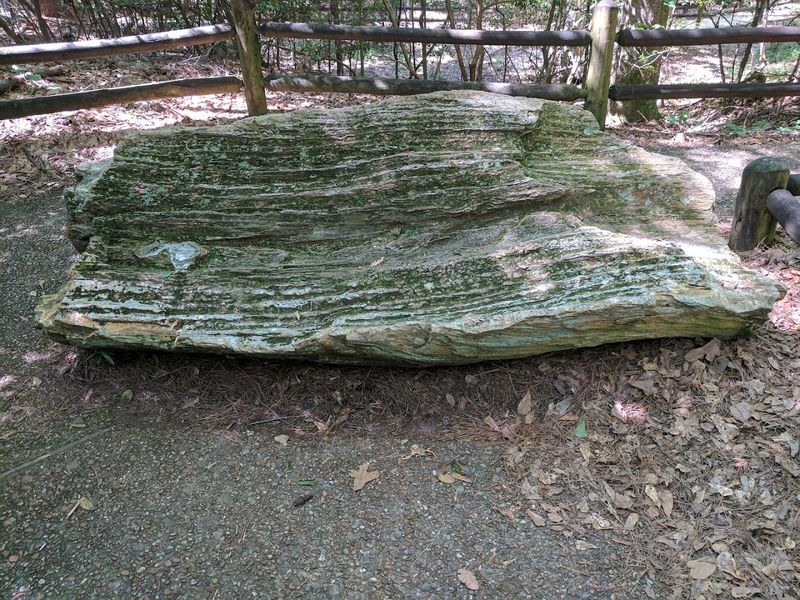
Walking through the Mississippi Petrified Forest feels like stepping onto another planet, except the planet is right here on Earth. Located at 124 Forest Park Road in Flora, MS, this National Natural Landmark is one of only two petrified forests in the entire eastern United States.
That alone should get your attention.
About 36 million years ago, during the Oligocene period, a massive ancient river uprooted enormous trees and buried them in sediment.
Over time, silica-rich water crept in and replaced every single cell wall in those logs, turning wood into stone. The result is breathtaking.
You can still see the bark texture, the grain, and the rings of trees that lived before humans were even a concept.
The nature trail winds past fossilized fir, maple, and cypress logs, some of which were over 100 feet tall in their living days. One favorite stop along the trail is the so-called Caveman’s Bench, a massive petrified log you can actually sit on.
Yes, you can sit on a 36-million-year-old tree.
Try doing that anywhere else. The forest also has a small museum on-site that puts the whole geological story into context.
This place rewards the curious and leaves everyone else quietly reconsidering their weekend plans.
2. Red Bluff
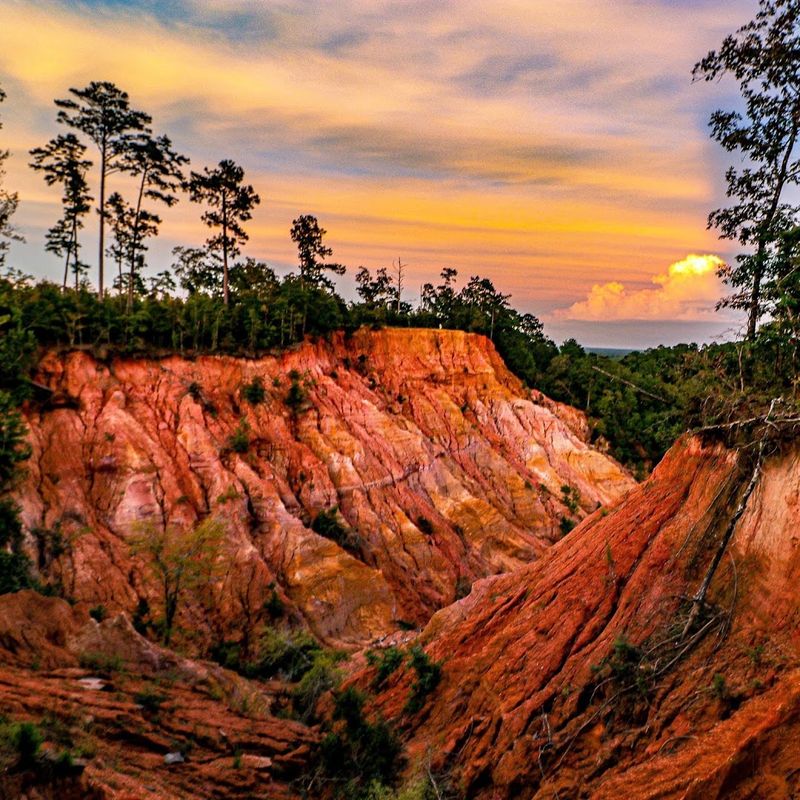
Red Bluff is Mississippi doing its best impression of the American Southwest, and honestly, the impression is stunning.
Sitting along Mississippi Highway 587 near Foxworth, MS 39483, this geological wonder is often called the Little Grand Canyon of Mississippi, and once you see it, the nickname makes complete sense.
Fiery layers of red sand and orange clay stack up like a geological layer cake, rising roughly 200 feet above the Pearl River floodplain.
Purple clay streaks occasionally cut through the red and orange tones, adding an almost surreal color palette to the whole scene. The bluff sits at approximately 371 feet above sea level, and the views from the top are the kind that make you stop mid-sentence and just stare.
What makes Red Bluff especially fascinating is that it is constantly changing. The Pearl River actively erodes the western bank, meaning the landscape you see today is slightly different from what visitors saw a decade ago.
Highway 587 has actually had to be relocated multiple times because of this ongoing erosion. A moderately challenging one-mile loop trail lets you explore the overlooks and get up close to the shifting terrain.
If you are the type who loves geology, dramatic landscapes, and the feeling that the earth is very much alive beneath your feet, Red Bluff belongs at the top of your Mississippi list.
3. Clark Creek Natural Area
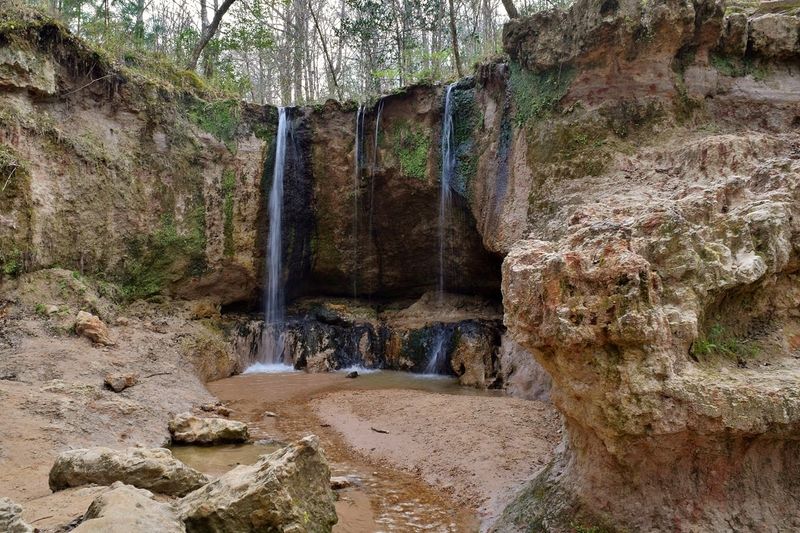
Nobody expects to find more than 50 waterfalls tucked into southwestern Mississippi, but Clark Creek Natural Area keeps that jaw-dropping secret with impressive confidence.
Located at 366 Fort Adams Pond Road in Woodville, MS, this 700-acre preserve is one of the most genuinely surprising landscapes in the entire state.
Some of the falls here reach heights of 30 feet or more, cascading over steep ravines and into crystal-clear pools below.
The terrain is rugged and raw in the best possible way, with hardwood forests, dense undergrowth, and trails that feel more like an adventure than a Sunday stroll. This is not a manicured park experience.
Clark Creek rewards people who are willing to work a little for their view.
Birdwatchers will find plenty to get excited about, and the plant diversity here is genuinely impressive for a region better known for flat delta landscapes.
The combination of elevation changes, running water, and dense forest creates microclimates that support an unusual variety of flora and fauna. Spring brings wildflowers cascading alongside the waterfalls, making the whole place look like a painting someone forgot to stop adding color to.
If you ever wanted to feel like an explorer discovering something most people have never heard of, Clark Creek is exactly that kind of place. Pack good shoes and go find a waterfall nobody else knows about.
4. Tishomingo State Park
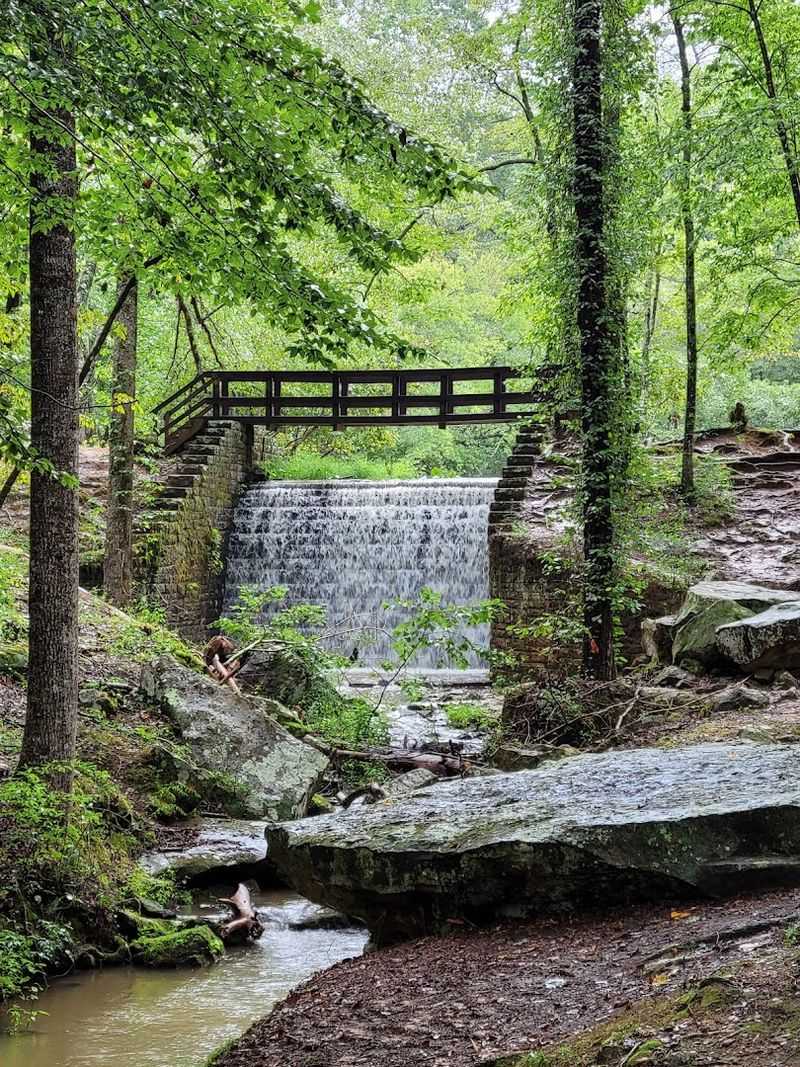
Tishomingo State Park is what happens when Mississippi decides to flex its geological muscles in the most unexpected corner of the state.
Nestled at 105 County Road 90 in Tishomingo, MS, this park sits in the foothills of the Appalachian Mountains, which already sounds like something out of a geography pop quiz.
The landscape here feels completely different from the rest of Mississippi. Massive ancient rock formations jut up from the earth, and narrow crevices are filled with rare ferns that thrive in the cool, shaded gaps between boulders.
The park is home to over 600 species of ferns, which is the kind of statistic that makes botanists genuinely emotional. Wildflowers add bursts of color throughout the warmer months, and waterfalls trickle through the rocky terrain in ways that feel almost theatrical.
Hiking trails here wind through this dramatic scenery and range from easy walks to more challenging routes that take you right up alongside the rock formations.
Canoeing on Bear Creek is another popular way to experience the park, and the rental cabins mean you can stay long enough to actually soak it all in. Rock climbing is also a draw for the more adventurous crowd.
Tishomingo is nationally recognized for good reason.
It is the kind of park that makes you wonder why it is not on every Mississippi travel list already, because it absolutely should be.
5. Black Creek Wild And Scenic River
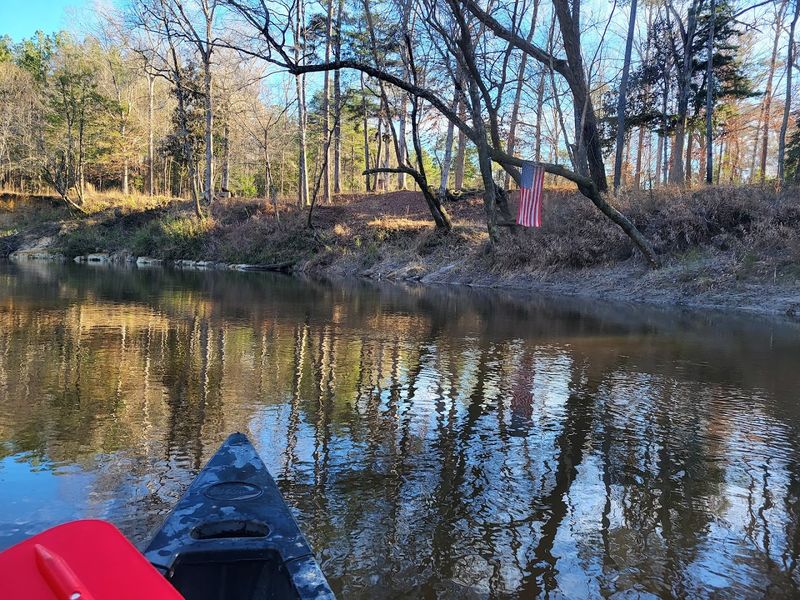
Black Creek has an aura about it that is hard to explain until you are actually floating on it.
Running through the De Soto National Forest, with access via County Road 335 and Forest Service Road 335E near Brooklyn, MS, this river earned a designation that only one other waterway in Mississippi can claim: Wild and Scenic, granted in 1986.
The water runs deep and dark, stained almost black by tannins released from decaying leaves on the forest floor.
Against the white sandbars and the colorful vertical bluffs that line its banks, the contrast is genuinely striking.
It looks like a natural painting that someone designed specifically to be photographed. Wood ducks, otters, and a remarkable variety of wildlife call these banks home, and spotting them while drifting quietly downstream is one of the more peaceful experiences you can have in Mississippi.
The 21-mile protected stretch of river is ideal for canoeing and kayaking, with put-in points that make planning a float trip relatively straightforward.
The Black Creek Hiking Trail runs alongside portions of the river and offers a terrestrial way to experience the same dramatic scenery.
Primitive camping within the national forest lets you extend the experience into the evening hours, when the forest gets wonderfully quiet.
Black Creek is proof that Mississippi’s wildest places do not always announce themselves loudly. Sometimes they just flow.
6. Pascagoula River Audubon Center
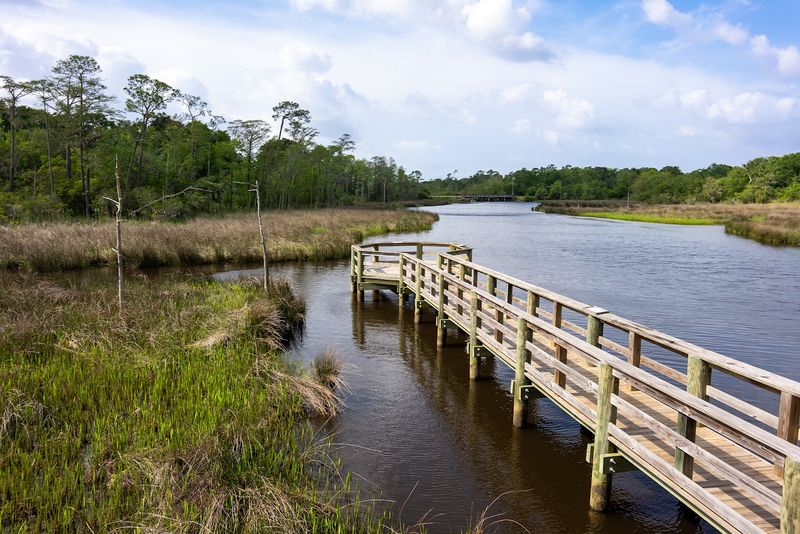
The Pascagoula River is one of those places that feels like it belongs to a different era entirely, and the Audubon Center at 5107 Arthur Street in Moss Point, MS is the perfect gateway into understanding why this river matters so much.
The Pascagoula is one of the last major free-flowing rivers in the entire United States, and that is not a small thing.
Cypress trees line the banks, their knees poking up through the dark water like curious sentinels. Spanish moss drapes from branches overhead, and the whole scene carries that slow, unhurried energy that the Gulf South does better than anywhere else.
The river winds through undisturbed floodplain forests and wetlands that provide critical habitat for an extraordinary range of birds, reptiles, and aquatic species.
The Audubon Center itself serves as an educational and conservation hub, offering guided experiences and resources for anyone who wants to understand the ecological significance of this river system.
Kayaking and canoeing along the Pascagoula gives you access to stretches of wilderness that feel genuinely untouched.
Birdwatchers especially love this area, as the diversity of species found along the river corridor is remarkable by any standard.
The Pascagoula is the kind of wild river that reminds you what American waterways looked like before everything got complicated. Protecting it feels less like conservation and more like common sense.
7. Gulf Islands National Seashore, Davis Bayou Area
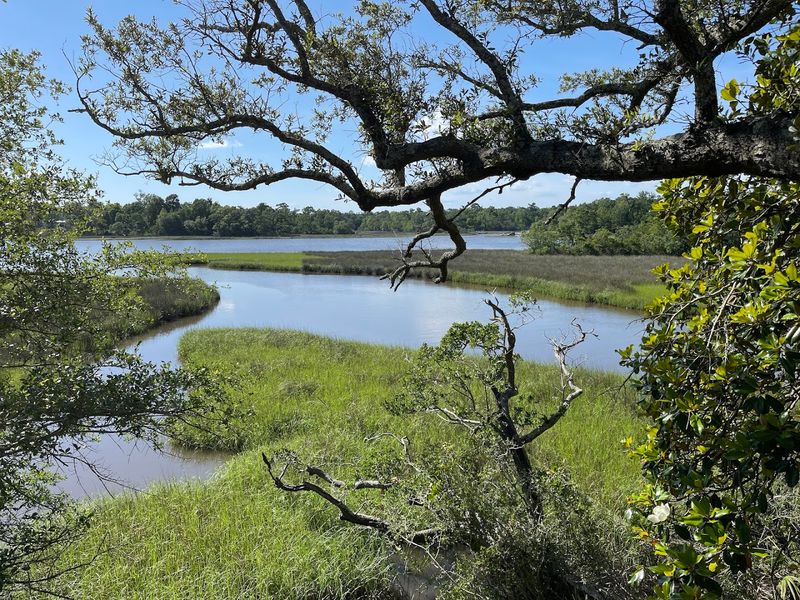
Standing at the edge of the Gulf Islands National Seashore, with the Gulf of Mexico stretching out endlessly in front of you, it is very easy to forget that you are in Mississippi.
Located at 3500 Park Road in Ocean Springs, MS, the Davis Bayou area is the mainland section of one of the most beautiful stretches of protected coastline in the American South.
The seashore encompasses a chain of barrier islands including Deer, Ship, Horn, and Cat Island, each offering white-sand beaches, windswept dunes, and marshes that hum with wildlife.
The Davis Bayou area itself features a fishing pier, a boat launch, and the Davis Bayou Trail, which takes you through coastal forests and bayou edges that feel worlds away from the beach just a short distance behind you. The habitat diversity here is genuinely impressive.
Swimming, kayaking, snorkeling, and birdwatching are all popular activities, and the campground makes it easy to stay overnight and catch the kind of sunset that looks digitally enhanced but is completely real.
The seashore protects ecosystems that are increasingly rare along the Gulf Coast, from nesting sea turtle habitat to migratory bird corridors.
Every time you visit, the Gulf Islands feel both familiar and slightly different, which is what keeps people coming back season after season. The coast here has a way of resetting your whole perspective.
8. Cypress Swamp At Natchez Trace Parkway
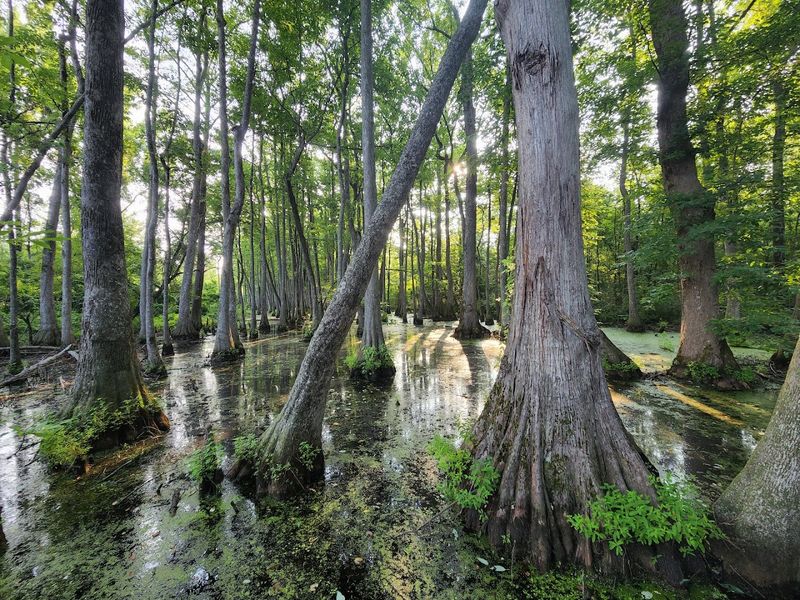
There is a moment when you pull off at Milepost 122 on the Natchez Trace Parkway near Canton, MS, step out of your car, and realize you are looking at something genuinely ancient.
The Cypress Swamp here is one of the most atmospheric natural stops along the entire Natchez Trace, which is saying something because the Trace is full of remarkable scenery.
Bald cypress trees rise straight up from the dark, still water, their massive trunks flaring at the base and their knees breaking the surface all around them.
The water is covered in patches of bright green duckweed, creating a color contrast against the dark tannin-stained depths that feels almost otherworldly.
In the early morning or late afternoon, the light filters through the canopy in ways that make even a quick phone photo look like a professional landscape shot.
A short boardwalk trail loops through the swamp and puts you right in the middle of the ecosystem without getting your feet wet, which is a thoughtful design choice.
Turtles sun themselves on fallen logs, herons stand perfectly still in the shallows, and the whole place operates at a pace that encourages you to slow down and actually pay attention.
The Cypress Swamp is not a dramatic destination in the traditional sense. It is subtle, quiet, and deeply beautiful, the kind of natural wonder that stays with you long after you have driven away.
9. Sam D. Hamilton Noxubee National Wildlife Refuge
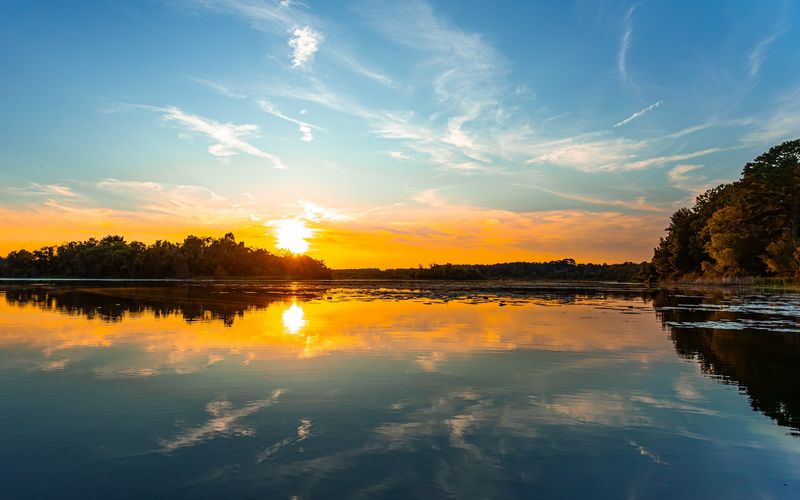
Sam D. Hamilton Noxubee National Wildlife Refuge is the kind of place that reminds you how much wild Mississippi still exists if you know where to look.
Situated at 13723 Bluff Lake Road in Brooksville, MS, this refuge covers over 48,000 acres of forests, wetlands, and open water that collectively support one of the most biodiverse ecosystems in the state.
Bluff Lake is the centerpiece of the refuge and draws waterfowl in numbers that are genuinely impressive during migration season.
Wood ducks, Canada geese, and a rotating cast of migratory species make the lake their temporary home, and watching the early morning activity on the water is the kind of experience that converts casual visitors into committed birdwatchers.
The refuge also supports one of the largest populations of federally protected red-cockaded woodpeckers in the country, which makes it a significant conservation destination beyond its scenic appeal.
Alligators inhabit the waterways, deer move quietly through the pine forests, and wild turkeys are a common sight along the refuge roads.
Hiking trails, wildlife observation platforms, and designated fishing areas make it easy to spend a full day here without running out of things to see. Noxubee is the kind of refuge that rewards patience.
The more time you give it, the more it gives back. Is there a better way to spend a quiet Mississippi morning than watching the world wake up from a wildlife observation deck?
Probably not.