
10 Most Beautiful State Parks In Florida, Ranked
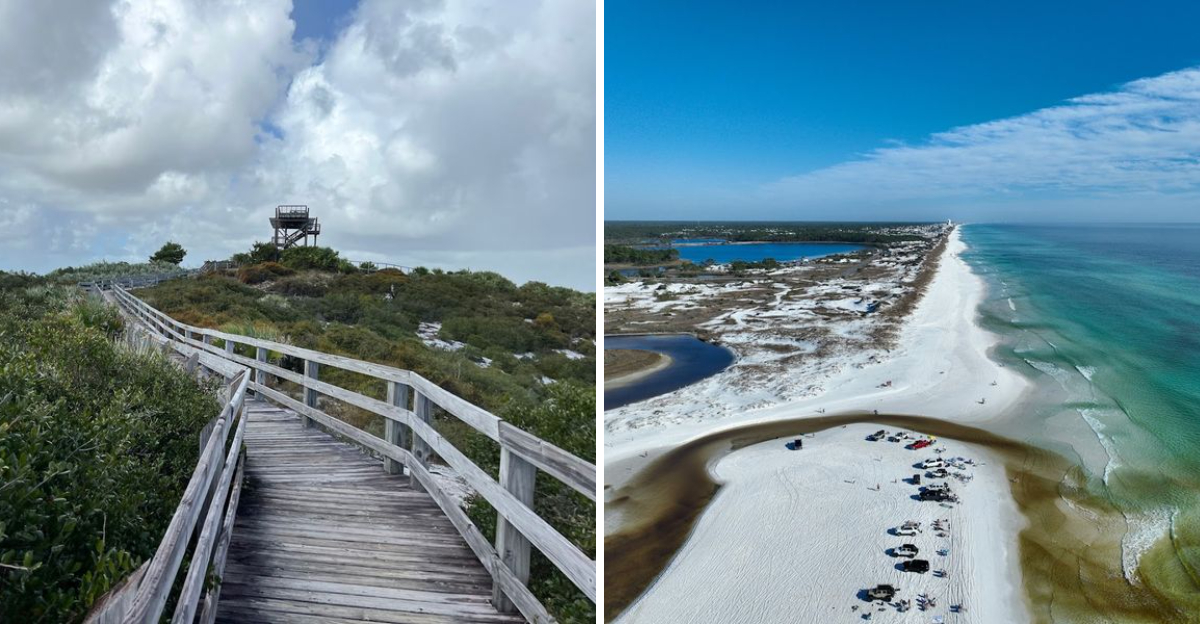
I was completely wrong about Florida.
Not a little wrong. Completely.
For the longest time, it felt predictable. Flat roads.
Busy beaches. The same version of the state repeated over and over.
Then I started looking in the places nobody talks about.
And everything changed.
I found water so clear it did not feel real. Forests that felt older than anything around them.
Sand dunes that moved like frozen waves under the sun.
It did not feel like the Florida I thought I knew.
It felt bigger.
Quieter.
Almost untouched.
That is when it clicked.
The most beautiful parts of this state are not the ones everyone visits. They are the ones hidden in plain sight, protected and waiting for you to slow down enough to notice them.
Places like this still exist across Florida.
You just have to go a little further to find them.
1. Bahia Honda State Park, Big Pine Key
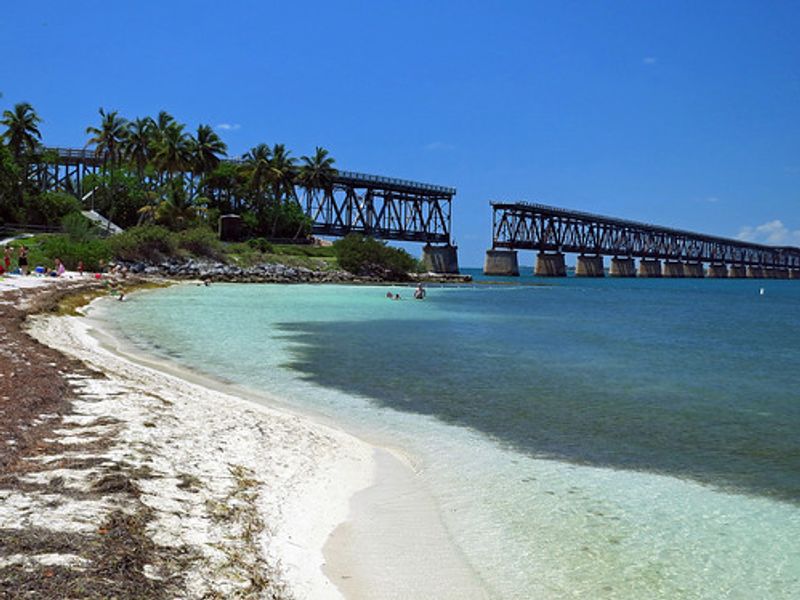
Turquoise water lapping against powder-white sand makes Bahia Honda feel more like the Caribbean than Florida, and I still catch myself doing double-takes every time I visit.
Located at 36850 Overseas Hwy, Big Pine Key, FL 33043, this park sits on a small island along the Overseas Highway, surrounded by some of the clearest water I have ever seen in the continental United States.
Sandspur Beach became my favorite spot here, where I can wade out fifty feet and still see my toes wiggling in the sand below.
The old Bahia Honda Rail Bridge looms overhead, a relic from Henry Flagler’s railroad that once connected the Keys, adding a touch of history to the postcard scenery.
Snorkeling just offshore reveals a whole world of tropical fish darting between coral heads, and I have spent entire afternoons just floating and watching the underwater parade.
Camping here means falling asleep to waves and waking up to dolphins cruising past your tent, a combination that never gets old no matter how many times I experience it.
2. Myakka River State Park, Sarasota
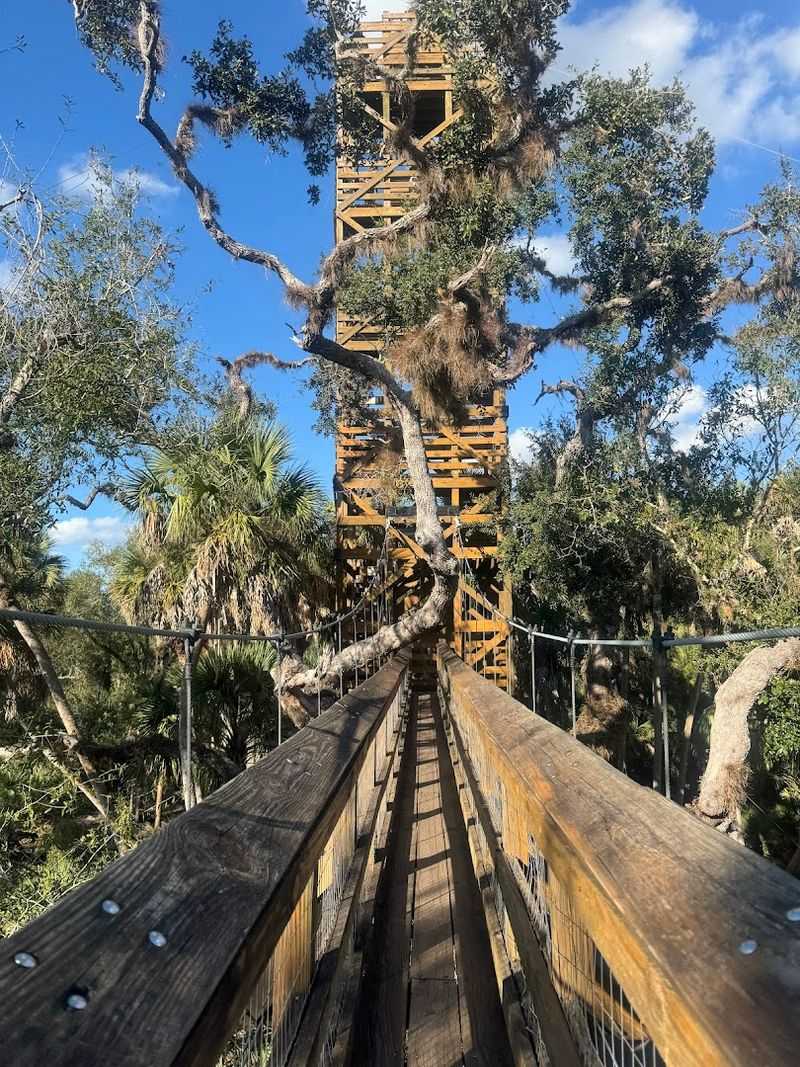
Wild Florida sprawls across 58 square miles at Myakka River State Park, one of the state’s oldest and largest parks, where I have never failed to spot alligators sunbathing like they own the place.
The park sits at 13208 State Rd 72, Sarasota, FL 34241, protecting a massive chunk of wetlands, prairies, and hammocks that look exactly like Florida did before air conditioning arrived.
I remember climbing the canopy walkway here, a suspension bridge that sways gently seventy-four feet above the ground, offering views that stretch for miles across the treetops.
Upper Myakka Lake turns glassy at dawn, reflecting the sky so perfectly that my photos always confuse people about which way is up.
Kayaking the river means navigating through tunnels of overhanging vegetation while herons watch from the banks and turtles plop into the water at my approach.
The diversity here astounds me every visit, shifting between dry prairie where I have seen bison grazing, dense forest dripping with Spanish moss, and wetlands teeming with wading birds hunting breakfast.
3. Grayton Beach State Park, Santa Rosa Beach
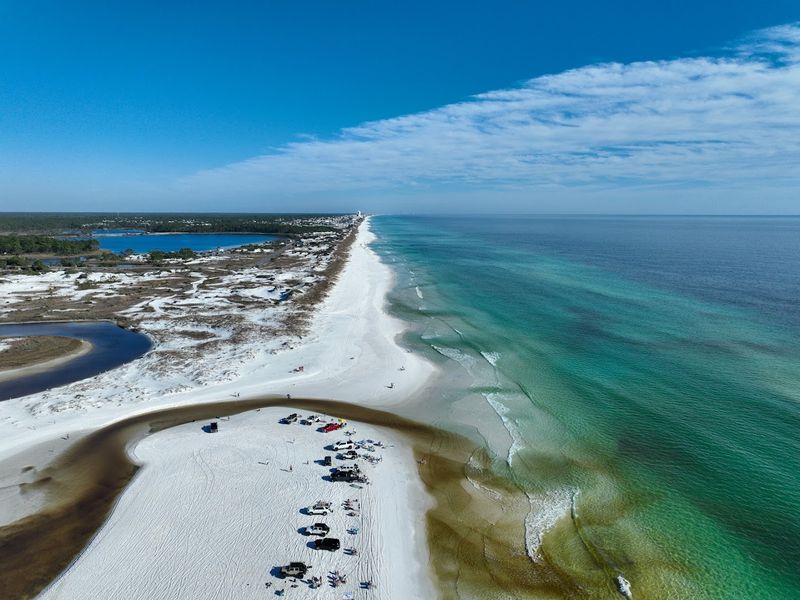
Emerald water meeting sugar-white dunes creates a color contrast so vivid at Grayton Beach that I genuinely wondered if my eyes were playing tricks the first time I visited.
Situated at 357 Main Park Rd, Santa Rosa Beach, FL 32459, along the Panhandle’s Scenic Highway 30A, this park protects one of Florida’s most pristine stretches of coastline.
The sand here squeaks when you walk on it, so fine and pure that it feels like walking on cornstarch, and I have spent ridiculous amounts of time just listening to my footsteps.
Western Lake, a rare coastal dune lake, sits just behind the beach, offering paddling opportunities in brackish water that occasionally breaks through to the Gulf during storms.
I have watched sea turtles nest here during summer nights, their ancient ritual playing out under the stars exactly as it has for millions of years.
The rolling dunes, some reaching forty feet high, provide hiking trails where rosemary and other scrub plants perfume the air, making every breath smell like the Mediterranean despite being firmly planted in Florida.
4. John Pennekamp Coral Reef State Park, Key Largo
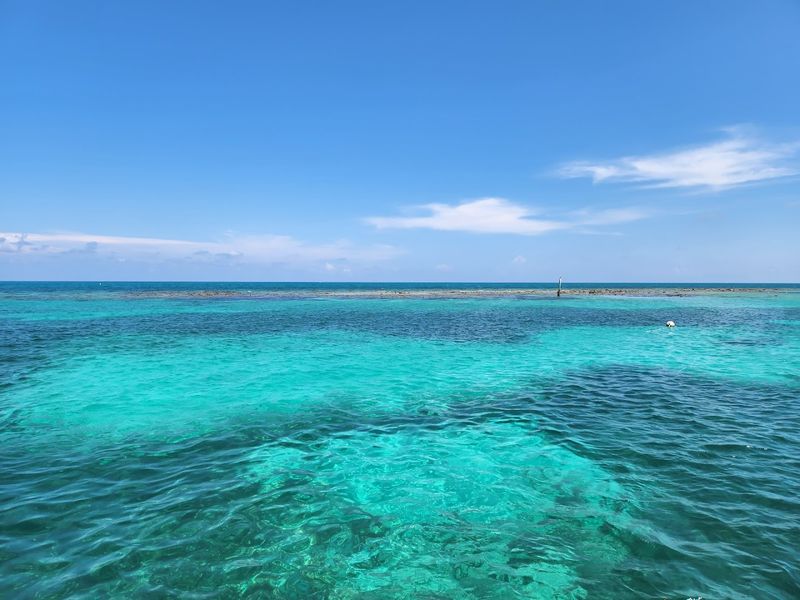
Stepping into John Pennekamp feels like entering an aquarium where you are part of the exhibit, and I still get giddy every time I strap on a snorkel mask here.
This unique park at 102601 Overseas Hwy, Key Largo, FL 33037, became America’s first underwater park, protecting seventy nautical square miles of coral reefs, seagrass beds, and mangrove swamps.
The famous Christ of the Abyss statue stands nine feet tall in twenty-five feet of water, its arms raised toward the surface in a pose that always gives me goosebumps when I swim down to visit.
Glass-bottom boat tours let nervous swimmers peek at the reef without getting wet, though I always encourage people to take the plunge because photos never capture the electric blue of a parrotfish up close.
Mangrove trails wind through the shoreline forest, where baby fish hide among the roots and I have spotted everything from tiny seahorses to cruising tarpon in the shallow channels.
Every visit reminds me why protecting these reefs matters, as the underwater landscape here rivals anything I have seen in the Caribbean.
5. Wekiwa Springs State Park, Apopka
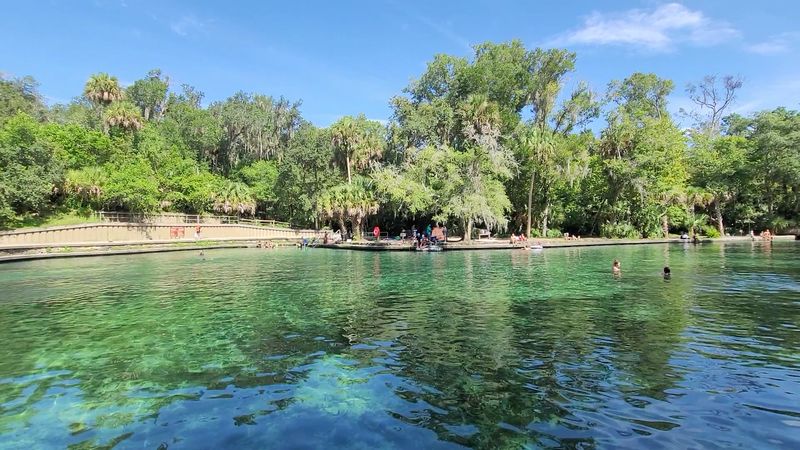
Crystal-clear water bubbling up at 42 million gallons per day creates a swimming hole so perfect at Wekiwa Springs that I have driven two hours just to float in it for an afternoon.
Located at 1800 Wekiwa Cir, Apopka, FL 32712, just north of Orlando, this park offers a wild escape surprisingly close to the theme park chaos.
The spring maintains a constant 72-degree temperature year-round, which feels refreshingly cool in summer and bathwater-warm during winter mornings when steam rises off the surface.
I have paddled the Wekiva River here countless times, navigating through tunnels of overhanging vegetation where alligators sun themselves on logs and otters pop up to investigate my kayak.
Hiking trails loop through sand pine scrub and hardwood hammocks, ecosystems that look completely different from each other despite being separated by just a few hundred yards.
Black bears roam these woods, and while I have only seen their tracks and scat, knowing they are out there adds a delicious wildness to every hike that keeps my senses sharp and my camera ready.
6. Anastasia State Park, St. Augustine
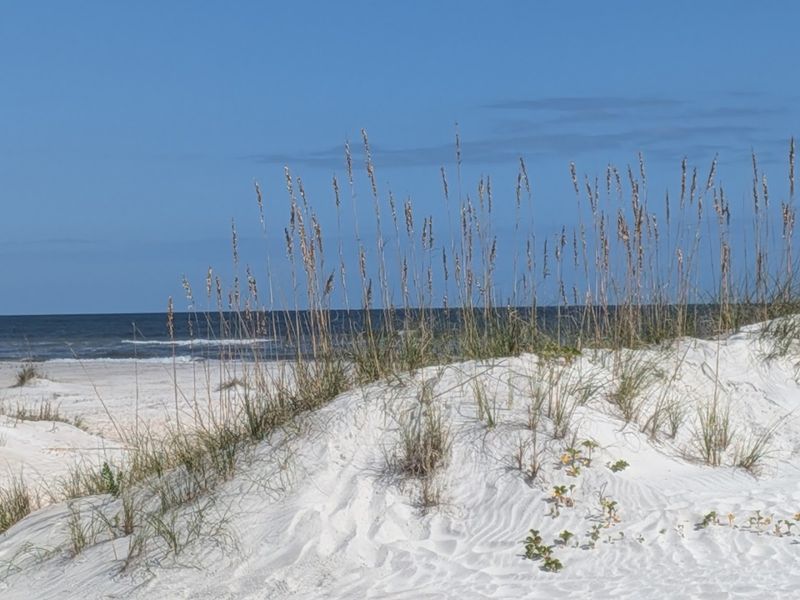
Ancient sand dunes rise and fall along four miles of Atlantic coastline at Anastasia State Park, creating a landscape that has watched Spanish galleons sail past and hurricanes reshape the shore.
The park sprawls across 1,600 acres at 300 Anastasia Park Rd, St. Augustine, FL 32080, protecting not just beaches but also tidal marshes, maritime hammocks, and the sheltered waters of Salt Run.
Coquina rock formations peek through the sand at low tide, their compressed shells telling stories millions of years old that I can literally touch and examine.
Salt Run offers some of the best windsurfing and kiteboarding in Florida, and I have spent hours watching colorful sails dance across the water while I paddleboard in the calmer shallows.
The beach here feels less crowded than most Atlantic coast spots, even in summer, giving me room to walk for miles without dodging beach umbrellas every ten feet.
Ancient live oaks dripping with Spanish moss create shaded camping areas where I can hear the ocean but escape the sun, the best of both worlds for a beach camping trip.
7. Paynes Prairie Preserve State Park, Micanopy
Bison grazing on a Florida prairie sounds like someone mixed up their geography, but I have watched these massive animals munch grass here dozens of times, still amazed every visit.
Paynes Prairie Preserve State Park sits at 100 Savannah Blvd, Micanopy, FL 32667, protecting 21,000 acres of biologically diverse wilderness that includes the largest and most diverse population of wildlife in Florida.
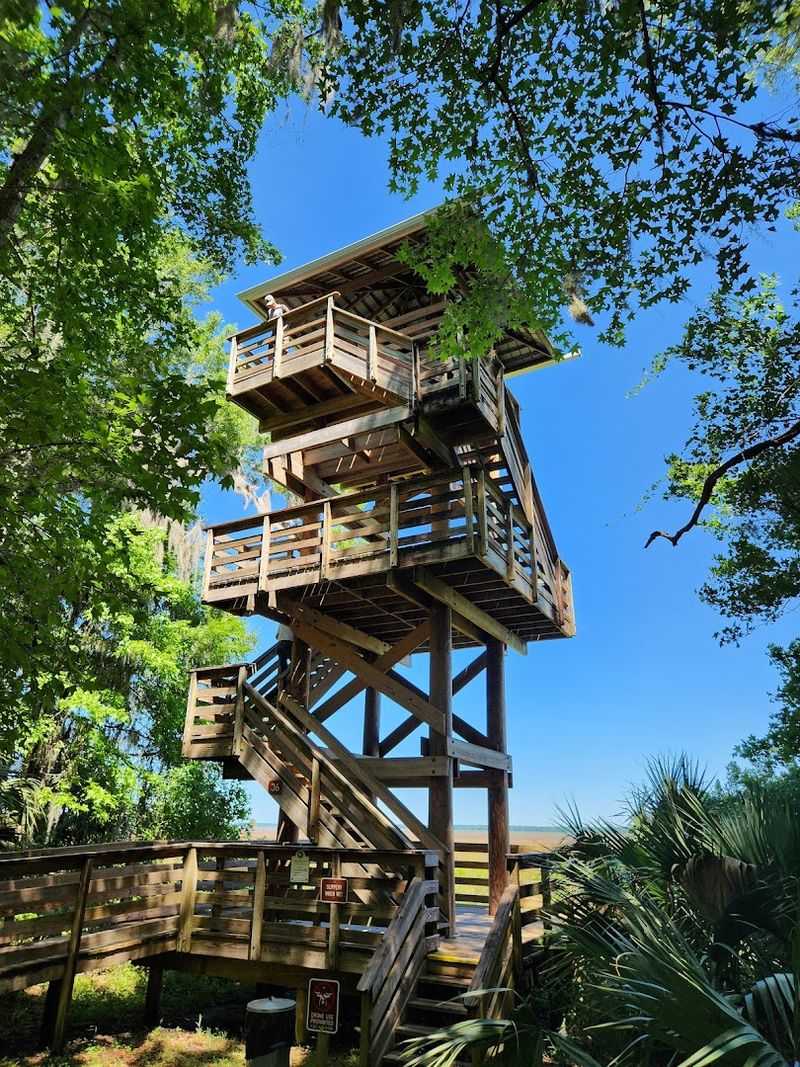
The observation tower provides sweeping views across the prairie where I have counted hundreds of wading birds, wild horses, alligators, and those improbable bison all visible at once.
La Chua Trail became my favorite walk here, a three-mile round trip where alligators line the path so thickly that I have had to wait for them to move before continuing.
The prairie floods seasonally, transforming into a massive lake that attracts migrating birds by the thousands, creating a spectacle that changes completely depending on when I visit.
Sinkholes dot the landscape, sudden deep holes that drop into the aquifer below, reminding me that Florida’s limestone foundation is constantly dissolving and reshaping beneath my feet.
8. Blue Spring State Park, Orange City
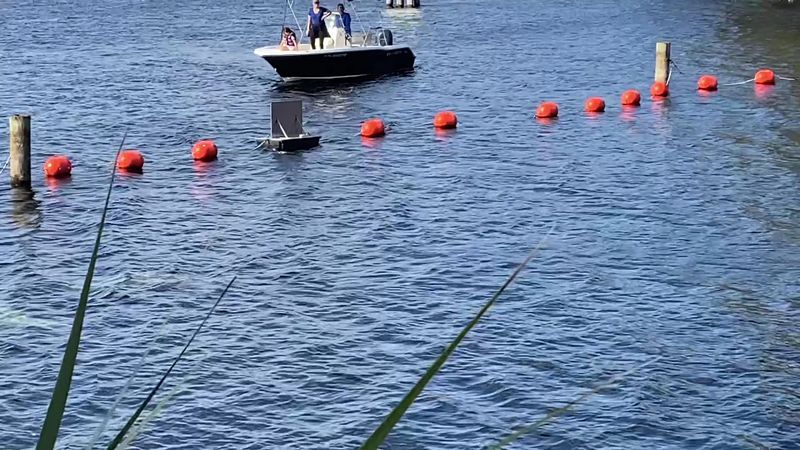
Manatees pack into Blue Spring like subway commuters during winter, and I have counted over 500 of these gentle giants crowded into the spring run on cold January mornings.
Blue Spring State Park protects this critical manatee refuge at 2100 W French Ave, Orange City, FL 32763, where the constant 72-degree spring water provides warmth when the St. Johns River gets too cold for these tropical creatures.
Walking the boardwalk above the spring run means looking down at manatees swimming just feet below, their whiskered faces occasionally breaking the surface to breathe while I stand mesmerized above.
The spring pumps out 104 million gallons of crystal-clear water daily, creating visibility so perfect that I can see every detail of the sandy bottom thirty feet down.
Swimming is allowed in warmer months when manatees leave for the river, and I have floated in this impossibly clear water feeling like I am suspended in liquid glass.
The historic Thursby House sits near the spring head, a reminder that people have been drawn to this magical spot since the steamboat era, though hopefully with more conservation awareness than the early tourists showed.
9. Jonathan Dickinson State Park, Hobe Sound
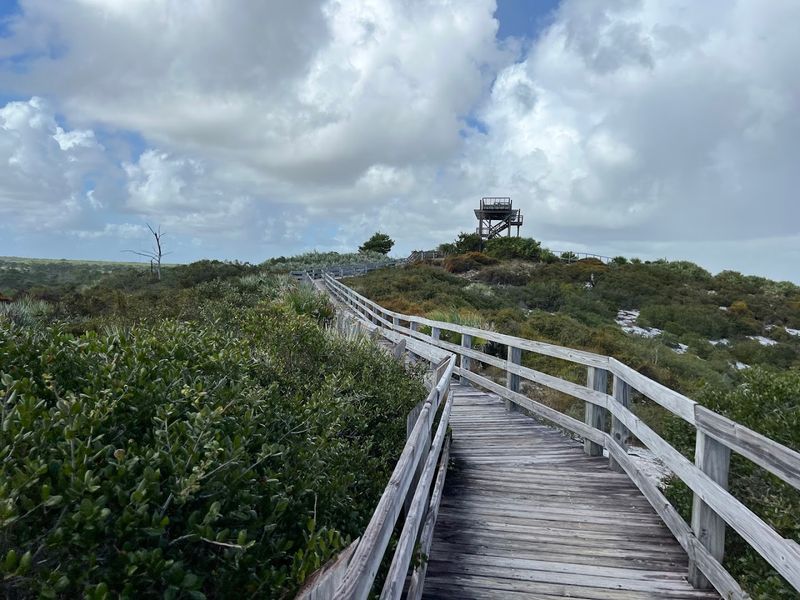
Climbing the observation tower at Jonathan Dickinson rewards you with views across eight different natural communities, a patchwork of ecosystems that showcases Florida’s incredible diversity in one sweeping panorama.
The park sprawls across 11,500 acres at 16450 SE Federal Hwy, Hobe Sound, FL 33455, protecting the Loxahatchee River, Florida’s first federally designated Wild and Scenic River.
I have paddled this river through cypress swamps where the water reflects the trees so perfectly that I lose track of where reality ends and reflection begins.
Sand pine scrub covers the ancient dunes here, a rare ecosystem that looks almost desert-like with its white sand and scattered pines, completely different from the lush river just a mile away.
The Elsa Kimbell Environmental Education Center taught me more about Florida ecology than any textbook ever could, with hands-on exhibits that made me actually excited about learning plant identification.
Camping here means choosing between riverfront sites where I fall asleep to owls hooting and scrub sites where gopher tortoises trundle past my tent at dawn, both options equally magical in different ways.
10. St. Andrews State Park, Panama City Beach
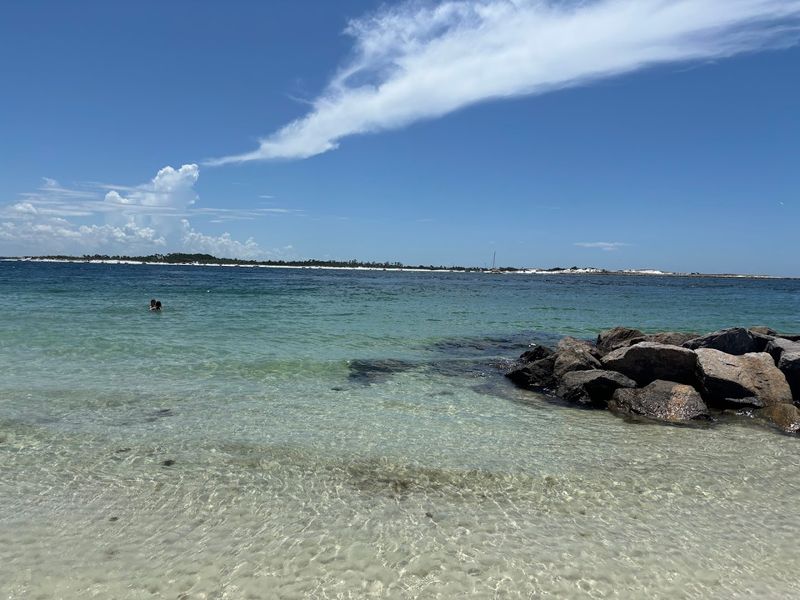
Two different bodies of water meet at St. Andrews, creating a peninsula where I can watch the Gulf of Mexico on one side and Grand Lagoon on the other, each offering completely different water sports and scenery.
This 1,260-acre park sits at 4607 State Park Ln, Panama City Beach, FL 32408, occupying a strategic point that has seen military fortifications, fishing villages, and now serves as one of Florida’s most popular state parks.
The jetties here provide some of the best fishing in the Panhandle, and I have watched anglers pull up everything from pompano to massive redfish while pelicans dive-bomb the water around them.
Shell Island sits just across a narrow channel, accessible by boat or shuttle, offering seven miles of undeveloped beach where I have found sand dollars, watched dolphins, and enjoyed solitude impossible on the mainland.
Snorkeling the jetties reveals a surprising underwater world where tropical fish hide among the rocks and occasional sea turtles cruise past, unbothered by my clumsy swimming.
The beaches here survived Hurricane Michael better than most, and watching this resilient landscape recover reminded me why protecting these natural areas matters for more than just pretty vacation photos.