
10 Nebraska Natural Wonders That Make The Prairie Feel Full Of Surprises
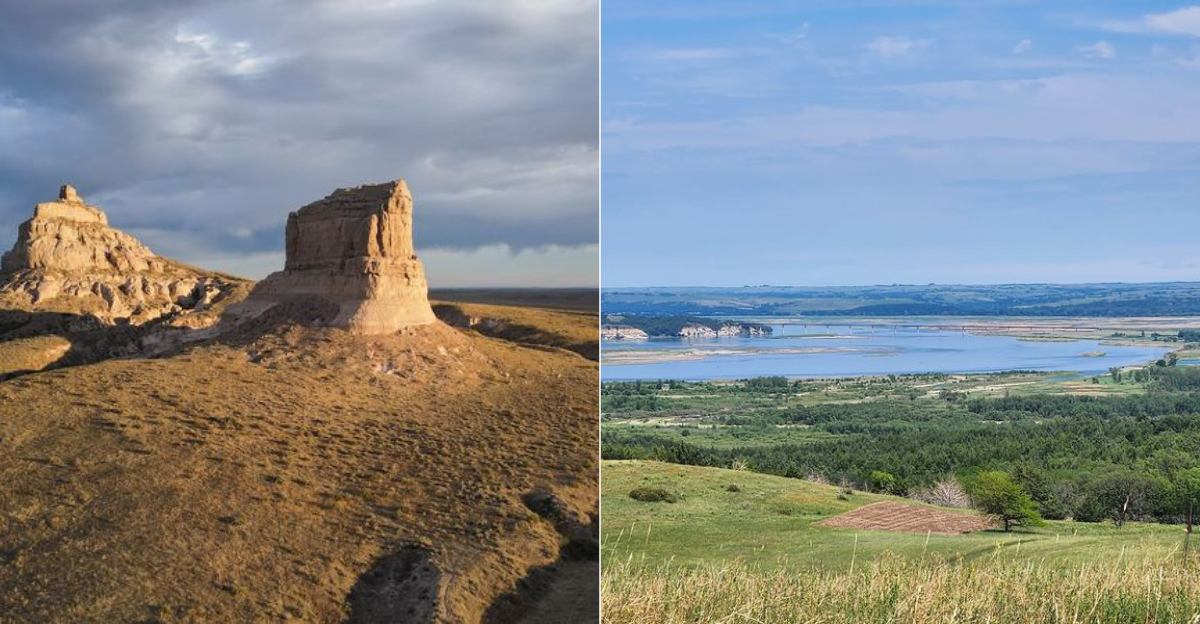
Nebraska might not be the first place that comes to mind when you think of jaw-dropping landscapes.
Most people picture flat fields and endless cornrows, like a scene from Field of Dreams where Kevin Costner stares into the horizon and waits for someone to show up. Well, spoiler alert: they should.
Nebraska is quietly one of the most geologically wild and visually stunning states in the country. Most travelers still zoom past it on the interstate without knowing what they are missing.
This state has ancient volcanic ash beds that preserved prehistoric animals mid-graze and towering rock formations that once guided pioneers west.
There are waterfalls tucked inside canyon walls, badlands that look like another planet, and dark skies clear enough to count stars like sprinkles on a cosmic birthday cake.
The prairie may have a boring reputation, but Nebraska is out here proving it completely wrong. Get ready, because the Cornhusker State is about to seriously impress you.
1. Toadstool Geologic Park
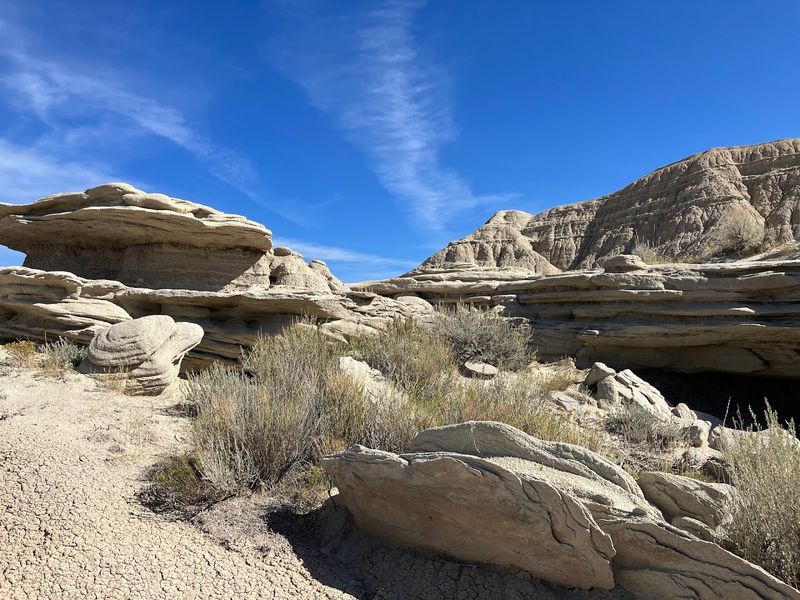
Finding an alien landscape in Nebraska is definitely not expected, but Toadstool Geologic Park exists purely to prove expectations wrong.
Tucked along Toadstool Road near Crawford, Nebraska 69339, this park looks like someone picked up a chunk of the Badlands and dropped it right into the Great Plains. The mushroom-shaped hoodoos here are formed when harder caprock sits on top of softer material, creating those wild toadstool silhouettes that make every photo look unreal.
The geology here dates back roughly 30 million years, and the exposed layers tell a story about ancient ecosystems that once covered this region.
Fossilized remains of saber-toothed cats and brontotheres have been discovered among the eroded ridges and crumbling clay walls. Walking the trail feels like flipping through a textbook written by the earth itself.
The hike through the park is about 1 mile long, making it totally manageable for almost anyone.
Sunrise and sunset light transforms the pale rock into shades of gold, pink, and amber that feel almost cinematic.
Bring water, wear sturdy shoes, and give yourself at least two hours to really soak it in. This is one of those places that quietly rewires how you think about the word “ordinary.”
2. Smith Falls State Park
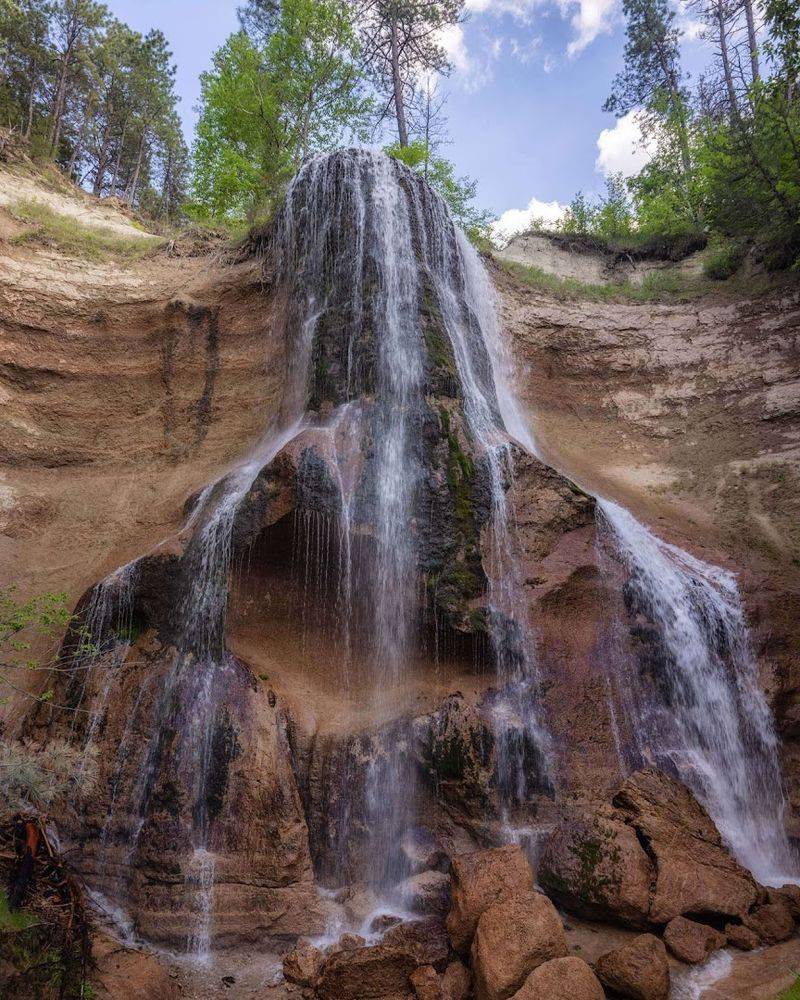
Waterfalls in Nebraska? That sentence alone deserves a double take.
Smith Falls State Park, located at 90165 Smith Falls Road, Valentine, Nebraska 69201, is home to the tallest waterfall in the entire state, and it is genuinely breathtaking.
The spring-fed cascade tumbles 63 to 70 feet down a moss-draped cliff face into a cool, shallow pool below, and the whole scene feels like it belongs in the Pacific Northwest rather than the Great Plains.
The park sits along the stunning Niobrara River, which carves through a canyon lined with ferns, wildflowers, and cottonwood trees.
The contrast between the lush canyon and the open prairie above it is one of the most visually dramatic transitions you will find anywhere in the Midwest. A short footbridge and trail lead you right to the base of the falls, where the mist keeps the air noticeably cooler even on hot summer days.
Camping is available nearby, and the Niobrara River is a popular spot for canoeing and tubing during the warmer months.
Getting here requires a bit of a drive through remote countryside, but that remoteness is exactly what makes the arrival feel so rewarding. Smith Falls is Nebraska’s best-kept secret, and it absolutely earns that title every single time.
3. Ashfall Fossil Beds State Historical Park
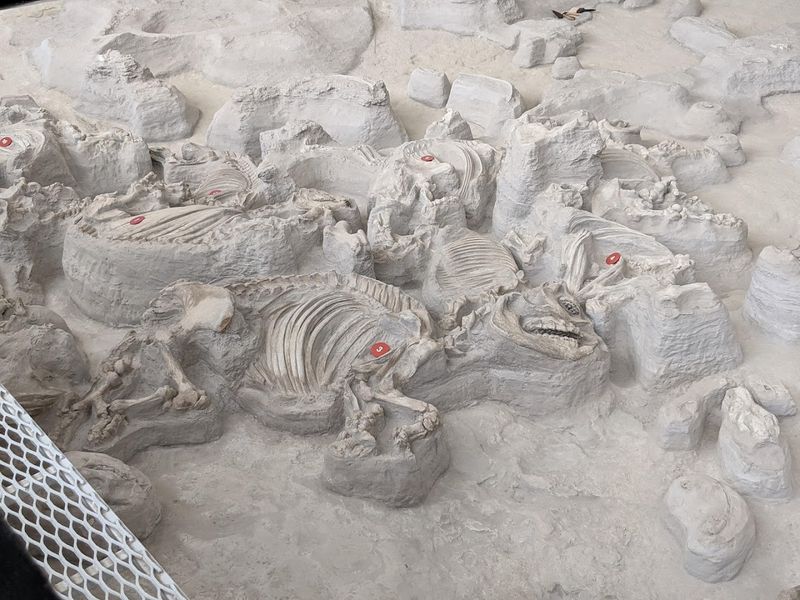
Imagine walking into a room where prehistoric rhinos, horses, and camels are still lying exactly where they fell 10 million years ago.
That is not a movie set. That is Ashfall Fossil Beds State Historical Park, located at 86930 517 Avenue, Royal, Nebraska 68773, and it is one of the most surreal natural history experiences in the entire United States.
A massive volcanic eruption sent ash drifting across the continent, and the animals here were preserved right where they stood.
The Hubbard Rhino Barn is the centerpiece of the park, a large covered shelter built directly over the fossil layer so visitors can walk through and see the skeletons in situ.
Watching real paleontologists work the site during the summer season adds a layer of excitement that no museum exhibit can replicate.
The fossils are not replicas; they are the real thing, frozen in volcanic time.
The park also has a visitor center with exhibits that explain the science behind the ashfall event and the Miocene epoch animals that lived here.
It is the kind of place that makes you stop and recalibrate your sense of deep time. If you have ever watched a nature documentary and wished you could step inside it, Ashfall is as close as it gets in real life.
4. Scotts Bluff National Monument
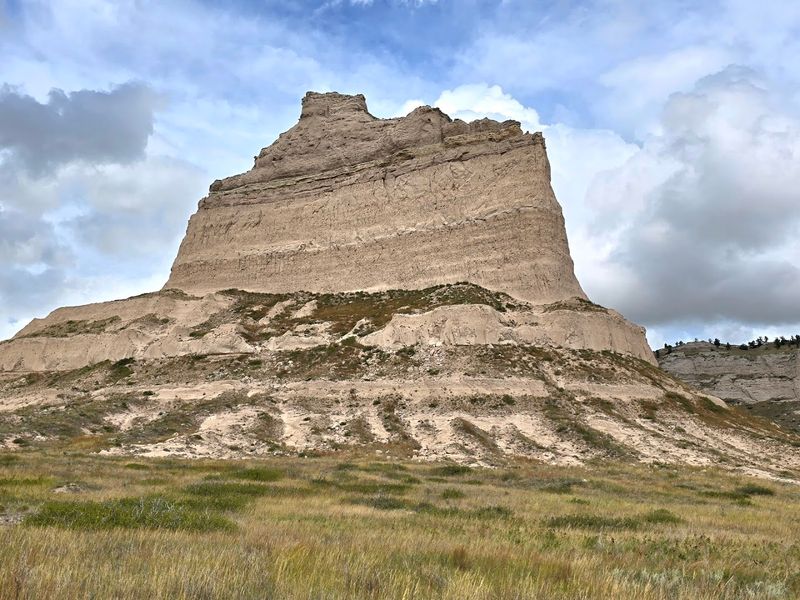
Standing nearly 800 feet above the North Platte River, Scotts Bluff National Monument is the kind of landmark that makes you feel genuinely small in the best possible way.
Found at 190276 Old Oregon Trail, Gering, Nebraska 69341, this massive formation of layered siltstone and sandstone has been shaped by millions of years of erosion into something that looks almost sculpted by hand.
Pioneers on the Oregon, California, and Mormon Trails used it as a navigation point from miles away.
You can hike or drive the 1.6-mile paved summit road to the top, where panoramic views of the Platte Valley stretch out in every direction.
The formations known as Eagle Rock and Saddle Rock add dramatic texture to the skyline and make for incredible photography at any time of day.
Mitchell Pass at the base of the bluff was the actual route that wagon trains traveled, and you can still see the ruts carved into the earth by thousands of wagon wheels.
The visitor center does a fantastic job of connecting the geology to the human history, weaving together the science of the landscape with the stories of westward migration.
Scotts Bluff is not just a pretty rock. It is a monument to endurance, both geological and human, and spending an afternoon here feels like time well invested.
5. Chimney Rock National Historic Site
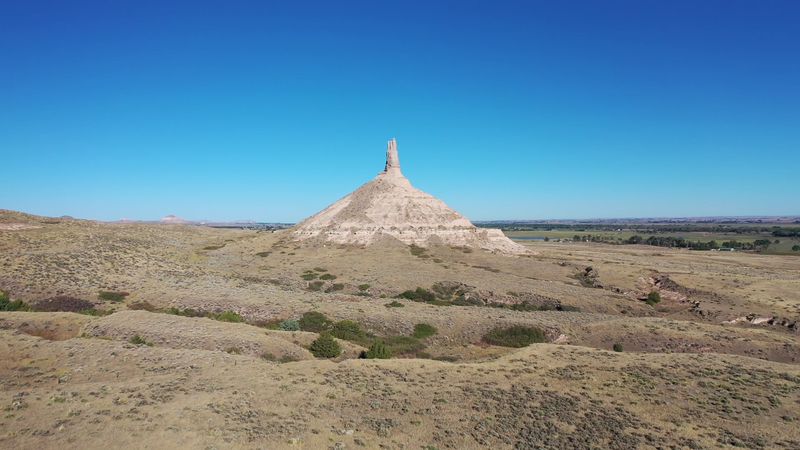
Few landmarks in American history carry the emotional weight of Chimney Rock.
Rising dramatically from the surrounding plains at 9822 County Road 75, Bayard, Nebraska 69334, this iconic spire of sandstone, silt, and clay was the most mentioned landmark in pioneer journals during the westward migration of the mid-1800s.
Travelers on the Oregon, California, and Mormon Trails could see it from miles away, and reaching it meant they were making real progress across the continent.
The rock formation stands roughly 325 feet above the valley floor, with the distinctive chimney-shaped spire at the top making it unmistakable from any angle.
It has been eroding slowly for centuries, and early accounts describe it as even taller than it appears today. The visitor center at the site tells the full story of what this landmark meant to those early travelers who used it as both a compass point and a morale boost.
Sunset is the magic hour here, when the rock turns deep shades of orange and red against the fading sky. The surrounding plains feel endless, and standing near the base gives you a genuine sense of what those pioneers must have experienced.
Chimney Rock is not just a geological curiosity; it is a living piece of American story, still pointing skyward after all these years.
6. Agate Fossil Beds National Monument
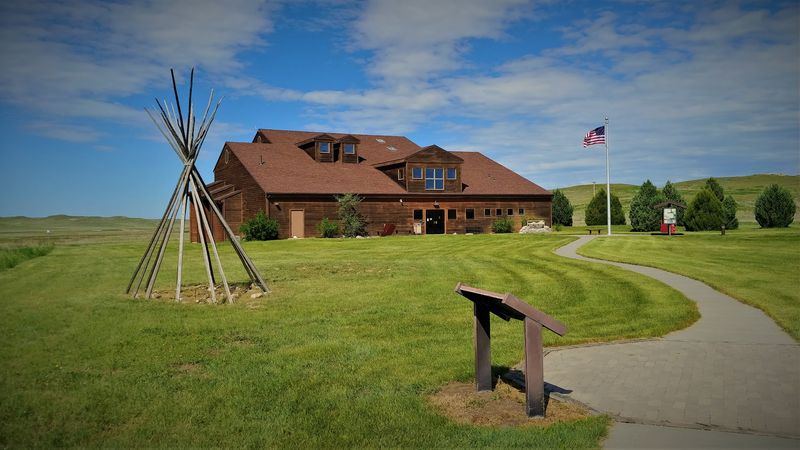
The name alone sounds like something out of an adventure novel, and the place absolutely delivers on that promise.
Agate Fossil Beds National Monument, located at 301 River Road, Harrison, Nebraska 69346, preserves one of the most significant collections of Miocene mammal fossils ever discovered, dating back approximately 20 million years.
The bones of ancient creatures like Menoceras, a small two-horned rhinoceros, and Dinohyus, an enormous pig-like animal, were found in remarkable concentration right here.
The site also holds deep cultural significance, preserving artifacts and gifts exchanged between early rancher James Cook and Lakota leaders, including items from the legendary Red Cloud.
That combination of natural history and human heritage makes this monument genuinely layered in a way that few places can match. Walking the fossil trails along the Niobrara River feels contemplative and quietly powerful.
Two main trails wind through the monument, with interpretive signs explaining what was found at each location and why it matters to science.
The visitor center houses actual fossils and cultural objects that bring both stories to life in vivid detail. Agate Fossil Beds is the kind of place that rewards slow, attentive visitors who are willing to look closely and let the landscape speak.
The river, the hills, and the ancient bones all have something genuinely worth hearing.
7. Courthouse And Jail Rocks
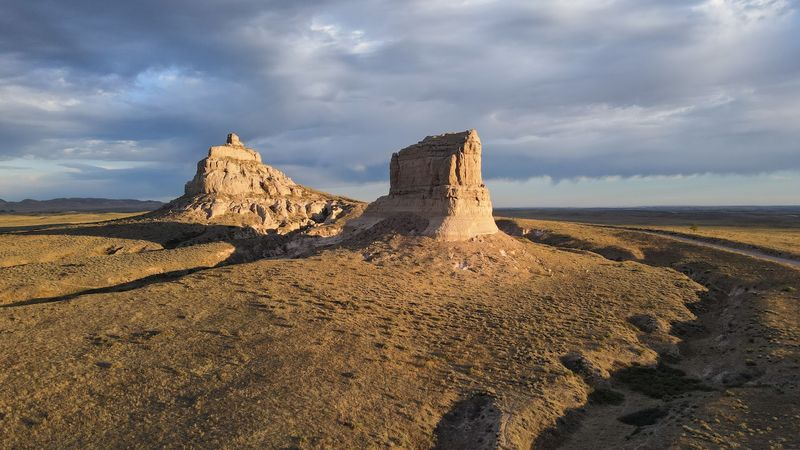
Before Chimney Rock came into view on the Oregon Trail, pioneers first spotted Courthouse Rock and its smaller neighbor, Jail Rock, rising from the prairie like a pair of ancient sentinels.
Located along Nebraska Highway 88, about 5 miles south of Bridgeport, Nebraska 69336, these two massive buttes of sandstone and Brule clay stand dramatically isolated on the surrounding flatlands, making them visible from enormous distances.
Early travelers compared the larger formation to a courthouse building, and the name has stuck ever since.
The formations are not part of a formal developed park, which actually adds to their raw, unpolished appeal. You can walk right up to the base of Courthouse Rock and feel the scale of it pressing down on you in the best possible way.
The rock layers tell a geologic story spanning millions of years, with different bands of color marking distinct eras of sediment deposit.
Photographers love this spot for its wide-open compositions and the way the formations interact with dramatic Nebraska skies.
Thunderstorm light, golden hour, and even winter snow create completely different moods here, making repeat visits worthwhile.
Courthouse and Jail Rocks are easy to overlook on a map, but standing beneath them reminds you that Nebraska has been hiding spectacular things in plain sight all along.
8. Indian Cave State Park
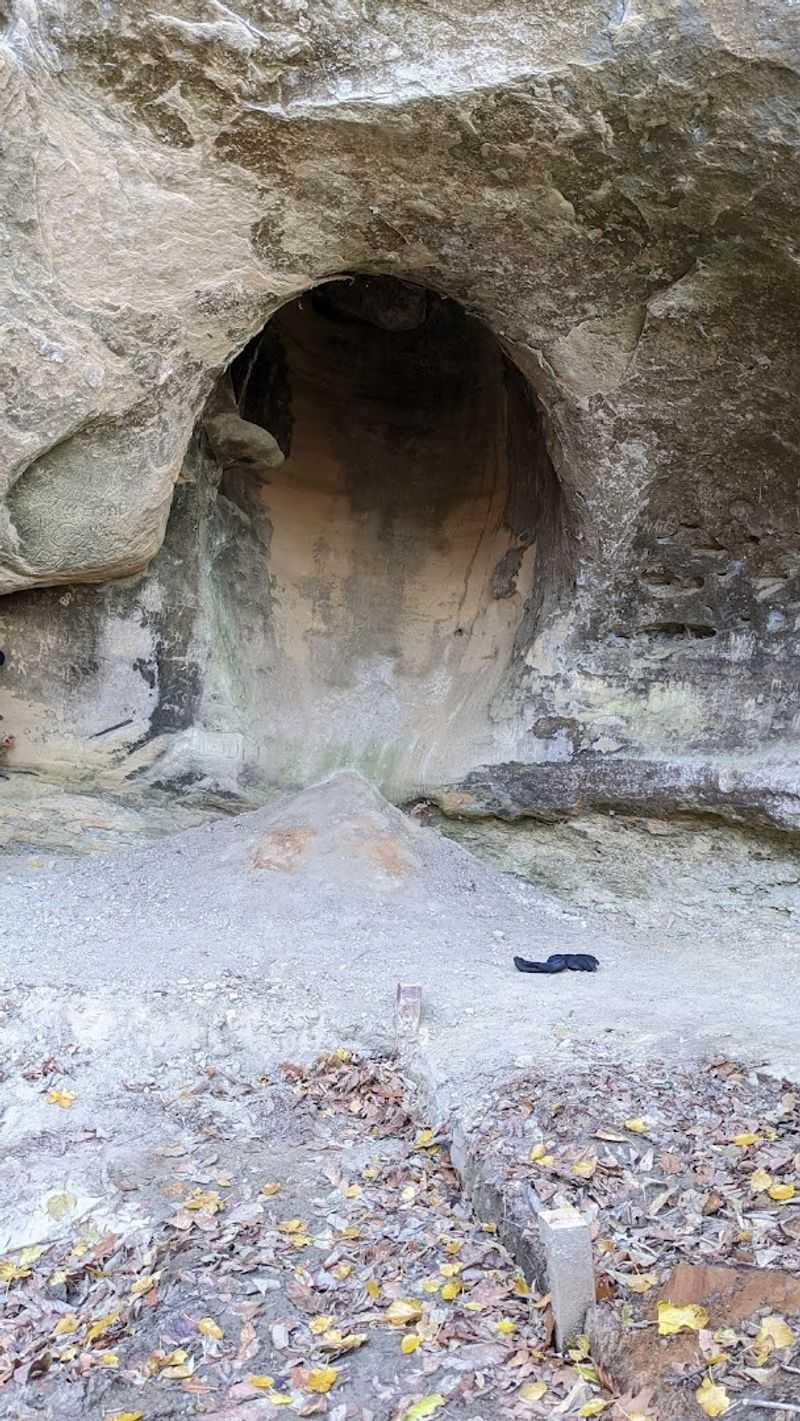
Southeastern Nebraska is not where most people expect to find dense forests, dramatic bluffs, and ancient petroglyphs, but Indian Cave State Park is full of exactly those things.
Situated at 65296 720 Road, Shubert, Nebraska 68437, this park hugs the Missouri River bluffs and offers a landscape that feels more like Missouri Ozarks than classic Great Plains.
The park takes its name from a large sandstone cave carved into the bluff face, inside which ancient petroglyphs were etched by Native Americans long before European contact.
The cave itself is a genuinely moving place to visit, with faint but visible carvings that connect the present moment to a history stretching back centuries.
The surrounding forest is equally impressive, especially in autumn when the hardwoods explode into color along the river valley.
Over 20 miles of hiking and horseback riding trails wind through the park, ranging from easy riverside walks to more challenging ridge-top routes.
A reconstructed 1800s frontier town inside the park adds a quirky historical layer that younger visitors especially enjoy.
Camping here feels immersive, with the sounds of the forest and the river creating a natural soundtrack all night long. Indian Cave State Park is the kind of place that makes you reconsider every assumption you had about what Nebraska looks like.
It is lush, layered, and genuinely wild.
9. Wildcat Hills State Recreation Area
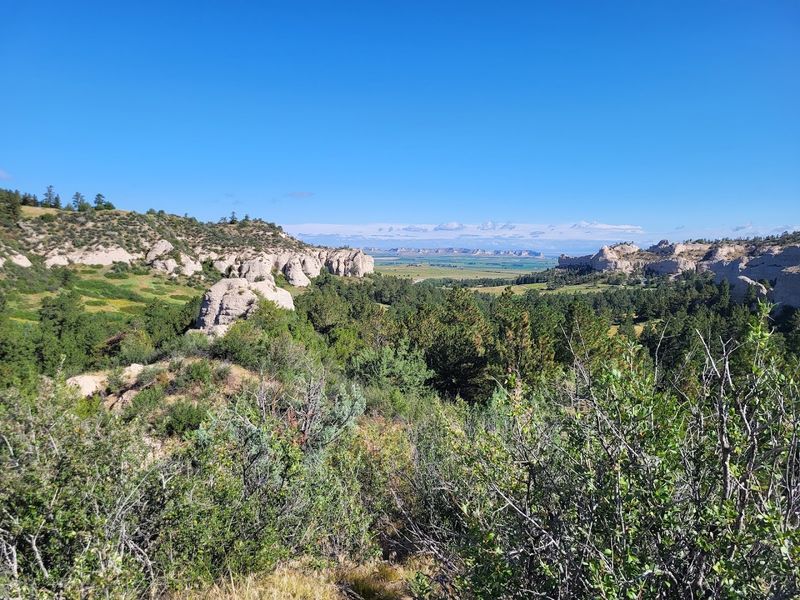
Right when you think you have already seen the best of western Nebraska, the Wildcat Hills show up and raise the bar considerably.
Located at 210615 Highway 71, Gering, Nebraska 69341, this rugged recreation area features rocky ridges, pine-covered buttes, and canyon terrain that feels genuinely wild.
The landscape is defined by ponderosa pine forests clinging to rocky outcrops, a combination that looks and smells completely unlike anything on the open prairie nearby.
The area is home to a state game reserve where bison, elk, and bighorn sheep roam within viewing distance of the public overlook areas.
Spotting a bison herd moving through the pines against a backdrop of distant bluffs is one of those moments that stops you mid-sentence.
The nature center on site offers educational exhibits about the local ecosystem and wildlife that call these hills home year-round.
Hiking trails range from short interpretive loops to longer backcountry routes that reward the effort with sweeping views toward Scotts Bluff and the North Platte Valley below.
The area is particularly spectacular in late spring when wildflowers push through the rocky soil and the pines are a vivid, saturated green.
Wildcat Hills is not a place you stumble into accidentally, it is a place you find when Nebraska finally convinces you it has been holding out on you this whole time.
10. Niobrara State Park
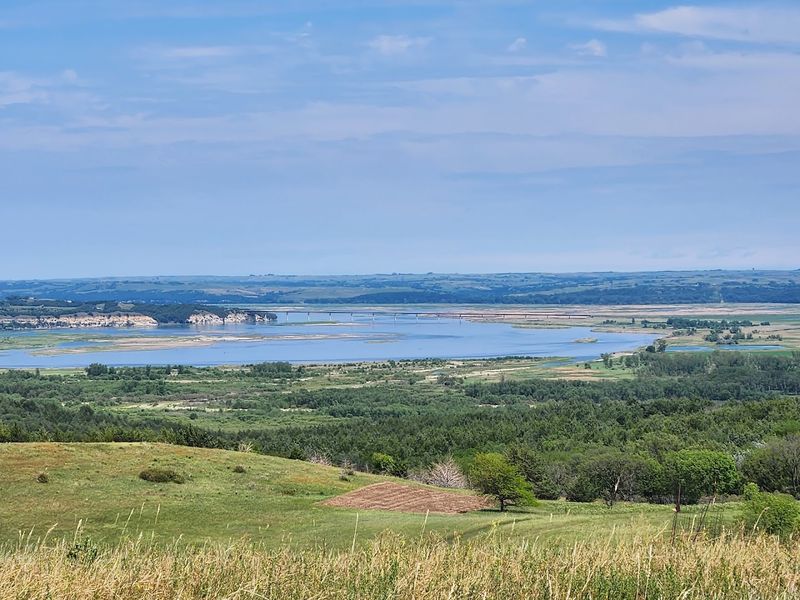
There is something genuinely special about standing at the confluence of two rivers, and Niobrara State Park gives you one of the most scenic versions of that experience in the entire Midwest.
Located at 89261 522 Avenue, Niobrara, Nebraska 68760, this park sits at the point where the Niobrara River meets the Missouri River, creating a landscape of rolling hills, wooded valleys, and wide water views that stretches in every direction.
The overlooks here are legitimately stunning and wildly underrated.
The park has a rich history connected to the Ponca Tribe, who have deep ancestral ties to this river confluence region, and interpretive materials throughout the park honor that connection thoughtfully.
Camping, cabins, and equestrian facilities make this a versatile destination for different kinds of outdoor enthusiasts.
The trail system winds through diverse terrain that shifts between open grassland, river bottom forest, and elevated ridge lines.
Birdwatching here is exceptional, particularly during spring and fall migration when the river corridors funnel thousands of species through the area.
The combination of two major river systems creates a rich habitat that supports an impressive variety of wildlife year-round. Niobrara State Park is the kind of place that feels like a deep breath, wide and unhurried and full of quiet wonder.
Nebraska saved one of its most beautiful corners for last, and this park proves it without any argument needed.