
This Pedal-Powered Washington Excursion Lets You Coast Through A Forest On Historic Railroad Tracks
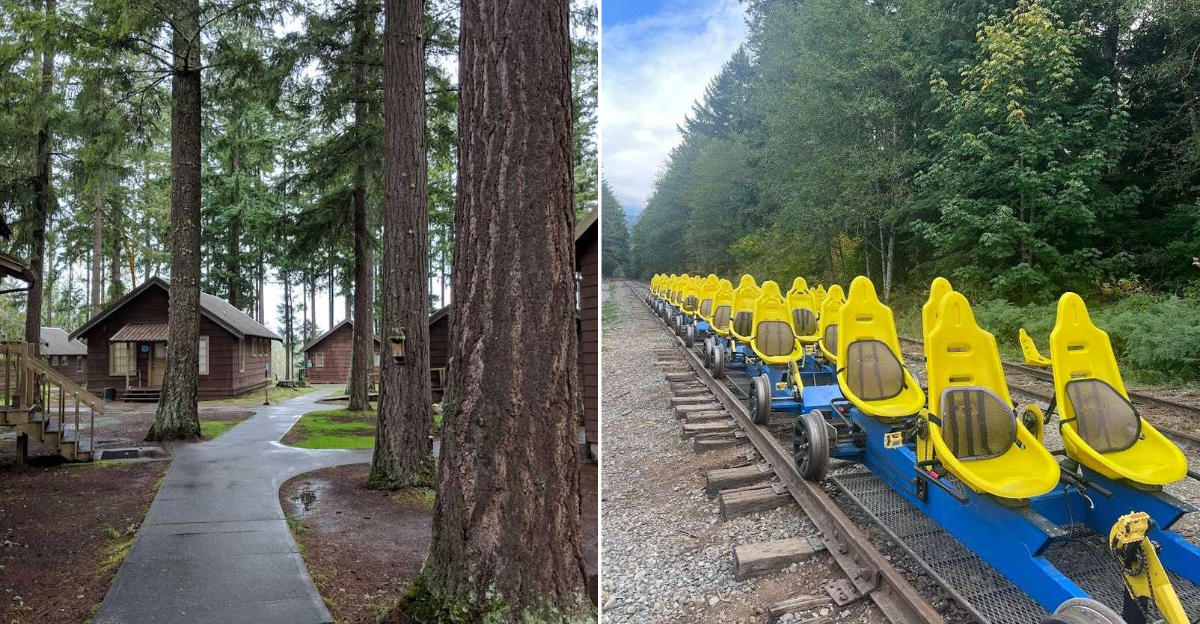
Here’s a secret that gym owners probably don’t want you to know: the best exercise is the one that doesn’t feel like exercise at all. This pedal-powered adventure in Washington proves that rule perfectly.
Riders coast along former railroad corridors deep within a towering forest, and the hardest part is remembering to pedal because the scenery is so mesmerizing.
The path once carried heavy steam locomotives and now glides silently beneath bicycle tires. For anyone who has ever dreaded hopping on a stationary bike while staring at a wall, this experience offers an incredible upgrade.
Fresh forest air replaces stale gym smells, and instead of counting ceiling tiles, guests count towering trees and catch glimpses of wildlife between the trees.
The Story Behind The Tracks
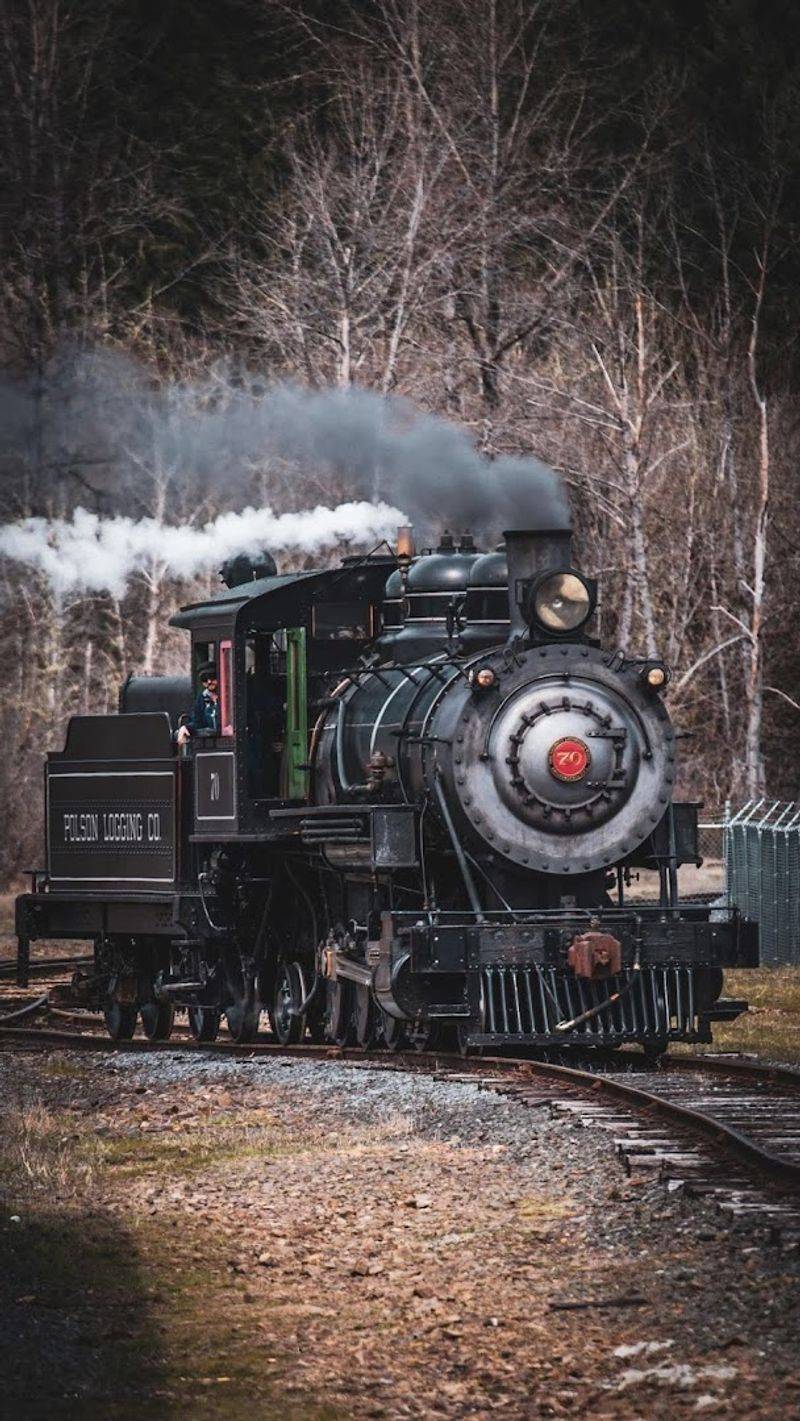
Long before anyone thought to put a pedal-powered cycle on these rails, the tracks running through the Nisqually Valley had a very different job. The Mt. Rainier Scenic Railroad used this corridor to haul timber and connect communities tucked into the foothills south of Mount Rainier in Washington State.
Logging shaped nearly every corner of this landscape, and the railroad was the lifeline that made it all possible. Over time, as the timber industry changed, the tracks fell quiet, and the forest began slowly reclaiming the edges of the corridor.
Rather than let the history rust away entirely, preservationists and tourism entrepreneurs saw an opportunity to honor the past while creating something new.
Guides on the RailCycle excursion share fascinating details about the railroad’s original purpose, the families who worked it, and the logging culture that defined the region for generations.
That living history is what transforms a simple bike ride into something that actually sticks with you long after you drive home.
What A Rail Cycle Actually Feels Like
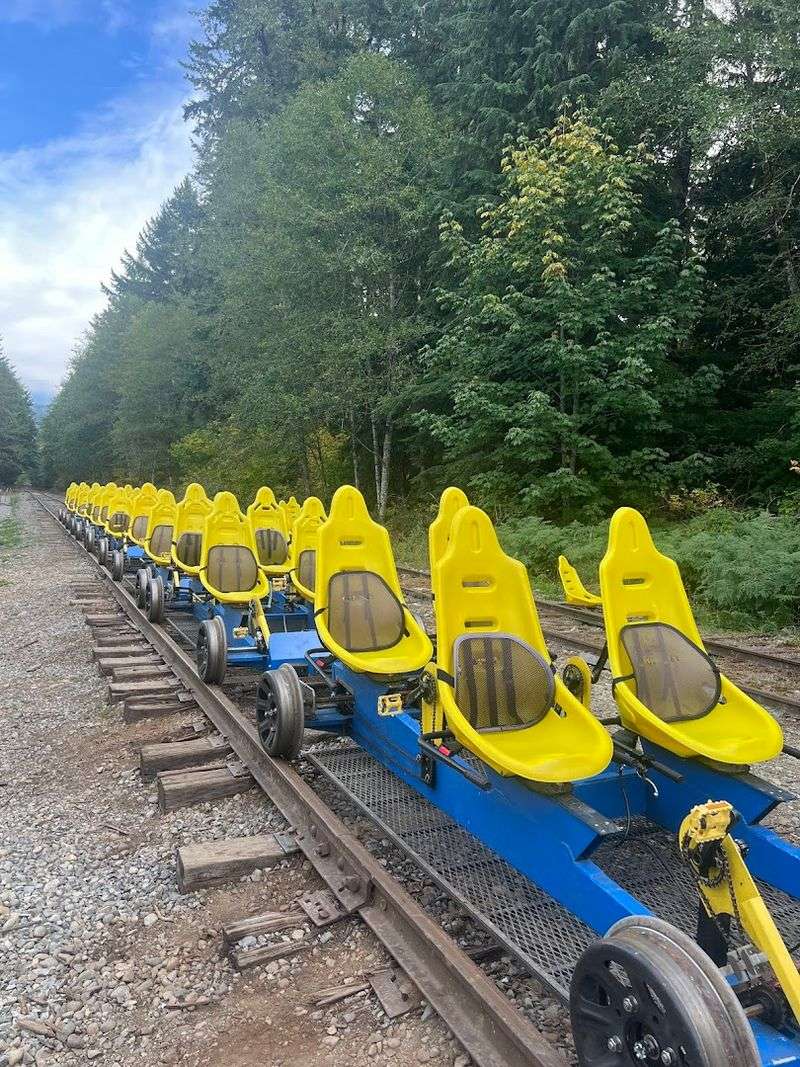
Imagine a bicycle crossed with one of those old-fashioned railroad handcars you see in Western films, then made far more comfortable and stable, and you are getting close to the real thing.
Each rail cycle at RailCycle Mt. Rainier seats up to four riders, with pedals for everyone willing to contribute and a relaxed frame that keeps the whole group balanced on the tracks.
The first few strokes feel a little unusual because you are moving on rails rather than pavement, but within about thirty seconds your brain adjusts and the whole thing starts to feel surprisingly natural.
The cycles are lightweight and engineered for smooth pedaling, so even younger riders or those who rarely exercise can keep up without straining.
Newer models being developed for the updated fleet are designed with improved comfort, better accessibility options, and the ability to accommodate car seats for the smallest passengers.
Riding one of these machines is genuinely playful, the kind of activity that makes adults feel like kids again without any awkward explanation required.
The Route Through The Nisqually Valley
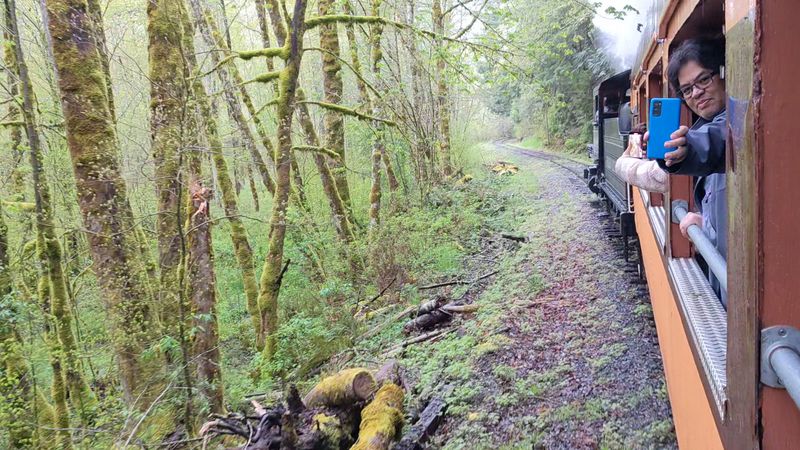
The address listed for RailCycle Mt. Rainier is 233 Mineral Rd S, Mineral, WA 98355, and the surrounding landscape immediately tells you that you are somewhere worth paying attention to.
The route follows the historic rail corridor through dense Pacific Northwest forest, offering a steady parade of towering conifers, fern-covered forest floors, and the kind of quiet that city life rarely delivers.
On a clear day, Mount Rainier itself appears through gaps in the tree canopy, its snow-capped peak hovering above the ridgeline like a postcard that somehow became real.
The outbound leg involves a gentle uphill pedal that most riders handle without much trouble, and the return trip rewards that effort with a mostly downhill glide back to the starting point.
The entire round trip covers roughly seven miles and takes about two and a half hours from start to finish, including a thirty-five-minute rest stop at the turnaround point where you can catch your breath, eat a snack, and just listen to the forest doing its thing.
Who Can Join The Ride
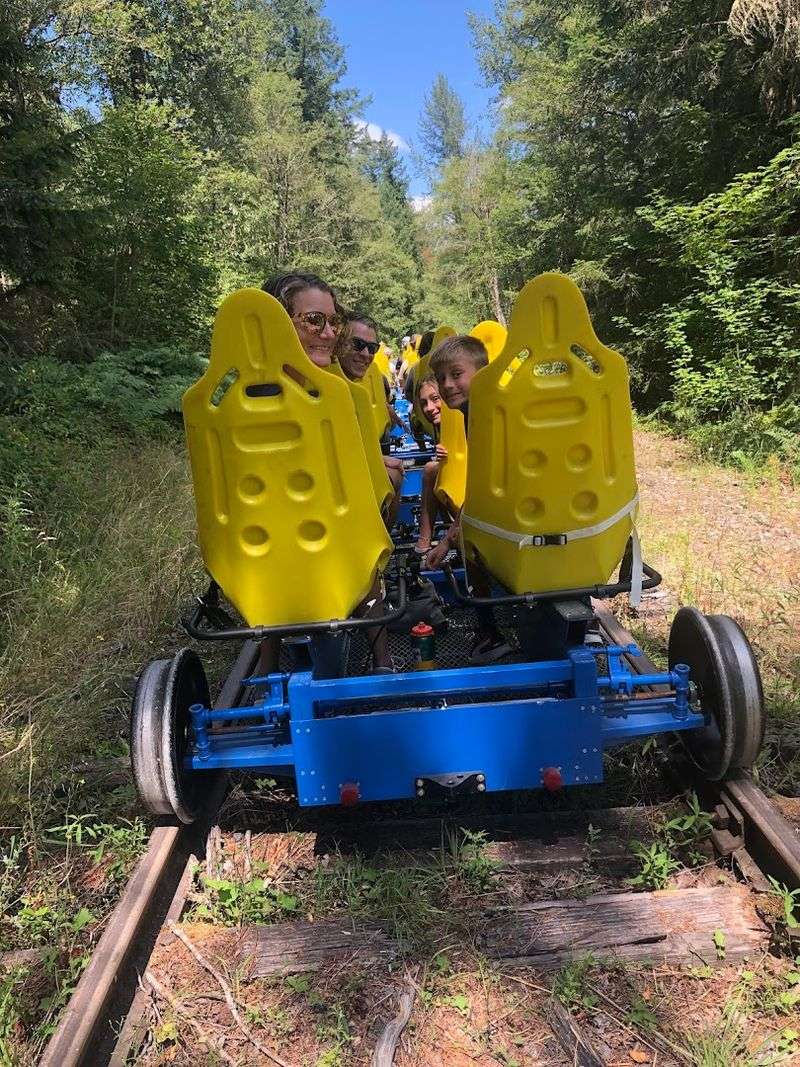
One of the most refreshing things about RailCycle Mt. Rainier is that it was built with accessibility in mind from the beginning.
No prior cycling experience is needed, the terrain is manageable for most fitness levels, and the rail cycles are stable enough that first-timers feel confident within minutes of setting off.
Children who weigh at least twenty-five pounds and can sit independently are welcome, and the newer fleet models are designed to accommodate car seats for the youngest family members.
Every rider needs their own seat and must be buckled in, which keeps the experience safe without making it feel overly restrictive.
There is a maximum weight limit of three hundred pounds per rider, which is worth checking before booking. Groups of two or three who do not fill an entire cycle can opt to share a classic model with a guide, which adds a social dimension and usually results in some genuinely good conversation along the trail.
The excursion truly earns its reputation as one of those rare outdoor activities that works for nearly everyone.
Planning Your Visit And Booking Tips
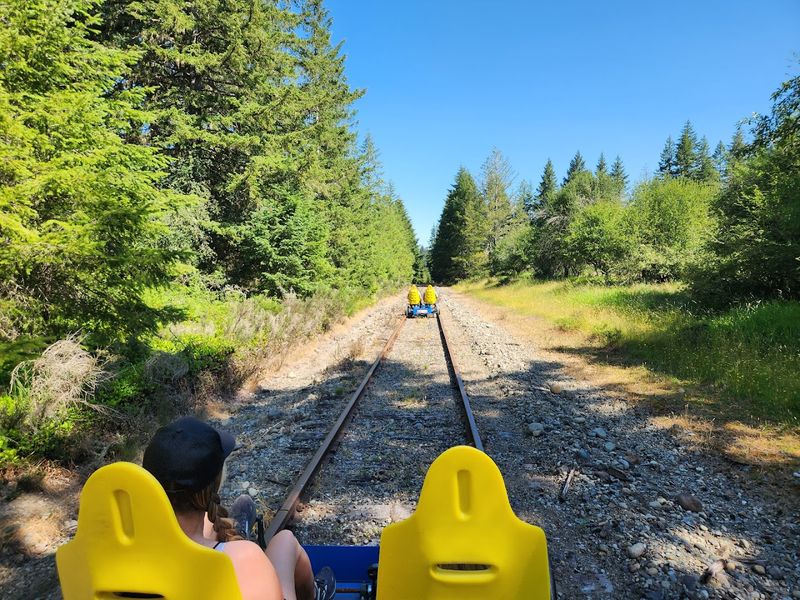
RailCycle Mt. Rainier has historically operated from May through October, running Tuesday through Sunday during the peak summer months and shifting to weekend-only departures as October approaches.
Demand fills up fast, so reservations are strongly recommended rather than treated as a casual suggestion.
When the excursion is fully operational, a complete four-person rail cycle runs around $161.25, which breaks down to a reasonable per-person cost for a two-and-a-half-hour guided outdoor experience.
Smaller groups can book shared options with a guide to keep costs manageable without sacrificing the fun.
As of 2026, RailCycle Mt. Rainier has paused operations for a season to complete significant repairs along the railroad corridor and to build an entirely new fleet of rail cycles.
Checking the official website before planning your trip is essential to confirm when tours resume and what new options are available. The pause is a signal that the experience coming back will be even better than the one that earned the excursion its loyal following.
What To Pack For The Trail
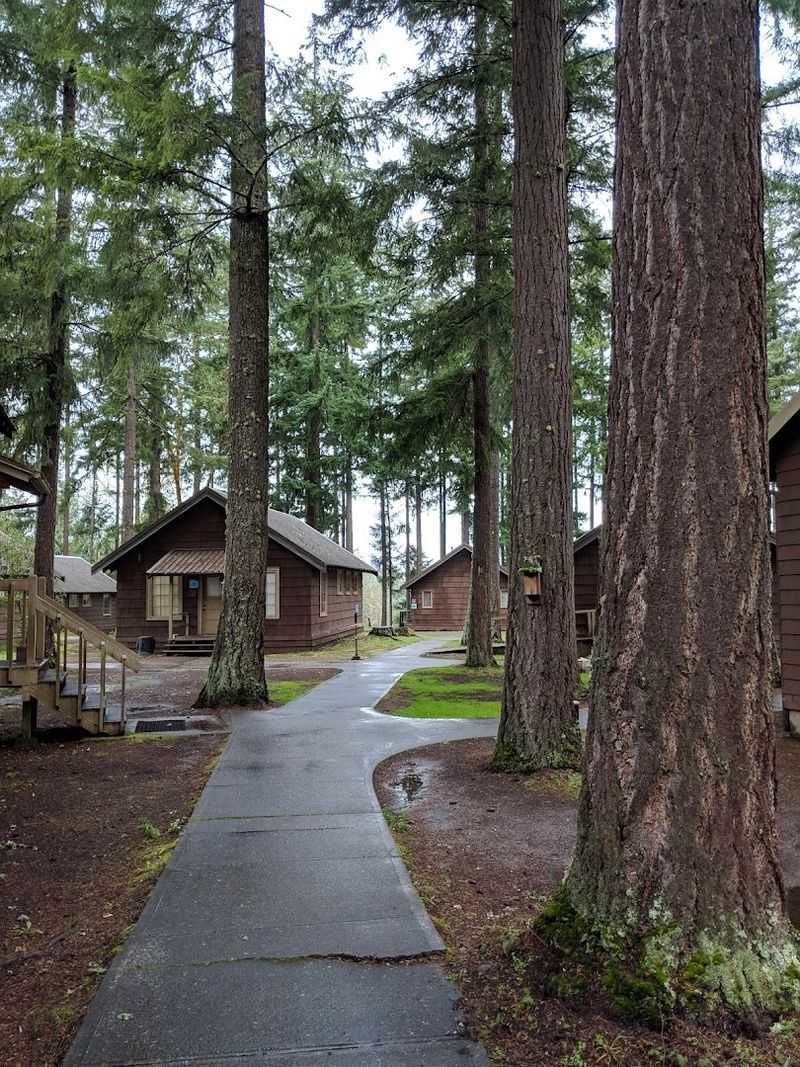
Tours run rain or shine, which is the Pacific Northwest’s polite way of reminding you that a drizzle is not a reason to cancel plans. Packing a light waterproof jacket is a smart move no matter what the morning forecast claims, because conditions in the foothills near Mount Rainier can shift quickly and without much warning.
Closed-toe shoes are required for safety on the rail cycles, so leave the sandals in the car.
Beyond footwear, the essentials list includes water, snacks for the rest stop, sunscreen, a hat, and insect repellent, since the forested corridor is beautiful but does come with its fair share of bugs during warmer months.
Layering your clothing is always a good strategy in this region, as the shade of the forest canopy can feel noticeably cooler than the open parking area at the start. Bringing a small backpack keeps everything accessible without cluttering the cycle.
Arriving prepared means spending the whole ride actually enjoying the forest instead of wishing you had grabbed that extra layer on the way out the door.
Why This Excursion Is Worth The Drive
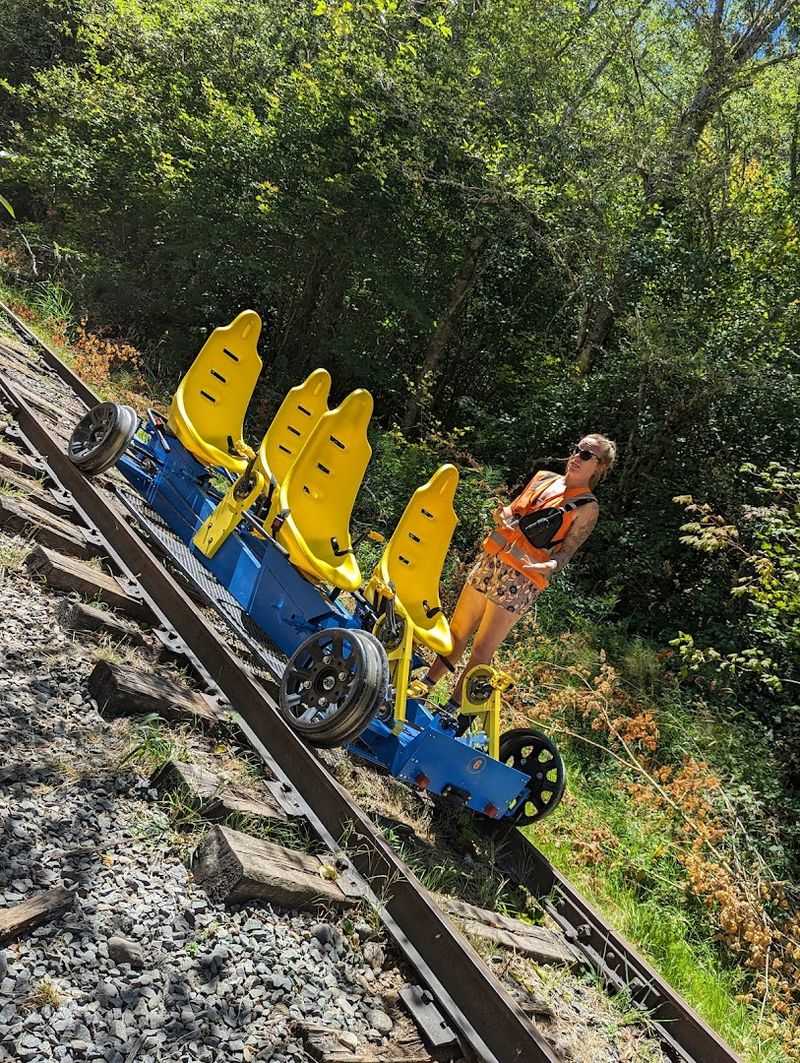
There is a particular kind of satisfaction that comes from doing something slow on purpose. RailCycle Mt. Rainier strips away the noise and speed of modern travel and replaces it with the rhythm of pedaling, the smell of old timber and damp earth, and the kind of scenery that makes you put your phone down voluntarily.
The combination of physical activity, natural beauty, and genuine historical context makes this more than just a novelty ride.
You leave knowing something real about the land you traveled through, the people who worked it, and the railroad that connected it all before the trees grew back and the silence settled in.
For families, couples, or solo travelers willing to make the drive out to Mineral, Washington, the excursion offers a memorable afternoon that does not rely on crowds, screens, or anything requiring a ticket line.
When operations resume following the current improvements, the upgraded fleet and repaired corridor promise to make an already special experience even more polished and worth every mile of the journey out.