
10 North Carolina Counties Where Black Bears Are Becoming A Common Sight
Remember that scene in Over the Hedge where a bear casually strolls into a suburban neighborhood like it owns the place?
North Carolina residents are getting their own version of that story, and it is happening more often than you might expect.
Black bears are pushing into new territory across the Tar Heel State, turning up in places where seeing one was once almost unheard of.
The comeback is remarkable. After their numbers crashed in the mid-20th century, conservation efforts helped restore black bears across much of North Carolina.
Today, bears occupy roughly 60% of the state, while transient bears have been documented in every county, including major cities.
The Piedmont still has relatively few resident bears, but young males roaming in search of territory are changing that picture. And these ten counties are seeing that shift up close.
1. Cumberland County
Security cameras in Fayetteville started catching something unexpected in 2025 and 2026, and it was not a raccoon. A black bear was filmed roaming a residential yard in Cumberland County in May 2026, following an earlier confirmed sighting on East Simpson Street in 2025.
These back-to-back reports signal something worth paying attention to.
Cumberland County, home to Fayetteville and Fort Liberty, sits in the southern Piedmont region. It recorded a notable 2025 bear harvest of 35 black bears, which is one of the higher counts for a Piedmont county.
That number tells a real story about bear presence in this area.
The North Carolina Wildlife Resources Commission classifies the Piedmont as a low-density bear zone overall, but Cumberland’s harvest figures suggest more activity than most neighboring counties. Bears moving through this region are typically young males exploring unfamiliar territory.
If you live in Cumberland County, the NCWRC’s BearWise guidelines are your best friend right now, especially the advice about securing outdoor food sources. The bears are not here to cause trouble.
They are just trying to figure out where they belong.
2. Orange County
Someone in Hillsborough probably had a very surprising start to their morning in May 2026 when a black bear decided to check out the trash situation in their yard. That confirmed sighting in Orange County is part of a broader pattern of bears exploring the Piedmont’s more populated pockets.
Hillsborough, the county seat of Orange County, sits along the Eno River corridor, which provides natural movement routes for wildlife.
Orange County neighbors Durham and sits within the Triangle area, a region where NCWRC biologists have noted increasing bear activity in recent years. The bears moving through here are largely transient, following creek corridors and forested patches between developed areas.
They are opportunistic and curious, which is exactly why unsecured trash becomes such a magnet.
No 2025 harvest data was reported for Orange County specifically, reinforcing the idea that these are passing visitors rather than an established local population. The NCWRC encourages residents to report sightings through their online portal, which helps biologists track movement patterns across the region.
Orange County’s mix of rural edges and suburban growth makes it a natural corridor for bears on the move. Keep those lids locked.
3. Richmond County

Richmond County does not have a headline-grabbing 2026 bear sighting on record yet, but that does not mean it is off the map. Located in the south-central Piedmont, Richmond County shares borders with counties that have seen confirmed bear activity, and the general trend of range expansion puts it squarely in the conversation.
Bears do not read county lines.
The NCWRC’s 2025 harvest data does not list a specific count for Richmond County, which is consistent with low-density Piedmont classification. However, young male bears dispersing from more established populations to the east and west are known to pass through exactly this kind of transitional landscape.
Rockingham, with its open farmland and scattered pine stands near Hamlet and Rockingham city, offers the kind of mixed habitat that transient bears navigate.
Think of Richmond County as a bear corridor in progress. The NCWRC monitors all 100 North Carolina counties for bear presence, and public sighting reports from residents are a key part of how biologists build that picture.
If you spot a bear near Hamlet or anywhere else in Richmond County, reporting it through ncwildlife.org helps scientists understand where the range is heading next. Every sighting matters to the bigger story.
4. Rockingham County
Rockingham County made it onto a lot of people’s radar in June 2026 when the county government actually posted security footage of a bear wandering through the Willow Oaks neighborhood off Highway 150. That is not something you see every day from a county government’s social media page, and it got attention fast.
A separate report from the Elon Police Department also logged a bear sighting on West Trollinger Avenue around the same time.
NCWRC wildlife experts were quick to explain that June sightings like these are largely seasonal. Young bears fanning out during breeding season are the most common explanation for sudden suburban appearances in the Piedmont Triad area.
Rockingham County, which stretches from the Virginia border down through Wentworth and Eden, has the kind of wooded edge habitat that these traveling bears favor.
No 2025 bear harvest data was listed for Rockingham County in NCWRC reports, keeping it in the transient-activity category rather than an established breeding zone. Still, multiple confirmed 2026 sightings in a single month puts Rockingham on the map in a real way.
The best thing residents can do is stay calm, give bears space, and never approach one. Rockingham County is officially bear country now, at least part of the year.
5. Durham County

Picture this: a black bear casually strolling through a Durham subdivision, caught on video near Sandy Creek Park and Highway 501 in April 2026. That footage made the rounds quickly, and for good reason.
Seeing a bear in one of North Carolina’s most urban counties is the kind of thing that makes people do a double-take at their morning coffee.
NCWRC biologists noted at the time that bear movements through Durham and the broader Triangle region are becoming more common as the Piedmont range expands.
Sandy Creek Park, located along the western edge of Durham near the Orange County line, sits within a natural green corridor that connects forested areas.
Bears following that corridor can end up surprisingly close to busy roads and neighborhoods.
Durham County does not appear in the 2025 NCWRC harvest data, which aligns with the understanding that these are transient bears rather than a resident breeding population. The key takeaway for Durham residents is that bears spotted in the area are almost always just passing through.
Removing attractants like bird feeders and outdoor food is the most effective step anyone can take. Durham’s urban-edge geography makes it a fascinating case study in how wildlife and city life are learning to share space.
6. Mecklenburg County
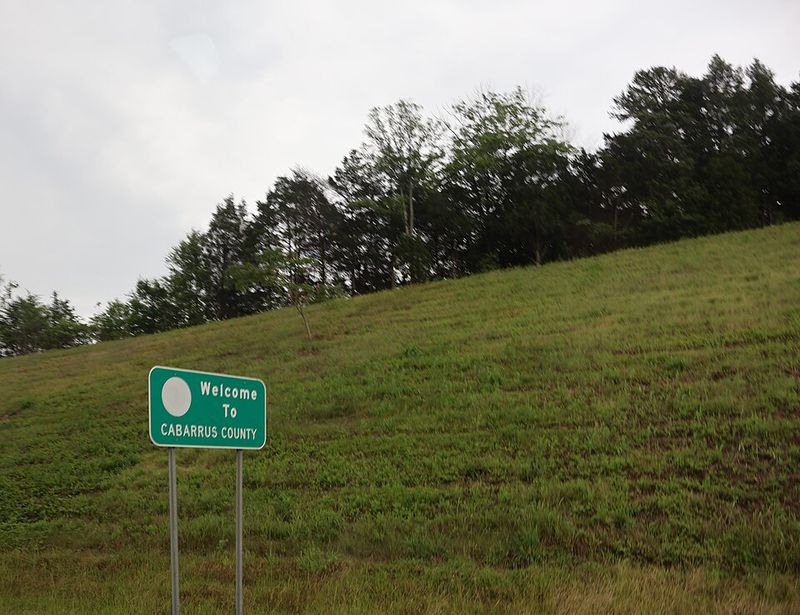
Charlotte is many things: a banking hub, a NASCAR city, and apparently, a place where bears help themselves to bird feeders. In May 2026, video circulated of a bear snacking from a feeder in the Highland Creek neighborhood, one of Charlotte’s northeastern suburbs.
It was equal parts surprising and adorable, and it sparked a wave of conversations about bear behavior in urban areas.
An NCWRC biologist explained that this kind of behavior is completely typical for young male bears exploring new territory in late spring. Mecklenburg County, which includes Charlotte and sits in the southern Piedmont, is not historically known as bear territory.
But the 2026 sightings, along with reports from the broader Charlotte region through July, show that bears are increasingly comfortable navigating suburban landscapes.
A district biologist covering Mecklenburg County noted that a bear moving through a populated area is not typically an emergency. The recommended response is to leave the bear alone and remove anything that might attract it to return.
No 2025 harvest data was listed for Mecklenburg County, consistent with its status as a low-density, transient-activity zone. Charlotte’s greenway system and creek corridors provide natural travel routes, making it easier for bears to move through the county than most residents would ever expect.
7. Granville County
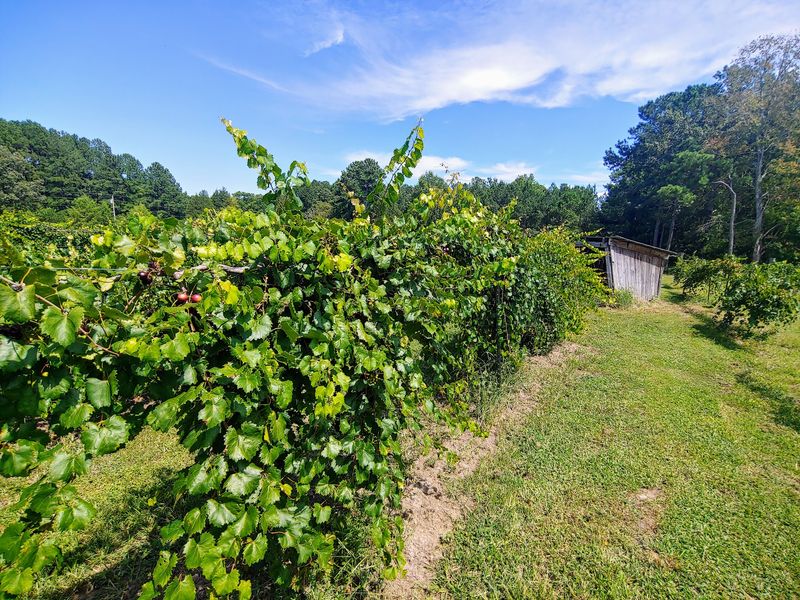
Granville County sits in the northern Piedmont, pressed up against the Virginia state line, and it falls within one of the most actively monitored bear districts in North Carolina.
NCWRC Biologist Greg Batts manages a territory that stretches from Wake County north to Virginia and east to I-95, putting Granville County right in the middle of an area where bear range expansion is being closely tracked.
No specific 2026 sightings for Granville County appeared in available reports, and 2025 harvest data was not listed for the county either.
That said, the surrounding counties and the broader region are seeing increased bear movement, and Granville’s mix of farmland, timber tracts, and creek bottoms near Oxford and Creedmoor makes it a realistic corridor for transient bears moving south from Virginia.
The NCWRC actively uses public sighting reports to map bear presence across all 100 counties, and Granville is part of that ongoing picture. Bears crossing from Virginia into North Carolina through this northern corridor are a documented phenomenon.
Granville County may not have headlines yet, but it is positioned exactly where the range expansion story is heading. Watching this county over the next few seasons will be genuinely interesting for anyone following North Carolina’s bear population trends.
8. Warren County
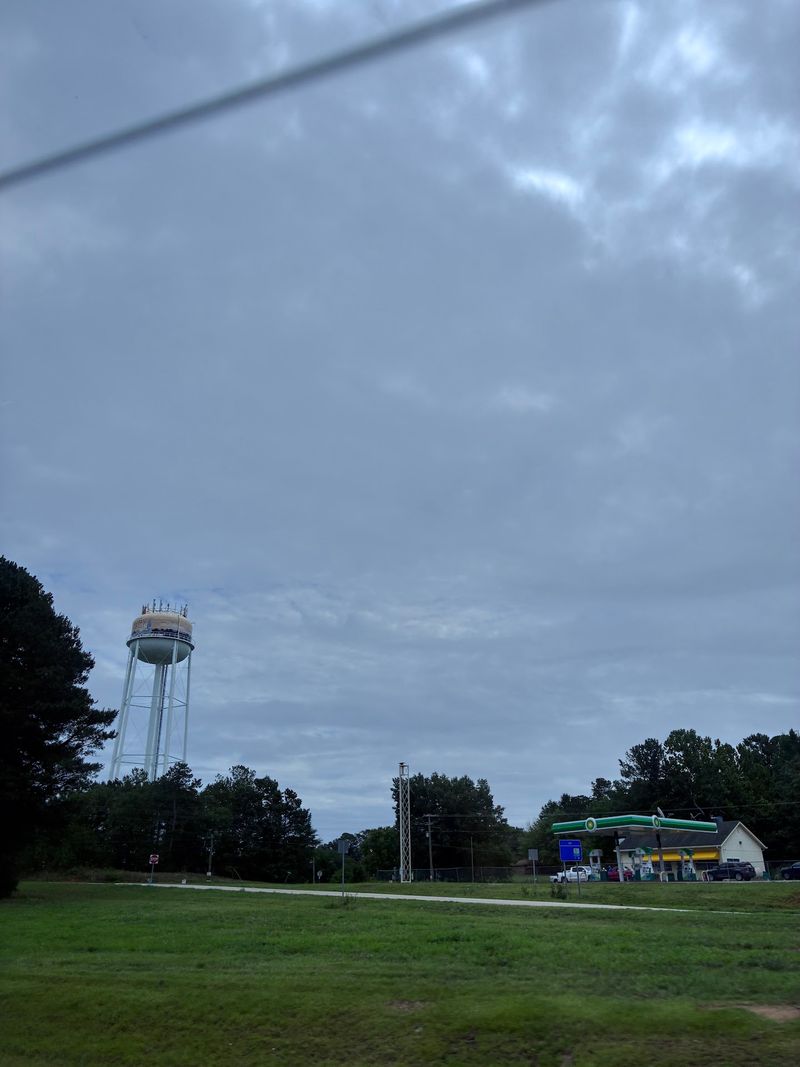
Warren County is one of those places where the landscape does the talking. Tucked into the northeastern Piedmont near the Virginia border, it is a county defined by tobacco farms, river bottomlands, and dense pine forests.
All of that habitat is exactly what a wandering bear is looking for when it sets out to find new territory.
No specific 2026 sightings have been reported for Warren County in available information, and it does not appear in the 2025 NCWRC harvest data either.
Like Granville County to its west, Warren falls within the northern Piedmont zone that biologists are watching closely as the bear range continues its southward and westward push from established mountain and coastal populations.
The Roanoke River corridor, which runs through the county near Warrenton, creates a natural wildlife highway. Bears following river bottoms and forested edges can cover impressive distances without ever stepping into open suburban terrain.
Warren County’s relatively rural character means that if bears do establish a stronger presence here, residents may notice signs, like overturned logs or scratched trees, before they ever see an actual bear. That quiet kind of presence is often how expanding populations announce themselves first.
Warren County is worth watching closely.
9. Stokes County
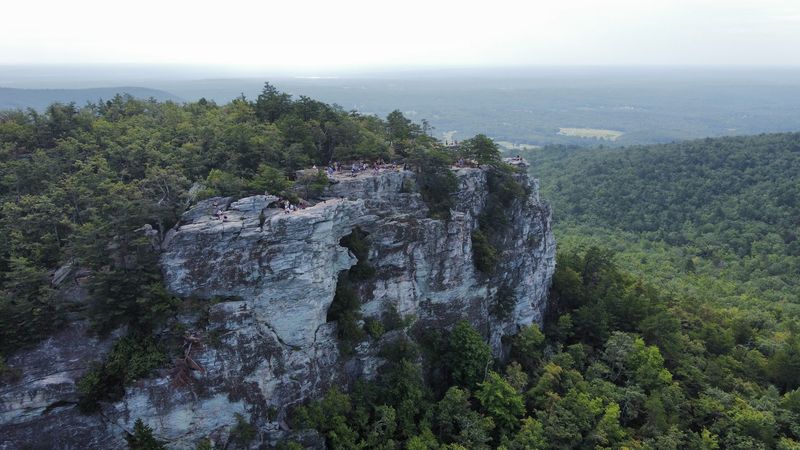
Stokes County sits at the northern edge of the Piedmont Triad, sharing a border with Virginia and nestled against the foothills of the Blue Ridge. That geography alone makes it one of the more likely spots in the Triad region to see a bear wandering through.
The county’s dense forests around Hanging Rock State Park provide exactly the kind of cover that bears favor when they are on the move.
The Piedmont Triad area saw a notable uptick in bear sightings in June 2026, with NCWRC District Biologist Dr. Joe Folta confirming increased activity across the broader region he manages. While Stokes County was not named explicitly in individual 2026 reports, it sits within that active zone.
The county’s rural character, with farms and woodlands stretching from Danbury toward King, gives bears plenty of quiet routes to travel.
No 2025 harvest data was listed for Stokes County in NCWRC reports, which places it in the same low-density, transient category as most Piedmont counties. Hanging Rock State Park, located off State Road 1001 near Danbury, is a logical anchor point for bear activity in the area.
Anyone hiking those trails in early summer should stay alert and follow standard BearWise practices. Stokes County’s wild edges are quietly becoming a real part of North Carolina’s expanding bear story.
10. Person County
Person County does not always make the wildlife headlines, but its location tells an interesting story.
Bordering Virginia to the north and sitting in the northern Piedmont just east of Granville County, Person County is positioned right along one of the natural corridors that bears use when dispersing southward from Virginia into North Carolina.
The county’s forests around Roxboro and the Hyco Lake area provide solid cover for traveling wildlife.
NCWRC Biologist Greg Batts, whose district covers this part of the state from Wake County north to Virginia, monitors bear activity across Person County as part of his broader territory.
No specific 2026 sightings have been reported for the county in available data, and it was not listed in the 2025 harvest figures either.
That is consistent with the low-density Piedmont classification the NCWRC applies to this region.
What makes Person County worth including in this conversation is its geography. It is a natural bridge between the more established bear populations in Virginia and the expanding Piedmont range in North Carolina.
As that expansion continues at three to five miles per year, counties like Person become the next chapter in the story. Are you keeping an eye on the woods behind your house in Roxboro?
Because the bears just might be keeping an eye on you too.