
This Pennsylvania Forest Is One Of The Top Places To Hear Wild Elk Bugling This Fall
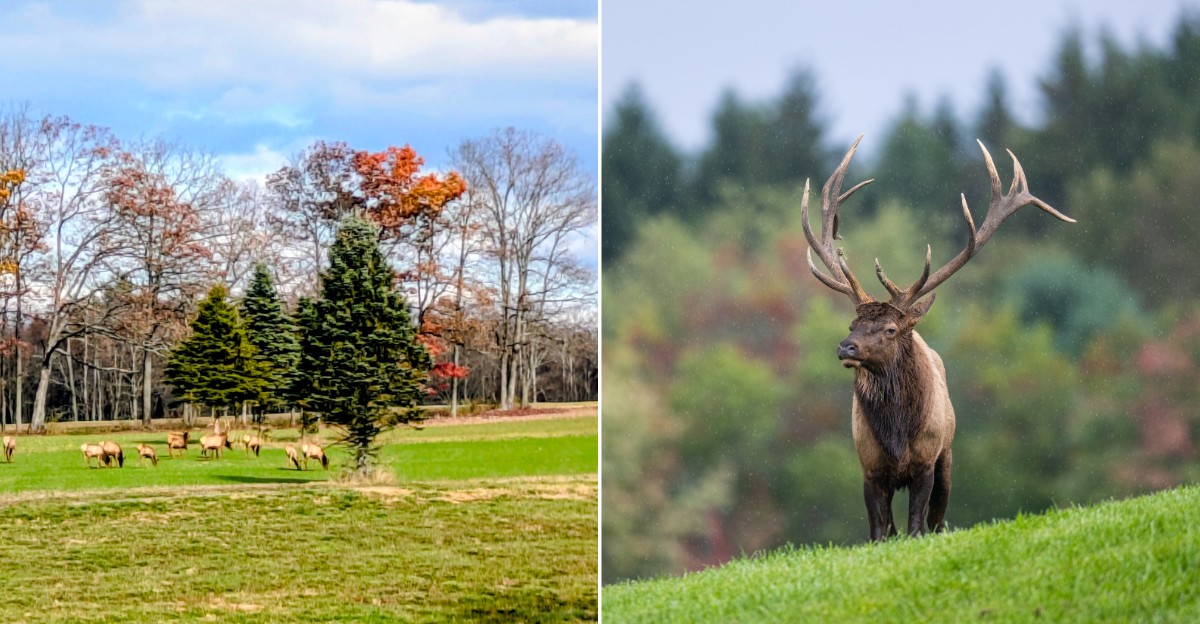
The sound carries before you ever see what made it.
On a cool fall morning in Pennsylvania, that deep, eerie bugle can roll through the forest and stop a conversation cold.
It is one of those wildlife moments that turns a quiet outing into something you remember for years. The season helps too.
Crisp air, changing leaves, and the chance to hear elk calling across the distance give the whole trip a little extra electricity without needing anything staged.
I still remember the first time I heard an elk bugle in the wild. For a second, I honestly could not place the sound.
It seemed too big, too strange, and too close all at once. Then someone whispered what it was, and everyone around me went silent.
I barely moved because I did not want to miss the next call.
That memory stuck with me, and I would happily stand in the cold again just to hear that sound cut through the trees one more time.
A Herd That Came Back From Almost Nothing
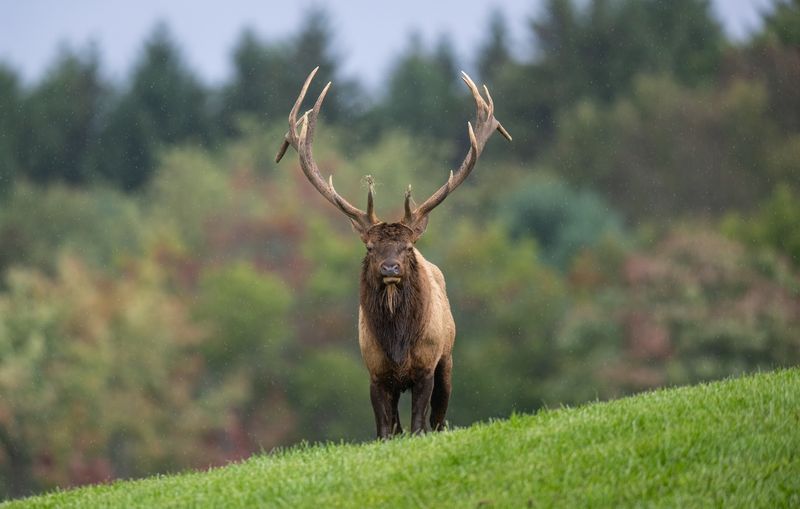
Elk once roamed across Pennsylvania freely, but by the 1870s the native herd was gone from the state entirely.
Hunting pressure and cleared land left the ridges empty of them for decades.
Then, between 1913 and 1926, wildlife officials brought in elk from Yellowstone and a few private preserves and released them in the northern counties. Only about fifty animals made up that original shipment.
Today the herd numbers well over a thousand animals, and much of that range sits inside Elk State Forest and the surrounding public land.
That makes it the largest free-roaming elk herd anywhere in the northeastern United States. Knowing that history changes how the bugling feels.
Every call echoing off those hillsides traces back to a handful of transplanted animals that somehow managed to hang on through hard winters and thin food years.
When you stand at a field edge in October listening, you are hearing a comeback story that took more than a century to finish.
Roughly 200,000 Acres Of Rugged Ridge Country
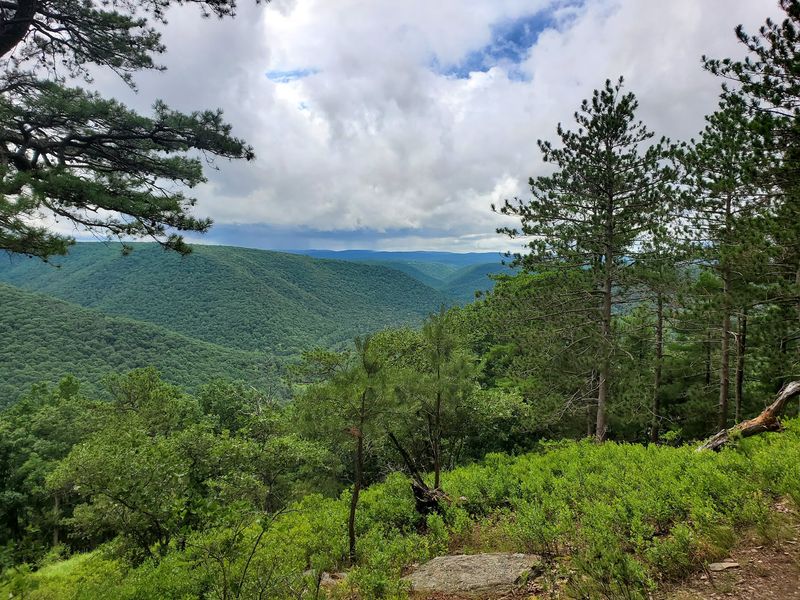
Big does not quite cover it. The forest spreads across roughly 200,000 acres, stretching through Elk, Cameron, Potter, and McKean counties in the northern part of the state.
Most of it is second-growth hardwood, heavy on oak, with cherry, maple, and hemlock filling the shaded draws.
Steep hollows drop away from flat ridge tops, which is why the elk calls carry so far and seem to come from everywhere at once.
Driving through, I kept passing gravel roads that vanished into the trees with no sign of a house for miles.
The district office is in Emporium, PA 15834, which gives you a more useful anchor for navigating this broad forest landscape.
All that space matters for the animals. Elk need room to move between feeding meadows and bedding cover, and Pennsylvania public land gives them exactly that without fences in the way.
Pack a paper map, because the forest is far larger than your phone screen suggests.
Mid September Through Mid October Is Bugling Season
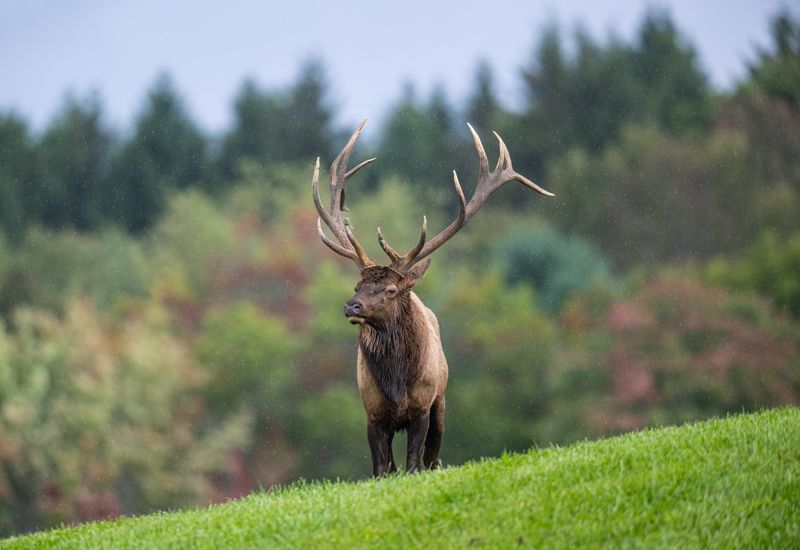
Timing is everything with this trip. The elk rut, which is the breeding season, runs from roughly mid September into the middle of October, and that is when the bugling peaks.
Bulls call to gather cows, warn off rivals, and generally announce that they are the biggest thing on the hillside.
The sound starts as a low grunt, rises into a piercing whistle, then drops into a series of short chuckles.
Late September tends to be the sweet spot. I hit the last week of the month and heard three different bulls answering each other across one valley before the sun cleared the ridge.
Outside that window the elk are still around, just far quieter. November and winter bring good viewing at feeding areas, but the dramatic soundtrack fades away.
If you can only make one trip to this corner of Pennsylvania all year, aim for those few weeks when the whole forest seems to be shouting.
Dawn And Dusk Are When The Forest Talks
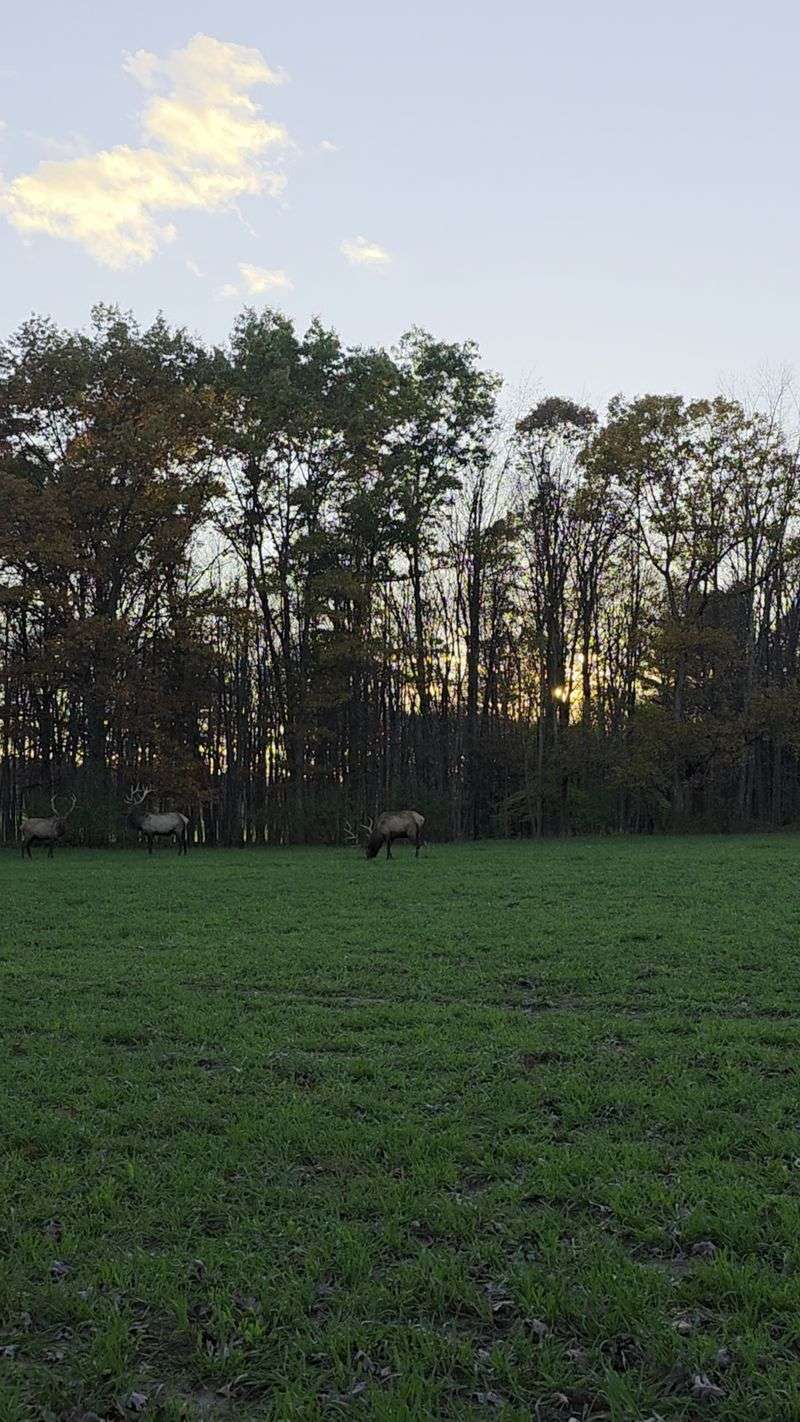
Set your alarm earlier than feels reasonable.
Elk are most active in the hour around sunrise and again in the last hour of daylight, and their calling follows the same pattern.
Midday visits usually mean empty meadows and quiet woods, because the animals move into shaded timber to rest and chew.
I learned that the hard way during a hot afternoon that produced nothing but chipmunks.
Cool mornings work best of all. Frost on the grass, mist sitting low in the hollows, and a bugle rolling through it is the combination people drive hundreds of miles for.
Bring layers, since September mornings in these mountains can start near freezing and hit seventy by lunch. A thermos and a folding chair make the wait genuinely pleasant.
Evenings have their own charm, with bulls stepping into fields as the light goes orange. Just plan your drive out carefully, because the gravel roads get very dark very fast.
Meadows And Food Plots Draw The Biggest Crowds Of Elk
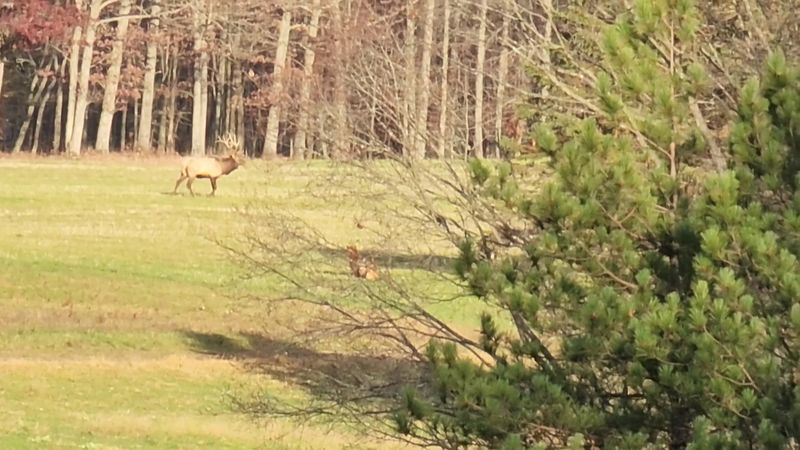
Open ground is your friend here. Land managers maintain grassy meadows, old reclaimed strip mine benches, and planted food plots scattered through the forest specifically to give elk good grazing.
Those clearings are also where you actually get to see the animals instead of just hearing them.
A bull herding a dozen cows across an open field at first light is a sight that sticks with you.
Winslow Hill near Benezette sits at the heart of the region’s viewing areas and draws steady traffic each fall.
Quieter spots deeper inside the state forest reward anyone willing to drive a bit farther on gravel.
Scan field edges rather than the middle. Elk often stand half hidden in the brushy border, and a pair of binoculars turns brown smudges into antlers.
Patience pays more than mileage. I saw more by sitting still at one meadow for ninety minutes than by hopping between five different pullouts.
Hiking Trails Put You Deep In Elk Territory
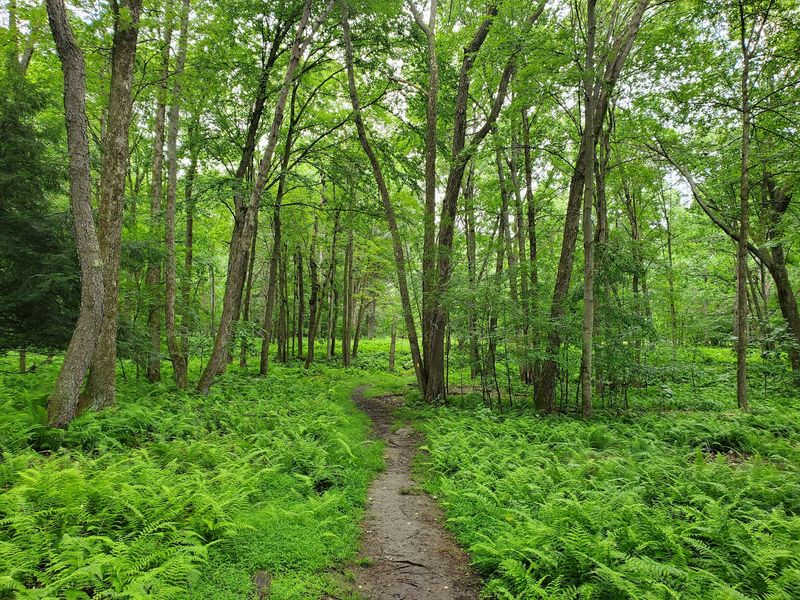
Walking beats driving if you want the wild version of this experience.
Long-distance footpaths thread through the region, including sections of the Quehanna Trail and the Bucktail Path, plus shorter loops and old logging grades.
Backpackers who camp out during the rut often wake to bugling somewhere below their tent, which is a far better alarm clock than a phone.
The terrain is steep, so plan shorter daily mileage than you might elsewhere.
Elevation changes come fast in these hollows, and water sources can run low by late summer. Carry more than you think you need and filter from streams when you can.
Trail markings are decent but not constant, so a compass and printed map earn their place in your pack. Cell coverage drops out across most of the forest.
Nothing quite matches hearing a bull call while you are three miles from the nearest road with nobody else around.
Some Of The Darkest Night Skies In The East
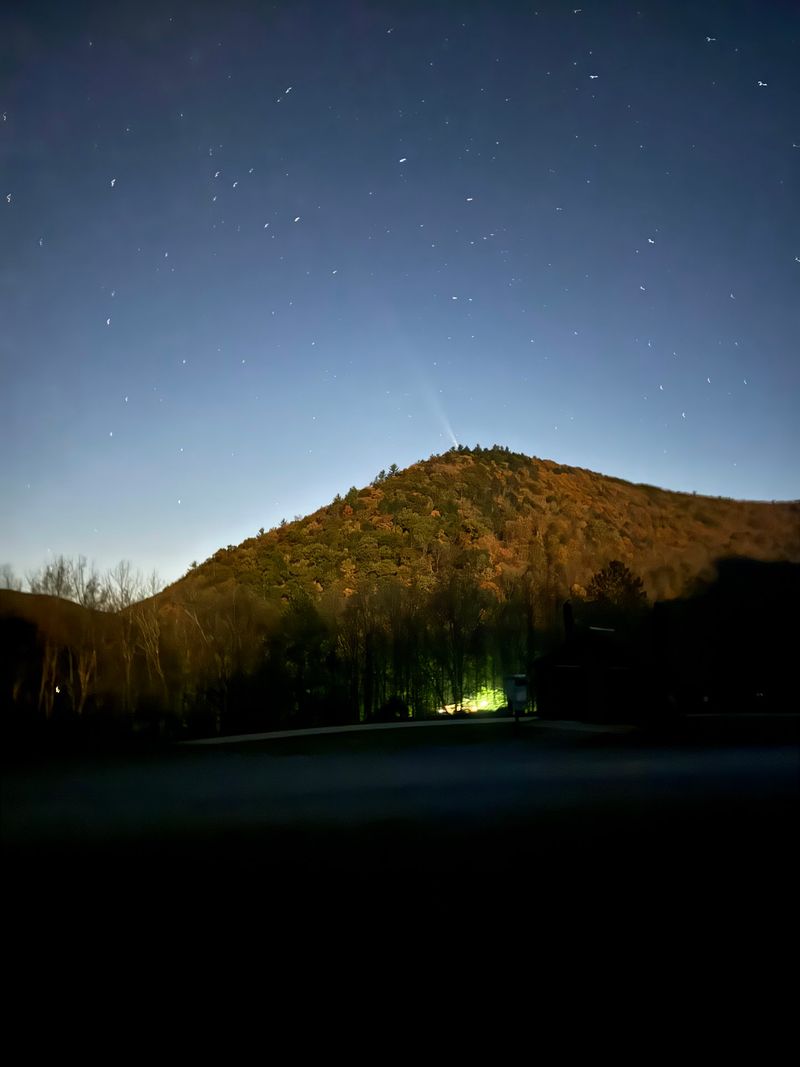
Stick around after sunset and a second show begins overhead.
Light pollution is almost absent across this part of northern Pennsylvania, and the Milky Way shows up as a bright band rather than a faint smudge.
Cherry Springs State Park, famous for stargazing, sits nearby in Potter County and draws astronomers from all over.
But you hardly need a designated spot when any wide gravel pullout will do.
Fall works especially well because the air is drier and the nights are long. Just remember that clear skies also mean cold, so grab an extra blanket.
Listening in the dark adds another layer. Bugling sometimes continues well into the night, and hearing it without being able to see anything is oddly thrilling.
Keep your headlights and flashlight use low so your eyes adjust and you avoid disturbing wildlife. Red light beats white every time out here.
Elk Are Not The Only Big Animals Around
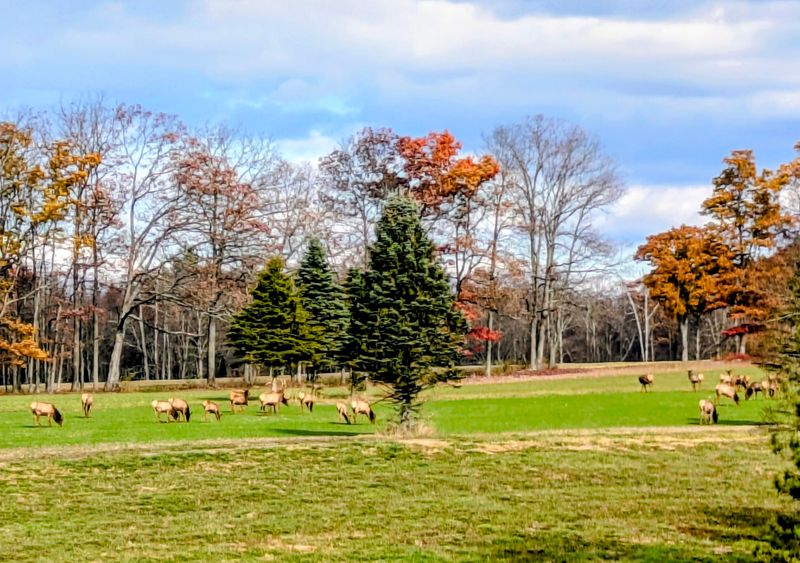
Bulls may headline the show, but the supporting cast is impressive.
Black bears roam these hollows in solid numbers, and sightings of a sow with cubs crossing a forest road are not unusual.
Whitetail deer are everywhere, along with turkeys, coyotes, bobcats, and fishers.
Bald eagles and osprey work the bigger creeks, and grouse explode out of the brush just often enough to startle you.
All of that wildlife means driving with real attention, especially at dawn and dusk when animals cross without warning. Log trucks also use some of these roads, so take the curves slowly.
Store food properly if you camp, and never leave a cooler sitting out overnight. Bears here are curious and have excellent noses.
Honestly, part of the fun is not knowing what will step out of the trees next. I came for elk and ended up watching a bobcat slip across a grassy bench at dusk.
Keep Your Distance And Let The Bulls Be Bulls
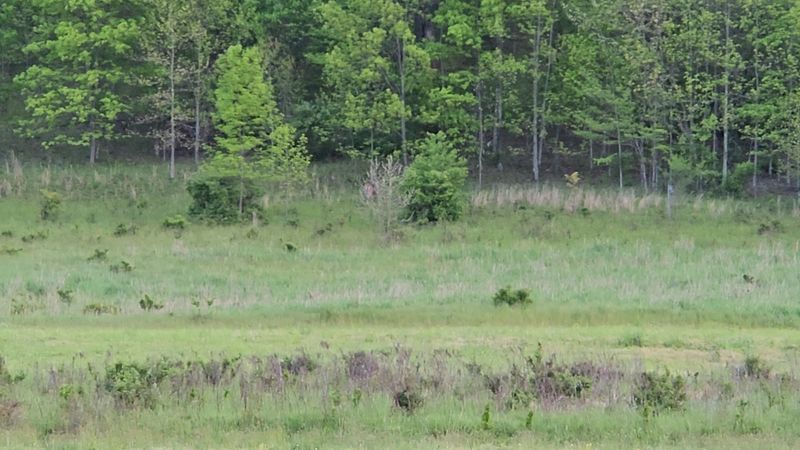
A bull elk can weigh over 700 pounds and carry antlers wider than a car hood.
During the rut those animals are running on pure attitude, and they do not appreciate visitors crowding them.
Wildlife officials recommend staying at least 100 yards away, which sounds far until you watch a bull tear up a sapling with his antlers.
Use binoculars or a long camera lens instead of walking closer.
Never get between a bull and his cows, and never try to imitate a bugle to draw one in. If an elk pins its ears back or starts pawing the ground, back away calmly.
Feeding elk is illegal and genuinely harmful, since it makes them bold around roads and people. Stay in your vehicle when they are close.
Respect keeps everyone safe and keeps the herd behaving naturally, which is exactly why people travel to Pennsylvania to see them in the first place.
Practical Notes Before You Point The Car North
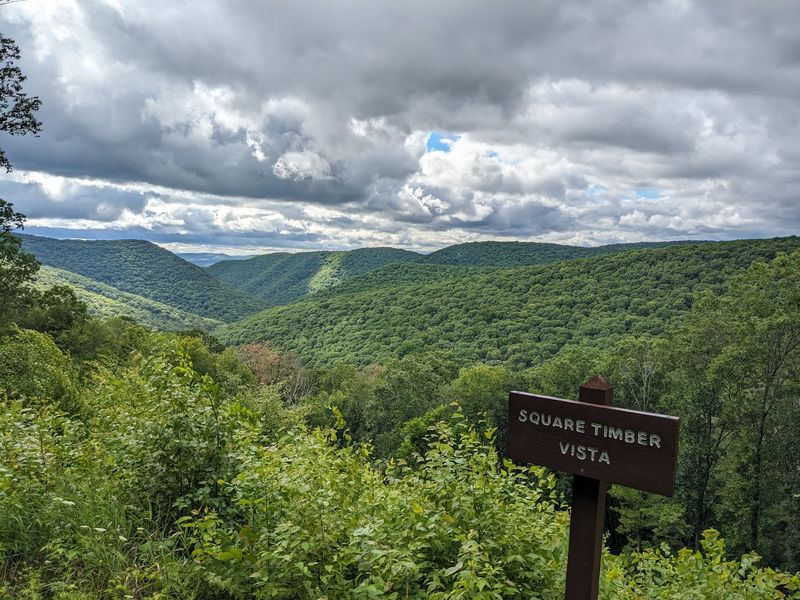
Fill your gas tank before you head in. Stations are genuinely scarce across these counties, and a low fuel gauge on a remote gravel road turns a fun day into a stressful one.
Cell service is patchy at best, so download maps ahead of time and tell someone your plans. A paper forest map from the state agency is worth grabbing.
Primitive camping is allowed in much of the state forest with the proper permit for longer stays, and nearby state parks offer campsites with facilities.
Weekends during peak rut get busy, so arrive early for parking at popular viewing areas.
Roads range from paved to rough dirt, and a few routes really do want a higher-clearance vehicle. Watch for washouts after heavy rain.
Bring binoculars, warm layers, snacks, and more patience than usual. The elk of Elk State Forest keep their own schedule, and waiting quietly is half the reward.