
North Carolina Shoppers Are Looking Beyond Supermarkets For These Farm-Fresh Finds
Seventy-five acres. That’s how much room one farmers market needs to hold its farm sheds, restaurants, garden shop, and a busy wholesale side.
It opens every day of the year, closing only on Christmas Day. Rain, heat, or a chilly January morning, the gates still swing open at 8 AM.
Local growers sell straight from their own farms in one area. A climate-controlled building nearby fills in with produce shipped from around the country.
I like how a single trip can cover a sweet potato from down the road and a citrus haul from far away.
Then there’s the breakfast question. A restaurant on the grounds is known for its real biscuits, and it sits just steps from the produce stalls.
Who plans a grocery run around a biscuit? Plenty of North Carolina folks, apparently.
Farmers Sell Straight From Their Own Fields Here
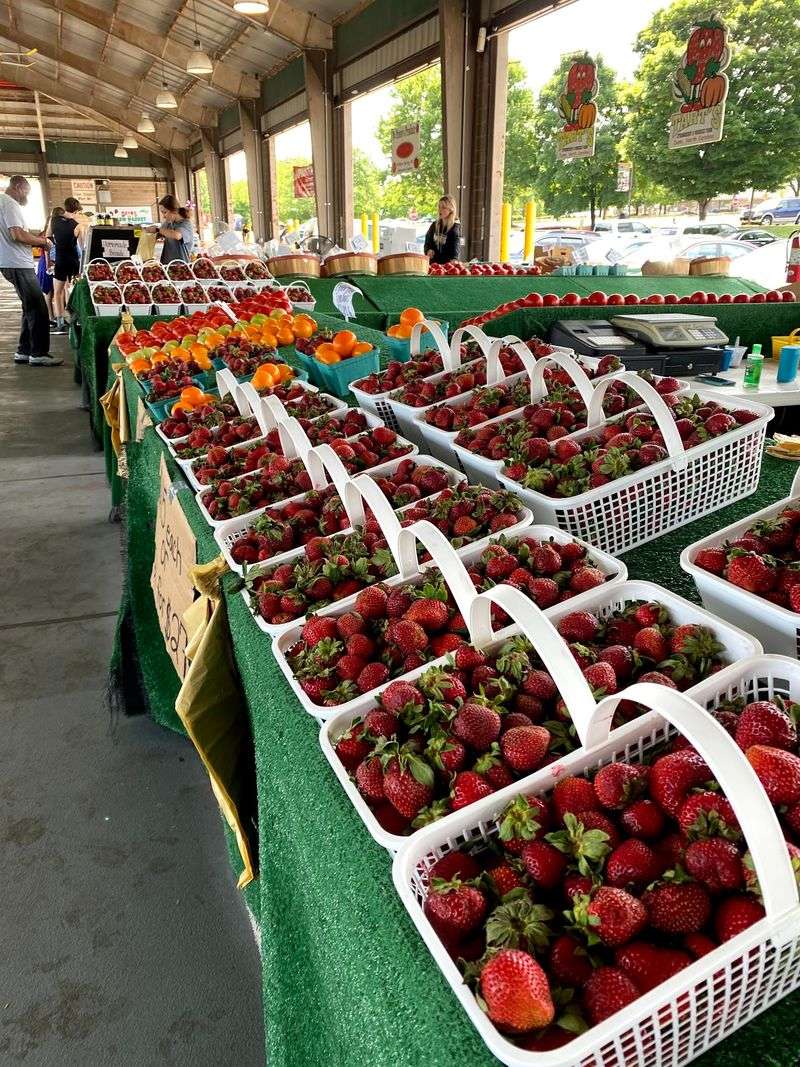
Shaking hands with the person who grew your tomatoes beats reading a sticker any day. At the State Farmers Market in Raleigh, the Farmers Building is set aside for North Carolina growers selling their own crops.
That means the stand in front of you is often the farm itself. You can ask how something was grown and get an answer from someone who was there.
The selection follows the calendar, which is half the fun. Strawberries show up in spring, while peaches and tomatoes take over in summer.
Fall brings apples, pumpkins, squash, and sweet potatoes in serious piles.
Collards and other hearty greens keep things lively in cooler months. Winter is quieter, but the market stays open every day of the year.
A smart move is to take one slow lap before buying anything. Prices and varieties can change from one table to the next.
Many stands take cards and tap payments, though carrying some cash never hurts.
Bring a sturdy bag or two, maybe a cooler in summer. Fresh produce has a sneaky habit of multiplying in your arms.
Nobody plans on buying three kinds of peppers, yet here we are.
A Climate-Controlled Building Keeps The Variety Rolling
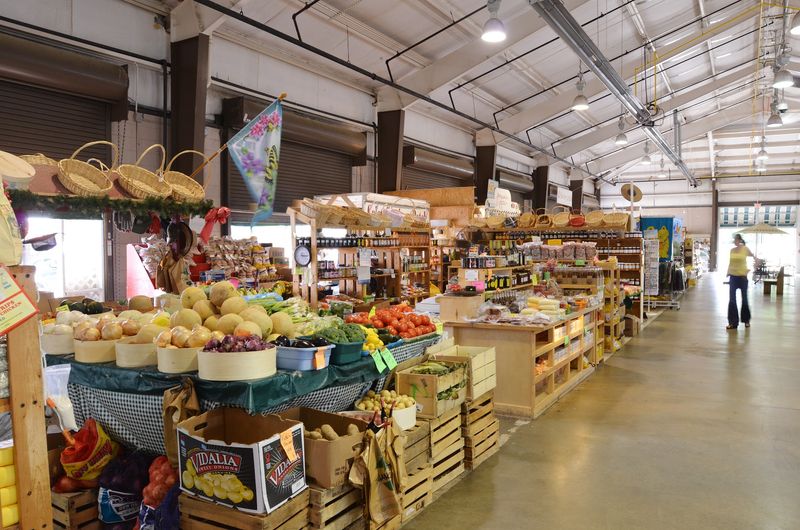
Some days you want a local peach, and some days you want a lemon. The market solved that problem with a separate climate-controlled building packed with produce from beyond state lines.
Think of it as the wider world’s produce aisle, just without fluorescent supermarket gloom. Fruits and vegetables that North Carolina can’t grow, or can’t grow right now, land here.
That makes the State Farmers Market useful in every season. January shoppers aren’t stuck with only what survives a frosty field.
They can grab winter greens from a local grower, then walk over for citrus or avocados.
The indoor setup is also a relief on sticky summer afternoons. A few minutes of cooler air can reset a shopping trip nicely.
Here’s a practical tip for meal planning. Start with the local stands for what’s in season, then fill gaps indoors.
You’ll build a fuller grocery list without bouncing between stores.
Labels and vendor signs usually tell you where things come from. If buying local matters to you, check before you pay.
If you simply need limes for taco night, well, mission accomplished.
Breakfast Comes With A Side Of Real Biscuits
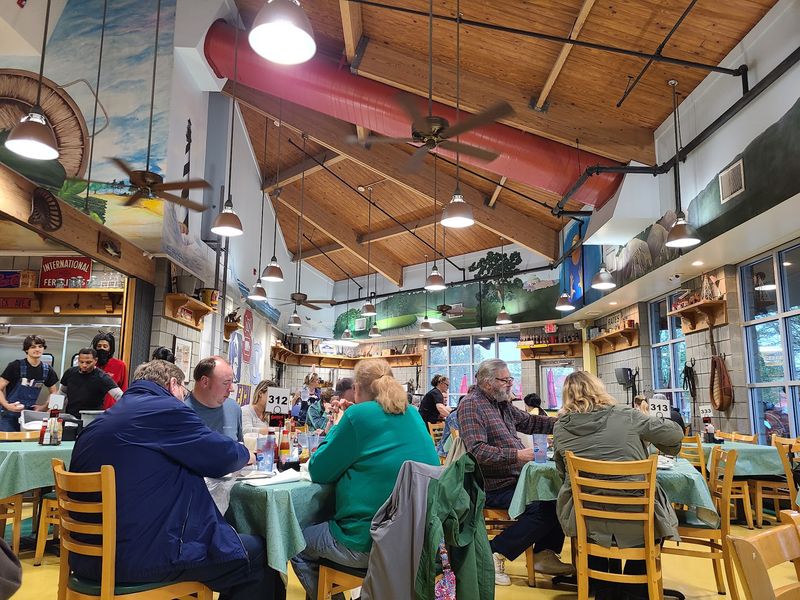
Real biscuits. They’re a signature attraction at the State Farmers Market Restaurant, which sits on the market grounds.
The restaurant serves classic Southern home cooking, and breakfast is a big draw. Biscuits are clearly the star, as any place with realbiscuits for a web name would hope.
Eating first is a strategy, not a delay. Shopping hungry leads to questionable decisions, like buying four pies before lunch.
A plate of Southern comfort food keeps your judgment steady and your energy up.
It also makes the trip feel like an outing rather than a chore. Breakfast, a stroll, a bag of produce, and you’re home before noon.
Weekend mornings are prime time for many families. If you’d like a calmer start, consider a weekday visit when your schedule allows.
Market hours differ on Sundays, and individual restaurants and shops have their own schedules, so check before planning your visit.
After eating, walk straight to the produce sheds while the selection is fresh. You’ll be full, happy, and a little less likely to impulse buy.
Notice I said a little. Biscuits can only do so much.
Seafood Lovers Get Their Own Dedicated Stop
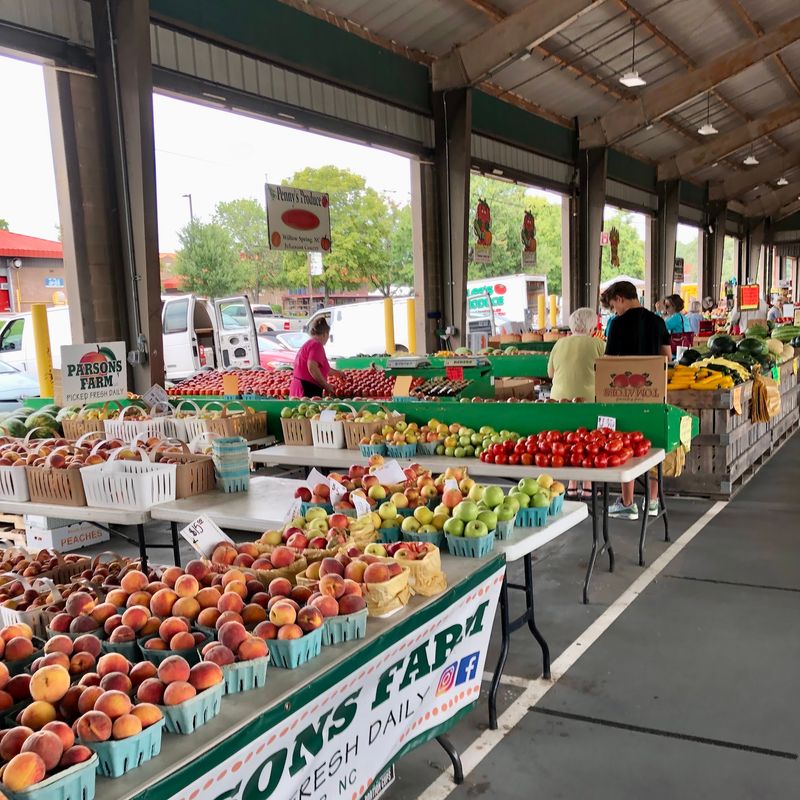
Raleigh sits a solid drive from the coast, yet fresh seafood is right here at the market. Seafood is one of the most talked-about parts of the grounds, and for good reason.
The market includes a seafood restaurant and seafood vendors alongside the produce. That combination is handy for anyone planning a full dinner in one stop.
Picture the grocery logic for a second. Fish from one counter, fresh vegetables from a farm stand, and fruit for dessert.
That’s a complete meal without a single supermarket checkout line.
North Carolina has a long seafood tradition, so it fits nicely with everything else here. Ask vendors what’s freshest that day and how they’d cook it.
If you’re buying fish, plan for the ride home. A cooler with ice packs in the car makes a huge difference on warm days.
Shop for seafood last, after your produce, so it spends less time out.
Not up for cooking? The seafood restaurant on site offers a sit-down option.
Sometimes the best recipe is letting someone else handle the frying while you guard your bag of peaches.
Your Garden Might Need Its Own Shopping Cart
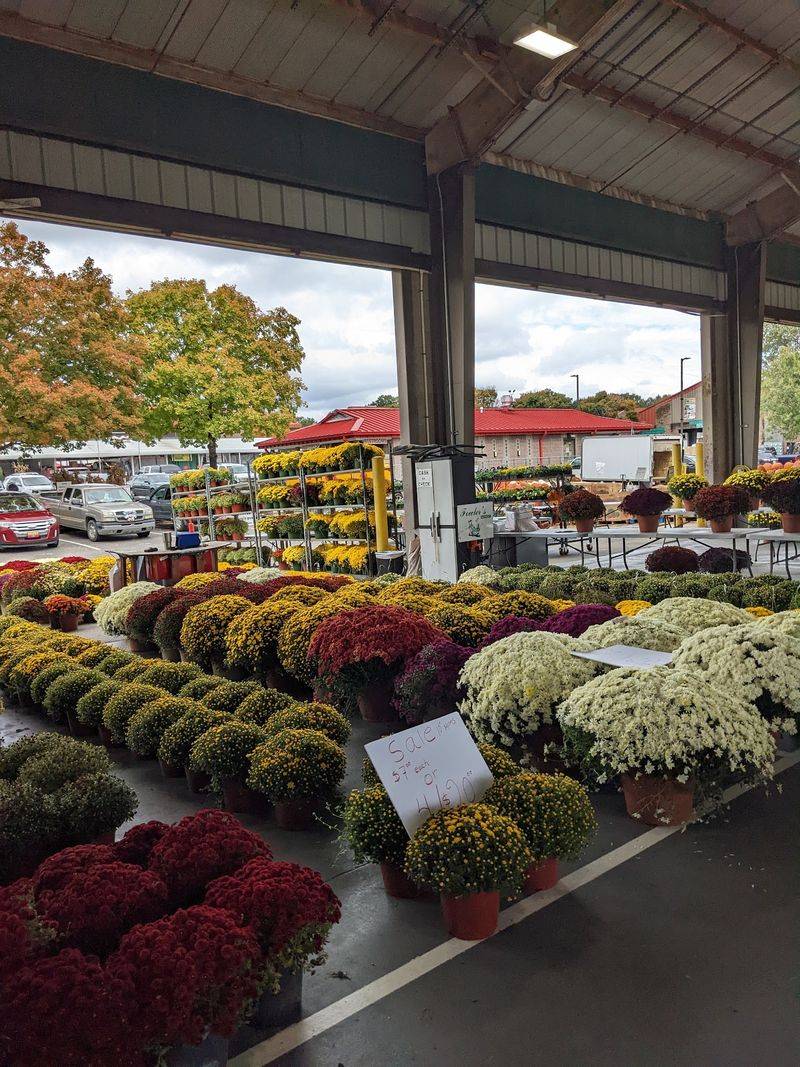
Plants might be the market’s sneakiest temptation. You came for squash, and somehow a fig tree is riding home in the back seat.
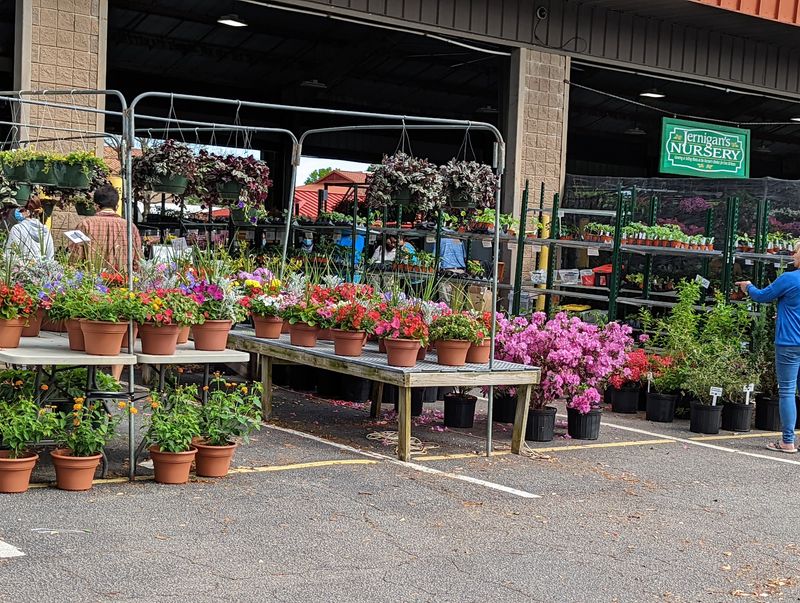
The State Farmers Market has a big plant scene, especially in spring. Flowers, herbs, vegetable starts, hanging baskets, and fruit trees all make appearances depending on the season.
A garden shop on the grounds adds even more choices for home growers. It’s a natural fit for a place built around North Carolina agriculture.
Buying plants grown for this climate can give your garden a better start.
Fall brings its own decorating crowd too. Mums and pumpkins turn porches festive fast, and the market carries plenty of both.
A little planning goes a long way here. Measure your space before you shop, so you don’t buy a tomato jungle for a tiny balcony.
Snap a photo of your yard’s sunny and shady spots.
Don’t be shy about asking growers for care tips. They know which plants handle Raleigh summers and which ones sulk in the heat.
Their advice is free, and your future zucchini will thank you.
Honey, Jams, And Pantry Treasures Fill The Gaps
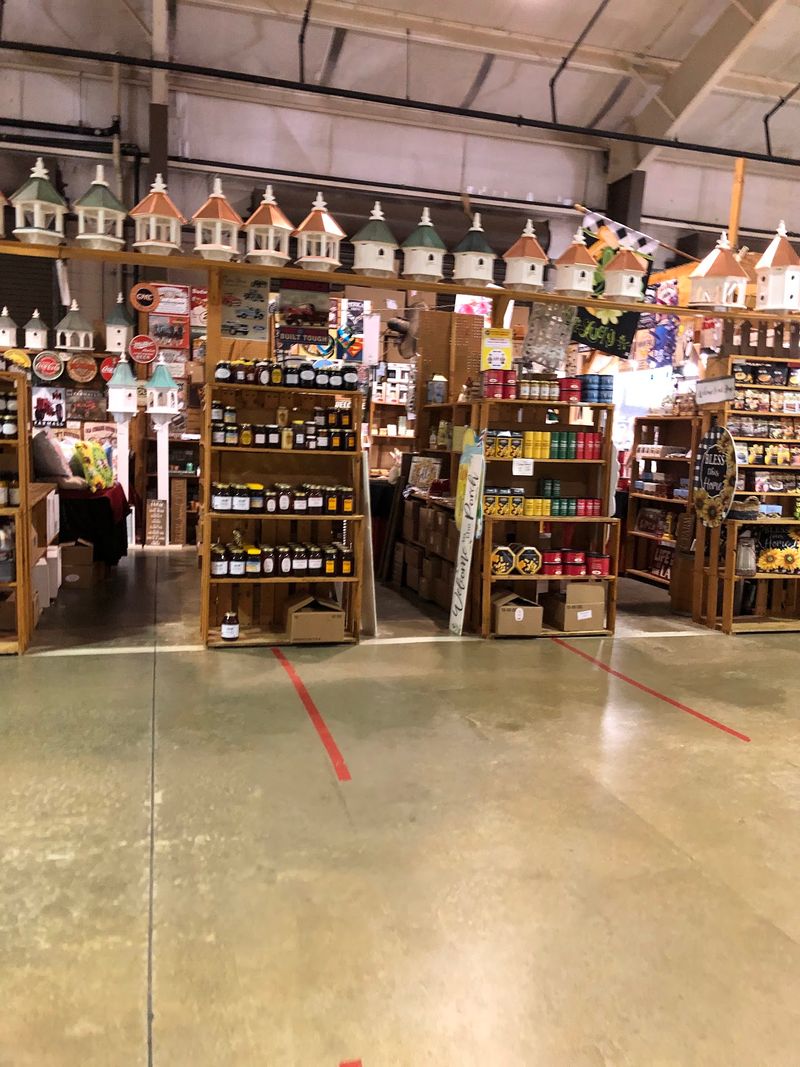
Not every great find needs refrigeration. Local honey, jams, apple butter, salsas, dips, and baked goods round out plenty of tables at the market.
These pantry picks make excellent gifts, honestly better than another candle. A jar of North Carolina honey says thoughtful without trying too hard.
Baked treats deserve their own mention. Pies, donuts, and breads show up from various vendors, and bakeries on the grounds add extra variety.
Some vendors offer samples, which is a delightful way to make decisions.
Specialty meats also have a home at the market. Nahunta Pork Center operates an outlet here, giving shoppers a spot for pork products from a well-known North Carolina business.
Here’s how to shop this section well. Grab shelf-stable items toward the end, so jars don’t clank around your produce bag all morning.
Keep a short list of who you’re buying gifts for.
Reading labels helps you find truly local makers. Many vendors happily share where their products come from.
And if a jar of pepper jelly ends up in your bag unplanned, consider it a happy accident with excellent toast potential.
Fall Turns The Whole Place Into Pumpkin Country
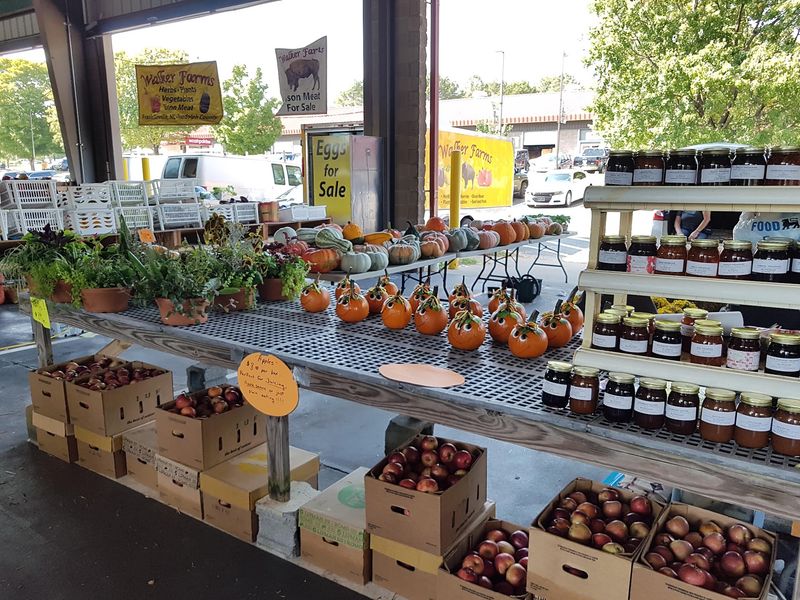
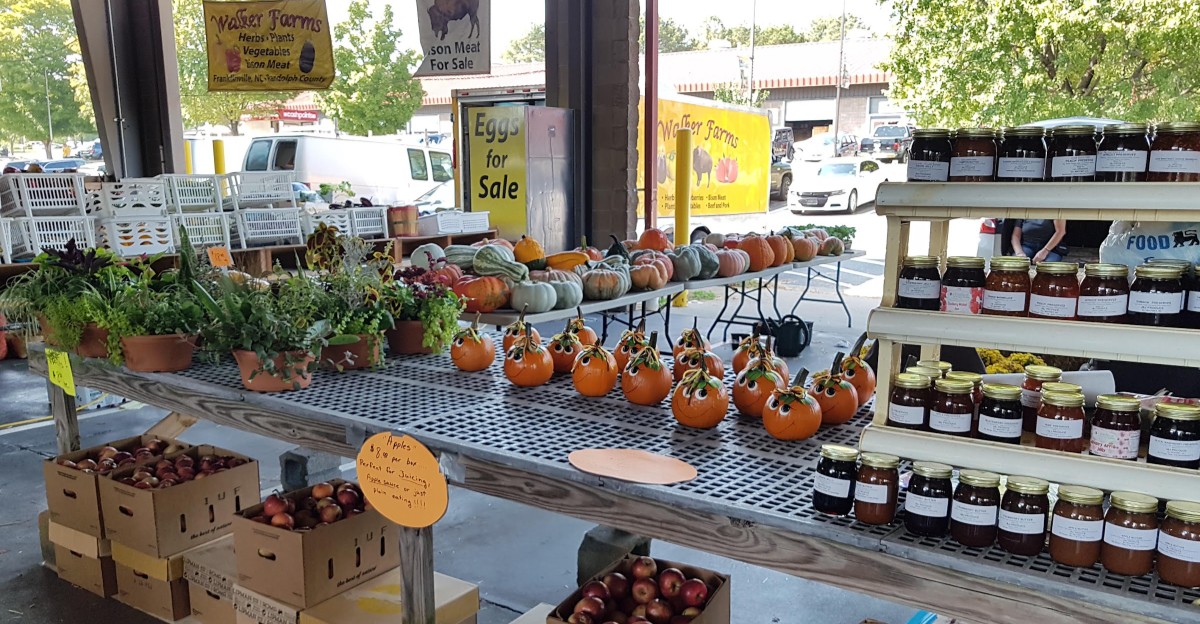
Who knew pumpkins came in so many shapes, colors, and bumpy textures? Autumn at the market answers that question with impressive enthusiasm.
Fall is when the produce sheds burst with apples, squash, sweet potatoes, and pumpkins. Spicy peppers add bright pops of color to the tables as well.
North Carolina leads the nation in sweet potato production, so they’re a fitting fall star. You may spot several varieties side by side.
Try a couple of different ones and compare them at home.
Apples from the state’s mountain orchards also arrive in good numbers. Bakers, this is your season to stock up for pies and crisps.
For porch decorating, bring the family and make it a mini adventure. Kids can pick their own pumpkin, which avoids debates later.
Heavier pumpkins are easier to haul with a wagon or a helper.
Squash lovers should look beyond butternut. Unusual winter squash varieties can make dinner feel brand new.
Ask vendors how to roast them if you’ve never tried. Worst case, the odd-looking ones still make a fantastic centerpiece.
Behind The Stalls, A Big Food Engine Keeps Humming
Most shoppers never notice it, but the market also runs a wholesale side. Buyers move large loads of produce here, helping supply grocers and restaurants across the region.
That makes the State Farmers Market much more than a weekend stroll spot. It’s a working food hub run by the North Carolina Department of Agriculture and Consumer Services.
The market moved to its current site on Agriculture Street in 1991, after decades at an earlier Raleigh location. Today the grounds stretch across about 75 acres.
You’ll find it at 1201 Agriculture St, Raleigh, NC 27603.
Knowing this changes how a visit feels. The tomatoes at your favorite restaurant may have passed through this very property.
Getting there is fairly simple from Interstate 40 and nearby major roads. Parking is available on site, which beats circling downtown blocks.
The wholesale area is a business zone, so stick to retail sections while shopping. Keep an eye out for trucks and forklifts near loading spaces.
Kids especially love spotting big rigs, so a quick safety chat before arriving is a smart idea.
Plan Your Visit Like A Seasoned Market Regular
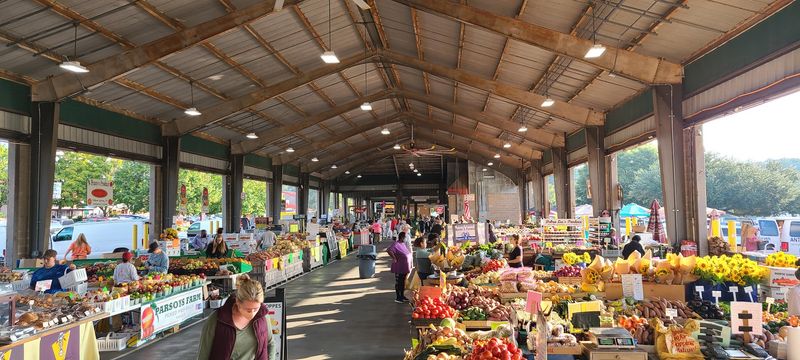
Timing is everything at a market this size. The State Farmers Market opens daily at 8 AM and closes at 5 PM, all year long.
Weekends bring a lively energy, and weekday visits can feel more relaxed. Early arrivals get the first pick of popular items before they sell out.
Comfortable shoes are non-negotiable on 75 acres. So is a reusable bag, maybe a folding wagon for heavier hauls.
Sweet potatoes and watermelons get heavy faster than you’d think.
Bring a cooler if you’re buying seafood, meat, or delicate berries. A summer car turns soft fruit into jam without your permission.
Consider making the visit a half-day plan. Start with breakfast, browse produce, check out plants, then finish with a sweet treat.
There’s even coffee on the grounds for a mid-shop boost.
Finally, chat with the vendors. Many growers love sharing recipes, storage tips, and farm stories.
Those quick conversations turn a grocery run into something you’ll actually look forward to. Supermarkets have their place, but they rarely hand you a recipe with your collards.