
10 Ohio Covered Bridge Counties Totally Worth Exploring In 2026
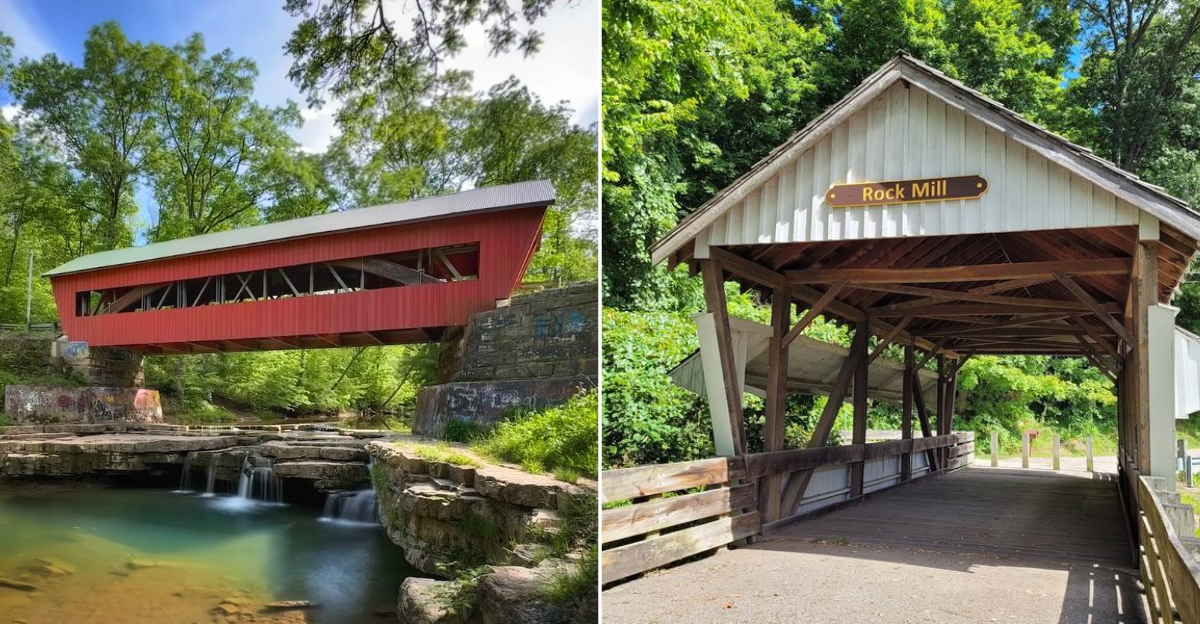
Ohio has enough covered bridges to make a scenic drive feel like a history lesson with better views.
These old wooden spans still cross creeks, rivers, farmland, and forest roads across the state, each one carrying a little local character along with all that timber.
Some counties give you a quick, peaceful stop. Others practically hand you a full weekend itinerary, complete with back roads, bridge maps, small-town lunches, and photo opportunities that may bully your camera roll into submission.
In 2026, these Ohio counties are worth exploring at a slower pace. Roll the windows down, let the road wander a little, and enjoy the kind of quiet beauty that does not need a filter to look good.
1. Ashtabula County
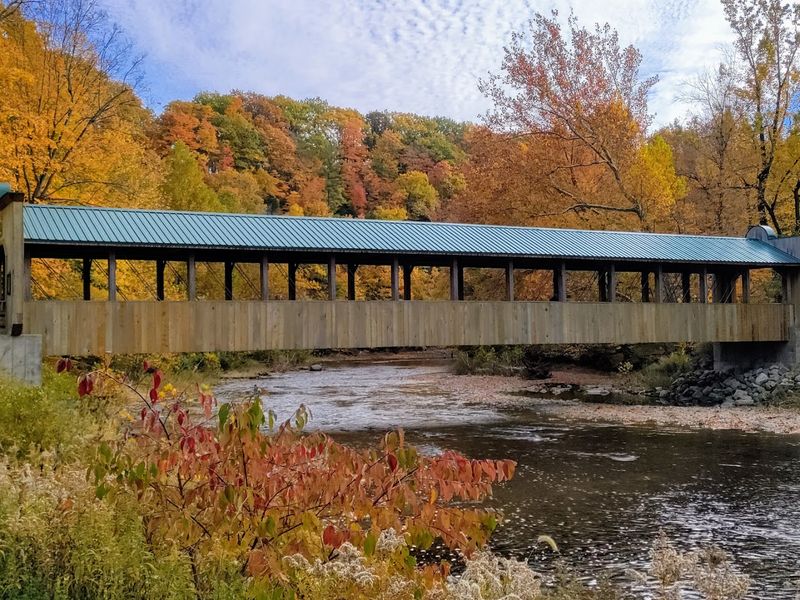
With 19 covered bridges on its county trail, Ashtabula County holds the record for the most covered bridges of any county in Ohio, making it a must-visit for any bridge enthusiast.
Located in the far northeastern corner of the state, this county feels like stepping into a postcard from another era.
The bridges here span creeks and rivers through dense woodland and open farmland, offering a wildly scenic backdrop no matter the season.
Fall is especially magical, when the leaves turn gold and orange and frame each bridge like a painting.
The annual Ashtabula County Covered Bridge Festival draws thousands of visitors each October, featuring local food, crafts, and guided bridge tours.
Many bridges are still accessible by car or on foot, so you can make a full self-guided driving tour out of the experience.
Pick up a free map at the county visitor center and plan to spend at least a full day here. You will not run out of things to photograph or explore in this northeastern Ohio treasure.
2. Fairfield County
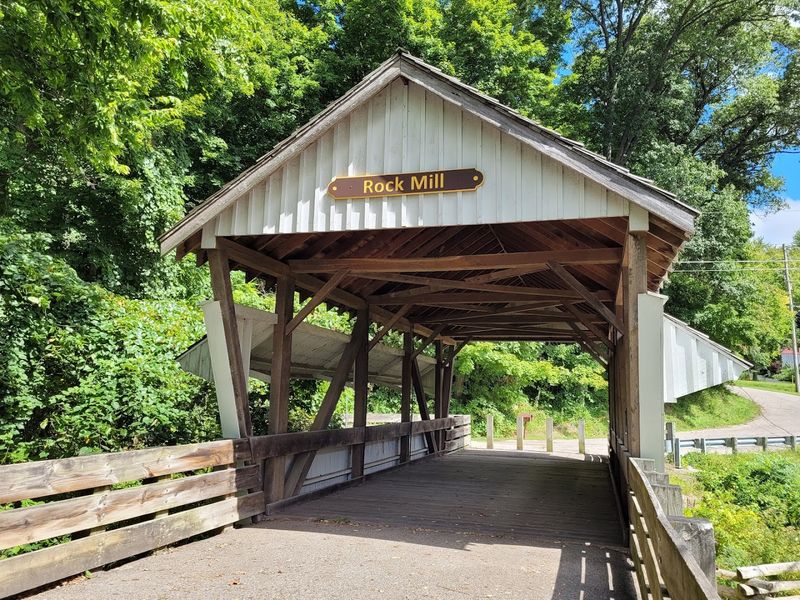
Fairfield County sits in central Ohio and is one of the most popular destinations for covered bridge lovers in the entire state.
The county is home to 15 original covered bridges, many of which date back to the 1800s and are remarkably well-preserved.
What makes Fairfield County stand out is the sheer variety of bridge styles you will find here, from Burr arch trusses to multiple kingpost designs, each one built using techniques that helped define historic timber bridge construction.
The bridges are spread across a beautiful rural landscape of cornfields, creek valleys, and quiet country roads that beg to be explored at a slow pace.
Lancaster, the county seat, is a great base for your trip and offers plenty of local dining and lodging options.
The Fairfield County Covered Bridge Tour map is available online and makes planning your route a breeze.
Spring and early summer bring lush greenery that makes every bridge photo look like it belongs in a travel magazine. Pack a picnic and take your time enjoying the scenery along the way.
3. Preble County
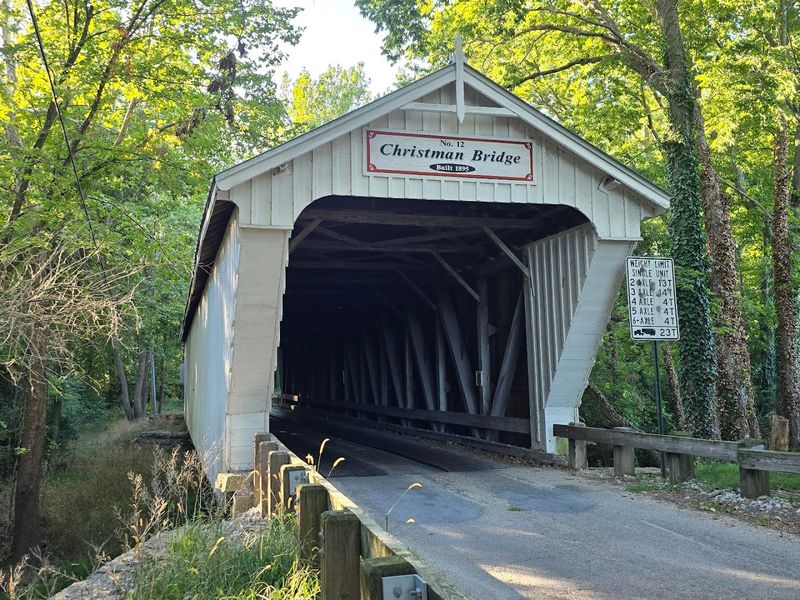
Preble County is one of those places in southwestern Ohio where time seems to slow down the moment you cross the county line.
The county has eight covered bridges still standing, many of which sit along peaceful back roads that wind through some of the flattest and most fertile farmland in the state.
One of the most important is the Roberts Covered Bridge, which dates to 1829 and is recognized as Ohio’s oldest covered bridge.
The bridges here are not just pretty structures; they are cultural landmarks that connect modern visitors to the agricultural heritage of the region.
Preble County also offers charming small towns like Eaton, where you can grab a bite to eat and pick up local goods before heading back out on the road.
The best time to visit is late spring, when wildflowers line the roadsides and the creeks run full and clear beneath the bridges.
Bring a camera with a wide-angle lens because the flat landscape gives you room to capture the full beauty of each structure without obstruction.
4. Washington County
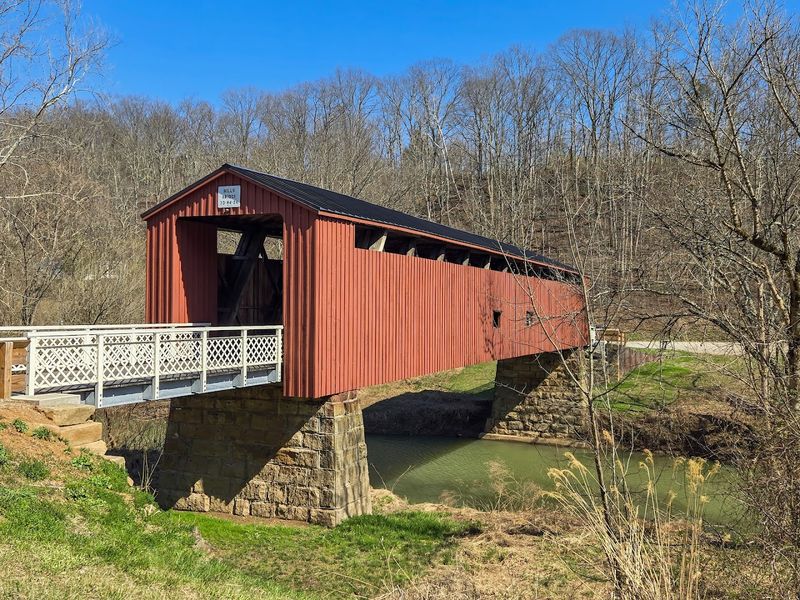
Tucked into the rolling hills of southeastern Ohio along the banks of the Ohio River, Washington County is a destination that rewards the curious traveler willing to venture off the beaten path.
The county is home to several well-preserved covered bridges that sit within a stunning Appalachian-influenced landscape of steep ridges, wooded hollows, and winding creeks.
Marietta, the county seat, is one of the oldest settlements in the Northwest Territory and adds a rich layer of early American history to any visit.
The covered bridges here feel especially remote and atmospheric, often surrounded by thick forest that blocks out road noise and creates a sense of peaceful isolation.
Many bridges are accessible via gravel roads, so a vehicle with decent clearance is a smart choice for exploring the more rural corners of the county.
Washington County also offers excellent hiking, fishing, and paddling opportunities along the Muskingum River and its tributaries.
Combine a bridge tour with a walk through Marietta’s historic downtown and you have a full weekend itinerary that hits both nature and culture in equal measure.
5. Union County
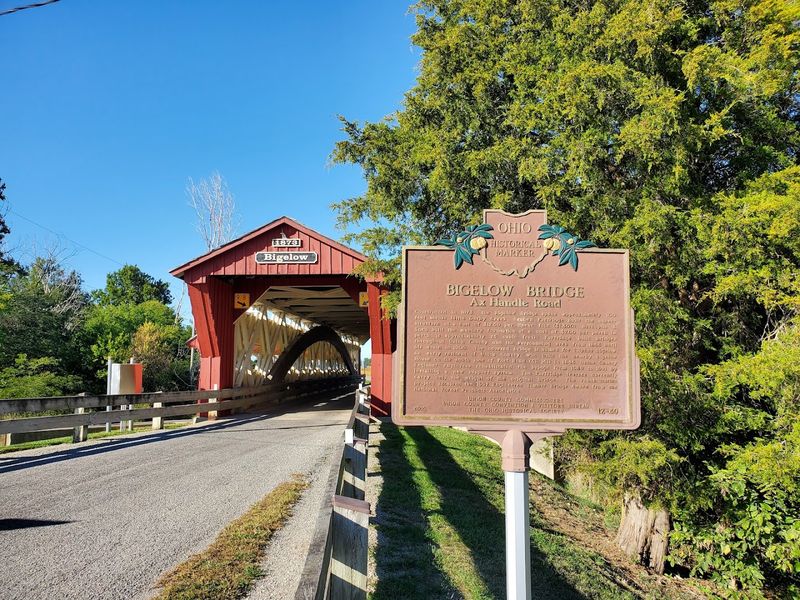
Not every covered bridge county needs a dozen structures to make a lasting impression, and Union County proves that point with quiet confidence.
Located in west-central Ohio just north of Columbus, Union County is home to seven covered bridges set within a landscape of open fields and gentle creek valleys.
The Bigelow Covered Bridge is one of the standout stops here, a single-span structure with deep local history, though current visitor information lists it as indefinitely closed for repairs.
Union County’s proximity to Columbus makes it an ideal day trip destination for city dwellers looking to trade traffic and screens for fresh air and history.
The county also has a surprisingly vibrant small-town culture, with Marysville offering good local restaurants and a friendly community vibe.
Visiting in late summer gives you the chance to see the surrounding farmland at peak productivity, with tall corn and golden fields stretching in every direction.
The covered bridges here feel personal and unhurried, like a quiet conversation with the past that you did not know you needed until you showed up.
6. Greene County
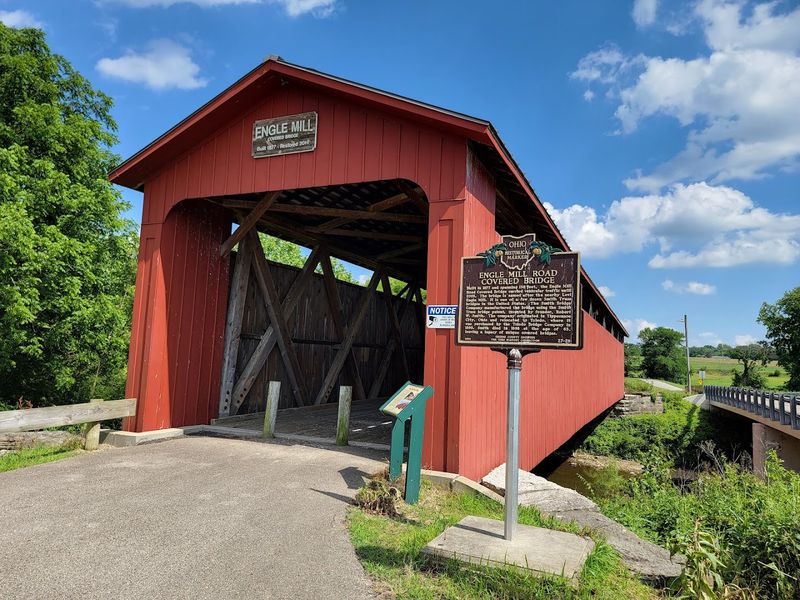
Greene County sits in southwestern Ohio between Dayton and Columbus, and it offers a surprisingly rich covered bridge experience for a county that also happens to be home to Wright-Patterson Air Force Base.
The county has several historic covered bridges that are well-maintained and easily accessible, making them great stops for families, photographers, and casual explorers alike.
Beavercreek and Xenia are the main towns in the area, and both offer solid options for food and lodging if you want to make a full trip out of your bridge-hunting adventure.
The covered bridges in Greene County are set within a mix of suburban edges and genuine rural countryside, which gives the experience a pleasant contrast between old and new.
The Stevenson Road Covered Bridge is one of the most photographed in the region, spanning Massies Creek in a spot that feels quiet, historic, and beautifully preserved.
Spring and early fall are the best times to visit for comfortable temperatures and beautiful light.
Greene County has enough variety in its attractions that you can pair a bridge tour with a visit to the National Museum of the United States Air Force just a short drive away.
7. Butler County
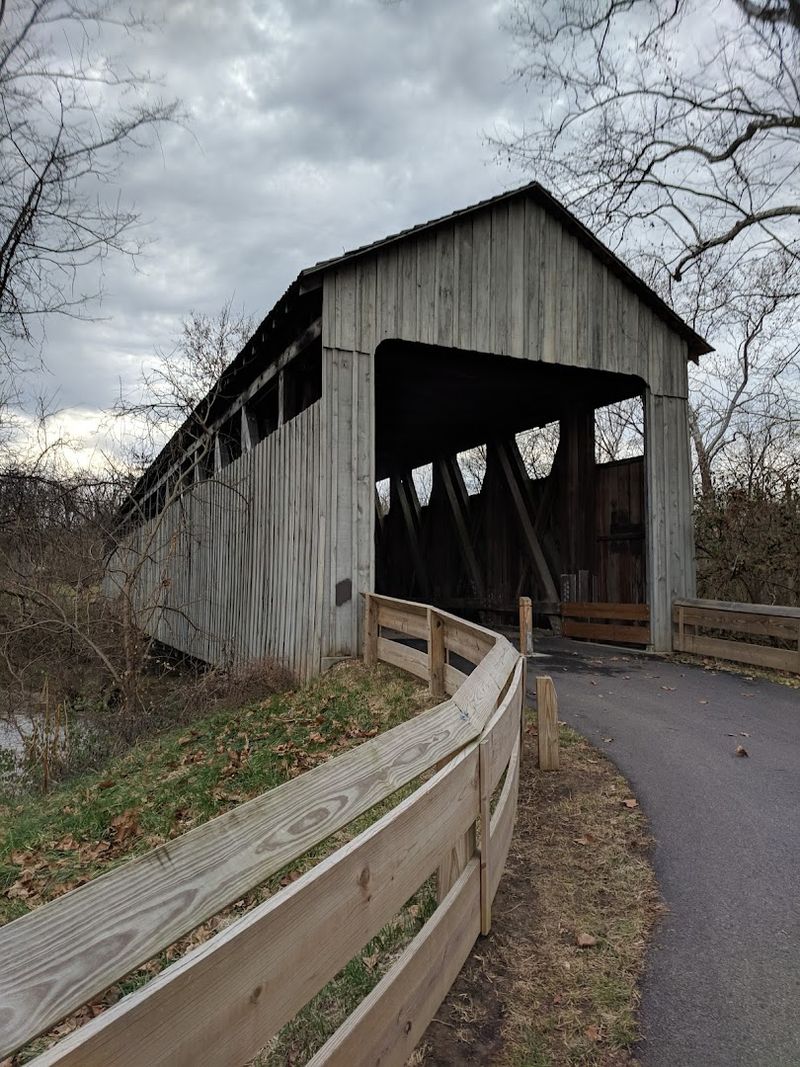
Butler County might be best known as home to Miami University and the city of Hamilton, but it also has a quiet covered bridge history that deserves far more attention than it typically gets.
Located in southwestern Ohio between Cincinnati and Dayton, the county has a small but meaningful covered bridge story that sits in contrast to its otherwise busy urban and suburban landscape.
The Oxford area in particular offers a scenic pocket of rural countryside where the Black Covered Bridge remains one of the county’s most memorable historic bridge stops.
What makes Butler County interesting is the way its bridge history blends into the landscape so naturally that locals can drive past these places for years without fully appreciating what they represent.
The Black Covered Bridge is a solid example of 19th-century engineering, built to carry traffic across Four Mile Creek and now preserved as one of the county’s most photogenic historic landmarks.
Visiting in the morning gives you the best light for photography and the best chance of having the bridge entirely to yourself.
Butler County is an easy addition to any southwestern Ohio road trip and pairs well with a stop in Oxford for coffee and a campus stroll.
8. Athens County
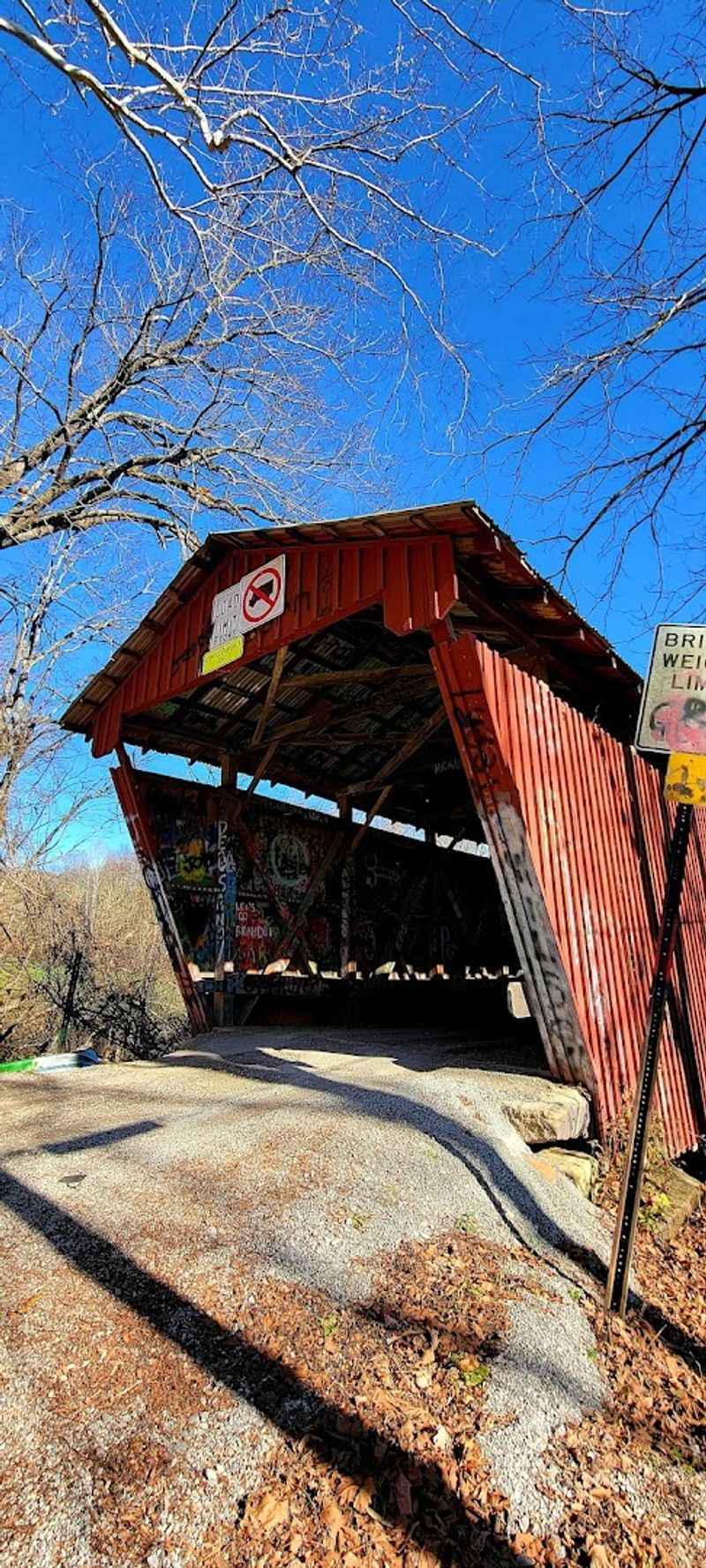
Athens County is the kind of place where covered bridges feel completely at home, surrounded as they are by the rugged Appalachian terrain of southeastern Ohio.
The county is home to Ohio University, which gives it a lively college-town energy that coexists beautifully with its deep rural character and natural beauty.
The covered bridges here are set within a landscape of forested ridges, winding rivers, and hollows that feel genuinely wild and undisturbed.
Blackwood Covered Bridge, Kidwell Covered Bridge, and other historic structures in the county sit along quiet creek corridors that also offer excellent scenery and outdoor wandering, making a bridge tour here feel like a full regional adventure.
Athens itself is a vibrant small city with a strong arts culture, excellent local food, and a farmers market that runs through the growing season.
The combination of natural scenery, cultural energy, and historical structures makes Athens County one of the most well-rounded destinations on this entire list.
Visit in October when the hills are blazing with fall color and the university town is buzzing with activity. The bridges will take your breath away against that kind of backdrop.
9. Miami County
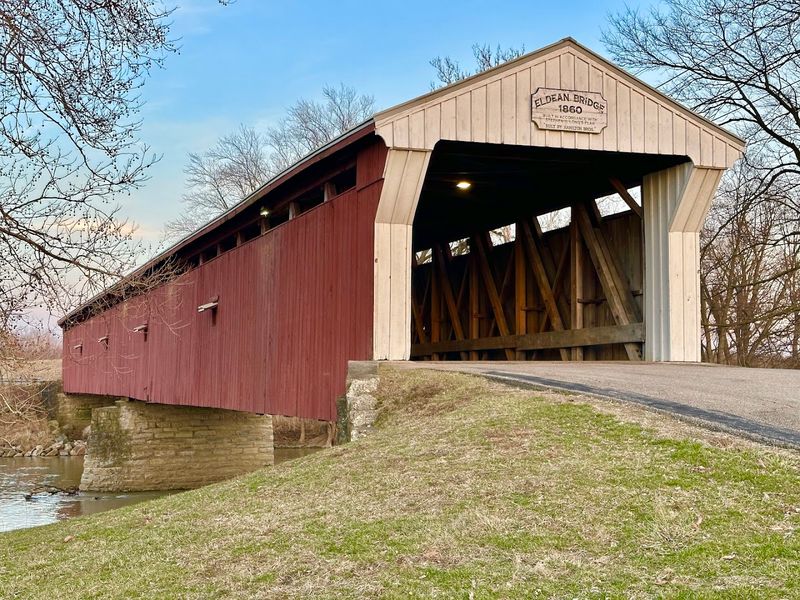
Miami County sits in west-central Ohio along the Great Miami River, and it punches well above its weight when it comes to covered bridge history and scenic countryside.
The county is home to two remaining covered bridges, including the beautifully preserved Eldean Covered Bridge in a setting that feels quietly dramatic.
Piqua and Troy are the two main cities here, and both have a warm, welcoming small-town character that makes the whole county feel like a comfortable place to spend a weekend.
The covered bridges in Miami County pair nicely with cycling routes and scenic drives near the Great Miami River, giving visitors more than one way to enjoy the landscape.
One of the most scenic stops is the Eldean Covered Bridge near Troy, which is the longest surviving Long truss covered bridge in the nation and sits in a lovely riverside setting.
Early morning visits in late spring offer soft golden light and a peaceful atmosphere that is hard to match anywhere else in the state.
Miami County is a satisfying destination that combines natural beauty, outdoor recreation, and genuine historical character all in one compact region.
10. Morgan County
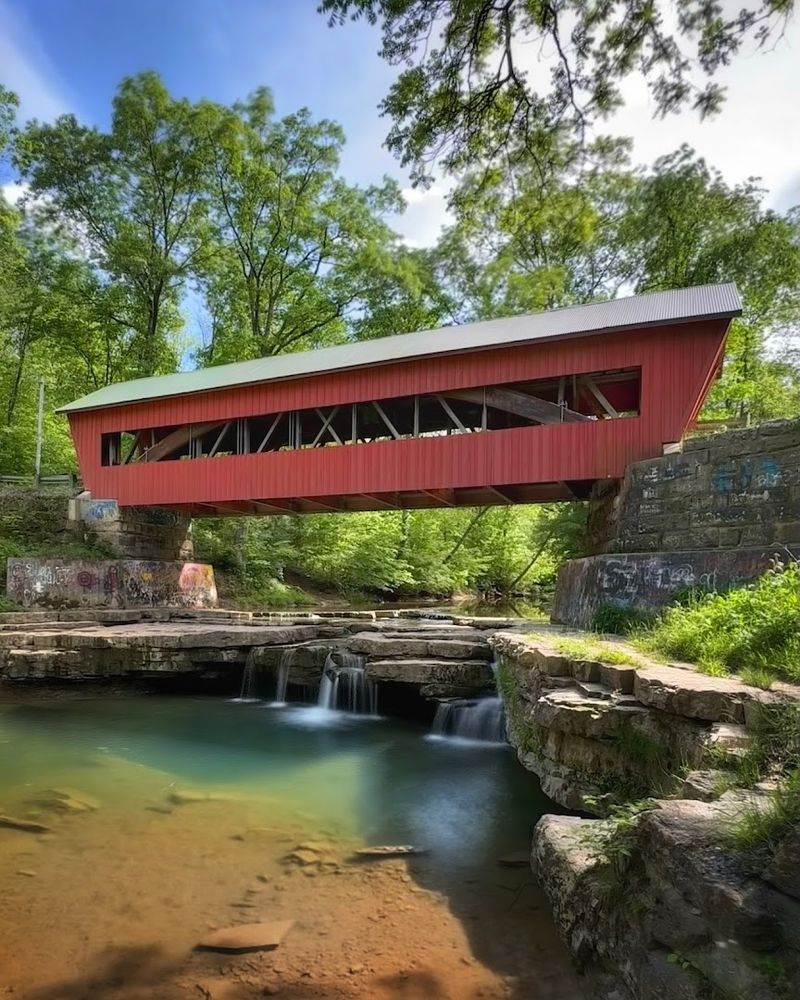
Morgan County is one of Ohio’s best-kept secrets, a small and largely rural county in the southeastern part of the state that rewards travelers who take the time to find it.
The county sits in the foothills of the Appalachian Plateau, and its landscape of forested ridges, hidden hollows, and meandering creeks creates a naturally dramatic setting for its covered bridges.
McConnelsville, the county seat, sits along the Muskingum River and has a quiet, historic downtown that gives you a real sense of what small-town Ohio looked and felt like generations ago.
The covered bridges in Morgan County are few but memorable, often tucked into remote corners of the county where the only sounds are birdsong and running water.
Because Morgan County sees relatively little tourist traffic, you can explore its bridges and backroads with a sense of genuine discovery that is increasingly rare in more visited destinations.
Fall is the undisputed best season here, when the dense forest canopy erupts in color and every bridge photo looks like it was staged by a professional.
Morgan County is the perfect final stop on a southeastern Ohio covered bridge road trip, sending you home with full memory cards and a strong urge to come back.