
10 Old-School Arizona Grocery Markets That Will Make You Feel Like You Stepped Back In Time
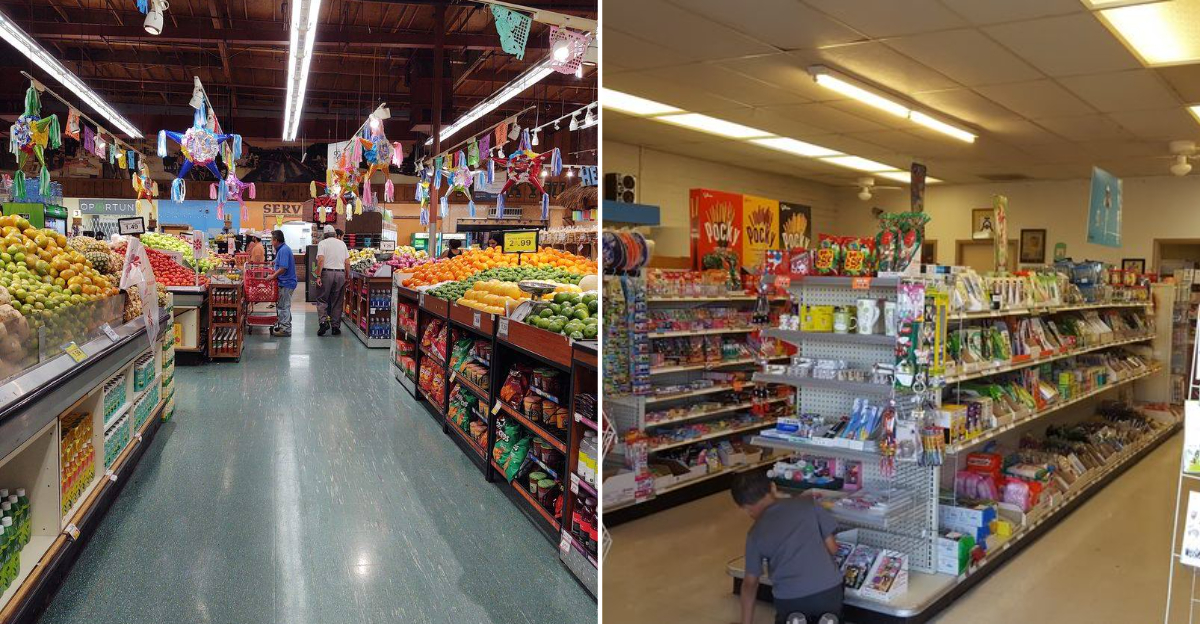
Some grocery stores are built for speed. These Arizona markets seem determined to make you forget what decade you are in.
Think creaky floors, handwritten signs, old-fashioned counters, shelves packed close together, and storefronts that have watched generations of shoppers come and go.
Some started as neighborhood groceries or roadside trading posts, while others kept their small-market character even as the cities around them grew dramatically.
I love places like these because grocery shopping suddenly becomes more than checking items off a list. You start looking at the building, wondering who shopped there fifty years ago, and discovering products you would probably walk right past in a giant supermarket.
Across Arizona, several longtime markets still carry that wonderfully old-school personality. Grab a basket and take your time.
These are the kinds of grocery stores where browsing half the shelves is part of the fun.
They’re community gathering spots where neighbors still know each other by name, where butchers wrap your meat in paper instead of plastic, and where the smell of fresh tortillas or imported Italian olive oil fills the air.
These ten Arizona markets have refused to modernize away their charm, and visiting them offers a rare glimpse into how Americans used to shop before convenience became king.
1. Del Monte Market, Phoenix
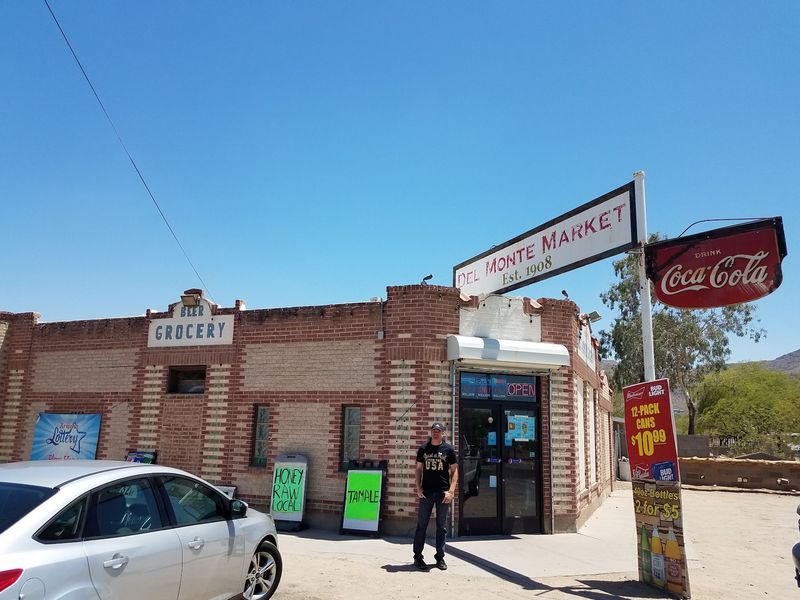
Operating since 1908, Del Monte Market holds the remarkable distinction of being Arizona’s oldest continuously running grocery and general store. Over 118 years of uninterrupted service means this Phoenix institution has witnessed the entire transformation of the American Southwest.
The store sits at 2659 W Dobbins Rd, a location that has watched Phoenix grow from a dusty frontier town into a sprawling metropolis. Walking through the doors feels like stepping onto a movie set, except everything here is authentically aged through decades of genuine use.
You’ll find shelves stocked with everyday necessities alongside specialty items that cater to the neighborhood’s needs. The wooden floors, original fixtures, and unhurried pace of shopping create an atmosphere that modern supermarkets simply cannot replicate.
Del Monte represents more than just groceries. It’s a living museum where commerce and community history intersect, proving that some businesses truly stand the test of time.
The market’s long run gives every corner a sense of continuity that newer stores simply cannot manufacture. Even a quick stop becomes a glimpse at how neighborhood shopping once looked before giant supermarkets took over.
2. The Old Route 66 Parks Store, Parks
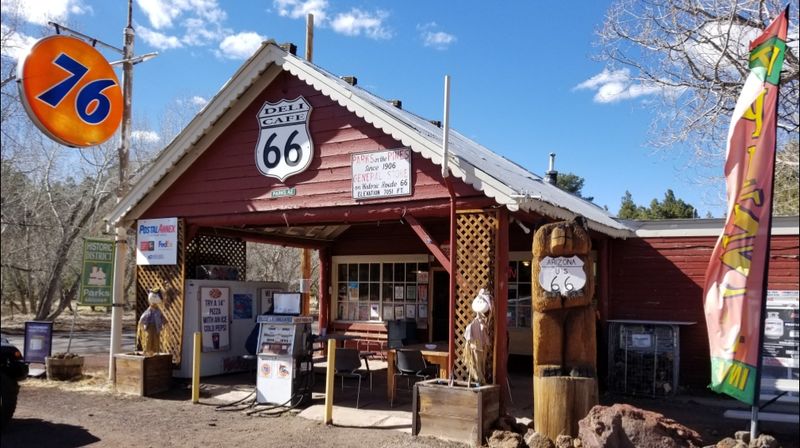
Built in 1906, this remarkable structure actually predates the famous Route 66 highway it now sits beside. The building witnessed the birth of America’s Mother Road and became an essential stop for travelers journeying across the country.
Located at 12963 Old Route 66 in Parks, this general store nearly disappeared into history before a dedicated family stepped in to preserve it. Their rescue effort saved not just a building, but a vital piece of Arizona’s roadside heritage.
Inside, the store maintains its traditional general-store character, offering groceries, supplies, and that intangible sense of community that small-town markets provide. The creaky floorboards and vintage displays transport visitors back to an era when road trips meant genuine adventure.
This Parks landmark serves as both a functioning market and a tangible connection to early 20th-century Arizona. Every purchase here supports the ongoing preservation of authentic Americana.
Visitors can browse slowly, pick up a few essentials, and enjoy the rare experience of shopping inside a piece of living roadside history. The store’s survival gives this stretch of Route 66 one more reason to pull over and look around.
3. New Empire Food Market, Tucson
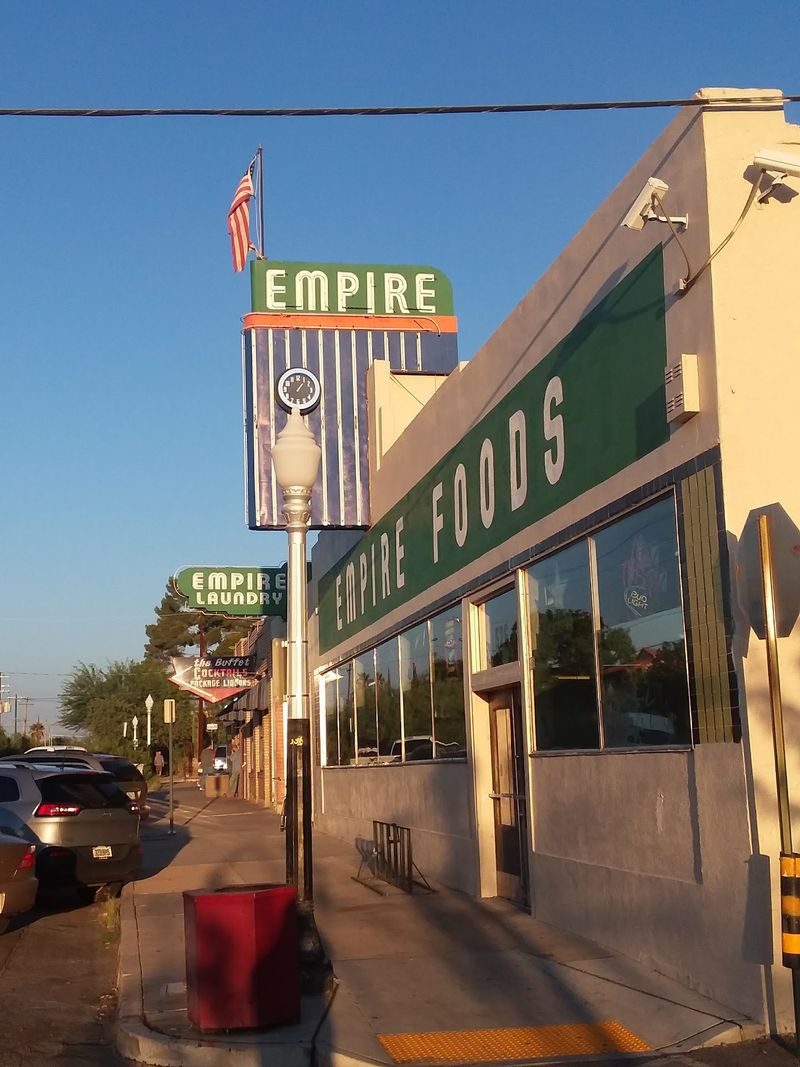
Tucson’s historic Chinese grocery-store tradition lives on at New Empire Food Market, a surviving neighborhood institution that represents an important chapter in Arizona’s multicultural commerce history.
This isn’t some trendy Asian supermarket chain, but rather an authentic neighborhood shop with deep roots.
Found at 526 E 9th St in Tucson, New Empire maintains the intimate scale and personal service that characterized ethnic groceries throughout the Southwest. The market continues serving its community with specialty ingredients and everyday staples that reflect Tucson’s diverse population.
The store’s continued operation into 2026 demonstrates remarkable resilience in an era when independent grocers struggle against corporate competition. Walking its aisles offers insight into how immigrant entrepreneurs built thriving businesses that became neighborhood anchors.
New Empire Food Market proves that traditional markets can still thrive when they maintain authentic connections to their communities. It’s a grocery store, certainly, but also a cultural preservation project.
4. Food Conspiracy Co-op, Tucson
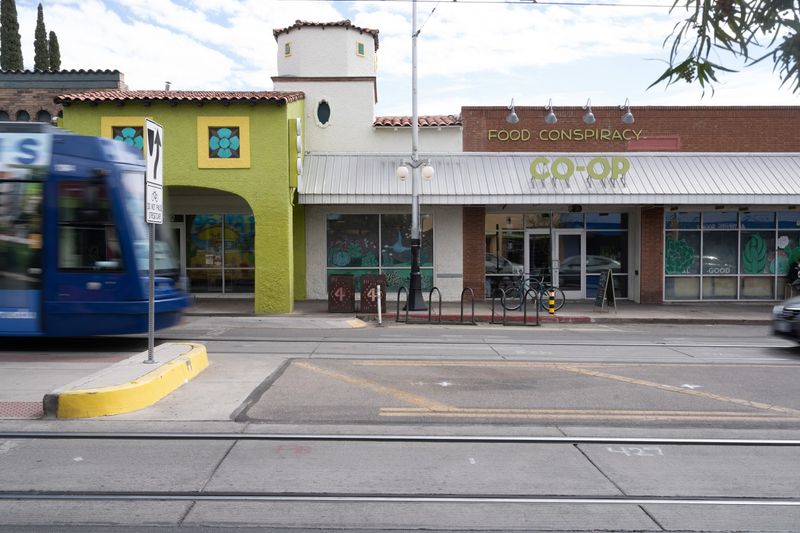
Since 1971, Food Conspiracy Co-op has been proving that community-owned groceries can survive and thrive outside the corporate model. This compact co-op at 412 N 4th Ave embodies the independent spirit that defined the 1970s natural foods movement.
The bulk bins alone tell a story about how Americans once shopped more thoughtfully, buying exact quantities instead of pre-packaged amounts. The neighborhood-shop scale creates an intimacy that mega-markets can never achieve, where staff actually recognize regular customers.
Open daily in 2026, Food Conspiracy maintains its original character while adapting to modern needs. The co-op model means shoppers become member-owners, creating genuine investment in the store’s success and community role.
This isn’t just nostalgia for nostalgia’s sake. The co-op demonstrates that alternative business models and human-scale commerce still have a place in contemporary life, offering a refreshing contrast to automated checkouts and corporate consolidation.
The shelves still reward slow browsing, especially when the bulk section turns an ordinary grocery run into something more hands-on. That neighborhood scale helps the co-op retain the personal rhythm that originally set it apart more than five decades ago.
5. Cameron Trading Post Market, Cameron
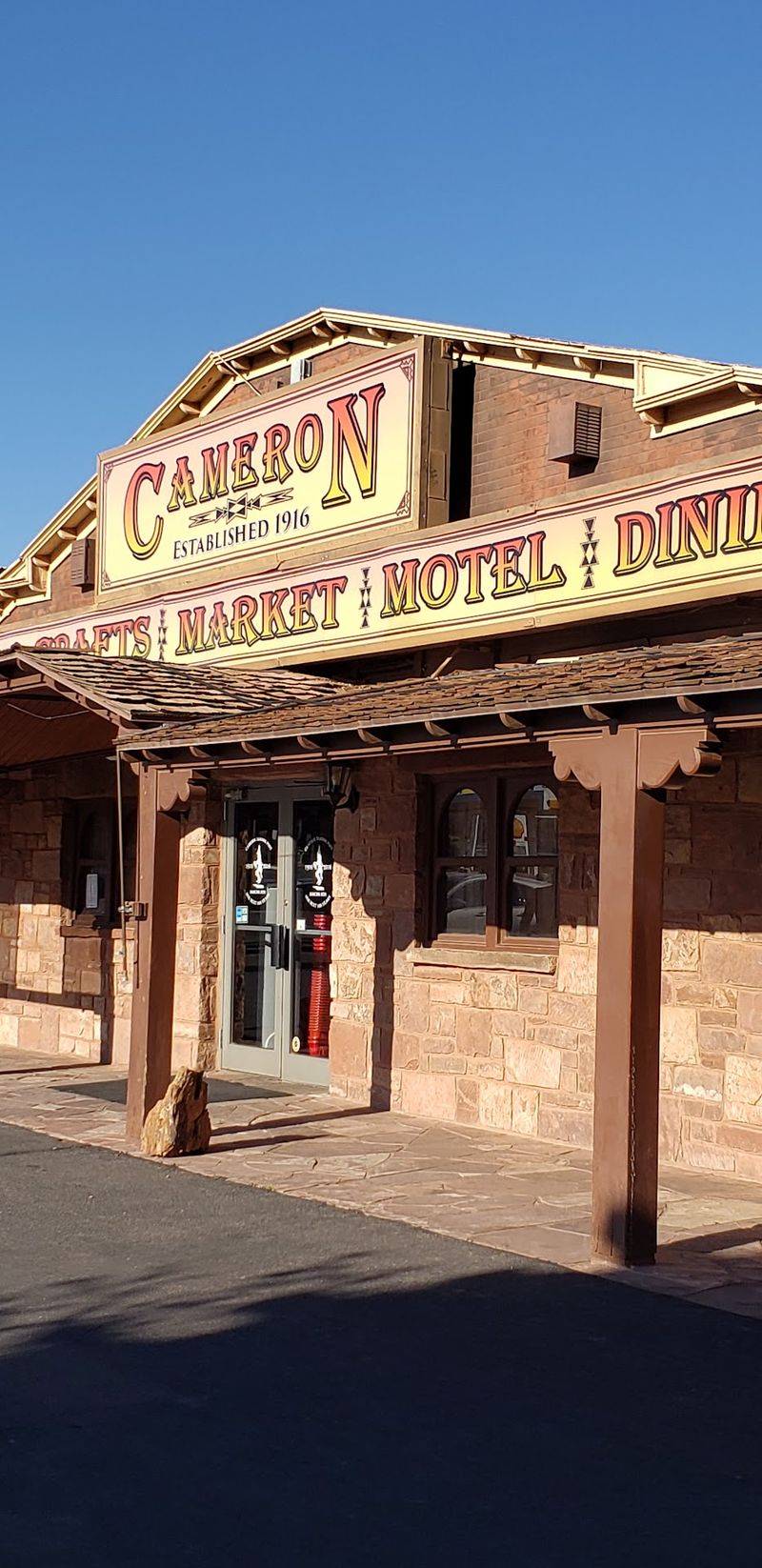
Established in 1916, Cameron Trading Post Market represents a unique intersection of commercial history and Southwestern culture. The market operates as part of a larger historic trading-post complex at 466 US-89, maintaining traditions that stretch back over a century.
The official description characterizes it as part grocery store, part convenience store, and part old-fashioned mercantile, which perfectly captures its multifaceted role. This combination reflects how frontier stores served diverse community needs long before specialized retail existed.
Visitors find everything from road-trip snacks to local crafts, with the market section offering supplies for both tourists and local residents. The building itself evokes the era when trading posts were essential lifelines for remote communities.
Cameron Trading Post Market continues serving travelers along the route to the Grand Canyon while honoring its deep roots in Native American trade traditions. Shopping here connects you to Arizona’s frontier past in ways few modern stores can.
6. New Tokyo Food Market, Phoenix
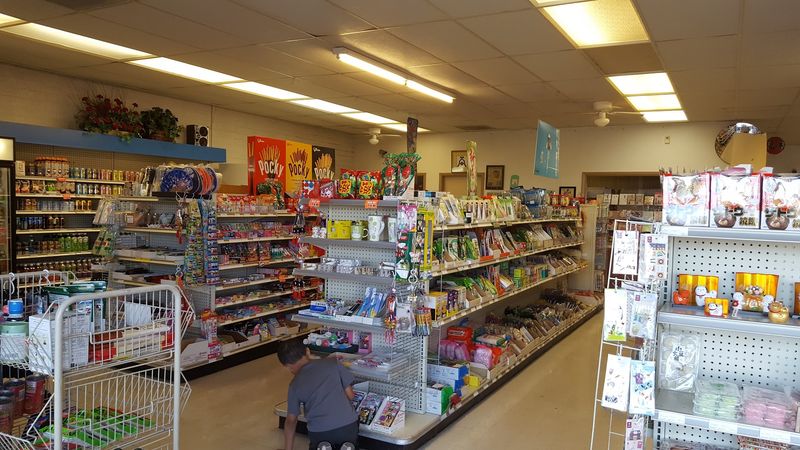
Frozen in what appears to be the 1990s, New Tokyo Food Market at 3435 W Northern Ave offers a visual time capsule that delights anyone nostalgic for pre-internet shopping. Recent Arizona coverage has specifically described the shop as seemingly untouched by decades of retail evolution.
This tiny Japanese grocery specializes in authentic ingredients that larger chains either don’t carry or stock in sanitized, Americanized versions. The compact space forces an intimacy between shoppers and products, encouraging discovery rather than hurried grabbing.
Current listings confirm the market remains open, continuing to serve Phoenix’s Japanese-American community and adventurous cooks seeking genuine flavors. The unchanged decor and layout create an accidental museum of how ethnic groceries looked before corporate homogenization.
New Tokyo proves that sometimes the best preservation happens through benign neglect rather than deliberate restoration. The store’s refusal to modernize has accidentally made it one of Phoenix’s most authentic old-school shopping experiences.
7. Roma Imports, Tucson
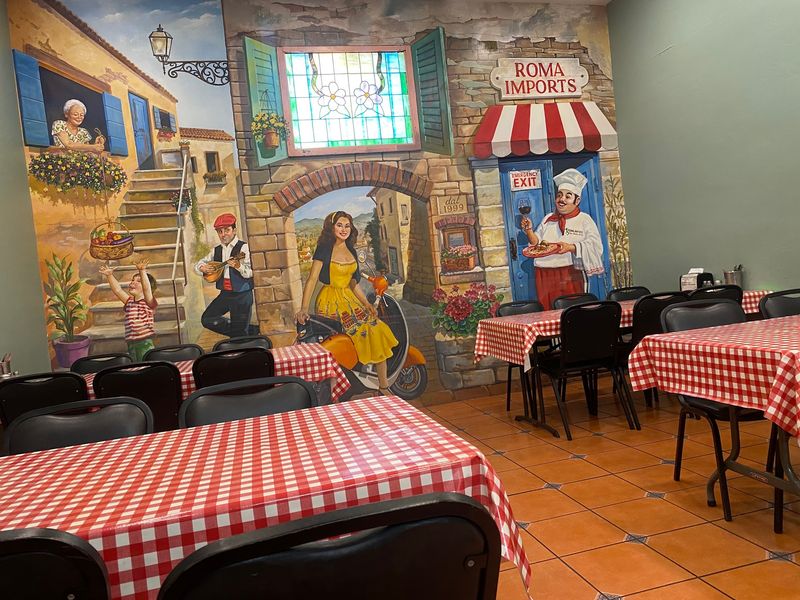
At 627 S Vine Ave, Roma Imports operates as a traditional Italian specialty market rather than a full supermarket, which actually enhances its old-school credentials. Small specialty shops like this once dotted American neighborhoods before big-box stores consolidated everything under one fluorescent-lit roof.
The shop remains open in 2026, its shelves packed with imported Italian products that transport customers straight to Mediterranean hillsides. Prepared specialties, deli goods, and freezers full of take-home dishes reflect how Italian-American grocers traditionally served their communities.
Walking into Roma Imports feels like visiting a relative’s well-stocked pantry, where every product has been personally selected rather than chosen by corporate buyers. The intimate scale encourages conversation and recommendations, turning shopping into a social experience.
This Tucson treasure demonstrates that specialty markets can thrive by focusing deeply on one culinary tradition rather than trying to be everything to everyone. Roma Imports keeps Italian food culture alive one carefully curated product at a time.
8. DeFalco’s Italian Eatery, Grocery & Deli, Scottsdale
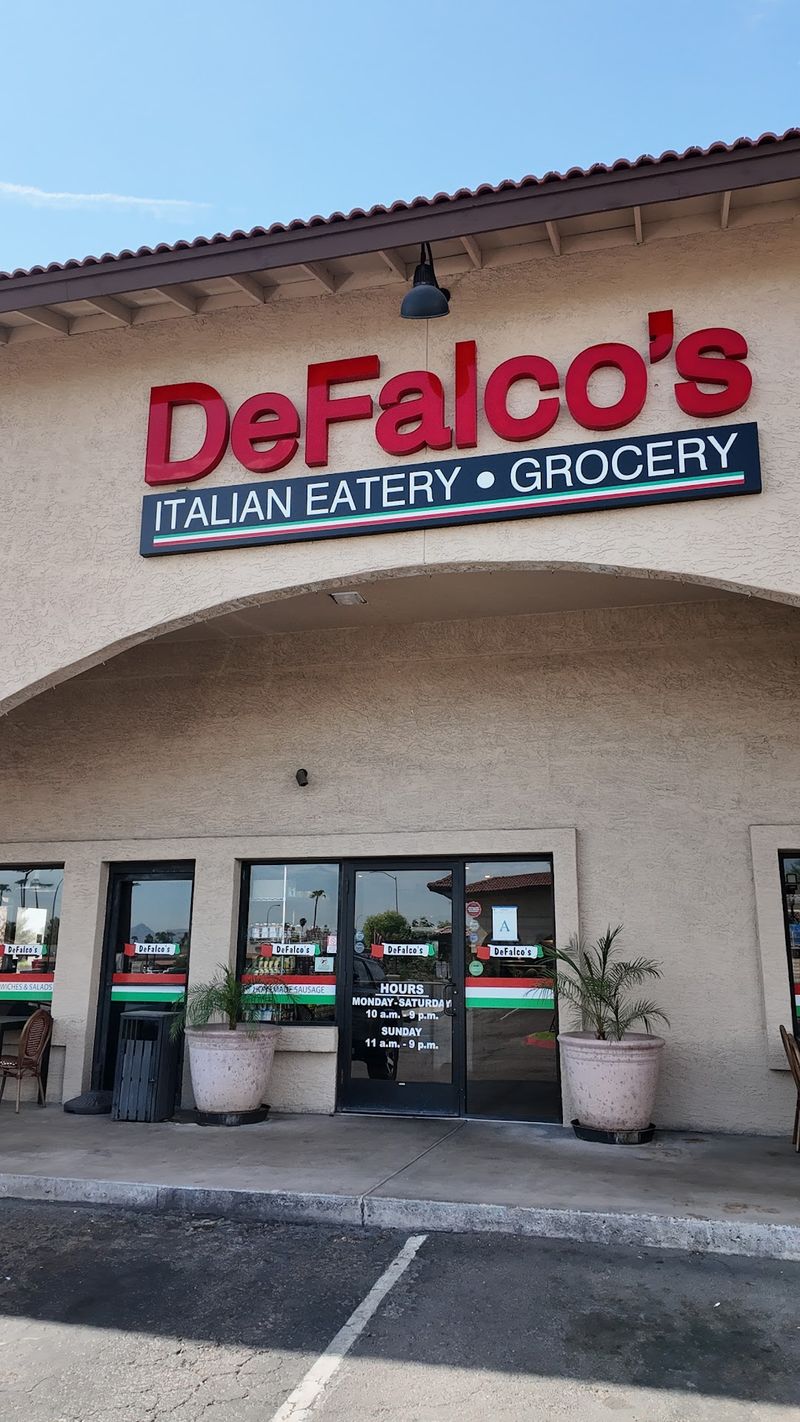
DeFalco’s at 2334 N Scottsdale Rd brilliantly combines an eatery, grocery, and deli under one roof, recreating the multipurpose Italian markets that once anchored urban neighborhoods.
This integration reflects how immigrant grocers traditionally operated, offering both ingredients and prepared foods.
The grocery and deli sections remain active in 2026, stocked with imported Italian products alongside a traditional deli counter where staff still slice meats and cheeses to order. This personal service has become rare as pre-packaged deli products dominate modern supermarkets.
The atmosphere here recalls mid-century Italian-American commerce, when specialty shops were cultural gathering spots as much as retail establishments. Regular customers develop relationships with staff who remember their preferences and offer cooking suggestions.
DeFalco’s proves that old-fashioned doesn’t mean outdated. By maintaining traditional operations while serving contemporary customers, this Scottsdale institution demonstrates that specialty groceries still have devoted audiences seeking authenticity over convenience.
The deli counter adds to that throwback character, especially when an order is sliced fresh instead of pulled from a refrigerated package. Browsing the imported goods can easily turn a quick lunch stop into extra time spent discovering ingredients for the next meal.
9. Out West General Store, Waddell
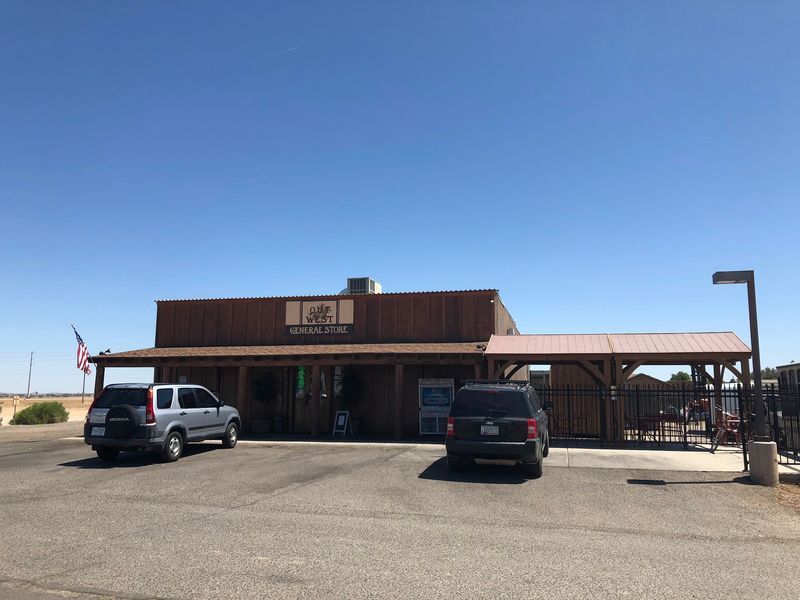
Out West General Store brings genuine country-store character to this list, offering a refreshing contrast to the urban markets that dominate Arizona’s grocery landscape.
Located at 17121 W Glendale Ave in Waddell, this operation serves a more rural community with different needs and expectations.
Current business records show the store operating seven days a week, maintaining the reliable presence that country stores have always provided to scattered populations. Before chain convenience stores homogenized rural retail, general stores like this were essential community hubs.
The merchandise mix reflects its setting, balancing everyday groceries with ranch supplies, hardware, and local products you won’t find in suburban supermarkets. This practical diversity recalls how frontier stores stocked whatever their communities needed, regardless of modern retail categories.
Shopping at Out West General Store connects you to Arizona’s agricultural heritage and reminds you that not everyone lives within easy reach of a Safeway. It’s a working piece of rural history.
10. Los Altos Ranch Market, Phoenix
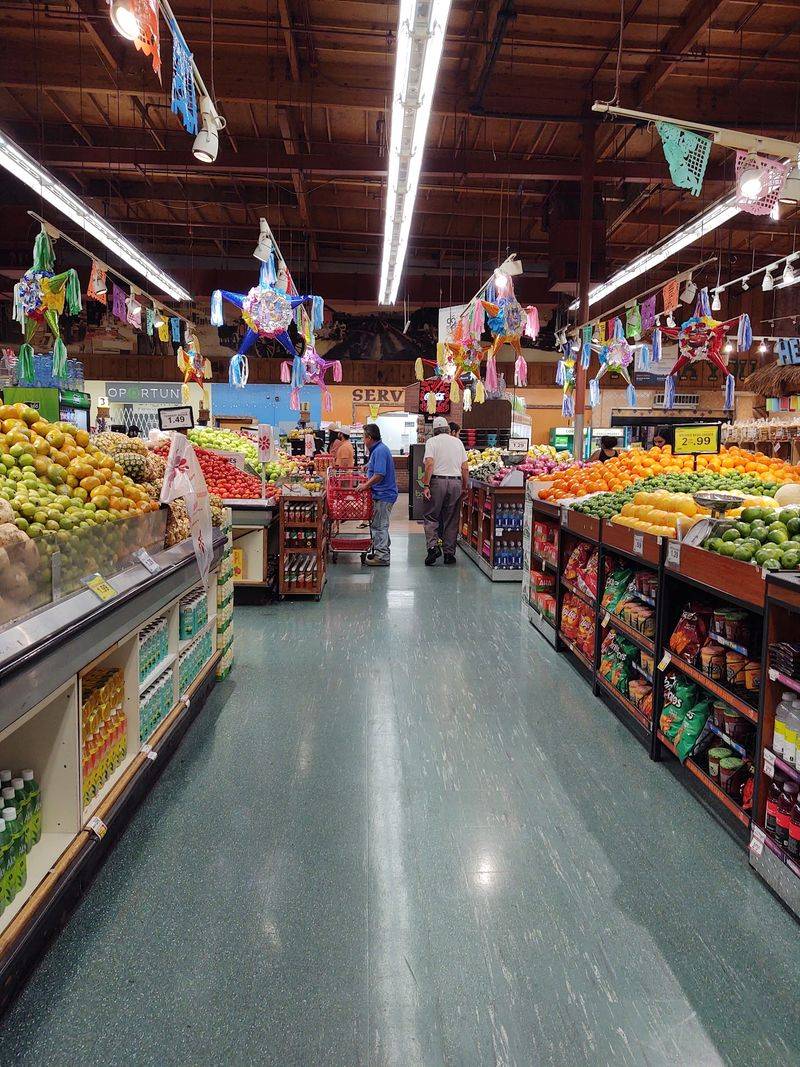
Los Altos Ranch Market at 1602 E Roosevelt St may be larger and less historically preserved than earlier entries, but it retains an authentic mercado atmosphere that transports shoppers straight to traditional Mexican markets. The scale doesn’t diminish the cultural authenticity.
Fresh produce displays, staffed meat counters, Mexican baked goods, prepared foods, and fresh tortillas create a sensory experience that corporate supermarkets cannot replicate. The sights, sounds, and especially smells evoke markets throughout Mexico and the American Southwest.
The Phoenix location remains active in 2026, continuing to serve the city’s substantial Hispanic community with products and shopping experiences that honor their cultural traditions. This isn’t ethnic food as novelty, but rather everyday commerce rooted in genuine cultural practice.
Los Altos demonstrates that old-school doesn’t necessarily mean old buildings. Sometimes it means maintaining traditional market customs and community connections that predate modern retail’s obsession with efficiency over experience.
Still Worth Slowing Down For

Arizona may have plenty of enormous supermarkets, but these older markets prove that bigger does not always make grocery shopping more interesting.
Their appeal comes from the details: crowded shelves, familiar counters, unusual products, handwritten signs, longtime employees, and buildings that have been part of their communities for decades.
Some still resemble the neighborhood stores people remember from childhood. Others carry the character of trading posts, specialty groceries, and family-run markets where browsing can easily become part of the outing.
That history also gives each stop a personality you rarely find beneath fluorescent lights in a modern superstore. You might arrive looking for bread, produce, or something for dinner and leave having discovered an imported snack, local specialty, or story you had never heard before.
So if your Arizona road trip passes near one of these markets, give yourself extra time. The grocery list can wait while you explore.