
This Michigan Cultural Center Serves Traditional Polish Food And Hosts Salsa Nights Under One Roof
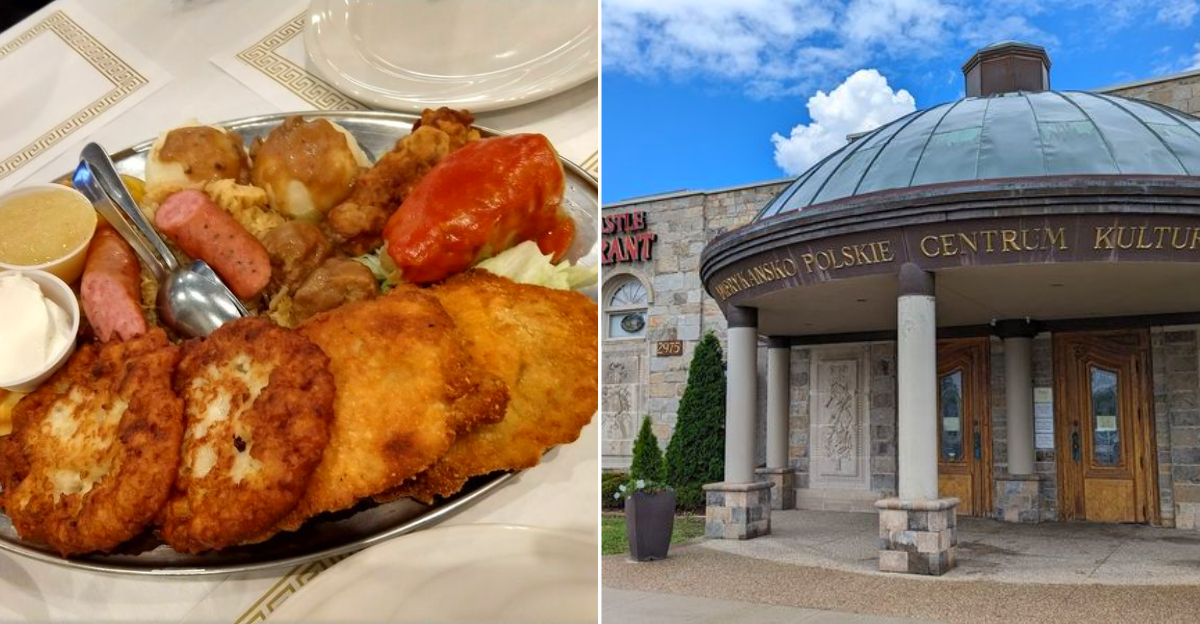
My friend dragged me to a Polish restaurant inside a cultural center. I was not expecting it to be this good.
The pierogi arrived golden, pan-fried, with fillings I could not pick just one of. Stuffed cabbage wrapped around seasoned pork in tomato sauce.
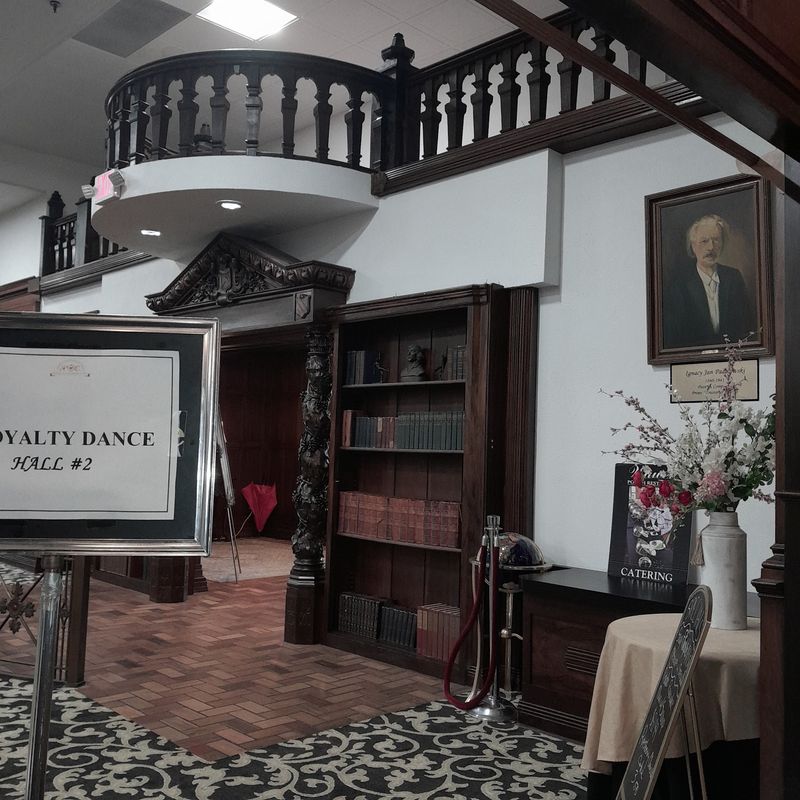
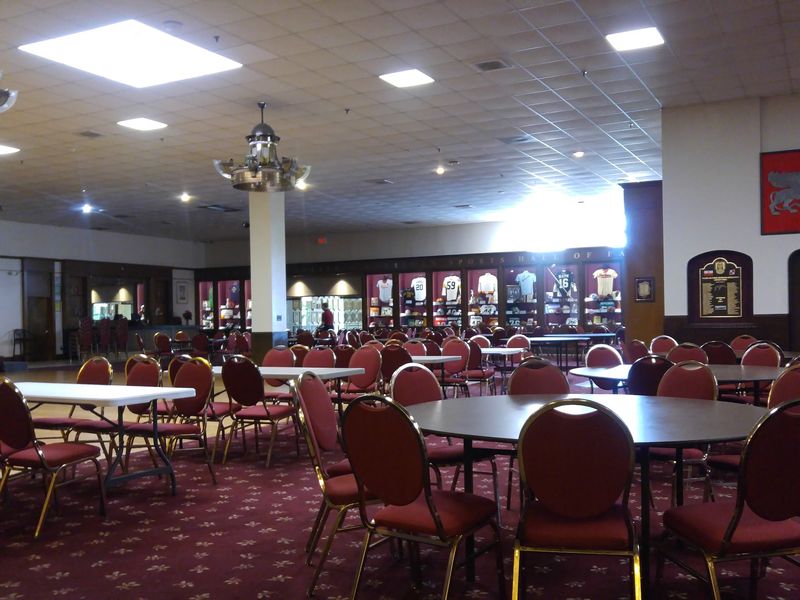
City chicken on a stick, which turns out to be breaded pork, not chicken at all. The dining room sits inside the American Polish Cultural Center. Down the hall, a sports hall of fame displays decades of Polish American athletic achievement.
I ate a full plate of comfort food, then wandered through cultural displays without paying extra. The building feels like a small tour of Poland packed into a single address in Troy. Salsa nights, live concerts, plus private banquets fill the calendar.
This Michigan cultural center serves pierogi alongside salsa nights. The comfort food could hold its own against any kitchen in the state.
Learn Wawel Restaurant’s Story
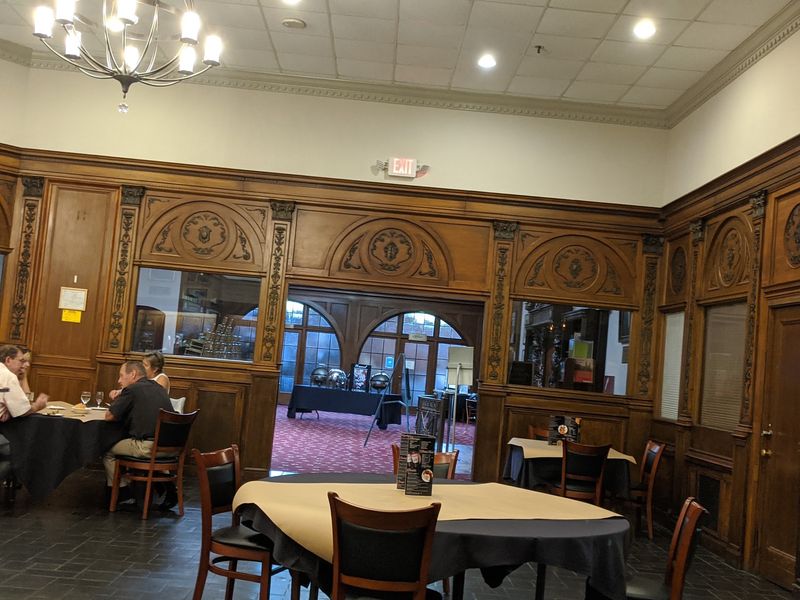
The restaurant inside the center opened to the public on February 4, 1991, and it took the name Wawel on May 10, 2000. That name honors Wawel Castle in Krakow, one of Poland’s most important historic sites.
Knowing that small piece of history makes the dining room feel less random and more intentional, like the kitchen is trying to connect Troy with a bigger cultural map.
What I like most is that the place does not act precious about tradition. Families can come in for a straightforward lunch, friends can settle in for a relaxed meal, and first-time visitors do not need a lesson before ordering.
If you want context before your plate arrives, remember the name is not decoration. It is a clue that the food is meant to carry memory as well as flavor to the table daily.
Maple Road Meets Dequindre At The Polish Center
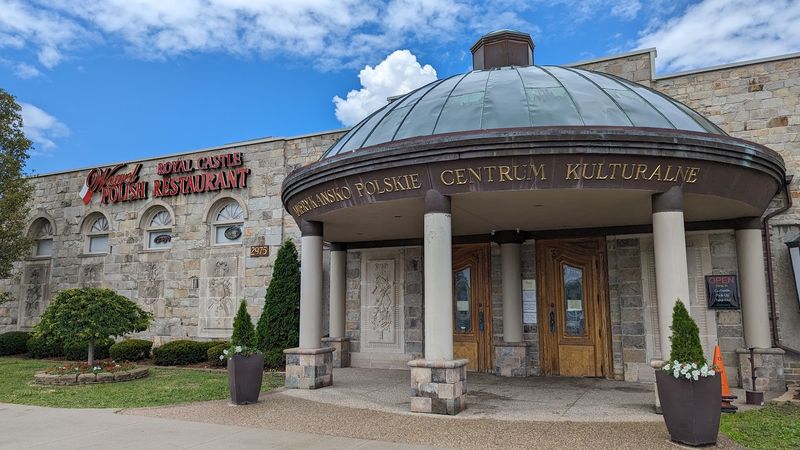
The American Polish Cultural Center is located at 2975 East Maple Road in Troy, Michigan, right at the intersection of Maple Road, also known as 15 Mile Road, and Dequindre Road. The official site describes the building as sitting directly on this prominent corner.
Stay on Maple Road or approach from Dequindre for the final stretch. The large cultural center occupies a sizable property at the intersection, making it easy to identify as you close in on the Maple and Dequindre crossroads.
Turn into the property from one of its two entrances and follow the drive toward the building. The American Polish Cultural Center and Wawel Restaurant share the same 2975 East Maple Road address.
Order Handmade Pierogi
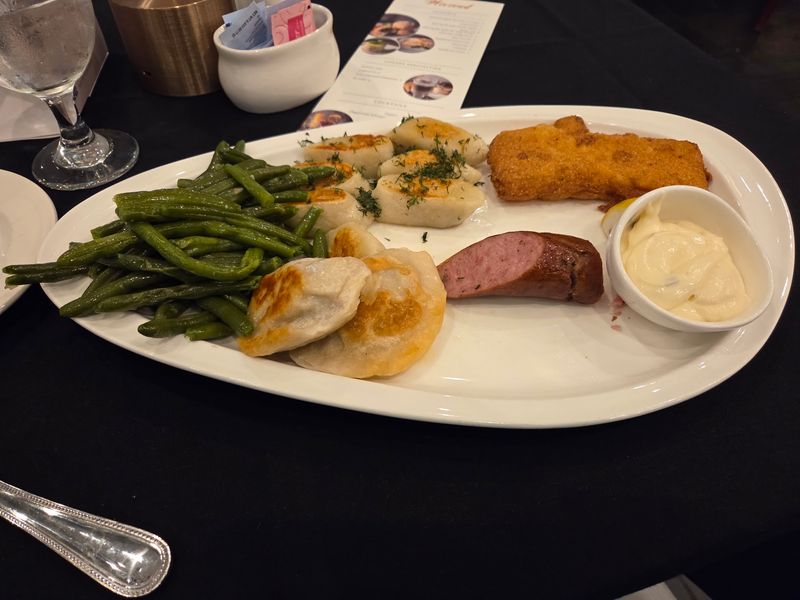
Steam is part of the sales pitch here. Wawel Restaurant’s handmade pierogi are one of the clearest reasons to come, and they show up with the kind of simple confidence that usually means a kitchen knows exactly what it is doing.
Classic fillings commonly include potato, cheese, or sauerkraut, so even cautious eaters can find a starting point without feeling adventurous.
They work as an entree, a side, or part of a buffet, which is useful if your table wants to sample across the menu. On my first visit, the appeal was how unfussy they felt, soft, filling, and clearly rooted in tradition.
Order them early if you are sharing, because pierogi have a funny way of disappearing faster than anyone expects once the plate lands.
They are the dish that quietly turns lunch into the reason you came back.
Choose Stuffed Cabbage
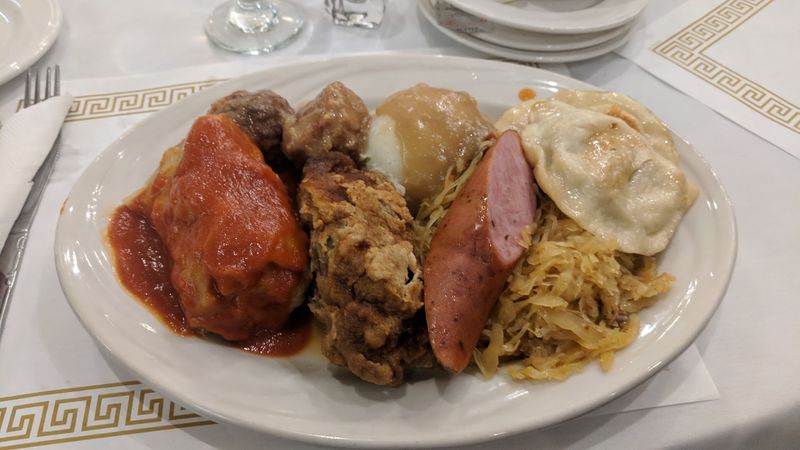
Stuffed cabbage can sound old-fashioned until a good version lands in front of you. Here, Gołąbki sits at the heart of the Polish menu, with minced meat and rice wrapped in cabbage leaves and simmered in tomato sauce.
It is the kind of dish that explains home cooking better than a speech ever could.
There is something practical about ordering it, especially if you want a fuller picture of what Wawel does well. The flavors are familiar, but the preparation carries patience, and that matters.
When a restaurant keeps a classic like this on the menu, it is really saying comfort still belongs at the table.
Go for it when the weather is gray, or when you simply want lunch to feel steady, warm, and a little grandmotherly in the nicest most reassuring deeply satisfying way possible for hungry visitors.
Share Smoked Kielbasa
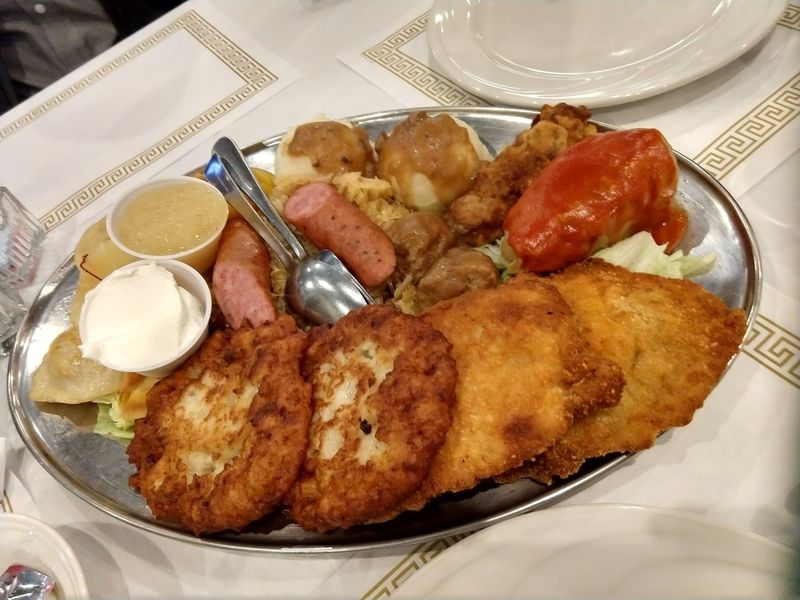
A plate of smoked kielbasa has a direct, no-nonsense charm. At Wawel, the sausage is often served sautéed with onions and peppers, a combination that lets the smoky flavor stay in charge while the vegetables round things out.
If your table includes both cautious diners and bolder ones, this is often the easiest middle ground.
Polish food can be wonderfully hearty, and kielbasa is one of the clearest examples. It works at lunch, it works at dinner, and it also helps first-time visitors understand why simple ingredients matter so much in traditional cooking.
I would order it when you want something savory, familiar, and filling without choosing the very heaviest thing on the menu.
Pair it with another classic and you get a meal that feels sturdy, cheerful, and built for Michigan weather on even the coldest winter afternoons outside.
Start With Potato Pancakes
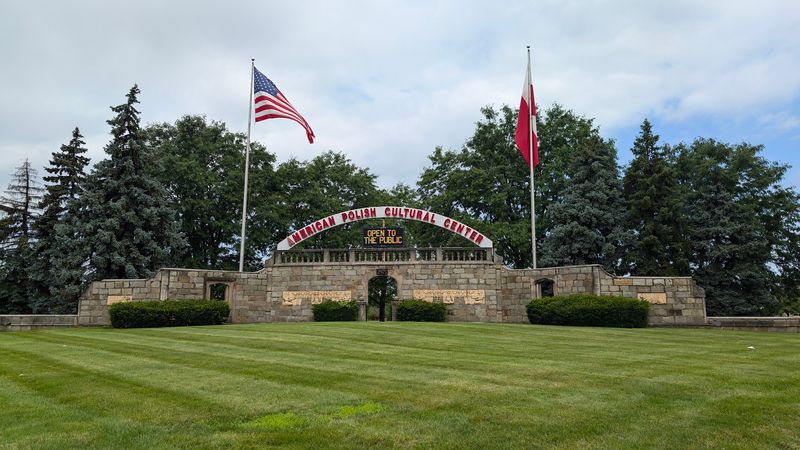
Crunch usually arrives before the conversation does when potato pancakes hit the table. Wawel serves these golden-brown classics with sour cream, and that cool topping gives you the contrast that makes the whole appetizer snap into focus.
They are simple food, but not boring food, because texture does most of the work.
If you are building a meal, this is a smart opener before heavier plates like kielbasa or stuffed cabbage. The pancakes also give younger or pickier eaters a comfortable entry point into the menu.
One bite tells you a lot about the kitchen, whether it respects crisp edges, balanced seasoning, and the old trick of making humble ingredients feel a little special.
Order one plate for the table first. Soon enough, people start reaching twice, then looking around, then deciding a shared order was optimistic from the start.
Catch The Summer Patio
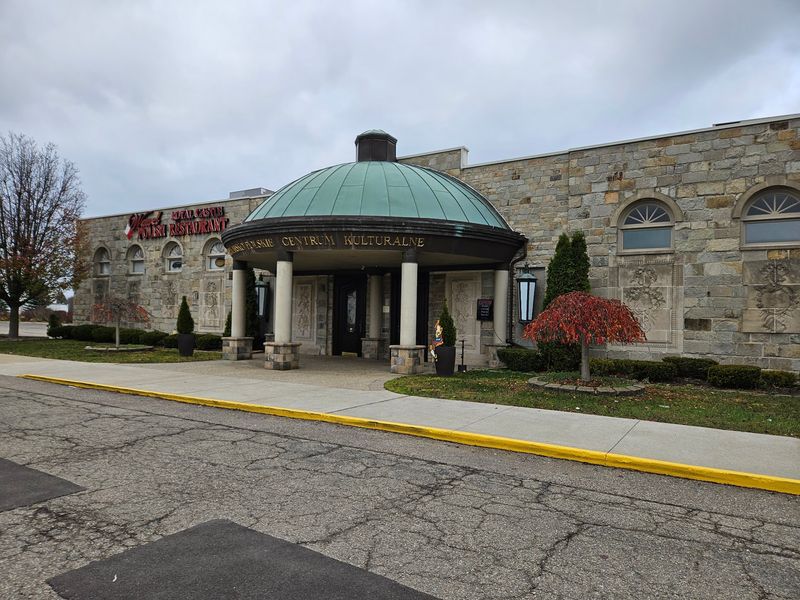
Summer changes the mood at the center in a very specific way. On select weekend dates, the Polish Patio reopens for outdoor dining, giving regulars and first-timers a chance to eat traditional favorites outside.
Michigan sunshine does not last forever, so a seasonal setup like this feels less routine and more like a small event.
The patio also brings new menu items into the mix, which matters if you have already tried the core dishes indoors. I like that the change is not only about tables in fresh air.
It adds variety without losing the center’s identity. Check dates before you go, because patio service is tied to the season, and catching it at the right time makes the whole visit feel brighter.
Bring a friend who likes long lunches, and let the outdoor setting slow you down a little.
Plan Around The Last Sunday Salsa Social
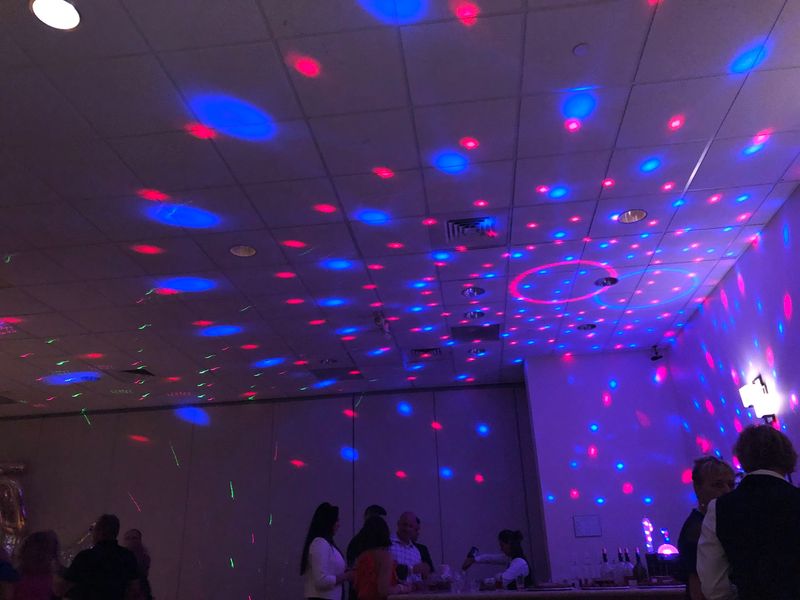
One of the most surprising things about the American Polish Cultural Center is how completely it can change personality. On the last Sunday of each month, the building hosts the YA Salsa Social, widely described as Detroit’s biggest salsa dance party.
A place that serves pierogi by day can later fill with Latin rhythms, moving feet, and the kind of happy noise that makes you linger near the floor.
That contrast is exactly why the center is memorable. It is not pretending to be one thing only.
If you are curious about the dance side, build your visit around that monthly schedule instead of hoping something spontaneous will be happening. The crowd is known for being broad and welcoming, so you do not need expert moves to enjoy the atmosphere or feel part of it once music starts rolling inside.
Arrive Early For The Lesson
Walking into a dance event is easier when someone shows you the first steps. At the center’s Salsa Social, beginner and wildcard classes start at 5:30 PM before the open social dancing continues until 10:00 PM.
That setup is useful because it gives nervous newcomers a clear doorway into the night instead of dropping them straight into a fast-moving crowd.
Classes have been led by instructors such as Samer Georges, and that organized beginning changes the whole tone of the evening. Even people with two left feet can start with something concrete, then practice as the floor fills.
Show up on time, wear shoes you can move in, and let the lesson do the awkward part for you before the music really takes off.
By the first song, you will feel less like an observer and more like a participant.
Use The Wooden Dance Floors
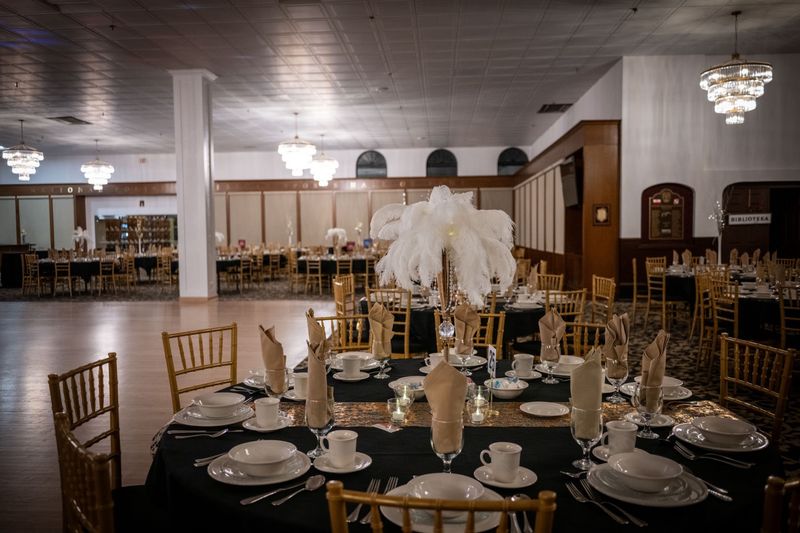
Space matters once the music starts. The American Polish Cultural Center has multiple wooden dance floors for Salsa Nights, and that physical room changes the feeling of the event right away.
People can move freely, small groups can find their rhythm, and beginners are less likely to feel boxed in by stronger dancers circling around them.
A crowded floor can make a fun night tense, but that is not the mood here when the layout is working in your favor. Wooden floors also fit the building’s older, more formal bones, which creates a neat contrast with the lively social energy.
If you are deciding whether to watch or join, the generous floor space quietly nudges you toward joining.
Stand at the edge for five minutes, and you will notice how the room invites participation instead of making people shrink back.
Remember Everyone Can Join
Not every dance event feels easy for families, singles, couples, and total beginners all at once. The center works hard to make that mix feel normal during Salsa Socials, and children under 16 are admitted free.
That small policy says a lot about the spirit of the place, which leans toward community rather than exclusivity.
There is also more than one way to dance here. On Thursdays, the center offers Ballroom and Latin classes for beginner and advanced dancers, which gives you another option if the monthly social does not fit your schedule.
Think of the building as a living community calendar: lunch one day, a class the next, a packed social later on. Few places carry tradition and movement with such an easy, practical balance.
Bring whoever wants to come. The center is built for sharing, learning, and returning.