
Once A 19th-Century Prison, This Pennsylvania Museum Is Now A Must-See Art Destination
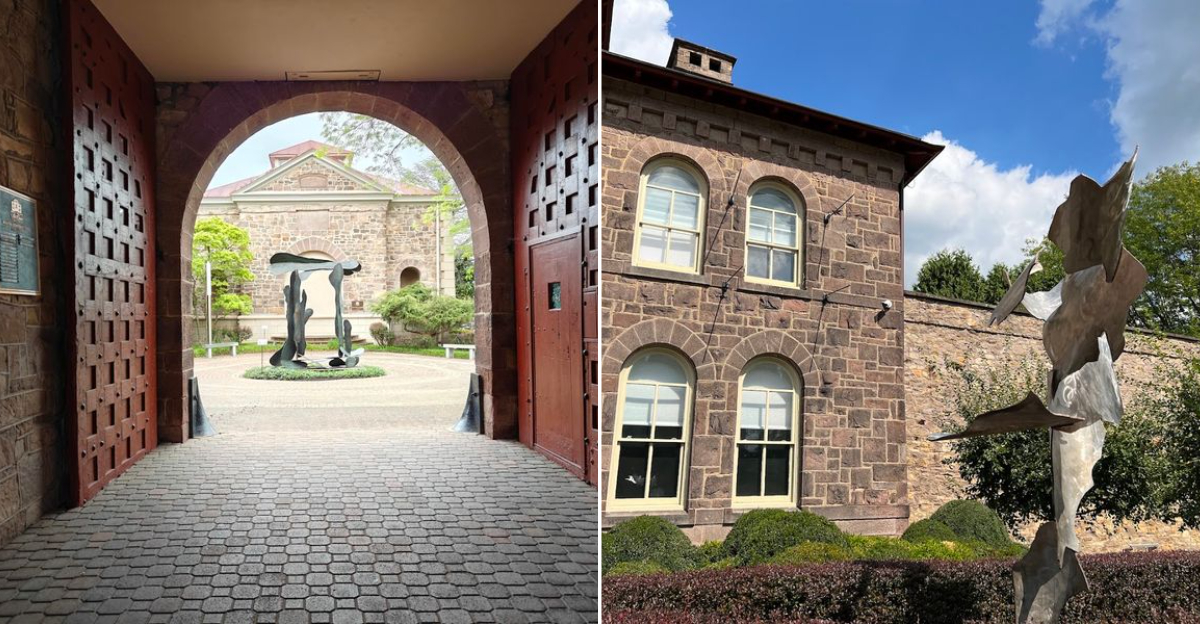
A former prison becoming an art museum already sounds like the kind of twist that makes a day trip more interesting.
The walls that once held one story now hold something completely different, and that contrast gives this Pennsylvania destination a pull most museums cannot fake.
It is part culture stop, part history surprise, and part proof that old buildings can find remarkable second lives.
The best visits here come from that strange mix of curiosity and beauty, where the setting makes you look twice before the artwork even takes over.
Nothing about it feels ordinary, which is exactly why it stands out.
A quick museum plan could easily turn into a longer pause, especially when the building itself keeps asking for attention. I would probably arrive for the art and leave still thinking about the transformation.
A Prison That Became A Palace Of Art
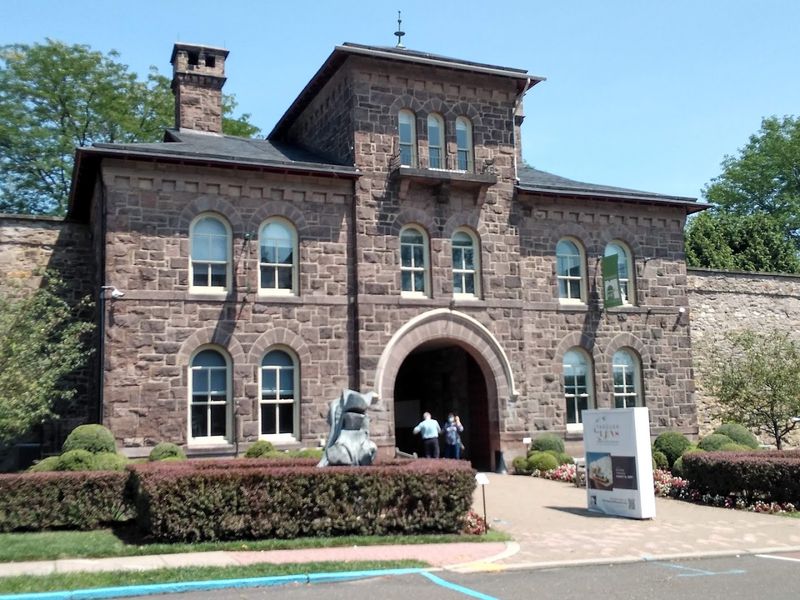
Before the first painting ever hung on its walls, this building held a very different kind of captive audience.
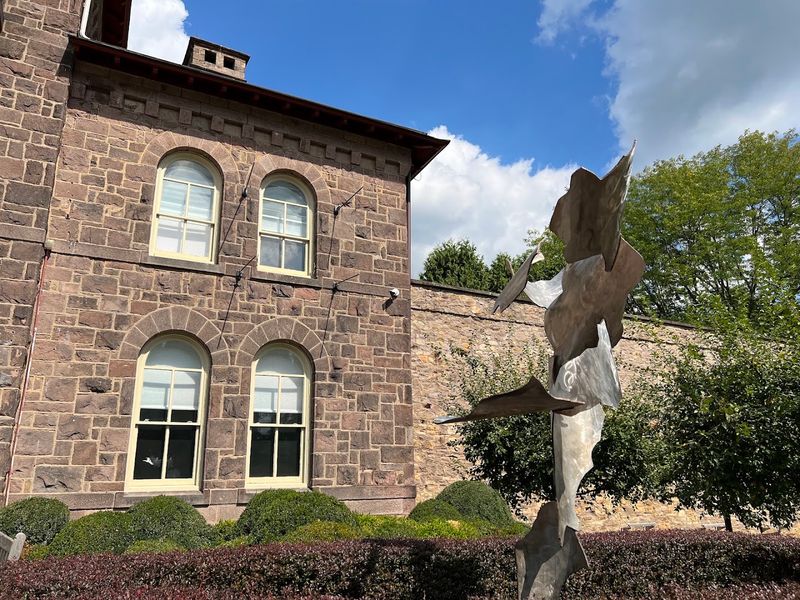
The James A. Michener Art Museum is built within the walls of the former Bucks County Prison, a structure that dates back to the 1880s.
That original stone perimeter still stands today, giving the museum a character you simply cannot manufacture.
Walking through the entrance, you can feel the weight of that history without it ever feeling heavy or unwelcoming.
The transformation from correctional facility to cultural landmark took careful, thoughtful renovation.
Architects preserved the historic bones of the structure while opening up bright, airy interior spaces that feel modern and inviting. It is a rare combination of grit and grace.
The contrast between the rugged stone exterior and the light-filled galleries inside makes the experience of visiting this Pennsylvania institution genuinely unlike anything else in the region.
Named For A Pulitzer Prize-Winning Author
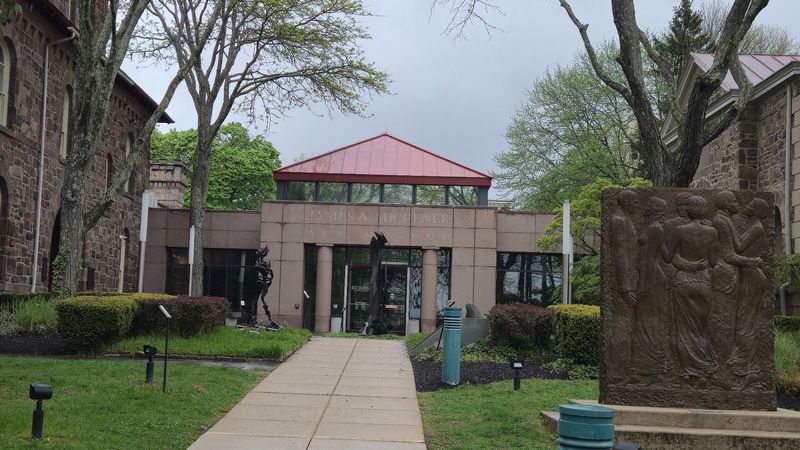
Not every museum gets its name from a novelist, but this one does. James A.
Michener was a Pulitzer Prize-winning author best known for sweeping, epic tales like “Hawaii” and “Centennial,” and he had deep roots in Bucks County, Pennsylvania.
Michener was a passionate supporter of the arts and believed strongly that communities deserved access to cultural institutions.
His connection to the region made naming the museum after him a fitting tribute rather than just a ceremonial gesture.
What makes this even more meaningful is that Michener became a major benefactor. He gave the museum a one-million-dollar endowment gift in 1988 and later established an art endowment challenge.
So in a very real sense, his vision and generosity are embedded in every gallery. The museum carries his spirit forward, making it a living tribute to a man who believed art belongs to everyone.
Home To An Impressive Pennsylvania Impressionism Collection
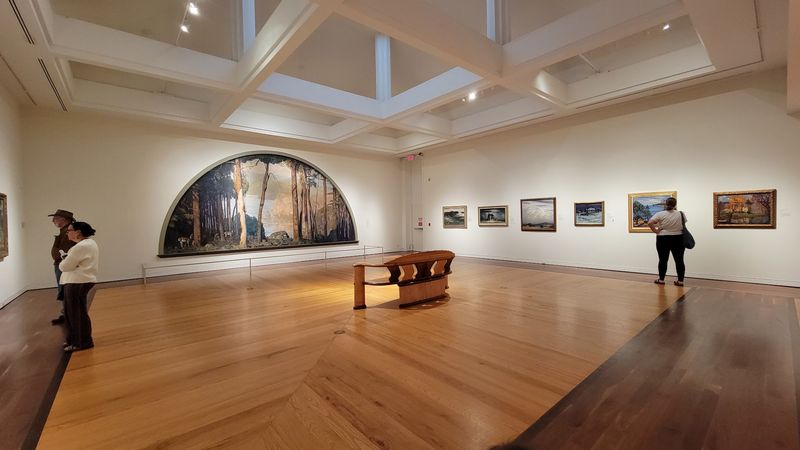
Pennsylvania Impressionism is a distinct and often underappreciated chapter in American art history, and this museum treats it with the respect it deserves.
The collection here is one of the most comprehensive gatherings of Pennsylvania Impressionist work you will find anywhere.
Artists like Edward Redfield, Daniel Garber, and William Lathrop captured the landscapes of Bucks County with a style that feels both rooted and luminous.
Their paintings of creek banks, snowy fields, and quiet village scenes have a warmth that pulls you in immediately.
These were artists who lived and worked right here in Pennsylvania, painting the same countryside that surrounds the museum today.
That local connection gives the collection an intimacy that larger institutions often struggle to achieve.
Standing in front of one of these canvases, you get the sense that the landscape just outside the museum walls looks exactly the same as it did a century ago.
A Sculpture Garden That Surprises At Every Turn
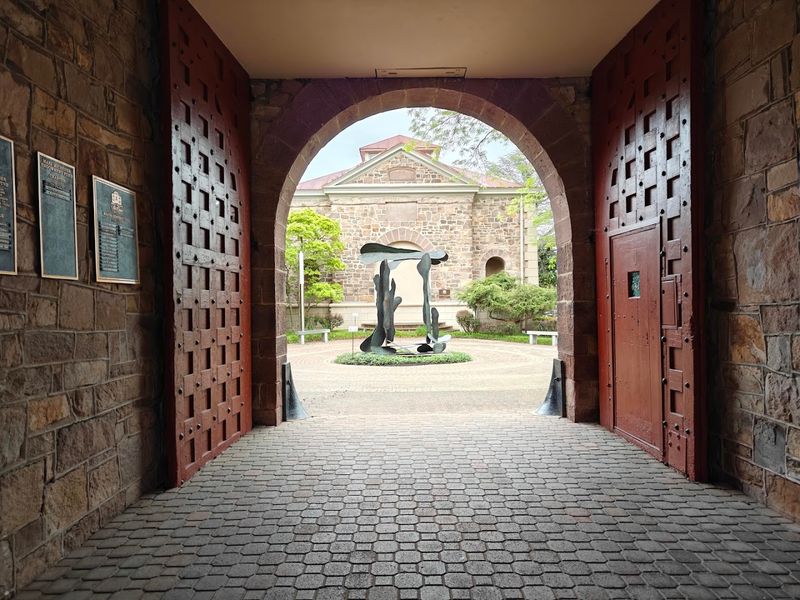
Art does not stop at the front door here. The outdoor sculpture garden at the James A.
Michener Art Museum is one of those spaces that catches you off guard in the best possible way.
Set within the original stone prison walls, the garden feels like a secret courtyard that opens up into something far larger than it first appears.
Sculptures of various scales and styles are placed throughout the space, each one in conversation with the natural surroundings in its own way.
The high stone walls that once served a very different purpose now frame the sky above and give the garden a sense of quiet enclosure.
It is the kind of place where you find yourself slowing down without really deciding to.
Seasonal plantings shift the mood throughout the year, making the garden worth exploring no matter when you visit. This outdoor space alone makes the trip to Doylestown worthwhile.
Rotating Special Exhibitions Keep Things Fresh
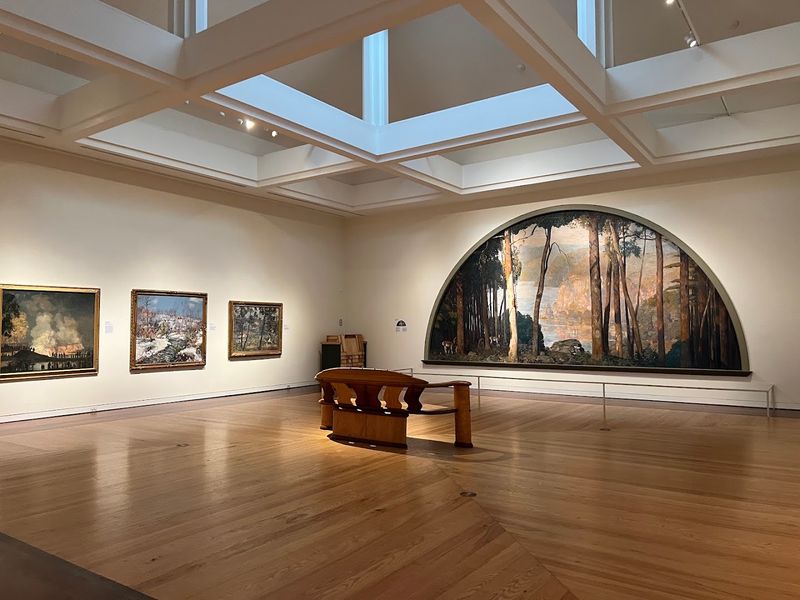
One of the smartest things about this museum is that it never stays the same for long.
Rotating special exhibitions bring new artists, themes, and perspectives into the galleries throughout the year, giving repeat visitors a genuine reason to come back.
Past exhibitions have featured the work of iconic figures like Keith Haring, as well as beloved illustrators like Eric Carle, whose colorful, storybook imagery turned the gallery into something magical for younger visitors.
The range is genuinely impressive, spanning fine art, illustration, fiber arts, and photography. The curatorial team clearly puts serious thought into how each show is presented.
Galleries are rearranged, lighting is adjusted, and contextual information is woven throughout so that each exhibition feels like its own complete experience.
For a museum of this size, the ambition behind these shows is remarkable. Checking the museum’s calendar before planning a trip is always a good idea, because the programming here moves fast.
Free Second Sundays Make Art Accessible to All
Art should not have a price tag that keeps people away, and the James A. Michener Art Museum seems to understand that better than most.
On the second Sunday of every month, admission is completely free for all visitors. This program, known as Free Second Sundays, has become a beloved tradition in the Doylestown community.
It draws first-time visitors who might otherwise hesitate, and it brings regulars back for another look at familiar favorites or newly installed pieces.
Making the museum financially accessible is a meaningful commitment, especially for families, students, and anyone on a tight budget.
The regular adult admission is already quite reasonable at around fifteen dollars, but eliminating that cost entirely once a month sends a clear message about the museum’s values.
Pennsylvania has plenty of cultural institutions, but few make this kind of consistent effort to lower the barrier to entry. That matters, and visitors notice it.
A Reading Room Designed For Quiet Reflection
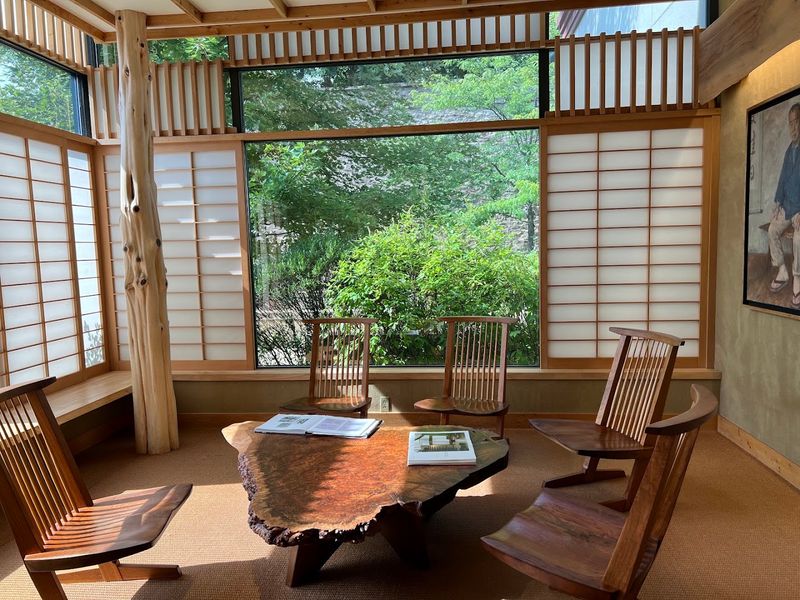
Not every museum visit needs to be a march through galleries. Sometimes the best part of a cultural institution is the corner that lets you pause, breathe, and just exist for a moment.
The reading room at the James A. Michener Art Museum is exactly that kind of space.
Featuring handcrafted furniture in a Japanese tearoom setting, it serves as a quiet retreat from the flow of galleries. For visitors seeking a calmer environment, this space is a genuine asset.
The museum also provides a separate Quiet Space near its research library, showing a real awareness of different visitor needs throughout the building today.
This kind of thoughtful design makes a big difference. It signals that the museum is not just thinking about the art on the walls but about the people standing in front of it.
Small touches like this elevate the entire experience and make the museum feel genuinely welcoming rather than just impressive.
The On-Site Cafe Adds A Charming Finishing Touch
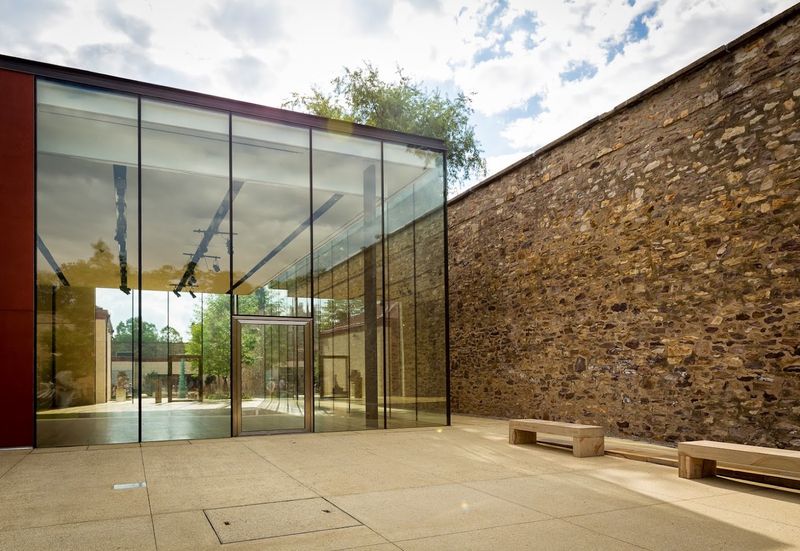
A good museum cafe is harder to pull off than it sounds, but the one at the James A. Michener Art Museum gets the balance right.
It is small, relaxed, and just the right kind of casual for a mid-visit break or a post-gallery wind-down.
The cafe offers coffee, tea, hot chocolate, light snacks, and lunch options, with both indoor and outdoor seating available.
The outdoor area sits near the courtyard, which means you can sip your drink while surrounded by the same stone walls that frame the sculpture garden.
There is something genuinely pleasant about eating lunch in a space that doubles as an art environment. The cafe does not try to be more than it is, and that restraint works in its favor.
It feels like a natural extension of the museum rather than an afterthought. For anyone planning a longer visit, factoring in a stop at the cafe is an easy decision to make.
Parking Is Easier Than You Might Expect
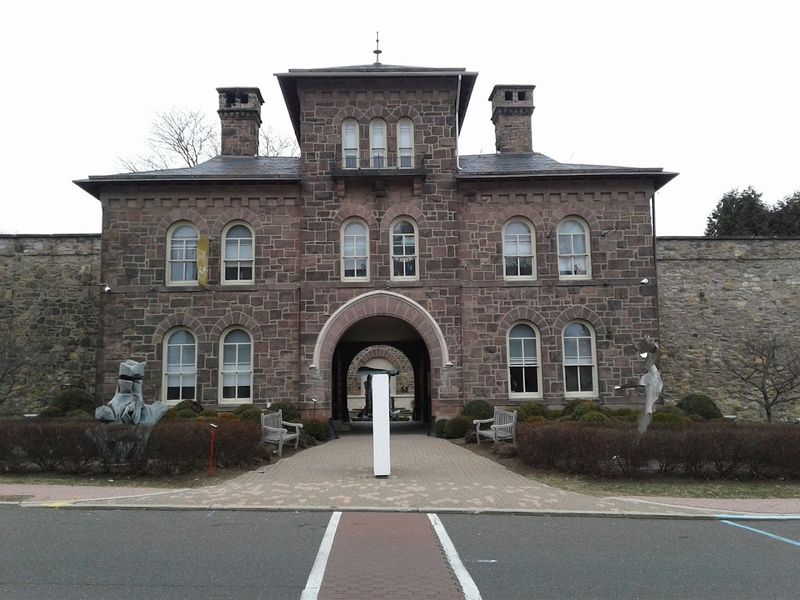
One of the small but meaningful details that makes visiting the James A. Michener Art Museum so stress-free is the parking situation.
The museum sits right next to the Doylestown public library, and visitors are welcome to use the library’s free parking lot.
In a town as charming and walkable as Doylestown, parking can sometimes be a puzzle. Having a reliable, free option directly adjacent to the museum removes that friction entirely and lets you focus on the experience ahead rather than circling the block.
The museum itself is easy to spot once you know to look for it alongside the library on Pine Street. The entrance from the street is straightforward, and the grounds are well-marked.
Pennsylvania towns like Doylestown tend to reward a slow approach, so arriving a few minutes early and taking a short stroll before heading inside is always a good way to start the visit.
An Ideal Venue For Private Events And Celebrations
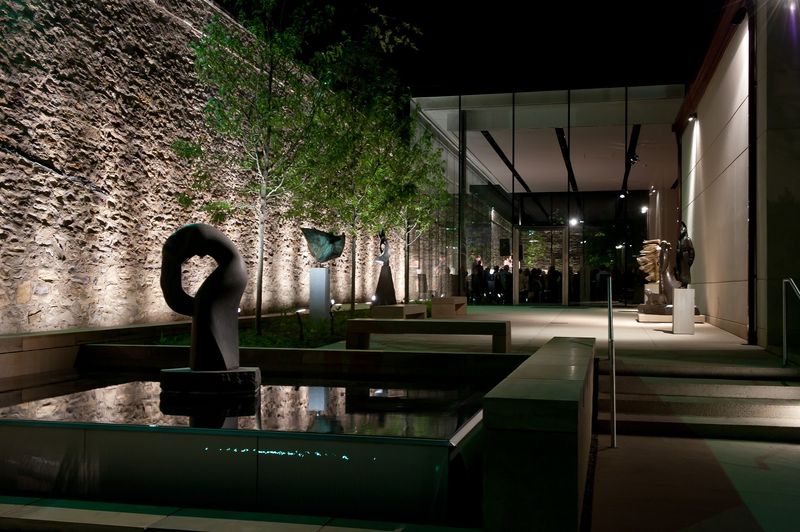
Beyond its role as a public art space, the James A. Michener Art Museum has quietly built a reputation as one of the most distinctive event venues in Bucks County.
The combination of historic architecture and contemporary interior design creates an atmosphere that is hard to replicate anywhere else in Pennsylvania.
The reception hall features glass walls that look out onto the stone enclosure of the original prison perimeter, lit warmly in the evening to create a setting that feels both dramatic and intimate.
It is the kind of backdrop that makes any gathering feel more significant.
Weddings, corporate events, and private celebrations have all taken place here, and the museum’s staff brings the same attentiveness to events that they bring to the galleries.
The setting does a lot of the heavy lifting on its own, but the service makes the experience complete. For anyone looking for a venue with real character, this Pennsylvania landmark delivers on every level.