
8 Quiet Florida Panhandle Towns Packed With Old-Florida Charm And Zero Crowds
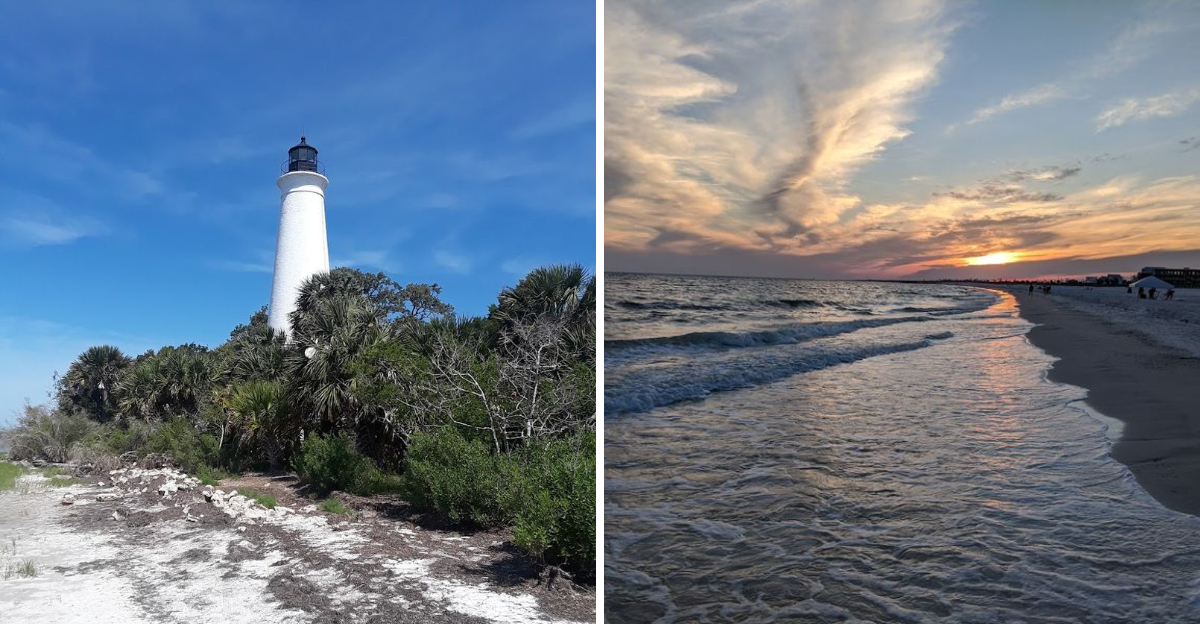
Most people visit Florida looking for crowds.
The Panhandle offers the opposite.
The roads grow quieter.
The buildings get smaller.
The pace slows down.
Before long, the Florida most people know begins to disappear.
That is when something better takes its place.
Florida’s Panhandle is filled with small towns where fishing boats still outnumber tour buses, seafood comes straight from the docks, and strangers still greet each other on the sidewalk. It is a side of the state that never tried to keep up with the bigger beach destinations, and that is exactly why it feels so refreshing.
That is what makes these towns special.
Some parts of Florida are built for tourists.
These Florida Panhandle communities were built for everyday life, and they invite visitors to experience a quieter, more authentic side of the Sunshine State.
1. Apalachicola
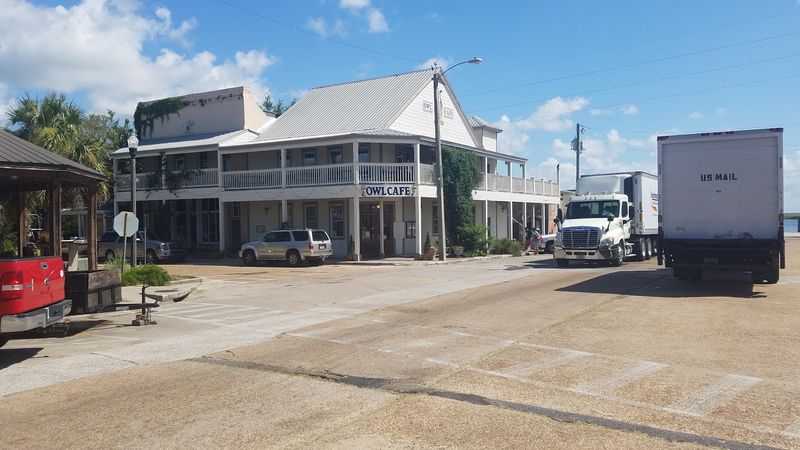
Wandering down Commerce Street in Apalachicola, Florida, feels like someone pressed pause on the whole world and forgot to press play again.
Apalachicola sits at the mouth of the Apalachicola River in the Florida Panhandle, and it has built its identity around oysters, history, and a waterfront that has not been scrubbed clean for Instagram.
The town became famous for oysters harvested from Apalachicola Bay, and while the industry has faced challenges in recent years, local restaurants still serve the freshest Gulf seafood you will find anywhere along this coastline.
Walking the historic district, I counted more than 200 buildings listed on the National Register of Historic Places, which gives the whole town a quiet dignity that newer resort destinations simply cannot fake.
The John Gorrie Museum State Park is worth an hour of your time, honoring the local physician who invented an early form of mechanical refrigeration in the 1840s, a fact that still surprises most visitors.
Sunset over the Apalachicola River turns the water a shade of copper that no filter could improve, and sitting on the dock watching shrimp boats return is the kind of slow, satisfying travel moment that stays with you for years.
2. Carrabelle
Carrabelle is the kind of town where the most famous landmark is a phone booth, and somehow that makes complete sense once you arrive.
Located along the Gulf Coast in Franklin County, Florida, Carrabelle sits at the mouth of the Carrabelle River and has operated as a working fishing village for well over a century.
The World’s Smallest Police Station, a repurposed phone booth that actually served as the town’s police headquarters for years, is a quirky piece of local history that draws curious travelers and earns a spot in every photo album.
Beyond the novelty, Carrabelle offers serious outdoor appeal, with nearby Carrabelle Beach providing calm, uncrowded Gulf waters that feel almost private compared to more developed stretches of the Florida coast.
Camp Gordon Johnston Museum tells the story of the World War II training facility that once operated here, preparing soldiers for amphibious landings, a chapter of history that most people never associate with this quiet corner of Florida.
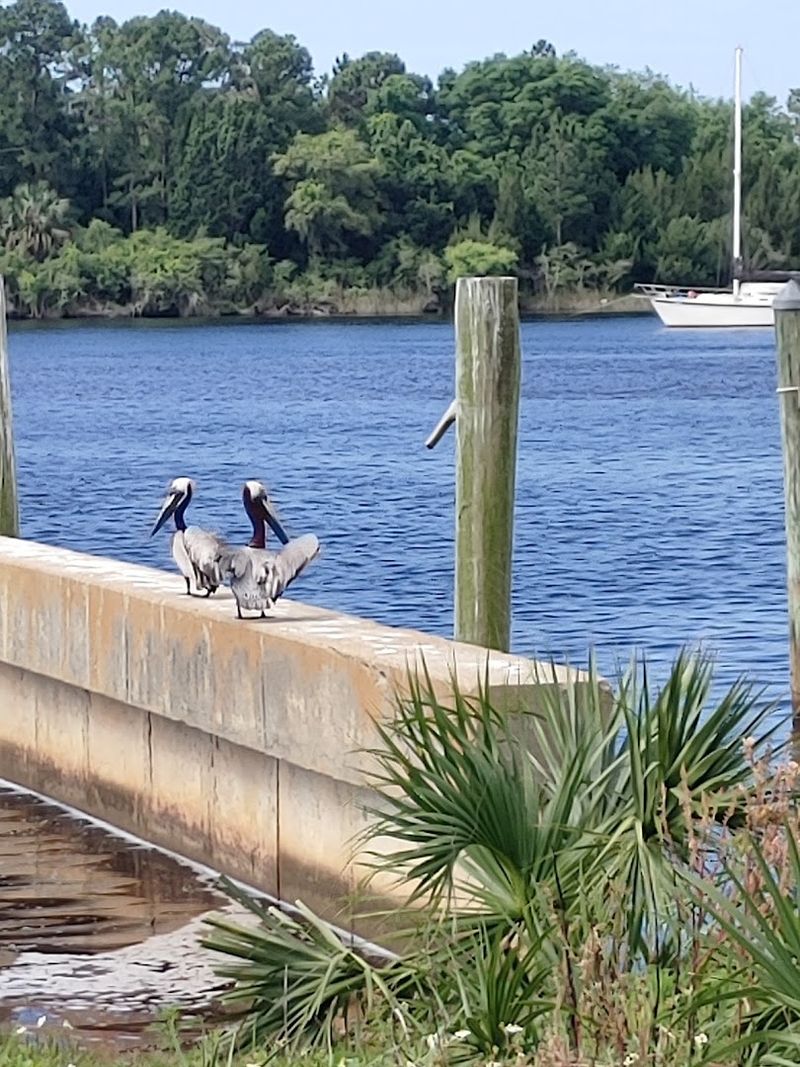
I always end my visits with a slow drive along the river road at dusk, watching pelicans glide low over the water while the fishing boats rock gently at their moorings, a scene so peaceful it almost feels borrowed from a painting.
3. Port St. Joe

Port St. Joe carries a resilience that you can feel the moment you roll into town, shaped by hurricanes, history, and a community that keeps rebuilding with genuine pride.
Sitting on St. Joseph Bay in Gulf County, Florida, Port St. Joe is a small coastal town that offers some of the most accessible and uncrowded beach access in the entire Panhandle.
St. Joseph Peninsula State Park, just a short drive from downtown, protects a narrow barrier peninsula where sea oats sway over sugar-white sand and loggerhead sea turtles nest each summer without much human interference.
The town itself has a compact downtown with locally owned shops, a strong community identity, and a waterfront that invites long, unhurried walks without a resort tower in sight.
History buffs will appreciate that Port St. Joe was the site of Florida’s first constitutional convention in 1838, a fact that gives this quiet coastal town a surprisingly significant place in the state’s political story.
Scallop season brings a brief, joyful rush of visitors each summer, when families wade into the shallow, crystal-clear waters of St. Joseph Bay with masks and nets, making it one of the most wholesome Florida traditions I have ever had the pleasure of joining.
4. St. Marks
Few towns in Florida can claim a Spanish fort, a lighthouse, and a world-class wildlife refuge all within a few miles of each other, but St. Marks manages it without breaking a sweat.
Tucked at the confluence of the St. Marks and Wakulla rivers in Wakulla County, Florida, the town of St. Marks is small enough to walk end to end in about twenty minutes, yet it carries centuries of layered history.
San Marcos de Apalachee Historic State Park preserves the site of a fort originally built by the Spanish in the early 1600s, making it one of the oldest European settlements in Florida, a detail that tends to stop first-time visitors in their tracks.
The St. Marks National Wildlife Refuge stretches across more than 68,000 acres of coastal marshes, pine flatwoods, and tidal creeks, offering extraordinary birding, especially during fall migration when thousands of monarch butterflies pass through on their way south.
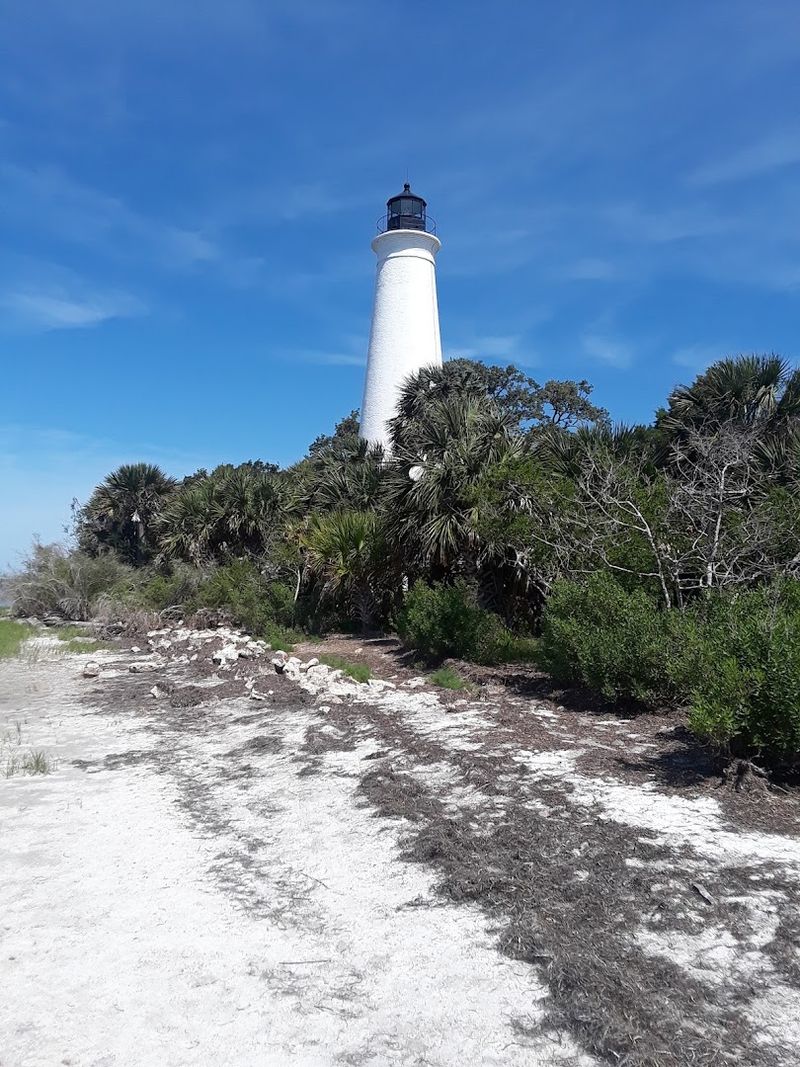
The St. Marks Lighthouse, built in 1831, still stands at the edge of the refuge and is one of the oldest lighthouses in Florida, looking just as sturdy and photogenic as it must have to sailors two centuries ago.
Kayaking the river at dawn, surrounded by cypress knees and the calls of wood ducks, is the kind of experience that reminds you why slow travel always wins.
5. Mexico Beach
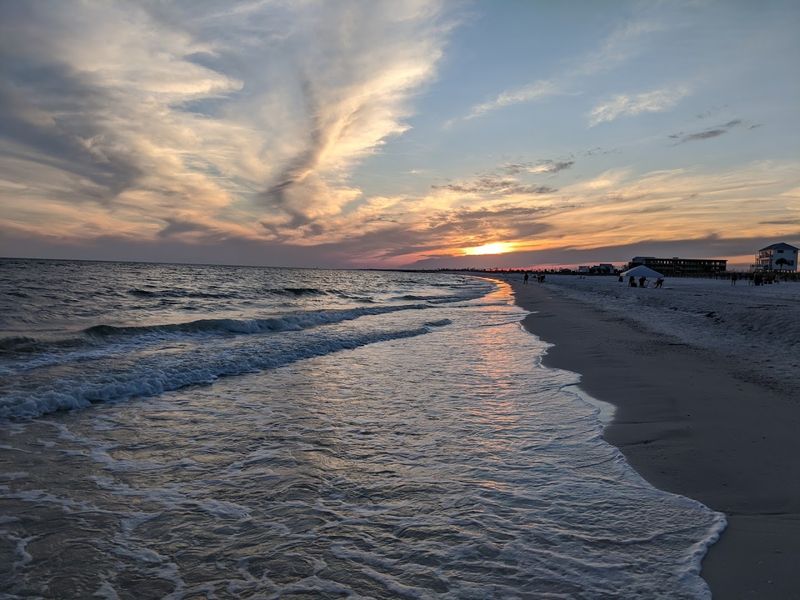
Mexico Beach has a way of making you feel like you discovered something that the rest of the world has not found yet, even though the locals have known about it forever.
Located in Bay County along Florida’s Forgotten Coast, Mexico Beach is a small Gulf-front community that has historically attracted families and anglers looking for simplicity over spectacle.
Hurricane Michael made a direct hit on Mexico Beach in October 2018 as one of the most powerful storms ever to strike the continental United States, and the town’s ongoing recovery has become its own story of community determination.
The rebuilt waterfront and pier area now offer a clean, welcoming gathering point where visitors can fish, watch dolphins play in the surf, or simply sit and appreciate how the Gulf looks when there are no high-rises blocking the view.
Fishing is genuinely central to life here, and charter boats operating out of Mexico Beach target everything from red snapper to king mackerel in waters that remain far less pressured than those near more popular Panhandle destinations.
I found myself staying an extra day almost by accident, lured back to the beach each morning by water so clear and calm that walking away from it felt genuinely unreasonable.
6. DeFuniak Springs
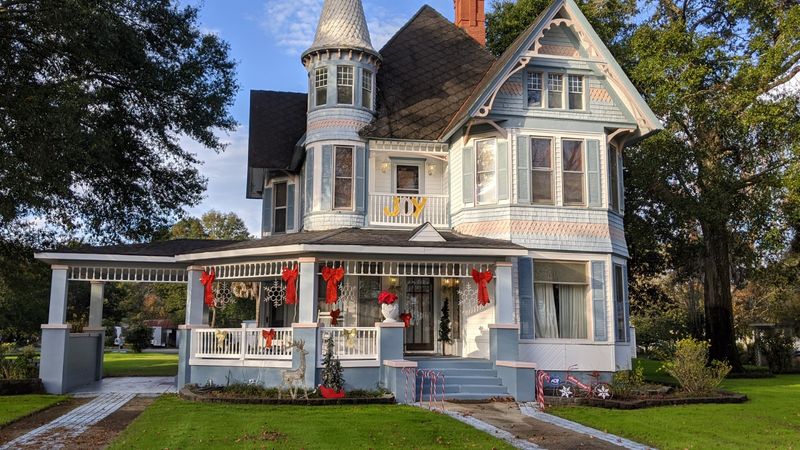
DeFuniak Springs is the kind of place that makes you wonder why it does not appear on every list of underrated Southern towns, and then you realize the locals are probably relieved that it does not.
Sitting in Walton County in the Florida Panhandle, DeFuniak Springs is built around one of only two naturally round lakes in the world, a geological oddity that gives the town center a storybook quality unlike anything else in the state.
Lake DeFuniak is ringed by a canopy of ancient oak trees and a collection of Victorian-era homes and buildings that reflect the town’s history as a winter resort for the Chautauqua movement, a 19th-century educational and cultural program that drew thousands of visitors each season.
The Chautauqua Hall of Brotherhood, built in 1909, still stands as the oldest auditorium in Florida and hosts events to this day, keeping a thread of that original cultural spirit alive in a very tangible way.
Walton-DeFuniak Public Library, founded in 1886, is the oldest library in Florida still operating in its original building, a small but deeply satisfying fact for anyone who loves books and history in equal measure.
Strolling the lakeshore path on a quiet weekday morning, with mockingbirds singing from the oaks and barely another soul in sight, is one of the most underrated pleasures the Florida Panhandle has to offer.
7. Wewahitchka
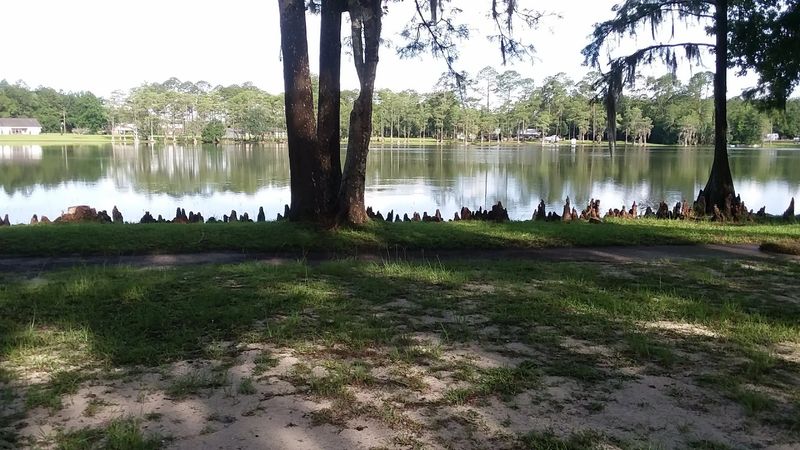
Wewahitchka might be the only town in the world where the local honey has its own cult following, and once you taste tupelo honey straight from the source, you will understand exactly why.
Located in Gulf County in the Florida Panhandle, Wewahitchka, often called Wewa by locals, sits at the edge of the Apalachicola River floodplain, surrounded by tupelo swamps that have supported a unique beekeeping tradition for well over a century.
Tupelo honey, produced from the blossoms of white tupelo trees that grow in the swampy river bottoms near town, is prized for its exceptionally mild flavor and the fact that it resists crystallizing, making it a product that honey enthusiasts seek out from across the country.
Lakes State Park, just north of town, preserves a hauntingly beautiful landscape of standing cypress and tupelo trees rising from a shallow lake created when sandbars blocked the Chipola River, creating a surreal, flooded forest that rewards kayakers and anglers alike.
The town itself is genuinely small and unhurried, with no chain restaurants or resort hotels, just a community that has built its identity around the land and water surrounding it.
Paddling through Lakes on a foggy morning, with ancient trees emerging from the still water all around you, is the kind of quietly unforgettable experience that makes you glad you looked beyond the obvious Florida destinations.
8. Blountstown
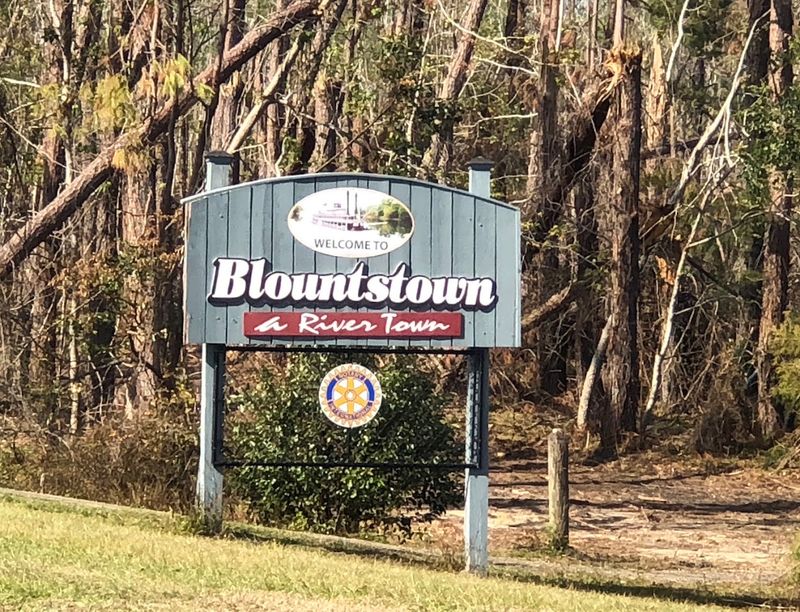
Blountstown sits along the Apalachicola River with the kind of deep-rooted calm that only comes from a town that has never tried too hard to be anything other than exactly what it is.
The county seat of Calhoun County in the Florida Panhandle, Blountstown takes its name from John Blount, a Seminole chief who established a settlement in the area in the early 19th century, giving the town a historical foundation that runs deeper than most visitors expect.
The Florida Pioneer Museum in Blountstown preserves the history of the region through artifacts, photographs, and exhibits that bring the story of Panhandle settlement to life in a way that feels personal rather than polished.
The Apalachicola River, which borders the town to the east, offers excellent fishing for largemouth bass and catfish, and the riverside landscape of bottomland hardwoods and Spanish moss-draped oaks creates scenery that feels genuinely primeval.
Blountstown is also the gateway to Torreya State Park, a short drive away, where the endangered Florida torreya tree grows on bluffs above the river in one of the most ecologically unusual landscapes in the entire southeastern United States.
There are no crowds here, no souvenir shops, and no manufactured experiences, just a river town moving at its own pace, which, after a week on Florida’s busier coasts, feels like the most generous gift a destination can offer.