
One New Jersey Village Still Feels Like The 1700s With Cobblestone Roads And Classic American Charm
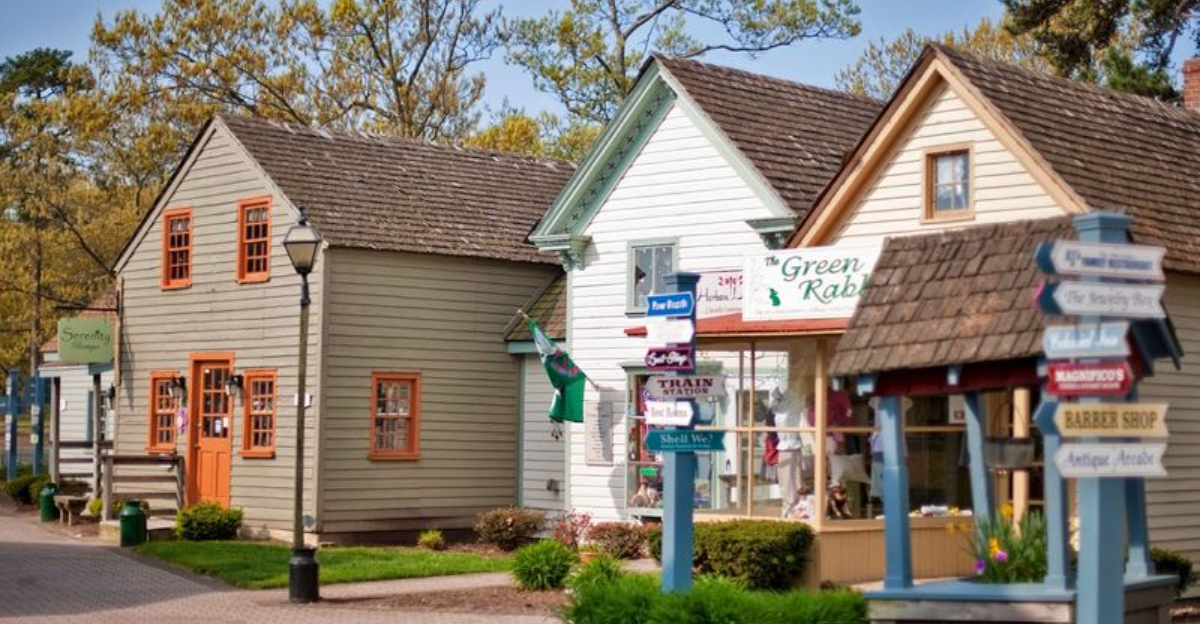
Time doesn’t really behave the same way here. There’s a place hidden between pines and marshes where cobblestone paths replace traffic, and wooden bridges creak like they’ve been telling stories for centuries.
It feels less like stepping into a town and more like slipping into another century that never fully ended. It started with a single tavern along an old Quaker route in the late 1700s, a stop for weary stagecoaches.
Much later, historic buildings were carefully gathered from across the region and rebuilt here, piece by piece, until a whole village quietly came back to life. Now it’s a collection of over 30 preserved structures, filled with small shops, cafés, and open spaces that feel almost too calm to be real.
A living postcard of colonial America in New Jersey, without the museum glass. And if it looks familiar… you might have seen it in a certain treasure-hunting film or two.
A Stagecoach Stop Turned Culinary Landmark
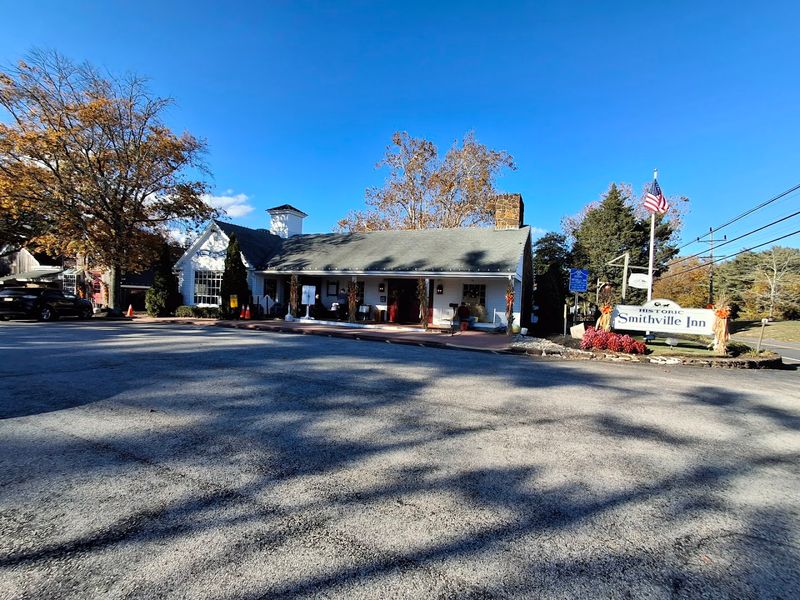
Back in 1787, nobody walking into James Baremore’s tiny tavern could have imagined it would still be standing and serving guests over two centuries later. The original Smithville Inn started as a single-room stagecoach stop along the old Quaker Road.
Weary travelers would pull up, rest their horses, and grab a meal before continuing their journey through colonial New Jersey.
Today, that same building is the proud centerpiece of Historic Smithville. It has grown considerably since its one-room origins, but the spirit of the place remains remarkably intact.
The inn is now an award-winning restaurant that serves classic American cuisine in a setting that feels genuinely historic.
Exposed wooden beams, antique decor, and colonial-era architectural details fill every corner with warmth and character.
Sitting down for a meal here is not just eating out. It is participating in a tradition that stretches back to the founding era of this country.
The building has witnessed centuries of American life, from colonial travelers to modern-day visitors exploring South Jersey. The menu honors comfort food traditions while keeping things fresh and seasonal.
Portions are generous, flavors are bold, and the atmosphere does most of the heavy lifting when it comes to making the experience unforgettable.
Smithville Inn is the kind of restaurant that earns its reputation simply by existing with such grace and history intact.
Where Every Step Feels Like A Trip Through Time
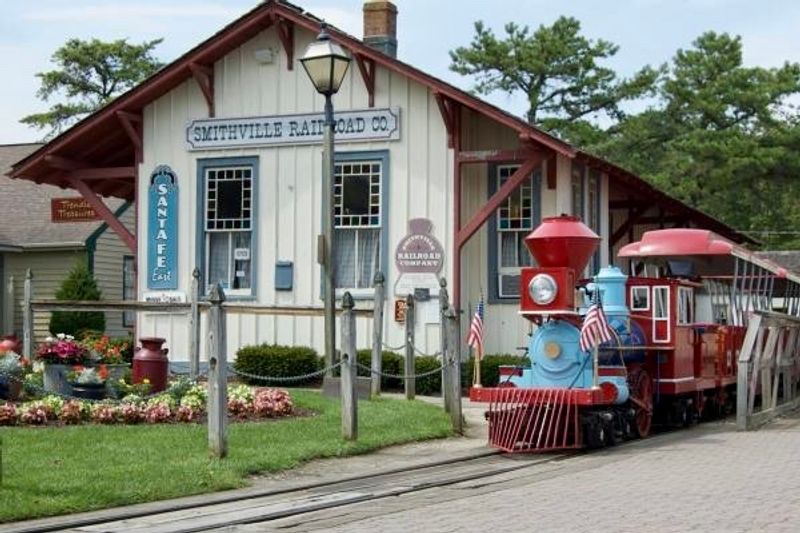
There is something almost cinematic about the sound of footsteps on cobblestone. It is a sound that belongs to a different era entirely.
At Historic Smithville, those cobblestone walkways are not just decorative.
They are the connective tissue of the entire village, linking buildings, bridges, and open spaces into one cohesive colonial experience.
Walking through Smithville on these paths feels genuinely different from strolling through any modern shopping district.
The uneven stones slow you down naturally. You find yourself looking around more, noticing architectural details, peeking into shop windows, and pausing on the footbridges that cross the small lake at the heart of the village.
It is almost impossible to rush here, and that is entirely the point.
Fred and Ethel Noyes understood something important when they began developing Smithville in the 1950s. They knew that atmosphere matters as much as content.
By preserving and installing authentic cobblestone pathways, they created a sensory experience that no modern development could replicate. The texture underfoot, the visual rhythm of the stones, the way rain makes them glisten.
All of it contributes to a feeling of genuine time travel. Visitors consistently describe the walkways as one of the most memorable parts of the Smithville experience.
Sometimes the path itself is the destination, and Smithville proves that beautifully with every square inch of its historic stonework.
A Whole Village Worth Of Colonial Character
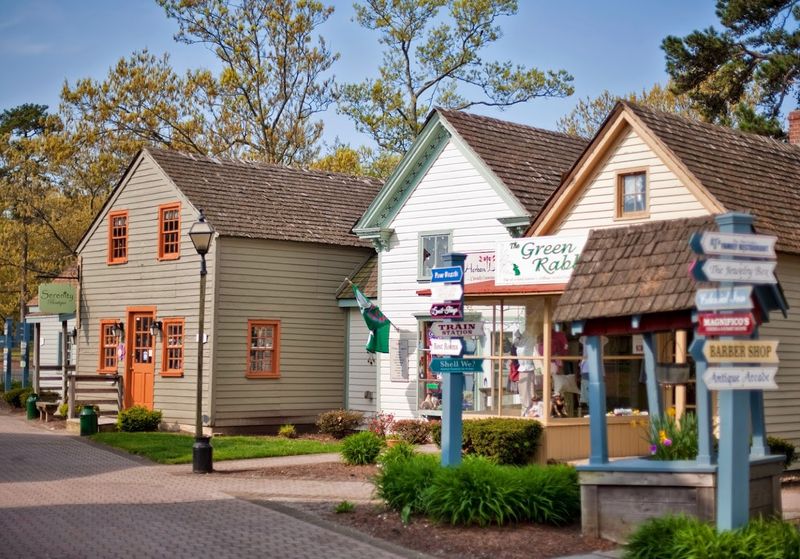
Most historic sites give you one or two preserved buildings and call it a day. Smithville does not play that game.
The village contains more than 30 historic structures, each one collected from different parts of the region and restored with careful attention to period accuracy.
Walking through Smithville is less like visiting a museum and more like stepping into an entire colonial neighborhood.
Fred and Ethel Noyes spent decades sourcing and relocating these buildings to create something truly immersive. Some structures came from nearby Atlantic County, while others traveled from farther corners of New Jersey.
Each one was restored to reflect its original appearance, creating a visual tapestry of 18th and early 19th-century American architecture that is hard to find anywhere else in the state.
The variety of buildings is genuinely impressive. You will find old general stores, a grist mill, a schoolhouse, artisan workshops, and specialty retail spaces all tucked within the village footprint.
Each structure tells a slightly different story about colonial life in New Jersey. The sheer density of authentic history packed into this relatively small space is what sets Smithville apart from other heritage sites.
You could spend an entire afternoon just wandering from building to building without feeling like you missed anything important. Every corner reveals something new, and that sense of discovery is what keeps visitors coming back season after season to explore more of what Smithville holds.
Scenic Beauty That Completes The Postcard Picture
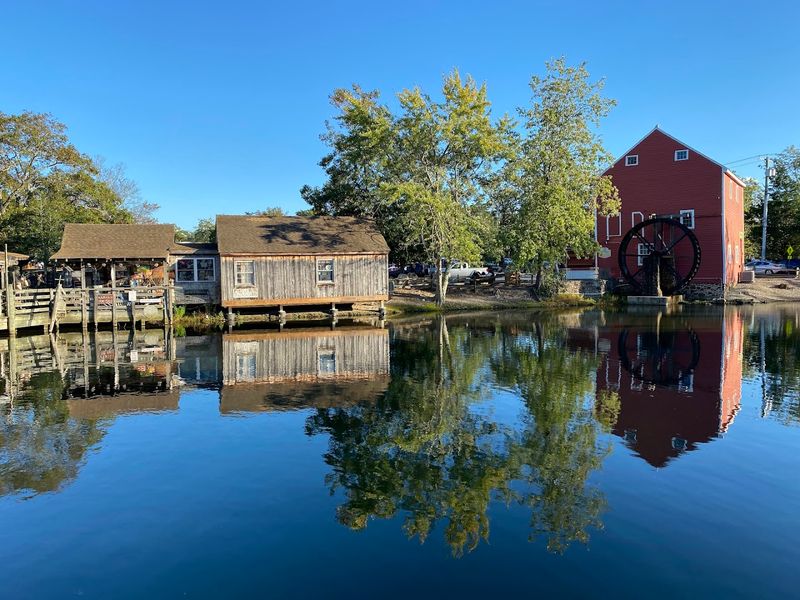
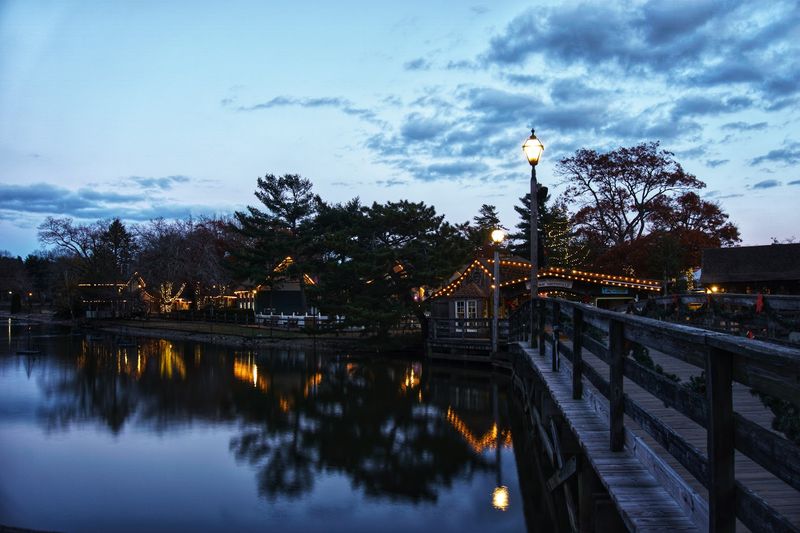
Right in the middle of all that colonial architecture sits a gorgeous lake that ties the whole village together. The water adds a reflective calm to the Smithville experience that feels almost meditative.
On a clear day, the colonial buildings mirror themselves in the surface of the lake, creating a scene so picturesque it almost looks like a painting.
Wooden footbridges arc gracefully over the water, connecting different sections of the village and giving visitors elevated views of the surrounding landscape.
Ducks paddle casually across the lake, completely unbothered by the people watching them from the bridges above. There is something deeply soothing about standing on one of those bridges, looking out at the water and the historic buildings beyond it.
The lake also serves as a natural gathering point for the village. Paddle boats are available during warmer months, giving families and visitors a chance to explore the water up close.
The open green spaces surrounding the lake are perfect for a slow afternoon picnic or simply sitting on a bench and soaking in the atmosphere. At sunset, the light hits the water in a way that makes everything glow with a warm golden hue.
It is the kind of scene that makes you reach for your phone not to scroll, but to take a photo worth actually keeping. Smithville’s lake is proof that great design and natural beauty can work together effortlessly.
Old-World Charm Meets Modern Treasure Hunting
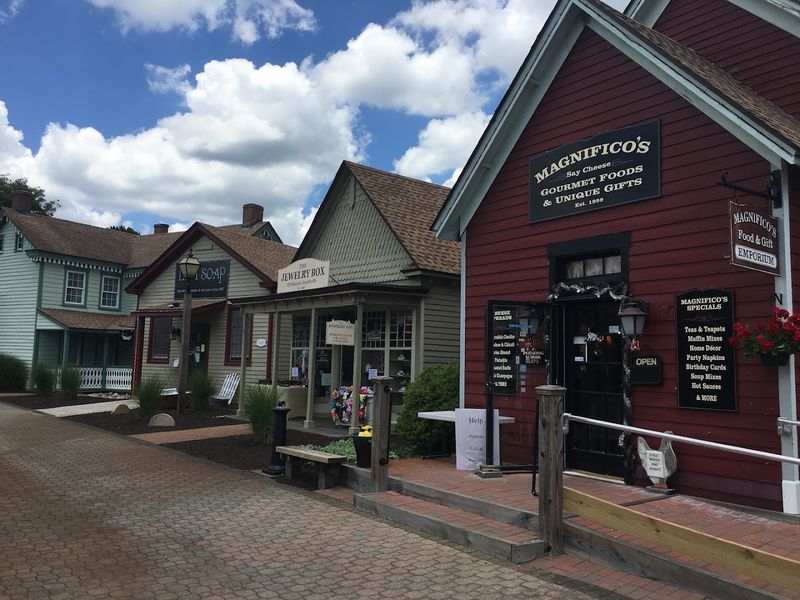
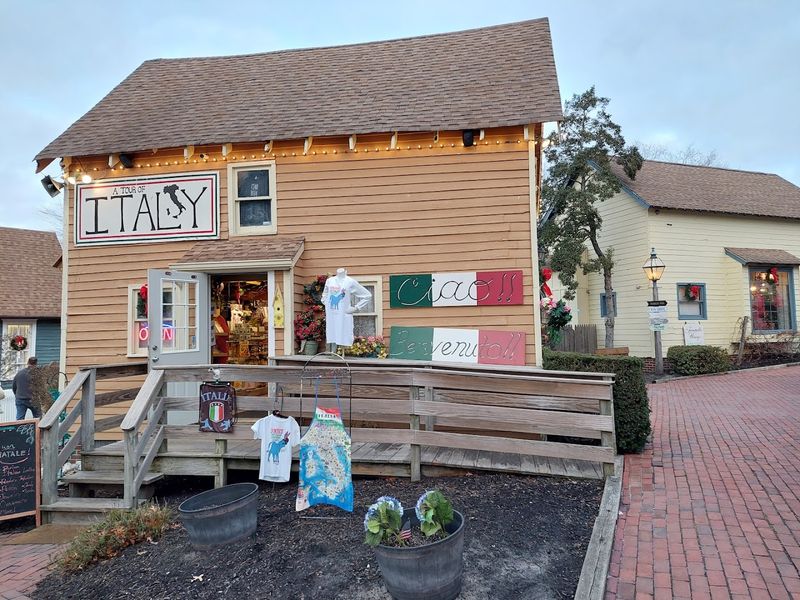
Shopping at Historic Smithville is nothing like hitting the mall. The boutiques and specialty shops here are tucked inside restored colonial buildings, which means every purchase comes with a generous side of atmosphere.
You might find yourself browsing handcrafted candles in a building that was originally a colonial-era workshop, or picking up locally made goods in a space that has been standing since before the Civil War.
The range of shops at Smithville covers a satisfying variety of interests. There are gift shops stocked with New Jersey-themed souvenirs, artisan jewelry stores, specialty candy and fudge shops, and unique home decor boutiques.
Each store has its own personality, shaped partly by the historic building it occupies. No two shops feel quite the same, which makes browsing through the village feel genuinely exploratory rather than repetitive.
What makes Smithville shopping particularly enjoyable is the lack of pressure and rush. The village pace encourages lingering.
You wander in, chat with the people behind the counter, admire the craftsmanship, and leave with something that actually means something. There are no department store crowds or fluorescent lighting to contend with here.
Just well-curated spaces filled with interesting things in beautiful surroundings. Smithville has perfected the art of making shopping feel like leisure rather than a chore, and that distinction alone is worth the drive down the Garden State Parkway for a genuinely refreshing retail experience.
A History That Goes All The Way Back To 1787
Every great village has an origin story, and Smithville’s is a genuinely good one. It all started in 1787 when James Baremore built a tavern along the old Quaker Road, a major travel route through colonial South Jersey.
That single building became the seed of what is now one of the most charming and well-preserved historic villages in the entire state.
The Quaker Road itself was a significant thoroughfare during the colonial period. Travelers, merchants, and settlers used it regularly to move through the region.
Baremore’s tavern capitalized on that foot traffic, offering rest and refreshment to weary road users.
Over time, the area around the inn developed its own identity and community character rooted in that original spirit of hospitality.
Understanding Smithville’s history adds a meaningful layer to every visit. When you walk across those cobblestone paths, you are treading ground that has been part of New Jersey’s story for well over two hundred years.
The vision of Fred and Ethel Noyes to collect and restore regional historic buildings gave that original history a much larger canvas to express itself. They turned one historic inn into an entire village worth of preserved memory.
Smithville is not just a pretty place to visit on a weekend afternoon. It is a living document of colonial New Jersey life, and every building in it has something real to say about how this region grew and thrived through American history.
Smithville Comes Alive All Year Long
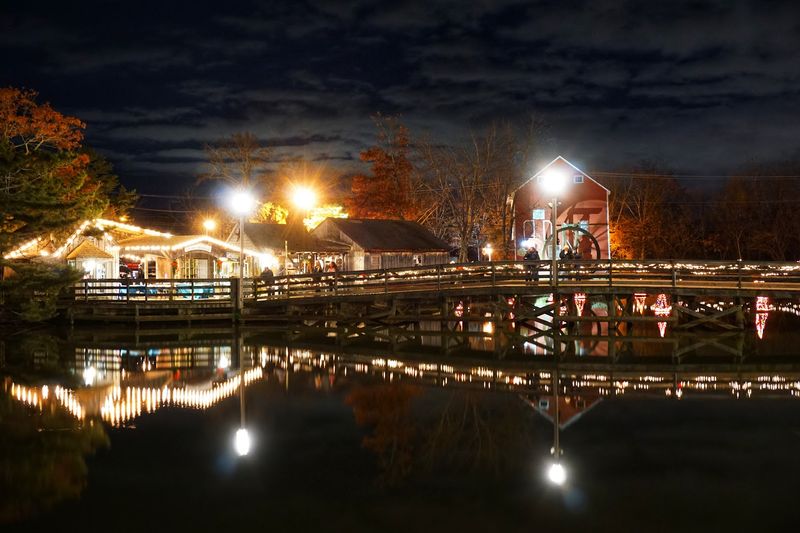
Smithville is not a one-season wonder. Throughout the year, the village transforms itself to match the season, and each transformation brings its own set of reasons to visit.
Fall turns the surrounding trees into a fiery backdrop for harvest festivals and pumpkin-themed events.
Winter wraps the cobblestone paths in twinkling lights that make the whole village feel like a holiday card come to life.
Spring brings outdoor markets and garden-themed gatherings that fill the village green with color and energy. Summer is prime season for outdoor concerts, artisan fairs, and community celebrations that draw visitors from across the Garden State and beyond.
The events calendar at Smithville is consistently packed, meaning there is almost always something happening beyond just the regular shops and dining options.
What makes Smithville’s events particularly special is how naturally they fit the setting. A colonial village hosting a lantern festival or a harvest market does not feel forced or gimmicky.
It feels entirely appropriate, almost like the village was built with these kinds of celebrations in mind.
The historic architecture provides a backdrop that no modern event venue could manufacture. Families return year after year for specific seasonal events, building their own traditions around the Smithville calendar.
If you have only visited during one season, you have honestly only seen one chapter of what this remarkable village has to offer throughout the full sweep of the year.
Smithville Is Closer Than You Think
One of the best-kept secrets about Historic Smithville is just how easy it is to reach from almost anywhere in New Jersey. Situated in Atlantic County near the town of Galloway, Smithville sits just a short drive from Atlantic City and is accessible from the Garden State Parkway.
Whether you are coming from North Jersey, Central Jersey, or the Shore, getting here requires minimal effort for maximum payoff.
The surrounding landscape of the Pine Barrens adds its own scenic appeal to the journey. Driving through those quiet, forested roads before arriving at the village creates a sense of anticipation that makes the destination feel even more rewarding.
By the time you pull into the parking area and catch your first glimpse of the cobblestone paths and colonial rooftops, you are already in the right headspace to fully enjoy what Smithville offers.
Admission to the village itself is free, which makes it one of the most accessible historic destinations in the state.
You pay for what you eat and what you buy, but wandering the paths, crossing the footbridges, and soaking in the atmosphere costs absolutely nothing. That kind of accessibility is genuinely rare for a destination this beautiful and this historically rich.
Smithville proves that meaningful travel does not require a passport or a plane ticket. Sometimes the most rewarding journeys start just a few exits down the parkway, and this village is living proof of that truth.
Have you added it to your list yet?