
This Scenic Maine Coastal Drive Winds Past Rugged Mountains And Ocean Views
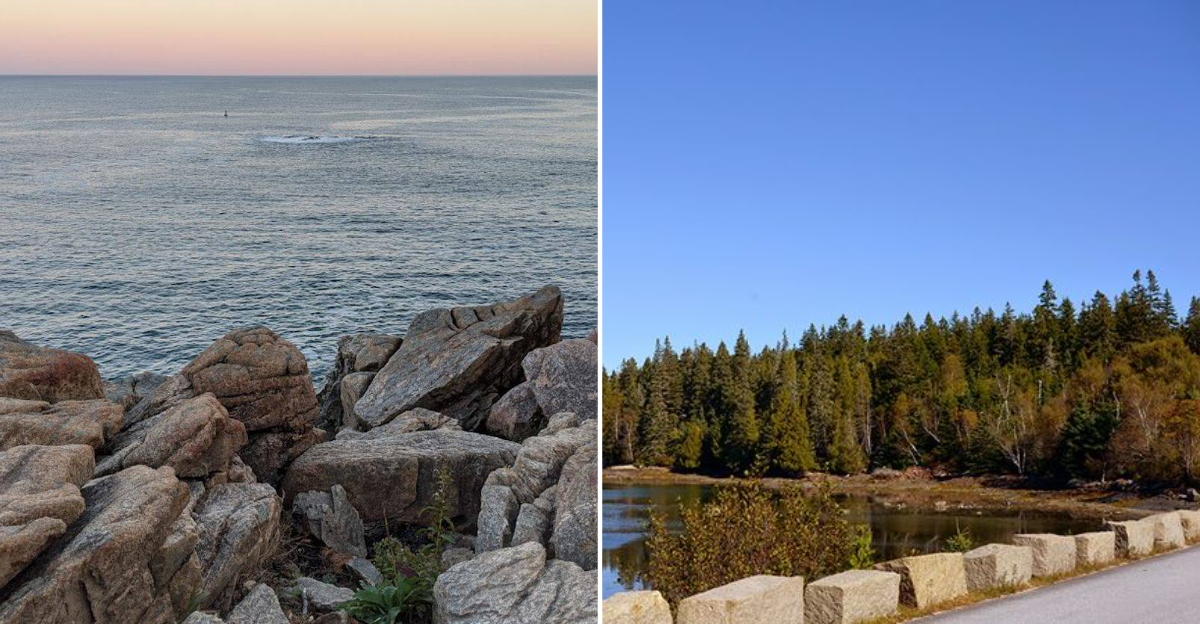
Some roads are just a way to get somewhere. This one feels like part of the adventure.
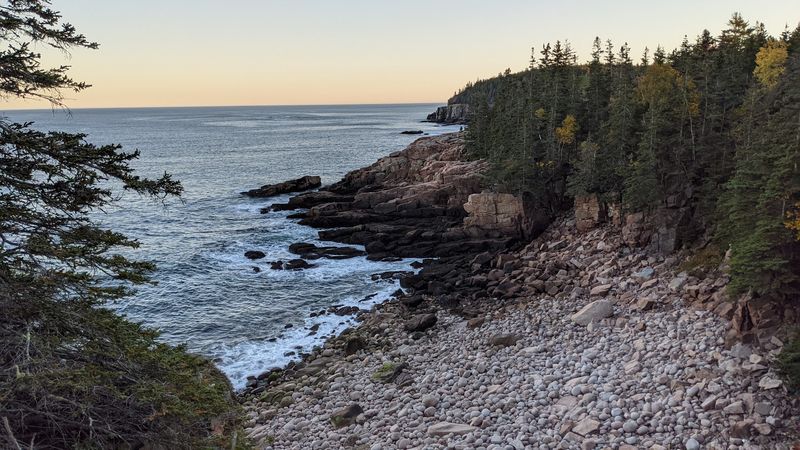
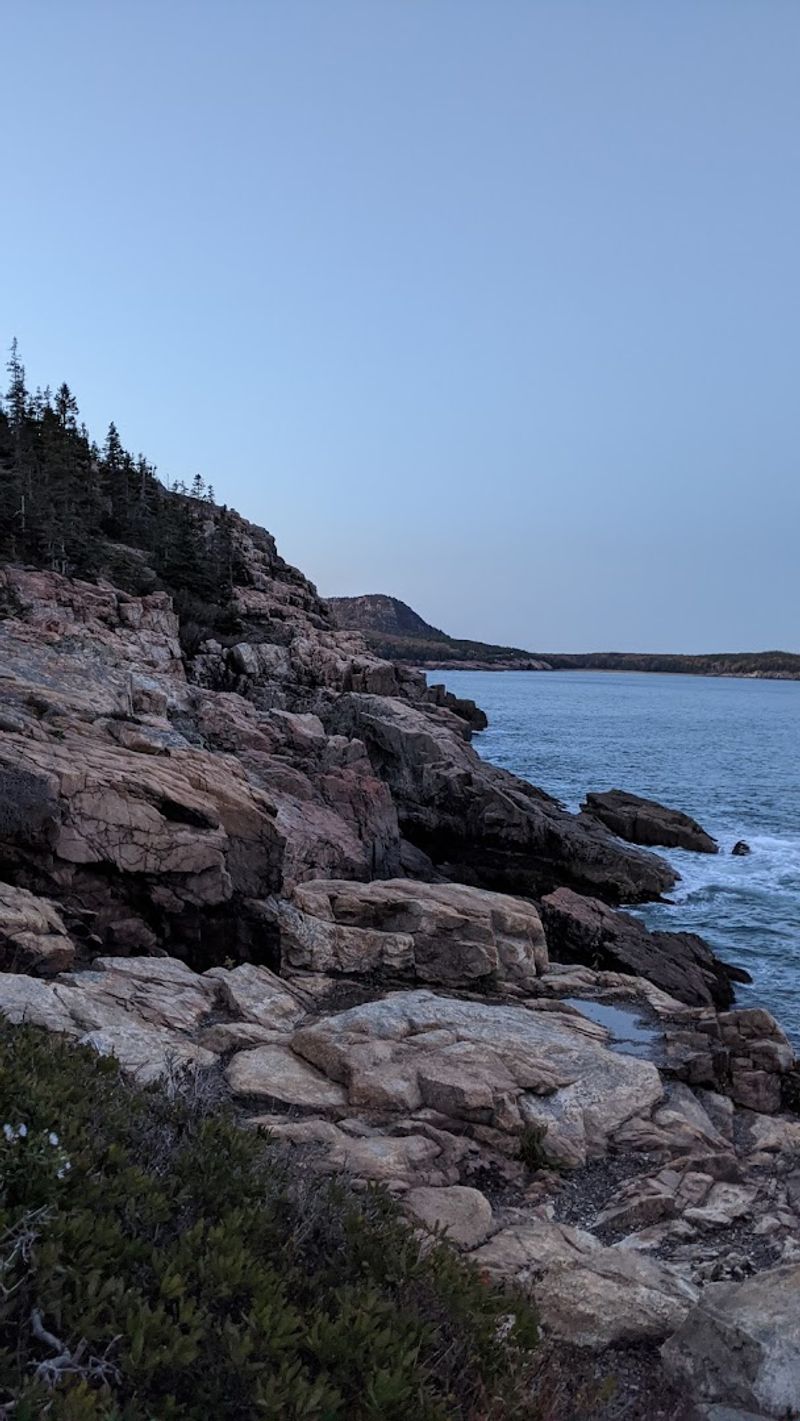
In Maine, a 27-mile scenic loop winds past pink granite ledges, dark spruce forest, quiet ponds, and the open Atlantic, with a new view waiting around almost every bend. One minute, there is crashing surf.
The next, there are mountain shadows, still water, seabirds, or old stonework tucked into the landscape. Most people come for the overlooks, take a few photos, and keep moving.
But this drive has a lot more going on than pretty scenery. Its curves reveal stories about careful design, Ice Age geology, coastal power, wildlife, and long-standing local traditions.
A Road Built By Hands, Not Machines
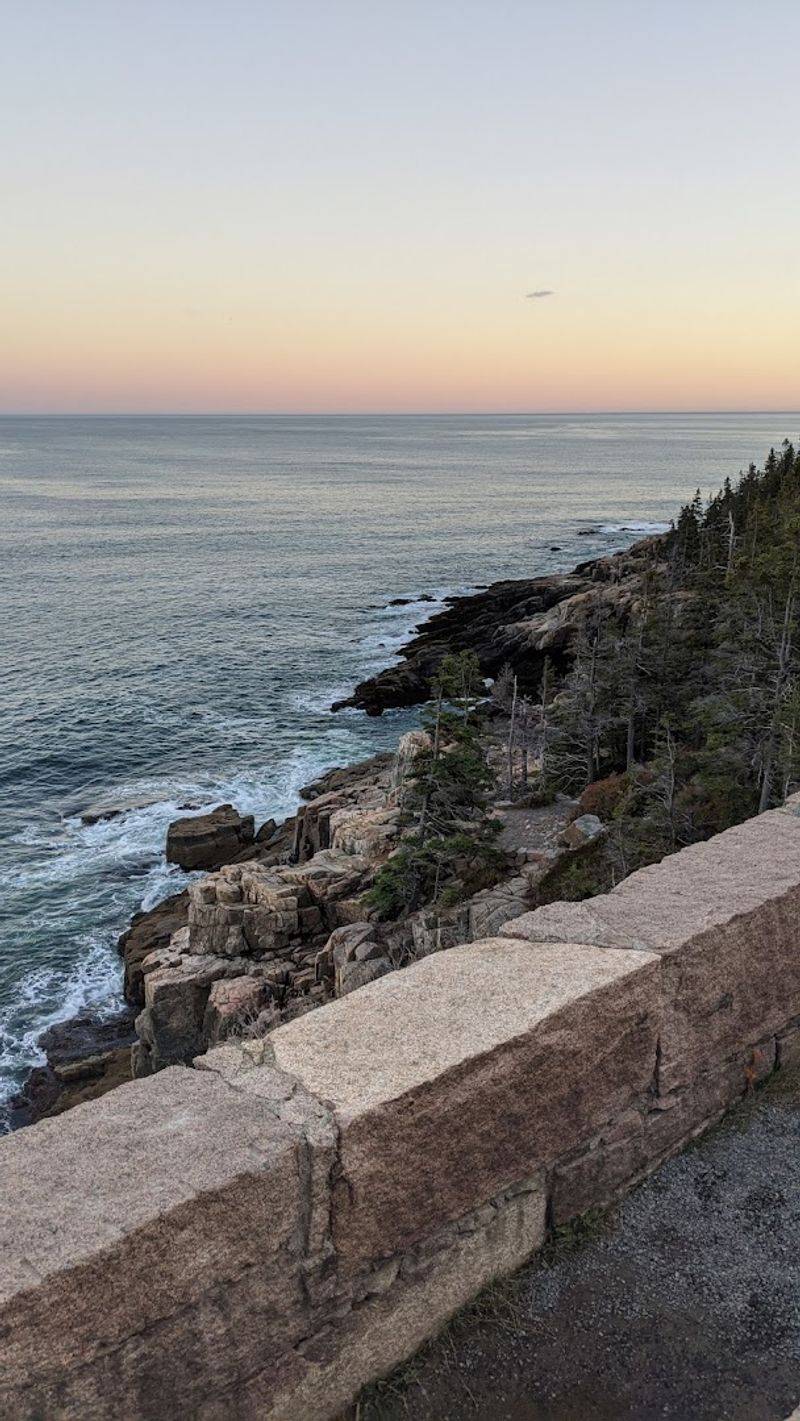
Long before bulldozers and heavy machinery were standard, Park Loop Road was carved out of the Maine wilderness almost entirely by hand.
Acadia’s motor road system was built in phases from the 1920s through the 1950s, with John D. Rockefeller Jr. helping fund major portions of the work while engineers, landscape architects, federal agencies, and local laborers shaped the final route.
Much of Acadia’s historic roadwork relied on skilled labor and careful stonework, but Park Loop Road itself was also part of a larger engineered motor-road project.
The attention to detail was extraordinary. Rockefeller insisted that the road blend naturally into the surrounding landscape rather than cut through it aggressively.
Stone bridges, carefully placed guardrails, and thoughtful curves were all part of the design philosophy. The result was a road that feels almost organic, as if it grew out of the terrain rather than being imposed on it.
That careful craftsmanship is still visible in the stonework, curves, overlooks, and landscape-sensitive design found throughout Acadia’s historic road system.
The One-Way Stretch That Changes Everything
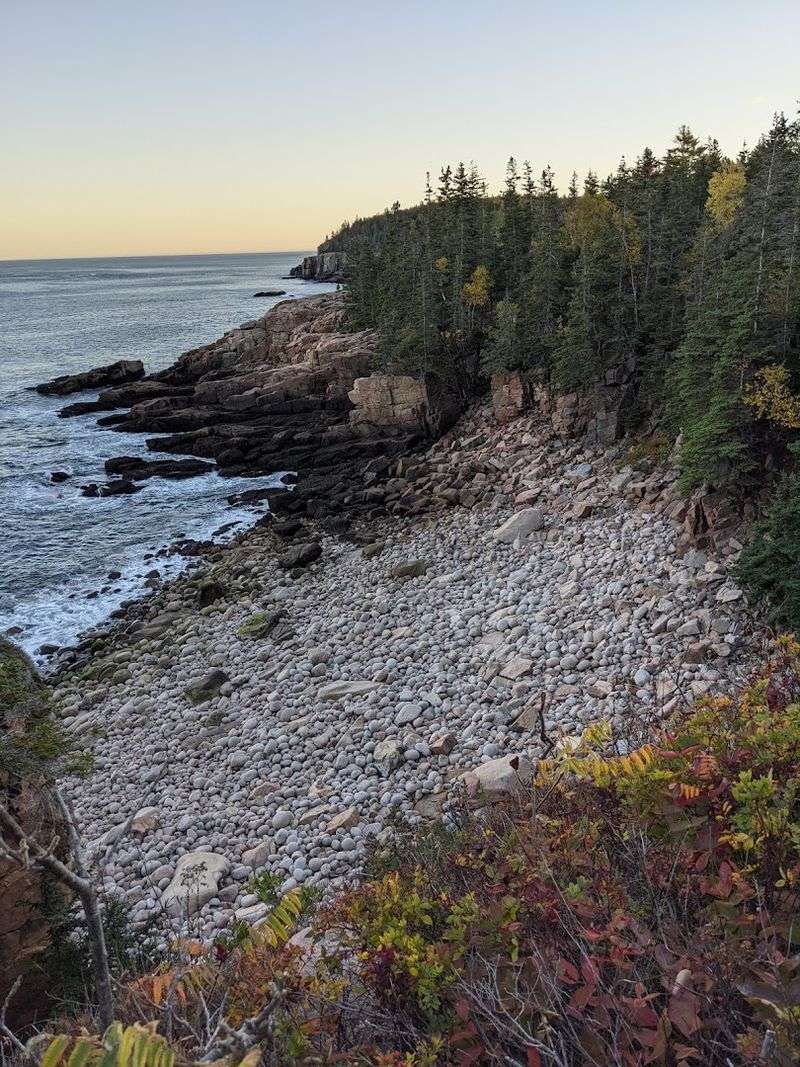
Not every part of Park Loop Road runs in both directions, and that design choice makes a bigger difference than you might expect. A significant portion of the route, particularly the dramatic coastal section near Thunder Hole and Otter Cliff, operates as a one-way road.
This keeps traffic moving steadily and prevents the bottlenecks that would otherwise make the scenic overlooks frustrating rather than enjoyable.
The one-way flow also gives drivers a sense of forward momentum, almost like the road itself is guiding you through a curated sequence of views. You round a bend and suddenly the ocean appears below you, framed by dark spruce trees and pink granite ledges.
Park planners made a smart call with this layout. By controlling the direction of travel, they ensured that every driver experiences the coastal highlights in the same logical, visually satisfying order.
It turns a simple drive into something closer to a carefully choreographed outdoor experience worth savoring slowly.
Cadillac Mountain Sits Right Along The Route
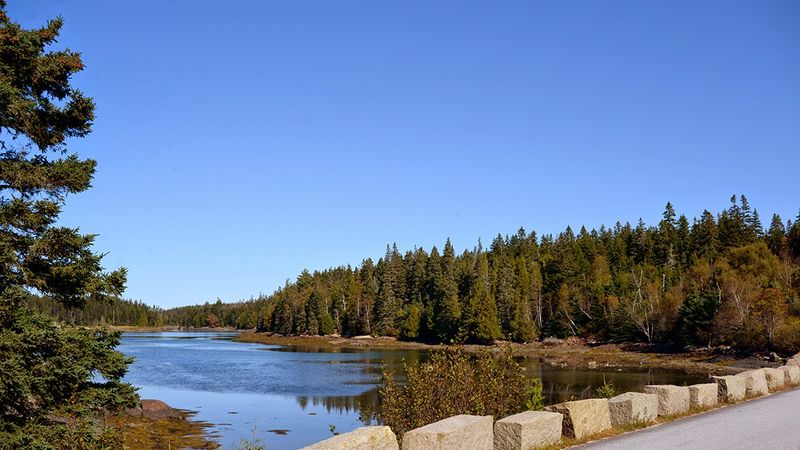
One of the most iconic stops along Park Loop Road is the turnoff for Cadillac Mountain, which rises to 1,530 feet and stands as the highest point on the eastern seaboard of the United States.
For a portion of the year, it is also one of the first places in the entire country to receive the light of sunrise, which draws crowds of early risers willing to set their alarms for an extraordinary payoff.
The summit road branches off from the main loop and winds upward through open granite terrain that feels almost lunar in its stark beauty. At the top, the views stretch across Frenchman Bay, the Porcupine Islands, and on clear days, far out into the open Atlantic.
Vehicle reservations are required for Cadillac Summit Road during the reservation season, so checking the current National Park Service dates before visiting is essential.
Still, even catching a glimpse of Cadillac from the main loop road below is enough to understand why this mountain anchors the entire Acadia experience so powerfully.
Thunder Hole Is Louder Than Its Name Suggests
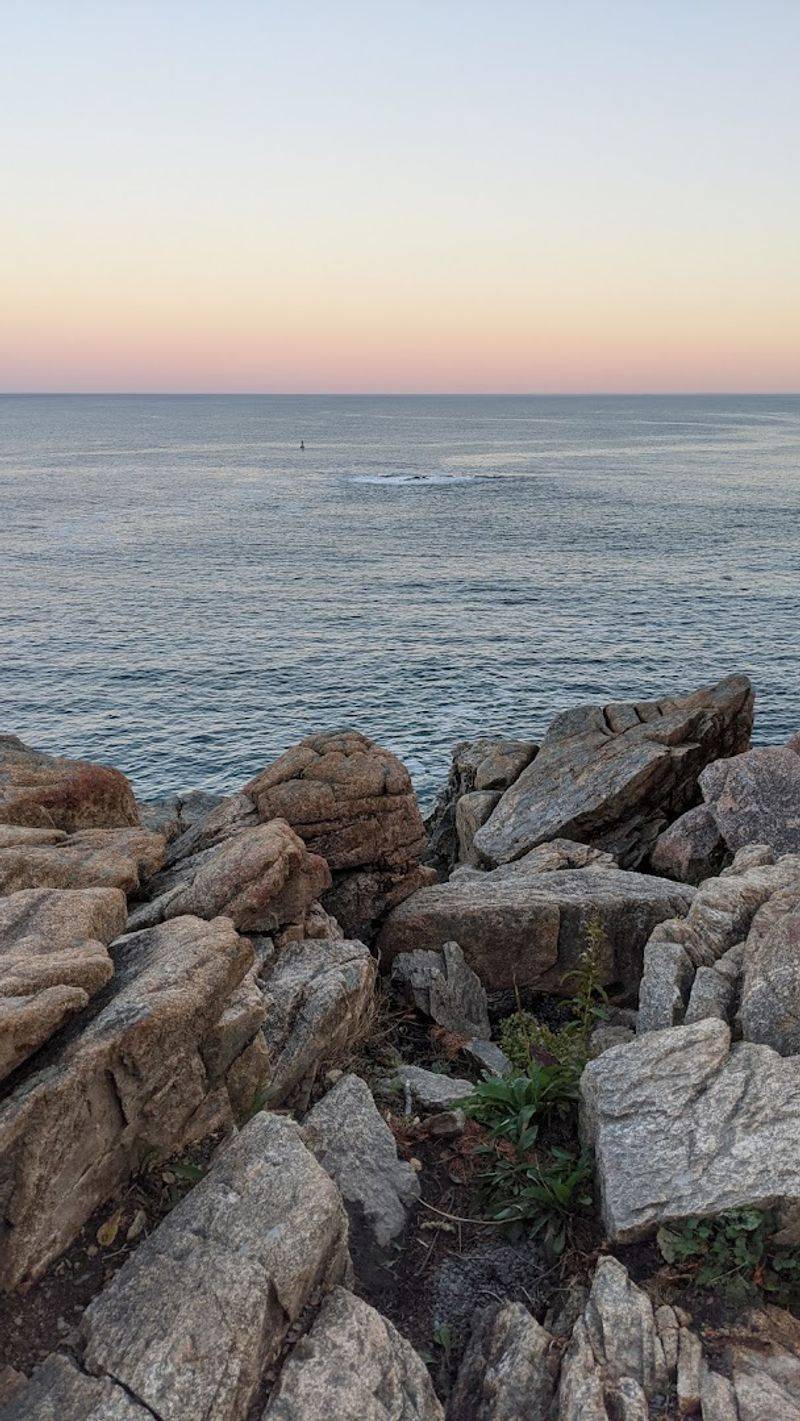
There is a narrow chasm carved into the pink granite along the shore where the ocean does something spectacular.
When incoming waves hit just right, trapped air and water compress inside a small sea cave and release with a booming sound that can be heard from a surprising distance. This is Thunder Hole, one of the most visited spots along the entire Park Loop Road.
The timing of your visit matters enormously here. The loudest, most dramatic displays happen roughly two hours before high tide, when wave height and frequency align perfectly with the geometry of the cave.
Visit at low tide and you might see nothing more than a quiet pool of seawater.
Even on calm days, the spot is worth a stop just to stand close to the raw power of the North Atlantic. The spray can reach impressive heights, so keeping a safe distance from the guardrails is genuinely important.
Wet sneakers are a common souvenir from this particular overlook.
Wildlife Shows Up When You Least Expect It
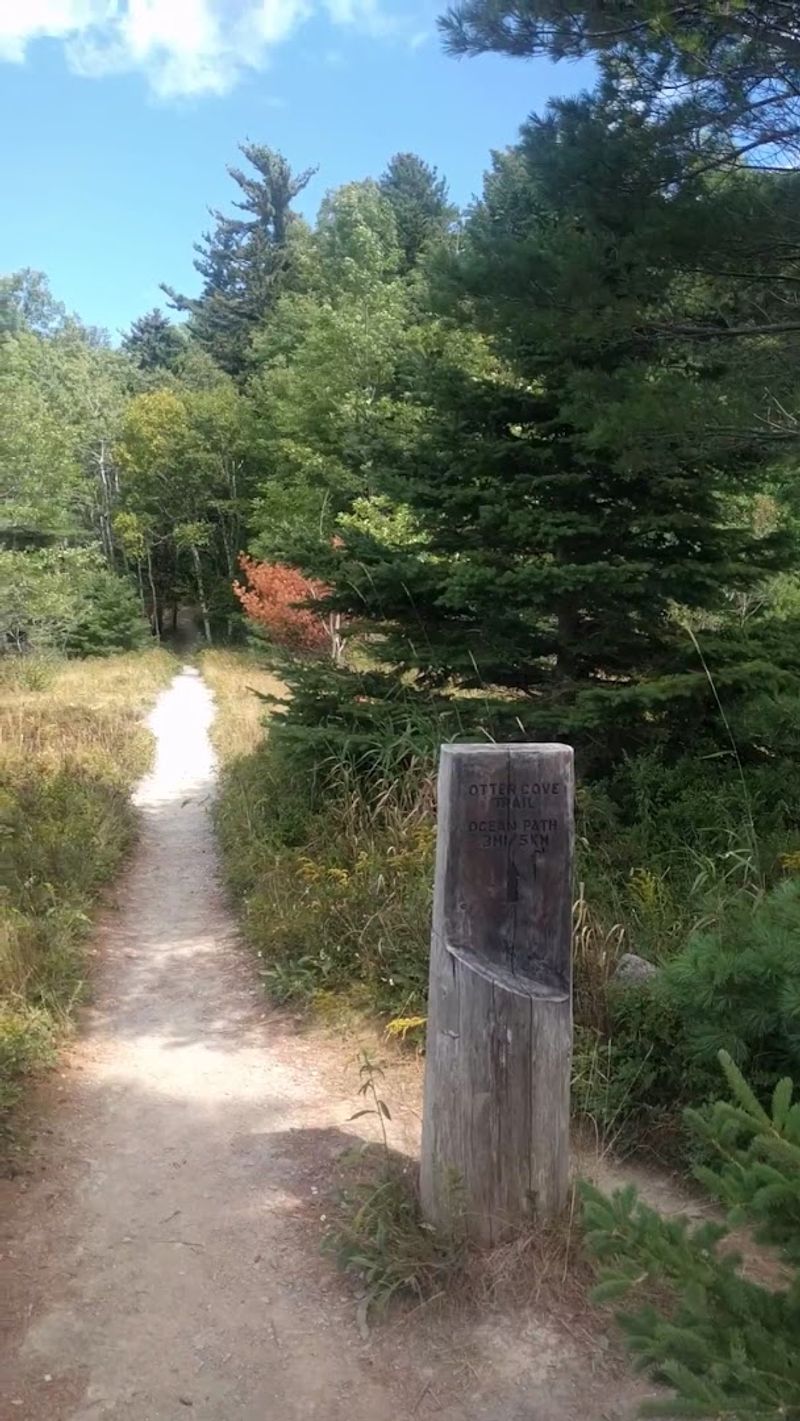
Park Loop Road passes through a surprisingly rich variety of habitats in a short stretch of miles, and that diversity means wildlife encounters are genuinely common.
White-tailed deer are frequently spotted grazing near the forest edge in early morning or late afternoon. Peregrine falcons, which were once nearly extinct in the eastern United States, have successfully nested on the cliffs near Precipice Trail, visible from the loop road below.
Harbor seals haul out on offshore rocks near the southern end of the route, and bald eagles are regular visitors to the ponds and shoreline. Red foxes, porcupines, and river otters have all been documented within the park boundaries that the road winds through.
Slowing down is the best strategy for wildlife watching here. Pulling into a designated turnout and simply sitting quietly for a few minutes dramatically increases your chances of a memorable sighting.
The animals are not shy, but they do reward patience more than speed.
Cliffs With A Pulse
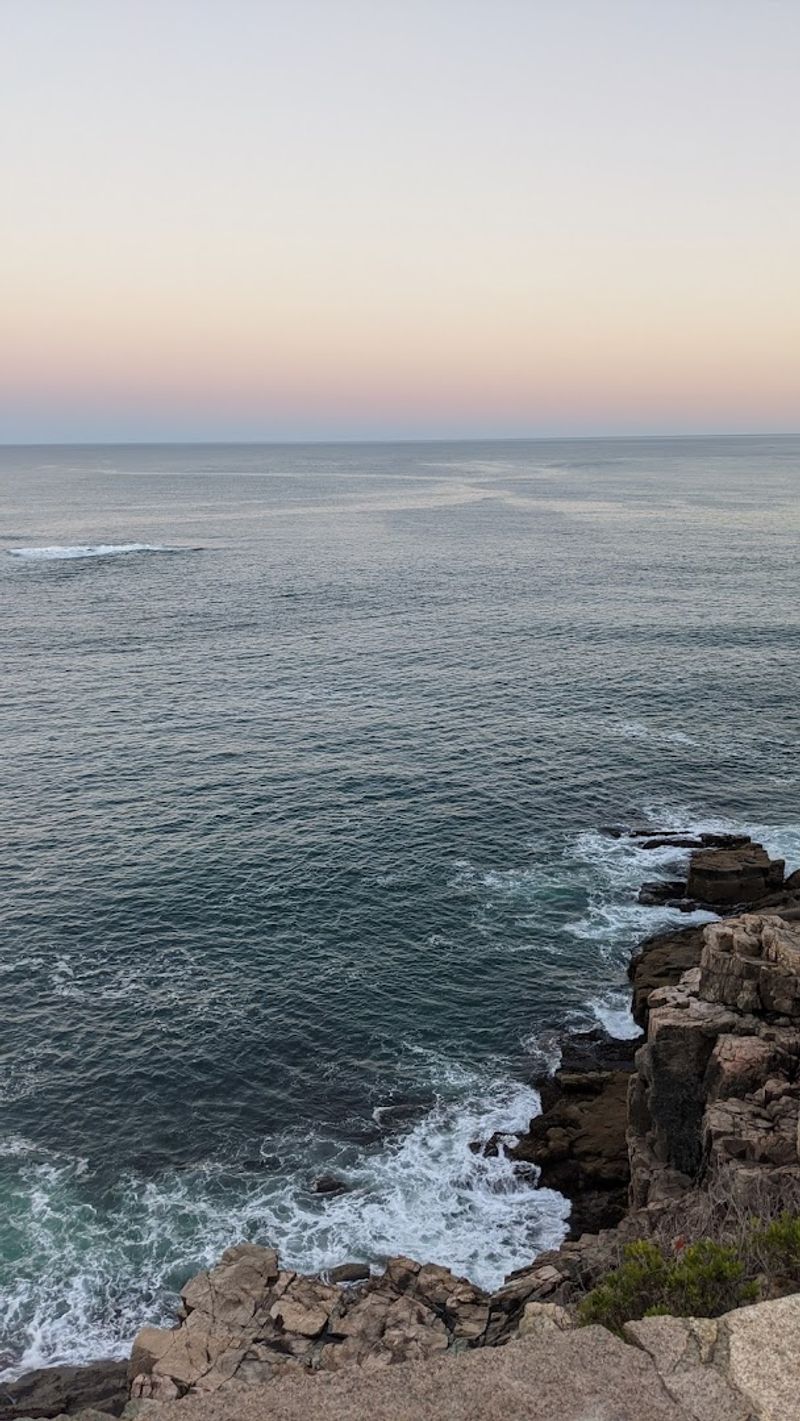
Rising dramatically above the ocean, Otter Cliff is one of Acadia’s most striking coastal landmarks and sits directly along Park Loop Road. The view from the top of those pink granite walls is the kind that makes you stop mid-sentence and just stare.
Rock climbers love this spot for the challenge it offers, and on summer weekends it is not unusual to see colorful ropes dangling down the cliff face as experienced climbers work their way up the sea-sprayed granite.
For those who prefer to keep their feet firmly on the ground, the overlook provides an unobstructed view of the open Atlantic that stretches all the way to the horizon.
The sound at Otter Cliff is also worth noting. Wind, waves, and the cries of seabirds combine into a natural soundtrack that feels both energizing and calming at the same time.
It is the kind of place that stays with you long after you have driven away.
The Calm Between Cliffs

Not everything along Park Loop Road involves salt water and crashing waves. Jordan Pond sits near the interior section of the loop, offering a completely different kind of beauty.
The water is famously clear, fed by underground springs and surrounded by dense forest and the rounded twin peaks known as The Bubbles.
A flat, accessible trail circles the pond and gives walkers a close-up look at the reflections that make this spot one of the most photographed in all of Acadia National Park. The Jordan Pond House nearby has been serving popovers and tea on its lawn since the 1890s, making it one of the oldest traditions in the park.
Swimming is not permitted in Jordan Pond because it serves as a drinking water source for the surrounding area.
That restriction actually helps preserve its remarkable clarity, so the trade-off feels entirely worthwhile. Watching the perfectly still surface mirror the mountains above is a quiet reward that balances out the wilder coastal energy found elsewhere on the loop.
A Drive Through Deep Time
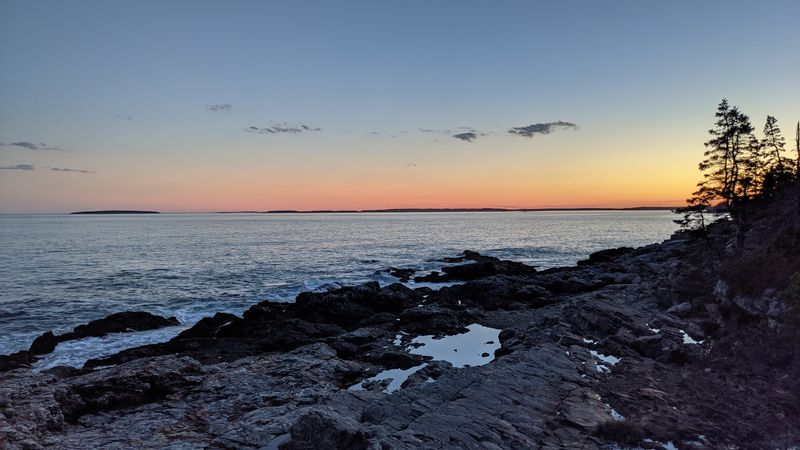
Every piece of exposed rock you see along Park Loop Road tells part of a geological story that began roughly 420 million years ago.
The distinctive pink granite that defines so much of Acadia’s landscape formed deep underground as molten rock slowly cooled and crystallized. Over millions of years, glaciers scraped and polished those formations into the smooth, rounded shapes visible today.
The Laurentide Ice Sheet, which retreated from this region about 18,000 years ago, left behind a transformed landscape. It carved the valleys, deposited the boulders scattered across ridgelines, and shaped the very coastline that the road now follows.
The U-shaped valleys and glacially polished rock surfaces are textbook examples of ice age geology that geology students travel here specifically to study.
Looking at the landscape through this lens changes the drive completely. Those rounded mountain tops were shaped and smoothed by powerful glacial ice over thousands of years.
That thought alone adds a quietly staggering dimension to an already spectacular road trip through coastal Maine.
Four Seasons, Four Roads
Park Loop Road is genuinely a different experience depending on when you visit, and that variety is one of its most underrated qualities.
Summer brings the fullest crowds but also the richest green canopy, warm ocean breezes, and long golden evenings that stretch past eight o’clock. Wildflowers line the roadside, and the forest feels lush and alive in every direction.
Autumn is widely considered the most visually spectacular season. The combination of ocean views and fall foliage is rare in the United States, and Acadia delivers it in full color.
Maples, birches, and blueberry bushes turn the hillsides into a patchwork of red, orange, and deep burgundy from late September through mid-October.
Winter brings a quiet that summer visitors never experience. Snow-dusted granite and frozen pond surfaces create a monochromatic beauty that feels meditative and almost private.
Spring is unpredictable but rewarding, with returning migratory birds and the first green shoots pushing through the leaf litter along the forest floor. Each season earns its place on this road.
Before You Hit The Loop
Park Loop Road is located within Acadia National Park on Mount Desert Island, Maine. The park entrance fee is required, and during peak summer months an advance reservation for the Cadillac Mountain Summit Road is strongly recommended to avoid long waits or being turned away entirely.
The best strategy for a stress-free drive is to start early in the morning. The parking areas at Thunder Hole, Otter Cliff, and Sand Beach fill up fast after nine in the morning during July and August.
Arriving before eight gives you space, softer light, and far fewer people competing for the same viewpoints along the coastal stretch.
Gas up before entering the park because there are no fuel stations inside. Bring layers regardless of the season because the coastal wind can drop the temperature sharply even on sunny afternoons.
A pair of binoculars is a genuinely useful addition to your bag for spotting seabirds, seals, and peregrine falcons from the overlooks scattered generously along this spectacular 27-mile route.