
10 Oregon Hot Springs With Old Healing-Water Stories Hidden Across The State
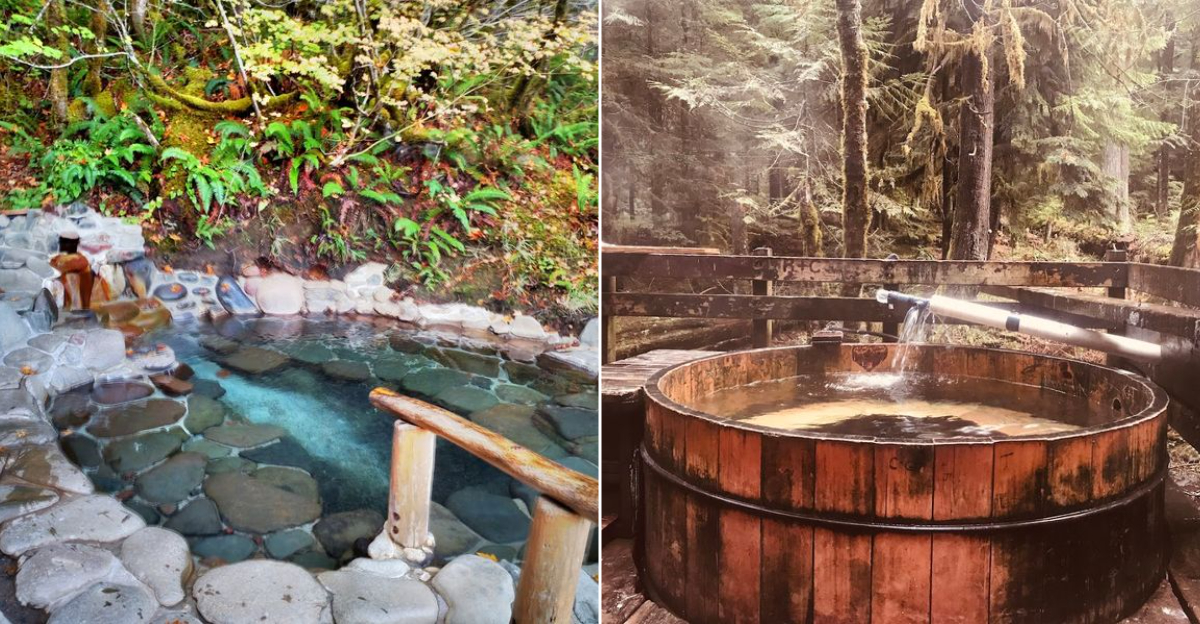
Oregon’s hot springs don’t feel entirely real in the way modern places usually do. Hidden in forests, volcanic valleys, and remote stretches of wilderness, they seem like quiet openings into something older.
Something the land has been holding long before roads, maps, or names ever existed. For centuries, these waters were surrounded by stories closer to myth than geography.
Indigenous communities saw them as sacred places of renewal and balance, where the earth itself offered warmth and healing.
Later travelers and settlers added their own layers of memory and meaning, turning natural pools into quiet legends of their own. Even today, stepping into them feels like slipping out of time.
Steam rises through the trees, silence deepens, and the world beyond feels distant and unreal. These Oregon hot springs are more than destinations.
They are living echoes of myth, memory, and nature intertwined.
1. Hot Lake Springs Resort
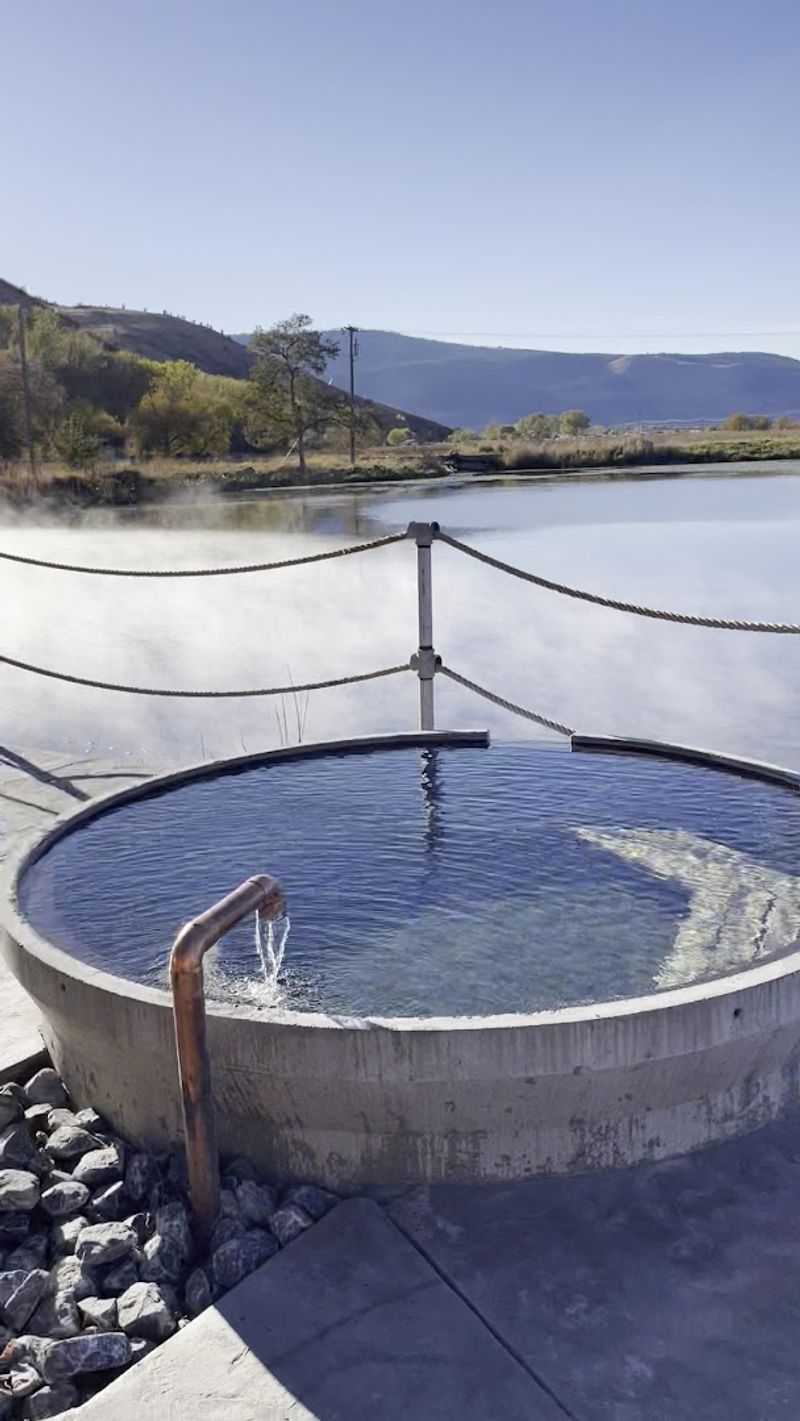
Some places carry so much history that you can almost feel it rising off the water like steam. Hot Lake Springs Resort sits along Highway 203 in La Grande, Oregon, and its story stretches back further than most people realize.
The Nez Perce called this lake “Ea-Kesh-Pa,” and for generations, different tribes gathered here to heal and rest in its warm mineral waters.
Washington Irving documented the springs as early as 1812 during the Astor Expedition, making it one of the first thermal springs recorded by European settlers in the entire region.
By the early 1900s, Hot Lake had transformed into a luxury resort and sanatorium. Visitors traveled from across the globe specifically for the medicinal qualities of the water.
A hospital director named Dr. W.T. Phy even used the mineral-rich waters experimentally, treating arthritis patients with hot mud bogs right on the property.
One particularly wild story from 1914 claims a sailor recovered from several serious health conditions after accidentally falling into the spring. Whether that is legend or truth, Hot Lake has earned its reputation.
The resort has been lovingly restored and welcomes visitors today.
Standing here, you realize some healing traditions never really go away.
2. Kah-Nee-Ta Hot Springs Resort
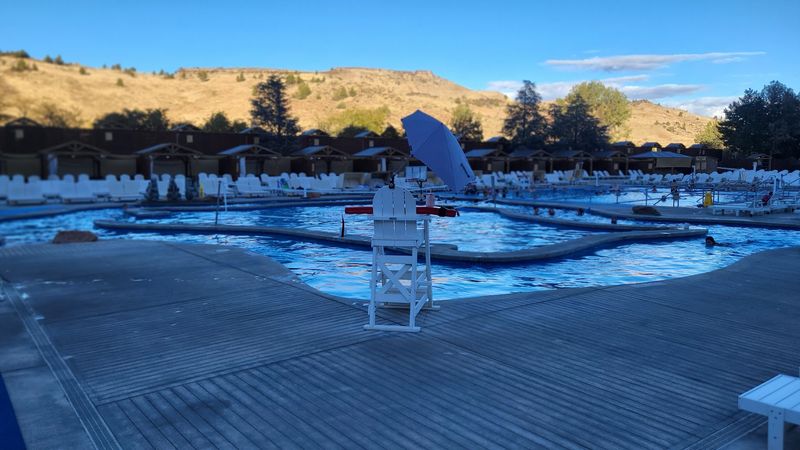
There are places that hold ceremony in their very soil, and Kah-Nee-Ta is absolutely one of them. Located along Highway 8 in Warm Springs, Oregon, this resort sits on the Confederated Tribes of Warm Springs reservation, where hot spring culture goes back thousands of years.
Long before any resort existed, Indigenous peoples gathered here each summer for feasts, trading, and healing rituals centered around the geothermal pools.
The springs were considered a shared resource, a place where different tribes could come together and benefit from the natural warmth and mineral richness of the water. That spirit of communal healing feels woven into the landscape even now.
The pools were not just for relaxation. They were part of a broader seasonal rhythm that connected people to the land in a deeply intentional way.
Today, Kah-Nee-Ta operates as a full resort with pools fed by the same ancient springs that tribal communities have relied on for generations.
The surrounding high desert terrain adds a dramatic visual backdrop that makes every soak feel cinematic. Warm Springs is not just a destination.
It is a living reminder that wellness culture in Oregon did not start with modern spas. It started right here, centuries before anyone thought to put a price tag on it.
3. Breitenbush Hot Springs
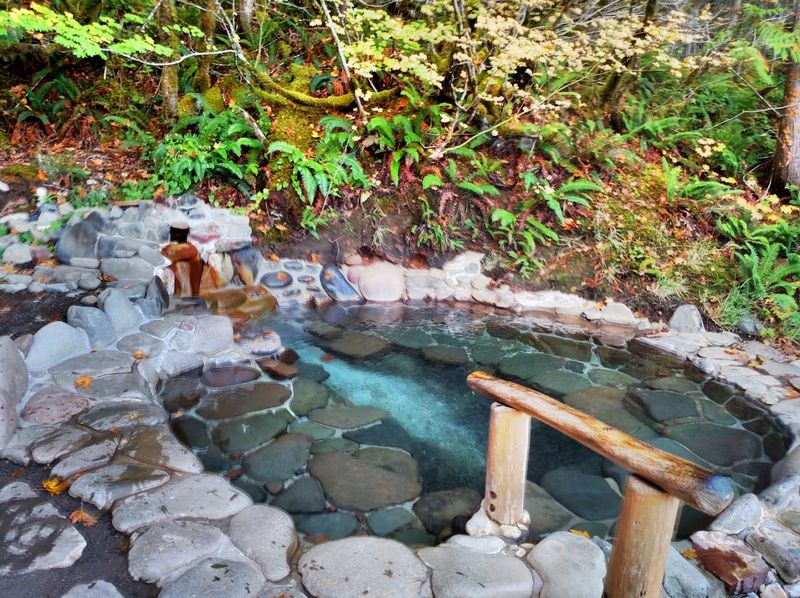
Breitenbush is the kind of place that makes you exhale fully for the first time in weeks. Tucked along Breitenbush Road SE in Detroit, Oregon, deep within the Willamette National Forest, this retreat has been a healing destination since long before it had a name.
The Kalapuya, Wasco, and Molalla peoples used these springs for medicinal and spiritual purposes for hundreds of years, calling the water “very powerful and healing.”
Tribes gathered here not just to soak but to trade, feast, and hold ceremonies. The springs became a neutral and sacred ground where community was built around the restorative power of the earth.
After 1873, European settlers began promoting the therapeutic benefits of the thermal waters, and visitors traveled considerable distances just to breathe in the mineral-rich vapors of calcium, potassium, sodium, and magnesium.
One remarkable story involves a young boy named Lorenzo Mansfield, who contracted polio and spent years soaking in a mineral pool his father built on the property, hoping the waters might bring some relief.
Whether the springs truly healed him is debated, but the belief in their power was never questioned.
Breitenbush today operates as a clothing-optional retreat center with multiple outdoor pools.
It remains one of the most spiritually charged natural spaces in the entire Pacific Northwest.
4. Belknap Hot Springs
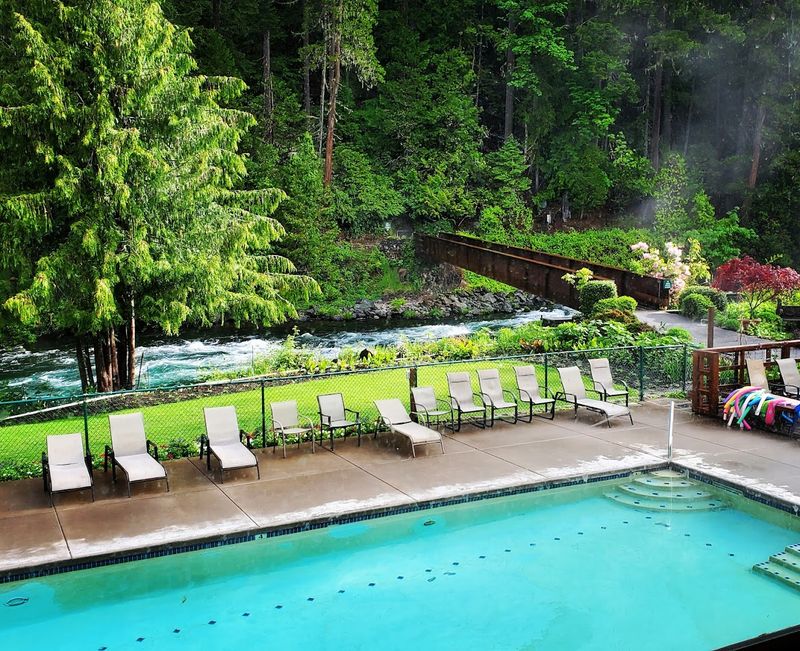
Belknap Hot Springs has one of the most poetic origin stories in Oregon’s thermal history.
Sitting along Belknap Springs Road in McKenzie Bridge, Oregon, these springs were first called Siloam Springs and The Pools of the Salome, names that carry an almost biblical weight.
Explorers first documented them in 1854 while searching for the headwaters of the McKenzie River, and word spread quickly about what they had found.
By 1870, a man named Rollin Simeon Belknap began developing the site commercially, advertising the waters for their “therapeutic virtues.”
He claimed the springs could treat rheumatism, inflammation, and general physical weakness, which were serious concerns for frontier settlers living hard outdoor lives.
People came from miles away seeking relief, and the springs delivered enough results to keep the reputation growing.
The McKenzie River Valley setting makes this one of the most visually stunning hot spring locations in the state.
Lush greenery wraps around the property in every direction, and the bright blue pool feels almost surreal against all that forest. The resort offers garden cottages and lodge rooms, making it a comfortable basecamp for exploring the surrounding wilderness.
Belknap is proof that some places earn their legendary status honestly, one soak at a time, over more than 150 years of faithful service to tired bodies everywhere.
5. Summer Lake Hot Springs
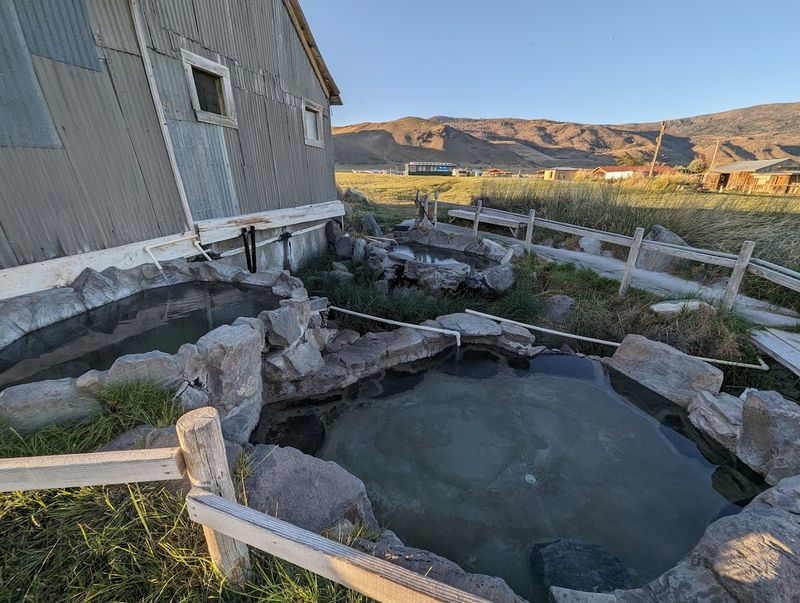
Out in the wide open high desert of south-central Oregon, Summer Lake Hot Springs feels like a secret the landscape is barely willing to share.
Located at 41777 Highway 31 near Paisley, Oregon, this spot sits in a remote stretch of basin and range country where the sky is enormous and the silence is even bigger.
The springs feed into a large covered soaking barn that has become something of a beloved institution among Oregon hot spring enthusiasts.
The thermal water here flows continuously at around 118 degrees Fahrenheit before being cooled to comfortable soaking temperatures.
The minerals in the water have long been associated with soothing sore muscles and joints, and the remoteness of the location adds a layer of mental unwinding that is hard to replicate anywhere else.
Pioneers passing through this region reportedly stopped here to rest and recover before continuing their journeys westward.
Summer Lake is not a fancy resort. It is a simple, genuine, stripped-down hot spring experience where the focus is entirely on the water and the sky above.
Camping is available on the property, and watching stars from a mineral soak on a clear desert night is one of those experiences that rewires your brain in the best possible way. Not every healing place needs to be elaborate to be extraordinary.
6. Hunter’s Hot Springs Resort
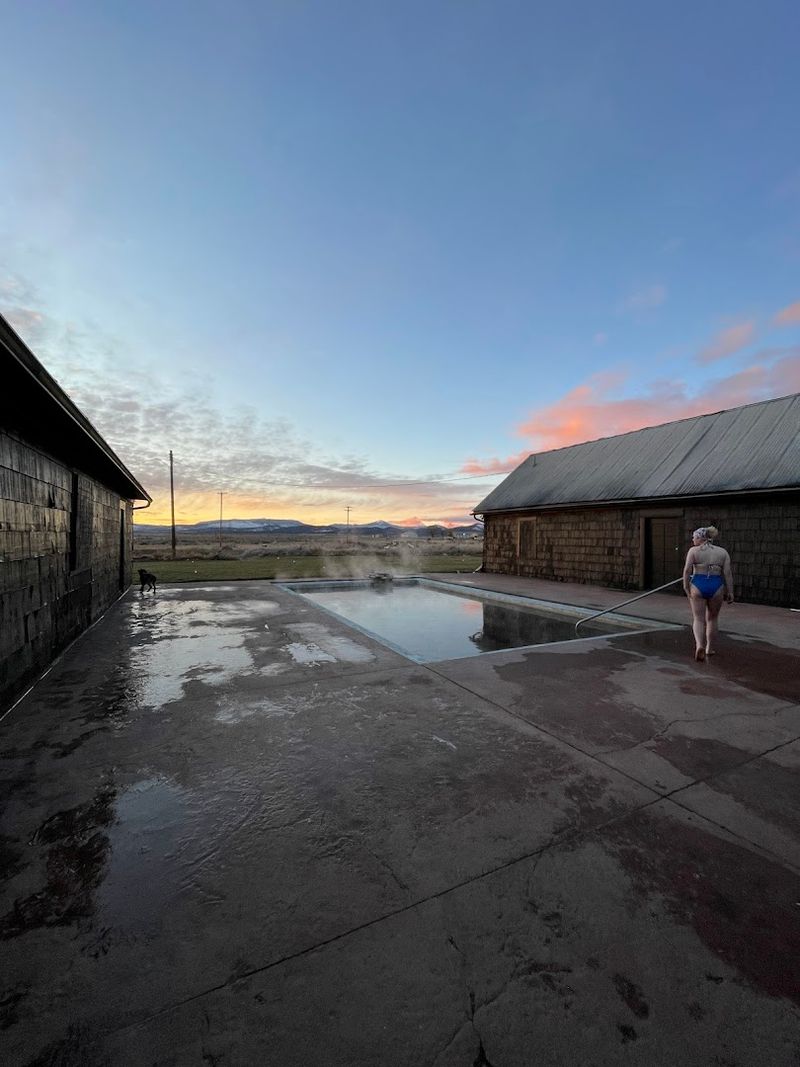
Lakeview, Oregon calls itself the “Tallest Town in Oregon,” and Hunter’s Hot Springs Resort makes a strong case for why that altitude comes with some serious perks.
Sitting along Highway 395 at 18088 in Lakeview, this resort is fed by geothermal springs that have been drawing visitors to this remote corner of Lake County for well over a century.
The area sits near the Warner Valley fault zone, which explains the impressive natural heat pushing up from below.
The springs here reach temperatures that required significant cooling before they became usable for soaking, which gives you a sense of just how much geothermal energy is at work underground.
Early settlers in the region recognized the restorative potential of the waters quickly. The springs became a local gathering point where people came not just for physical relief but for the social ritual of communal bathing that frontier communities genuinely valued.
Hunter’s today offers a more modern resort experience while staying true to its roots as a geothermal destination.
The surrounding landscape of high desert, rimrock, and wide valleys makes the drive out here feel like an adventure before you even arrive.
Lakeview also happens to be one of the best hang gliding spots in North America, so if soaking does not satisfy your need for something unexpected, the sky is literally the limit out here.
7. Crane Hot Springs
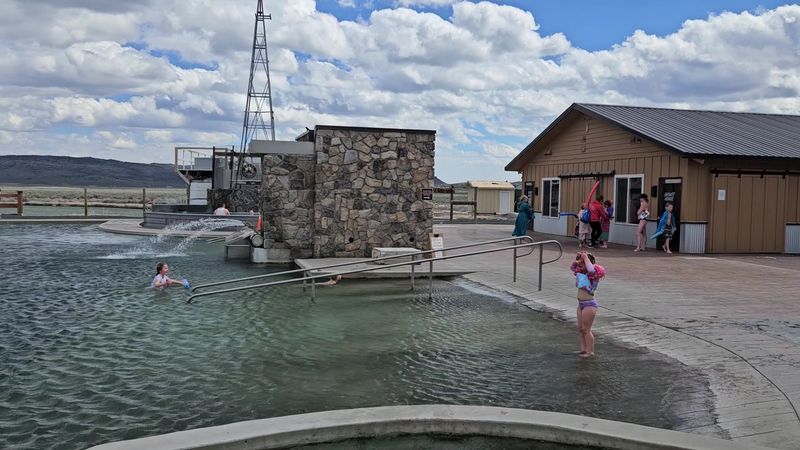
Few hot springs in Oregon feel as genuinely off-the-beaten-path as Crane Hot Springs. Located at 59315 Highway 78 near Burns, Oregon, this spot sits deep in Harney County, one of the least densely populated counties in the entire United States.
Getting there is part of the experience, a long drive through open range country where pronghorn antelope outnumber people on most days.
The springs produce warm, mineral-rich water that has historically attracted travelers crossing the Oregon high desert.
For settlers making long overland journeys through this arid region, finding a reliable hot spring was not just a luxury. It was a genuine physical reset for bodies worn down by weeks of hard travel.
The restorative reputation of Crane Hot Springs has been passed down through generations of Harney County residents.
Today the property offers simple soaking pools and basic camping, which fits perfectly with the rugged honesty of the surrounding landscape.
There are no frills here, and that is entirely the point. The water is the star, warm and mineral-laden and completely unpretentious.
Soaking in Crane while watching the sun drop behind the Steens Mountain range to the south is one of those quietly spectacular Oregon moments that stays with you.
Sometimes the most healing places are the ones that ask nothing from you except your presence.
8. Alvord Hot Springs
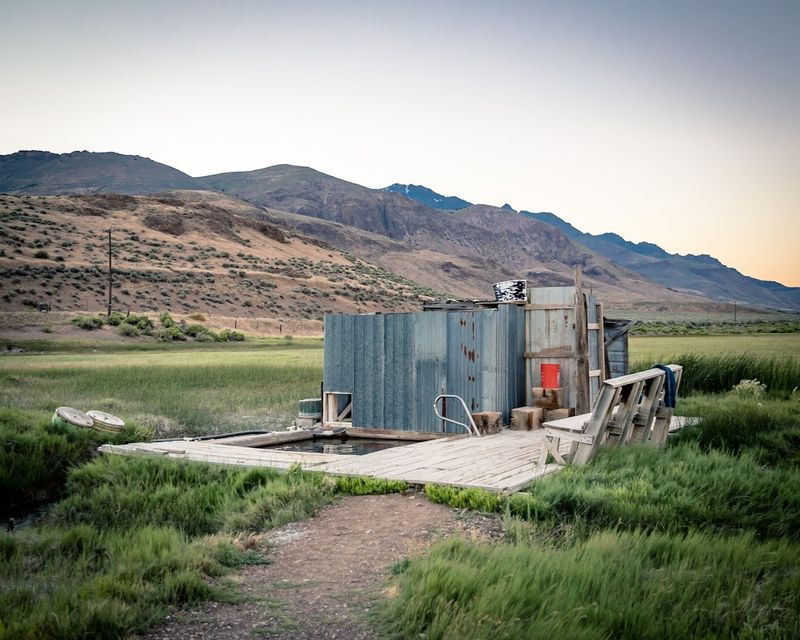
If hot springs had a drama queen of the group, Alvord would absolutely be wearing the crown.
Positioned at 36095 E Steens Road near Princeton, Oregon, Alvord Hot Springs sits at the base of Steens Mountain with the vast white expanse of the Alvord Desert playa stretching out in front of it like a surreal painting.
The visual contrast between the steaming pool and the cracked alkali flat is something that genuinely stops people mid-sentence.
The springs bubble up from a fault line at the edge of the playa, reaching temperatures well above 170 degrees Fahrenheit at the source before cooling in open-air tubs.
Indigenous peoples in the Great Basin region have long recognized geothermal waters as places of power and restoration.
The Alvord basin, with its extreme remoteness and otherworldly terrain, would have held significant spiritual weight for communities traveling through the region.
Getting to Alvord requires a long drive on remote roads, often through weather that reminds you the high desert does not care about your plans.
But that effort is part of what makes arriving feel like a reward. Two concrete soaking tubs sit directly against the hillside, and on clear nights the stars above the playa are among the most spectacular in North America.
Alvord is not just a hot spring. It is a full sensory experience that challenges your definition of beautiful.
9. Bagby Hot Springs
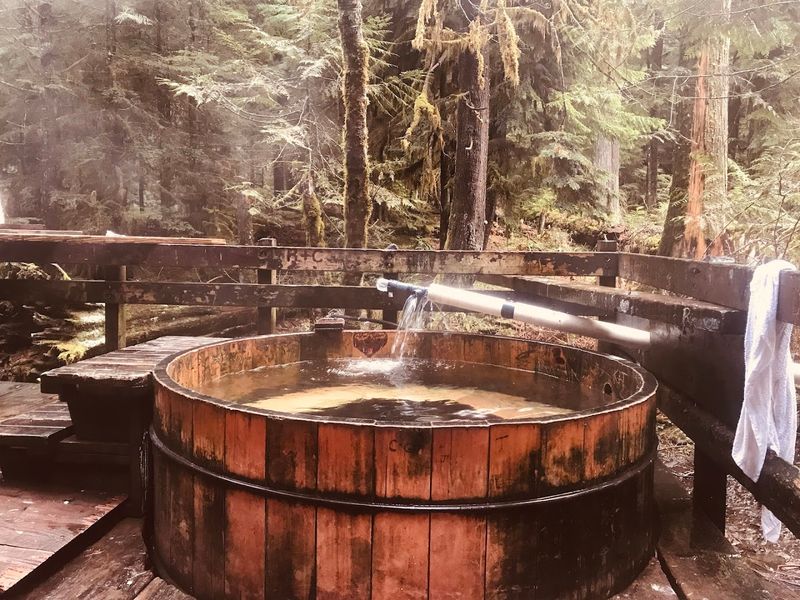
There is something almost mythological about hiking through old-growth forest to reach a bathhouse built from hand-hewn cedar logs. Bagby Hot Springs sits within the Mt.
Hood National Forest near Estacada, Oregon, and reaching it requires a 1.5-mile trail through some of the most gorgeous temperate rainforest in the Pacific Northwest.
The effort involved has been part of the Bagby experience since a prospector named Robert Bagby first discovered the springs in the late 1800s.
Early visitors faced a three-day trek by mule to reach the springs, which puts your 30-minute forest walk into refreshing perspective.
The reward back then was the same as it is now: natural hot water flowing through hand-carved cedar log troughs into private wooden tubs.
The rustic craftsmanship of the bathhouse structures gives Bagby a timeless, almost ceremonial quality that no modern resort has ever managed to replicate.
The springs flow at around 136 degrees Fahrenheit and are diluted with cold creek water to reach comfortable soaking temperatures.
The surrounding forest, thick with ferns and massive Douglas firs, creates a natural cathedral atmosphere that makes every visit feel like a pilgrimage.
Bagby is free to enter with a Northwest Forest Pass, which makes it one of the most accessible healing-water experiences in the state. Oregon hides its best secrets in plain sight, and Bagby is the proof.
10. Terwilliger / Cougar Hot Springs
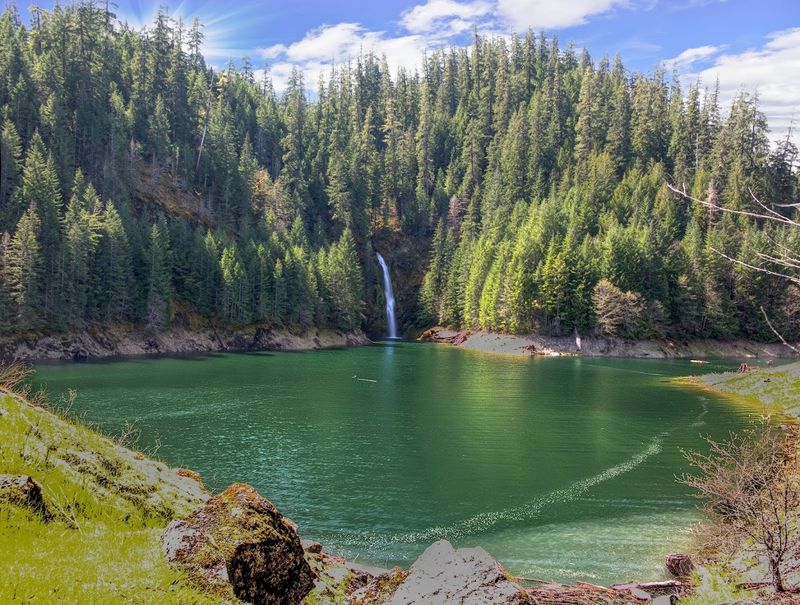
Terwilliger Hot Springs, more commonly known as Cougar Hot Springs, is the kind of place that makes you wonder how something this beautiful exists without a velvet rope around it.
Located within the Willamette National Forest near Blue River, Oregon, these springs feed a series of natural terraced pools that cascade down a forested hillside in shades of turquoise and deep blue that look almost digitally enhanced.
The pools decrease in temperature as they descend, creating a natural progression from scorching at the top to perfectly comfortable at the bottom.
The surrounding old-growth forest adds a layer of cathedral-like quiet that makes conversation feel almost unnecessary.
Indigenous communities in the Willamette Valley region held geothermal sites like this in high regard, recognizing the combination of mineral-rich water and forest solitude as genuinely restorative for both body and spirit.
Access requires a short hike from the Cougar Reservoir parking area, and a day-use fee applies.
The pools are open year-round, and soaking here in winter while snow dusts the surrounding forest canopy is one of those Oregon experiences that permanently upgrades your idea of what relaxation can feel like.
Terwilliger proves that the most extraordinary natural wonders are often the ones that require just a little bit of effort to reach. Oregon keeps rewarding the curious, so what are you waiting for?