
This Scenic Washington Road Trip Explores Historic Coastal Lighthouses
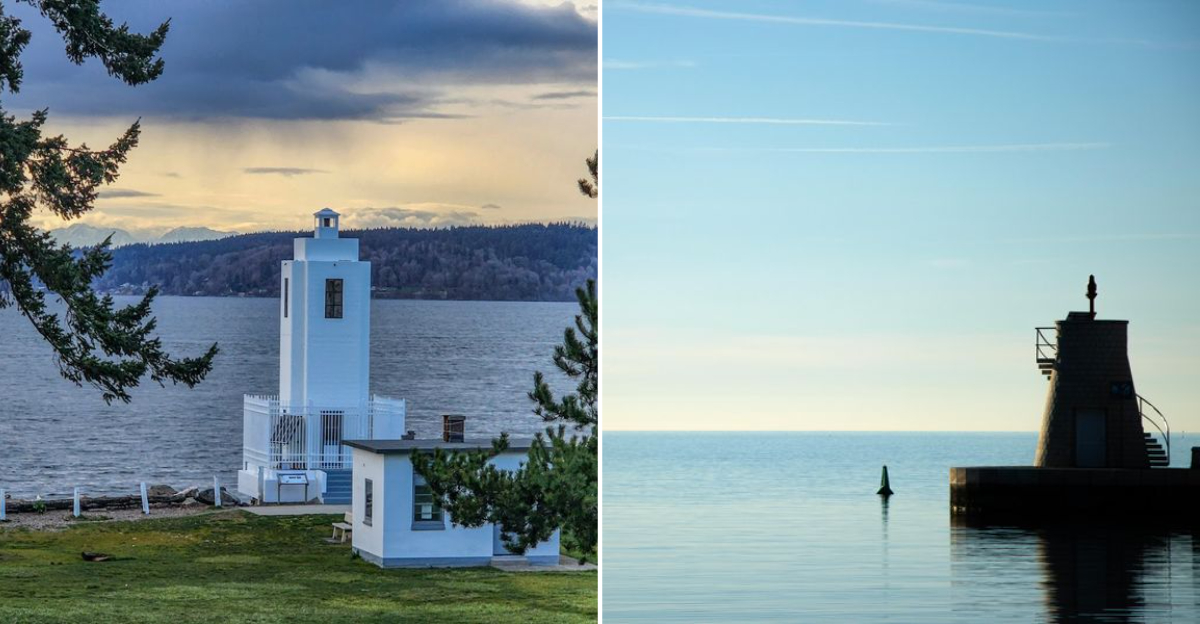
The best coastal drives always make me feel like time has loosened its grip a little. Maybe it is the fog, the old lighthouses, or the way the ocean keeps showing up just when the road starts to feel quiet.
Washington is especially good at that kind of magic, where a road trip can move from forest shadows to windswept beaches in the space of a few songs.
This lighthouse route has everything I love in a day on the road: history, views, salty air, and enough scenic stops to justify every extra coffee along the way. It feels nostalgic without trying too hard, like the kind of trip people used to take before every moment needed proof on a screen.
This road trip strings together some of the state’s most beautiful coastal beacons, blending maritime history with sweeping ocean views and charming small-town stops along the way.
If you love photography, Pacific Northwest scenery, and stories written in stone and sea, this is the drive you have been waiting for.
Start In Seattle With A Classic City Lighthouse
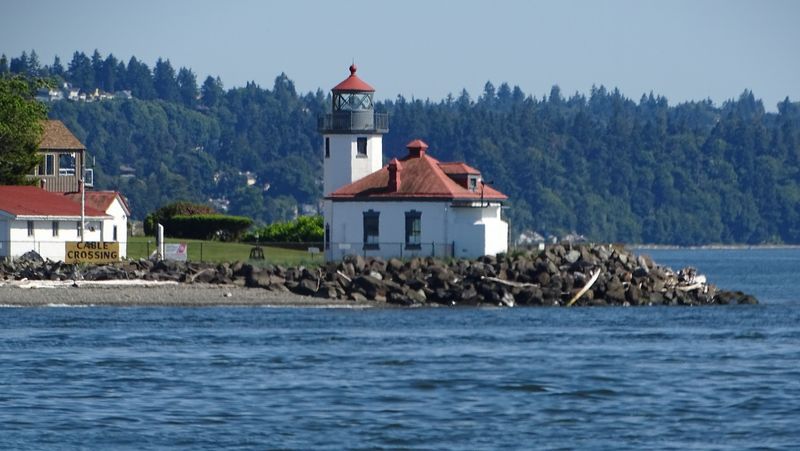
Before the open highway calls, West Seattle offers a surprisingly charming place to begin. Alki Point Lighthouse sits right along the beach at 3201 Alki Avenue SW, Seattle, Washington, where the city meets the coast in a way that feels almost cinematic.
Built in 1913, this compact red-roofed tower has been standing watch over the entrance to Elliott Bay for more than a century.
Summer tours let visitors step inside and learn about the lighthouse’s role in keeping Puget Sound traffic safe. Outside, the surrounding beach is scattered with driftwood, and nearby cafes make it easy to linger. On a clear morning, the Olympic Mountains frame the western horizon beautifully.
The atmosphere here feels like a warm handshake between urban Seattle and its seafaring roots. Starting your road trip at Alki sets an easygoing, curious tone that will carry you all the way down the coast with the right kind of anticipation.
Head South To Tacoma’s Quiet Waterfront Beacon
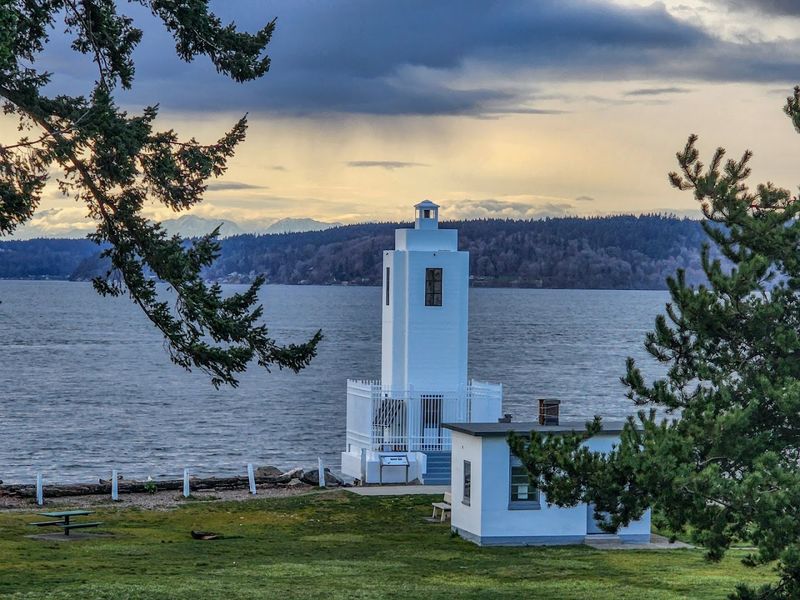
Not every lighthouse stop needs to be dramatic to be memorable. Browns Point Lighthouse in Tacoma sits quietly on a grassy residential point overlooking Commencement Bay, and its low-key charm is exactly what makes it worth the detour.
The surrounding neighborhood park has picnic tables, easy beach access, and a relaxed pace that feels miles away from any busy highway.
On a clear day, Mount Rainier rises behind the bay in a way that genuinely stops you mid-step. Cargo ships and tugboats move steadily through the water, a reminder that this stretch of Puget Sound is still very much a working maritime corridor.
The lighthouse itself is modest in size but carries real historical weight as a longtime navigational aid for vessels entering the port.
This stop rewards travelers who are willing to slow down and simply sit with the scenery. Bring a sandwich, stay an hour, and let Tacoma’s quiet waterfront personality wash over you before heading west.
Follow The Olympic Peninsula Toward Wilder Coast
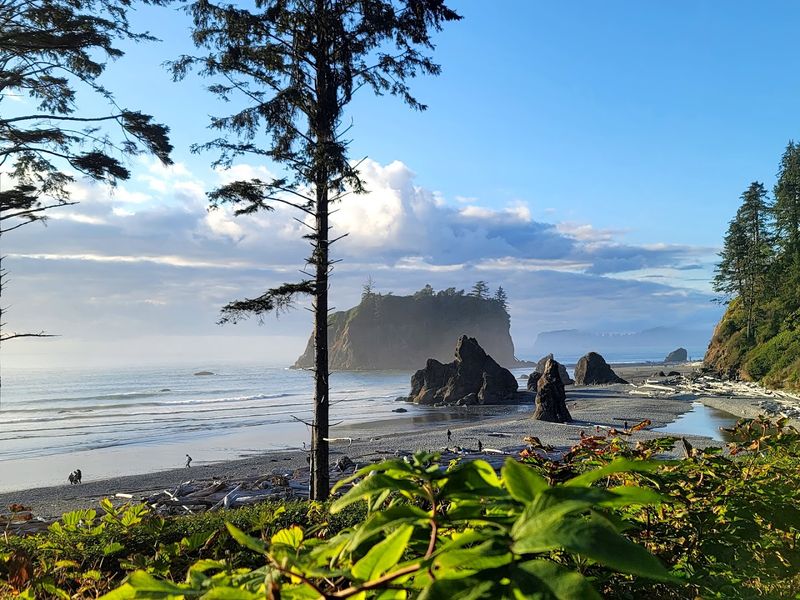
Leaving the urban shoreline behind, the drive west along Highway 101 is where this road trip truly shifts into another gear.
Evergreen forests close in on both sides of the road, and occasional breaks in the trees reveal shimmering glimpses of the Strait of Juan de Fuca. The air smells different here, richer and wilder, like the coast is reminding you it means business.
Several smaller lighthouse stops make excellent scenic detours along this stretch. New Dungeness Lighthouse sits at the tip of Dungeness Spit within the Dungeness National Wildlife Refuge near Sequim, accessible by a five-mile hike or by boat.
Ediz Hook near Port Angeles and Slip Point near Clallam Bay offer quieter coastal pauses with open water views and very few crowds.
Each of these stops adds texture to the journey without demanding too much time. The Olympic Peninsula has a way of making every mile feel purposeful, and this winding stretch of Highway 101 is the road trip’s beating heart.
Experience The Dramatic Edge Of Cape Flattery
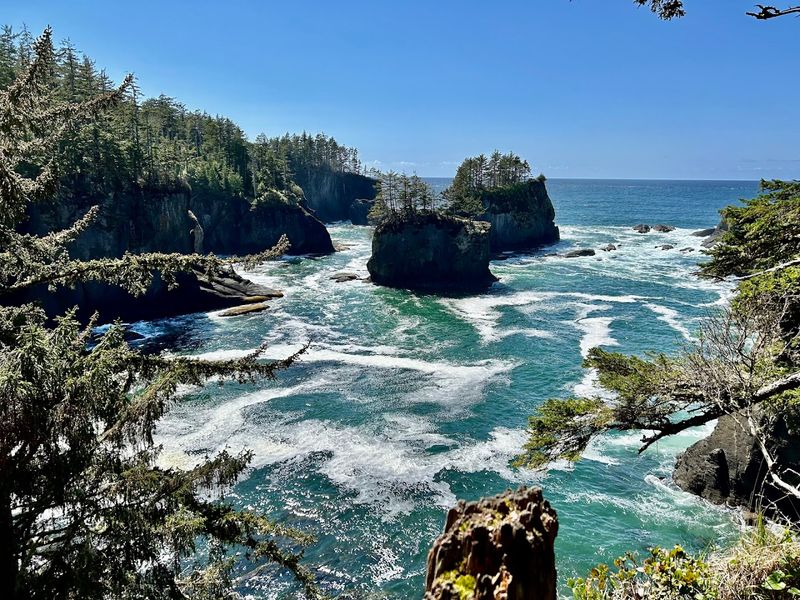
Standing at the northwesternmost point of the contiguous United States has a way of rearranging your sense of scale.
Cape Flattery, located within the Makah Reservation near Neah Bay, Washington, delivers that feeling through a 0.75-mile boardwalk trail that winds through mossy old-growth forest before opening onto a series of jaw-dropping observation platforms.
Below the cliffs, the Pacific Ocean crashes against sea stacks with serious force.
From the platforms, you can spot Cape Flattery Lighthouse perched on Tatoosh Island offshore. The lighthouse dates back to 1854, making it one of the oldest on the West Coast, and its position near the Olympic Coast National Marine Sanctuary adds another layer of significance to the view.
The interior is not open to visitors, but the overlook more than compensates.
Sea birds wheel overhead, and on lucky days you might catch a glimpse of marine wildlife in the swirling water below. Cape Flattery earns its reputation as one of the most powerful stops on this entire route.
Take A Peaceful Detour To Marrowstone Island
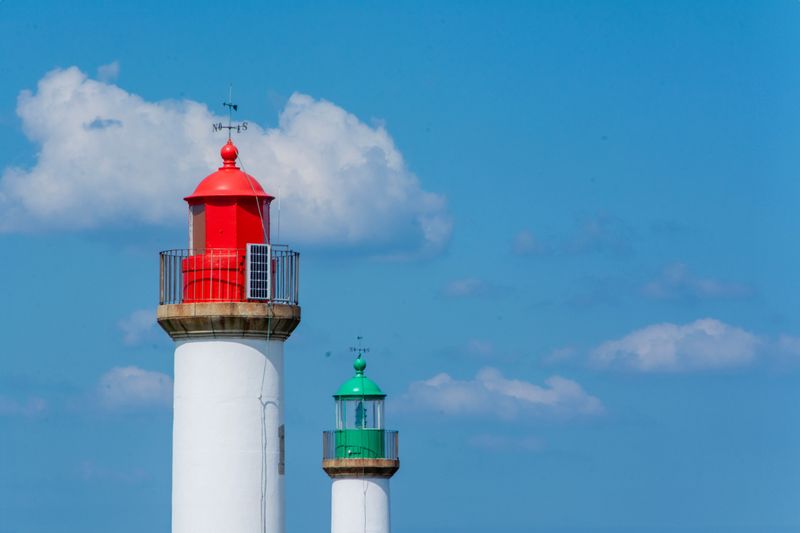
After the windswept intensity of Cape Flattery, Marrowstone Island feels like a deep exhale.
Reached by a short drive from the Hood Canal Bridge area, this quiet island sits tucked between Port Townsend Bay and Kilisut Harbor, and its unhurried pace is a genuine contrast to the busier coastal towns along the route.
Marrowstone Point Lighthouse stands near the island’s northern tip, a modest but photogenic beacon overlooking open water. Seabirds drift along the shoreline, and on clear days the distant peaks of the Cascades and Olympics frame the scene from opposite directions.
The surrounding area has a stripped-down beauty that rewards visitors who are not chasing dramatic vistas but simply want to breathe.
Fort Flagler Historical State Park nearby adds an interesting layer of history for those who want to explore further. Marrowstone may not top every lighthouse road trip list, but travelers who make the detour tend to remember its quiet shoreline scenery long after the bigger stops have blurred together.
Linger In Historic Port Townsend
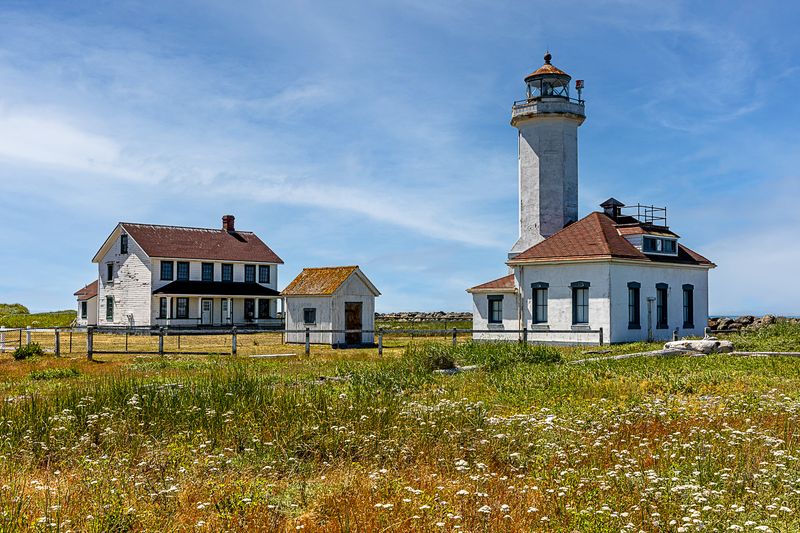
Port Townsend has the kind of personality that makes you want to cancel your plans and stay an extra night.
This Victorian seaport on the northeastern tip of the Olympic Peninsula is packed with ornate 19th-century architecture, waterfront restaurants, and cozy inns that feel genuinely welcoming rather than just tourist-ready.
Point Wilson Lighthouse, standing 51 feet tall at Fort Worden Historical State Park, is the tallest beacon on Puget Sound and an absolute highlight of the road trip.
The lighthouse compound itself is closed to the public, but the sandy spit just outside offers outstanding views and a soft, foggy atmosphere that photographers will love, especially around sunset when the light turns everything golden and a little dreamlike.
Fort Worden’s grounds are wide open for exploring, with trails, historic buildings, and sweeping water views that add real depth to the stop. Port Townsend works beautifully as an overnight base, giving you time to settle in and let this maritime town reveal itself at its own pace.
Continue South To Westport’s Tall Coastal Landmark
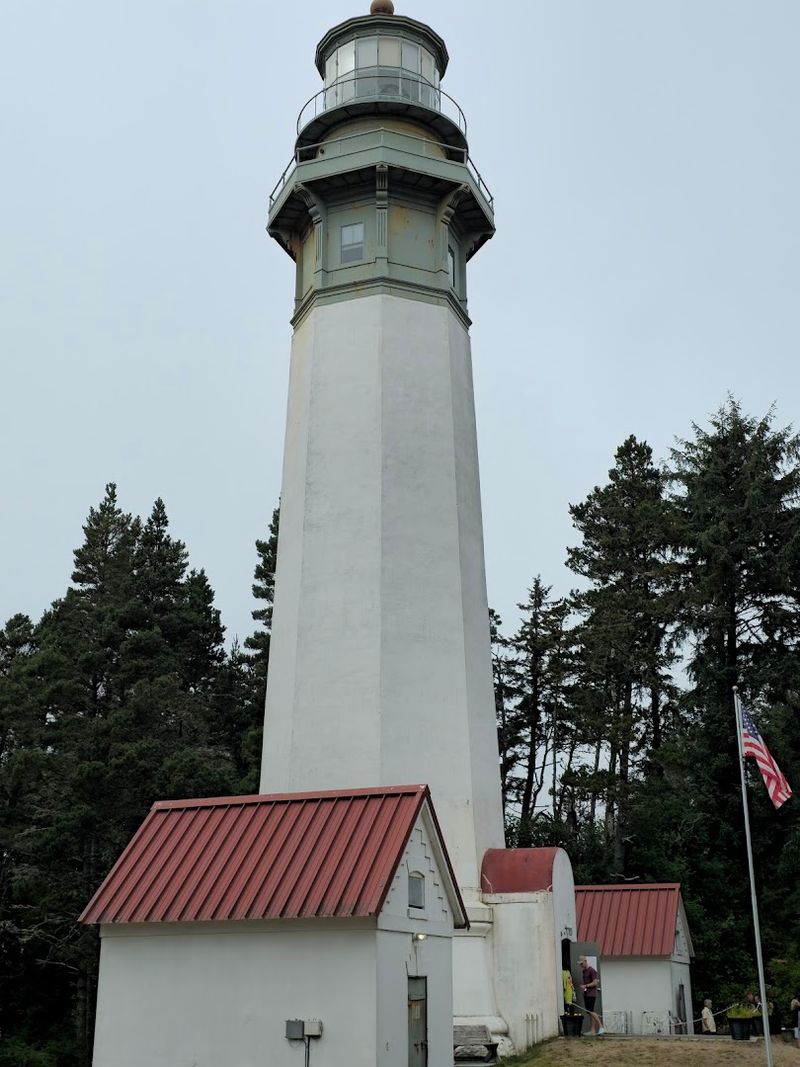
At 107 feet, the Grays Harbor Lighthouse in Westport is Washington’s tallest lighthouse, and it earns that distinction with a presence that is hard to ignore.
Put into service in 1898 and located adjacent to Westport Light State Park, this striking tower has guided ships through the entrance of Grays Harbor for well over a century, and it still commands attention today.
Climbing its 135 spiral steps rewards you with panoramic views of the Pacific Ocean, the harbor mouth, and the flat coastal terrain stretching in every direction.
The surrounding town of Westport carries the salty, unpretentious energy of a working fishing community, with seafood shacks, charter boat docks, and beachside shops that feel refreshingly authentic rather than polished for tourists.
The beach near the lighthouse is wide and wild, perfect for a breezy walk after the climb. Westport is the kind of stop that sneaks up on you, starting as just another pin on the map and ending as one of the most satisfying lighthouses you will visit on the entire route.
End At Cape Disappointment’s Historic Coastal Cliffs
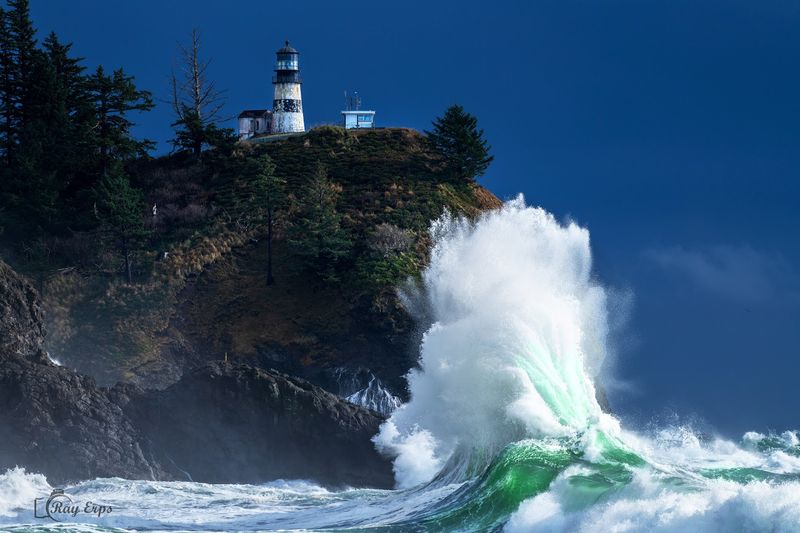
Few road trips end with as much power as this one does. Cape Disappointment State Park near Ilwaco, Washington, holds not one but two historic lighthouses within its forested, cliff-edged boundaries.
Cape Disappointment Lighthouse, first lit in 1856, is the oldest lighthouse in the Pacific Northwest and stands above the turbulent meeting point of the Columbia River and the Pacific Ocean.
North Head Lighthouse, built in 1898, was added specifically because approaching vessels from the north could not see the Cape Disappointment light until they were dangerously close to shore.
Together, these two beacons tell a story about just how treacherous this stretch of coastline truly was for early mariners navigating its unpredictable waters.
Windswept cliffs, dense coastal forest, and the raw energy of two massive bodies of water colliding below make this final stop feel genuinely cinematic. After miles of beautiful coastline, Cape Disappointment delivers a closing chapter that ties the whole journey together with history, scenery, and a powerful sense of place.
Venture Out To New Dungeness Lighthouse Near Sequim
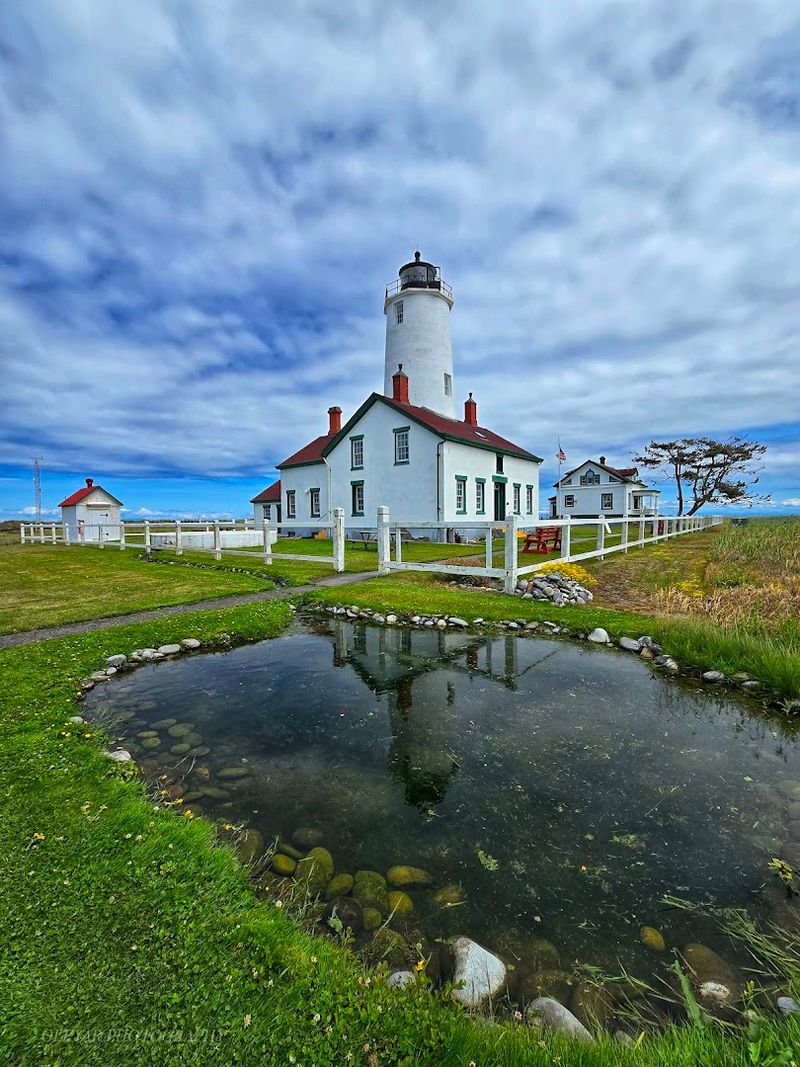
Few lighthouse visits on this trip require as much effort as reaching New Dungeness, and that effort makes it all the more rewarding.
Perched at the tip of a narrow five-mile sand spit jutting into the Strait of Juan de Fuca, this lighthouse has guided ships since 1857, making it one of the oldest on the West Coast.
Getting there means a ten-mile round-trip hike along a driftwood-lined beach near Sequim, Washington. Plan for several hours, pack water and snacks, and bring layers since coastal winds can be surprisingly cold.
The views along the way are absolutely worth every step.
The walk has a wonderfully old-fashioned sense of adventure, the kind where the destination slowly earns itself instead of appearing right beside a parking lot. As the shoreline stretches ahead, the lighthouse starts to feel less like a landmark and more like a tiny promise at the edge of the water.
Seals, seabirds, and distant mountain views keep the route interesting even when your legs start politely questioning your life choices. There is also something calming about moving at the pace of the tide, with nothing but waves, wind, and sand guiding the rhythm of the day.
By the time you finally reach the lighthouse, it feels like you have not just visited a historic site, but made a small pilgrimage to one of Washington’s most quietly beautiful coastal corners.
What Makes This Lighthouse Road Trip So Unforgettable
This Washington road trip stays with you because it feels like more than a pretty coastal drive. One moment, you are winding past evergreens and misty water, and the next, you are standing near a lighthouse that has watched over rough seas for more than a century.
There is a quiet romance to the whole route, especially in the way each stop blends history with wild Pacific Northwest scenery. You get beaches, cliffs, harbor towns, sea air, and those little road-trip pauses that somehow become the best part of the day.
The lighthouses give the journey structure, but the mood is what makes it unforgettable. It feels slow, salty, nostalgic, and just adventurous enough to make the drive feel like something you will talk about long after you get home.
You do not have to be a lighthouse expert to feel the pull of these places. They have a way of making the coastline feel older, moodier, and more meaningful than it already is.
Even the simple parts of the trip, like watching gulls over the water or stopping for coffee in a small coastal town, start to feel like part of the story. By the time the road turns inland again, the whole journey feels less like a route you followed and more like a memory you accidentally collected.