
Out In The Illinois Countryside, Lincoln’s Family Farm Feels Frozen In Time, And It’s Free To Wander
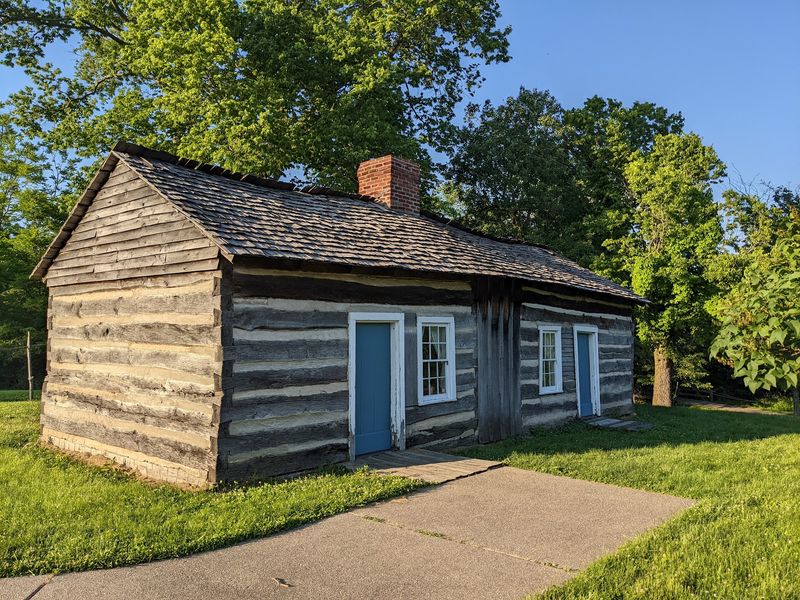
Abraham Lincoln’s parents once lived in a tiny two-room cabin, and the original was hauled off to the 1893 World’s Fair in Chicago. Then it vanished.
Nobody knows where it went.
The good news? A careful reproduction now stands on the very same foundation in rural Illinois.
Sheep graze nearby, chickens wander the yard, and costumed interpreters go about their 1840s chores.
I love that a future president used to stop here to visit his dad and stepmother between court cases. It makes the whole story feel personal, like dropping in on family.
And here’s the part that gets me most. You can stroll the grounds, meet the animals, and peek into history without paying a cent at the gate.
How many family outings can say that?
A Quiet Country Spot Where Lincoln’s Folks Called Home
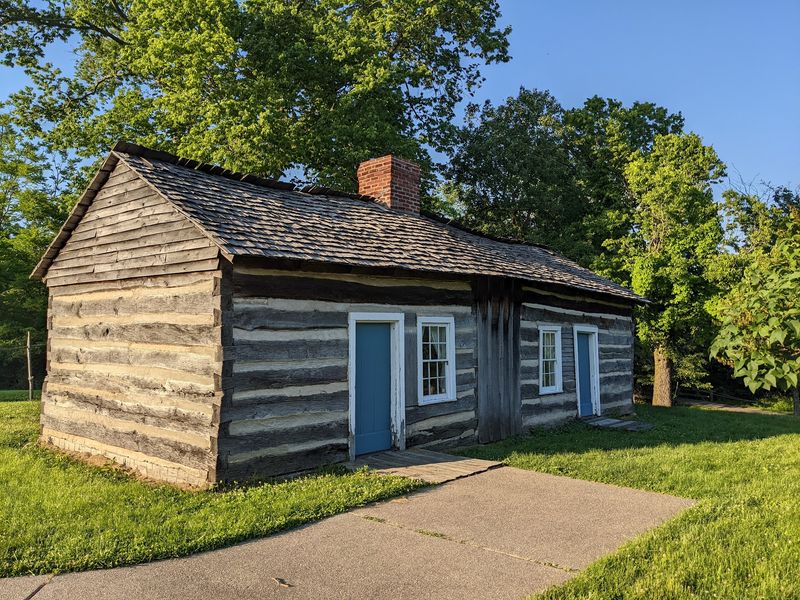
Out in Coles County, about eight miles south of Charleston, sits Lincoln Log Cabin State Historic Site. It covers 86 acres of farmland, timber, and walking paths.
The site preserves the farm of Thomas Lincoln and Sarah Bush Lincoln. They were Abraham Lincoln’s father and stepmother, and they moved here in 1837.
Abe himself never lived on this farm. By then, he was a young lawyer building a life in Springfield.
Still, he showed up often during the 1840s. Riding the Eighth Judicial Circuit kept him traveling across central Illinois, and this farm made a natural stop.
Here’s a fun twist most folks miss. Lincoln actually owned part of the land himself.
He later deeded that piece back to his father and stepmother for their lifetime use. That’s a pretty thoughtful move from a son with a busy schedule.
So the place isn’t a shrine to the president. It’s a window into the family that raised him and the rural world he kept coming back to.
Honestly, that angle makes it feel warmer and more relatable. You’re visiting the folks, not the monument.
The Missing Cabin That Went To Chicago And Never Came Back
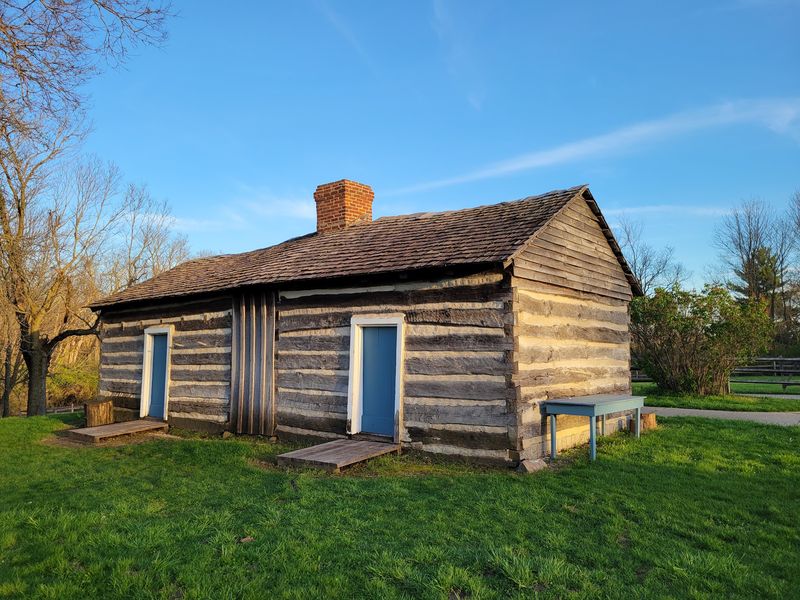
History has its mysteries, and this cabin owns a great one. The original Lincoln home was taken apart for the 1893 World’s Columbian Exposition in Chicago.
After that, it simply disappeared. Nobody has tracked down those logs since.
Fast forward to the 1930s, when the Civilian Conservation Corps stepped in. Between 1935 and 1936, workers rebuilt the cabin as an accurate reproduction.
They placed it right on the original foundation. That detail matters, because you’re standing on the same spot where the family lived.
The cabin has just two rooms. For a household of that era, space was tight, and every corner had a job.
Seeing it in person puts modern complaints about small kitchens into perspective. Imagine cooking, sleeping, and visiting all within a few steps.
Some visitors notice that parts of the site are reconstructed, and that’s true. Yet the care behind the rebuild gives it real weight.
The CCC connection adds another layer of Illinois history too. You get a Depression-era project wrapped around a pioneer story, which feels like two field trips for the price of zero.
Two Farms, Two Very Different Ways To Make A Living
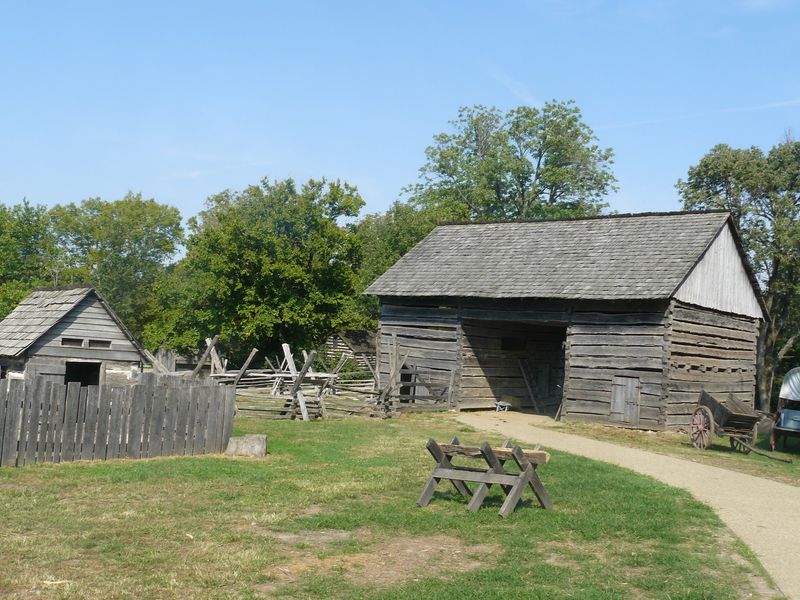
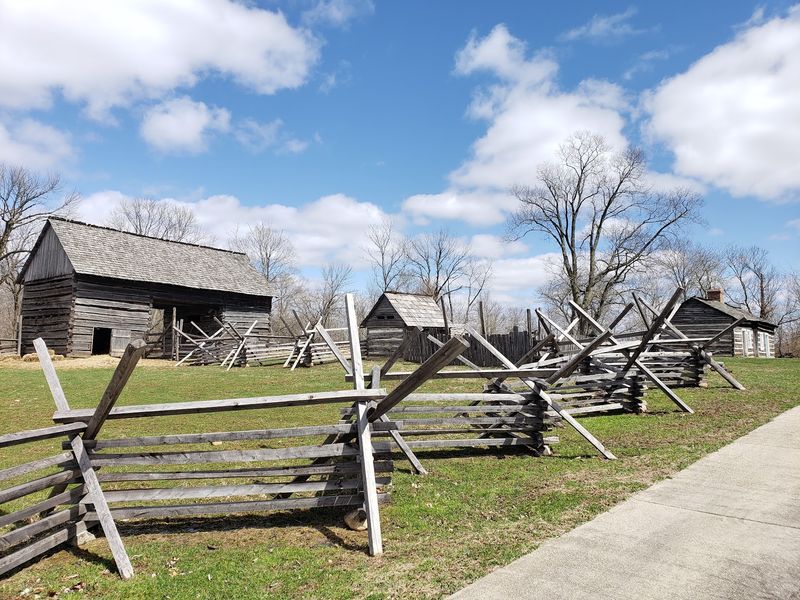
Most historic sites give you one old house. Lincoln Log Cabin State Historic Site gives you two working farmsteads from the 1840s.
The first is the Thomas Lincoln Farm. It shows subsistence farming, where a family grew and raised mostly what it needed to survive.
Heirloom crops fill the fields there. Period-appropriate livestock round out the scene, so it looks and feels like a real working homestead.
Then there’s the Stephen Sargent Farm next door. It was moved to the site in 1987 to tell a different story.
The Sargents represent progressive farming for that time. Their operation focused on cash crops, which meant growing extra to sell.
Walking between the two farms is like flipping between two chapters of the same book. Same decade, same Illinois prairie, very different approaches.
Kids often grasp the contrast quickly. One family is scraping by, while the neighbor is getting ahead.
It sparks great questions on the car ride home. Why did one farm do better?
What would you have planted? Those conversations might be the best souvenir of the day.
Costumed Interpreters Who Stay Firmly In The 1840s
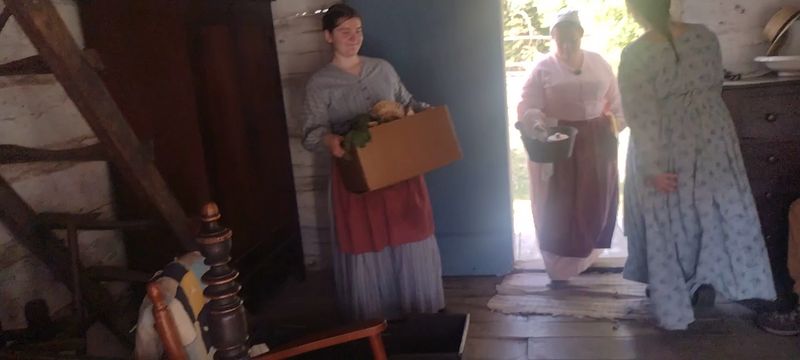
Ask a question about your phone, and you might get a puzzled look. The interpreters here dress in period clothing and stay in character.
From May 1 through October 31, the living history season brings the farms to life. Costumed staff and volunteers handle the daily rhythms of 1840s rural Illinois.
Depending on the day, you might catch someone quilting. Others may be preparing an old-fashioned meal over traditional methods.
The staff earns plenty of warm praise for being friendly and knowledgeable. They explain how chores worked and why each task mattered.
That approach turns history from a list of dates into something you can watch. A butter churn makes way more sense when someone is actually using it.
Outside the main season, the grounds stay open for self-guided wandering. You’ll still see buildings and animals, just without the costumed crew.
So if the interpreters are your top priority, plan for late spring through fall. That window delivers the full time-travel effect.
Bring curious kids and let them do the asking. The interpreters seem to enjoy a good question as much as anyone.
Sheep, Chickens, And Other Barnyard Scene-Stealers
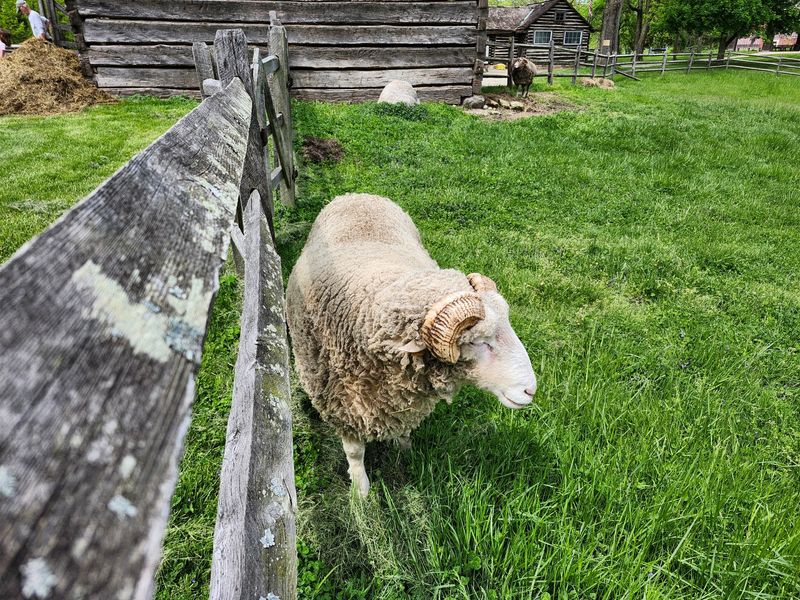
Fair warning: the lambs might upstage Honest Abe. The farm animals are a favorite part of the visit for many families.
Sheep, chickens, pigs, and turkeys have all appeared around the farmsteads. In spring, baby lambs often make an extra-adorable appearance.
These aren’t random petting-zoo critters either. The livestock fits the period, matching what an 1840s farm family would have kept.
That gives the animals a purpose in the story. Wool, eggs, and meat all fed and clothed a pioneer household.
Younger kids usually don’t care about that lesson at first. They just want to see the fluffy ones up close, and that’s fine.
The history sneaks in naturally while they’re watching. Before long, they’re asking why the family needed so many chickens.
Animals stay part of the scene even outside the busy season. That means a chilly weekday trip can still include a few barnyard hellos.
Bring your camera and a little patience. Sheep move on their own schedule, and honestly, they seem pretty relaxed about it.
Start Inside With A Short Film And Hands-On Exhibits
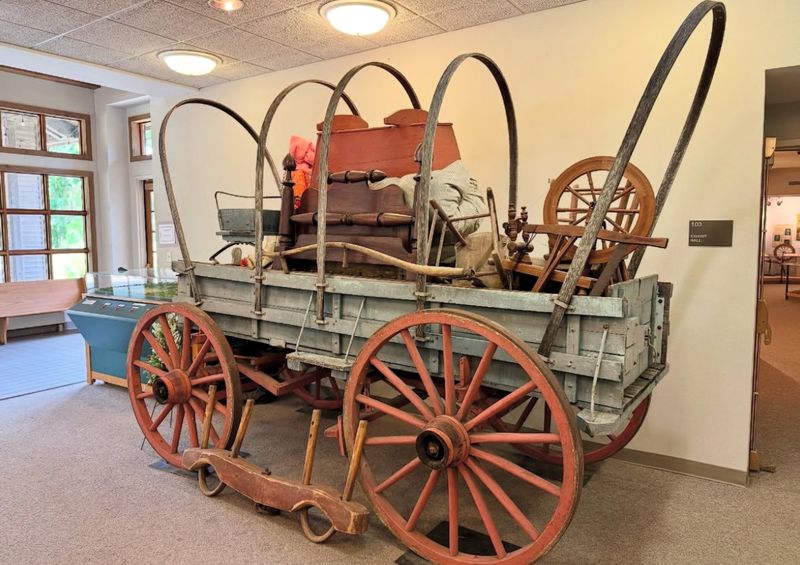
Fourteen minutes. That’s how long the orientation film runs inside the Visitor Center auditorium.
It covers the Lincolns, the Sargents, and daily life in the 1840s. Watching it first makes the walk through the farms click into place.
The museum exhibits are well done, with interactive displays kids can touch. Some exhibits offer insight into Lincoln’s character and his care for his parents.
Others describe the many daily chores of farm life. After reading about them, the outdoor buildings feel far more lived-in.
There’s also a gift shop with a reasonable feel to its prices. It’s a nice place for a small keepsake before heading home.
One quick tip helps here. Visitor Center hours can differ from grounds hours, so check before you go.
If you arrive after the building closes, a brochure is usually available outside. You can still explore on your own with it.
A ramp leads up to the Visitor Center. Some historic buildings require steps, though, so mobility needs are worth considering ahead of time.
Two More Stops That Tug At The Heartstrings
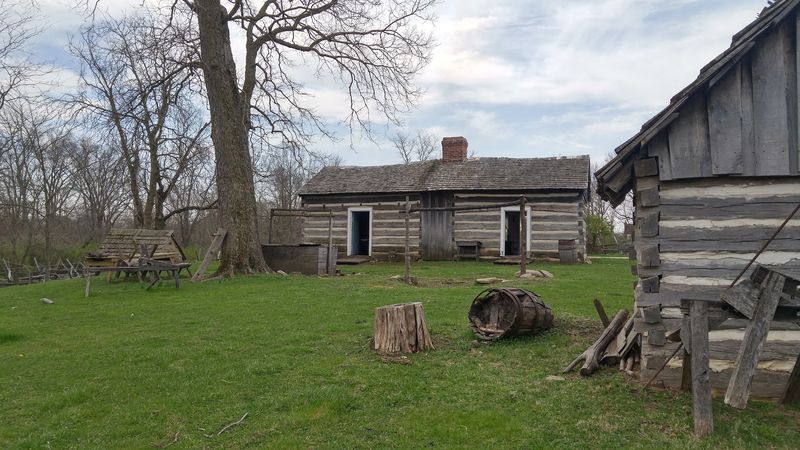
January 1861 brought a tender goodbye. President-elect Abraham Lincoln visited his stepmother, Sarah Bush Lincoln, one last time before heading to Washington.
That meeting happened at what’s now the Moore Home State Historic Site. It sits about one mile north of the main farms.
The house there is a reconstructed frame home. Knowing what happened on that spot gives the quiet setting real emotional pull.
Lincoln adored his stepmother, and she clearly adored him back. Their story softens the bronze-statue version of him we usually see.
About a mile west, you’ll find the Thomas Lincoln Cemetery. Thomas and Sarah Lincoln rest there, along with other extended family members.
It’s a peaceful, reflective stop rather than a flashy one. Many history fans like ending their loop there.
Together, these sites complete the family picture. You see where they worked, where they said goodbye, and where they rest.
All three are close enough for one easy afternoon. It turns a single stop into a small Lincoln heritage tour across Coles County, Illinois.
Picnics, Trails, And Room For Little Legs To Run
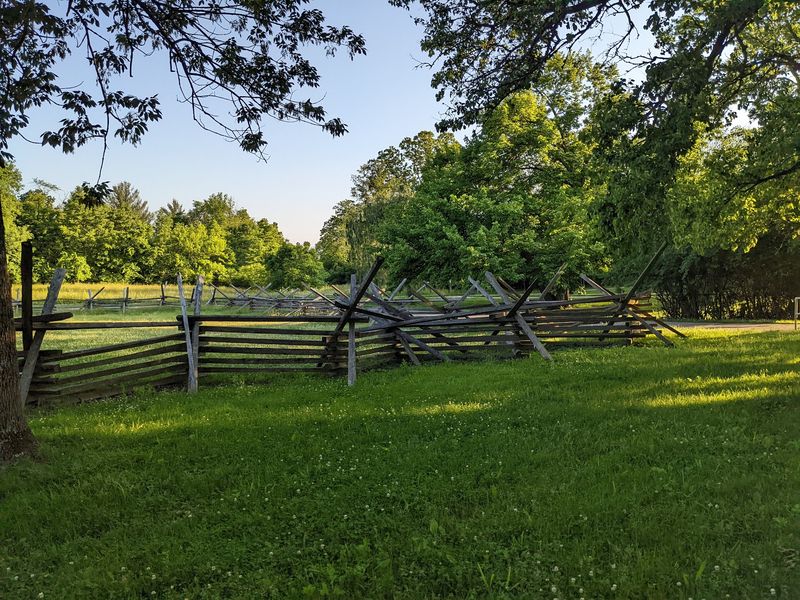
Pack sandwiches, because the picnic pavilions are part of the fun. Several spots give families a shady place to eat between farm visits.
Beyond the farmsteads, trails and nature areas wind through the property. They’re good for easy walks, fishing, and bird-watching.
There’s also a playground for younger visitors. After a morning of history, a few laps down the slide can reset everyone’s mood.
The grounds feel peaceful and well kept. Nothing about the place pushes you to rush.
That slower pace suits grandparents and toddlers alike. Everyone can move at their own speed without feeling left behind.
Seasonal events add even more reasons to come back. The Saturday Story Series welcomes families, and Homeschool Historians programs serve curious students.
Fall brings the Torchlight Halloween Hike, a fun spin on the season. Winter ushers in Old Fashioned Christmas on the Prairie.
Some workshops or special events may carry a fee, so check ahead. Otherwise, a picnic lunch and an open afternoon cost practically nothing.
Free Admission, Easy Directions, And A Very Good Excuse To Go
Set your GPS for 402 S Lincoln Hwy, Lerna, IL 62440. It’s an easy country drive south of Charleston in east-central Illinois.
General admission is free. Donations are welcome if you’d like to help keep the place thriving.
The grounds open year-round from 8:30 a.m. until dusk. Building and program hours shift with the seasons.
From May 1 to October 31, the living history season runs seven days a week. Hours then are 9 a.m. to 5 p.m.
From November through March, expect Wednesday through Sunday hours, 9 a.m. to 4 p.m. Schedules can change, so a quick check before leaving is smart.
The site closes on Thanksgiving, Christmas Eve, Christmas Day, New Year’s Eve, and New Year’s Day. Plan around those dates.
Most families spend an hour or two, though history lovers can easily stretch it longer. The film, museum, farms, and trails fill a relaxed afternoon.
For a free outing with lambs, log cabins, and a real Lincoln family story, it’s hard to beat. Grandma will probably want to come along too.