
12 Pennsylvania Activities To Try When You Think You’ve Done Everything
Just when you think Pennsylvania has no surprises left, it somehow pulls another one out of its sleeve. That is the fun of a state with this much range.
One weekend can feel like a rerun of your usual favorites, and the next can hand you something quirky, unexpected, and completely worth the effort.
When the standard day trips, restaurant stops, and scenic walks start feeling a little too familiar, that is usually the perfect moment to try something that shakes up the routine.
These are the kinds of activities that bring back the spark. Think offbeat adventures, fresh scenery, unusual attractions, and the sort of experiences that make you say, why have I never done this before?
Some will surprise you, some will charm you, and some will make you feel like you have discovered a side of Pennsylvania that was hiding in plain sight the whole time.
That is where the real fun begins. I always love lists like this because the second I find one activity that feels a little strange or completely new to me, I start planning the whole day around it and wondering how many more hidden surprises I have been driving past all along.
1. Stargazing at Cherry Springs State Park, Coudersport
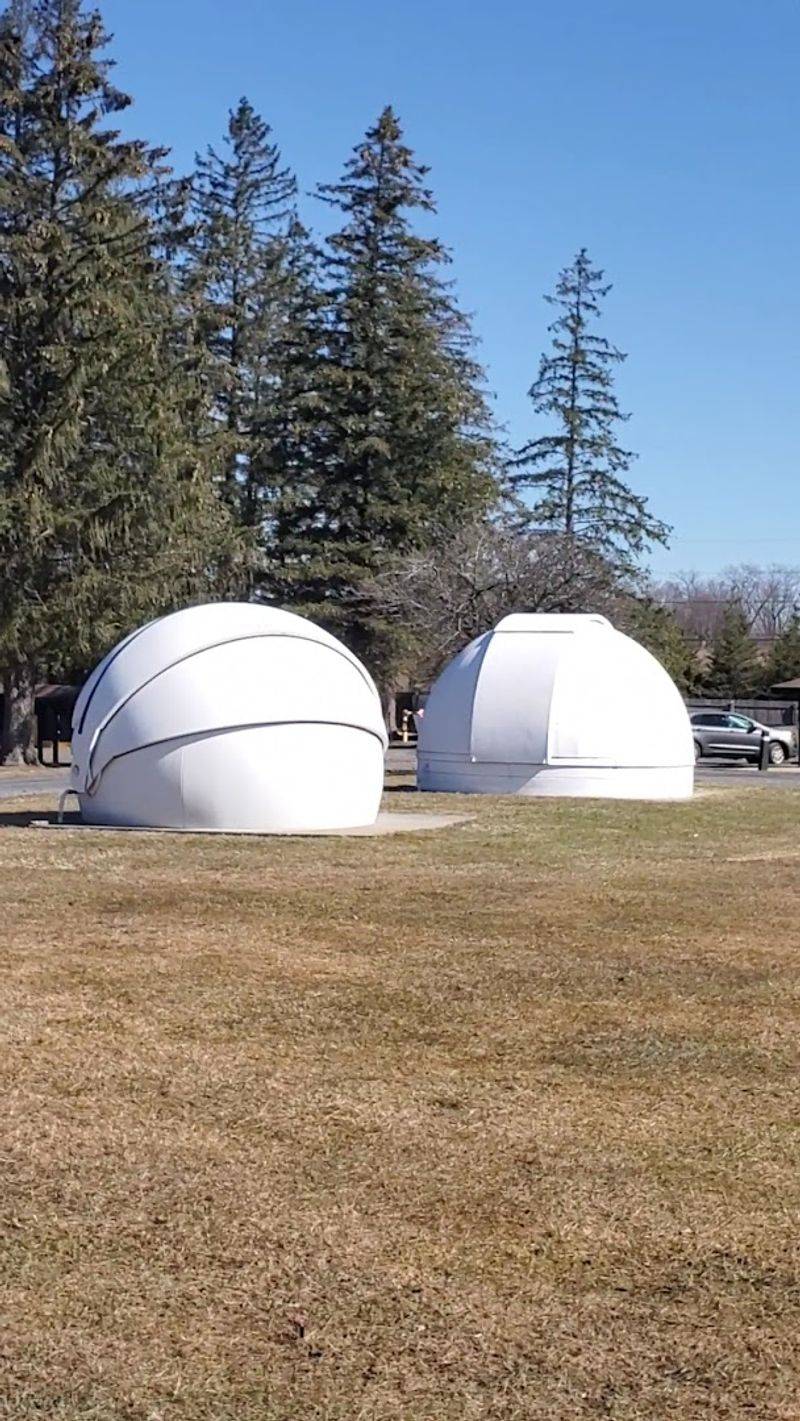
Few places in the eastern United States can match the inky darkness of Cherry Springs State Park in Coudersport, Pennsylvania.
Ranked as one of the darkest sky locations on the entire East Coast, this park sits at roughly 2,300 feet above sea level, which means the stars here don’t just twinkle, they practically shout.
Cherry Springs State Park earned its Gold-Tier International Dark Sky Park designation from the International Dark-Sky Association, a rare honor that tells you exactly how serious this place is about keeping light pollution away.
The main stargazing field opens after sunset and fills with amateur astronomers hauling telescopes, star maps, and enough enthusiasm to last until sunrise.
Even without a telescope, the naked-eye views of the Milky Way stretching overhead are genuinely jaw-dropping.
Plan your visit around a new moon for the darkest skies possible, and bring warm layers because temperatures drop fast at elevation, even in summer.
2. Walking the Boulder Field at Ringing Rocks County Park, Upper Black Eddy
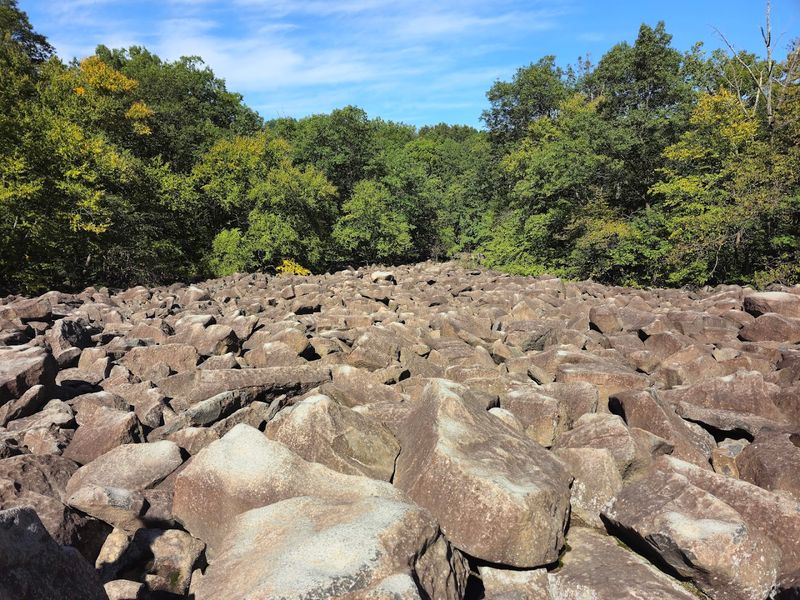
Bring a hammer to this one, and that sentence will make perfect sense once you arrive at Ringing Rocks County Park in Upper Black Eddy, Pennsylvania.
Spread across roughly seven acres, this boulder field is made up of diabase rocks that produce a clear, bell-like ringing tone when struck with a hard object.
Scientists have studied this phenomenon for years and still haven’t fully agreed on a single explanation, which honestly makes the experience even more entertaining.
The boulders at Ringing Rocks County Park are a geological curiosity that dates back millions of years, left behind by ancient volcanic activity deep beneath the surface.
Families love this spot because kids can run across the rocks and bang away without anyone telling them to stop, and the sound really does carry surprisingly far.
A short trail also leads to a waterfall nearby, so the visit doubles as a light hiking adventure with a payoff that’s hard to beat.
3. Boat Tour Through Penn’s Cave, Centre Hall
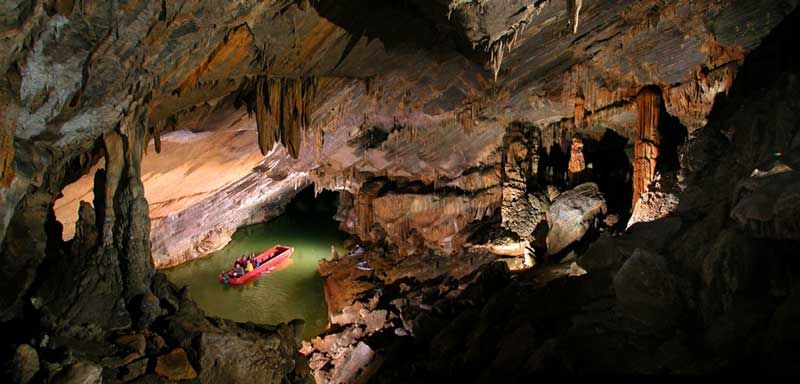
Penn’s Cave in Centre Hall, Pennsylvania holds a claim that very few attractions anywhere in the country can make: it is America’s only all-water cavern and wildlife park.
Every tour through Penn’s Cave takes place entirely by motorized boat, floating along an underground stream that winds beneath the limestone hills of Centre County.
The cave walls glow with mineral formations in shades of orange, white, and rust, and the ceiling hangs low in some sections, making the whole experience feel genuinely cinematic.
Penn’s Cave has been welcoming visitors since 1885, which means generations of Pennsylvanians have floated through these same passages with the same wide eyes.
Above ground, the wildlife park attached to the property is home to bison, elk, black bears, and mountain lions, turning the trip into a full day of surprises.
Tours run seasonally, and the cave stays at a cool 52 degrees regardless of the season, so a light jacket is always a smart call.
4. Steam Train Ride on Strasburg Rail Road, Ronks
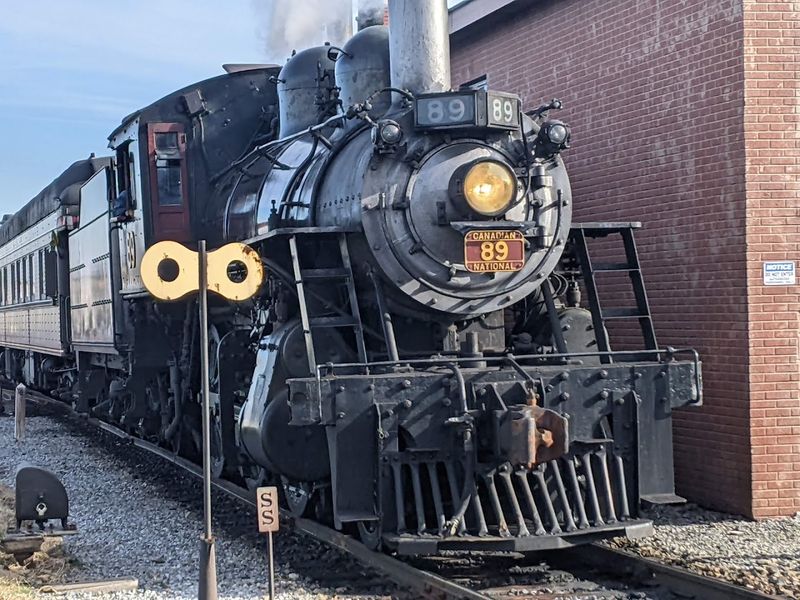
The smell of coal smoke and the low rumble of a genuine steam engine are things that most people today have never experienced firsthand, and that’s exactly what makes the Strasburg Rail Road in Ronks, Pennsylvania so quietly remarkable.
Operating since 1832, Strasburg Rail Road is the oldest continuously operating short-line railroad in the Western Hemisphere, a fact that lands differently once you’re actually seated in one of its restored Victorian-era coaches.
The nine-mile round trip rolls through the heart of Lancaster County’s Amish farmland, past hand-tended fields and classic red barns that look like they belong on a postcard.
Strasburg Rail Road offers several different car classes, including open-air cars, first-class coaches, and even a parlor car for those who prefer their nostalgia with a little extra cushion.
The on-site railroad museum and toy train display keep younger riders entertained well beyond the ride itself. Booking tickets in advance during peak fall season is strongly recommended.
5. Touring Fallingwater, Mill Run
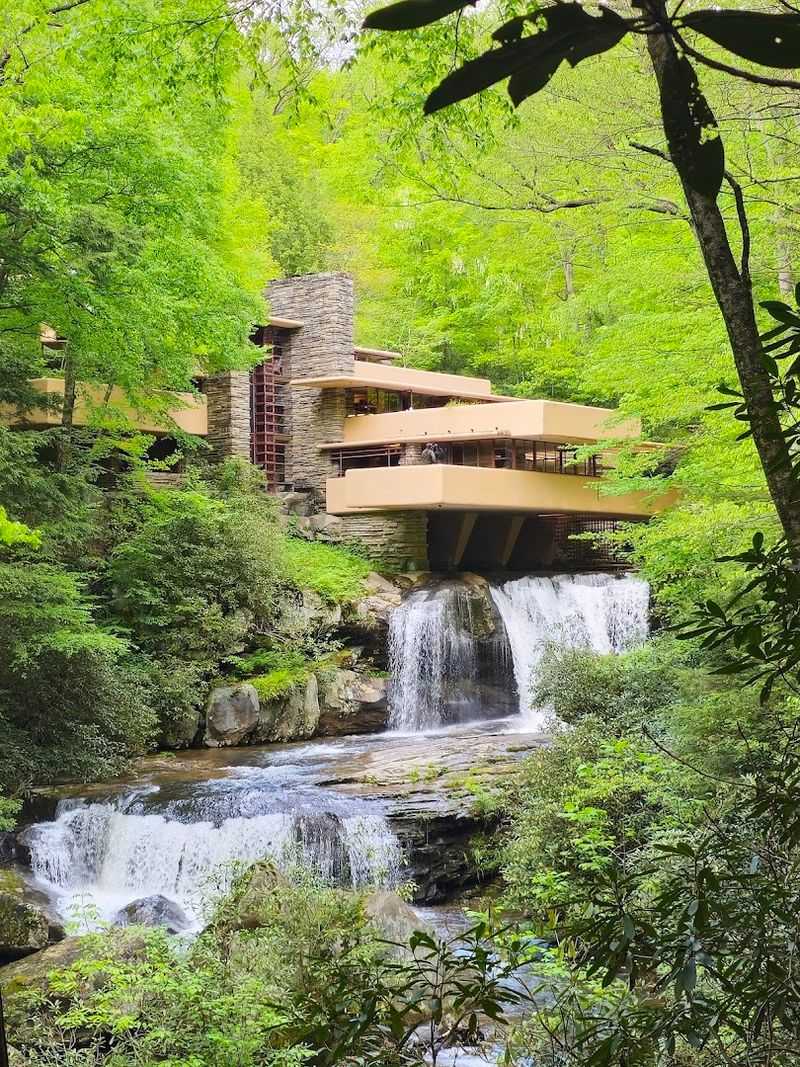
Cantilevered directly over a waterfall in the forested hills of Mill Run, Pennsylvania, Fallingwater is arguably the most famous private residence ever built in the United States.
Designed by architect Frank Lloyd Wright and completed in 1939, the house was created for the Kaufmann family and represents Wright’s philosophy of organic architecture, meaning the building doesn’t just sit in nature, it grows from it.
Fallingwater’s terraces hover above Bear Run stream at dramatic angles that somehow feel both daring and completely at home in the surrounding woodland.
Tours of the interior reveal a space that is smaller than most people expect, with low ceilings, built-in furniture, and every detail chosen with obsessive intention.
Fallingwater was designated a UNESCO World Heritage Site in 2019 as part of a collection of Wright’s works, confirming what architecture fans already knew.
Timed entry tickets sell out weeks in advance during summer and fall, so planning ahead is not optional.
6. Exploring Meadowcroft Rockshelter and Historic Village, Avella
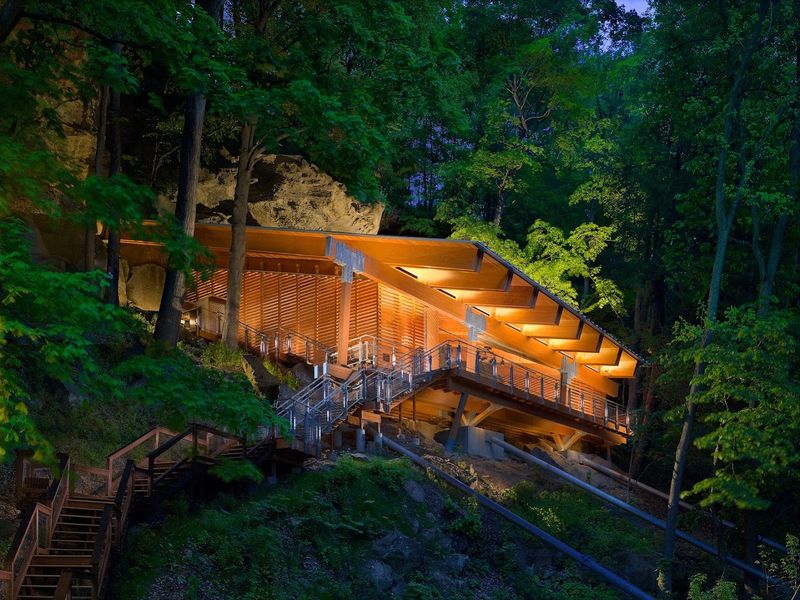
Tucked into a wooded ravine outside Avella, Pennsylvania, Meadowcroft Rockshelter holds a record that rewrites North American history: it may be the oldest known site of human habitation in the entire Western Hemisphere.
Archaeological excavations led by Dr. James Adovasio beginning in the 1970s uncovered evidence of human presence dating back possibly 19,000 years, a finding that continues to spark debate and fascination among researchers worldwide.
Meadowcroft Rockshelter is a National Historic Landmark, and the site is preserved under a protective structure so visitors can see the actual stratigraphy, the visible layers of human history stacked in the earth.
Beyond the rockshelter itself, the surrounding historic village features reconstructed buildings from different eras of Pennsylvania life, from a 16th-century Native American village to an 18th-century frontier homestead. Guided tours bring the layers of time to life in a way that feels personal rather than academic.
The site stays relatively uncrowded, making it a rare opportunity to explore something genuinely significant without fighting a crowd.
7. Biking the Pine Creek Rail Trail, Wellsboro to Jersey Shore
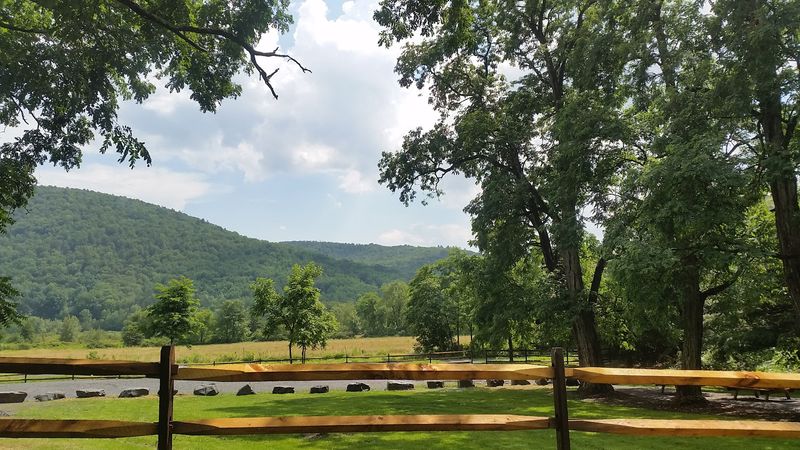
Pennsylvania’s own answer to the Grand Canyon runs right alongside the Pine Creek Rail Trail, a 62-mile route that follows a converted railroad bed through the dramatic Pine Creek Gorge near Wellsboro.
The gorge drops nearly 1,000 feet from the surrounding plateau, creating a corridor of forested walls that frame the trail with the kind of scenery that makes you stop pedaling just to stare.
The trail runs from the Ansonia trailhead near Wellsboro all the way south to Jersey Shore, and the flat grade of the old rail bed means the physical challenge is manageable even for casual riders.
Pine Creek flows right alongside much of the route, offering spots to cool off, fish for trout, or simply sit on a rock and listen to moving water do its thing.
Camping areas along the Pine Creek Rail Trail allow for multi-day trips that turn this into a proper backcountry adventure.
Fall foliage along the gorge walls turns the whole trail into something that feels almost unreal.
8. Cave Tour at Indian Echo Caverns, Hummelstown
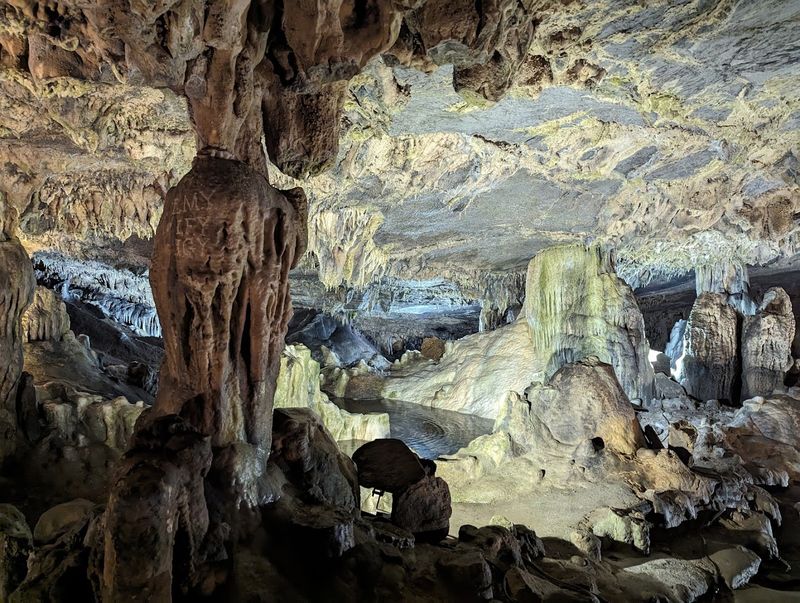
Just outside Hummelstown, Pennsylvania, Indian Echo Caverns offers a cave tour that has been welcoming visitors since the 1920s, and the formations inside still manage to impress even repeat visitors.
The caverns were carved by water moving through limestone over millions of years, creating chambers filled with stalactites, stalagmites, and columns in shapes that tour guides have been giving creative names to for decades.
One of the most interesting historical footnotes attached to Indian Echo Caverns involves a man named William Wilson, known locally as the Hummelstown Hermit, who reportedly lived inside the cave for nearly two decades in the 1800s.
The constant temperature inside Indian Echo Caverns hovers around 52 degrees Fahrenheit year-round, making it a genuinely refreshing escape on a hot summer afternoon.
The grounds above the cave include a gem sluice, a small petting farm, and a gemstone and mineral shop that tends to hold kids’ attention long after the underground tour ends.
Tours run daily and last approximately 45 minutes.
9. A Day at Knoebels Amusement Resort, Elysburg
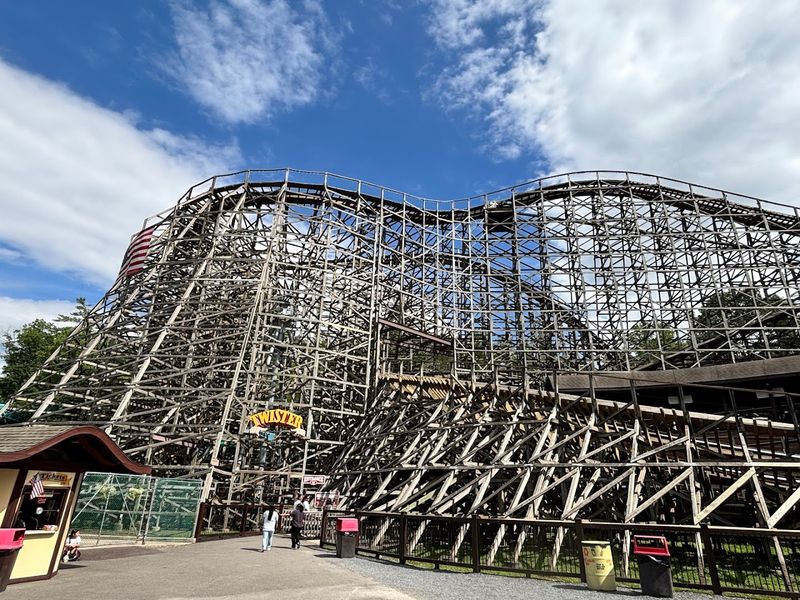
Free admission to enter, pay-per-ride tickets, no parking fees, and a campground on the property: Knoebels Amusement Resort in Elysburg, Pennsylvania operates on a philosophy that feels like it belongs to a different era, because it largely does.
Founded in 1926, Knoebels has remained family-owned and family-focused through nearly a century of operation, and that history shows in the way the place feels genuinely unhurried.
The wooden roller coasters here are the main attraction for thrill-seekers, with the Phoenix consistently ranked among the best wooden coasters in the world by coaster enthusiasts who take these rankings very seriously.
Knoebels also features a hand-carved wooden carousel built in 1913, a haunted house, a bumper car pavilion, and a pool complex that makes summer visits feel almost dangerously relaxing.
The food at Knoebels is worth the trip on its own, with pierogies, hand-dipped ice cream, and smoked meats that have developed their own devoted following.
The resort operates seasonally from late April through October.
10. Self-Guided Auto Tour at Gettysburg National Military Park, Gettysburg
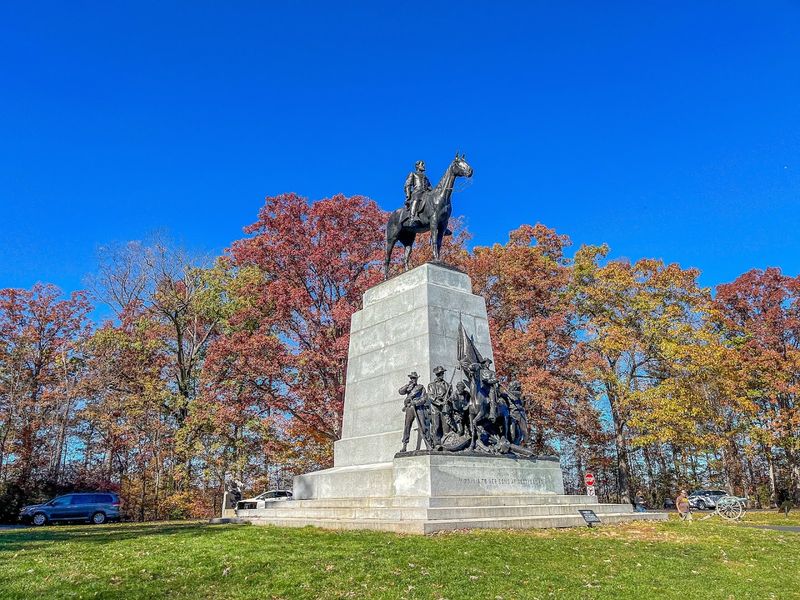
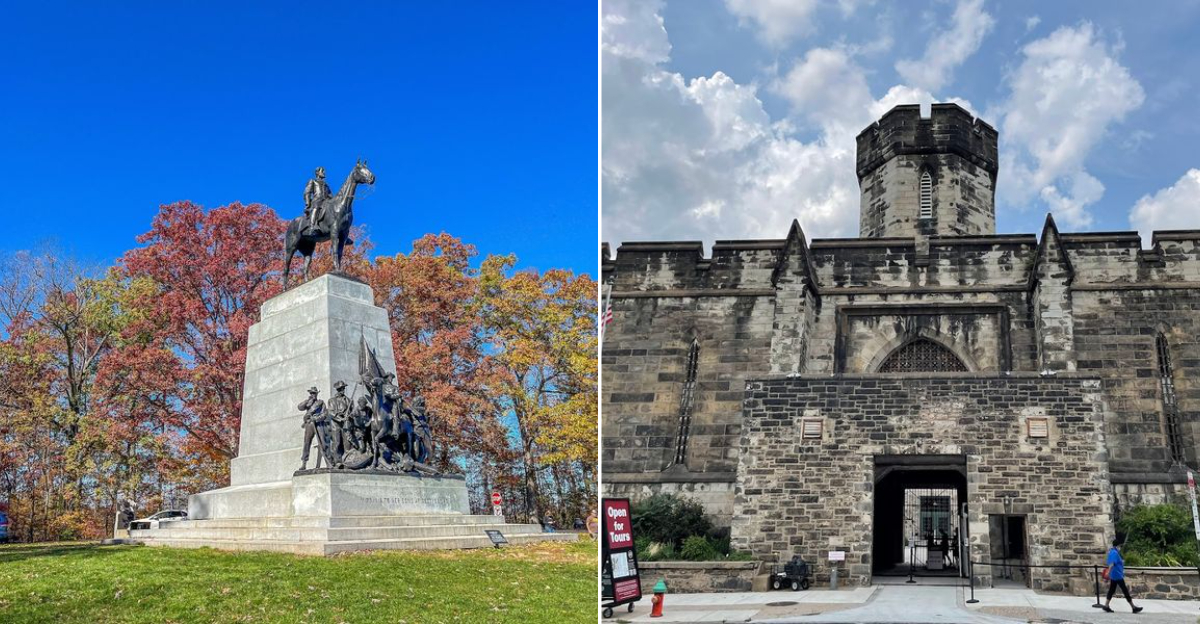
Gettysburg National Military Park in Gettysburg, Pennsylvania covers nearly 6,000 acres of preserved battlefield, and the self-guided auto tour is the most flexible way to take it all in at your own pace.
The three-day battle fought here in July 1863 was the largest ever fought on North American soil and marked a pivotal turning point in the Civil War, making the ground itself feel weighted with significance.
The auto tour route stretches approximately 24 miles and passes more than 1,300 monuments, markers, and cannons placed across the landscape to mark the positions of specific units.
Stopping at Little Round Top gives one of the clearest views of the terrain that shaped so many of the battle’s outcomes, and standing there makes the tactical decisions of commanders feel suddenly very human.
Gettysburg National Military Park’s visitor center includes a massive cyclorama painting of Pickett’s Charge that wraps around the viewer in a full circle, an experience that’s hard to describe and easy to remember.
Audio tour guides are available for download before arrival.
11. Visiting Flight 93 National Memorial, Stoystown
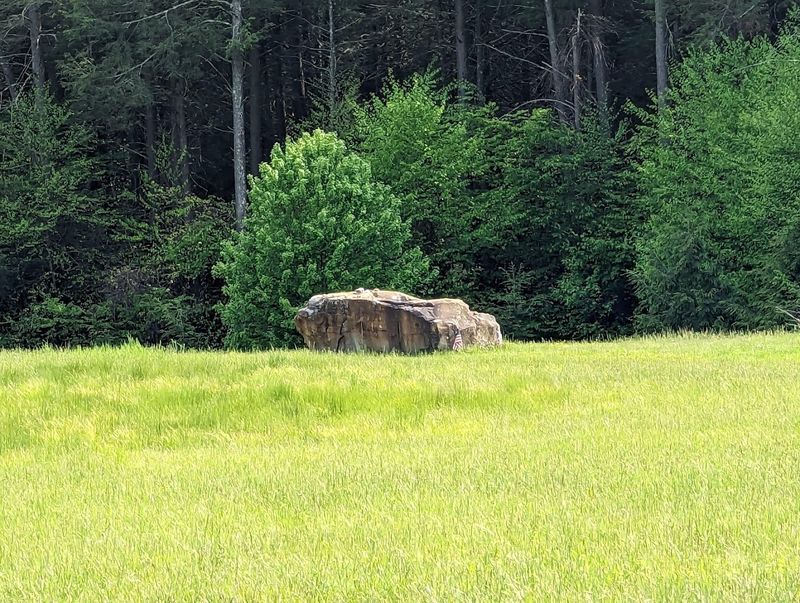
Set in the open fields near Stoystown, Pennsylvania, the Flight 93 National Memorial marks the site where United Airlines Flight 93 came down on September 11, 2001, after passengers acted to prevent the hijacked plane from reaching its intended target.
The memorial is understated in the best possible way, using the natural landscape rather than competing with it, and the effect is quietly overwhelming for most visitors.
A long pathway lined with the names of the 40 passengers and crew leads toward a black marble Wall of Names, positioned so that it faces the flight path the aircraft followed in its final moments.
Flight 93 National Memorial sits within the National Park Service system, and the visitor center provides detailed accounts of the timeline of events through artifacts, audio recordings, and first-person testimonies.
The site asks for a kind of respectful silence that most visitors give naturally, and the surrounding rural Pennsylvania landscape adds a stillness that makes the experience deeply personal.
Admission is free, and the memorial is open year-round.
12. Touring Eastern State Penitentiary, Philadelphia
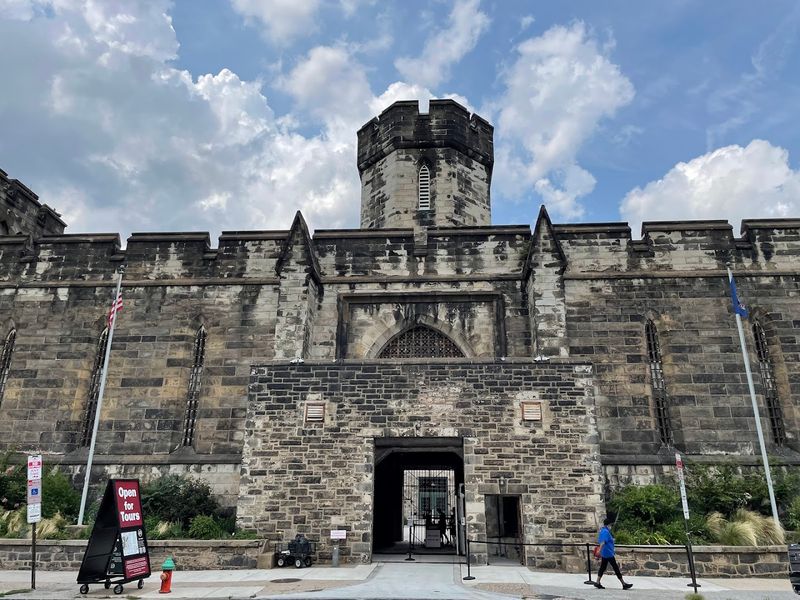
Eastern State Penitentiary in Philadelphia, Pennsylvania looks like a medieval fortress from the outside, and the inside doesn’t exactly soften that impression.
Built in 1829, the penitentiary was once considered the most expensive and most copied prison in the world, with a revolutionary design built around the idea that solitary confinement and silence could reform criminal behavior.
The results of that experiment are now a matter of historical record, and touring Eastern State Penitentiary means walking through both architectural grandeur and a deeply complicated chapter of American penal history.
Al Capone was famously held here briefly in 1929, and his cell has been preserved with furnishings that reflect the preferential treatment he reportedly received, a detail that tour guides clearly enjoy sharing.
The cellblocks range from carefully preserved to dramatically deteriorated, and the contrast between them creates an atmosphere that photographers absolutely love.
Eastern State Penitentiary also runs one of the country’s most popular Halloween events each fall, drawing massive crowds to the already atmospheric space.