
12 Pennsylvania Foods Named After Towns You Probably Haven’t Heard Of
Growing up, I thought every state had a town called Intercourse where you could buy world-class soft pretzels. Turns out, Pennsylvania is just wonderfully weird like that.
The Keystone State is packed with quirky town names that have given birth to some seriously delicious foods.
From banana splits to bologna, these local legends prove that the best eats often come from the most unexpected places.
1. Latrobe Banana Split
Back in 1904, a 23-year-old pharmacy apprentice named David Strickler got creative at Tassel’s Pharmacy in Latrobe.
He sliced a banana lengthwise, added three scoops of ice cream, and topped it with chocolate, strawberry, and pineapple sauces.
The whole glorious mess cost just 10 cents. Today, Latrobe proudly claims the title of Banana Split Capital of the World, and honestly, who’s going to argue with that kind of delicious history?
2. Kennett Square Mushroom Soup
Kennett Square grows more mushrooms than anywhere else in America, earning it the nickname Mushroom Capital of the World. Over half the nation’s mushrooms come from this tiny Chester County town.
Local restaurants serve up rich, earthy mushroom soup that tastes nothing like the canned stuff.
Every September, the town throws a massive Mushroom Festival where you can slurp soup, munch mushroom everything, and celebrate fungi in all its glory.
3. Bethlehem Fasnachts
Fasnachts are Pennsylvania Dutch doughnuts traditionally eaten on Shrove Tuesday, the day before Lent begins. Bethlehem’s Moravian community has been frying up these puffy squares of dough for centuries.
Unlike regular doughnuts, fasnachts are denser and usually cut into squares or rectangles.
They’re best eaten plain or dusted with powdered sugar while still warm. Locals line up at bakeries before dawn on Fasnacht Day to snag them fresh from the fryer.
4. Johnstown Gobs
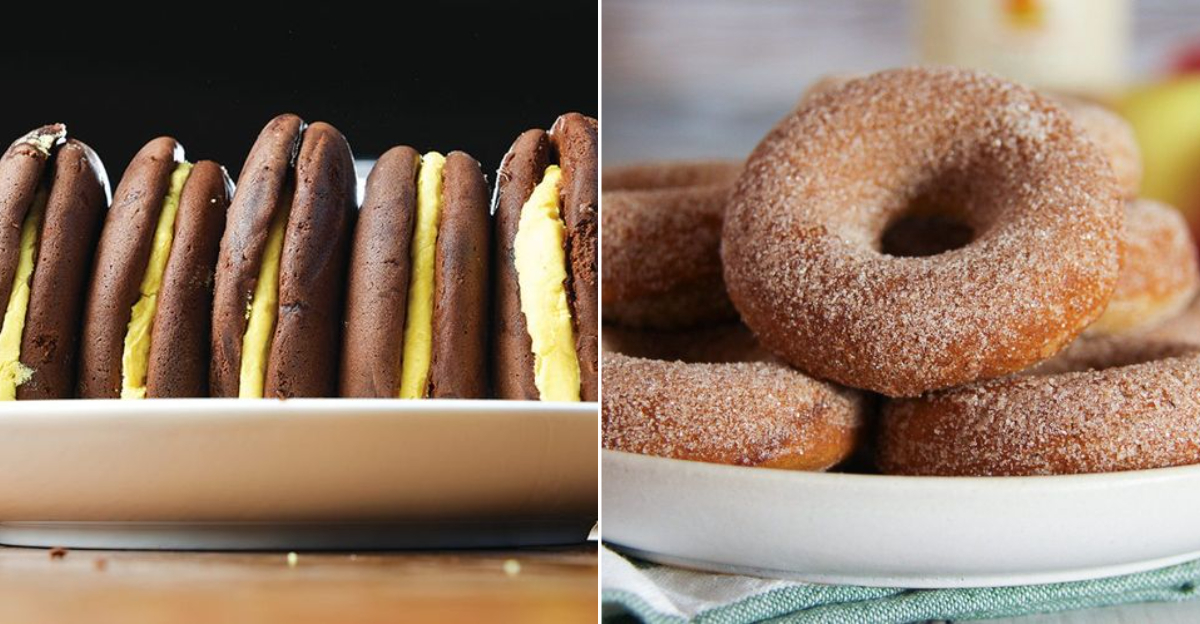
Johnstown lays claim to inventing gobs, those cake-like cookie sandwiches filled with sweet cream frosting.
Coal miners’ wives supposedly packed these treats in lunch pails because they wouldn’t crumble underground.
The name might come from miners gobbing them down in one bite. Chocolate gobs are the classic, but you’ll find pumpkin, peanut butter, and red velvet versions too.
They’re basically Pennsylvania’s answer to whoopie pies, and yes, there’s a fierce debate about which came first.
5. Lititz Pretzels
Lititz is home to America’s first commercial pretzel bakery, founded by Julius Sturgis in 1861. You can still tour the original bakery and twist your own pretzel by hand.
The town’s pretzel-making tradition runs deep, with multiple pretzel companies calling Lititz home. These aren’t your average grocery store pretzels.
They’re crunchy, salty, and absolutely addictive. Lancaster County takes its pretzels seriously, and Lititz is ground zero for pretzel perfection in Pennsylvania.
6. Intercourse Soft Pretzels
Yes, there’s really a town called Intercourse, and yes, the gift shops sell all the cheeky merchandise you’d expect. But beyond the novelty, this Lancaster County village produces some seriously good soft pretzels.
Amish and Mennonite bakers hand-roll dough daily, creating pretzels with that perfect chewy texture and salty crust.
Street vendors and farmers markets sell them warm from the oven. Grab one with a side of mustard and embrace the awkward town name with pride.
7. Chambersburg Peaches
Chambersburg sits in the heart of Pennsylvania peach country, where orchards have been growing juicy fruit for over 200 years. The Cumberland Valley’s climate creates perfect conditions for peach trees.
Every summer, roadside stands overflow with varieties like Redhaven and Cresthaven. These peaches are so sweet and drippy, you’ll need extra napkins.
Local bakeries turn them into cobblers, pies, and preserves. August is peak peach season, when Chambersburg basically smells like summer in fruit form.
8. State College Grilled Stickies
Penn State tailgaters invented this genius move: taking sticky buns and grilling them until the sugar caramelizes into crispy, gooey perfection.
The Berkey Creamery’s famous stickies get even better with grill marks. Football Saturdays in State College mean the smell of grilled stickies wafting through parking lots.
The heat transforms already-delicious cinnamon rolls into something magical. It’s the kind of food innovation that only happens when college students have grills, creativity, and serious hunger.
9. Shenandoah Kielbasy
Shenandoah’s coal mining heritage brought waves of Polish immigrants who introduced their beloved kielbasa to the region. This isn’t your supermarket sausage.
Local butchers still make kielbasy the old-world way, smoking it over hickory until the casing snaps with each bite.
The garlic-heavy seasoning and coarse grind make it perfect for pierogies, sandwiches, or just eating straight from the butcher paper.
Shenandoah’s annual kielbasa festival celebrates this meaty tradition every fall with sausage-eating contests and polka music.
10. Bird-in-Hand Shoofly Pie
Bird-in-Hand gets its quirky name from an old inn sign, and its shoofly pie gets its name from the flies attracted to the sweet molasses filling.
This Pennsylvania Dutch dessert divides people into wet-bottom and dry-bottom camps. The molasses and brown sugar create an intensely sweet experience that pairs perfectly with black coffee.
Legend says Amish bakers created it using pantry staples when fresh fruit wasn’t available. You’ll find the best versions at Bird-in-Hand’s Amish bakeries and farm stands.
11. Elysburg Apple Cider Donuts
Elysburg is home to Knoebels Amusement Resort, where fall means apple cider donuts so good people drive hours just for them. The secret is using real apple cider in the batter.
Each donut gets rolled in cinnamon sugar while still warm, creating a sweet crust that gives way to tender, apple-flavored cake.
The park’s bakery cranks out thousands daily during autumn weekends. They taste like October in donut form, and yes, eating three in one sitting is totally acceptable.
12. Lebanon Bologna
Lebanon bologna isn’t like regular bologna at all. This tangy, smoky, semi-dry sausage gets its distinctive flavor from a sweet-and-sour curing process unique to Lebanon County.
Pennsylvania Dutch settlers developed the recipe generations ago, smoking beef until it develops that characteristic dark ring.
It’s got a strong flavor that locals eat sliced thin on sandwiches or fried up for breakfast. Seltzer’s and Weaver’s are the big names, but small producers still make it the traditional way in Lebanon’s smokehouses.