
Rescued Barn Owls And Hawks Perch Just Feet Away At This Washington Raptor Center
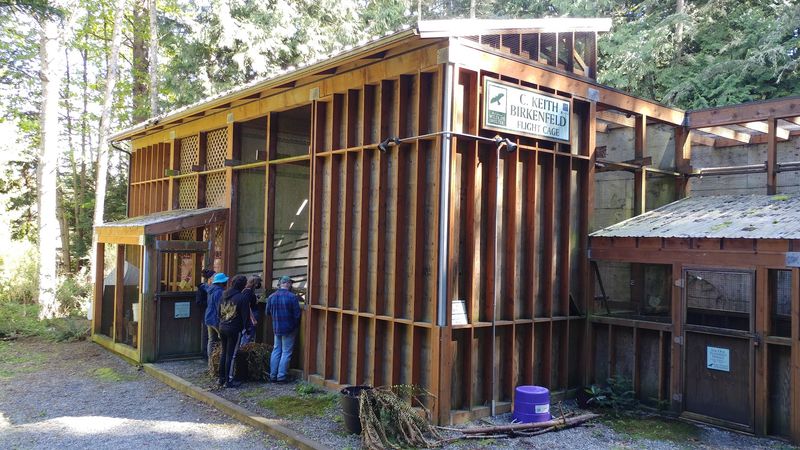
Imagine standing close enough to a rescued barn owl to notice the heart-shaped curve of its face, then watching a hawk swivel its head as if it knows you are there. On a quiet corner of Bainbridge Island in Washington, a group of caring people spends every day nursing injured birds and small woodland creatures back to health.
It is the kind of place many locals drive past for years without realizing the compassion happening inside. Once you learn its story, you may never look at your backyard wildlife the same way again.
A Wildlife Haven on the Edge of Bainbridge Island
Along a leafy stretch of Dolphin Drive, this shelter operates as a working animal rescue rather than a polished tourist stop. It sits on Bainbridge Island, an easy ferry hop from Seattle across Puget Sound.
The organization focuses on wildlife rehabilitation, taking in hurt or orphaned creatures and giving them a real shot at returning to the wild. Barn owls, hawks, songbirds, squirrels, and even the occasional fawn have all passed through its care.
What makes the spot special is how personal the work feels. Staff and volunteers here clearly love what they do, and visitors regularly describe the people as kind, patient, and deeply committed to the animals.
Because it is a real medical facility for wildlife, drop-offs happen by appointment, and space is limited during busy seasons. Still, the mission is simple and heartfelt: help the injured, comfort the frightened, and reconnect families of animals whenever nature allows.
For anyone curious about how local wildlife survives close encounters with cars, cats, and construction, this shelter is quietly essential.
The Story Behind the Shelter’s Mission
Every rescue here begins with a phone call from someone who found a creature in trouble. A baby robin stranded in a parking lot, a fawn waiting for its mother, an owl resting too close to a road, these are the everyday emergencies the shelter answers.
Rather than turning people away, the team steps in when others hesitate. Folks who have called describe staff staying open late so an injured owl could arrive safely, then patiently sharing updates for days afterward.
That willingness to help defines the place. The goal is never simply to take an animal off your hands, but to give it genuine care backed by knowledge and local connections.
Rehabilitators also spend time teaching. When a worried resident called about a lone fawn, a technician explained “stashing,” the natural way mother deer sometimes hide their young from perceived threats.
Small lessons like that help people avoid accidentally separating healthy babies from their parents, which is a huge part of protecting Washington’s wildlife.
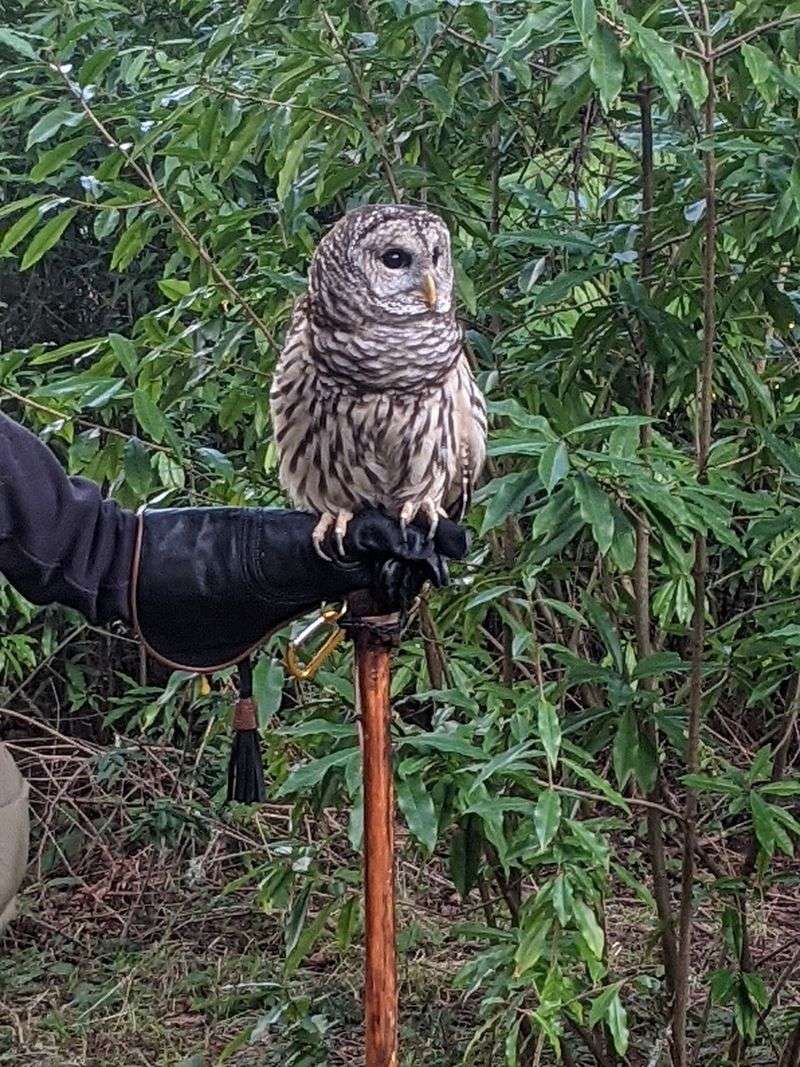
Barn Owls With Their Unmistakable Heart-Shaped Faces
Few birds spark as much wonder as the barn owl, with its pale heart-shaped face and dark, knowing eyes. At this shelter, these graceful hunters are among the animals people remember most vividly.
Barn owls arrive for many reasons, often after run-ins with roads or windows. Under careful watch, they can regain strength before heading back to the fields and barns they call home.
Seeing one up close is a rare treat. Their feathers are so soft that they fly almost silently, a trait that helps them glide over Washington meadows at dusk without making a sound.
Handlers who care for these owls understand exactly how to keep them calm and safe, which matters because wild owls are powerful and easily stressed. That expertise means an injured bird gets the best possible chance at recovery.
For a child fascinated by owls, or an adult who has only ever spotted one as a shadow at night, standing near a living, blinking barn owl can feel genuinely magical.
Hawks and Other Birds of Prey in Residence
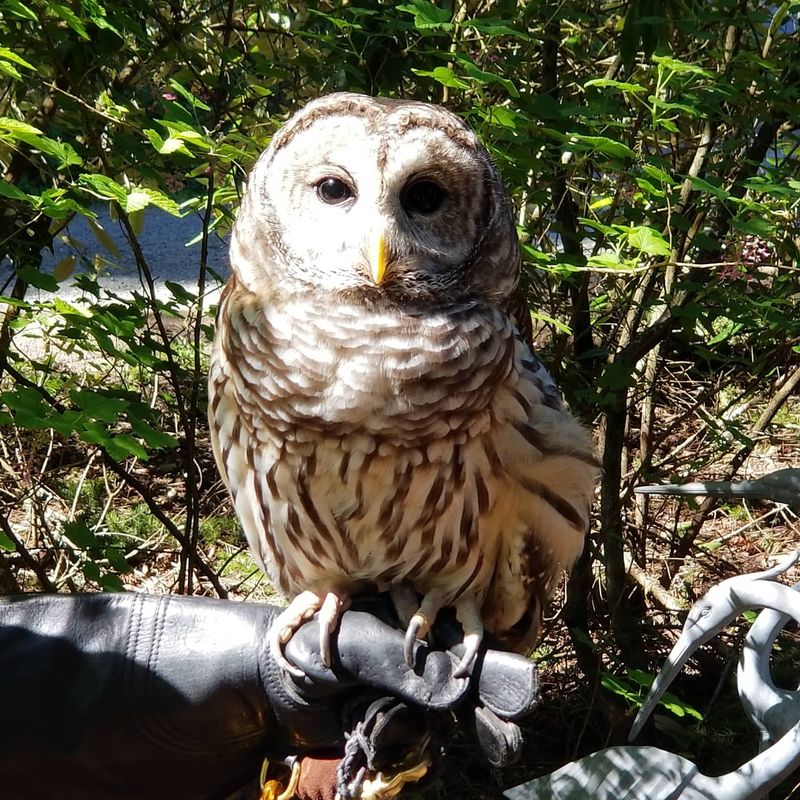
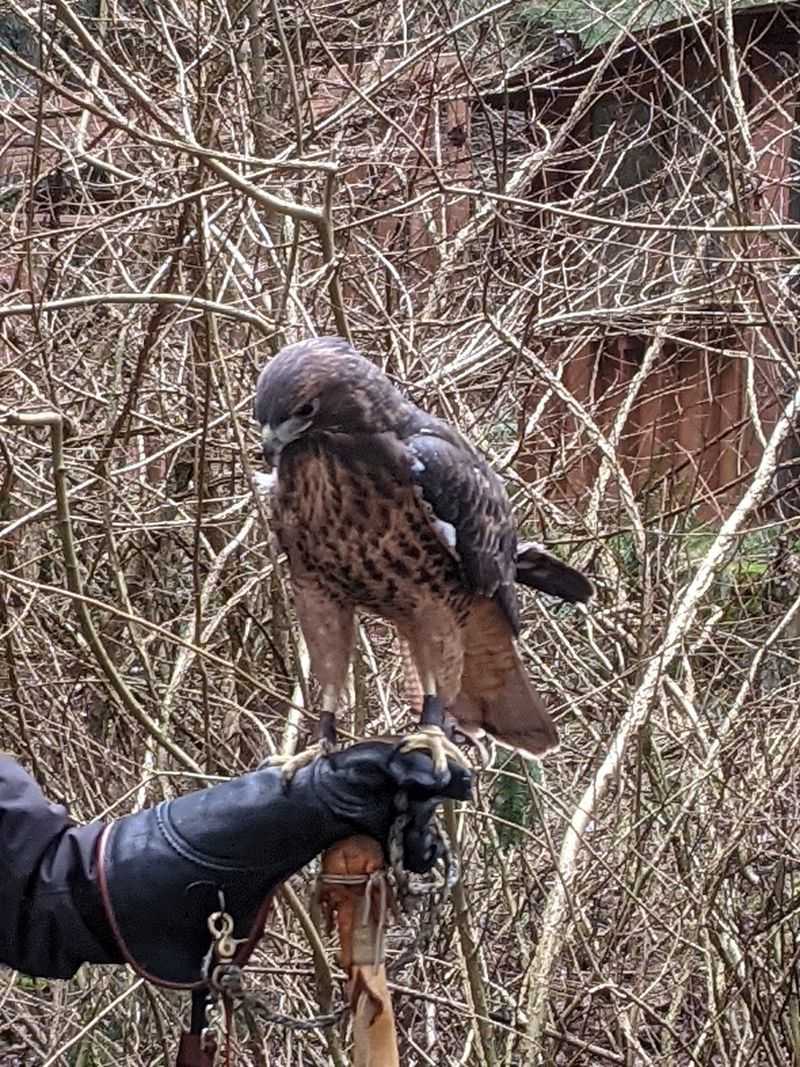
Sharp-eyed and endlessly alert, hawks bring a different kind of drama to the shelter. Watching one turn its head to track a distant movement is a reminder of just how finely tuned these hunters really are.
Birds of prey make up a big part of the facility’s patients, and past visitors during open events have marveled at getting to observe them so closely. A hawk perched only a few feet away feels far more impressive than one circling high overhead.
Each raptor has its own personality and its own reason for being there, whether recovering from an injury or growing strong enough to hunt on its own again.
The handlers act as translators of sorts, explaining behaviors that might otherwise seem mysterious. They point out how a hawk grips with its talons, how it scans for prey, and why silence and space matter during recovery.
For families who love nature documentaries, meeting these birds in person turns a screen fascination into an unforgettable, real-life moment.
Songbirds, Squirrels, and the Little Lives That Matter
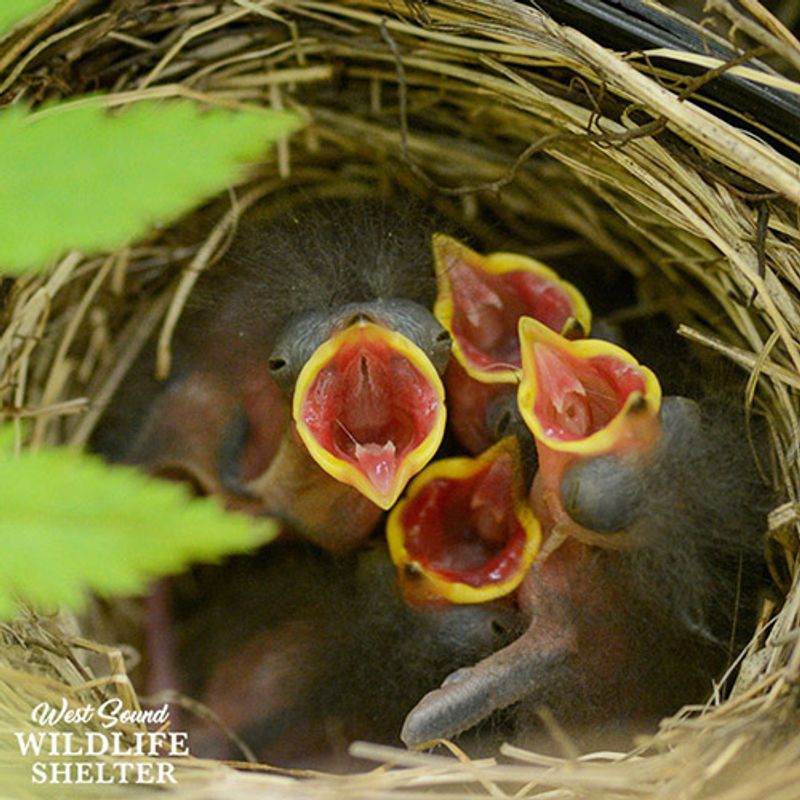
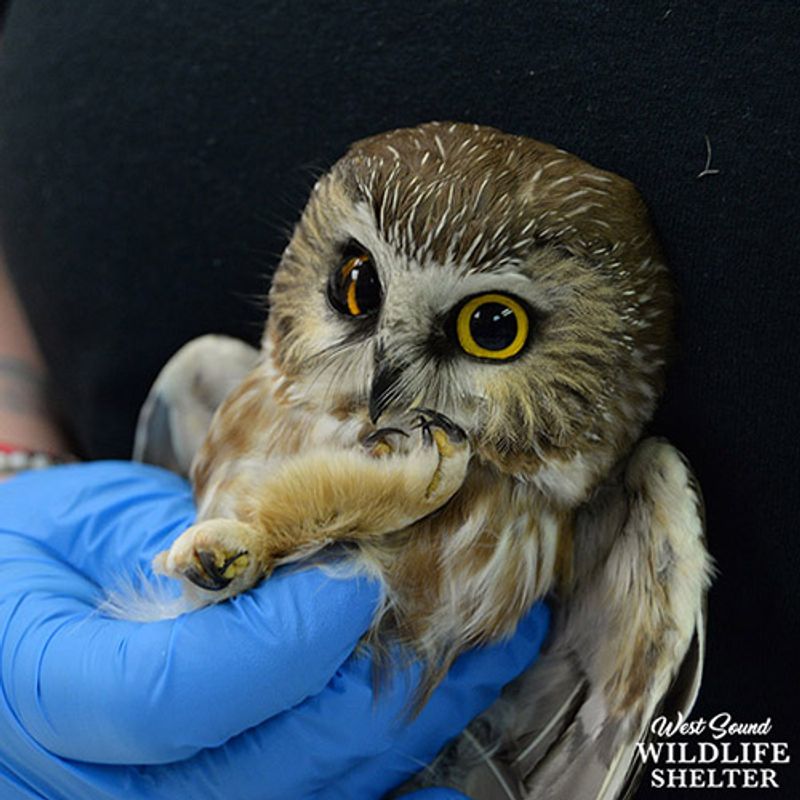
Not every patient here has talons and a fierce stare. Plenty are pocket-sized, from fallen nestling robins to orphaned squirrels who need round-the-clock feeding.
One couple brought in a baby robin they rescued from a busy lot, worried he wouldn’t survive alone. The shelter welcomed the little one, nicknamed by his rescuer, and happily provided updates as he grew stronger.
Small mammals get the same dedication. Caring for an injured squirrel can cost around seventy-five dollars a week, a detail many people never realize until they see the effort firsthand.
Songbirds arrive constantly during spring and summer, often after tumbling from nests before they can fly. Handlers step in with proper warmth, nutrition, and the steady attention these fragile creatures require.
What stands out is how seriously the team treats even the tiniest resident. There is no sense that a sparrow matters less than an owl.
Every heartbeat gets a fighting chance, and that quiet respect for small lives may be the shelter’s most touching quality of all.
The Caring People Who Make It All Work
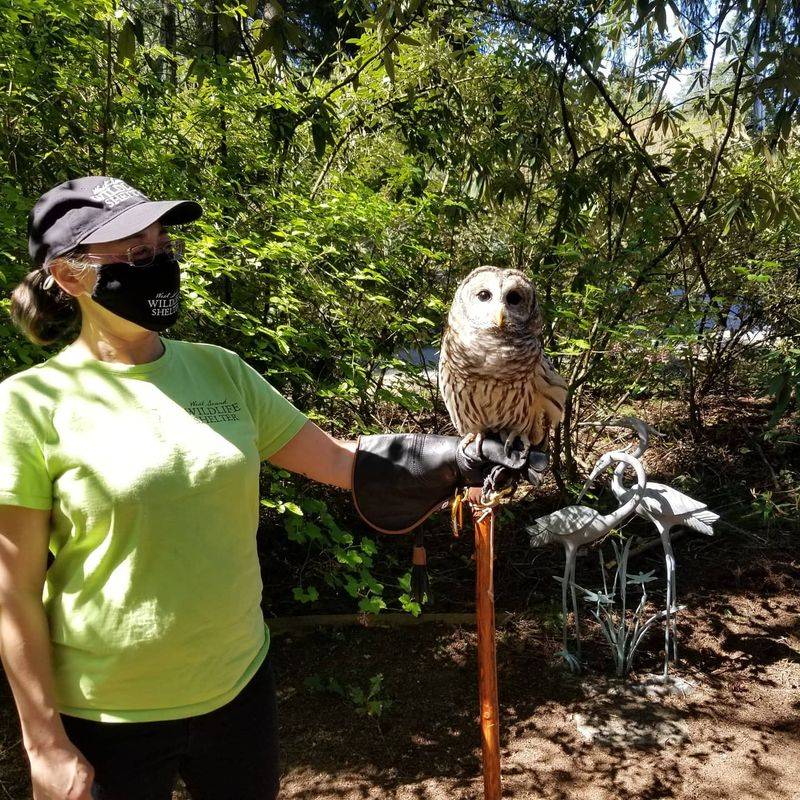
Behind every rescue is a person willing to answer the phone at odd hours and drive compassion into action. Time and again, the people here earn praise for being kind, knowledgeable, and genuinely invested.
Staff have called worried finders back promptly, walked them through what to expect, and offered to include them in an animal’s eventual release. That personal touch turns a stressful situation into a hopeful one.
Regulars who have brought in multiple animals mention how easy the team makes the process, and how a warm greeting at the door can ease the sadness of handing over a creature you tried to save.
Names come up often in appreciation, like a greeter who patiently explained local rules and made a frustrated visitor feel understood. Those small human moments clearly stick with people.
Running a wildlife hospital is demanding, emotional work, and the dedication shows. For visitors, chatting with these handlers offers a rare peek into a world where science, patience, and heart all work together every single day.
Open House Days When the Public Gets to Explore
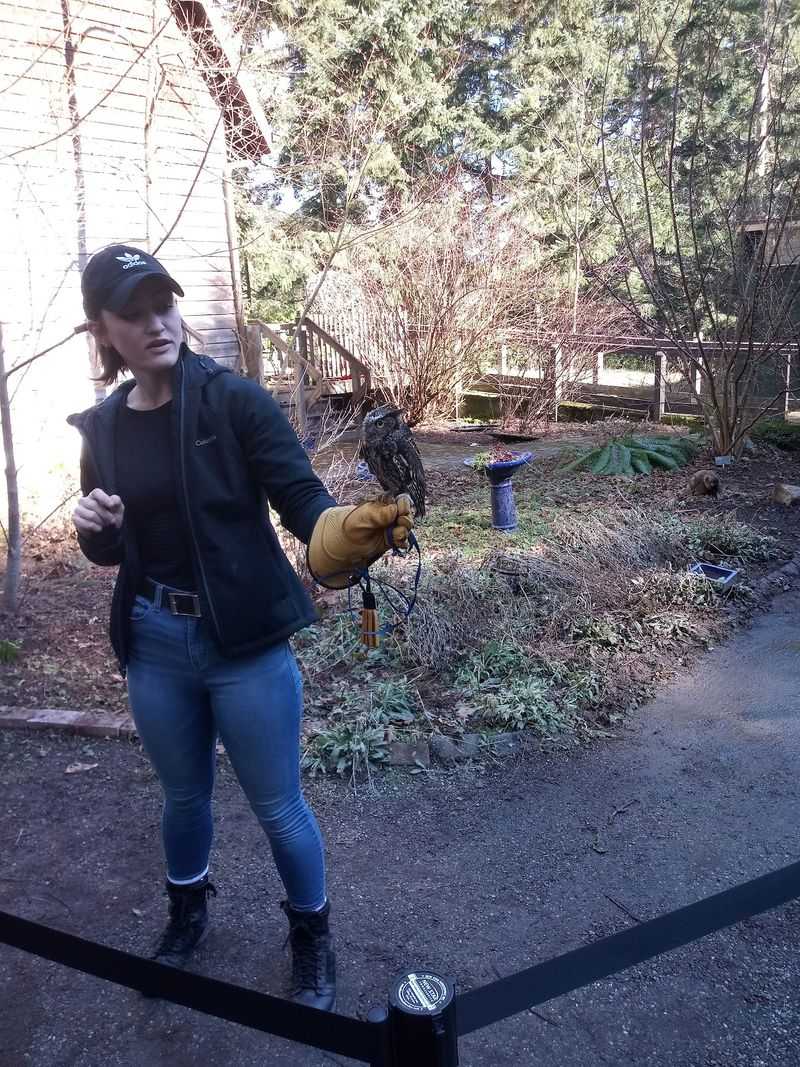
Curious how a place mostly focused on animal care opens its doors to visitors? Special open house events are the answer, and they offer a wonderful window into the work.
During these gatherings, guests have wandered among various birds of prey and woodland critters, chatting with handlers who happily explain each animal’s story. People who attended describe the experience as amazing and well worth the trip.
Bringing a camera is a smart move. Owl lovers, in particular, tend to leave wishing they had snapped even more photos of the resident birds gazing back at them.
Beyond the animals, these days highlight the shelter’s bigger goals, including past efforts toward building improved facilities in the region. It is a chance to see not just what the organization does now, but where it hopes to grow.
For families searching for a meaningful, screen-free outing on a Washington weekend, an open house delivers education and delight in equal measure. Kids get wide-eyed wonder, and grown-ups leave with a deeper appreciation for local wildlife.
How Donations Keep the Rescues Going
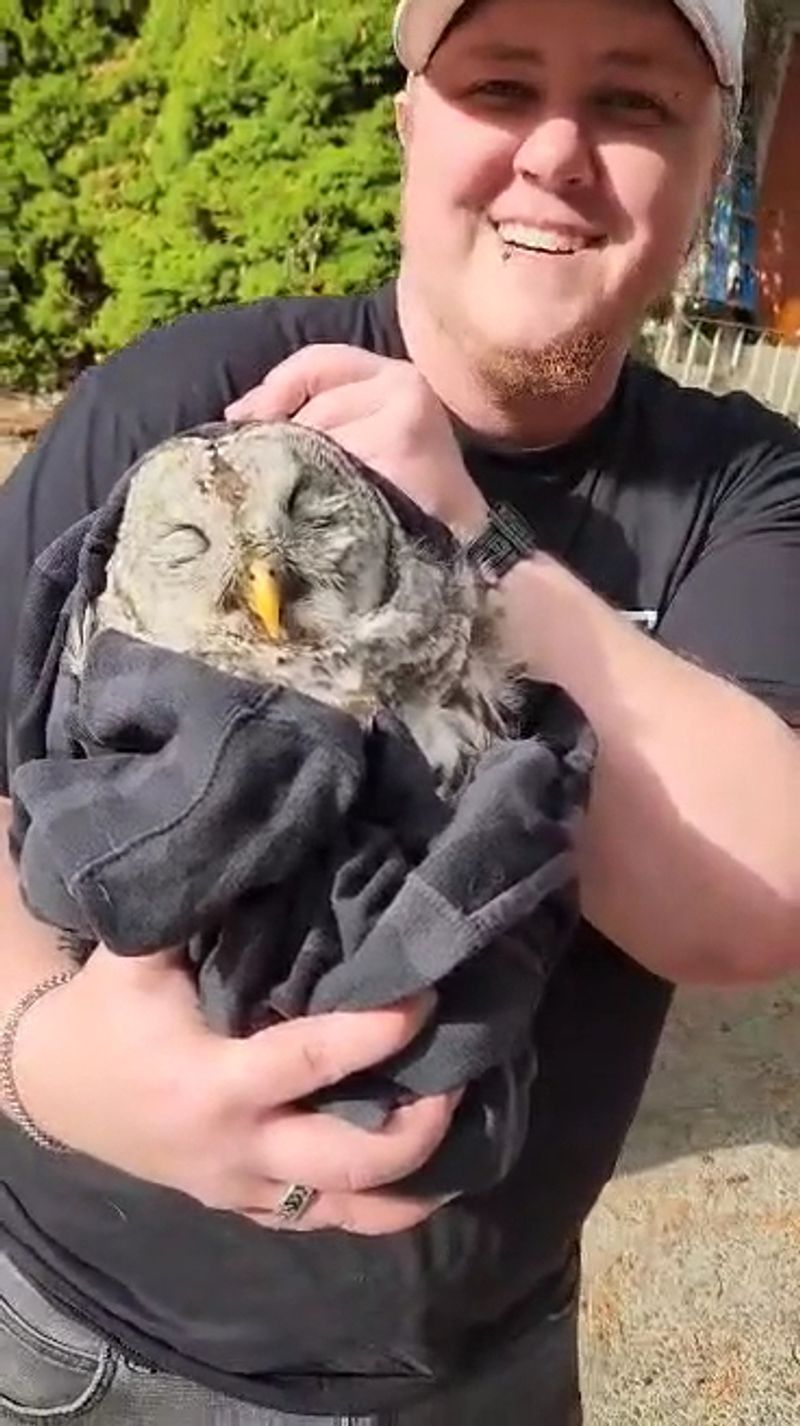
Compassion has real costs, and this shelter runs largely on the generosity of the community it serves. Feeding, housing, and treating dozens of wild patients adds up quickly.
Many people who drop off an animal choose to leave a donation, and they say it feels good knowing the money goes straight toward care. With small mammals costing tens of dollars a week to nurse, every contribution stretches further than you might think.
There is also a modest fee for certain intakes, such as around ten dollars per bird in some cases, which supporters gladly cover because they believe in the cause.
Giving here isn’t about pressure. It comes from watching the team pour themselves into saving creatures that would otherwise have no options, then wanting to be part of that good work.
If you cannot visit but still want to help, financial support keeps the lights on and the incubators warm. For budget-minded Washington families, even a small gift can make a genuine difference in a local animal’s recovery story.
What to Know Before You Bring in an Animal
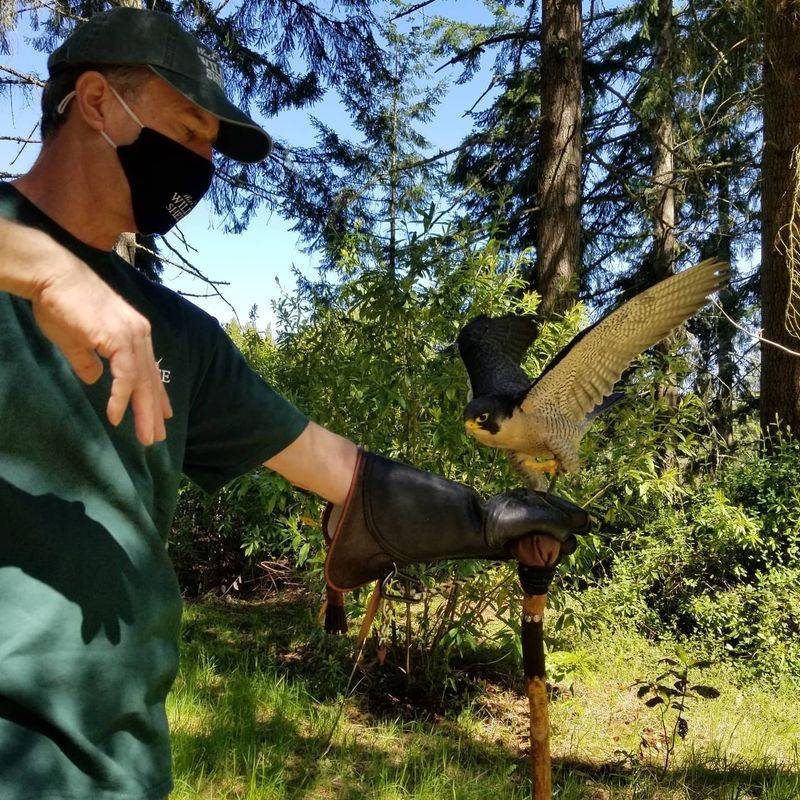
Finding a hurt or orphaned animal can be overwhelming, so a little preparation helps enormously. The most important rule: drop-offs are by appointment only, because the shelter handles so many patients at once.
Calling ahead matters. Staff can advise whether an animal actually needs rescue, since some babies, like stashed fawns, are simply waiting for a parent to return.
Safety is another key point. Never attempt to handle a wild owl or other bird of prey unless you truly know how, as they can injure you and themselves.
When in doubt, let the experts guide you over the phone.
Upon intake, you may receive a receipt with a number so you can call and check on your rescue later. Many finders treasure those updates, following along as a little robin or owl regains its strength.
Remember, this is a wildlife facility, not a pet clinic, so household animals should go to a regular veterinarian instead. Knowing that ahead of time keeps everyone, humans and animals alike, on the right path.
Hours, Location, and Getting There
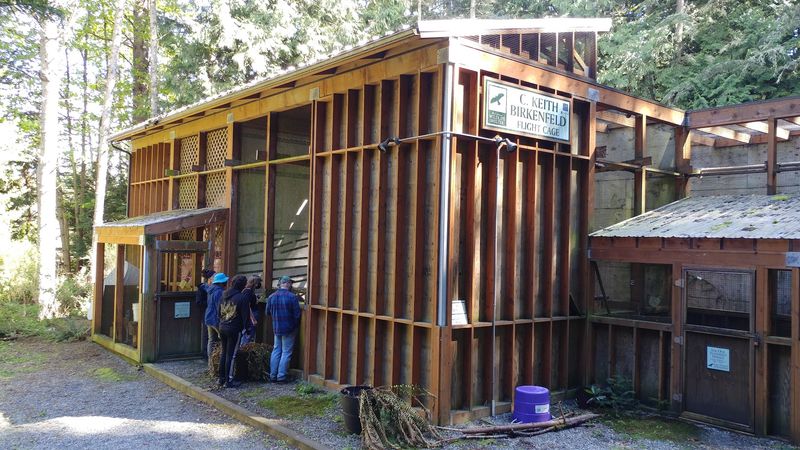
Planning a visit is refreshingly straightforward. The shelter sits at 7501 NE Dolphin Drive on Bainbridge Island, tucked into the greenery that makes this part of Puget Sound so appealing.
Doors are open from 9 AM to 4 PM every day of the week, which gives plenty of flexibility whether you are stopping by during the week or on a weekend outing.
Half the fun is the journey itself. Many mainland visitors ride the ferry from Seattle across the water to Bainbridge, a scenic trip that feels like a mini adventure before you even arrive.
Once on the island, the drive out to the shelter winds through peaceful, tree-lined roads. Some finders mention the trip taking twenty minutes or more from other parts of the area, so allow yourself extra time.
Because appointments are required for animal drop-offs, and public access centers on special events, it is always wise to confirm details before setting out. A quick check ahead ensures your Washington day trip goes smoothly from ferry dock to front door.
Why This Quiet Sanctuary Is Worth the Trip
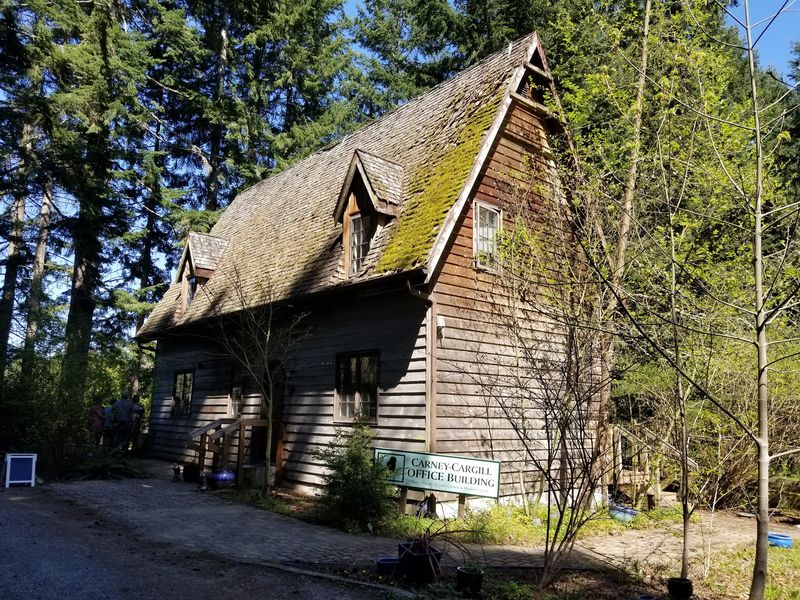
Standing feet from a rescued barn owl or a keen-eyed hawk is the kind of memory that lingers long after you head home. That closeness, paired with the shelter’s obvious devotion, gives the whole experience real heart.
Beyond the animals, there is something inspiring about watching people work so hard to save Washington’s wildlife, one creature at a time. Visitors consistently walk away impressed by the warmth and dedication they encounter.
Is it a flashy attraction? Not at all, and that is part of the charm.
This is honest, hands-on care happening in a peaceful island setting, far from crowds and noise.
For families, retirees, and anyone who treasures nature, a thoughtfully timed visit offers education, wonder, and a chance to support a genuinely good cause without spending much.
Pair it with a scenic ferry ride and a wander around Bainbridge Island, and you have a rewarding, wallet-friendly day. If wildlife stirs your curiosity, this gentle sanctuary rewards the trip in ways you won’t soon forget.