
Walk Among Towering Bald Cypress Trees Rising From The Swamp At Illinois’s Cache River
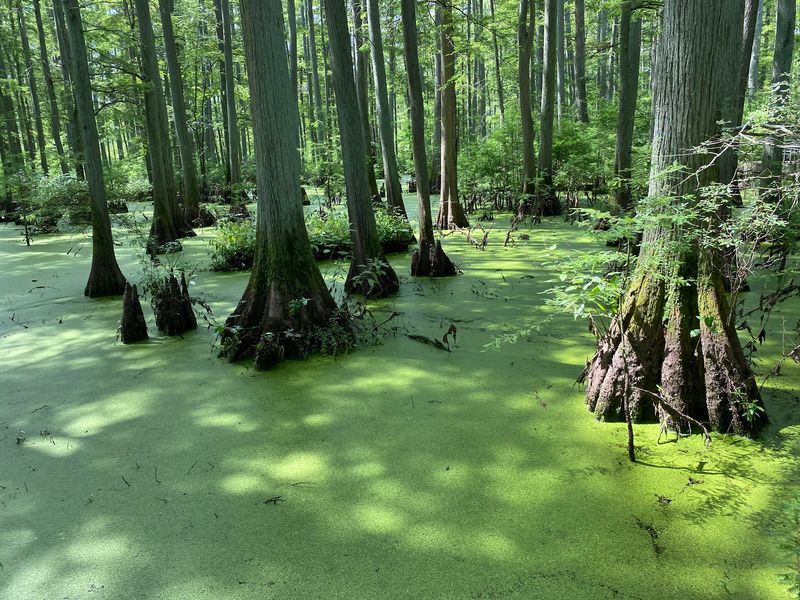
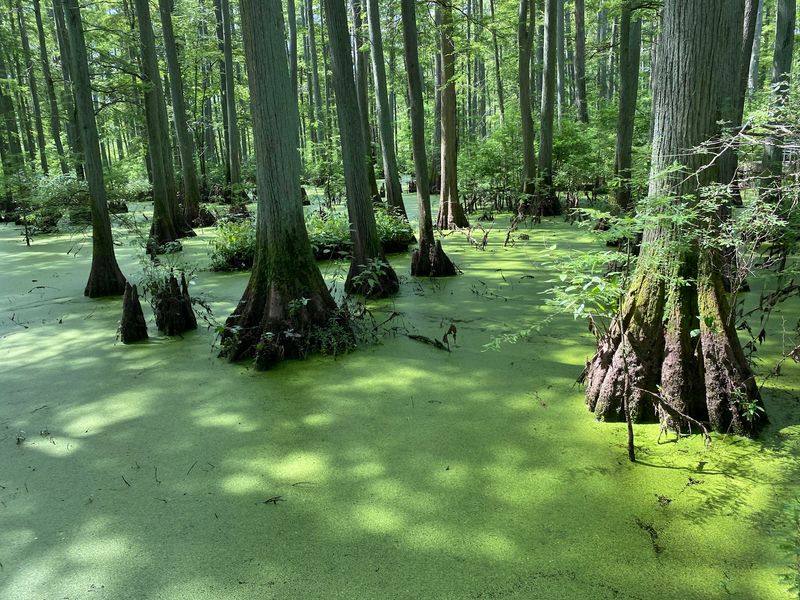
Duckweed spreads like a bright green carpet across dark water at the far southern tip of Illinois, and giant trees more than a thousand years old rise straight out of it. Most people have no idea the state holds a real swamp that looks like it drifted up from Louisiana.
This budget-friendly day trip lets kids walk on a floating boardwalk, spot herons, and peek inside a hollow tree. Pack the bug spray, because your family will be talking about this outing for a long time.
A Deep South Swamp In Southernmost Illinois
Few Illinoisans expect to find a genuine bayou within their own state lines, yet one waits in the far southern corner, closer to Kentucky than to Chicago. The Cache River winds through soggy lowlands across Johnson, Massac, and Pulaski counties, and the state protects a big stretch of it as a natural area.
The official address is 930 Sunflower Lane in Belknap, a tiny spot on the map in Johnson County. What surrounds it feels nothing like the cornfields most people picture when they think of Illinois.
Instead, you get cypress-tupelo swamp, a habitat usually linked with Louisiana and Mississippi.
Visitors often say the scenery looks lifted straight from the Deep South, with swamp cypress trees stretching for miles. The visitor center proudly describes it as the northernmost bayou around, and it’s easy to see why once the dark water and mossy trunks come into view.
The area is not one single trailhead but a collection of access points, each opening onto a slightly different landscape. Some lead to boardwalks, others to gravel paths through bottomland woods, and a few to put-ins for canoes.
Think of it as a patchwork of wild places stitched together by one slow, meandering river that has been shaping this corner of the state for thousands of years.
Glacial Floodwaters, Rare Creatures, And A Global Honor
Long before any road reached this corner of Illinois, massive glacial floodwaters carved the valley that now cradles the swamp. As the ice retreated and the water settled, a pocket of southern habitat took root and never left.
Fast-forward to 1996, when the Cache River wetlands earned a rare title: Wetland of International Importance under the Ramsar Convention. That honor recognizes how vital the area is for migrating waterfowl and shorebirds traveling up and down the continent.
It’s the kind of recognition that gives Illinois families real bragging rights.
More than a hundred species found here are listed as endangered or threatened in the state. Keep watch for flashes of bright yellow as prothonotary warblers dart between branches.
Bird-voiced tree frogs add a musical, chirping soundtrack, while great blue herons wade slowly through the shallows.
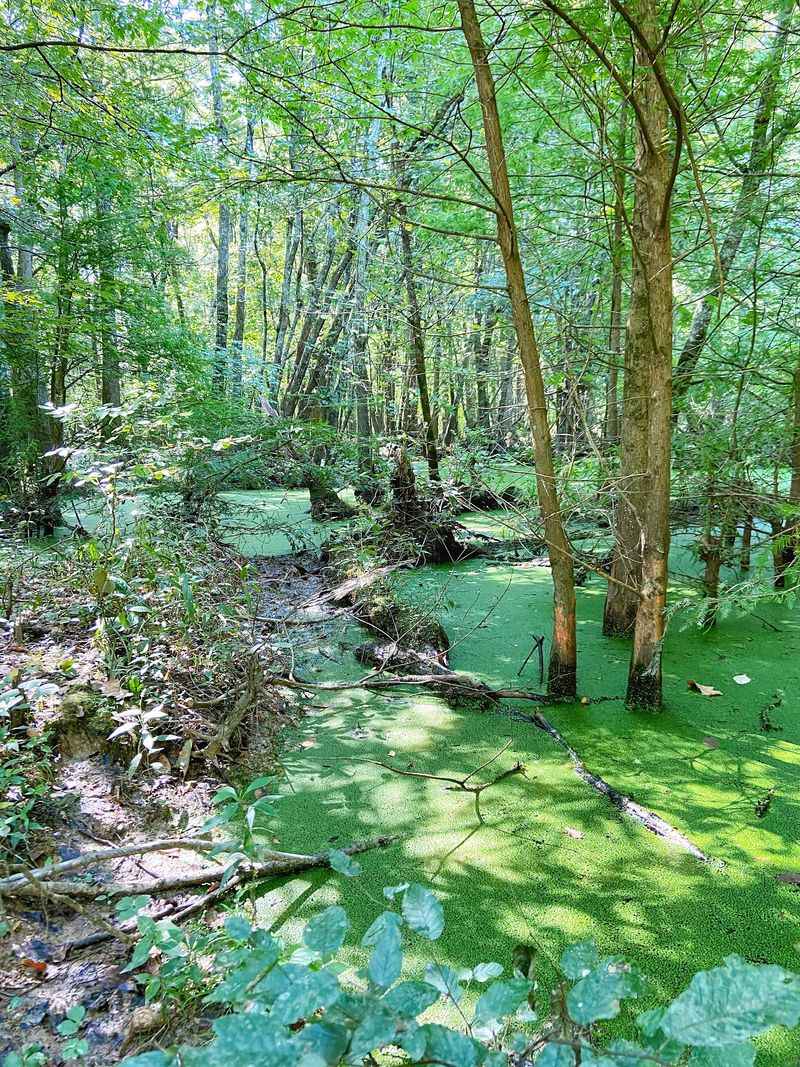
During warm months, a shimmering layer of emerald duckweed often covers the water, and a river otter might slip through it without a sound. Snakes, salamanders, turtles, and lizards also call the swamp home, so give any critter you meet plenty of room and simply walk around it.
And for nervous little ones, here’s a happy fact: no alligators live here.
Heron Pond’s Floating Boardwalk
Step one foot onto the Todd Fink-Heron Pond Trail boardwalk and the ground seems to disappear beneath you. The walkway floats right on the water, carrying you into the heart of the cypress swamp so it feels like strolling across the surface of the pond itself.
Reaching it takes a bit of walking. The path leading to the boardwalk winds through shaded woods, and folks who normally avoid long hikes say the distance feels just right: long enough to feel accomplished, short enough to keep everyone interested.
Trails in the Heron Pond area are known for being very well kept, with crews even trimming branches that might swat hikers in the face.
Once you reach the water, slow down. Regular visitors recommend pausing every so often to just listen, because the swamp has its own chorus of frogs, birds, and dripping water.
Benches sit at several points of interest, giving grandparents and tired kids a spot to rest.
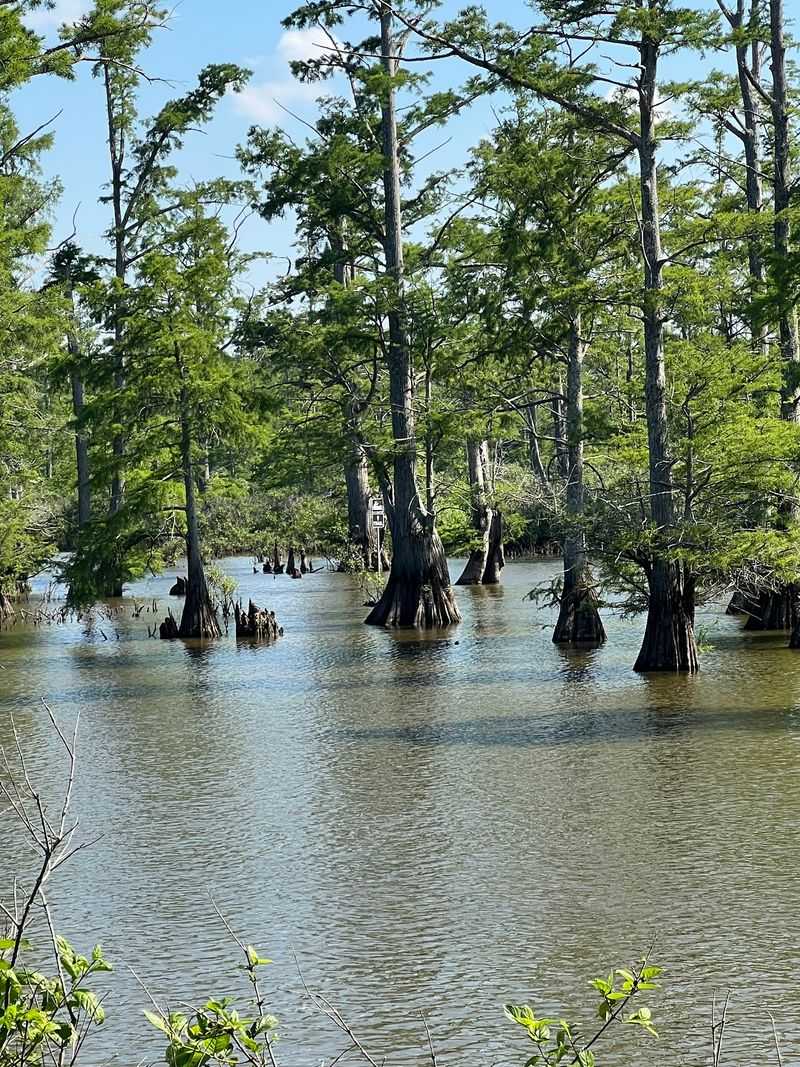
Many people call this the highlight of the entire natural area. Towering trunks rise from dark water on both sides, and the whole scene looks like a page from a storybook set in Louisiana.
Bring a camera, though the photos rarely capture how peaceful it feels.
Ancient Giants With Knobby Knees
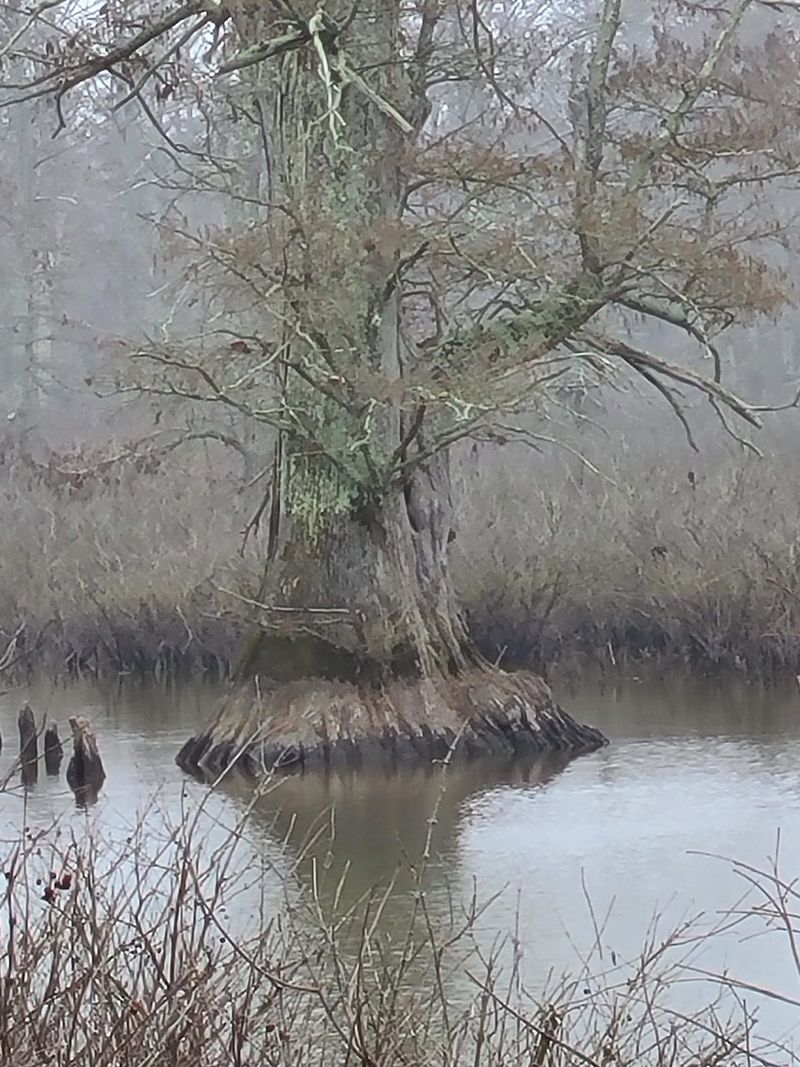
Some of the trees along the Cache River were already old when the first European explorers paddled up the Mississippi. Many bald cypress here have lived through more than a thousand years of seasons, making them among the oldest living residents of Illinois.
Their bases are the real showstoppers. The trunks flare outward into wide buttresses, and some measure more than 40 feet around.
Kids tend to stare, and adults do too.
Poking up from the water nearby are cypress ‘knees,’ knobby wooden bumps that look like gnomes gathering at the shoreline. Those odd formations help anchor the trees in soft, soggy ground and create little homes for smaller creatures.
Keep going past the boardwalk, roughly half a mile up the trail, and you’ll reach the state champion bald cypress. It earned that title for its enormous girth, impressive height, and sprawling crown, with a canopy that reaches about 100 feet.
Families with young children should also make time for the Big Cypress Access, home of the beloved Pooh Bear Tree. That bald cypress has a hollow opening at its base, and when water levels are low, it’s just the right size for a child to peek inside.
Expect giggles and plenty of pictures.
More Trails And A Canoe Route Through The Tupelos
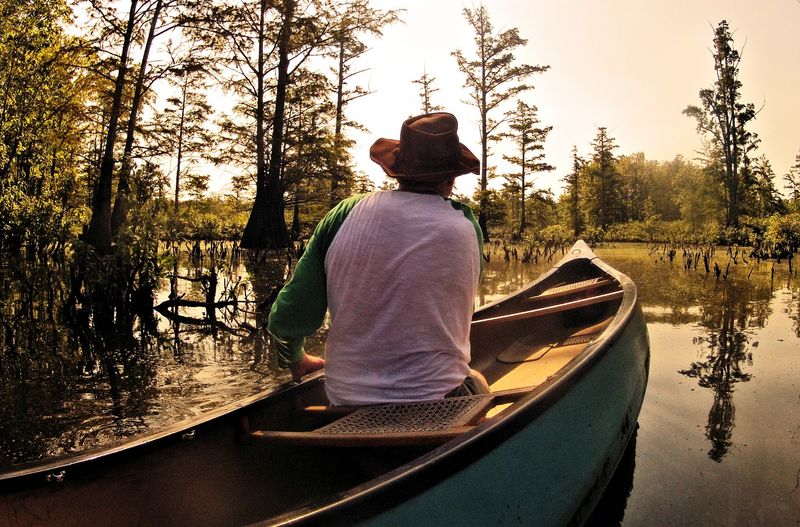
Heron Pond gets most of the attention, but wandering beyond it reveals a surprising variety. Longtime locals point out that you can experience four or five distinct landscapes in a fairly small area, from open river views to deep swamp to ordinary-looking woods.
Near Heron Pond, Dutchman Creek runs into the Cache, and farther along the trail you’ll have the river on one side and the pond on the other. The Little Black Slough Trail and Boss Island Trail sit right next to each other for anyone wanting extra miles.
Then there’s the Tupelo Trail. It starts out like a simple walk through the forest, until a big moss-covered rock suddenly appears with a lovely view of tupelo trees and slough water.
Moments like that make the extra steps feel worth it.
Paddlers have their own treat. The Lower Cache River Trail is a canoe and kayak route stretching three to six miles through the cypress-tupelo swamp, gliding right beside those ancient trunks.
A small fee of about $1 may apply at a private boat launch near Perks, which keeps this adventure wonderfully affordable.
Whichever route you choose, go slowly, listen for birds and frogs, and let yourself get a little lost in the best possible way.
Peace, Shade, And The Folks Who’ll Love It Most
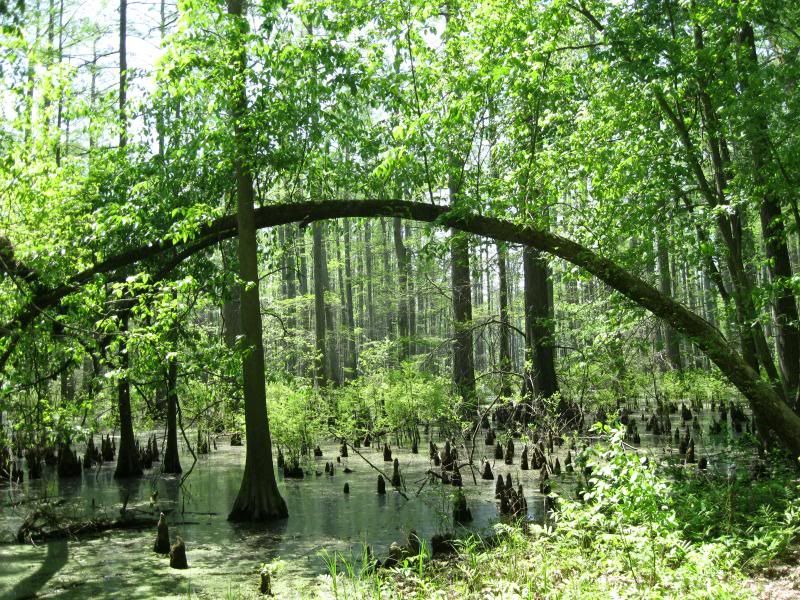
Quiet is the first thing most visitors notice. Trails tend to be uncrowded, fully shaded, and calm enough that the loudest sound might be a woodpecker or a splash near the bank.
People regularly describe the place as peaceful, even magical.
Nature lovers, birdwatchers, and families with curious kids will feel right at home. Photographers get endless moody scenes of trunks reflected in still water, and anyone who enjoys a good walk will find plenty of shaded miles to cover.
That said, a little honesty helps set expectations. It is very much a hiking destination rather than a drive-up scenic stop, and some trailheads post signs showing at least two miles to reach the main sights.
Travelers hoping to see everything from the parking lot may leave disappointed.
For families with toddlers or grandparents who can’t manage long distances, the Heron Pond route is usually the best bet, since it’s well groomed and has benches along the way. Pack water, snacks, and comfortable shoes.
Also think about the season. Mosquitoes can be intense in June and through the summer, so bug spray is a must.
Visits outside mosquito season are especially pleasant, which makes spring and fall favorite times for an Illinois day trip here.
Hours, Directions, And Bug Spray Know-How

Timing matters, so plan around the schedule. The natural area’s listed hours run from 9 AM to 4 PM Wednesday through Sunday, and it’s closed on Mondays and Tuesdays.
The Henry N. Barkhausen Cache River Wetlands Center makes a great first stop, with educational displays and helpful staff who can explain the area’s natural and cultural history.
Directions trip up plenty of first-timers. The area has several separate entrances, and typing in the Sunflower Lane address may drop you at a gravel path far from the famous boardwalk.
For the swamp most people come to see, search for the Todd Fink Heron Pond Trail instead.
Trail signs can be spotty in places, so grab a map at the visitor center before heading out. It’s also wise to check that everything is open before making the drive, since some features occasionally close.
Cost stays wonderfully low. Beyond gas and snacks, the only fee mentioned is about $1 at a private boat launch near Perks for paddlers.
Cyclists have a fun option too: some riders arrive by following the Rails to Trails route from Harrisburg. Whatever your approach, bring bug spray, water, and sturdy shoes.
Worth The Winding Drive
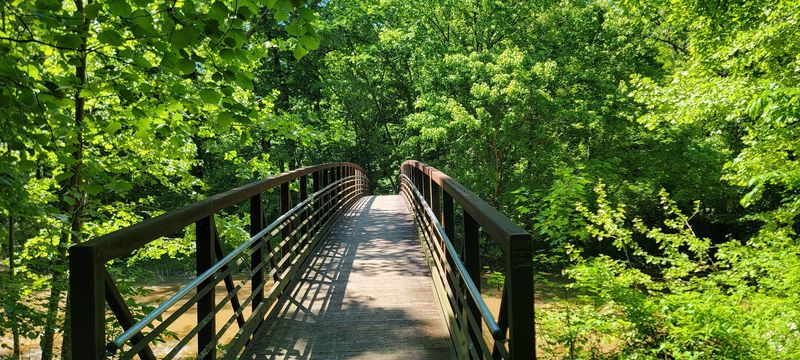
So, is the winding drive to the bottom of the state worth it? For anyone who loves quiet places with a little mystery, the answer leans strongly toward yes.
Very few spots in Illinois let a family walk on water among trees older than a thousand years, listen to frogs sing from a swamp, and peek inside a hollow cypress, all for next to nothing. It feels like a secret the rest of the state hasn’t quite caught onto, and many visitors feel it deserves far more attention than the big-name parks in southern Illinois.
It isn’t perfect. Directions can confuse, summer mosquitoes are relentless, and the best sights require some walking.
Families who plan ahead, though, tend to leave amazed.
Grandparents will appreciate the benches and easy boardwalk. Kids will talk about the Pooh Bear Tree and the floating path for ages, and parents will love a day out that barely dents the budget.
Pick a cool spring or autumn morning, pack a picnic lunch, and point the car south. Somewhere between the duckweed and the cypress knees, the rush of everyday life fades, and what’s left is a slow, green, storybook kind of day worth repeating.