
The Massive Florida Reservoir That Drowned 20 Springs And 16 Miles Of Wild River
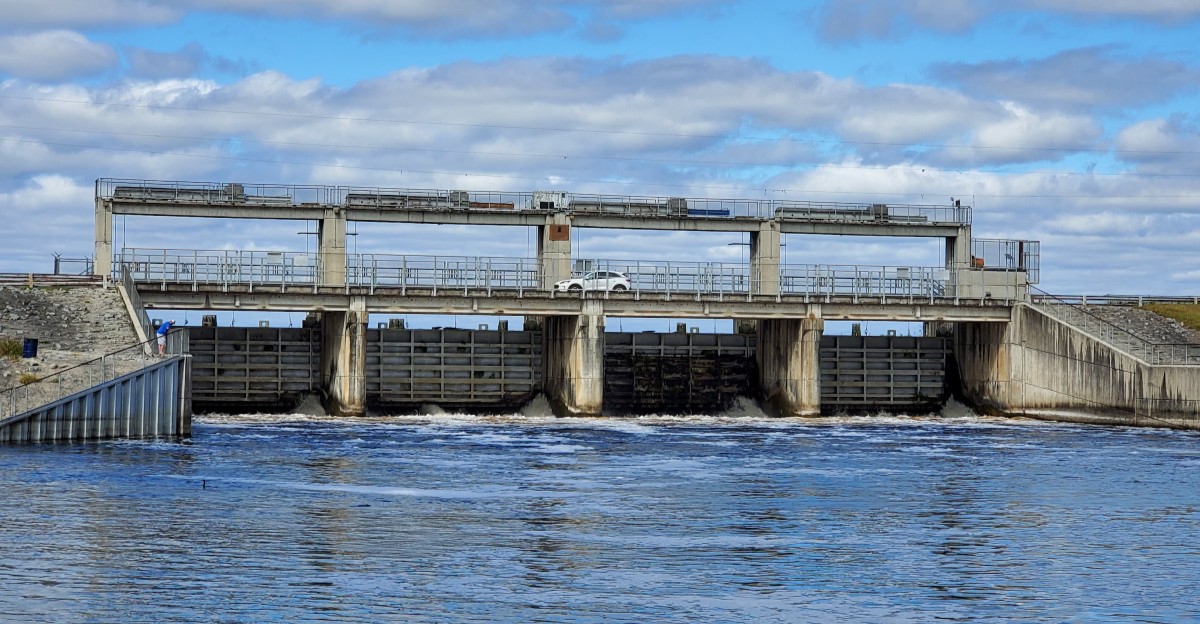
North Florida hides a lake where trophy bass swim above a drowned forest, buried springs, and sixteen lost miles of river.
The water appears calm beneath the Ocala sky, but its history is anything but peaceful. A dam raised in the late 1960s transformed the Ocklawaha River, swallowing trees, wetlands, and natural springs beneath a reservoir that was never part of the landscape.
Is this an angler’s paradise or an environmental mistake waiting to be corrected?
That question has divided Floridians for decades.
Fishermen celebrate the legendary catches. Paddlers imagine the river restored.
Scientists study what disappeared below the surface, while longtime visitors defend the habitat that developed afterward.
The facts ahead reveal how one engineering project created both a beloved fishing destination and one of Florida’s fiercest conservation debates. Bring curiosity, look beyond the shoreline, and prepare to discover a lake whose deepest secrets are not measured in feet.
A Canal Dream That Went Bust
Picture a giant shortcut slicing Florida in half so ships could skip the long trip around the peninsula. That was the big idea behind the Cross Florida Barge Canal, a project people had talked about since the 1800s.
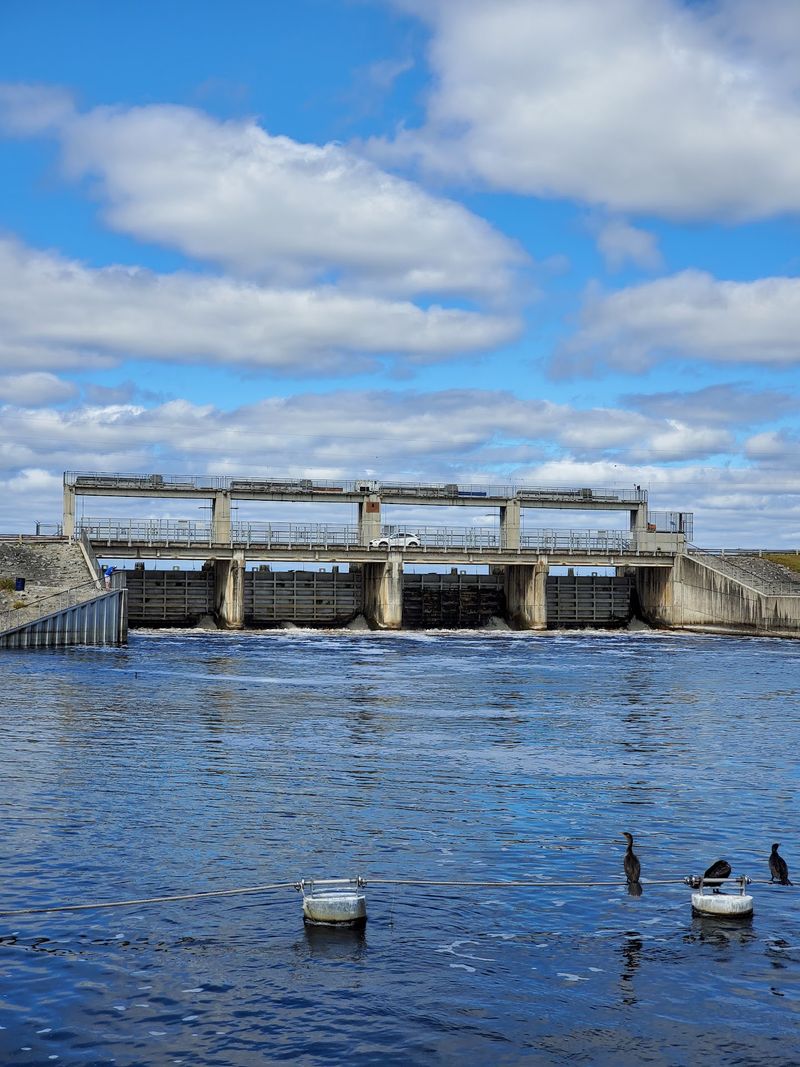
Construction finally ramped up in the 1960s, and Rodman Dam, finished in 1968, was one of its key pieces.
Workers built the dam on the Ocklawaha River near the town of Palatka. The water backed up behind it and formed Rodman Reservoir, now officially named Lake Ocklawaha.
It was meant to be a stepping stone for barges moving between the Atlantic and the Gulf of Mexico.
Then the plan hit a wall. Environmental groups fought hard against the canal, worried about damage to the aquifer and wild rivers.
President Richard Nixon halted construction in 1971, and Congress officially deauthorized the canal in 1990.
So the lake stayed, even though the canal never happened. Much of the old canal land became the Marjorie Harris Carr Cross Florida Greenway, named after the activist who led the fight.
When you stand on the dam today, you are looking at a leftover from an unfinished dream. It is a strange and fascinating piece of Florida history.
Twenty Springs Hiding Under The Surface
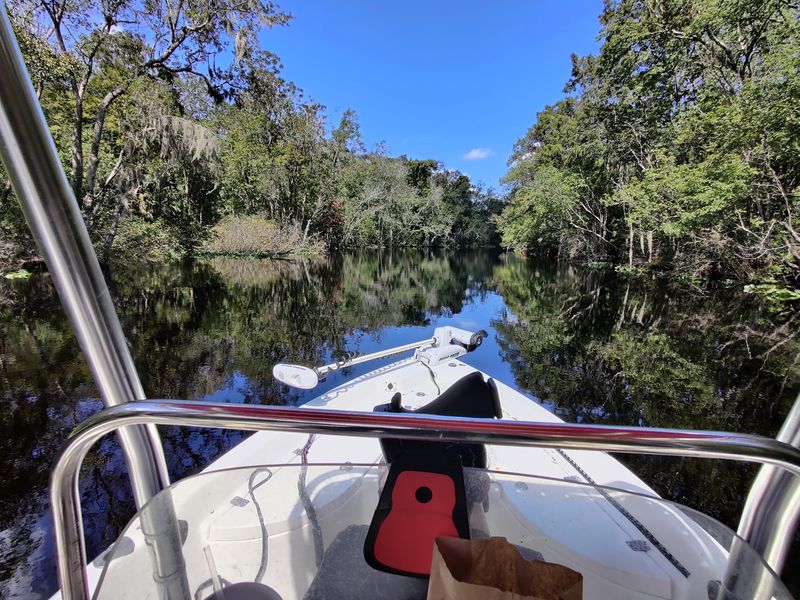
Out on the water, everything looks calm and flat. Yet somewhere below your boat, roughly 20 springs sit buried by the reservoir.
Scientists and river advocates often point to this number when explaining what the dam cost the region.
Springs are like the heartbeat of Florida rivers. Cool, clear water pushes up from the Floridan Aquifer, keeping temperatures steady for fish and manatees.
Before the dam, these springs fed the Ocklawaha with bright, fresh flow along its route.
Once the reservoir filled, the springs were covered by slow, dark water and layers of muck. Some still flow, but you cannot swim in them or even see them.
They are silent, tucked away beneath a lake that did not exist 60 years ago.
Here is a fun way to think about it. Every few years, when the reservoir is lowered for maintenance, some of these spring areas reappear.
People who have seen them describe clear water and sandy bottoms peeking out from the old riverbed.
If you visit during a drawdown, keep your eyes open. You might glimpse a small piece of the old Florida that the lake hid for decades.
The Lost Ribbon Of Wild River
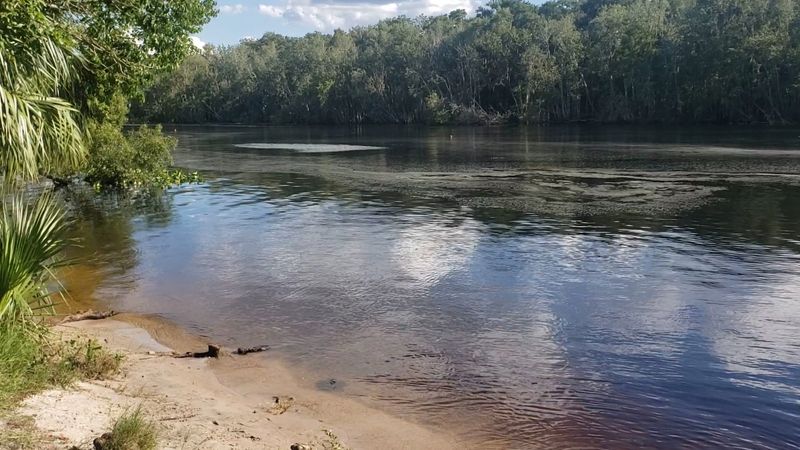
Close your eyes and imagine a narrow, twisting river shaded by giant cypress trees. That was the Ocklawaha before 1968, and about 16 miles of it now sits underwater.
Writers once called it one of the most beautiful rivers in the South.
In the 1800s and early 1900s, steamboats carried tourists up this river toward Silver Springs. The boats were so narrow they could barely squeeze around the tight bends.
Famous visitors, including writer Harriet Beecher Stowe, took these trips and raved about the scenery.
When the dam went in, the river channel widened into a broad lake. The twisting curves, shady banks, and river swamps along that stretch disappeared under the rising water.
The good news? You can still paddle wild sections of the Ocklawaha above and below the reservoir.
Put in upstream near the Silver River, and you will feel what the old river was like. Turtles slide off logs, herons lift off with a squawk, and the water glows a rich tea color.
Paddling there first, then visiting Rodman, gives you a powerful before-and-after picture. It is a history lesson you feel with every stroke.
A Forest That Refused To Leave
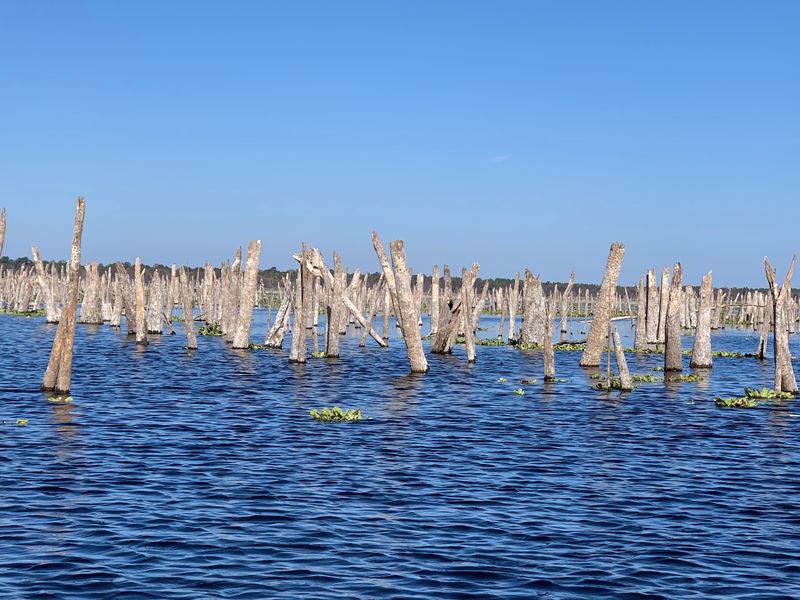
First-timers often notice something odd right away. Gray stumps and dead tree trunks poke up everywhere, like ghosts of the old forest.
They give the lake a spooky, almost movie-set look at dawn.
When the reservoir was built, crews used a huge machine called a tree crusher to flatten the forest. Many trees were pushed down rather than removed, and the water simply rose over them.
Thousands of acres of floodplain forest ended up underwater.
Those buried logs matter to you as a boater. Visitors warn again and again about hidden stumps just below the surface, especially outside the channel markers.
The lake is fairly shallow in many spots, so even a slow drift can end with a loud thunk.
Play it smart. Stay inside marked channels when you are unsure, go slow in new areas, and wear polarized sunglasses to spot dark shapes under the water.
A trolling motor is your best friend here.
On the bright side, those same tangled logs create fantastic fish habitat. Bass love hiding in the wood, which is one reason anglers keep coming back.
The forest may be gone, but it still shapes every trip.
Bass Anglers Call It Home Sweet Home
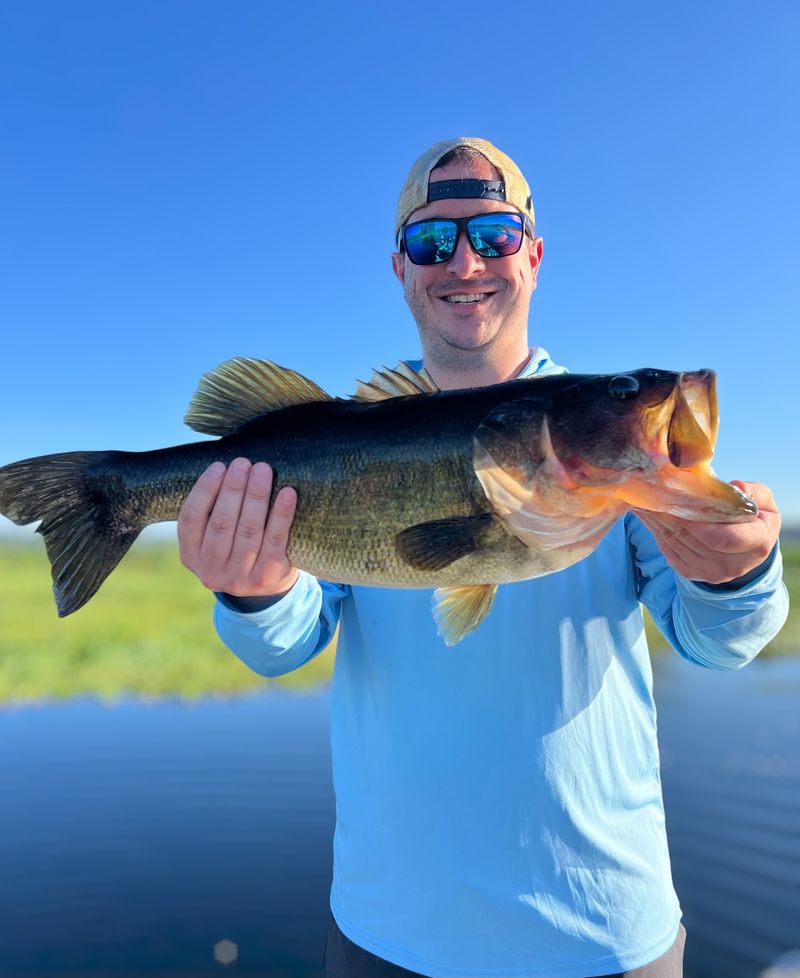
Ask a serious bass fisherman about Rodman, and watch their eyes light up. The reservoir has a strong reputation for largemouth bass, including some real heavyweights.
Local stories talk about fish topping 10 pounds, and a few visitors swear they have seen bigger.
Why is the fishing so good? Shallow water, tons of submerged timber, and thick vegetation give bass perfect hiding spots.
Pro anglers sometimes practice here before tournaments on the nearby St. Johns River.
Hiring a local guide is a smart move if you are new. Guides know the channels, the seasons, and the patterns, so you spend less time searching and more time catching.
Reviewers rave about guided trips that turned into family traditions.
Bass are not the only catch. Anglers also chase crappie, known locally as speckled perch, plus bream and catfish.
Near the dam, you may see folks casting for mullet too.
Remember to grab a Florida freshwater fishing license before you go, unless you qualify for an exemption. Bring plenty of lures that can handle wood, because you will lose a few to snags.
Consider it the lake’s toll fee.
Gators, Bears, And A Whole Lot Of Birds
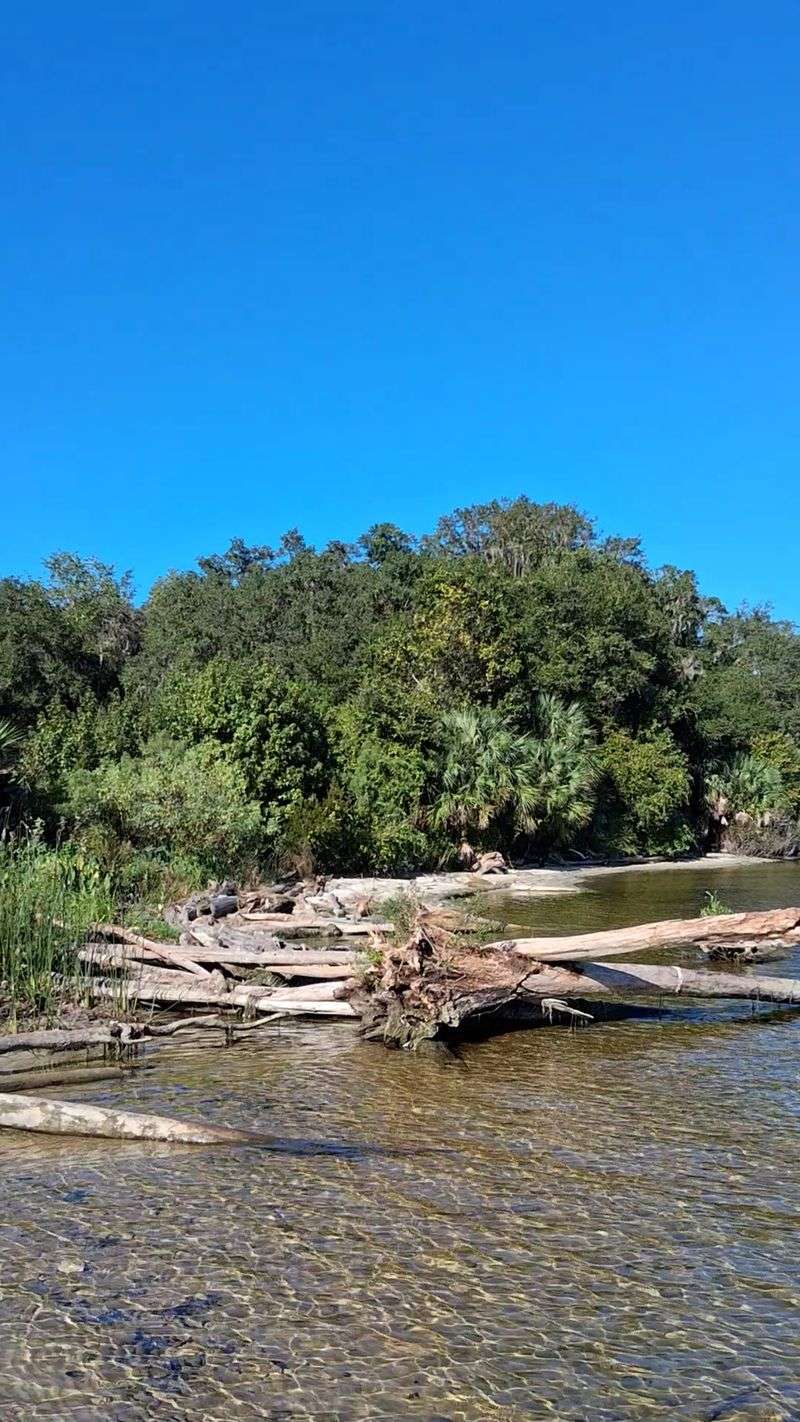
One visitor summed it up perfectly by saying they saw more wildlife here than at a zoo. That is not much of a stretch.
The reservoir sits next to the Ocala National Forest, one of the wildest areas in Florida.
Alligators are the stars of the show. You will spot them sunning on banks, floating like logs, or cruising near boat ramps.
Keep a respectful distance, never feed them, and watch small kids and pets closely near the water.
Birdwatchers get plenty to enjoy too. Ospreys dive for fish, bald eagles perch in tall pines, and herons stalk the shallows with slow, careful steps.
Early mornings are usually the busiest time for birds.
On land, Florida black bears roam the surrounding forest. Seeing one is rare but possible, especially along quiet trails and dirt roads.
Store food properly if you camp or picnic.
Manatees are a more complicated story. The dam blocks their movement up the Ocklawaha, which is one reason conservationists want it removed.
Bring binoculars and a zoom lens, and let the animals come to you. Patience here usually pays off with a memorable sighting.
Florida’s Longest-Running Environmental Tug Of War
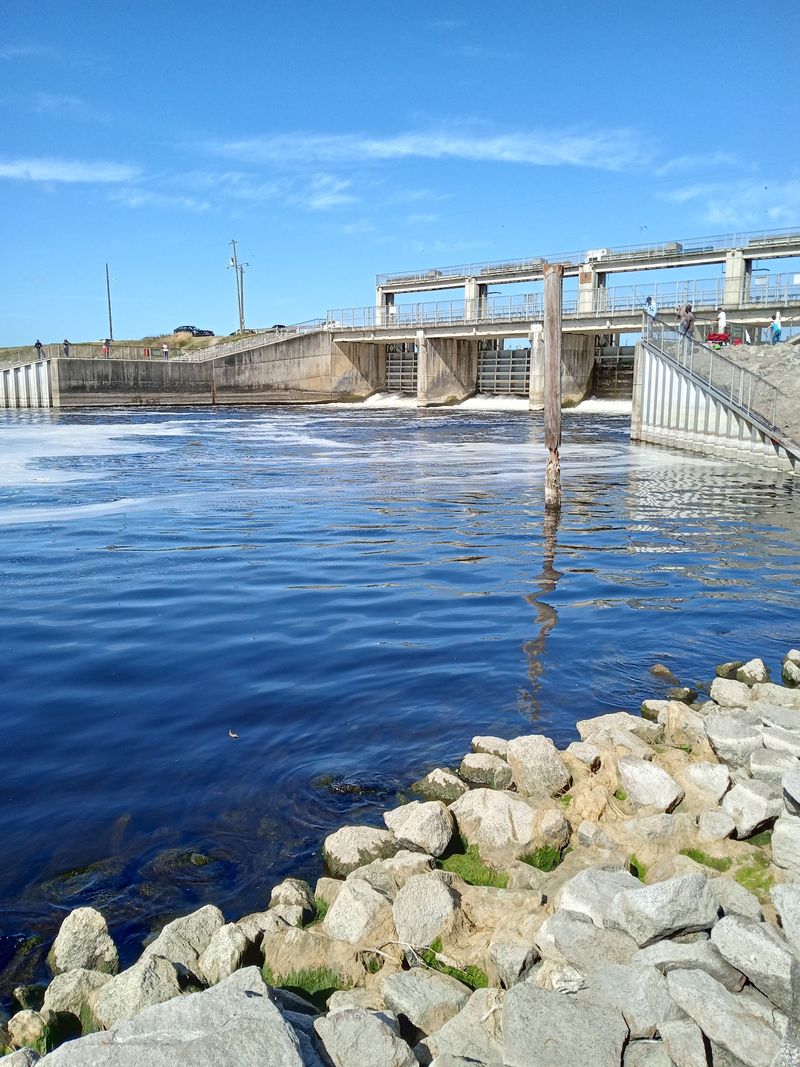
Few lakes spark as many heated arguments as this one. For decades, people have debated whether Rodman Dam should stay or go.
The fight has lasted longer than many visitors have been alive.
On one side, many anglers, local businesses, and residents want to keep the reservoir. They love the bass fishing, the boating, and the income it brings to Putnam and Marion counties.
On the other side, scientists, environmental groups, and paddlers push for a partial breach. Their goal is to restore the Ocklawaha River, reconnect springs, and let fish and manatees move freely between Silver Springs and the St. Johns River.
Groups like the Free the Ocklawaha Coalition have spent years working on this issue.
Studies have supported restoration, and the idea has come up in state and federal discussions many times. Still, as of recent years, no final breach has happened, so the lake remains.
Why should you care as a visitor? Because your trip may be a glimpse of something temporary.
Talk with locals at the ramps, and you will hear strong opinions on both sides. Listening to them is part of the experience.
Where To Park, Launch, And Camp
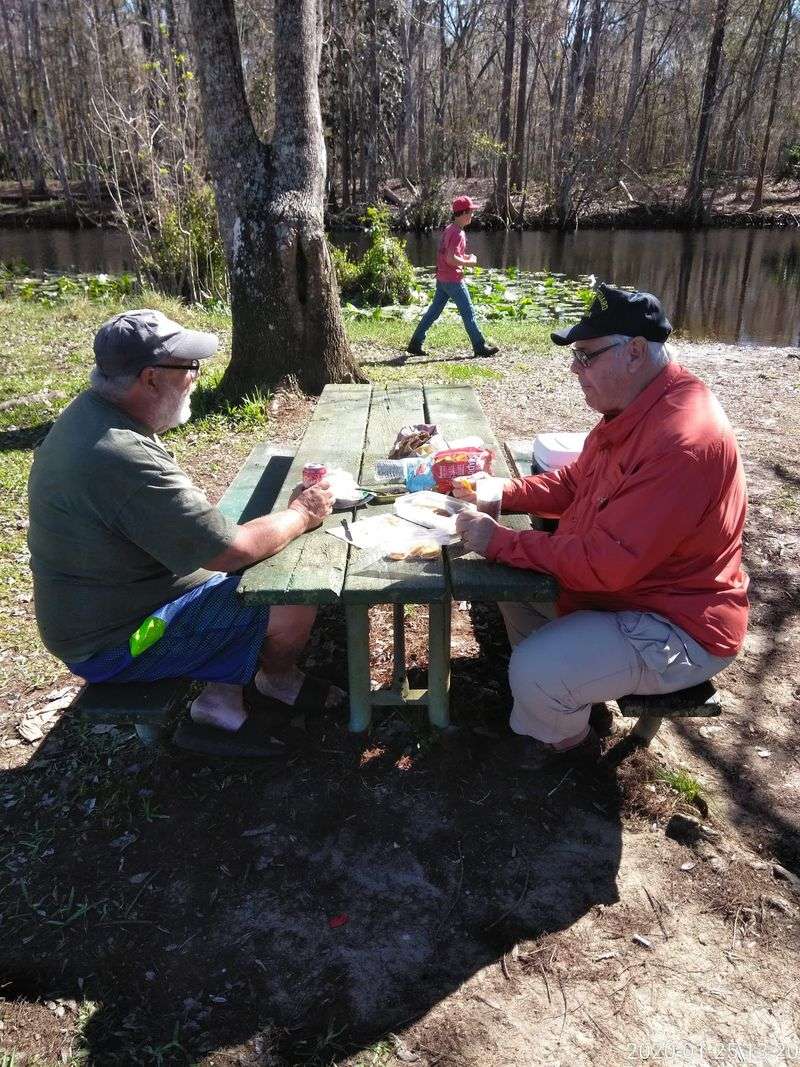
Good news for road trippers: getting onto the water here is pretty easy. The Rodman Recreation Area sits along the dam area near Palatka, off State Road 19.
Several boat ramps around the reservoir give you options.
Visitors often praise the main ramp for its space and ample trailer parking. Weekend mornings in spring can get busy with fishermen, so arrive early for the best spot.
Weekdays tend to be much quieter.
Rodman Campground, part of the Cross Florida Greenway, offers campsites near the water. Some sites have electric and water hookups, and there are restrooms with showers.
Fees change over time, so check current rates with the Florida Office of Greenways and Trails before booking. Expect a modest nightly price compared to private resorts.
Day use areas usually open around sunrise and close around sunset, but hours can shift with seasons and maintenance. Always double check online before you drive out.
For accessibility, some facilities at the campground and recreation area are paved, but many shorelines are rough and natural. Call ahead if you need specific accommodations.
A little planning keeps your day smooth.
Paddles, Trails, And Muddy Tires
Not a fisherman? No problem.
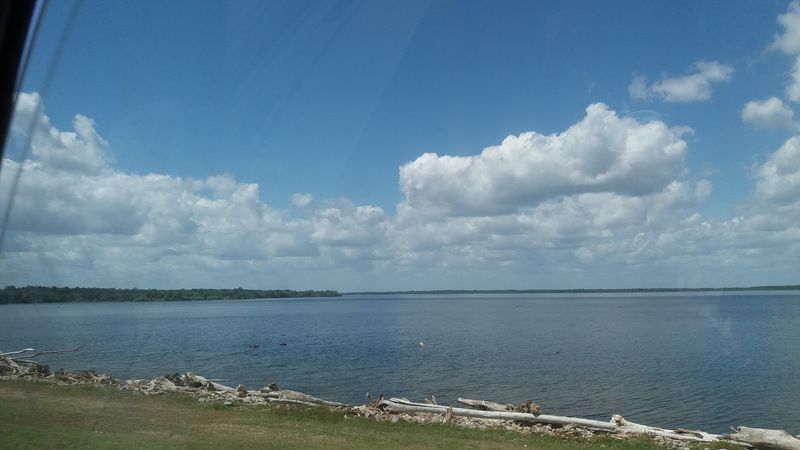
Kayakers and canoers find plenty to love on Rodman’s calm, glassy water, especially in the early morning.
Paddling lets you slip quietly into coves where lily pads float and turtles stack up on logs. Wind can pick up in the afternoon across the wide open sections, so plan longer trips before lunch.
Stick close to shore if you are a beginner.
On land, the Cross Florida Greenway surrounds the area with trails for hiking, biking, and horseback riding. Some visitors love bumping along dirt roads on ATVs or in trucks, though you should always follow posted rules about where vehicles are allowed.
History buffs sometimes mention finding pottery bits or arrowheads along the shore. Be aware that removing artifacts from public lands can be illegal, so snap a photo and leave them where they lie.
They belong to the story of the place.
Bring bug spray, plenty of water, and sun protection. Florida sun can be brutal, even in winter.
A waterproof bag for your phone is also a great idea, since one clumsy moment can turn your camera into lake treasure.
Sunsets That Make The Whole Trip Worth It
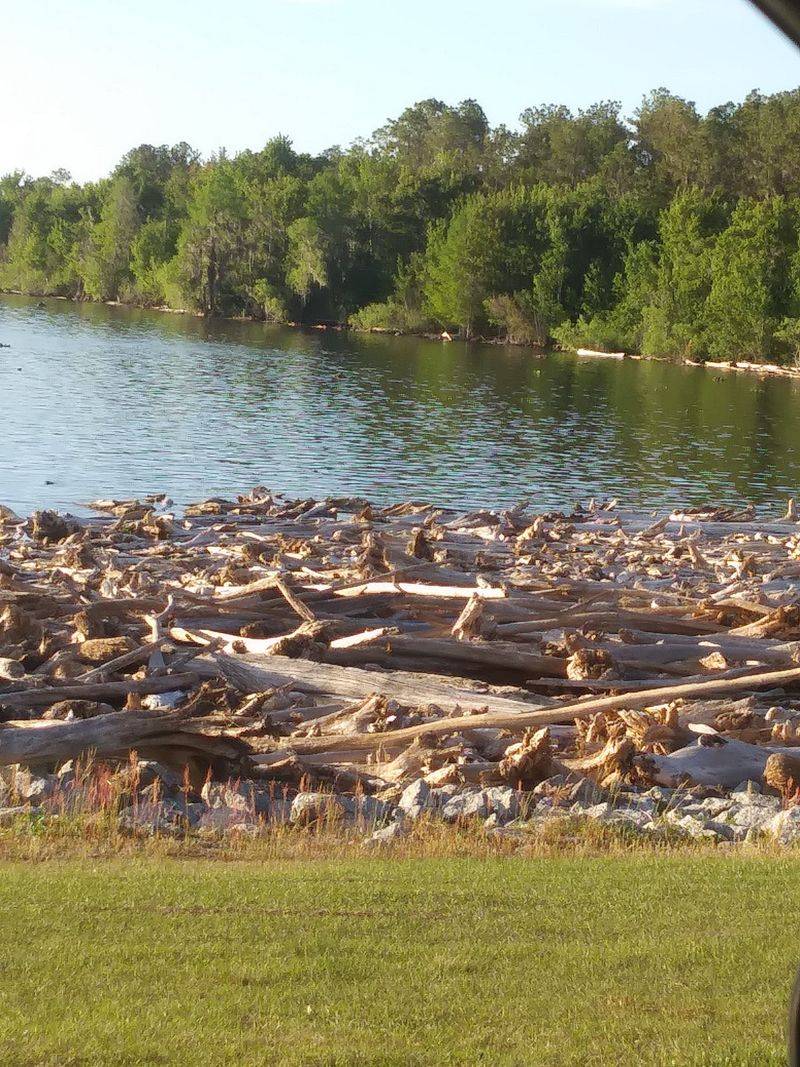
As evening arrives, something magical happens on the water. The sky fades into orange and pink, and those old stumps turn into black silhouettes against the glow.
Frogs start singing, and the air smells like wet pine and warm earth.
Many visitors say the peaceful mood is their favorite part of the trip. Reviews mention friendly people, quiet evenings, and simply sitting back with a meal while the sun drops.
It is the kind of calm that is hard to find in busy Florida tourist zones.
For the best views, find a spot near the dam or along an open shoreline facing west. Arrive about 30 minutes before sunset so you can settle in.
Pack a camp chair, a snack, and maybe a light jacket in winter.
Timing matters for your whole visit too. Fall through spring brings cooler weather, fewer bugs, and often better fishing.
Summer is hot, stormy, and buggy, but thunderstorms can create wild, dramatic skies.
Stay aware as darkness falls, since gators are more active at night. Then head home knowing you have seen a lake unlike any other in Florida.