
This Old-School Polish Hall In Washington Serves Homemade Pierogi Every Friday Night
Pickle soup turned out to be the thing that changed my mind about what a Friday night dinner in Washington could be. It came from a volunteer-run kitchen inside a cultural hall, served beside plump pierogi and cabbage rolls made by hand.
The whole place feels like stepping into a family gathering where everyone is welcome, even strangers. For anyone craving homemade food, friendly faces, and a small price tag, this weekly tradition is worth planning around.
A Cultural Home on Seattle’s Capitol Hill Edge
Forget the idea of a typical restaurant for a moment. The Polish Home Association at 1714 18th Ave in Seattle is a nonprofit cultural center first, and a Friday night dinner spot second.
Tucked into a residential stretch of the Central District near Capitol Hill, the building works as a gathering place for Seattle’s Polish community and anyone curious about it. People come for language, music, dancing, books, and events throughout the year.
On one special evening each week, though, the downstairs dining room opens to the public and the kitchen fills the hall with the smell of simmering stews and fresh dumplings.
That mix is exactly what makes it memorable. You are not just grabbing a meal, you are stepping inside a working community hub with deep roots in the city.
Visitors often describe the experience as more like being invited into someone’s home than walking into a business.
Also known by its Polish name, Dom Polski, the association has become a quiet favorite among locals who love comfort food and among travelers who stumble upon it. It proves that some of Washington’s best dinners happen far from flashy dining districts.
Deep Roots in Seattle History
Long before food trends swept through Seattle, groups like this one were keeping traditions alive through shared meals and celebrations. The Polish Home Association carries that legacy forward as a civic heritage group run by its members.
Guests frequently mention the sense of history that hangs in the air here. It is described as an amazing cultural association with deep historical roots in the city, and you can feel it in the building itself.
The halls have hosted countless dances, meetings, and festivals, each adding another layer to its story.
Because it is a nonprofit, the priorities are different from a regular eatery. Money raised supports the community and its causes rather than a business bottom line.
During one spring festival, for example, a rummage sale raised funds for a children’s hospice in southern Poland that the association helped build, a place where kids and their parents can stay together.
That generous spirit shapes the whole experience. When you sit down to eat here, you are joining a tradition of neighbors caring for one another, both in Seattle and across the ocean.
It gives an ordinary Friday supper a surprisingly meaningful backdrop.
An Old-School Theater Hall Setting
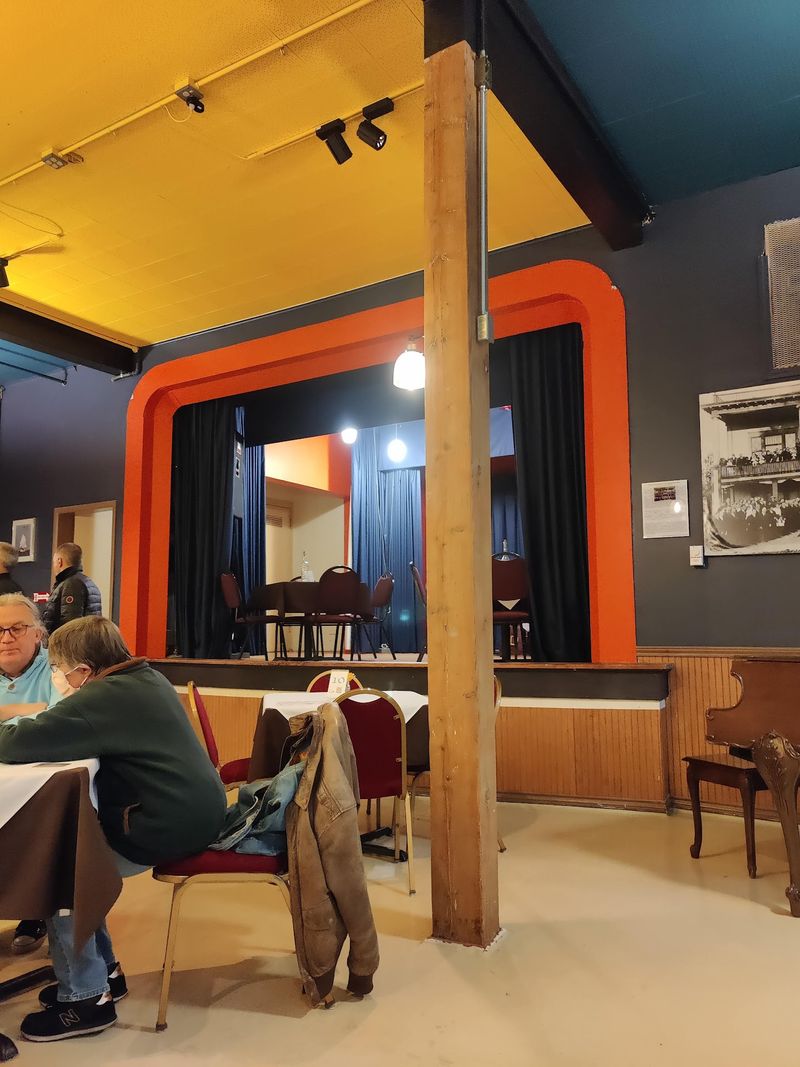
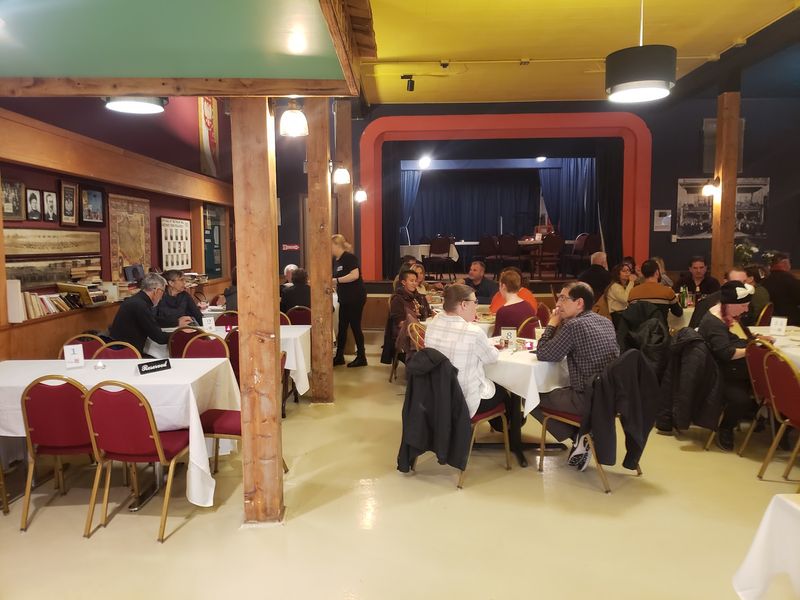
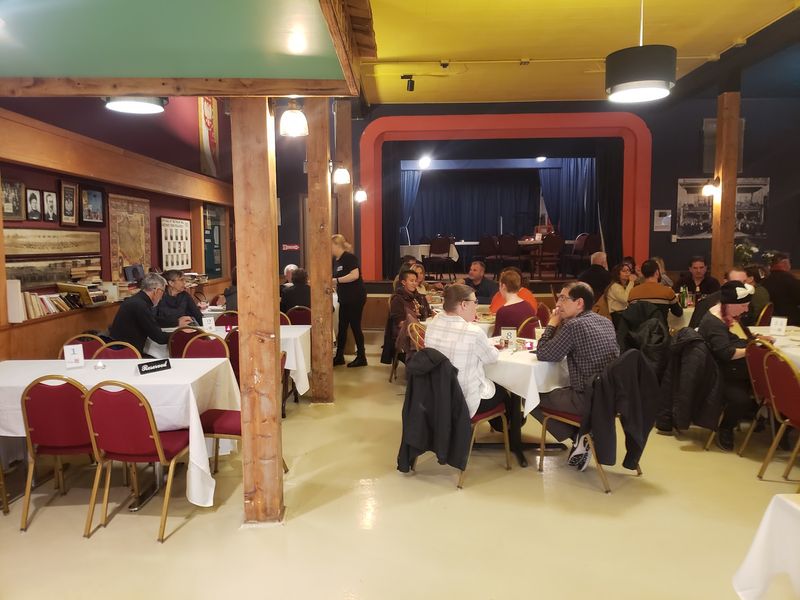
Walk in and the first thing you notice is how wonderfully unpolished it all feels. Diners describe an old-school, theater-style hall with a simple counter setup, the kind of room that has clearly seen decades of gatherings.
There are no trendy light fixtures or designer menus here. Instead, you get a comfortable, relaxed environment where families, couples, and first-timers settle in at tables and chat like neighbors.
Many people call the atmosphere neat and welcoming, and that honest charm is part of the appeal.
Downstairs is where the dining happens, in a room that fills up with conversation on Friday evenings. Upstairs sits a ballroom used for dances and events, so the building itself tells you it was made for community rather than quick turnover.
For nostalgic day-trippers, that vintage character is a real treat. It feels a bit like visiting a church basement supper or a grandparent’s club hall from years past.
The space is not trying to impress anyone, which makes it impressive in its own way.
Bring an appetite and a sense of curiosity. The room does the rest, wrapping you in easygoing warmth from the moment you sit down.
Pierogi Worth Crossing Town For
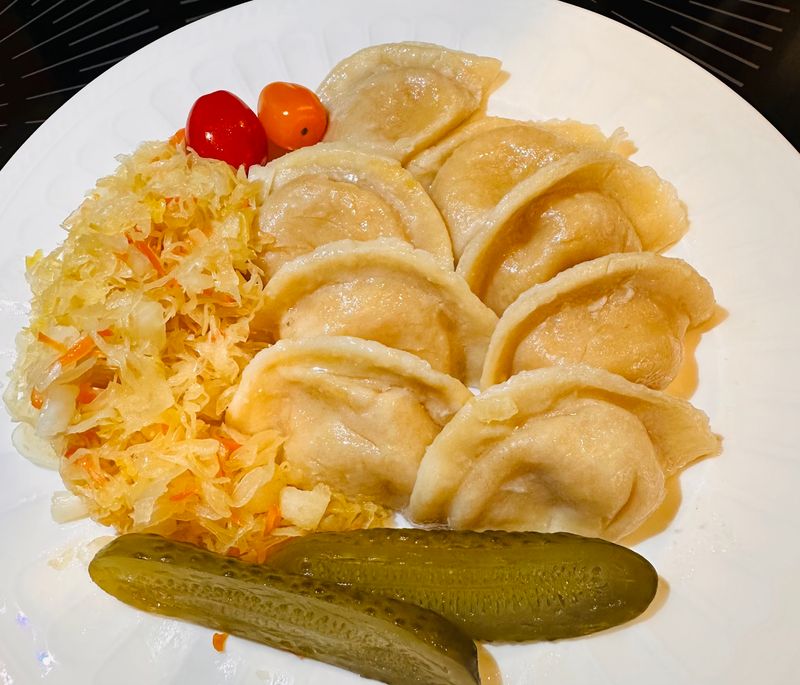
Pierogi are the star of the show, and regulars talk about them more than anything else on the menu. These tender dumplings arrive homemade, with fillings that range from classic cheese and potato to hearty meat.
Loyal fans have noticed the recipes getting even better over time. One longtime diner who once swore by the cheese and potato version found that the meat pierogi had eventually taken the crown.
That kind of friendly debate is common among people who return week after week.
What makes them special is the care behind them. They taste fresh and home-cooked rather than reheated, with soft dough and generous fillings.
Guests who grew up in Polish families, including folks from Chicago’s Polish neighborhoods, have said the flavors feel truly authentic.
There is also a treat called pyzy, which are potato dumplings, sometimes filled with meat. Diners describe them as delicious and filling, a great pick if you want something beyond the usual pierogi.
First-timers should order at least a few varieties to compare. Trying them side by side is half the fun, and you might end up with a new favorite that keeps you coming back on Fridays.
The Polish Platter Sampler
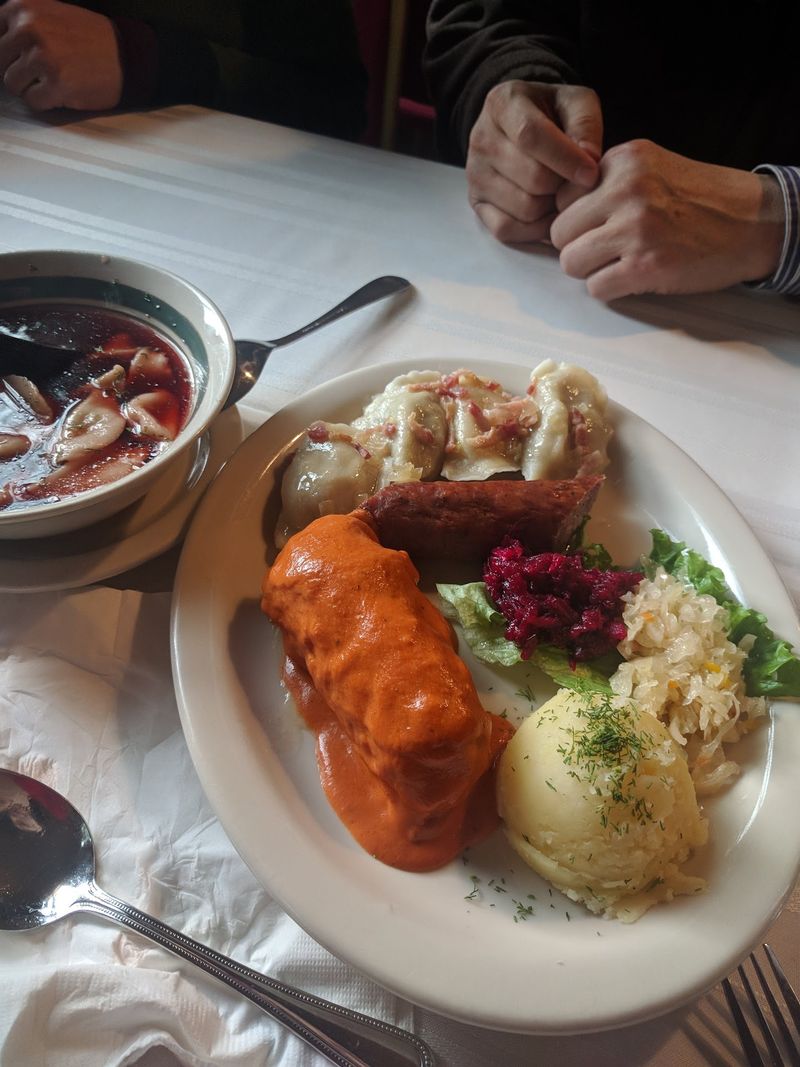
Can’t decide? Nobody blames you, and that is exactly why the Polish Platter exists.
It is the go-to order for newcomers who want a full taste of the kitchen in one sitting.
A typical plate brings together pierogi, cabbage rolls, kielbasa, bigos (a rich hunter’s stew), Polish sauerkraut called kapusta, and beets. That is a lot of flavor on one table, moving from smoky to tangy to sweet and earthy.
Diners often say everything on it was delicious, and families have been known to order it all around.
Guests recommend it again and again as the best way to sample traditional Polish offerings. If you are visiting with someone who has never tried this cuisine, it works like a friendly introduction course without any pressure.
For budget-minded eaters, a sampler plate also makes practical sense. You get variety without ordering several separate dishes, and the portions are hearty enough to feel like a real Sunday-style dinner on a Friday.
Share bites across the table, trade opinions, and figure out which dish wins you over. Chances are you will leave already planning what to order next time.
Cabbage Rolls and Hearty Mains
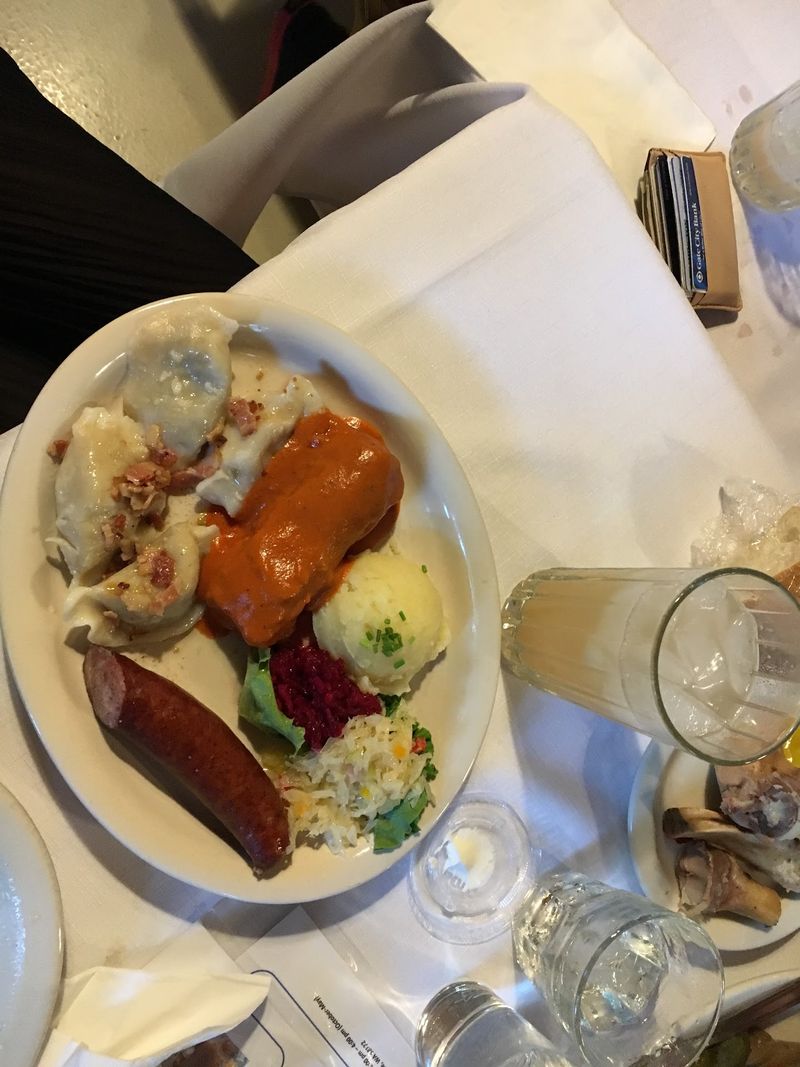
Gołąbki might be hard to pronounce, but they are very easy to love. These cabbage rolls come in both beef and vegetable versions, and some guests name the vegetable rolls their personal favorite in the whole kitchen.
Beyond the rolls, the main dishes lean deliciously comforting. One visitor famously called the place a pork paradise after enjoying a pork chop with mashed potatoes and white cabbage.
Others rave about the fried pork cutlet smothered in mushroom gravy, a dish that has become a quiet legend among regulars.
Tenderloin served with mushroom sauce also earns praise, especially from first-timers trying Polish food for the very first time. The flavors are rich without feeling fussy, the kind of cooking that reminds people of family dinners.
Kielbasa shows up too, smoky and satisfying, often alongside tangy kraut. Put it all together and you have a menu built for chilly Seattle evenings, when a plate of warm, filling food feels like a hug.
Come hungry. These are generous, stick-to-your-ribs dishes, and you will probably want to save a little room for soup and dessert as well.
Pickle Soup and Other Surprising Bowls
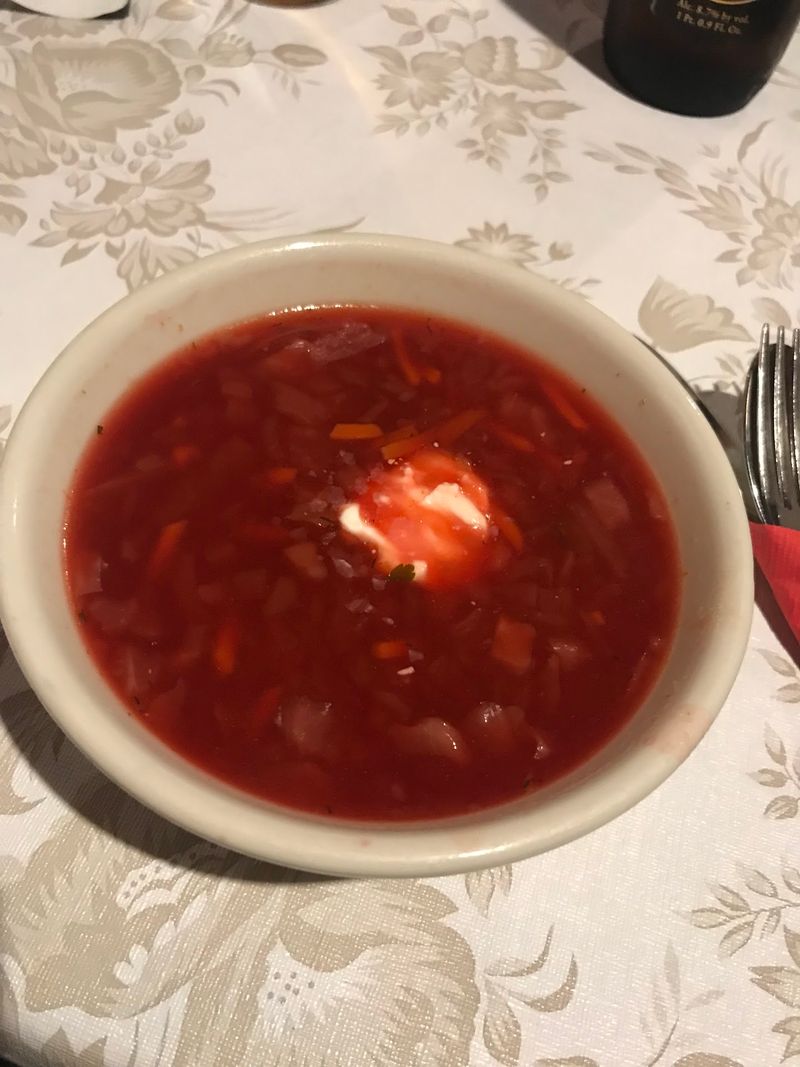
Yes, pickle soup is a real thing, and it might be the most talked-about bowl in the building. Diners admit it sounds strange, then turn around and say they could eat it every single day.
The tangy, creamy soup has a way of converting skeptics. A drummer who has played many dances in the upstairs ballroom specifically recommends it to anyone eating downstairs.
That is high praise from someone who has sampled the menu plenty of times.
Borscht deserves attention too. Often considered a plain beet soup, the version here is described as incredible, with more depth than many people expect.
It pairs nicely with a plate of dumplings or cabbage rolls.
Soups like these reflect everyday Polish home cooking, the kind of recipes passed down through kitchens for generations. They are simple, comforting, and full of character.
On the side, a beet salad and coleslaw often appear, and some guests happily prefer the beets. Whether you are a soup lover or a cautious eater, give the pickle soup a try.
It could easily become the dish you tell friends about all week.
Sweet Endings: Crepes and Baked Goods
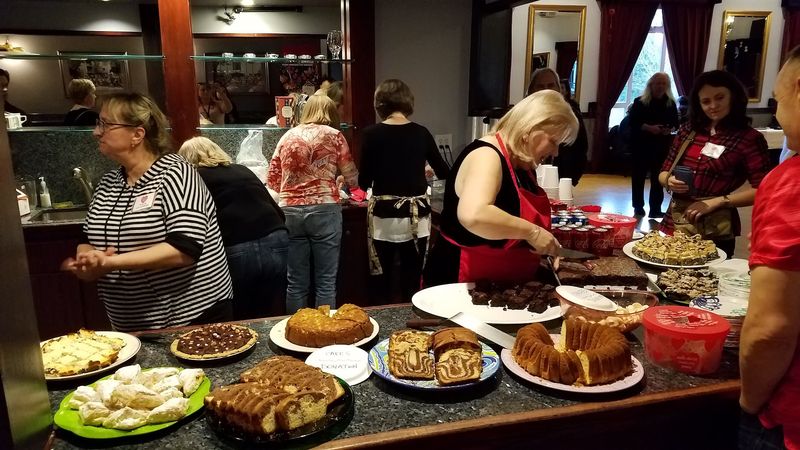
Save room. That simple advice matters here, because the desserts are a highlight that many diners wish they had planned for.
Dessert crepes get special mention for being tasty yet surprisingly light, a welcome finish after a hearty meal of dumplings and gravy. They feel indulgent without weighing you down, which makes them easy to share across the table.
Baked goods also play a big role, especially during festivals. Visitors describe plenty of tasty treats available, and at the spring festival, there were so many desserts that some guests bought extras to take home.
People who tried them called them excellent, which tells you everything about the quality coming out of the kitchen.
Homemade pastries fit perfectly with the rest of the experience. Nothing tastes mass-produced, and that personal touch carries right through to the last bite.
If you are bringing kids, dessert might be the moment they fall in love with the place. Sweet crepes are an easy win for younger eaters who might be unsure about cabbage or beets.
Grab something for the road too, because a Saturday morning pastry makes a lovely reminder of Friday night.
Vegetarian Choices on a Traditional Menu
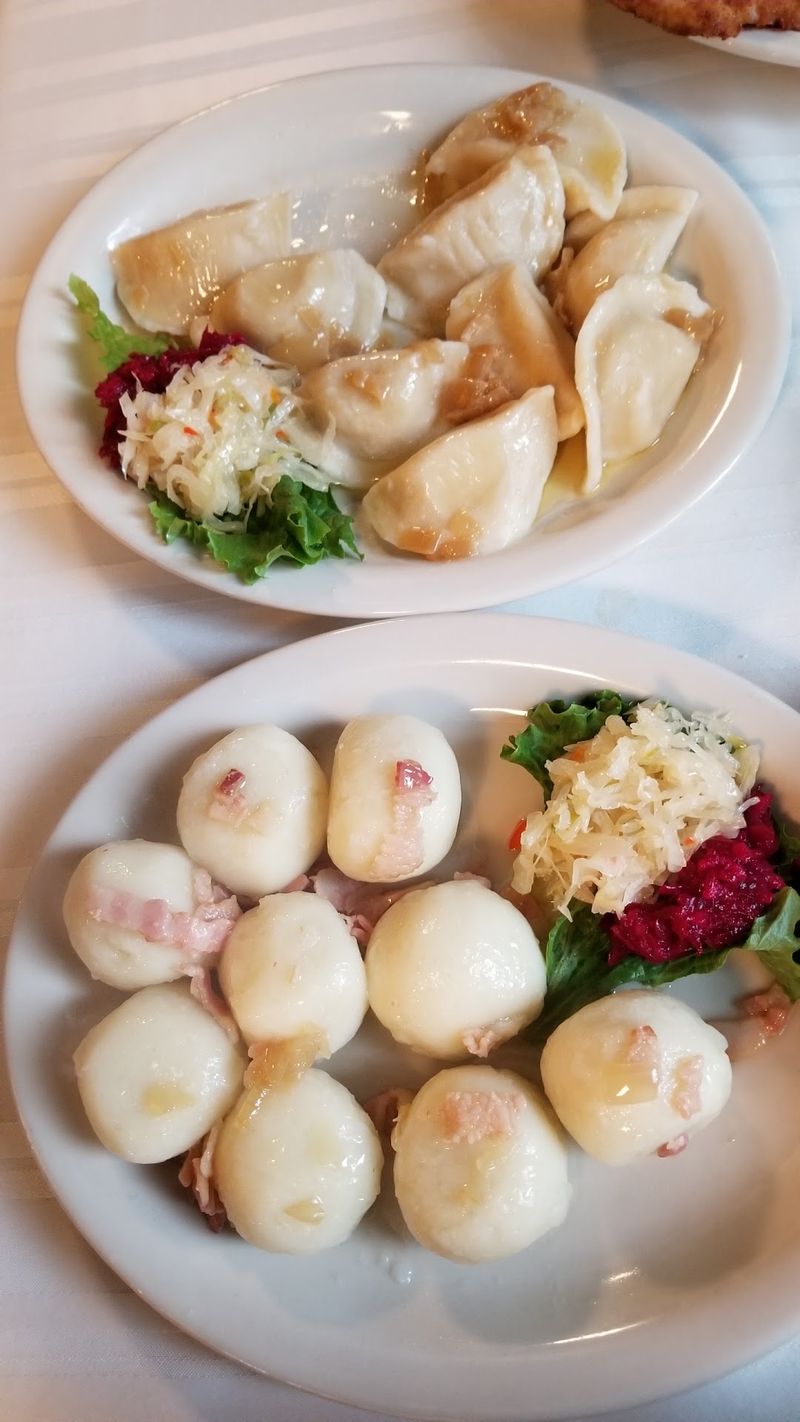
Meat lovers are well covered, but plant-leaning diners are not left out. Guests point out that the menu includes all the traditional dishes along with some vegetarian options.
Vegetable cabbage rolls are a standout, earning top honors from at least one devoted fan who calls them the best thing in the kitchen. Cheese and potato pierogi offer another satisfying meat-free pick, soft and comforting with every bite.
Sides help round things out. Beet salad, sauerkraut, and fresh vegetables bring color and brightness to the plate.
Mushroom sauces and borscht add more comforting choices depending on what is being served that evening.
For mixed groups, that flexibility is a big plus. A family can gather around one table where a grandparent orders pork cutlet, a teen tries pierogi, and a vegetarian friend enjoys stuffed cabbage, all without anyone feeling like an afterthought.
Menus at a volunteer-run kitchen can shift, so it may help to ask about the meat-free choices when you arrive. The friendly staff are happy to guide you.
Either way, you can expect fresh, flavorful food that respects tradition while making room for different tastes.
Friendly Faces and Community Spirit
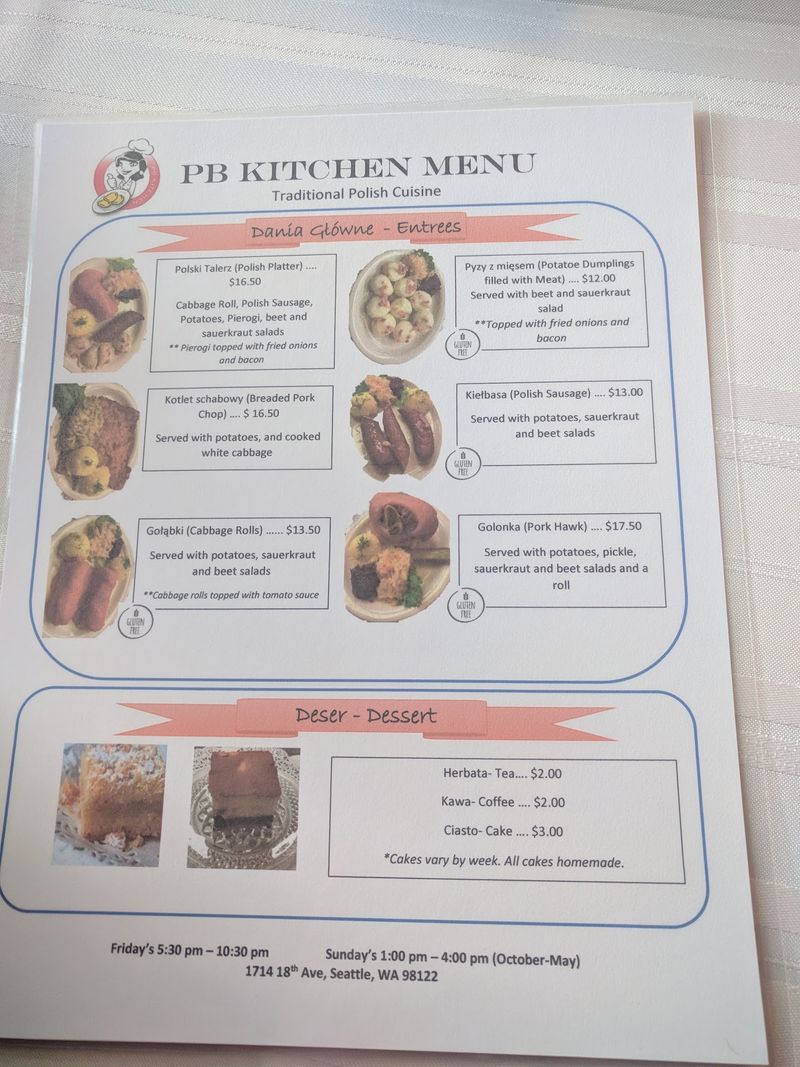
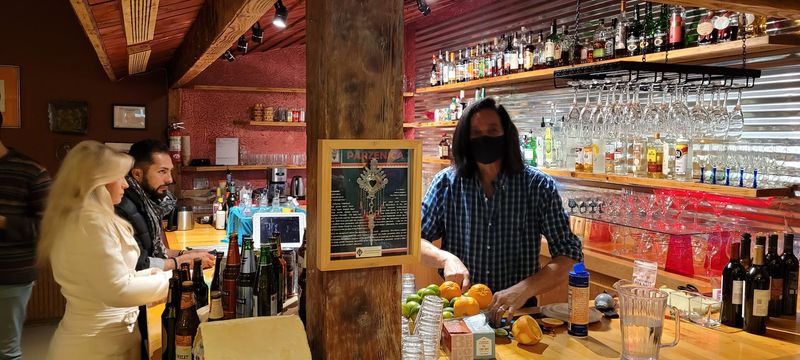
Warmth is the word that comes up over and over. From the volunteers to the kitchen crew, people here are described as super friendly and genuinely welcoming.
The kitchen has been led by dedicated cooks, with Kamila currently getting credit for fresh, homemade food full of authentic flavor. Guests appreciate that the meals come from people who clearly care about the recipes and the community.
Hospitality stretches in thoughtful ways. One group of first-timers arrived near closing time and were still served, with food that tasted freshly cooked rather than reheated.
Moments like that leave a lasting impression.
You can even practice your Polish if you like, or simply smile and point at the menu. No one expects you to know the language, and newcomers are treated like old friends.
That relaxed attitude makes the hall a comfortable spot for visitors from anywhere.
At festivals, members often wear beautiful, colorful traditional costumes, adding a festive splash of culture to the day. It is the kind of detail that kids remember and adults love photographing.
Kindness seems baked right into the building, just like the pastries.
Dances, Festivals, and a Library Upstairs
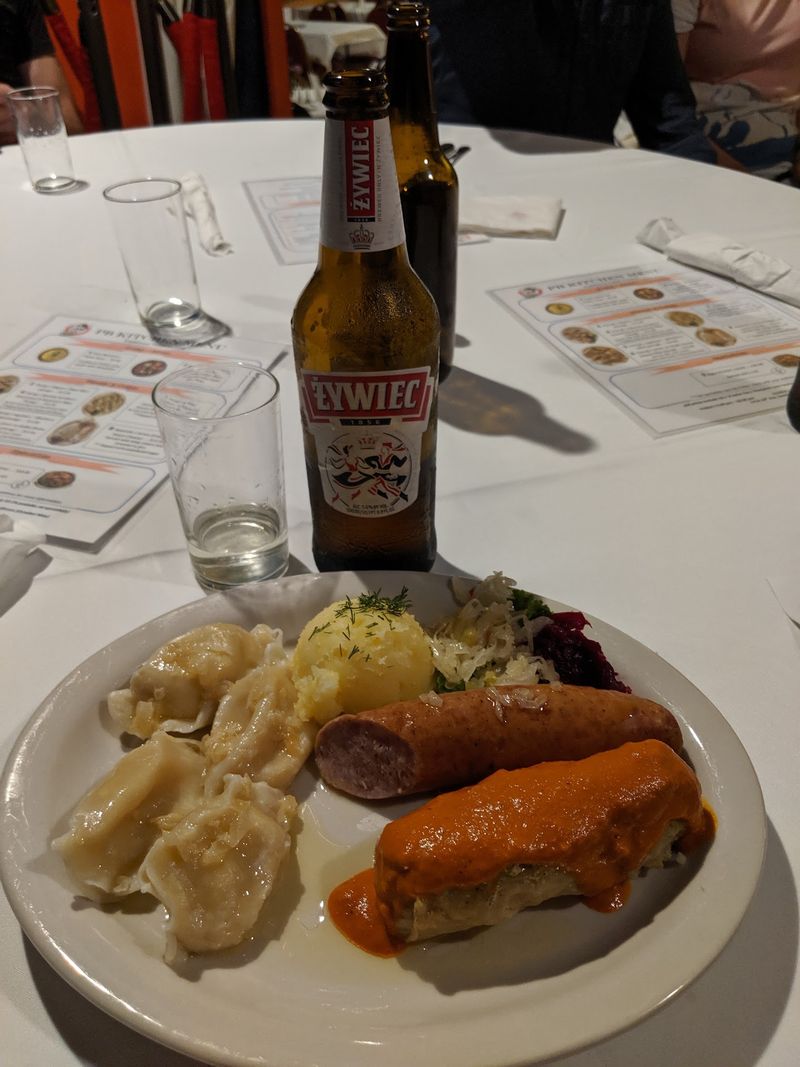
Dinner is only one chapter of the story. Upstairs, a ballroom hosts dances, including swing dance nights that bring the wooden floor to life with music and movement.
Live musicians have played many events there, filling the space with energy while diners enjoy meals below. The ballroom is also available for private events, making it a charming option for gatherings that want a touch of old-world character.
Festivals add even more color. The Dom Polski Spring Festival has featured volunteers in folk costumes, a Polish plate for hungry crowds, and a spread of desserts.
Upstairs, guests found imported products from Poland, handmade crafts by club members, sauerkraut, jams, and a small rummage sale supporting a good cause.
Book lovers will appreciate that the association keeps a library available for visitors. It is a quiet corner for anyone curious to learn more about Polish history and culture.
Throughout the year, meetings and events keep the calendar busy. For families searching for affordable weekend fun in Washington, these cultural happenings offer music, food, and learning in one friendly place.
It is worth keeping an eye out for festival dates.
Hours, Prices, and Getting There
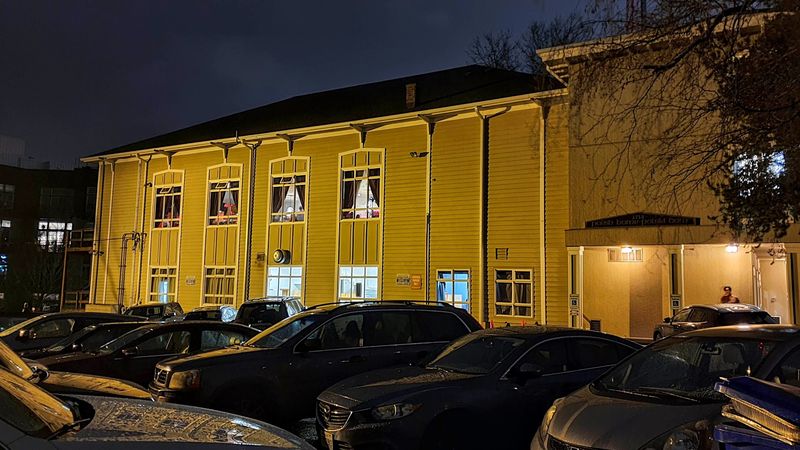
Timing is everything, so mark your calendar. Friday is the dinner night, with the hall open from 5 PM to 9 PM and closed every other day of the week.
Since it is a nonprofit and not a standard restaurant, hours can be limited and occasionally the kitchen may not open. Calling ahead before making the trip is a smart move.
Reservations are accepted too, which can help on busy nights.
Costs stay pleasantly modest. Entry has involved a small one-day membership or donation of about $1, plus the price of your food.
Diners consistently describe the prices as reasonable, which makes this a wallet-friendly night out for families and retirees alike.
Getting there is fairly easy. The Metro G bus line runs almost directly to the area from downtown Seattle, a great option for anyone avoiding parking hassles.
Driving is possible, and there is a parking lot on site, though it can fill up during festivals. Street spots may be scarce, so be ready to park a couple of blocks away and enjoy a short neighborhood stroll.
A Friday Night Tradition Worth Keeping
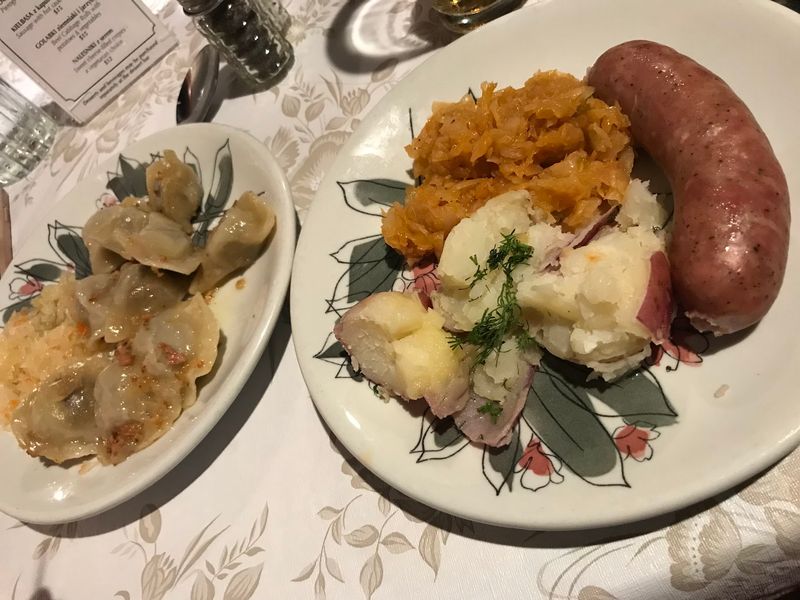
Returning guests have compared coming back here to a homecoming, and that feeling sums it up nicely. Few spots in Seattle blend culture, comfort food, and community quite like this one.
For budget-conscious diners, the modest entry and fair prices make it a rare treat that will not stretch the wallet. Retirees can enjoy an easy, affordable evening out, while families get a meaningful cultural experience without the price tag of a fancy dinner.
Visiting relatives often end up here too. Parents in town to see their grown kids have been treated to Friday dinners and left calling it an excellent choice.
It makes a memorable outing to share with out-of-town guests.
Of course, the food is the true draw. Homemade pierogi, pickle soup, cabbage rolls, and light dessert crepes offer a delicious window into Polish tradition.
So when Friday rolls around and you want something more personal than the usual dinner routine, consider heading to 18th Avenue. Bring friends, bring curiosity, and leave with a full belly and a new favorite Washington tradition.
You may find yourself counting down the days until next week.