
The South Carolina Hiking Trail Locals Avoid In October Because Rattlesnakes Are Too Active
South Carolina has plenty of hiking trails that leave your legs shaking, but one mountain climb comes with a rumor that might make your knees wobble before you even start. Forget steep switchbacks and aching calves.
Some hikers have a much more unsettling concern when October rolls around: rattlesnakes.
Hidden among the rocky slopes and thick mountain forests, this challenging trail leads to one of the most spectacular views in the state. But while autumn paints the surrounding trees in brilliant shades of red, orange, and gold, stories about slithering surprises keep some visitors looking twice before stepping over a rock.
Are rattlesnakes really more active here in October, or has an ordinary wildlife precaution turned into a mountain-sized exaggeration?
The answer involves fascinating snake behavior, seasonal weather, and a few misconceptions that deserve clearing up.
Before you cancel that fall hiking trip, discover what makes this South Carolina trail so unforgettable and how to explore it safely.
The Rattlesnake Rumor, Unpacked
Ask around Pickens County and you will hear it sooner or later. Somebody’s cousin swears October is snake season on Table Rock, and they won’t set foot on the trail until frost.
It makes a great campfire story, but the truth is a little less dramatic.
No official park rule closes the trail for snakes, and plenty of locals hike it all autumn long. The rumor has roots in real nature, though.
Venomous snakes do live in these mountains, and early fall is a time when they can be easier to spot.
So why does the story stick? Fall is also the busiest season here, and more people on the trail means more snake sightings get shared online and around town.
One photo of a rattler sunning on a rock can travel faster than a hiker going downhill.
Think of the rumor as a nudge to pay attention, not a reason to stay home. The trailhead sits at 391 Table Rock State Park Road, and the path itself is clear, marked, and well used.
Knowing what is actually out there turns fear into smart planning, and that is exactly what the rest of this guide will help you do.
Warm Granite, Cool Air, Busy Snakes
Picture a crisp October morning at 45 degrees. By early afternoon, the sun has been baking the exposed granite on Table Rock for hours.
To a cold-blooded animal, that rock feels like a heated blanket.
Snakes cannot make their own body heat, so they rely on sunny spots to warm up. In fall, as nights get chilly, they often bask on open rocks and ledges during the warmest part of the day.
Table Rock has a lot of bare stone, especially near the upper sections and overlooks.
Here is a fun fact that surprises many hikers. Timber rattlesnakes often travel back toward winter dens in the fall, sometimes returning to the same rocky spot year after year.
That movement can make them a bit more visible for a few weeks.
Once real cold settles in, usually later in autumn, most snakes tuck away for the winter and get very quiet. So the snake window is mostly about warm fall afternoons, not every single day of October.
If you hike on a cool morning, you are far less likely to meet one. Watching the forecast is your simplest tool, and it costs you nothing but a quick glance at your phone.
Meet The Locals With Scales
Two venomous neighbors share these woods with you. The timber rattlesnake and the copperhead both live in the Upstate mountains, and both are masters of hiding in plain sight.
Timber rattlers wear dark, wavy bands on a tan or gray body, with a black tail ending in that famous rattle. Copperheads have hourglass-shaped bands in coppery brown, which blend almost perfectly into a pile of autumn leaves.
Honestly, fall foliage is their dream wardrobe.
Neither snake wants anything to do with you. They are shy, slow to strike, and would much rather freeze or slide away than waste venom on something too big to eat.
Most bites happen when people step on them, reach where they cannot see, or try to handle them.
You will also find harmless snakes here, like black rat snakes and garter snakes, which help keep mice and other critters in check. Every one of them plays a role in keeping this forest healthy.
If you spot a snake, give it plenty of space, enjoy a quick photo from a safe distance, and let it go about its business. That small moment can become one of the coolest stories from your whole hike.
A Climb That Earns Its Strenuous Label
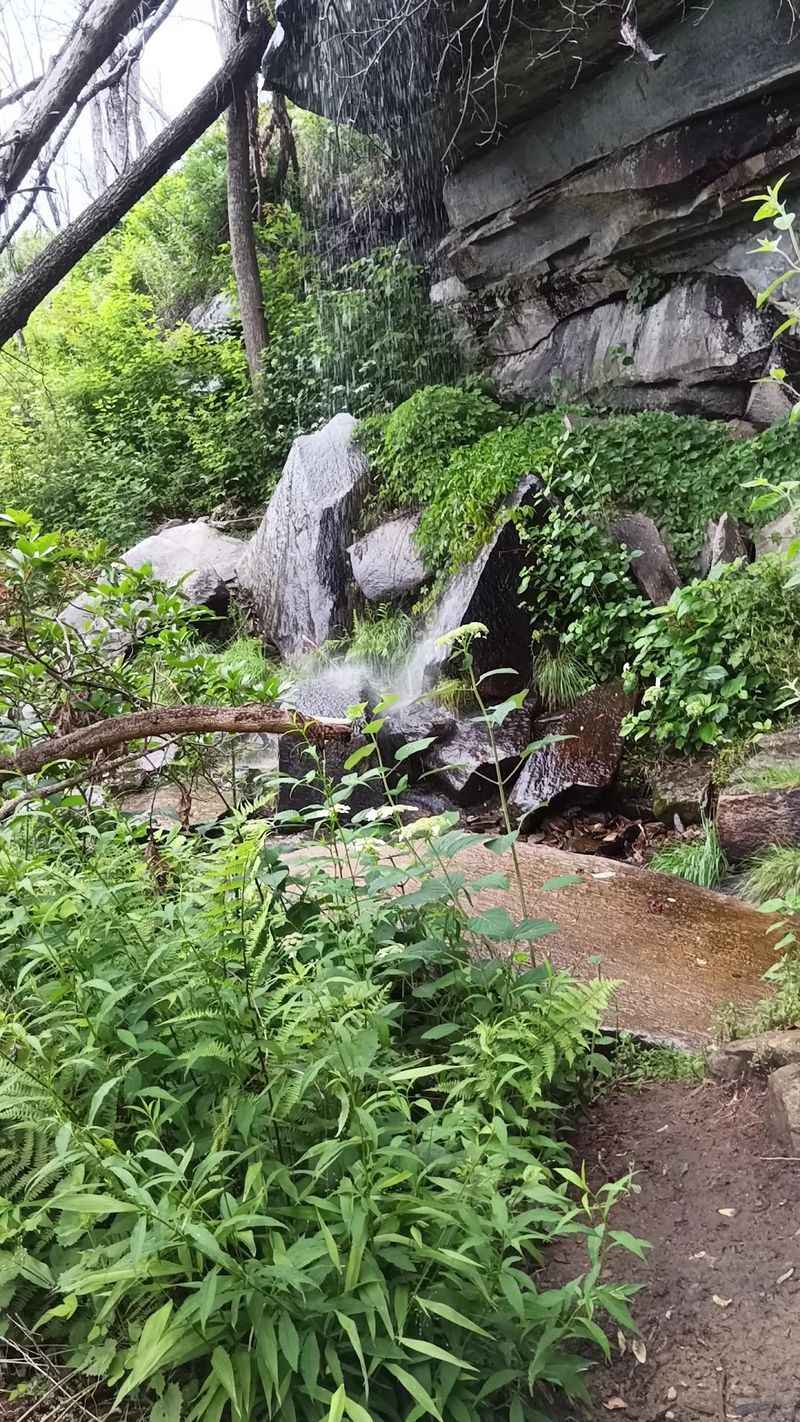
Forget the snakes for a minute, because the trail itself is the real boss here. The Table Rock Trail is rated strenuous, and hikers who have climbed out West say it holds its own.
One visitor from Washington state compared it to the mountains back home.
The hike to the summit runs roughly 3.6 miles one way, so plan on about 7 miles or more round trip. You gain around 2,000 feet of elevation, and much of it comes through stone steps, roots, and rocky scrambles.
A few spots even feel like light bouldering.
Expect it to take several hours. One family hiking with a ten-year-old reported about four hours up and two and a half hours down.
Faster hikers finish sooner, but nobody sprints this thing.
Here is the good news. Lots of first-timers make it, including folks who say they rarely hike.
Trekking poles and sturdy shoes make a huge difference, especially on the knee-rattling trip back down. Pack more water than you think you need, plus salty snacks.
If your legs start to protest, the many stone steps give you natural rest stops and great excuses to admire the trees.
Waterfalls Before You Even Break A Sweat
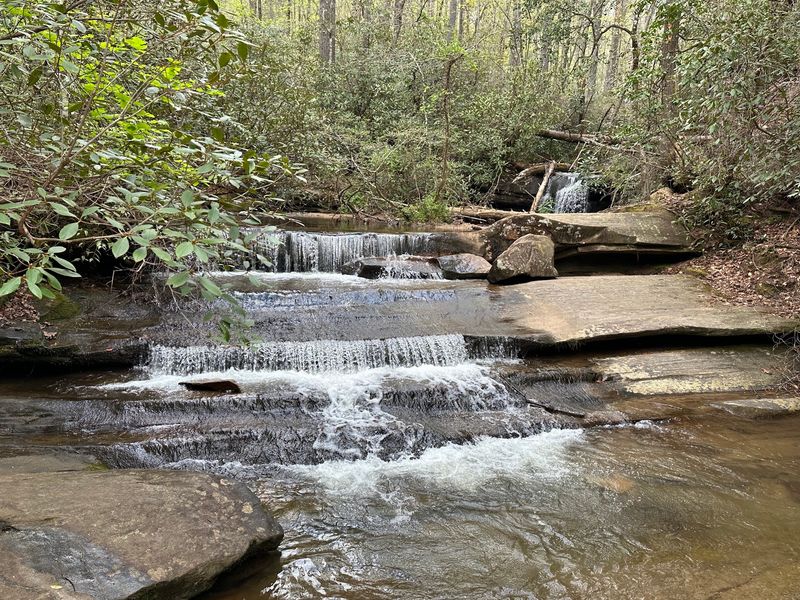
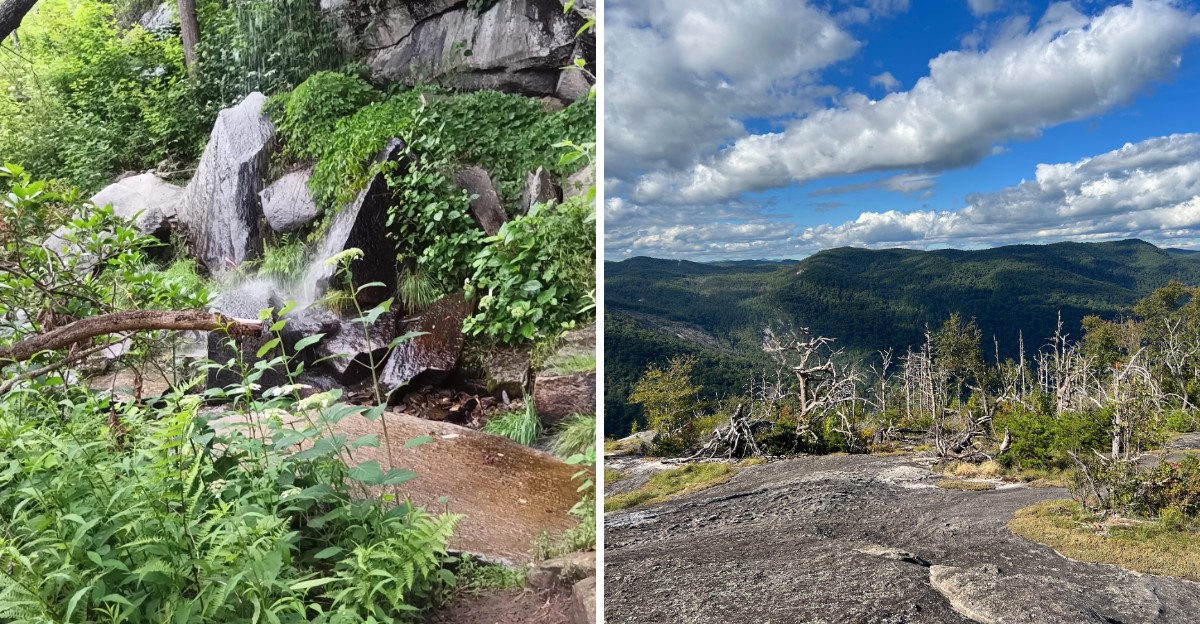
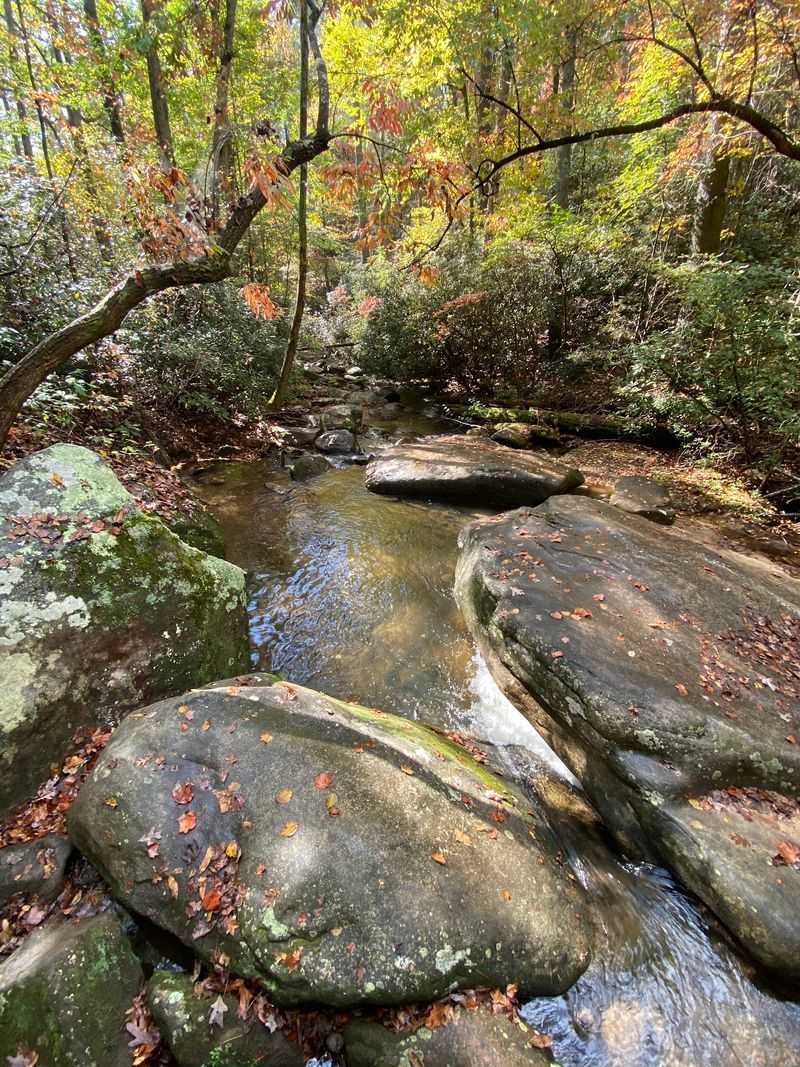
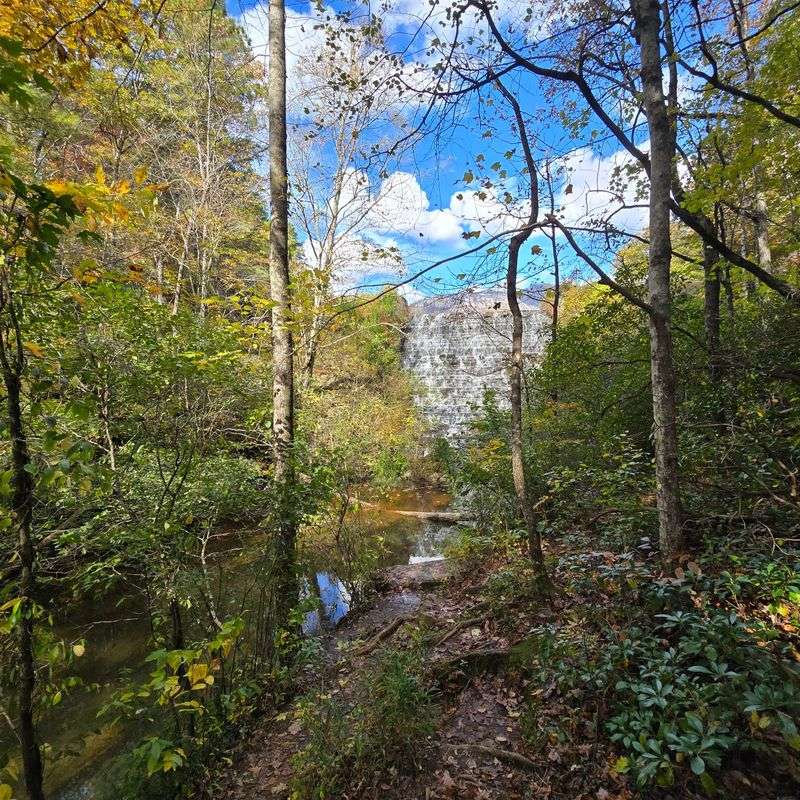
Within minutes of leaving the trailhead, you hear it. Water tumbles over smooth rock, and the air suddenly smells like wet moss and cool stone.
Welcome to Carrick Creek, the cheerful opening act of your hike.
The early stretch follows the creek past a string of small waterfalls and shallow pools. Kids love hunting for rocks here, and dogs on leashes happily splash at the edges.
Many reviewers say the first part of the trail is pure magic, even if you go no farther.
If the full summit sounds like too much, the Carrick Creek Loop is a sweet alternative. It is about two miles and follows streams and cascades through shady forest.
It gives you the waterfall reward without the big mountain workout.
A quick tip for snake-minded hikers: creeks attract all kinds of wildlife, including frogs and the critters that eat them. Watch where you place your hands when climbing around wet rocks, and avoid poking into crevices.
The water may tempt you to wander off trail, but sticking to the path protects you and the fragile plants growing along the banks. Then just stand still for a moment and let the sound wash over you.
The Old Stone Shelter Halfway Up
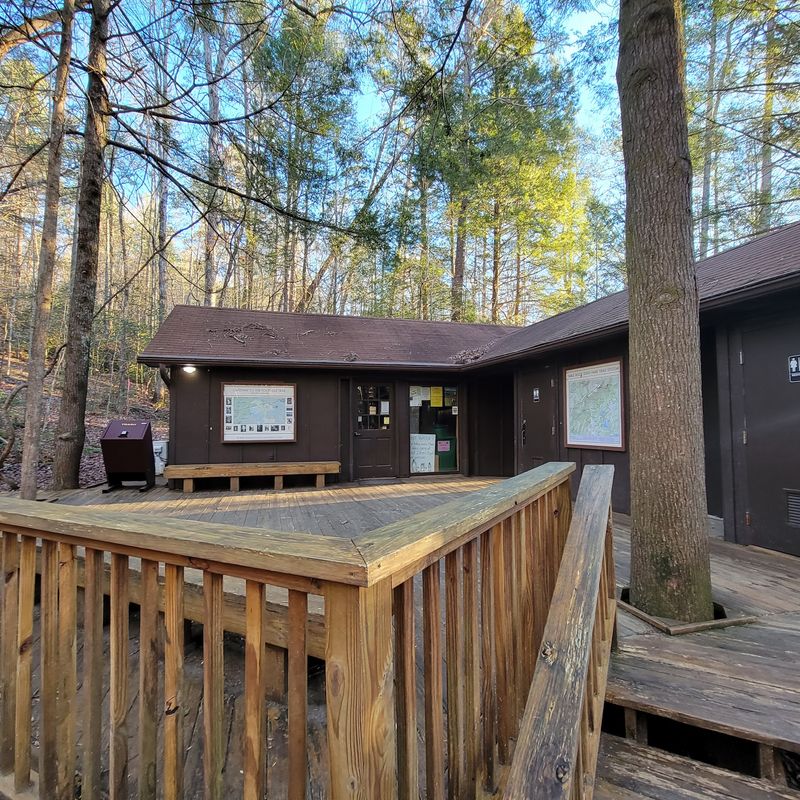
Somewhere around the halfway point, just when your calves start filing complaints, a rustic shelter appears through the trees. It feels like the mountain is offering you a chair.
Many hikers call it their favorite surprise of the climb.
Table Rock State Park has deep roots in the Civilian Conservation Corps, a Depression-era program that put young men to work building parks across America in the 1930s. Their sturdy stonework and timber craftsmanship still shape much of the park today.
The historic district here is even listed on the National Register of Historic Places.
Take a seat, catch your breath, and look around. The heavy rocks and hand-shaped beams were hauled and placed without modern machines.
Imagine doing that job on this slope, then imagine doing it in summer heat.
The shelter is a great place to check in with your group. Have a snack, sip water, and decide honestly whether everyone feels good about continuing.
There is no shame in turning back here, since the views along the way are already lovely. If you keep going, the trail grows steeper, so tighten those laces and keep your eyes on your footing.
Governor’s Rock And That Jaw-Dropping View
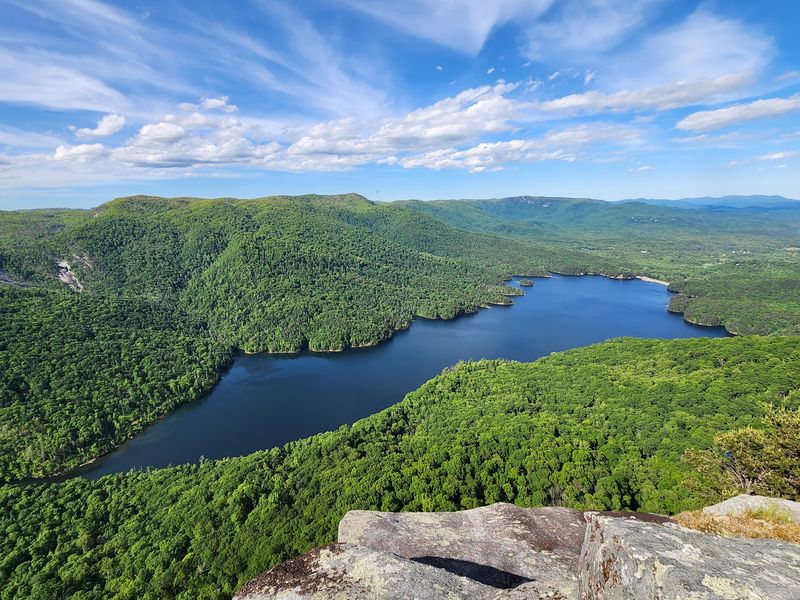
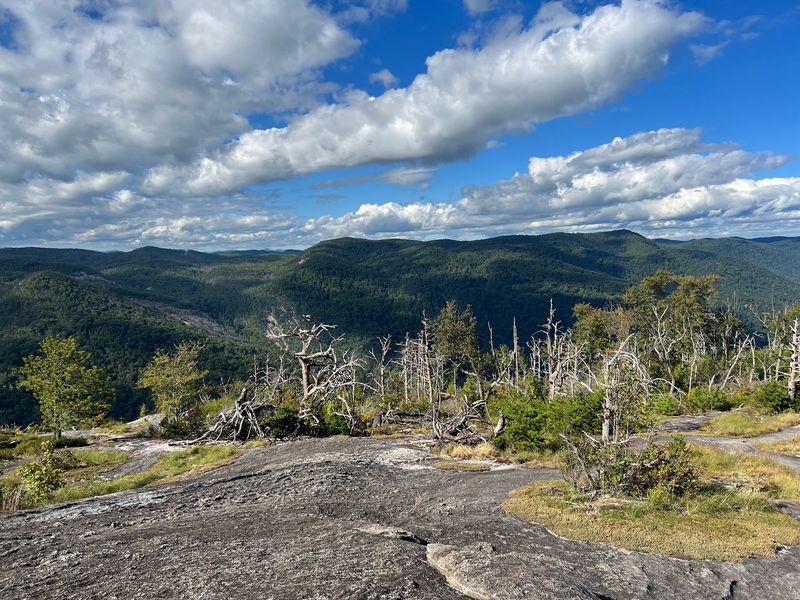
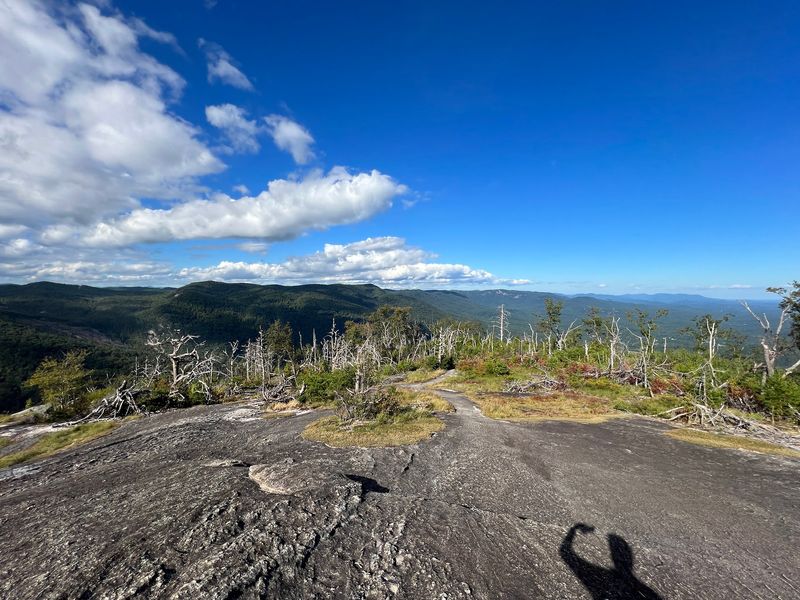
Then the trees open up, and you forget you were tired. Governor’s Rock is a wide granite overlook where the whole world seems to fall away below your boots.
Rolling foothills stretch for miles, painted gold and red in autumn.
Many hikers say this spot rivals the summit itself. On clear days you can gaze across to the Table Rock Reservoir shining in the valley.
One reviewer described sitting at the edge of the rock and simply staring, which is the correct thing to do here.
Families with younger kids should know there is a wooded bypass around Governor’s Rock if the bare slab feels too tricky. Wet granite gets slippery fast, so take it slow after rain.
Now a snake note, because this is exactly the kind of place they like. Big sunny slabs are prime basking spots on warm fall afternoons.
Before you plop down for a picnic, scan the rock edges and cracks. A quick look is usually all it takes.
Then settle in, pull out your sandwich, and enjoy one of the finest lunch views in the entire state of South Carolina.
A Giant’s Dinner Table In The Clouds
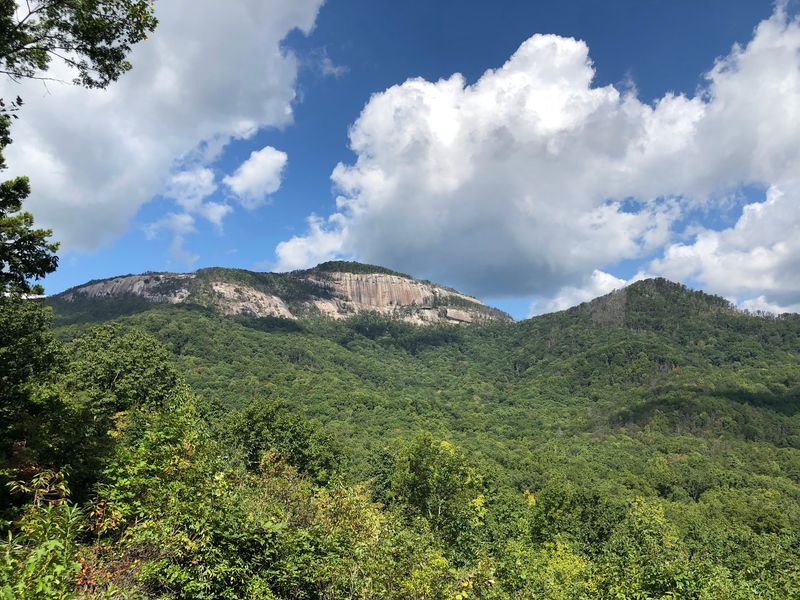
Long before trail maps and parking fees, the Cherokee people told a story about this mountain. According to legend, a giant chieftain used the flat-topped peak as his dining table.
The smaller mountain nearby, now called The Stool, served as his seat.
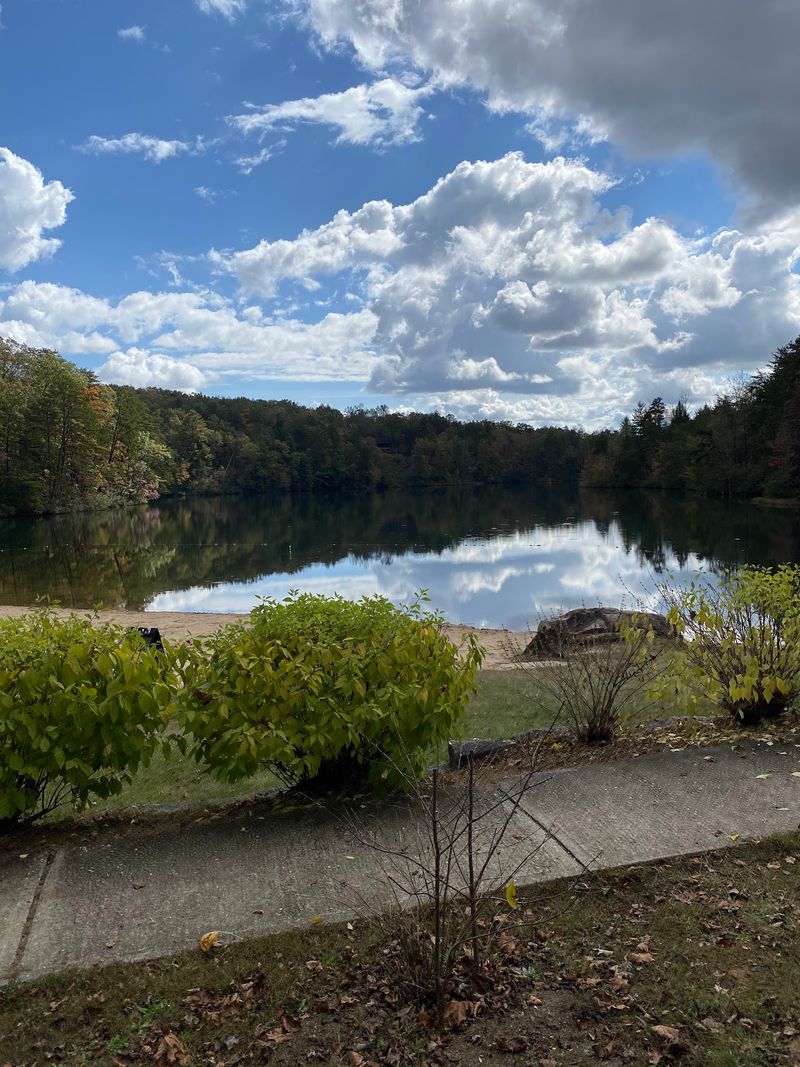
Look at Table Rock from the lake near the park entrance and you will see why the story stuck. The massive bare granite face rises steeply, then flattens on top like a tabletop.
It really does look ready for a feast.
The summit sits at about 3,124 feet above sea level. Its neighbor Pinnacle Mountain climbs even higher, at roughly 3,425 feet, making it the tallest peak located entirely inside South Carolina.
Both share this park, which feels a little like having two celebrities on the same block.
Visitors who come back after many years often discover the newer Stool Trail, which offers stunning views of Table Rock itself. One hiker said it was spectacular after a twenty-year absence.
Whichever route you pick, take a moment to think about the generations who have looked up at this same rock and wondered about it. You are part of a very long story now.
Hours, Fees, And Snagging A Parking Spot
Here is the practical stuff, served plain and simple. The trailhead lists hours of 8 AM to 6 PM daily, but South Carolina State Parks often adjust hours by season.
Call the park at 864-878-9813 or check the official website before you drive out.
Admission is charged per person, not per car. A recent visitor mentioned about $6 per adult, though prices can change and may vary for kids, seniors, and South Carolina residents.
Treat that number as a rough guide.
Parking fills up fast on weekends, especially in October when fall color draws big crowds. Arrive early, ideally right at opening, to grab a spot near the trail.
Weekdays feel far calmer.
Before hitting the trail, hikers sign in at the trailhead registration. It helps rangers know who is out there, so please do not skip it.
You will find restrooms, water bottle filling stations, and a small shop selling drinks, snacks, and souvenirs near the start.
Accessibility is limited on the summit trail because of steep steps and rocky ground. Visitors needing easier terrain can enjoy the lake area, picnic spots, and views from the lower park instead.
Snake-Smart Habits For A Fearless October Hike
My favorite October hikes on Table Rock start the same way. Coffee in hand, boots laced tight, and a plan to be on the trail early while the air is still crisp.
Cool mornings mean sleepy snakes and happy hikers.
A few simple habits keep you safe. Stay on the marked trail, and watch where you step, especially around logs, leaf piles, and rock ledges.
Never put your hands into cracks or under stones you cannot see.
Wear sturdy boots and consider long pants. Hiking poles help with balance and also let you tap ahead in leafy spots.
Keep dogs leashed, since curious noses tend to find trouble first.
If you see a snake, stop, back away slowly, and give it several feet of space. It will almost always slip off on its own.
In the rare case of a bite, stay calm, keep the bitten area still, and call 911 right away. Skip old tricks like ice or cutting the wound.
Honestly, the leaves are the bigger star of October anyway. Fiery maples and golden poplars light up every switchback.
Go prepared, and you might wonder why anyone would skip this month at all.