
13 Vintage Ohio Towns That Have Not Changed In Decades
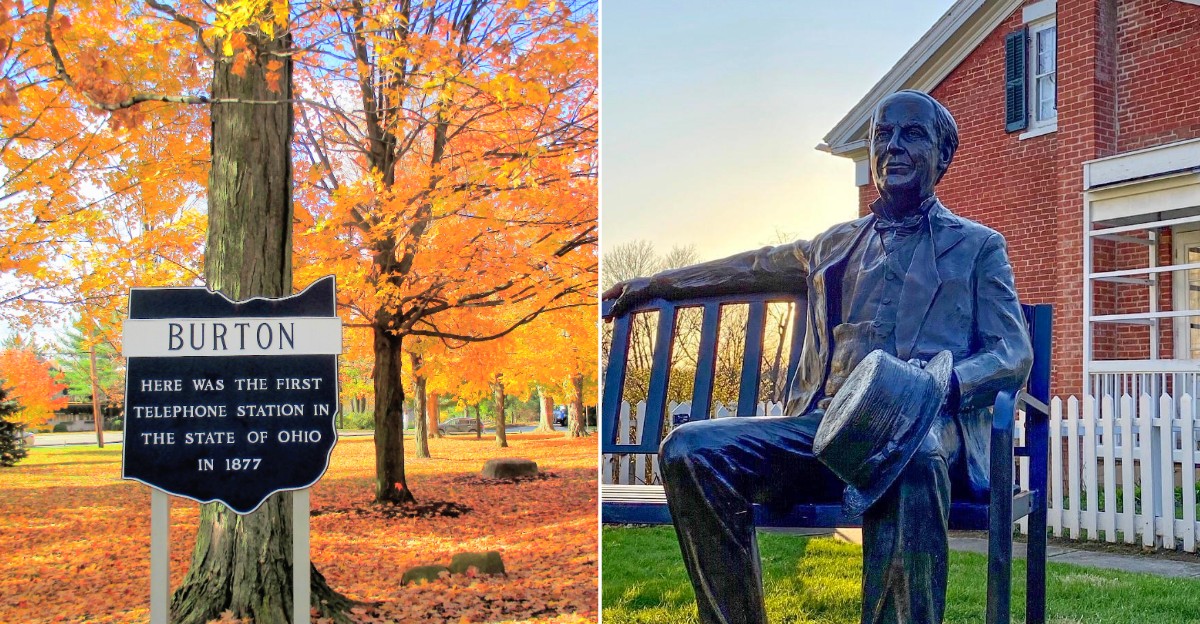
Some Ohio towns look like they missed a few decades of updates, and I mean that as a compliment.
I have wandered through places where the storefronts, public squares, and old brick buildings still look surprisingly close to photos taken generations ago.
That is what caught my attention about these 13 towns. In one place, you might pass an inn that has welcomed travelers for centuries.
In another, you can follow an old canal route or hear a waterfall right beside downtown.
A few are perfect for an easy Saturday drive. Others give you enough to fill an entire weekend with shops, local stops, and time to wander without checking the clock.
So if your next free weekend needs somewhere to go, skip the strip malls. These Ohio towns still have plenty of older stories written right into their streets.
1. Zoar
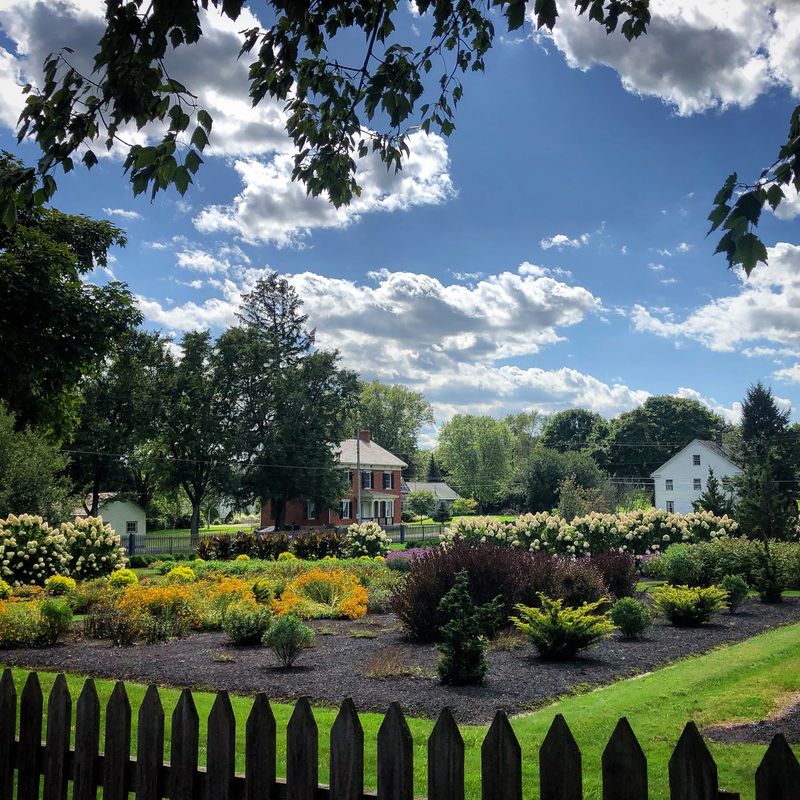
Some towns were built by neighbors. Zoar was built by a whole group of people who shared everything.
Founded in 1817, Zoar Village is at 198 Main St in Zoar, Ohio. It is among the most remarkable preserved communities in the state.
The original village layout is still easy to follow. Restored 19th-century buildings line the streets, and the gardens give the place a calm, tidy look.
Many former communal structures remain, so you can picture how families lived and worked together. Reading the signs and peeking into the buildings felt like flipping through a very large history book.
Plan a slow visit. Wander the garden paths first, then walk the streets and notice how the architecture still looks much as it did long ago.
Spring and early fall are lovely times to go, since the gardens look their best and the air is comfortable for walking. Bring water and a camera.
If you want to see early Ohio life in a place that feels authentic, Zoar is a fine first stop on this trip, and it sets the bar high for everything that follows.
2. Milan
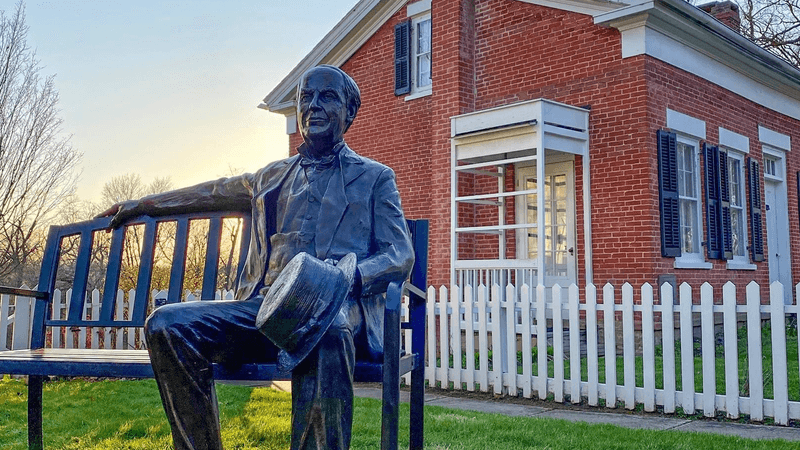
Here is a bright idea for your road trip: visit the town where Thomas Edison was born.
The Thomas Edison Birthplace Museum sits at 9 N Edison Dr in Milan, Ohio.
The village keeps the look of a traditional New England-style town. A historic square anchors the center, and tree-lined streets lead off in every direction.
Restored buildings and antique shops make browsing easy. I spent a happy hour poking through shelves of old treasures and never once felt rushed.
The preserved downtown is what makes Milan so fitting for a nostalgic drive. Nothing feels flashy, and that is the charm.
Start at the museum to learn about Edison’s early years, then stroll the square and see how the surrounding streets fit together. The walk is short and flat, so it works for almost anyone.
Fall color makes the tree-lined blocks especially pretty. Whatever the season, Milan rewards a relaxed pace, a curious mind, and a little room in your bag for souvenirs.
3. Burton
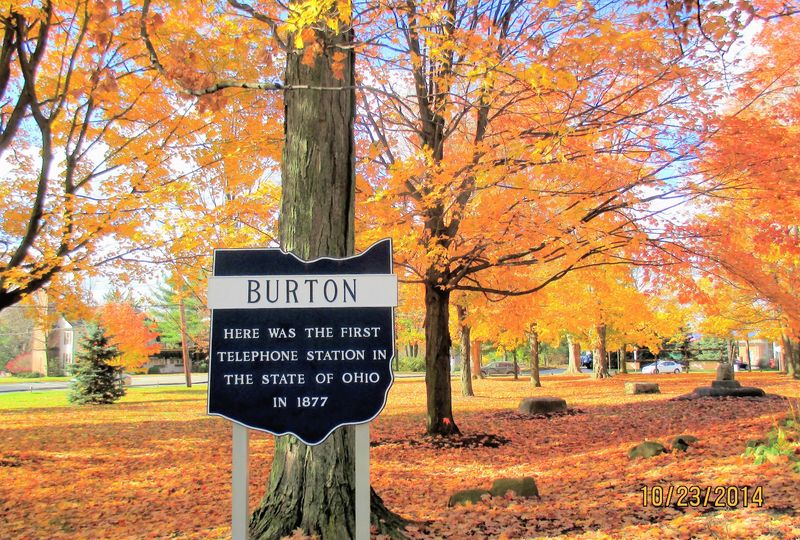
A village green is a simple thing, yet Burton makes it feel special.
Burton Village Hall stands at 14588 W Park St in Burton, Ohio, right by the green.
Buildings around the green recall the early Western Reserve communities of Ohio. The historic district includes structures dating from 1815 to 1891.
That span of years gives the streets a nicely mixed look. Older and newer styles sit side by side, and together they keep the classic small-town setting intact.
Park once and walk. Circle the green, read the building details, and take your time, because the pleasure here is in the small things.
Bring a blanket on a warm day and sit on the grass for a while. Watching the town go about its business is half the fun.
Burton is a quiet stop, and I mean that as a compliment. It asks very little of you and gives back plenty of historic atmosphere, which makes it a smart pick for an easy afternoon outing.
4. Peninsula
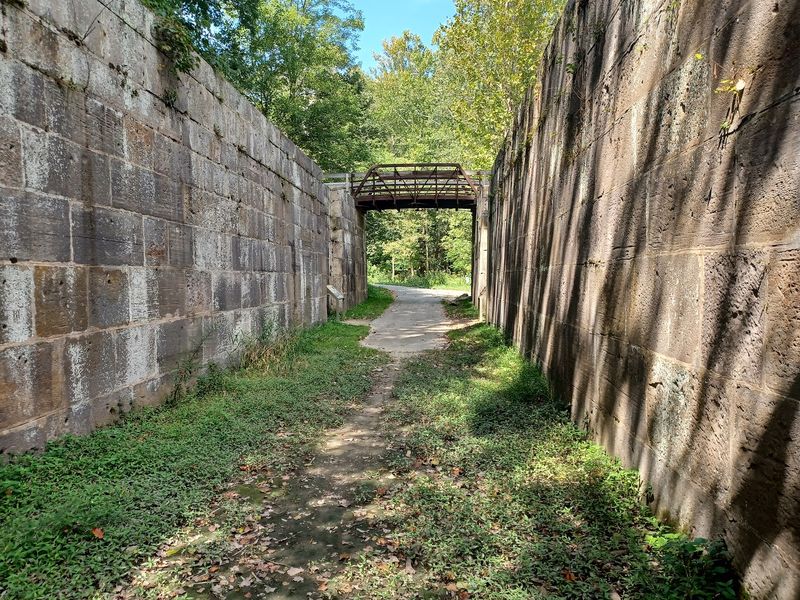
Bike bells, train whistles, and creaky porch boards set the soundtrack in Peninsula.
Start at the Lock 29 Trailhead, 1648 Mill St in Peninsula, Ohio.
The village sits within Cuyahoga Valley National Park, and it keeps much of its 19th-century canal-town appearance. Historic houses and traditional storefronts line the streets.
A preserved railroad depot adds to the scene. The Ohio & Erie Canal heritage is easy to spot, since the old waterway shaped the town’s story.
Walk the trail for a bit, then loop back into the village for a look at the shops. The mix of woods and old buildings is what makes this place so atmospheric.
Autumn is a favorite time to visit because the park glows with color. Wear comfortable shoes, because you will want to roam farther than planned.
Peninsula proves that a town can stay true to its past while still welcoming hikers, bikers, and curious road trippers every single weekend.
5. Granville
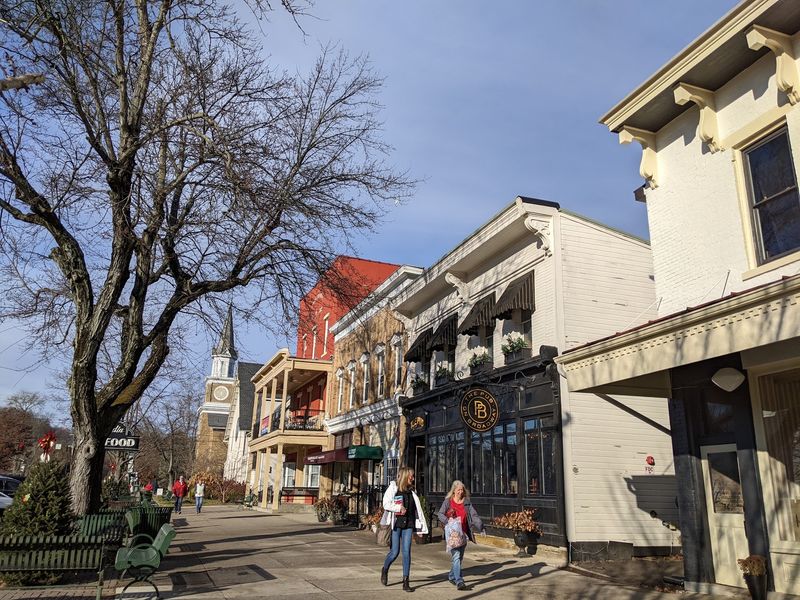
College towns usually feel busy, yet Granville still manages a graceful, old-fashioned calm.
Granville Village Hall is at 141 E Broadway in Granville, Ohio.
The Broadway corridor shows off historic architecture, traditional storefronts, and a distinct New England influence. Despite being an active college community, the village has kept an attractive historic downtown.
Longstanding inns and independent shops add to the mood. I liked wandering in and out of the stores, since each one had its own personality.
Classic streetscapes make for easy photos. Stand at one end of Broadway and look down the block, and you will see why locals are so proud.
Give yourself time to sit on a bench and watch the town pass by. Students, families, and visitors all share the sidewalks here.
Granville blends youthful energy with historic charm, and that mix is rare. Come for the buildings, stay for the shops, and leave with a long list of reasons to return.
6. Waynesville
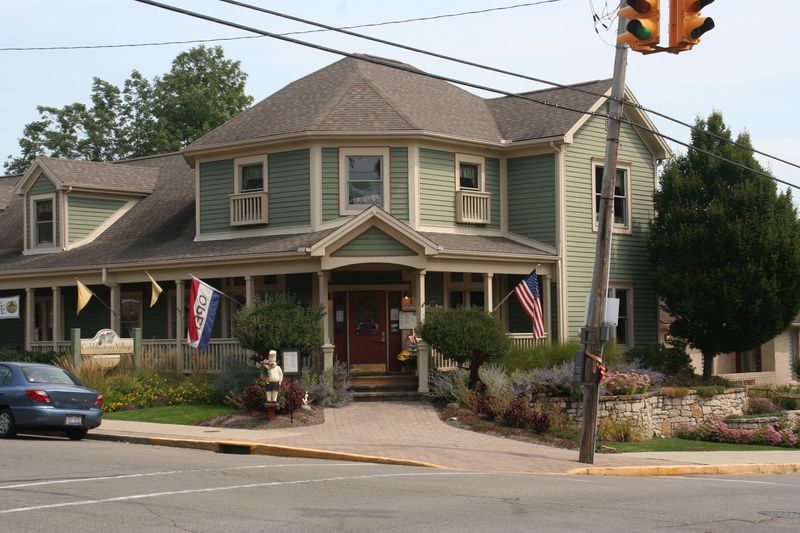
Antique lovers, this one is for you.
Waynesville is known for its antique-shopping tradition, and it has an exceptionally well-preserved Main Street historic district.
The Museum at the Friends Home, at 115 S 4th St in Waynesville, Ohio, preserves stories and artifacts from the community’s past. It is a good place to begin, since it gives context for the buildings you will see outside.
Numerous 19th-century commercial buildings and residences remain along the street. Shops fill many of them, so you can browse in rooms that have served customers for generations.
Go with an open mind and a little patience. The best finds are often tucked behind other items, and half the thrill is the hunt.
Wear comfortable shoes and bring a tote bag. Weekends can be lively, so arriving early gives you quieter aisles.
Waynesville keeps its past on display in a friendly way, and that makes browsing here a pleasure for collectors and casual strollers alike.
7. Lebanon
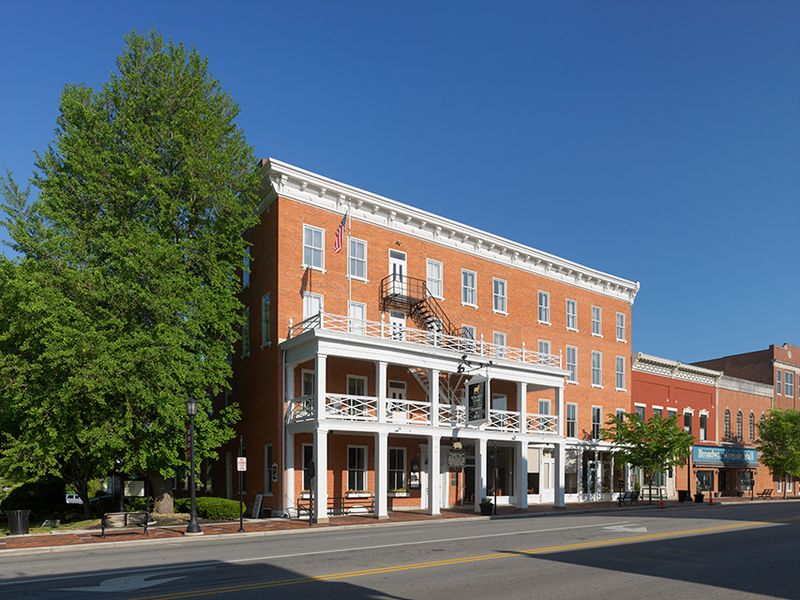
Few inns can say they have welcomed guests since 1803, but the Golden Lamb can.
You will find it at 27 S Broadway St in Lebanon, Ohio.
The inn still operates at its longtime downtown location. That continuity gives the surrounding streets a strong sense of history.
Lebanon’s historic downtown offers traditional brick buildings and antique shops. The Golden Lamb is one of the best-known historic landmarks in Ohio, so it makes a natural anchor for your visit.
Walk past the front and take a look at the building before exploring the blocks around it. Then duck into a few shops and see what catches your eye.
Bring a camera, since the brick storefronts look especially warm in late afternoon light. Parking is usually easy to find nearby.
Lebanon feels sturdy and settled, like a town that knows exactly who it is. That confidence is what makes a stroll here so relaxing.
8. Tipp City
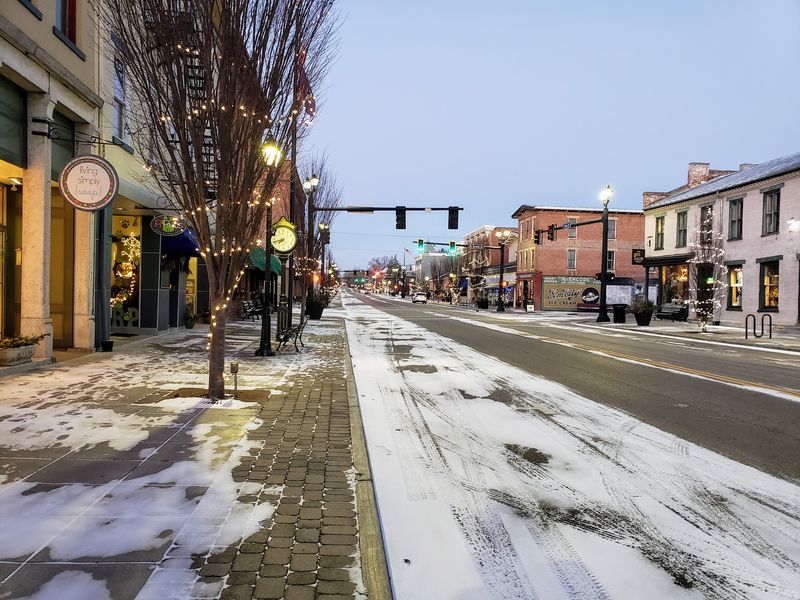
Founded in 1840, Tipp City has worked hard to protect its traditional downtown.
The Historic City Building stands at 3 E Main St in Tipp City, Ohio.
Main Street includes restored commercial buildings and independently operated stores. Some structures date to the canal era, which adds a layer of history to every block.
That careful protection is what makes Tipp City such a convincing vintage Ohio destination. The street looks like a place where people still run errands on foot.
Stroll slowly and look up. Upper-story details and old cornices are easy to miss if you only glance at the shop windows.
Stop in a few stores and chat with the owners. They often know fun stories about the buildings they work in.
Pick a clear day, park near the center, and let the street lead you. Tipp City rewards a leisurely pace, and you may find yourself wishing the sidewalk were longer.
9. Somerset
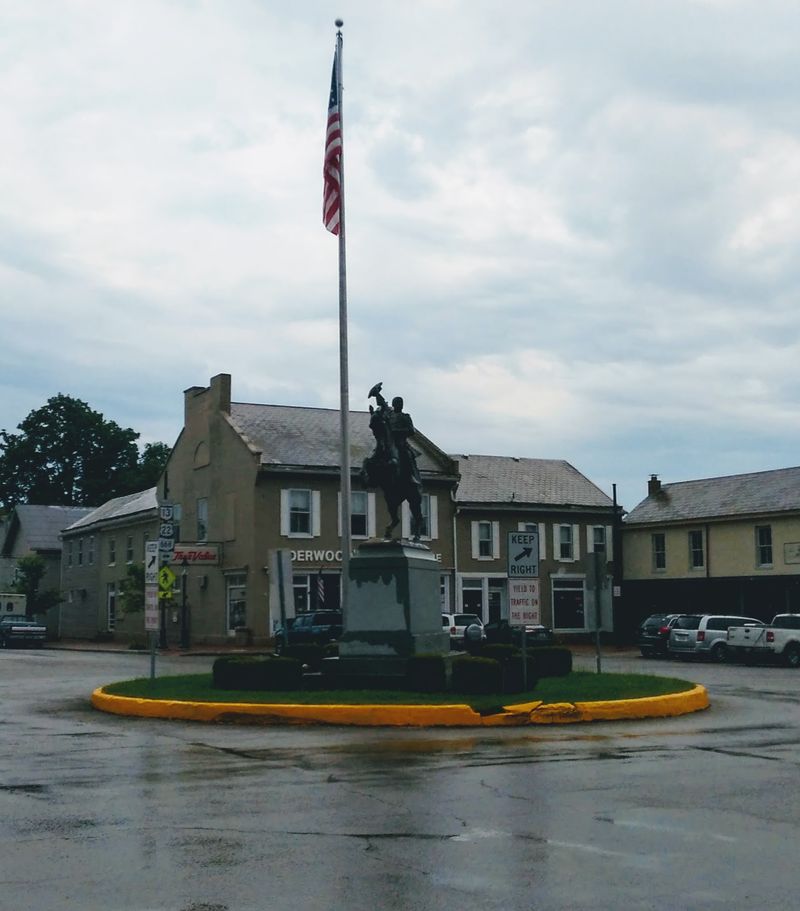
Picture a county seat that kept its early look while the world moved on.
That is Somerset, home to the Old Perry County Courthouse at 100 Public Square in Somerset, Ohio.
It is one of the best-preserved early county-seat villages in Ohio. The historic public square, the 1829 courthouse, and surrounding 19th-century buildings keep much of their original character.
The downtown district is especially appealing to travelers who enjoy early Ohio architecture. Take your time circling the square and noticing how each building adds to the whole picture.
Begin at the courthouse, then walk outward and compare the styles you see. Brick, trim, and window shapes all tell small stories.
A quiet weekday is a nice time to go, since you can pause in the middle of the square without much bustle. Bring a notebook if you like jotting down details.
Somerset is modest, tidy, and full of old-school character, and it wins you over without raising its voice.
10. McConnelsville
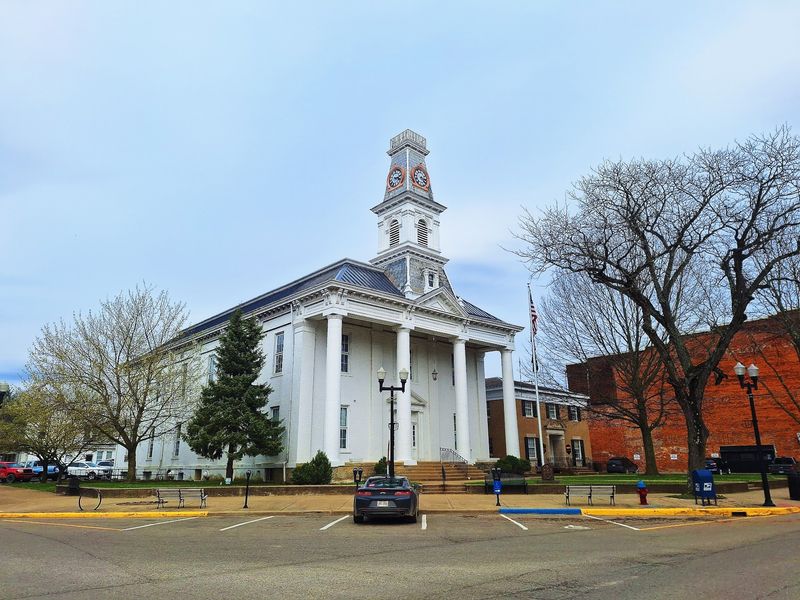
Old photographs and today’s streets match up surprisingly well in McConnelsville.
The Morgan County Courthouse sits at 19 E Main St in McConnelsville, Ohio, along the Muskingum River.
The town features a historic courthouse square and handsome brick storefronts. The enduring Twin City Opera House adds a touch of stage-ready charm.
Historic photographs show that much of the downtown architecture looks remarkably like it did generations ago. Comparing a picture to the real view is a fun game to play with your travel buddies.
Start at the square and walk the surrounding blocks. Then head toward the river for a calmer view of the valley.
Check the Opera House schedule before you go, since a show can turn a simple stop into a memorable evening. Comfortable shoes help, because the downtown is made for walking.
McConnelsville is steady and welcoming, and its brick faces seem to smile back at visitors who take the time to look.
11. Ripleyt
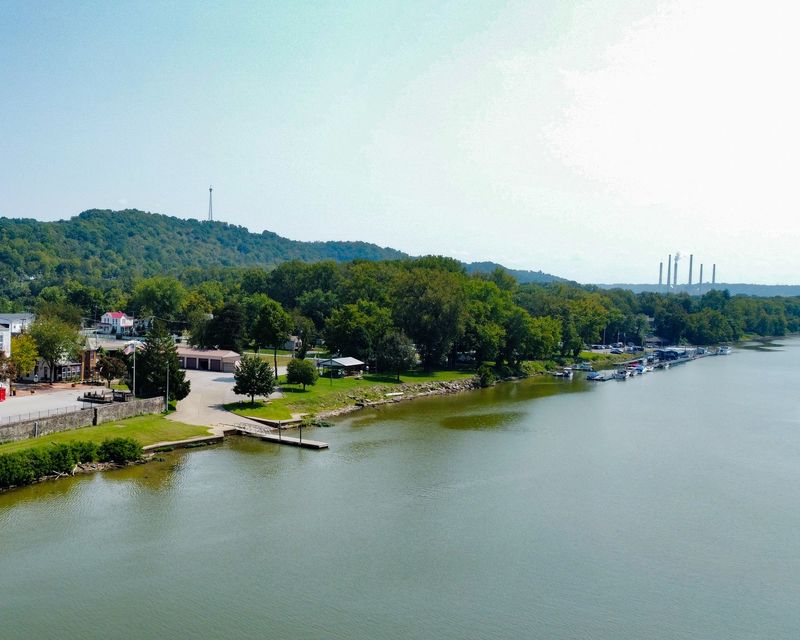
History has a front-row seat on the Ohio River in Ripley.
The John P. Parker House is at 300 Front St in Ripley, Ohio.
The historic waterfront preserves an impressive collection of early brick buildings and homes. Its nationally recognized historic district is an unusually intact example of a 19th-century river town.
Important Underground Railroad landmarks add great historical significance. Visiting them gives the pretty streets a deeper meaning.
Walk along Front Street and then climb a block or two to see more of the district. The views of the river make the effort worthwhile.
Take your time reading any markers you find. Each one adds a layer to the story of the town and the people who lived here.
Ripley mixes scenic beauty with meaningful history, and that combination stays with you long after the drive home. Bring a camera and a thoughtful mood.
12. Marietta
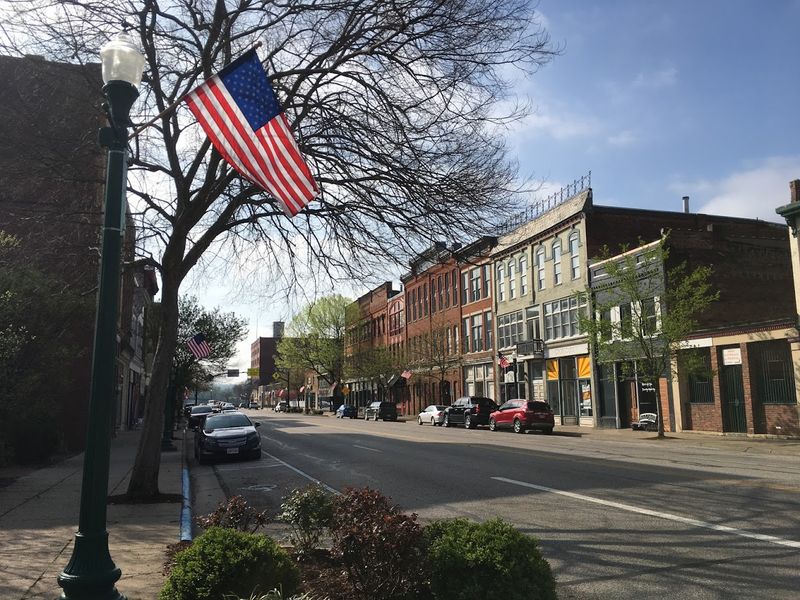
Marietta was founded in 1788, which makes it one of the oldest and most historically significant destinations in Ohio.
Start at the Marietta Visitor Center, 241 Front St in Marietta, Ohio.
Brick-paved streets, Victorian architecture, and historic downtown storefronts preserve the character of an earlier era. Riverfront landmarks add even more to the scene.
The nearby Harmar neighborhood gives extra vintage appeal. Plan to cross over and explore it after you finish downtown.
Walk the brick streets slowly and listen to the sound your shoes make. It is a small detail that makes the place feel different from newer towns.
Grab a map at the visitor center and choose a route by the river. Early evening light makes the buildings glow, so linger if you can.
Marietta offers plenty to see without feeling crowded, and it deserves a long, unhurried visit from anyone chasing old Ohio.
13. Chagrin Falls
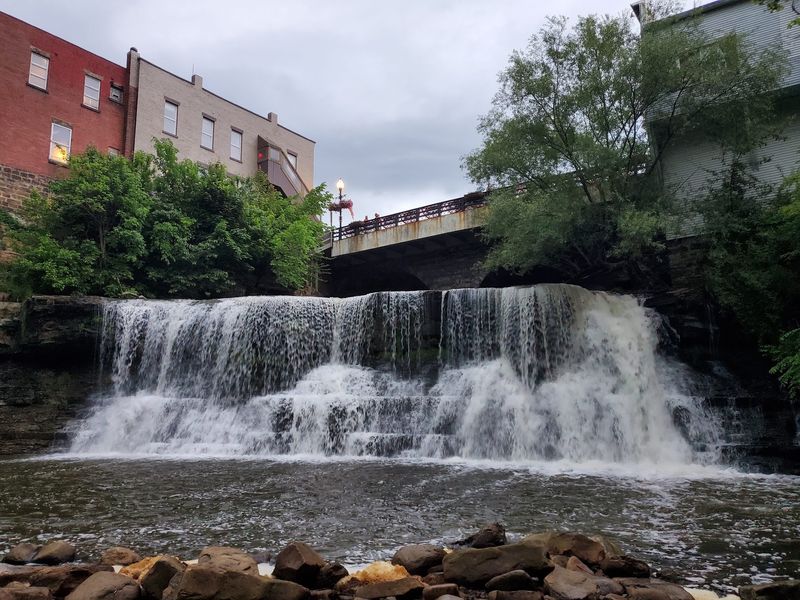
A waterfall in the middle of town sounds like a movie set, yet Chagrin Falls is real.
The Village Park Falls Viewing Area is at 53 N Main St in Chagrin Falls, Ohio.
The village combines preserved historic storefronts, a traditional square, and that waterfall right downtown. Its walkable streets make it easy to see everything on foot.
Older commercial architecture and independent businesses give Chagrin Falls a distinctive small-town identity. That is impressive given how close it sits to Cleveland.
Begin at the viewing area and listen to the water. Then stroll the square and peek into a few shops along the way.
Visit on a sunny afternoon when the streets are lively but not packed. Comfortable shoes and a camera are all you need.
Chagrin Falls is a fitting last stop on this tour, since it shows how a village can stay charming and rooted in the past while sitting near a big city.