
This Mystical Florida Lake Is So Otherworldly, You’ll Feel Like You’ve Stepped Into Another World
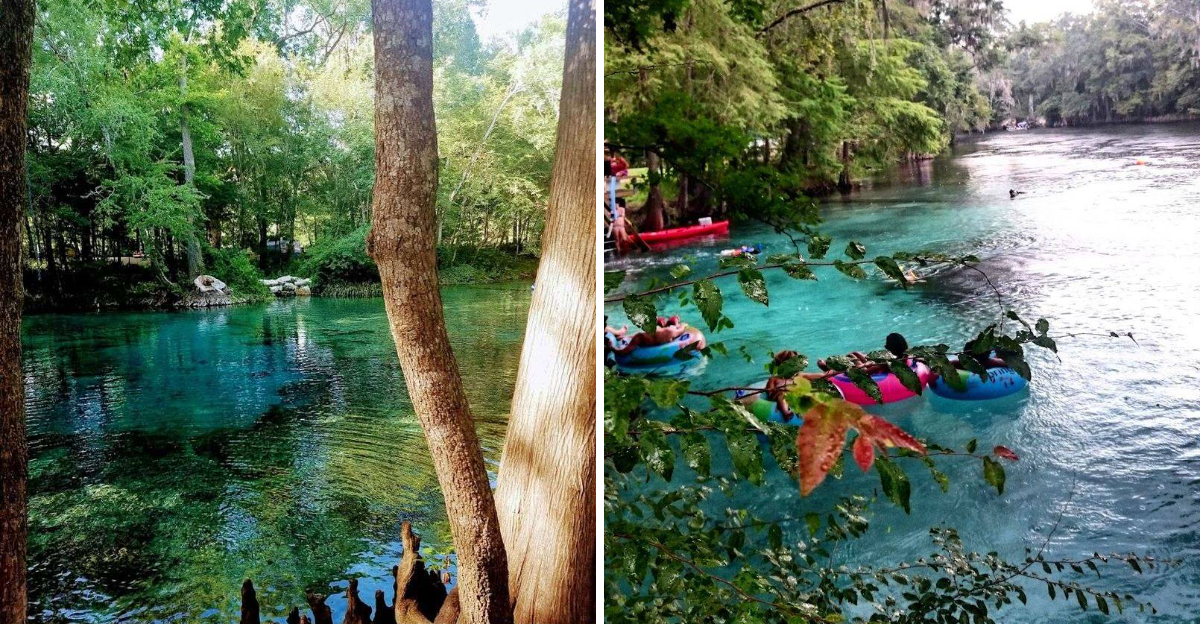
You don’t expect water in Florida to look this unreal, and then you see it for yourself.
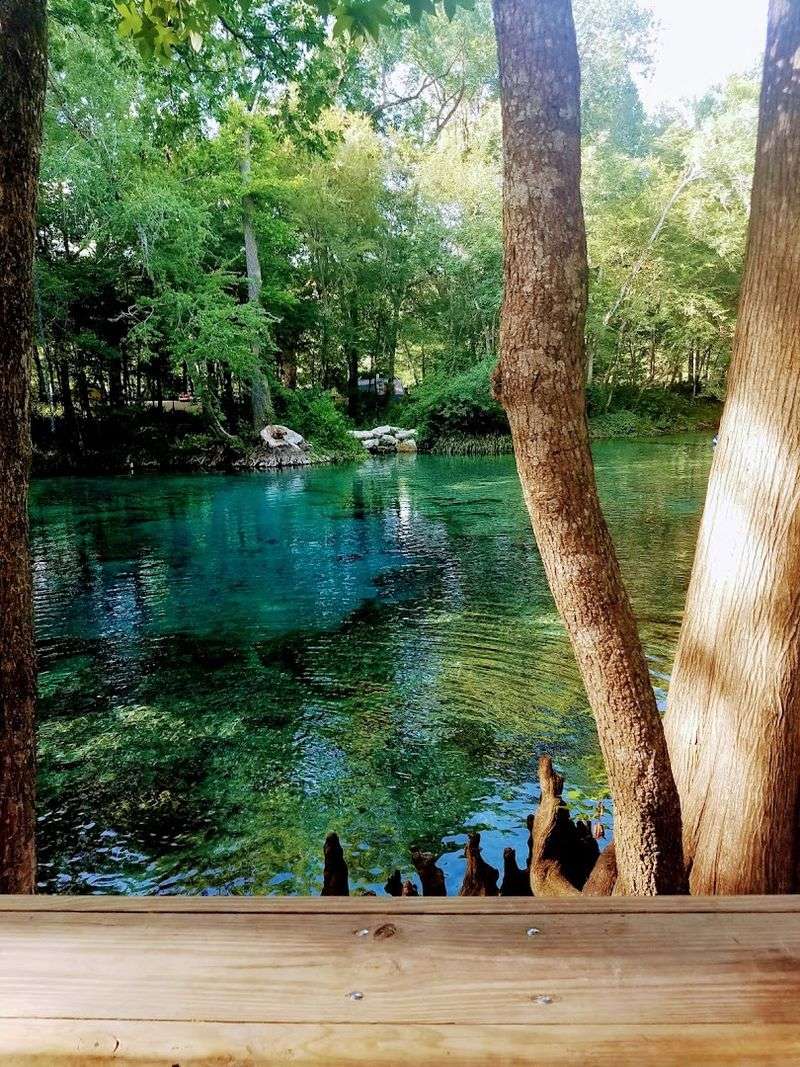
From the edge, it almost doesn’t register. The color is too clear, too blue, like something filtered or edited.
Then you step closer, and nothing changes.
Water like this in Florida doesn’t feel natural at first, and that’s exactly what makes it so hard to look away.
You can see straight through it. Sand, movement, details you wouldn’t expect to notice.
Everything feels sharper, calmer, almost suspended.
People don’t rush in. They stop, look, and take a second before stepping into it.
The temperature stays steady, the surface barely moves, and the whole place feels quieter than it should.
It’s not just a swim spot.
It’s something you experience before you even get in.
And once you do, it’s hard to forget.
Crystal-Clear Water That Defies Belief
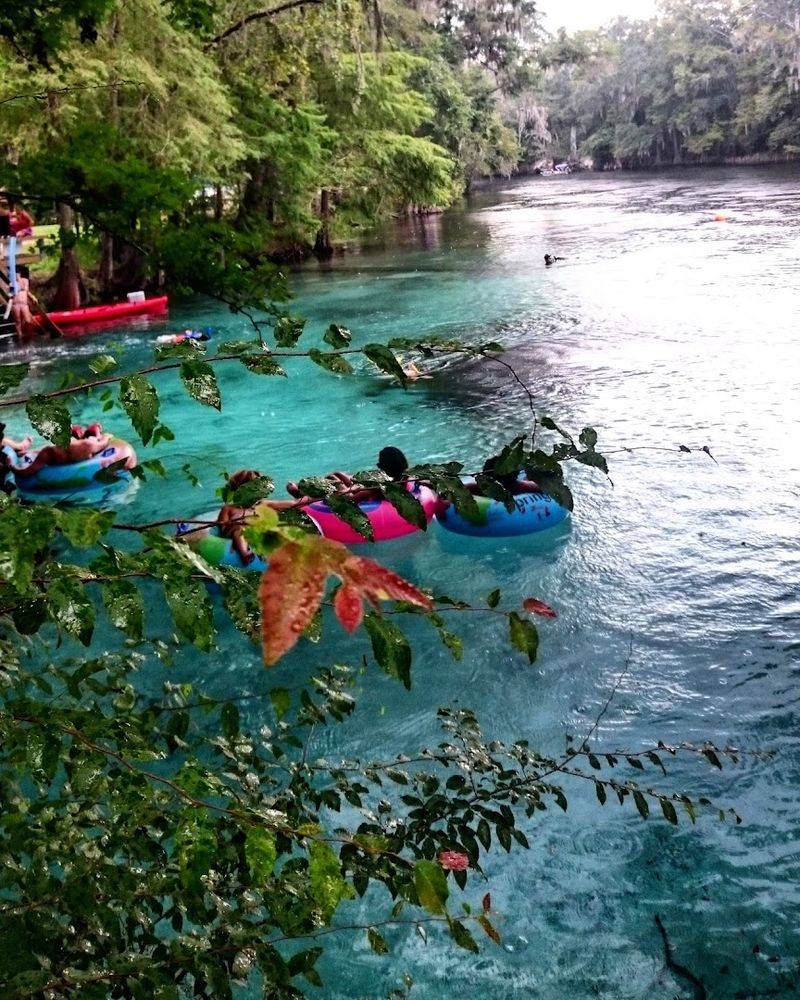
Most people expect lake water to be murky, green, or at least a little suspicious-looking. The springs around High Springs, Florida shatter every one of those expectations the moment sunlight hits the surface.
The water clarity here is so extreme that you can see every grain of sand and every pebble sitting 20 or even 30 feet below you. Scientists measure water clarity using a Secchi disc, and Florida springs routinely score near the very top of those measurements worldwide.
The reason is simple but fascinating. Rainwater slowly filters through layers of limestone for years before emerging as spring water, stripping out nearly every particle along the way.
What comes out the other side is water so pure it almost looks artificially colored. That electric blue-green glow you see in photos is completely real, and standing at the edge of a spring for the first time genuinely stops people mid-sentence.
A Constant 68-Degree Temperature Year-Round
Here is a fact that sounds made up but is completely true: the springs near High Springs, Florida stay at exactly 68 degrees Fahrenheit every single day of the year, summer or winter, rain or shine.
That steady temperature comes from the Floridan Aquifer, one of the most productive aquifer systems on Earth. Water stored deep underground insulates itself from surface temperature swings, emerging at that consistent cool level no matter what season it is.
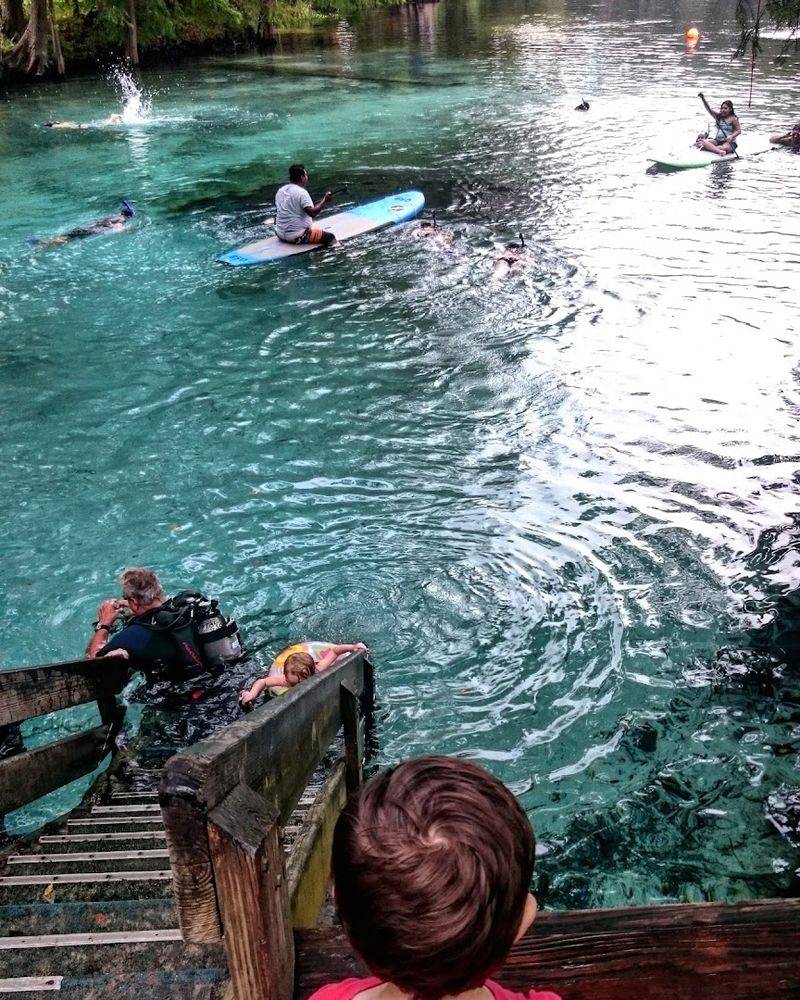
On a blazing Florida August afternoon when the air hits 95 degrees, jumping into 68-degree spring water feels like the greatest decision a human being has ever made. In January, that same water actually feels warm compared to the chilly Florida air around it.
Swimmers, snorkelers, and scuba divers all take advantage of this natural climate control. It is one of the reasons Florida springs are popular 365 days a year without interruption.
The Ancient Floridan Aquifer Beneath Your Feet
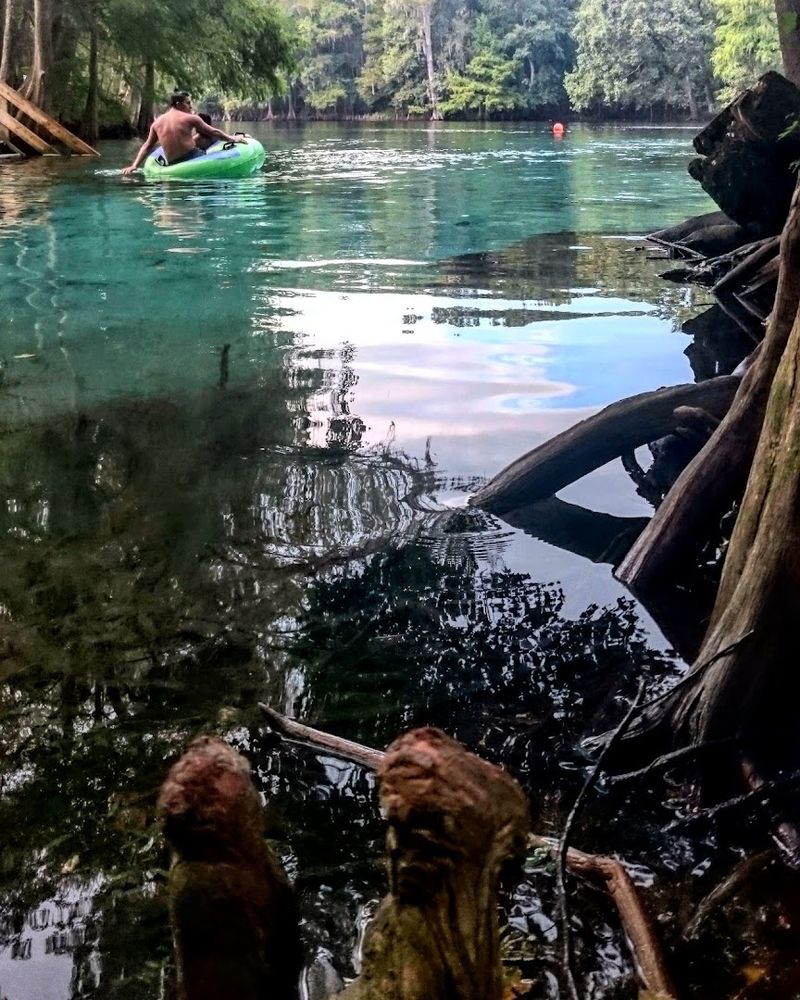
Floating on the surface of a spring, it is easy to forget that something enormous is happening just beneath you. The Floridan Aquifer, which feeds the springs around High Springs, Florida, is one of the largest and most productive aquifer systems anywhere on the planet.
It stretches across roughly 100,000 square miles, covering most of Florida and parts of Georgia, Alabama, and South Carolina. Water enters this massive underground reservoir through rainwater seeping through porous limestone over hundreds or even thousands of years.
Limestone dissolves slowly when exposed to slightly acidic groundwater, carving out tunnels, caves, and chambers deep underground. Those passages eventually connect to spring vents that push billions of gallons of fresh water to the surface every single day across Florida.
The aquifer is not just a curiosity for scientists. It is the living engine behind every magical spring experience that draws visitors to this part of Florida year after year.
Manatees Using Springs As Warm-Weather Refuges
Manatees are not exactly what most people picture when they think of a freshwater spring, but Florida springs and manatees have a relationship that goes back centuries. These enormous, slow-moving marine mammals seek out spring water during cooler months because that steady 68-degree temperature is warmer than the Gulf waters they normally inhabit in winter.
Springs near High Springs, Florida occasionally attract manatees looking for thermal refuge, making an already otherworldly scene even more surreal. Imagine snorkeling through glass-clear water and suddenly finding yourself floating a few feet above a 1,000-pound manatee resting peacefully on the sandy floor.
Manatees are famously unbothered by human presence, often drifting slowly past swimmers without any sign of alarm. Florida law requires people to observe manatees passively and avoid touching or chasing them.
Sharing spring water with a manatee is one of those experiences that permanently rewires how a person thinks about the natural world.
World-Class Cave Diving Beneath The Surface
Beneath the peaceful surface of springs near High Springs, Florida lies a completely different world that most visitors never see. An intricate network of submerged limestone caves stretches for miles underground, drawing cave divers from every corner of the globe.
Cave diving is considered one of the most technically demanding forms of diving on Earth. Divers must carry specialized equipment, follow strict protocols, and complete advanced training before entering these underwater passages.
The payoff, however, is extraordinary.
Inside the caves, visibility can stretch 200 feet in every direction through water so clear it barely seems like a physical substance at all. Ancient stalactites and stalagmites formed thousands of years ago when these caves were dry hang frozen in place, creating a landscape that looks like it belongs on another planet.
The High Springs area has produced some of the longest mapped underwater cave systems ever explored, cementing its reputation as a bucket-list destination for serious cave divers worldwide.
Fossil Discoveries That Rewrite Natural History
Springs around High Springs, Florida have given scientists some of their most important windows into prehistoric Florida. The sandy floors and slow currents of spring-fed rivers preserve fossils in remarkable condition, and amateur fossil hunters regularly surface with jaws dropping over what they find.
Mastodon teeth, giant ground sloth bones, and ancient shark teeth have all been pulled from spring systems in this region. During the last Ice Age, when sea levels were much lower, Florida was twice as wide as it is today and populated with megafauna that would look completely at home in Africa.
Springs served as watering holes for these massive creatures, and their remains settled into the sediment over thousands of years. Today, snorkelers and divers who know what to look for can spot fossil fragments resting right on the riverbed.
There is something quietly thrilling about floating above a mastodon tooth that has been sitting in the same spot for 10,000 years.
The Suwannee River Connection
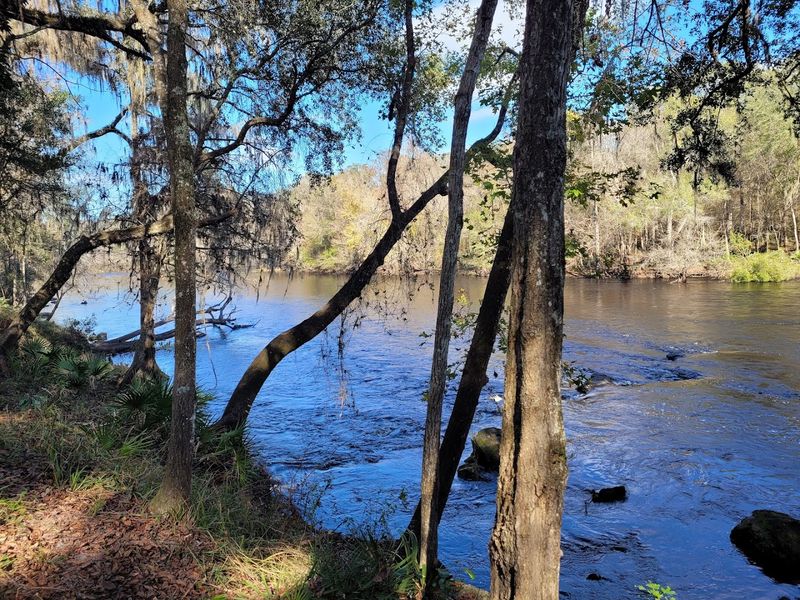
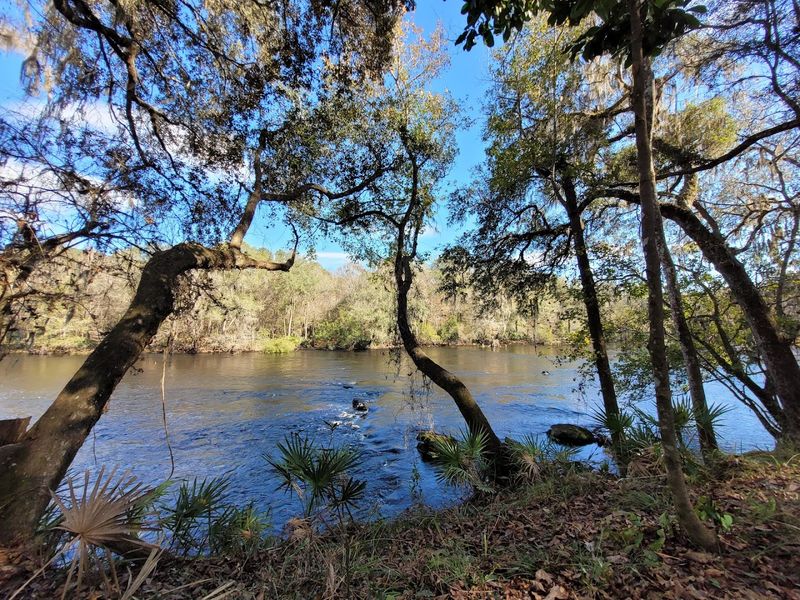
High Springs, Florida sits close to one of the most storied rivers in the American South. The Suwannee River, made famous by Stephen Foster’s 1851 song, flows through the region and connects to several of the spring systems that make this area so remarkable.
The Suwannee carries dark, tannic water stained by tannins from decaying plant material, which creates a dramatic visual contrast when it meets the crystal-clear spring outflows. Where the two waters meet, you can actually see the boundary between dark river water and bright spring water mixing in slow, swirling patterns.
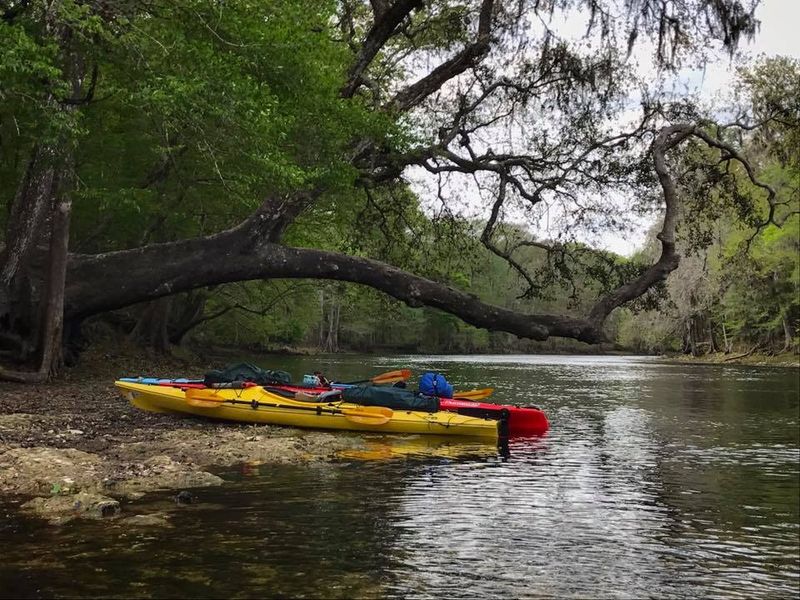
Paddling the Suwannee through this stretch of North Central Florida puts you inside a living postcard of old Florida wilderness. Limestone bluffs rise on both sides, draped in Spanish moss and ferns, while springs bubble out of the rock walls directly into the river.
Few river paddling experiences in Florida match the visual variety and natural richness found along this stretch of water.
Snorkeling Without Scuba Gear Or Special Training
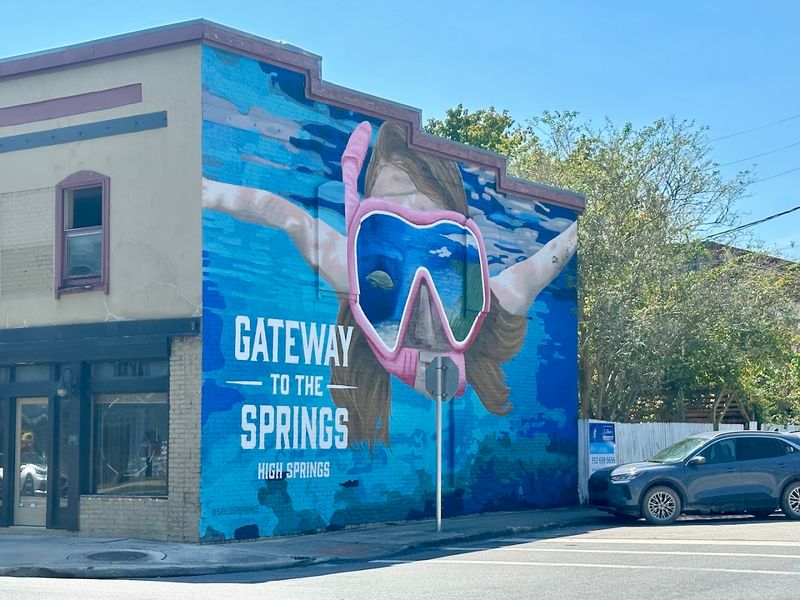
Not every incredible spring experience requires certification, specialized gear, or years of training. Many of the springs around High Springs, Florida are shallow enough for basic snorkeling, making the underwater world accessible to almost anyone willing to put on a mask and fins.
Freshwater fish like bass, bluegill, and gar drift lazily through the spring basins, completely accustomed to human visitors floating overhead. Turtles rest on submerged logs or paddle slowly through the water column, and the sandy bottom is covered in aquatic plants that sway gently in the spring current.
Even children can snorkel comfortably in many spring basins, since the water is calm, clear, and relatively shallow near the edges. It is one of the most low-barrier wildlife encounters available anywhere in Florida.
Renting basic snorkel gear is easy at parks near High Springs, so there is no need to bring your own equipment for a first visit.
The Role Of Limestone In Creating This Magic
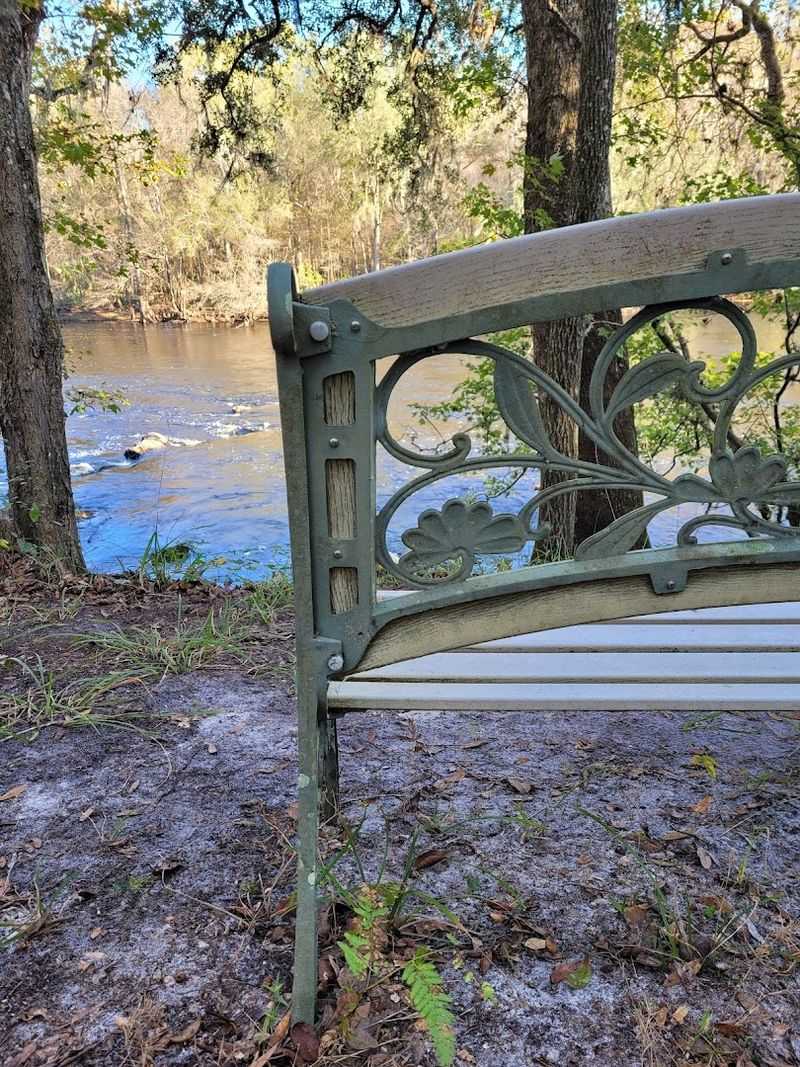
Florida sits on top of one of the thickest limestone platforms on Earth, and that geology is the direct reason places like High Springs exist at all. Limestone is a sedimentary rock made largely from ancient marine organisms that accumulated on the seafloor millions of years ago when Florida was completely underwater.
Over time, slightly acidic groundwater dissolves limestone, carving out the caves, tunnels, and vents that eventually become springs. This process, called karstification, has been shaping Florida’s underground landscape for millions of years and shows no signs of stopping.
At the surface, limestone shows up as dramatic bluffs, rocky outcroppings, and the hard white rock visible around spring edges. It filters and purifies groundwater as it passes through, contributing to that extraordinary clarity that makes Florida springs look more like swimming pools than natural water bodies.
Without limestone, there would be no aquifer, no springs, and no magic. The rock beneath your feet is doing all the heavy lifting.
Protecting Florida Springs For Future Generations
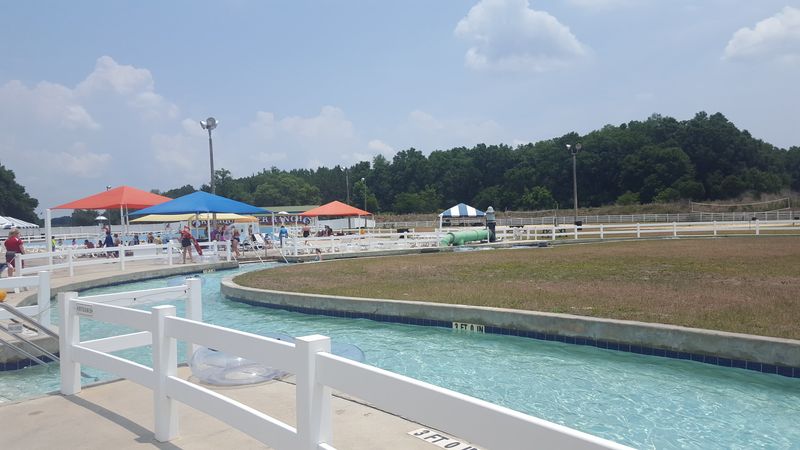
Florida springs are extraordinary, but they are also fragile. Over the past several decades, scientists have documented declining water clarity, reduced flow rates, and the spread of algae in many Florida spring systems, including those near High Springs, Florida.
The main culprits are excess nutrients, particularly nitrogen from agricultural runoff and septic systems, which feed algae blooms that cloud the water and suffocate native aquatic plants. Overdrawing groundwater for irrigation and development also reduces the pressure that pushes spring water to the surface.
Florida has invested significantly in spring restoration programs, with state and local organizations working to reduce nutrient pollution, replant native vegetation, and limit water withdrawals from the aquifer. Many spring parks enforce strict rules about swimming behavior, waste disposal, and vegetation protection.
Every visitor who follows the rules and respects the environment plays a small but real role in keeping these springs alive. The otherworldly experience of a Florida spring is worth protecting fiercely.