
There’s A California Town Where Wild Peacocks Roam The Streets And Nobody Seems Surprised
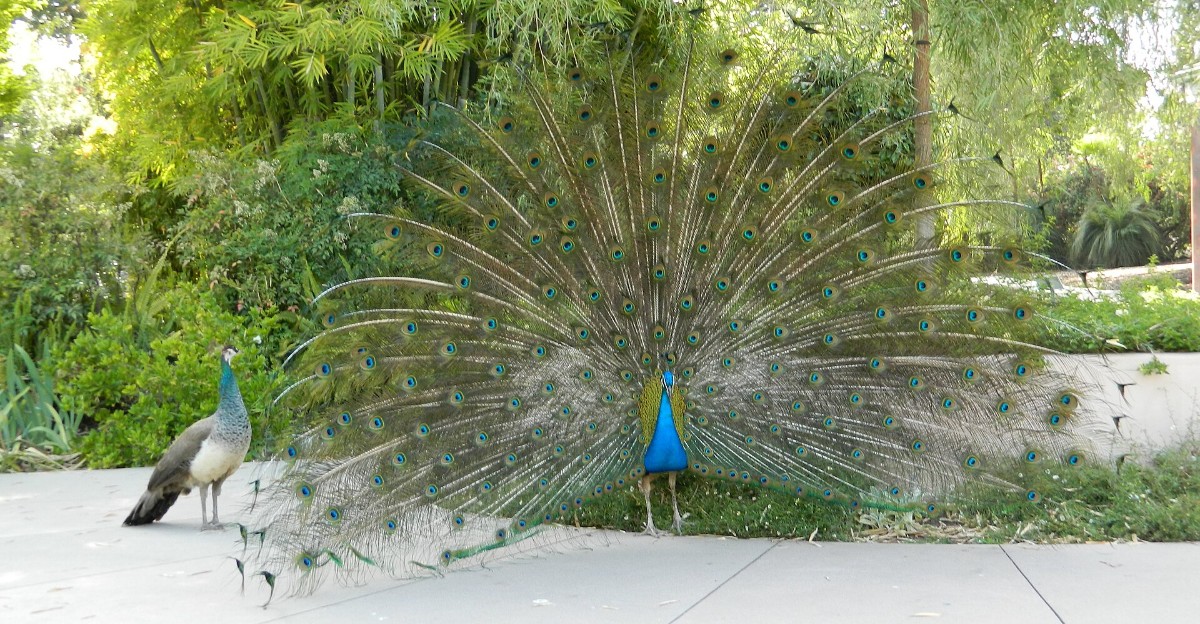
What would you do if a peacock suddenly wandered across the road during your morning commute? In one Southern California city, that scene is surprisingly common.
Drivers here actually stop for strutting birds with tails longer than a golf club.
The flock traces back to the 1800s and a man nicknamed Lucky. He brought peafowl to his ranch, and they never really left.
Now hundreds wander lawns, sidewalks, and rooftops like they pay the property taxes.
I like how the whole town shrugs at something most of us would film for an hour. The birds even show up on street signs.
Feeding them can cost you a hefty fine.
So how did a few fancy ranch pets take over a whole California city? The answer involves a racetrack millionaire, a famous garden, and a lot of screaming.
Blame It All On A Guy Named Lucky
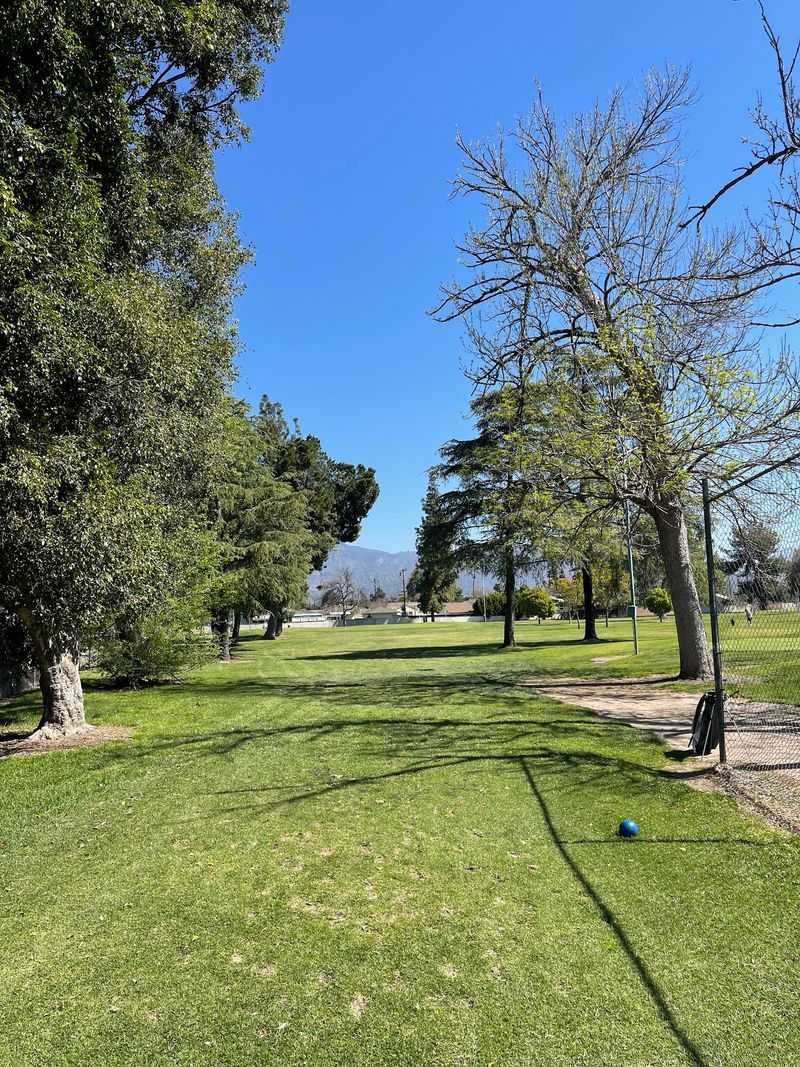
Every great town legend needs a colorful founder, and Arcadia got a wildly colorful one. Elias J. “Lucky” Baldwin earned his nickname through big bets on mining stocks and real estate.
Baldwin bought a huge chunk of land in the San Gabriel Valley in 1875. He turned it into Rancho Santa Anita, a showpiece estate with orchards, horses, and fancy buildings.
Then he added peafowl. Sources generally credit Baldwin with bringing the birds over from India in the late 1800s.
They weren’t only for looks, either. Peafowl were known to snack on snails and small snakes, and their loud calls worked like a feathered alarm system.
Baldwin helped found the City of Arcadia in 1903 and served as its first mayor. His birds kept multiplying long after his ranch days ended.
The heart of his old estate is now the Los Angeles County Arboretum and Botanic Garden. That’s where the peacock story still feels most alive.
Think of it as the family home base for every bird now strolling through California suburbia.
Not bad for a few decorative pets, right?
The City Put Its Favorite Bird On The Street Signs

Most cities pick a slogan or a skyline for their logo. Arcadia picked a bird that screams at dawn.
The peacock is the official bird of the City of Arcadia. Its likeness appears on the city seal and the city logo.
Look up while driving, and you’ll spot it again. Peacock images grace street signs across town, so the birds basically sign their own neighborhoods.
Honestly, that feels fair. The real birds already act like they own the place, so the city simply made it official.
That kind of branding tells you a lot about local attitudes. Arcadia, California, doesn’t treat the peafowl as a strange accident.
Instead, the birds are part of the town’s identity. They connect today’s quiet residential streets to the city’s ranch-era roots.
For visitors, the signs make a fun scavenger hunt. Count how many peacock emblems you can spot before you see a live one.
Fair warning, though. Sometimes the live bird wins, especially when it’s standing right underneath the sign like a smug little mascot checking its own reflection.
Head To The Arboretum For Peacock Central
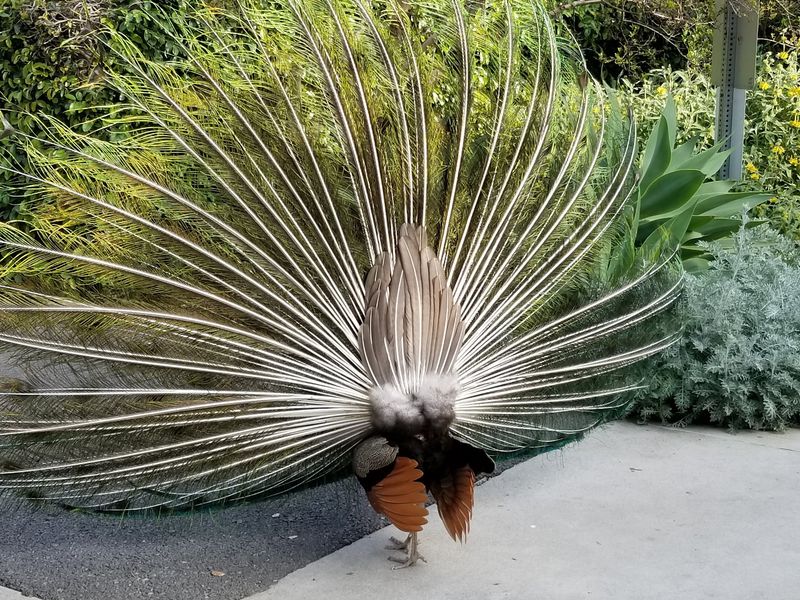
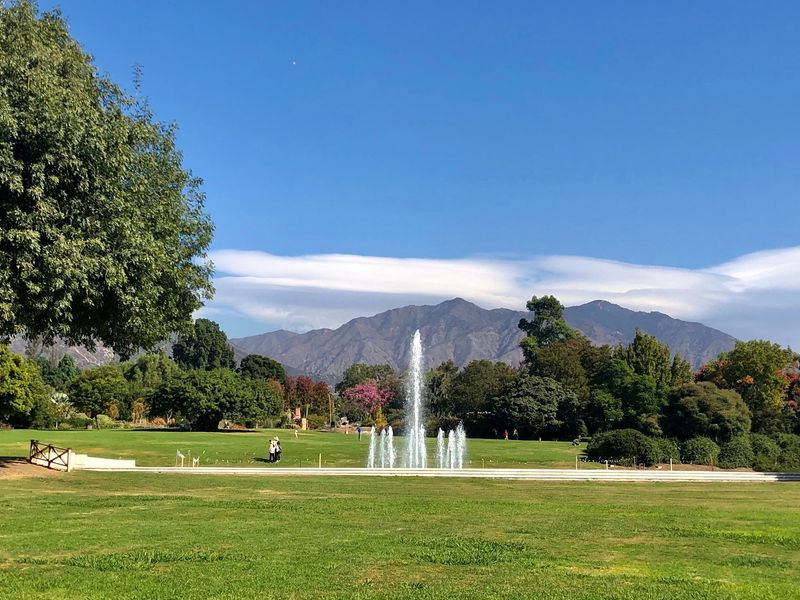
About 200 free-roaming peafowl call one garden home. That’s the Los Angeles County Arboretum and Botanic Garden, and it’s the best starting point for any peacock mission.
You’ll find it at 301 North Baldwin Avenue, Arcadia, CA 91007. The grounds cover roughly 127 acres of plants, paths, and lakes.
That’s a lot of space for birds to show off. Peacocks wander the lawns and walkways freely, so you won’t need a guide to find them.
Bring a camera with plenty of storage. A fully fanned tail looks dramatic against tropical plants and old ranch buildings.
There’s even a Peacock Cafe near the entrance. The name feels like a polite wink at the garden’s most famous residents.
The Arboretum asks visitors not to feed the birds. Human snacks can mess with their natural diet and make them pushy around people.
Keep a respectful distance, too. These are wild animals, even if they pose like professional models.
Spend a morning here, and you’ll understand why the whole town gave up being surprised. The birds simply belong.
The Neighborhoods Where Birds Rule The Sidewalks
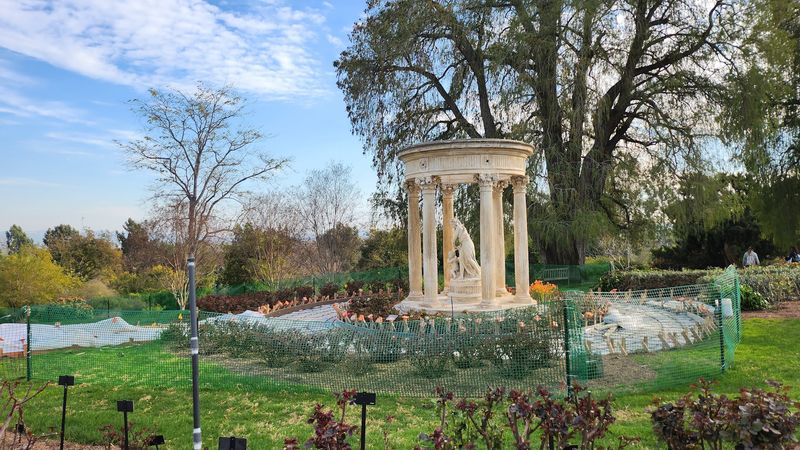
Hundreds of wild peafowl roam beyond the Arboretum fences. They’ve spread into the surrounding streets and made themselves very comfortable.
Some areas see more feathers than others. The Lower Rancho and Santa Anita Village neighborhoods are known peacock territory.
Those areas sit generally north of Huntington Drive and east of Michillinda Avenue. Streets near Hugo Reid Elementary School also see regular visitors.
Here, a peacock on a roof isn’t breaking news. Neither is one crossing the road at its own unhurried pace.
Mornings tend to be a good time to look. The birds are often more active early in the day.
If you go exploring, remember these are real neighborhoods. Stay on public sidewalks, drive slowly, and skip peeking into anyone’s backyard.
Patience pays off. A peahen might suddenly step out from a hedge with her chicks trailing behind.
And yes, peafowl can fly short distances. Many roost high in trees at night, which explains why you may hear them before you see them.
Just don’t expect them to move for you. They’ve had over a century of practice ignoring traffic.
When Peacocks Cross The Road, Drivers Take Notice
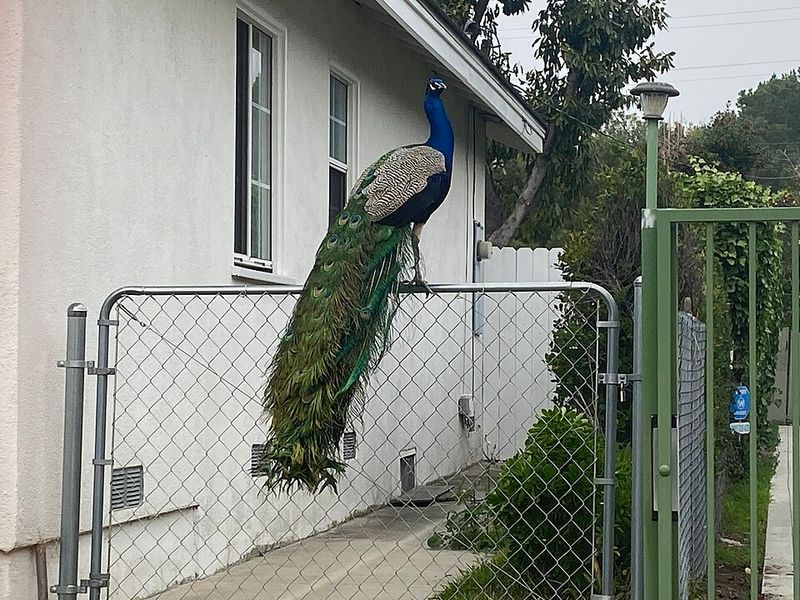
Slow down, because peafowl frequently wander across Arcadia’s streets. Drivers should watch carefully and give the birds enough space to cross safely.
That rule changes how driving feels here. A tiny traffic jam caused by one proud peacock is just part of local life.
The city takes feeding seriously, too. Feeding peafowl on public or private property is prohibited, and fines can reach up to a thousand dollars.
That’s a pricey bag of birdseed. The goal is to keep the birds wild and stop crowds from forming in front yards.
Arcadia also shares tips for residents who want fewer visitors. Suggestions include sprinklers, trimming roosting trees, covering compost bins, and choosing plants the birds dislike.
It’s a smart balance between admiration and practicality. Nobody wants to banish the birds, but nobody wants a garden buffet either.
Spot an injured peacock? Pasadena Humane is the group to contact for help.
So the rules really boil down to this. Admire them, brake for them, photograph them, and leave the snacks at home.
Your New Alarm Clock Has Feathers
Gorgeous? Absolutely.
Quiet? Not even a little.
Peacocks make loud, piercing calls that carry across whole neighborhoods. Some people compare the sound to a person yelling for help, which can be startling the first time.
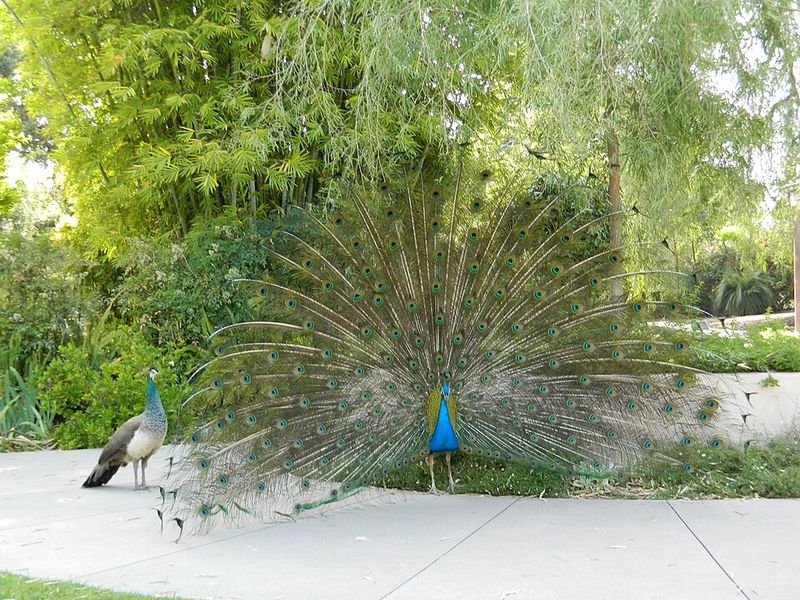
The calls often get louder and more frequent during mating season. That’s when males are busy showing off and announcing it to everyone nearby.
Early mornings can be especially lively. Since the birds roost in trees, their calls drift down from above like a surprise concert.
For a visitor, this is part of the fun. You’re hearing a soundtrack most American towns simply don’t have.
For residents, it can be a different story. Noise is one of the top complaints in the long local peacock debate.
Still, the sound helps explain the birds’ history. Their alarm calls made them handy watchdogs back on Baldwin’s ranch.
So if a shriek rings out while you’re strolling, relax. It’s probably just a peacock clearing its throat and reminding everyone who’s really in charge.
Not Everyone Is A Fan, And That’s Part Of The Story
Love them or grumble about them, everybody in Arcadia has an opinion on peacocks. The town’s relationship with its birds is affectionate but complicated.
Droppings on driveways are a common gripe. So are nibbled gardens, since peafowl are omnivores that happily forage through flower beds.
Then there’s the noise, which we’ve already covered. Put all three together, and you can see why some neighbors get frustrated.
The birds have even made headlines for wild antics. One peacock reportedly flew into a local store and knocked items off the shelves.
Picture a chaotic shopping trip, minus the cart. It’s funny unless you’re the one cleaning up afterward.
On the flip side, plenty of residents cherish the flock. They see the birds as living history and a big piece of local charm.
That ongoing debate keeps the story interesting. It’s real community life, not a polished postcard.
Honestly, the disagreement makes the town more relatable. Every place has quirks, but few have quirks that strut around with sparkly tails.
Plan A Peacock Day You Won’t Forget
Morning is your friend here. Peafowl tend to be more active early, so start your visit before the day heats up.
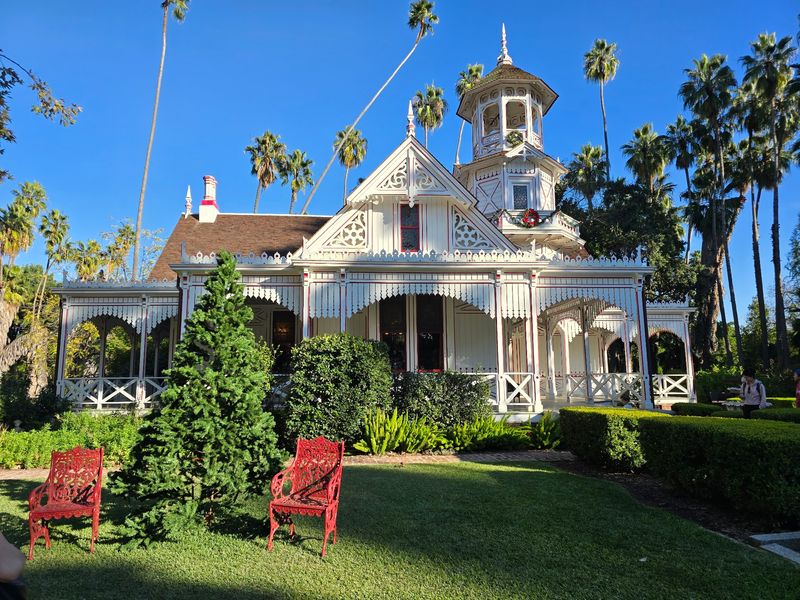
Begin at the Los Angeles County Arboretum and Botanic Garden. You’ll see plenty of birds, plus gardens, lakes, and historic buildings from Baldwin’s ranch era.
Afterward, take a slow drive through nearby residential streets. Keep your eyes on rooftops, lawns, and the road itself.
Bring a zoom lens if you have one. It lets you grab great shots without crowding the birds.
Spring is a good season to look for full tail displays. Males show off their famous feathers while trying to impress the peahens.
Kids especially love the chance to spot birds outside a zoo. Turn it into a game and see who finds the first peacock.
Follow the house rules, naturally. Don’t feed or chase the birds, and always give them plenty of space, especially when they’re crossing the road.
Arcadia proves California still has a few delightful surprises. Come for the plants, stay for the parade, and leave with a camera roll full of shimmering blue-green swagger.