
This Massive Gothic Prison In Illinois Is Now One Of America’s Most Fascinating Museums
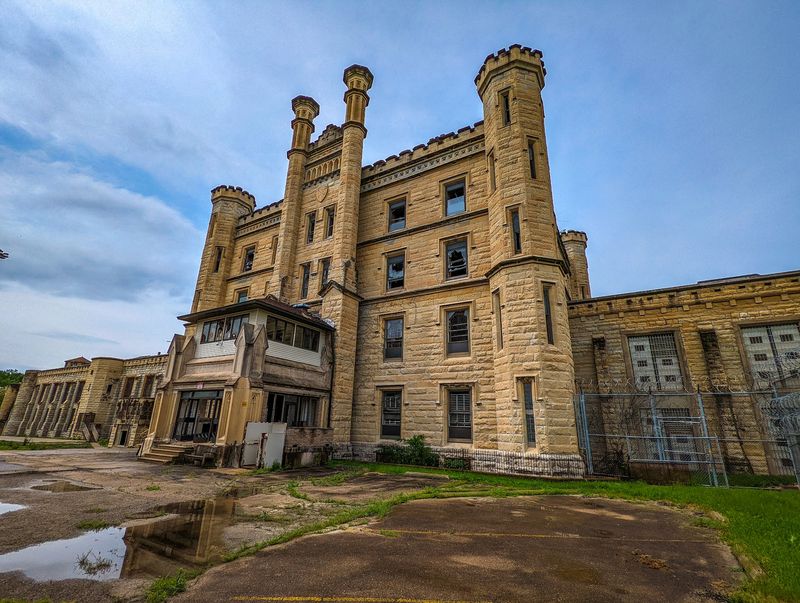
The first 53 prisoners to arrive here in 1858 were handed a strange job. They had to build the rest of their own prison around themselves.
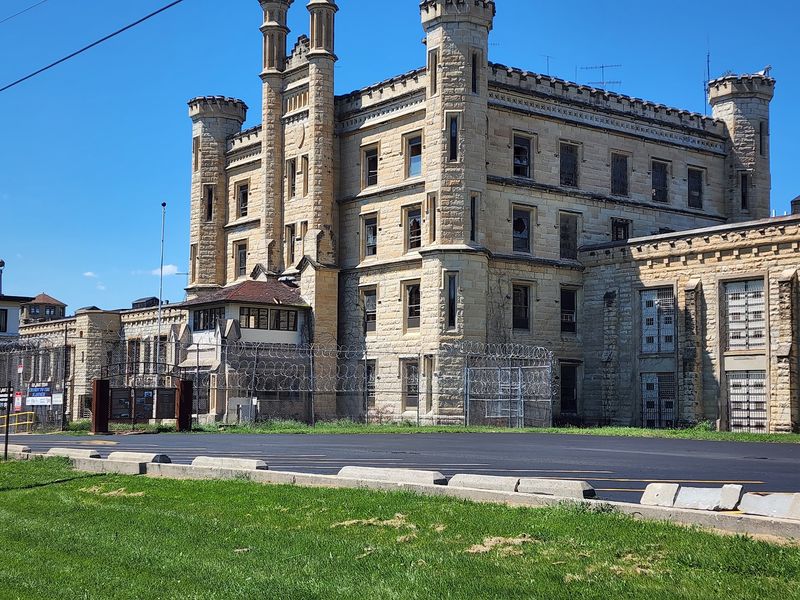
They quarried the limestone right on site. A famous Chicago architect gave the place towers and battlements, so it looks more like a European castle than a lockup.
I can’t imagine hauling stone for walls meant to keep me in.
Today, this Illinois fortress welcomes visitors instead of inmates. You can step into tiny original cells, wander an old dining hall, and stand at the gate where a famous movie character walked free.
I like how the place doesn’t pretend to be polished. Graffiti, fire damage, and crumbling roofs are part of the story now.
So how does a prison become one of the most interesting museums in the Midwest?
A Limestone Castle That Spent 144 Years Locking People In
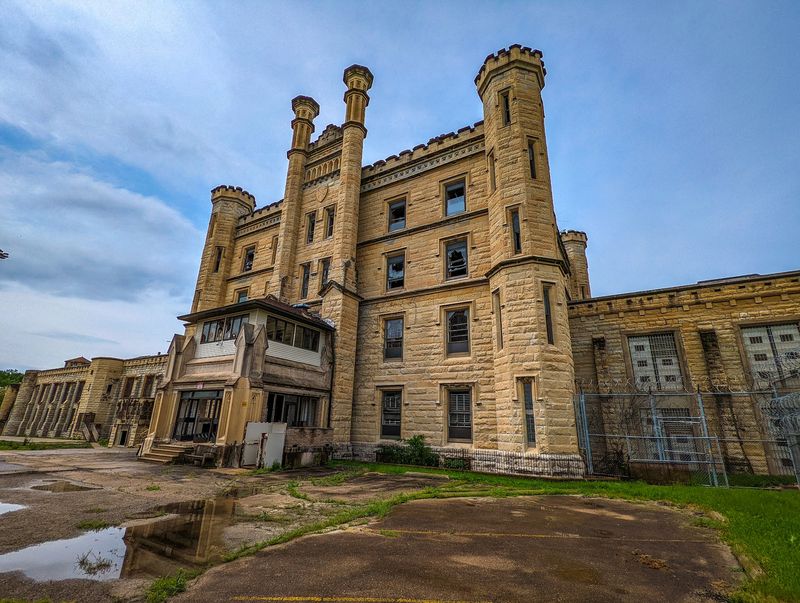
Old Joliet Prison sits on Collins Street in Joliet, roughly an hour southwest of downtown Chicago. From the road, it honestly looks like someone dropped a medieval castle into northern Illinois.
The prison opened on May 22, 1858, and it stayed in operation until 2002. That’s nearly 150 years of locked gates, roll calls, and cell house routines behind the same stone walls.
It went by plenty of names over the decades. Illinois State Penitentiary, Joliet Penitentiary, Joliet Correctional Center, and the Collins Street Prison all point to this one spot.
After it closed, the site sat empty for years and took a beating. The City of Joliet took control in 2017, and public tours began in 2018.
The Joliet Area Historical Museum now runs it as a historic site.
So what exactly is it today? Part history lesson, part architecture showcase, and part pop culture landmark.
It’s also a slightly spooky outing that works for curious kids, film fans, and anyone who loves old buildings.
That mix is rare. Most museums pick a lane, but this one happily wanders across several at once.
The Reform Story Behind Those Towering Walls
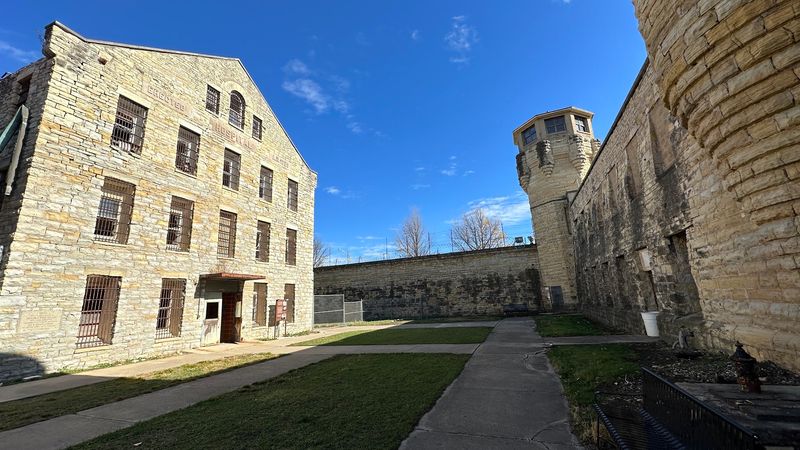
Believe it or not, this prison started as an improvement. Illinois’s first state penitentiary in Alton had fallen into awful shape, and reformer Dorothea Dix pushed for change in 1847.
Construction on the Joliet replacement began in 1857. The Chicago Tribune praised it early on, which feels a little ironic given what came next.
Overcrowding arrived fast. By 1878, the prison held nearly 2,000 inmates, even though it was built for about 1,300 people.
Reports of unsanitary and dangerous conditions piled up. Original cells measured about 4 by 7 by 7 feet, often shared by two men, and lacked running water until the mid-1900s.
Calls to close the place began as early as 1905. Stateville Penitentiary opened nearby in the mid-1920s to replace it, yet Joliet kept running anyway.
It finally closed in 2002 when Governor George Ryan ordered the shutdown for budget reasons. Signs around the grounds explain how life changed, including upgrades made for inmates in the 1940s.
Reading those posts while standing inside the walls hits differently than reading a textbook. History feels a lot less abstract when you can touch the stone.
Gothic Towers Designed By The Chicago Water Tower Architect
William W. Boyington had a signature look, and Chicago knows it well.
He also designed the famous Chicago Water Tower, which survived the Great Chicago Fire.
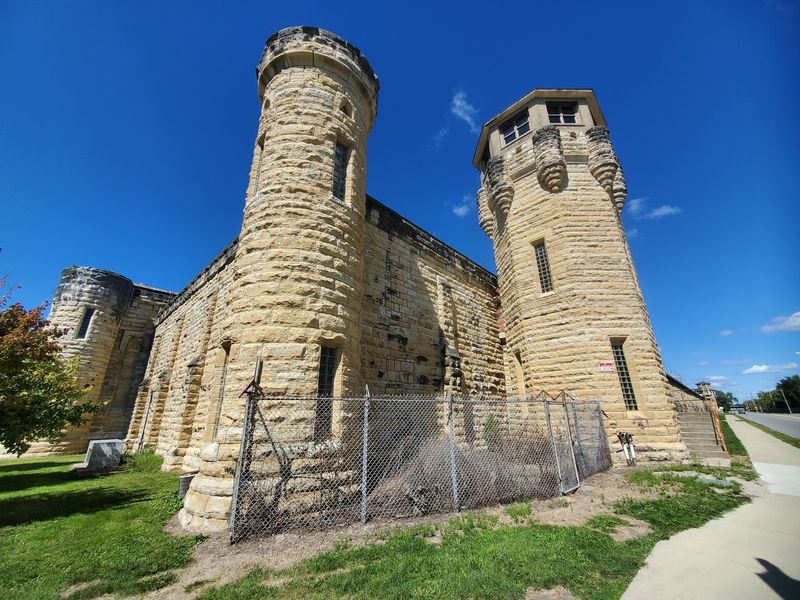
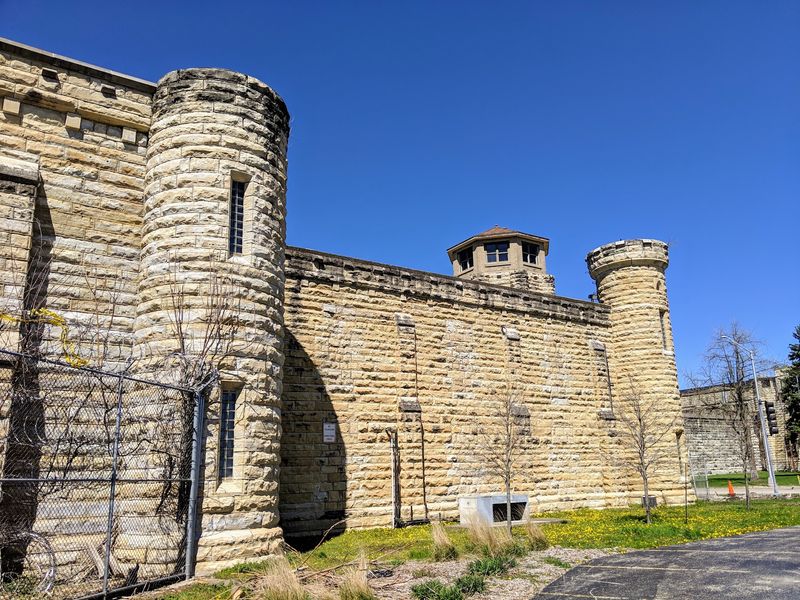
At Joliet, he went full Castellated Gothic. Think crenelated towers, rough-faced limestone, and walls that seem built to repel an invading army rather than hold prisoners.
The stone itself is a local celebrity. Joliet limestone was quarried directly on the property, largely by the inmates who would live behind it.
That detail makes the walls feel heavier somehow. Every block represents someone’s labor, often under hard conditions, in the very place they were confined.
The architecture earned real recognition in 2023. That year, Old Joliet Prison was added to the National Register of Historic Places for its architectural and historical significance.
Barbed wire still runs along the tops of the walls. Paired with the towers, it creates a fortress look that photographers absolutely love.
Bring a camera, or at least a charged phone. The play of light on that pale stone, especially against a blue Illinois sky, makes nearly every angle frame-worthy.
Cell Houses, A Fire Station, And A Very Quiet Cafeteria
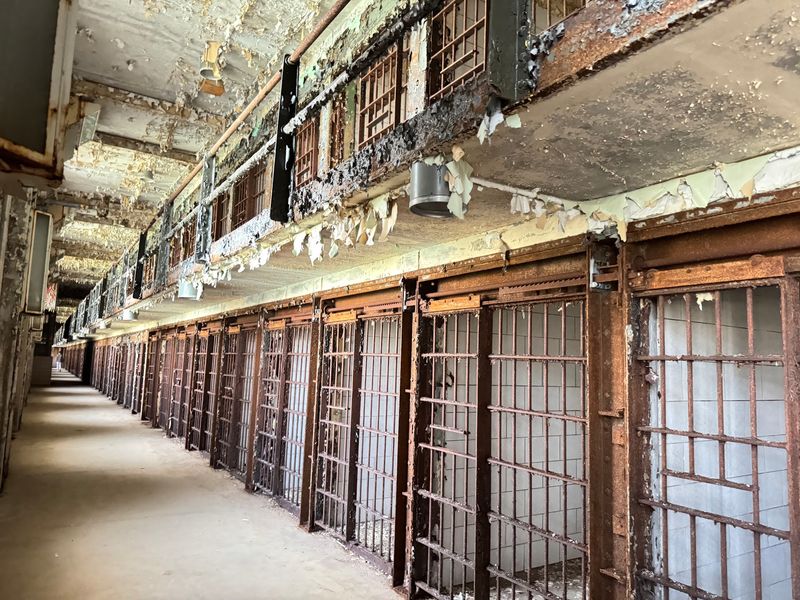
Here’s where the visit gets personal. You can actually walk into the cells, and those 4-by-7-foot spaces feel shockingly cramped for two grown men.
The West Cell houses are a highlight for many visitors. Standing inside one makes daily life behind bars feel real in a way photos never could.
The North Segregation Building adds a more somber chapter. It’s one of the stops where the mood shifts and conversations naturally get quieter.
Then there’s the Cafeteria, once the inmate dining room. Long empty, it gives a strong sense of how meals and routines once ran on a strict schedule.
Other open buildings include the Library, Commissary, and Fire House. The old fire station tends to charm families, which is a fun surprise inside a prison.
Each building has signs explaining what it was used for. You also get a map, so wandering at your own pace stays easy.
Access can shift as preservation work continues. Some areas may be closed on a given day, yet there’s usually plenty to explore for an hour or two.
Jake Blues Walked Out Of This Front Gate
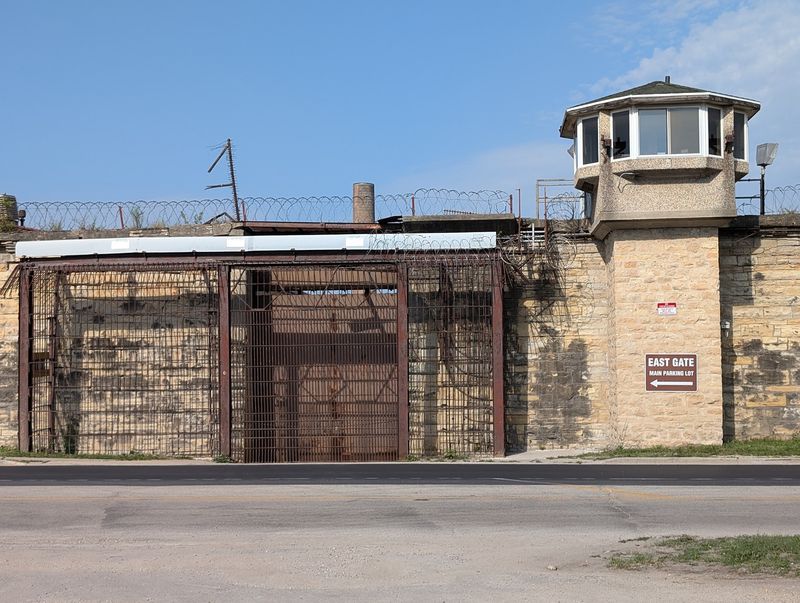
Cue the harmonica. The opening scene of the 1980 classic The Blues Brothers was filmed right here, as Jake Blues gets released and Elwood picks him up.
Yes, you can stand at that very front gate. For fans, it’s basically a pilgrimage stop, and the photo practically takes itself.
Television made the prison famous for a new generation too. Old Joliet Prison served as a primary filming location for the first season of Prison Break.
That show is a huge reason many visitors come. Spotting familiar corridors and walls after binge-watching feels a bit like stepping onto a set.
Hollywood found this place long before either of those. The classic film White Heat used it, and the TV series Empire filmed scenes here as well.
Fan events keep the connection alive. The site has hosted a Blues Brothers convention, which says plenty about how much that movie still matters.
Not a movie buff? No problem at all.
The history stands strong on its own, but knowing the screen credits adds a playful layer to the whole visit.
Flashlight Tours And Famous Former Residents
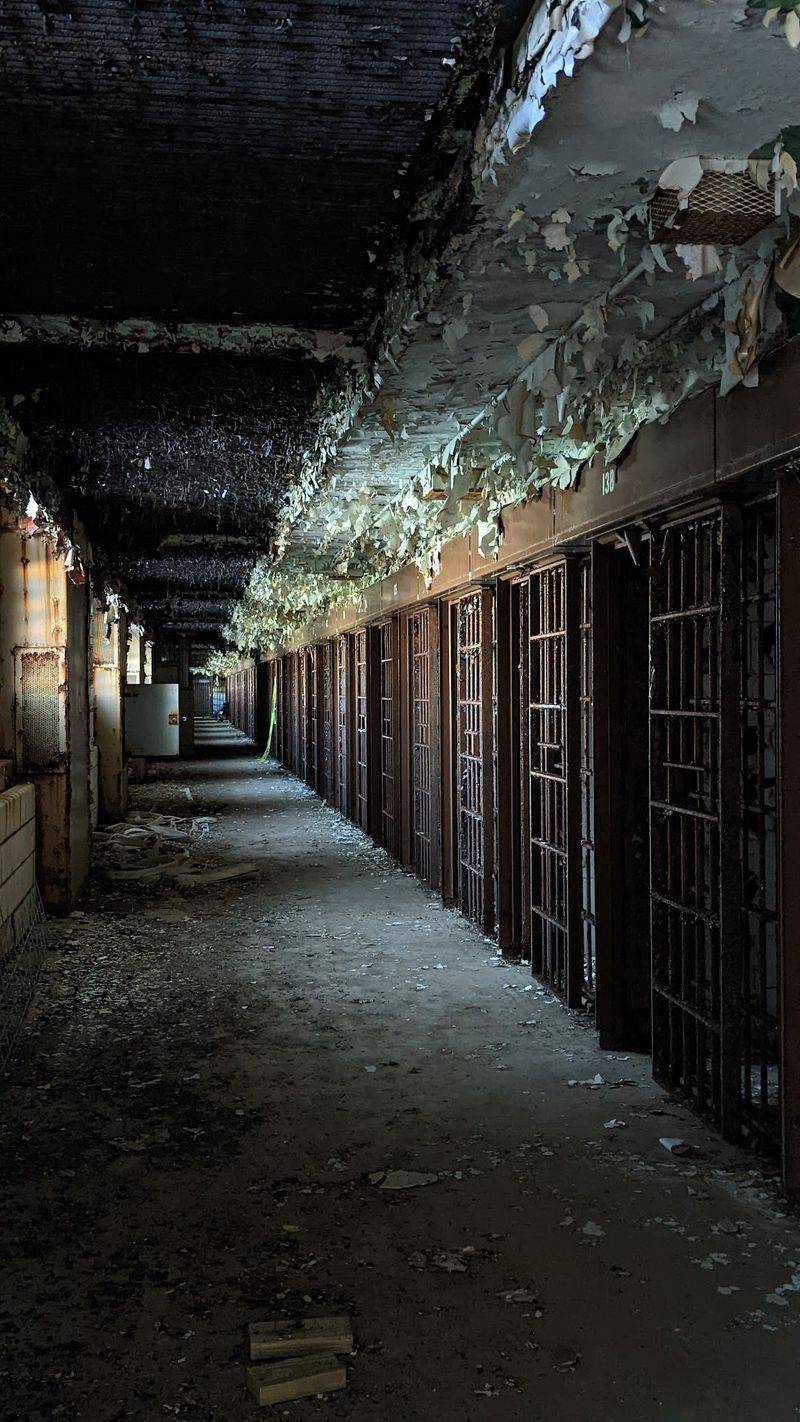
When the sun goes down, the mood changes completely. Old Joliet Prison offers special flashlight tours after dark for anyone who wants a few goosebumps.
The site has a reputation as one of the spookiest places in Illinois. Stories include shadowy figures, strange whistling, sudden chills, and heavy feelings in certain cells.
Whether you believe or not, the setting does a lot of work. Dim corridors, peeling paint, and echoing footsteps create atmosphere without any special effects.
Paranormal fans can ask staff about the so-called hot spots. Daytime visits on quieter days give extra time to linger in those areas.
Part of the intrigue comes from who once lived here. Baby Face Nelson, Nathan Leopold, Richard Loeb, and James Earl Ray all spent time behind these walls.
That roster gives the place a true-crime edge. Still, the tours focus on history rather than shock value, which keeps things thoughtful.
Younger kids might prefer the daytime version. Teens, on the other hand, may beg for the flashlight tour once they hear about it.
Hard Hats, Car Shows, And A Ballgame Behind Bars
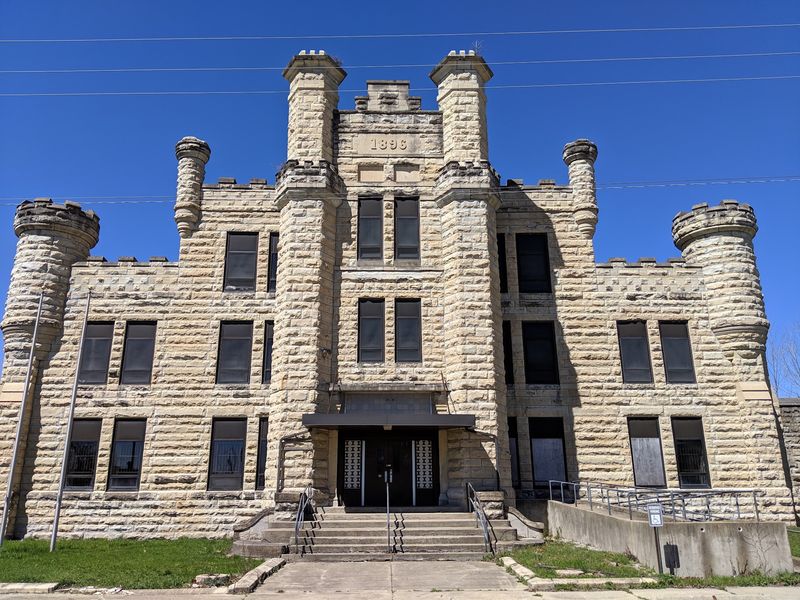
Few museums hand you a hard hat. The guided hard hat tours take guests into the Administration Building, which was closed after a roof collapse in 2020.
It’s a rare peek at an area most people never expected to see again. Closed-toe shoes are required, which makes sense once you see the conditions.
Restoration is the quiet star here. Frequent visitors notice how many more buildings open each season as preservation work moves forward.
The damage came from years of abandonment. Vandals left graffiti, and fires broke out, so every reopened space feels like a small win.
Special events bring fresh crowds too. Cars Behind Bars lets car owners display vehicles while guests explore the grounds.
Even baseball has shown up. The Joliet Slammers played a game at the prison, on a small field where guests could also walk through the buildings.
Those events are a clever way to see the site from a new angle. Check the schedule before going, since offerings change throughout the season.
Your Game Plan For Visiting Old Joliet Prison
Getting there is simple. Old Joliet Prison sits at 1125 Collins St, Joliet, IL 60432, and it’s a natural stop for Route 66 road trippers.
Tours are seasonal and mostly outdoors. Guided tours generally run April through October, while self-guided visits can stretch to late November, weather permitting.
Current hours run 10 AM to 1 PM Monday through Wednesday. Thursday through Saturday open 10 AM to 4 PM, plus evenings from 6:30 to 10 PM.
Sunday hours run 10 AM to 4 PM. Guided history tours last about 90 minutes, and self-guided visits let you roam until closing.
There is an admission fee, though it’s considered reasonable for the experience. Plan an hour or two, longer if you love reading every sign.
Wear sturdy closed-toe shoes and dress for Illinois weather. Some areas aren’t fully ADA accessible, and strollers can be tricky on the terrain.
The gift shop sells souvenirs, cold drinks, and small snacks. Restrooms are plentiful, and friendly staff roam the grounds ready for questions.
Why This Stone Fortress Deserves A Spot On Your Weekend List
Some outings entertain, and others stick with you. Old Joliet Prison manages both, which is no small feat for a place that sat abandoned for years.
Kids tend to find it fascinating, especially the tiny cells and the old fire station. Adults get architecture, reform history, and a dose of movie nostalgia.
I believe the imperfections make it better. Graffiti and crumbling walls show what neglect can do, and what careful preservation can rescue.
The site also keeps changing. More buildings reopen as restoration continues, so a return trip next year may reveal new corners.
For Illinois families, it’s an easy drive from much of the Chicago area. It’s the kind of trip that sparks questions long after everyone climbs back into the car.
Timing matters a bit, since the season ends before winter. Spring and fall bring comfortable walking weather for exploring the yard.
So grab sturdy shoes and maybe queue up The Blues Brothers soundtrack on the drive. A castle built by its own prisoners is waiting just off Collins Street.