
There’s A Stunning Underground World Hidden Inside This Washington Park Few People Have Visited
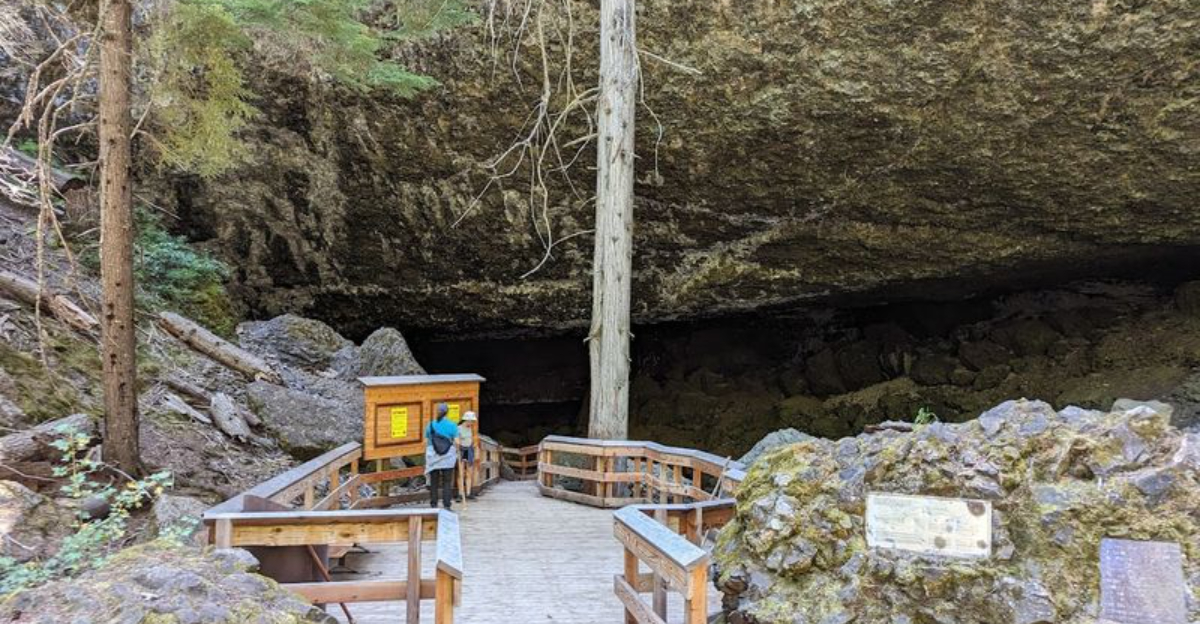
Had someone told me that one of Washington’s best-kept secrets was hiding beneath a pile of boulders like a shy giant, I would’ve laughed.
Yet here I am, standing at the entrance of a cave that refuses to play by the rules. Most trails lead you to views; this one leads you into the earth itself.
The entrance sneaks up on you-onelook and you’d miss it entirely, assuming it was just another rocky outcrop. But squeeze through that narrow opening, and suddenly you’re transported into a cathedral carved by patient water and centuries of quiet determination.
My skepticism melted faster than snow in April. This isn’t just a cave, it’s Washington’s best-kept underground party, and somehow nobody got the memo.
The Strange Story Written In Stone
Few places in Washington carry a backstory quite as dramatic as this one. Boulder Cave was not chiseled by hand or shaped by glaciers. Over 10 million years ago, volcanic lava flows created thick layers of basalt across this region of the Cascades.
Beneath that hard rock sat softer sediment, and Devil Creek spent millions of years quietly eating away at it. Eventually, the canyon wall could no longer support itself. A massive section tipped inward, enclosing the creek and creating what is essentially a natural tunnel roughly 300 to 330 feet long.
Standing at the entrance and watching the creek disappear into that dark passage is genuinely thrilling.
The Civilian Conservation Corps built the trail and recreation area in 1935, meaning the path you walk today has been welcoming visitors for nearly a century. That history adds a layer of warmth to the whole experience, connecting modern hikers to the generations of curious explorers who came before them.
What The Trail Actually Looks Like
Before you picture a grueling backcountry slog, relax. This trail is genuinely easy and accessible for most fitness levels.
The round trip covers about 1.2 to 1.5 miles with an elevation gain of roughly 250 to 400 feet, making it a comfortable outing for families, older hikers, and kids who are still learning to love the outdoors.
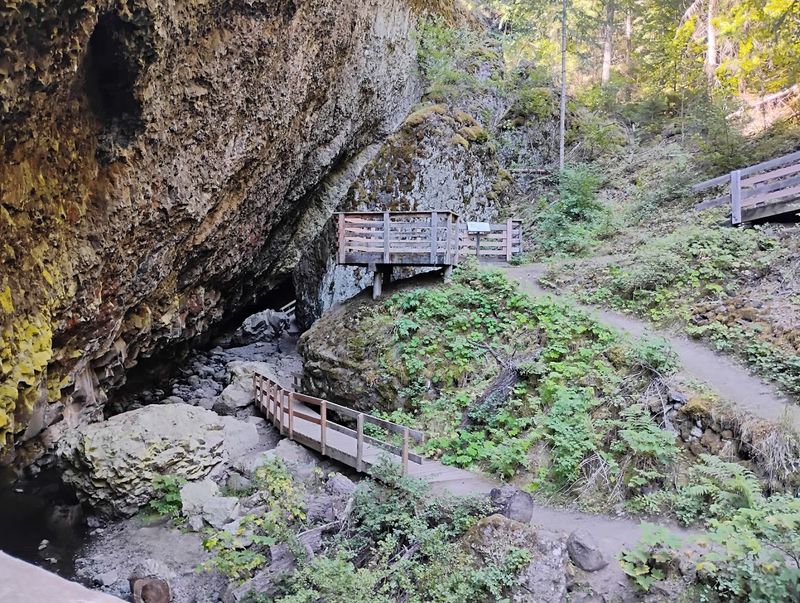
The path starts as a well-maintained gravel trail that winds through a shaded canyon alongside Devil Creek. You can hear the water before you see it most of the time, which builds a nice sense of anticipation.
As the trail descends closer to the cave entrance, the surface becomes a bit rougher and rockier, so sturdy shoes are a smart choice.
The forested surroundings feel lush and cool even in summer, with canyon walls rising on either side. Arriving at the cave entrance after that short walk feels like a genuine reward, and the transition from sunlit forest to dark tunnel happens almost instantly.
Inside The Tunnel
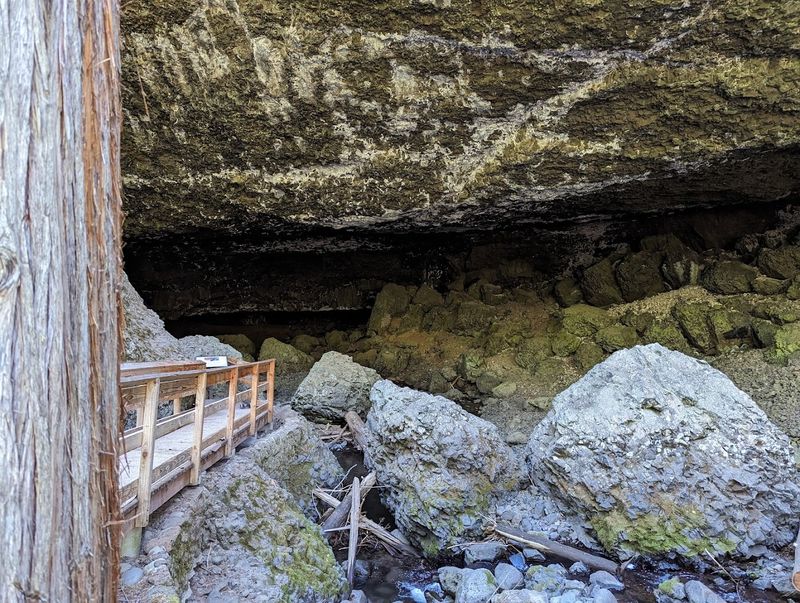
Stepping inside Boulder Cave is one of those moments that makes you feel like a kid again. The light from outside fades quickly, the air drops to around 50 degrees Fahrenheit, and the sound of Devil Creek echoes off the wet basalt walls in a way that feels almost musical.
Bringing a flashlight is not optional here, it is completely essential. The tunnel stretches about 300 feet, and walking through it means carefully navigating uneven, wet rock while the creek rushes alongside you.
It is not a polished tourist attraction with handrails and gift shops. It is raw, real, and wonderfully unfiltered nature.
One thing that surprised me was how much the temperature shift matters. Even on a warm summer afternoon outside, the cave interior felt dramatically cooler. A light jacket makes the experience far more comfortable.
Dogs are welcome on the trail but are not permitted inside the tunnel, so plan accordingly if you are bringing a four-legged hiking partner.
The Bats That Call It Home
Here is something that makes Boulder Cave genuinely rare: it serves as a hibernaculum for Pacific Western big-eared bats. That fancy word simply means the cave is a winter shelter where these bats go dormant and ride out the cold months in safety.
Their population has been dwindling, and the U.S. Forest Service takes their protection seriously. Because of this, the entire trail closes every year from October through May.
That seasonal closure is not an inconvenience, it is a conservation success story in progress. Giving the bats undisturbed rest each winter is directly tied to keeping the species alive in this region.
During the open season, the bats are typically not present in large numbers inside the tunnel, so most visitors will not see them up close.
Still, knowing they share this space adds a layer of ecological meaning to the visit. You are not just hiking through a cool tunnel, you are passing through a protected habitat that matters.
Planning Your Visit
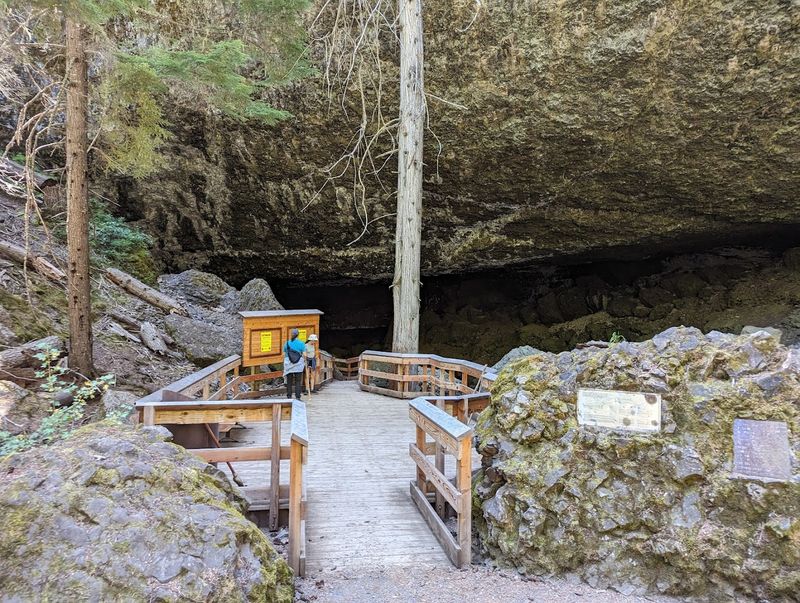
Getting to Boulder Cave takes a bit more planning than your average trail, and that is actually part of what keeps it special. Timed reservations are required for vehicle access to the Boulder Cave Day Use Area and must be booked in advance through Recreation.gov.
Tickets are not sold on-site, so arriving without a reservation means turning around. A Northwest Forest Pass is also required for entry. Visitors need to arrive between 10:00 AM and 3:00 PM on their reserved date and must leave by 4:30 PM.
The area operates Thursday through Sunday during the open season, which typically runs from June through September.
Over 35,000 people visit annually, so weekends can feel noticeably crowded. If you prefer a quieter experience, booking a Thursday or Friday slot tends to make a real difference.
The drive itself along State Route 410 is scenic and enjoyable, passing through forested mountain terrain that sets the mood long before you reach the trailhead.
The Waterfall At The End
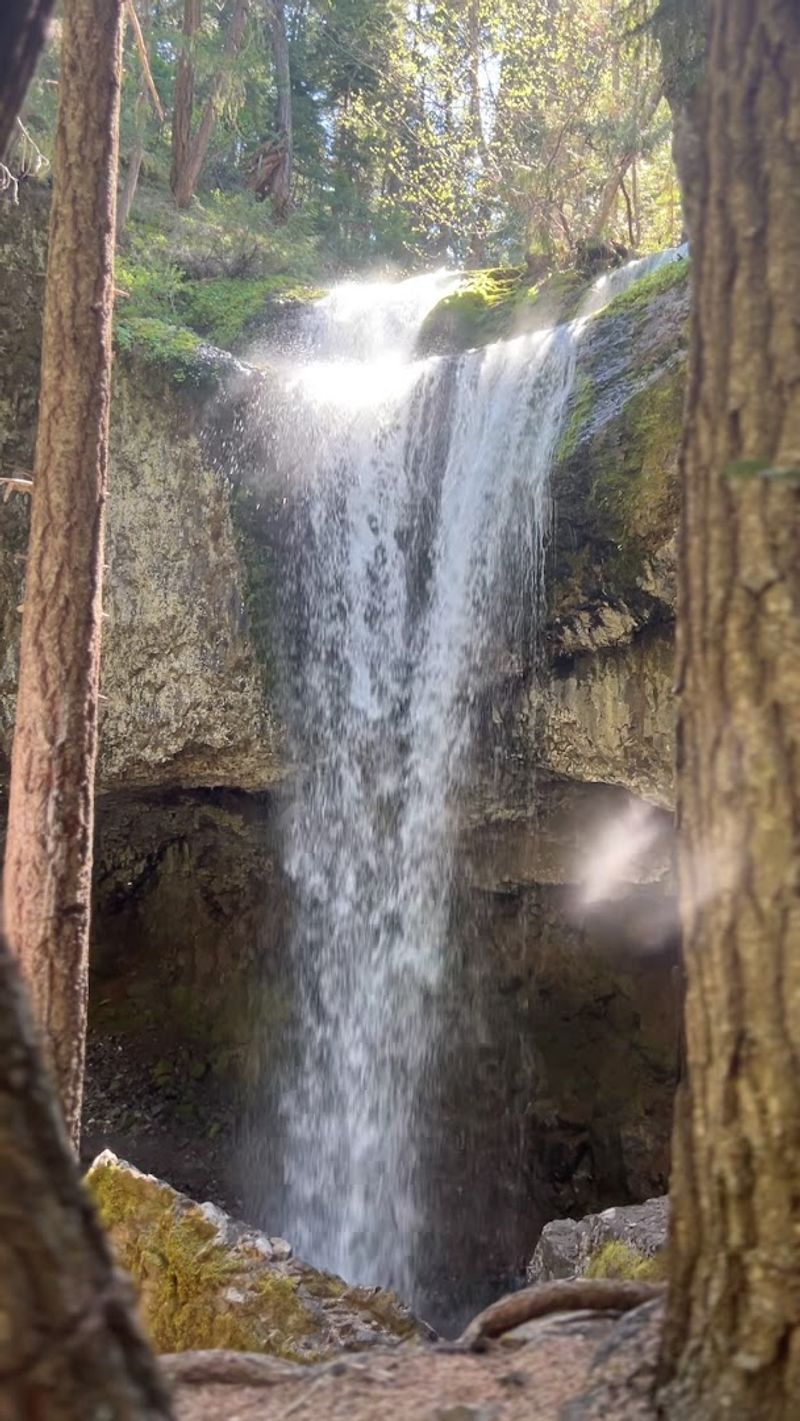
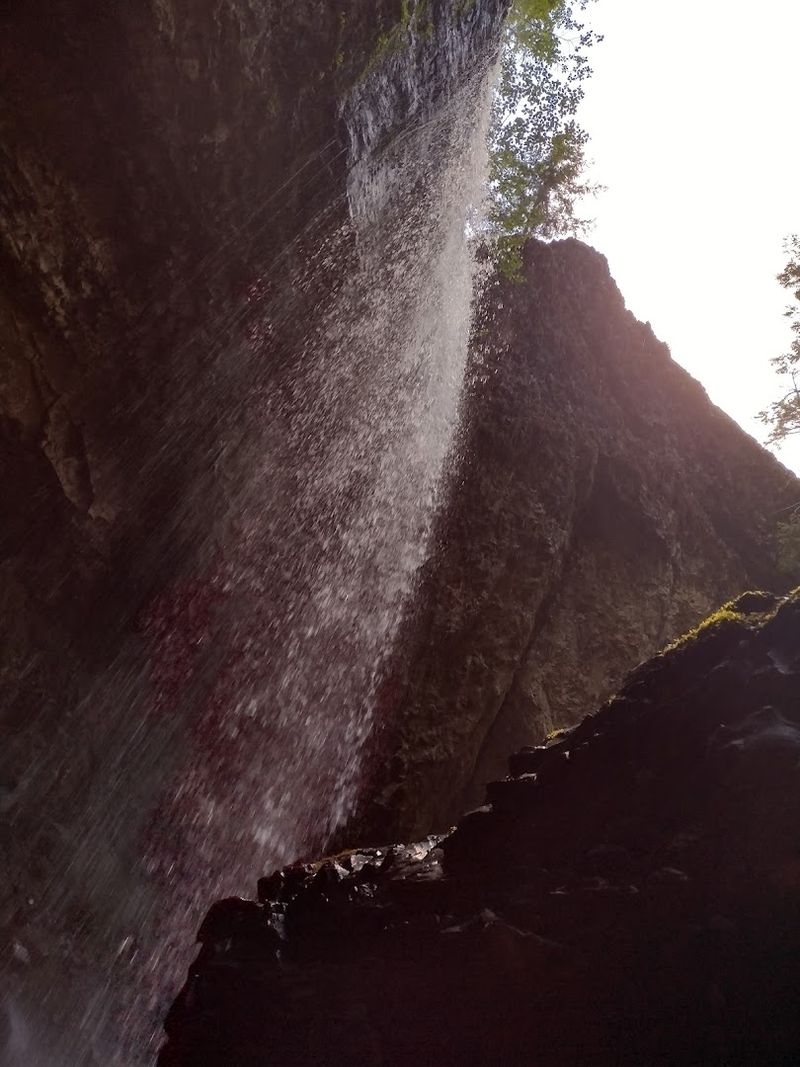
Most trail guides will tell you the cave is the main attraction, and they are not wrong. But continuing just a short distance beyond the cave exit leads to a small waterfall tucked into the canyon that most visitors completely overlook.
It is one of those quiet bonuses that makes the whole outing feel more complete. Devil Creek drops over a rocky ledge with enough force to fill the air with a cool mist, and the surrounding moss-covered boulders frame the scene beautifully. It is not a thundering cascade, but it does not need to be.
The scale feels perfectly matched to the intimacy of this trail. I spent about fifteen minutes sitting near the waterfall just listening to the water and watching a few brave birds hop around the wet rocks.
After the sensory intensity of the dark tunnel, that quiet moment felt like a natural exhale. Trails that reward a little extra curiosity always earn a higher spot on my favorites list.
Tips For Making The Most Of Your Trip
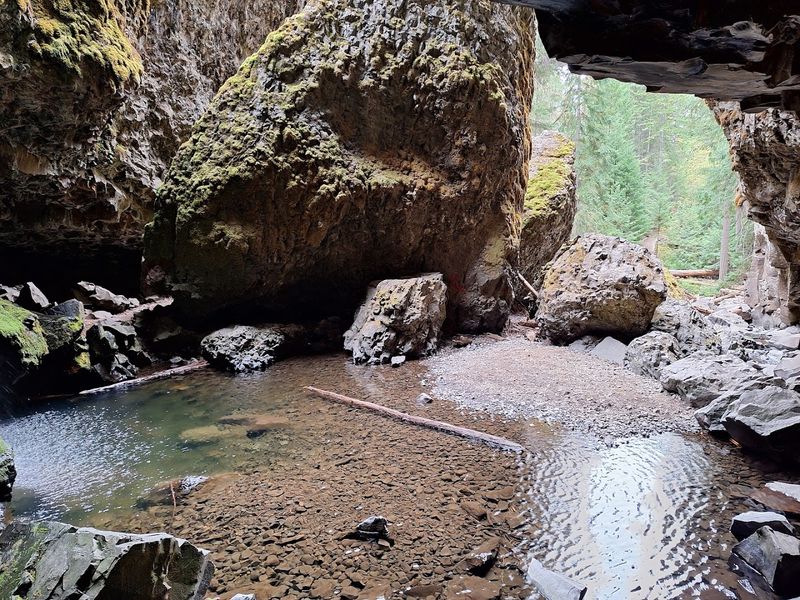
A few practical details can turn a good visit into a great one. Flashlights are non-negotiable inside the tunnel, and a headlamp with fresh batteries gives you the best hands-free experience on the uneven cave floor.
Pack a light jacket regardless of the outside temperature, because 50 degrees Fahrenheit inside the cave will feel surprisingly chilly after a warm summer hike.
Wear closed-toe shoes with solid grip since the rocks near the cave entrance and inside the tunnel can be slippery when wet. If you are visiting with children, they tend to absolutely love the cave, but keep a close eye on footing near the creek.
Water bottles and snacks are a good idea since the site has no food vendors. Arrive closer to the 10:00 AM opening time if possible, since the canyon light is lovely in the morning and the parking area fills up fast on weekends.
The whole experience, drive included, makes for a satisfying and memorable day trip from Yakima or even from the Seattle area.
Wildlife You Might Spot
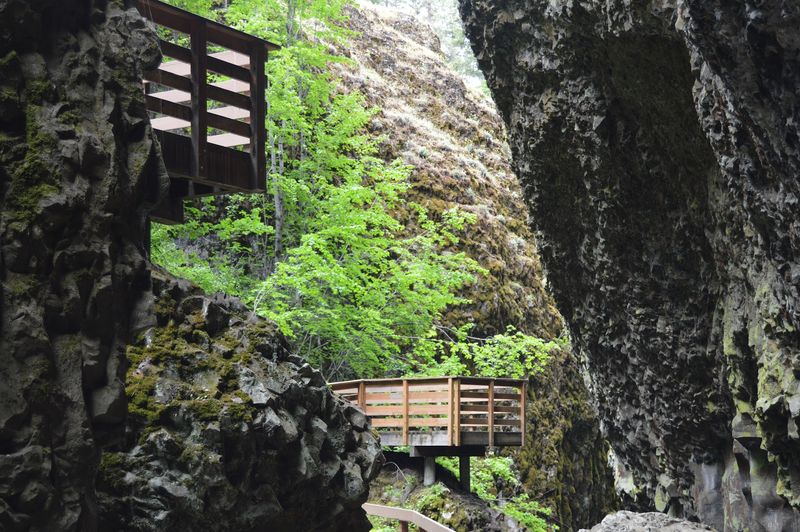
The trail to Boulder Cave is not just about the cave itself. The surrounding Naches Ranger District forest is alive with activity, and sharp-eyed visitors are often rewarded.
Black-tailed deer graze near the creek edges in the early morning hours, while Steller’s jays dart between the firs overhead.
Salamanders tuck themselves under mossy rocks near the water, and if you move quietly, you might catch an American dipper bobbing along the stream. The cave entrance area draws a surprising variety of insect life during summer months.
Bring binoculars and walk at a relaxed pace to truly appreciate what this forest quietly offers. Even the soundscape feels special here, with creek water, bird calls, and rustling branches making the short hike feel deeper in the wilderness than it really is.
The forest floor is full of small details too, from fallen needles and ferny patches to damp stones that seem to hold onto the cool air.
It is the kind of trail where slowing down makes the whole experience better. Kids may come for the cave, but they often end up just as fascinated by the little creatures and hidden corners along the way.
That extra layer of life around the trail is what turns Boulder Cave from a quick stop into a fuller forest adventure.