
These Are Postcard-Worthy Small Towns In Arizona That Most People Don’t Know About
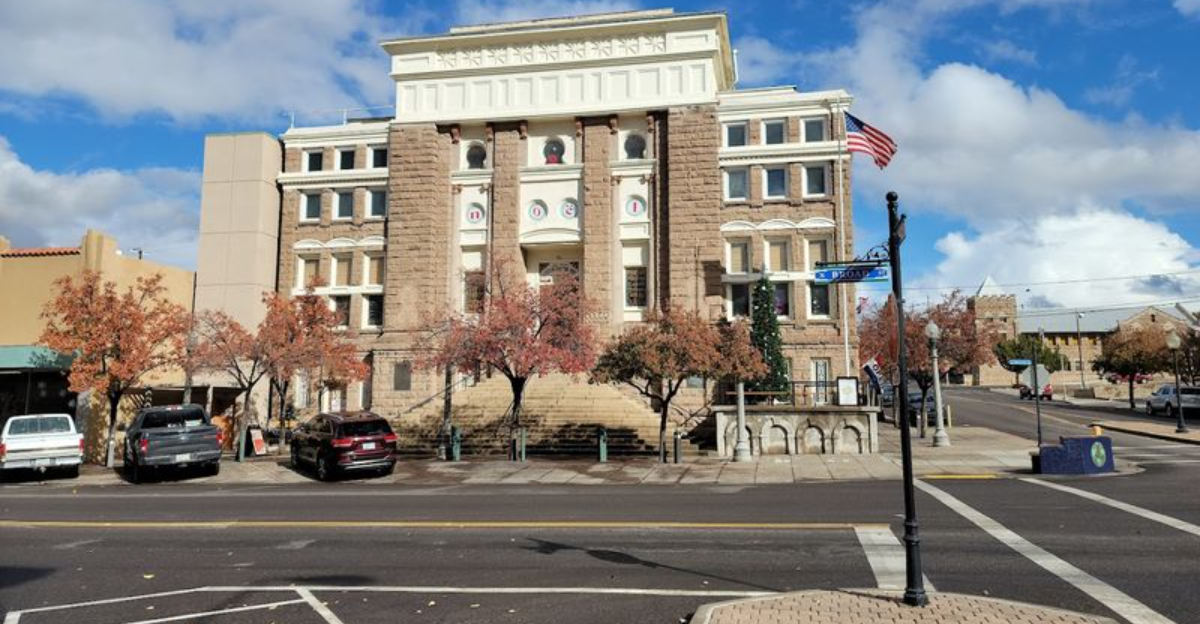
A few wrong turns in the desert can teach you more about Arizona than any billboard ever could. The most breathtaking views are not always waiting at the bottom of a famous canyon.
Sometimes, they are sitting beside a weathered bench, outside a century-old general store, in a town that feels pulled from a vintage postcard.
These are the quiet, colorful communities that do not always make the tourist lists, but somehow stay with you longer than the obvious stops. After years of keeping a personal list of Arizona’s most charming small-town surprises, it feels like time to share 11 hidden gems worth finding.
A few have old mining-town bones, and others move at the gentle pace of an artsy village. All of them prove Arizona’s smaller places can leave the biggest impression.
1. Tubac, Arizona
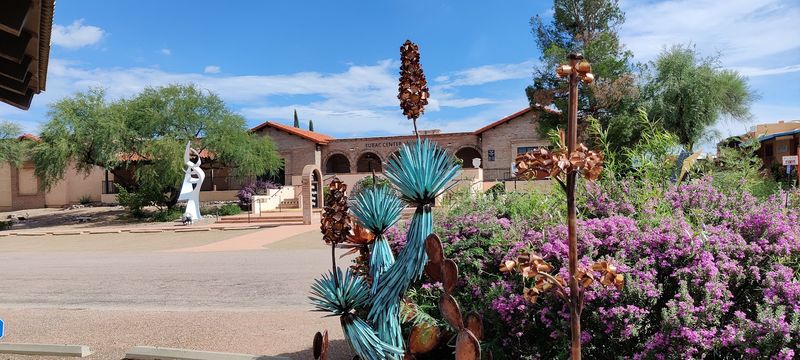
A tiny Santa Cruz County village feels more like an open-air gallery than a regular small town. Located about 45 miles south of Tucson in Santa Cruz County, Tubac has quietly built one of the most impressive arts scenes in the entire Southwest.
More than 100 galleries and studios are scattered along its shaded walkways, selling everything from hand-thrown pottery to large oil paintings. The historic Tubac Presidio State Historic Park sits right in the center of town and tells the story of one of Arizona’s oldest European settlements, dating back to 1752.
The surrounding desert landscape is honestly stunning, with the Santa Rita Mountains forming a dramatic backdrop that photographers absolutely love. Autumn and spring are the best seasons to visit, when temperatures are comfortable and the light turns golden in the late afternoon.
Tubac is small enough to explore in a day but rich enough to make you wish you had booked a full weekend. By the time you leave, you understand why so many artists and wanderers keep finding their way back.
2. Patagonia, Arizona
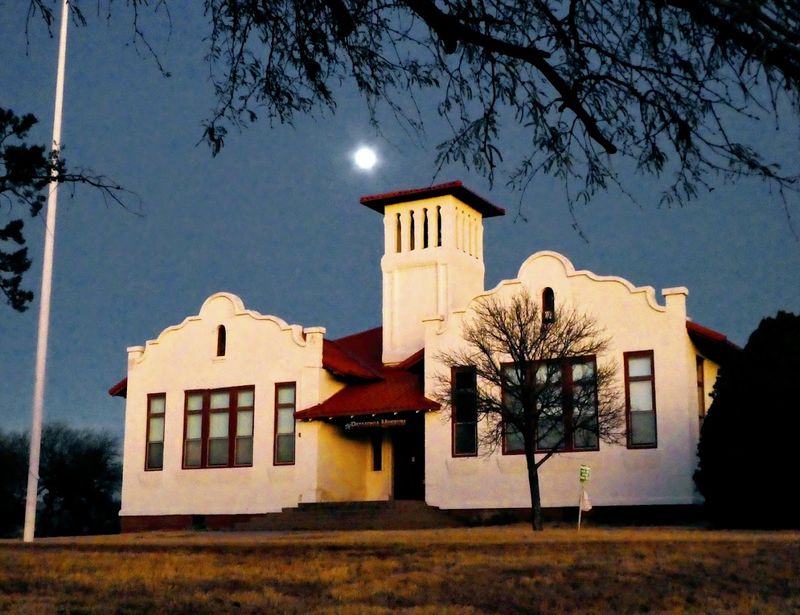
There is something almost impossibly peaceful about Patagonia. Sitting in the Sonoita Valley of Santa Cruz County at an elevation of around 4,000 feet, this tiny town of fewer than 1,000 residents draws birders, hikers, and artists from across the country.
The Patagonia-Sonoita Creek Preserve, managed by the Nature Conservancy, is one of the best birding spots in North America, and serious birders have been known to travel internationally just to tick species off their lists here.
Beyond birding, the town itself has a genuinely artsy, low-key personality with local galleries, a beloved community park, and a handful of excellent cafes.
The surrounding grasslands and oak-studded hills make every drive in the area feel scenic and unhurried. Patagonia is the kind of place where you slow down without even trying. Visit in spring when the creek corridor is lush and the birds are most active for a truly memorable experience.
3. Ajo, Arizona
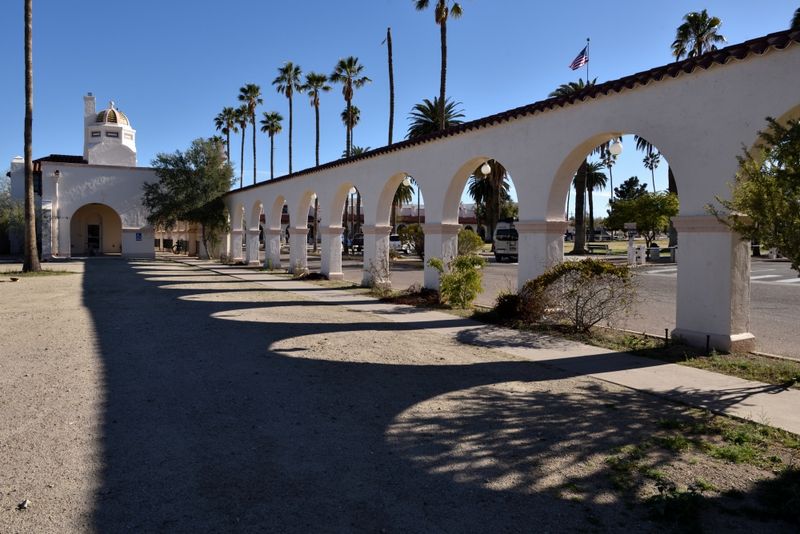
One of those places that makes you do a double take. The town’s centerpiece is a gorgeous Spanish Colonial Revival plaza, complete with white arched arcades, a historic church, and tall palm trees that create a scene more reminiscent of a Mexican village than a remote Arizona mining town.
Located in Pima County near the Organ Pipe Cactus National Monument, Ajo sits in some of the most dramatic desert landscape in the entire Sonoran Desert region. The old open-pit copper mine that once defined the town is now a massive crater you can view from a designated overlook, and it is genuinely jaw-dropping in scale.
The town has been slowly reinventing itself as a creative community, attracting artists and remote workers drawn to its affordable character and borderlands atmosphere.
Winter is the ideal time to visit, when the desert is cool and the light across the Sonoran plains has a warm, painterly quality that is hard to describe but impossible to forget.
4. Clifton, Arizona
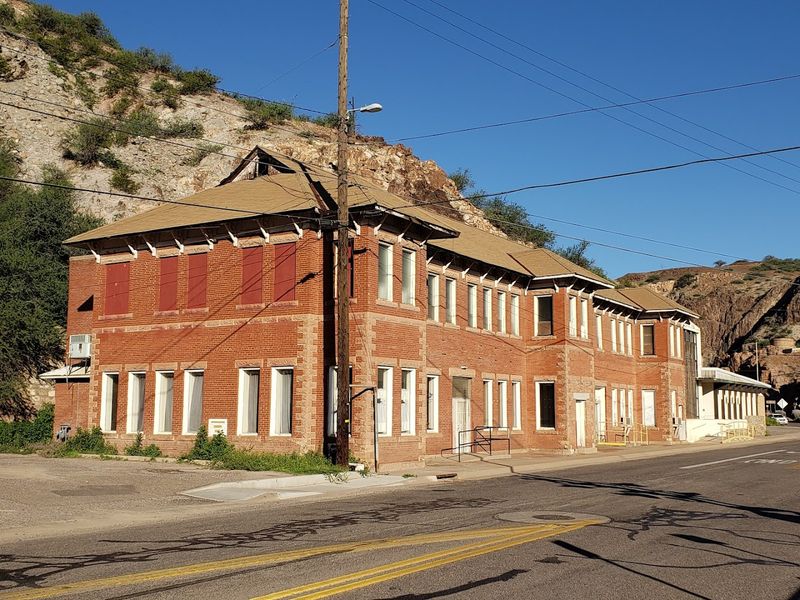
Set in a narrow Greenlee County canyon shaped by the San Francisco River, this old copper-mining community still carries a preserved, timeworn character, almost as if the modern world chose to move around it instead of through it.
The downtown strip features original brick buildings from the late 1800s and early 1900s, many of them still standing in solid condition, which is a genuine rarity in small-town Arizona. A historic jailhouse carved directly into the canyon rock is one of the most unusual and photographed landmarks in the region.
The canyon scenery surrounding Clifton is dramatic and rugged, with steep red walls that glow orange and amber in the afternoon sun. Nearby Morenci, connected by a short drive, is home to one of the largest open-pit copper mines in the world.
Clifton rewards curious travelers who appreciate texture, grit, and a story that most Arizona visitors never get around to hearing.
5. Pine, Arizona
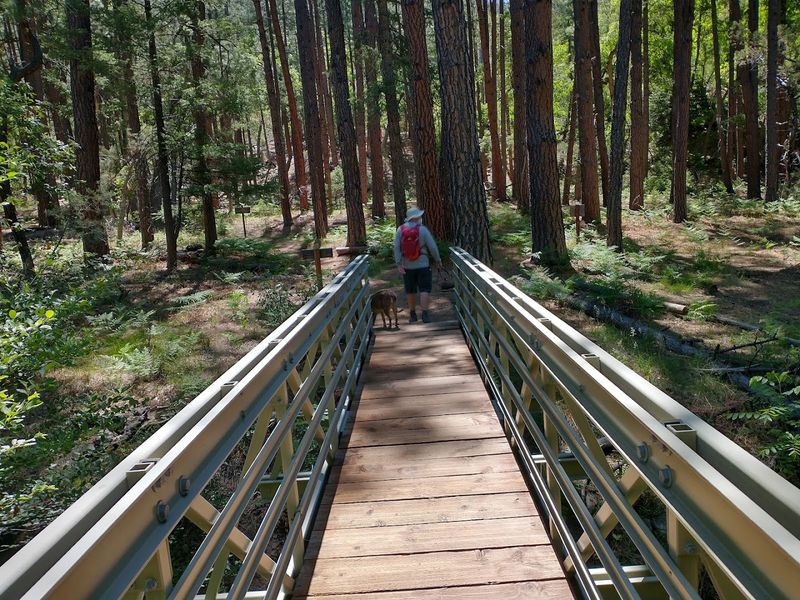
Cool air, towering pines, and the smell of a mountain forest greet you the moment you arrive in Pine. Situated along State Route 87 in Gila County on the Mogollon Rim, this small community sits at about 5,400 feet elevation, making it a natural escape for desert-weary Arizonans during the long summer months.
The town has a charming, unhurried main street with antique shops, a handful of local eateries, and small art galleries that feel genuinely personal rather than tourist-driven.
Tonto Natural Bridge State Park, just a short drive away, protects what is believed to be the largest natural travertine bridge in the world, and it is absolutely worth the short hike down to the water.
Pine pairs beautifully with its even tinier neighbor Strawberry for a relaxed high-country road trip. Fall foliage here is underrated and seriously beautiful, with golden aspens and orange maples creating a color show that rivals destinations far more famous than this quiet mountain village.
6. Strawberry, Arizona
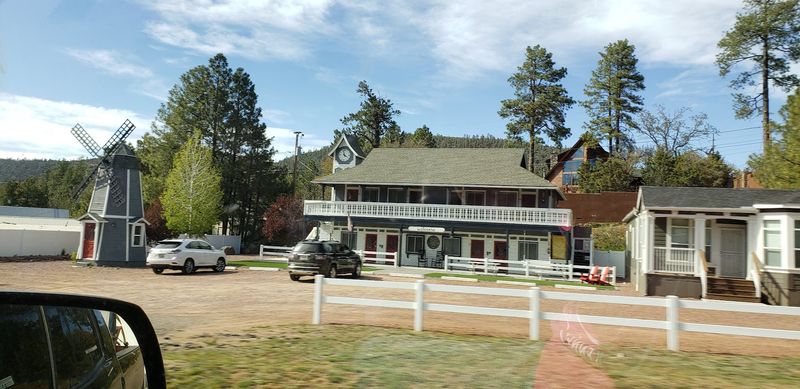
It might be the most aptly named town in Arizona, because visiting here feels like finding something sweet and unexpected right when you needed it most. Located just a couple of miles north of Pine in Gila County, Strawberry is even smaller and quieter, with a personality all its own.
The Strawberry Schoolhouse, built in 1885, is the oldest standing schoolhouse in Arizona and a surprisingly moving little landmark that connects visitors to the territory’s early settler history.
The surrounding forest roads are ideal for slow drives, mountain biking, and spotting wildlife including mule deer, wild turkeys, and the occasional black bear.
What makes Strawberry special is how effortlessly it pairs with Pine for a full weekend escape from the heat of the desert below. The two towns sit close enough to explore together but each offers its own distinct character.
Pack a light jacket even in summer, because evenings at this elevation get genuinely chilly in the most satisfying way.
7. Greer, Arizona
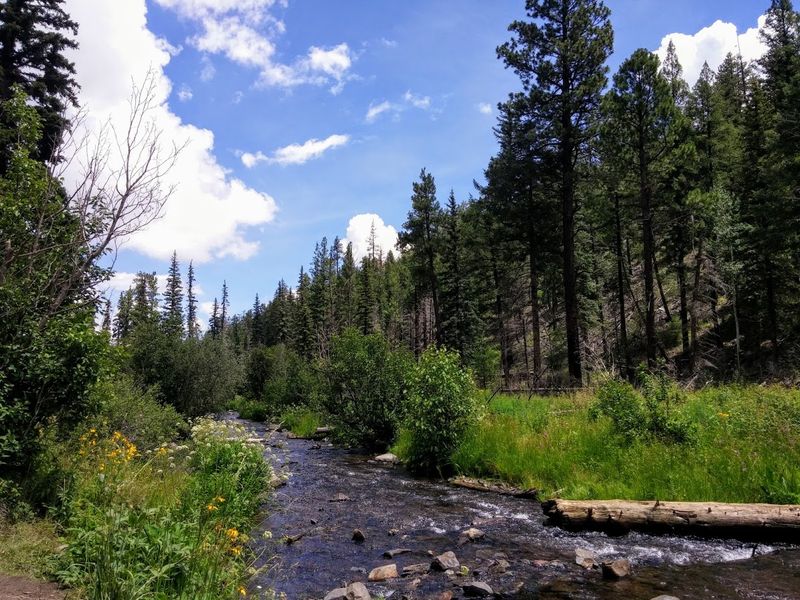
This tiny White Mountains community feels like a completely different version of Arizona. High in the White Mountains, this little community shows off Arizona’s softer, quieter side.
The Little Colorado River actually begins its long journey near Greer, and the small streams that flow through the meadows here are perfect for fly fishing during the warmer months. Rustic cabins dot the landscape and can be rented for multi-day stays, making Greer a natural choice for a slow, restorative mountain retreat.
Wildlife sightings are common, with elk, hawks, and sandhill cranes all passing through depending on the season. Summer brings wildflower blooms across the open meadows that are genuinely spectacular.
Winter transforms Greer into a snow-covered wonderland, attracting cross-country skiers and snowshoers looking for a quieter alternative to the crowded ski resorts found elsewhere in the region.
It is the kind of place that makes you slow down without even trying. By the time you leave, Arizona feels bigger, cooler, and far more surprising than you remembered.
8. Oracle, Arizona
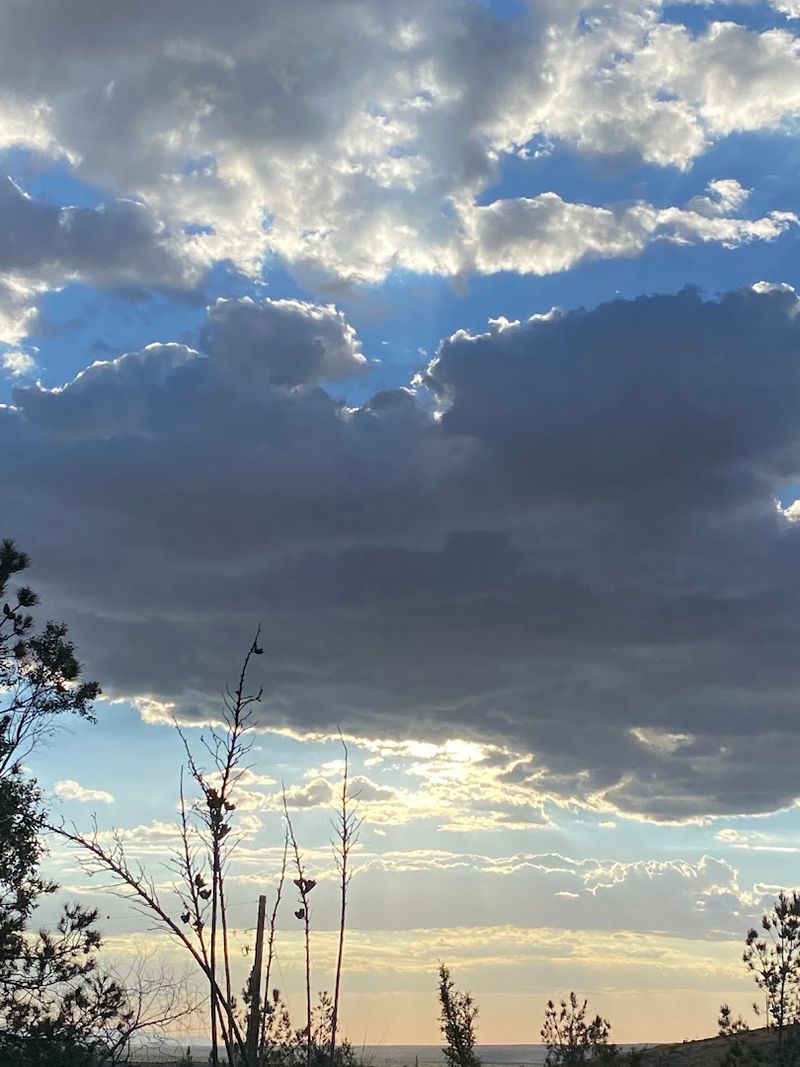
Sitting at the base of the Santa Catalina Mountains in Pinal County, Oracle occupies a fascinating middle ground between high desert and mountain terrain. At around 4,500 feet elevation, it is cool enough to feel refreshing yet open enough to offer sweeping views across the Sonoran Desert that stretch for what feels like forever.
Oracle is home to Biosphere 2, the famous sealed research structure where scientists lived and studied closed ecological systems in the early 1990s. Now managed by the University of Arizona, it offers fascinating public tours that provide a genuinely unique science experience you will not find anywhere else in the country.
The town itself has a quiet, artsy reputation with a small but dedicated creative community that has been growing steadily over the past decade. Local trails connect to the larger network of paths winding through the foothills and into the mountains above.
Oracle is the kind of place that rewards travelers who enjoy discovering something real before everyone else figures it out.
9. Superior, Arizona
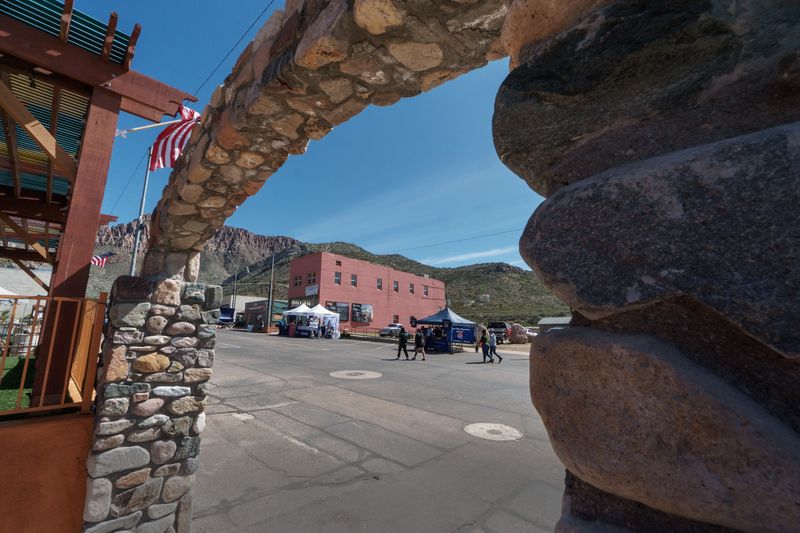
Superior does not ask for your attention politely. The town announces itself with sheer, dramatic cliffs of volcanic rock that shoot up on either side of US Highway 60 as you approach from the west, creating one of the most striking entrances to any small town in Arizona.
Located in Pinal County about 60 miles east of Phoenix, Superior has been quietly transforming its historic downtown into a genuinely walkable arts and culture destination.
The Boyce Thompson Arboretum, just outside of town, is Arizona’s oldest and largest botanical garden and is a spectacular place to spend a morning among towering cacti, desert trees, and native wildlife.
The Pinal Mountains rise directly behind the town and offer hiking trails with views that seem almost unfair given how close they are to the Valley of the Sun.
Superior’s old main street has real bones, with brick storefronts and period architecture that give the place an honest, unpolished character that feels increasingly rare in modern Arizona.
That mix of rugged scenery and slowly revived downtown energy is what makes Superior so easy to root for. It feels raw, real, and beautiful in a way that polished tourist towns often try too hard to recreate.
10. Willcox, Arizona
A proof that Arizona has a wine country story worth telling. Located in the Sulphur Springs Valley of Cochise County at about 4,167 feet elevation, this small agricultural town has quietly become the center of Arizona’s fastest-growing wine region, with dozens of vineyards spread across the surrounding high desert grasslands.
The combination of high elevation, sandy soil, and intense Arizona sunshine creates growing conditions that produce bold, distinctive wines that have been earning serious attention from national critics.
Beyond the vineyards, Willcox has a genuinely historic downtown with buildings dating back to its railroad heyday in the late 1800s.
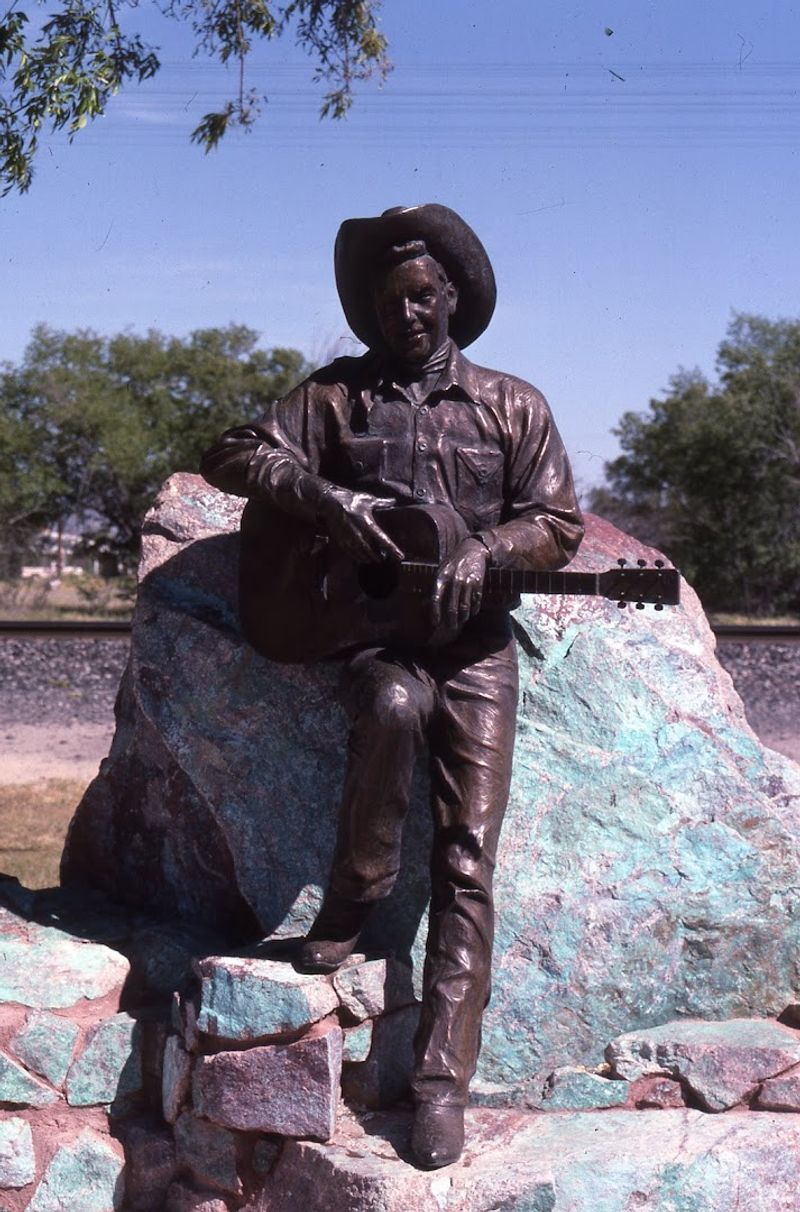
The town is also the birthplace of Rex Allen, the famous singing cowboy, and celebrates its Western heritage with genuine pride. Chiricahua National Monument, one of the most spectacular and undervisited national monuments in the country, is just a 45-minute drive away.
Willcox rewards visitors who come with curiosity and leave with a trunk full of locally produced bottles and a very long list of reasons to return.
11. Globe, Arizona
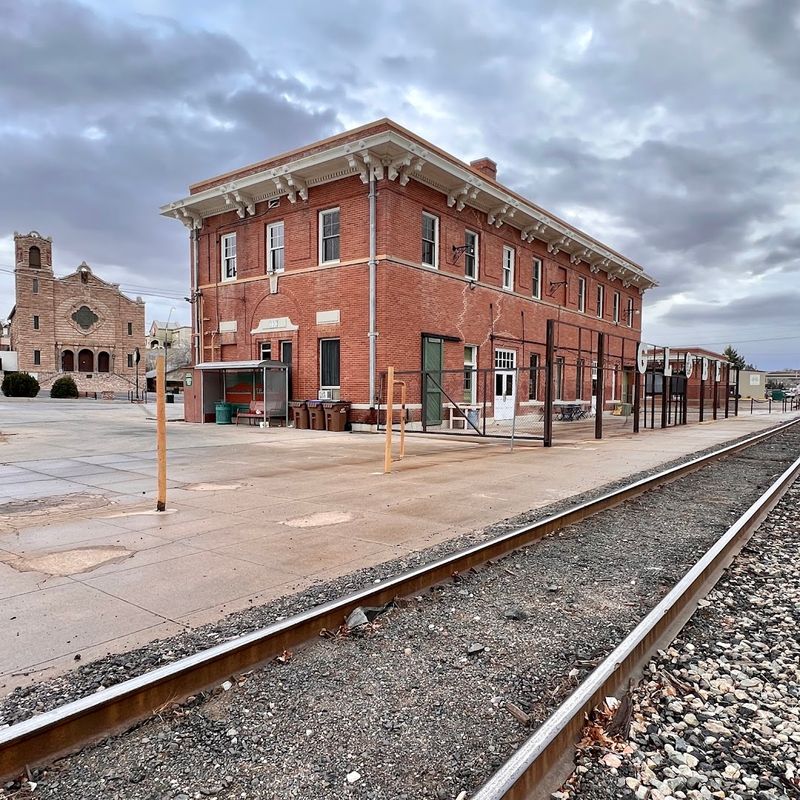
Globe has the kind of downtown that architects and history lovers dream about. Sitting in the Pinal Mountains of Gila County along US Highway 60, this former copper-mining hub is packed with beautifully preserved commercial buildings from the early 1900s that give the main street a rich, layered character that is genuinely rare in small-town America.
The Besh-Ba-Gowah Archaeological Park, located right on the edge of town, protects an impressive Salado culture pueblo site dating back to around 1225 AD. Walking among the ancient stone rooms is a humbling and fascinating experience that connects visitors to a history stretching far beyond the mining era the town is better known for.
The surrounding Pinal Mountains offer hiking, camping, and forest drives that provide a cool, green contrast to the desert terrain below. Globe also serves as an excellent base for exploring nearby Tonto National Monument, where cliff dwellings are perched dramatically above Roosevelt Lake.
Arriving on a quiet weekday, when the streets belong almost entirely to you, is the best possible way to experience everything Globe has kept waiting.