
These 13 Michigan Historic Villages And Living History Sites Are Way More Fun Than You’d Expect
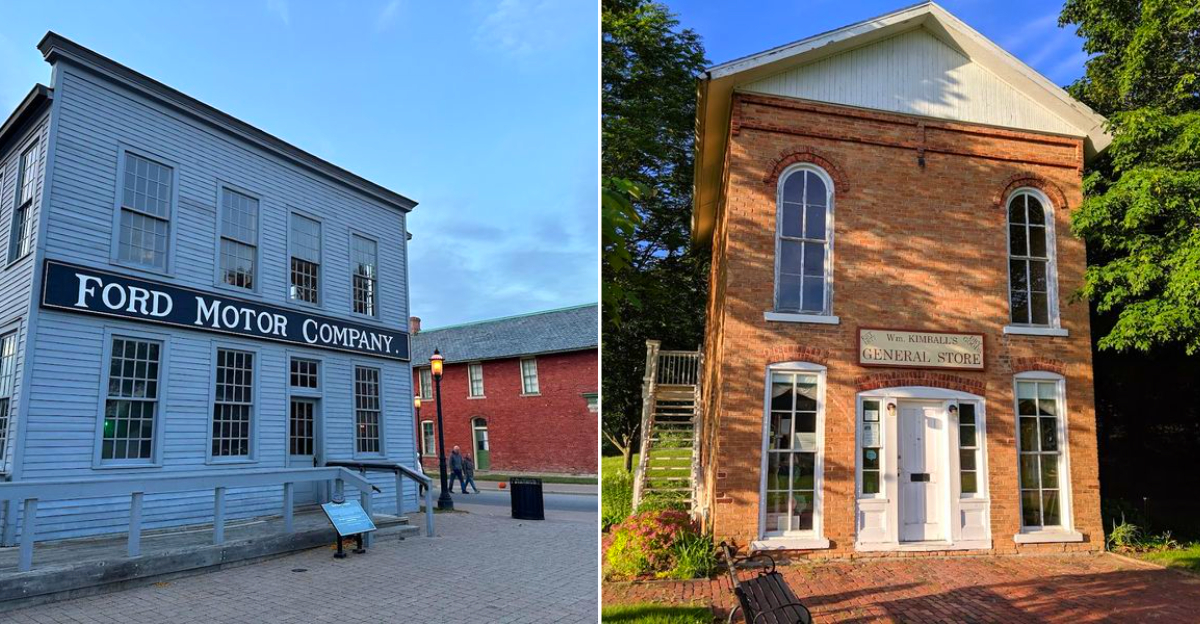
A lot of historical sites feel like a lecture in a dusty room, but Michigan has a habit of letting its past run wild in the fresh air.
I’ve spent my recent road trips navigating these open-air time capsules, where the atmosphere isn’t manufactured by plastic placards but by the rhythmic clanging of a blacksmith’s hammer and the distant, mournful wail of a steam whistle.
It’s a beautifully unpretentious world built by people who valued a sturdy porch and a practical courthouse. From the industrial grit of the heavy-hitters to the overgrown charm of the “almost-forgotten” hamlets, the vibe is purely tactile, you can smell the coal smoke and hear the creak of the floorboards.
These spots let the past breathe, offering a gritty, humorous, and deeply local look at how we used to get things done before everything became digital and sterile.
Discover the best historic villages in Michigan for your next road trip, featuring steam engine rides, living history farms, and authentic 19th-century blacksmith shops.
1. Greenfield Village, Dearborn
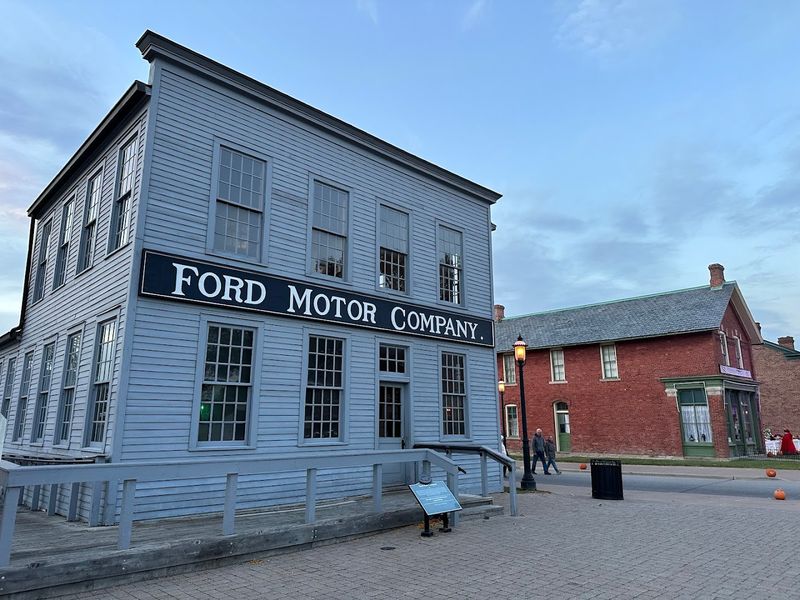
The scale of Greenfield Village is the first surprise. Part of The Henry Ford, this open-air museum spreads across seven districts, so the day feels less like visiting one attraction and more like slipping through several versions of America at once.
You move from workshops to homes, from farms to streets where innovation suddenly seems very physical and handmade. What makes it genuinely fun is the constant sense of motion. Historic structures are not lined up like trophies but used to tell stories about invention, labor, and ordinary life across roughly three centuries.
I like that the village lets big ideas stay grounded in creaking floorboards, garden rows, and machine noise, which makes the history easier to feel than merely admire. Give yourself more time than you think you need.
2. Crossroads Village & Huckleberry Railroad, Flint
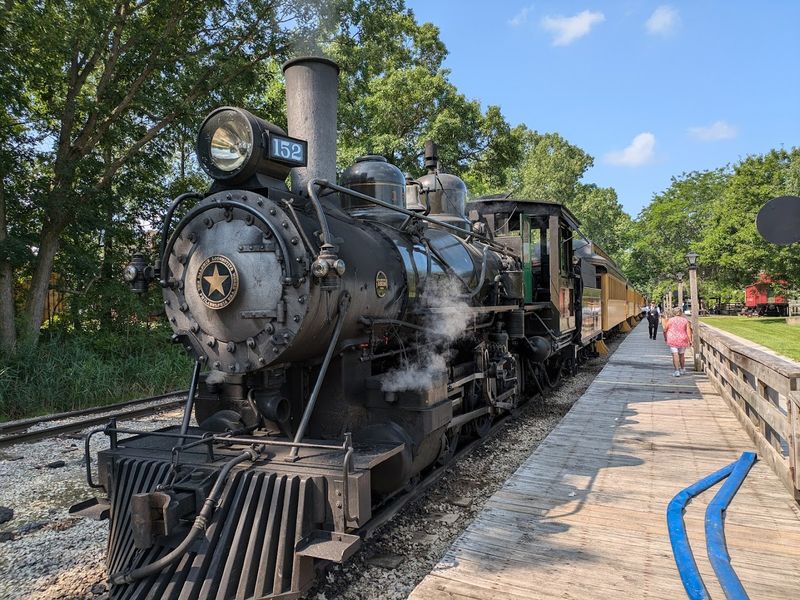
You hear the steam train before the village fully comes into view, and that sound does a lot of the mood-setting for Crossroads Village. This Genesee County attraction combines restored 19th-century buildings with the Huckleberry Railroad, so the visit has movement, anticipation, and a little theatrical timing built in.
It never feels like a polite walk past artifacts. The railroad is the obvious draw, but the village itself earns your attention. Buildings such as shops and homes help frame a fuller picture of everyday Michigan life, and the locomotive ride ties everything together with just enough old-fashioned spectacle.
Flint is not always discussed as a leisure destination first, which makes this place even more satisfying. Go when you are willing to linger between train departures instead of treating the ride as the whole experience.
3. Historic White Pine Village, Ludington
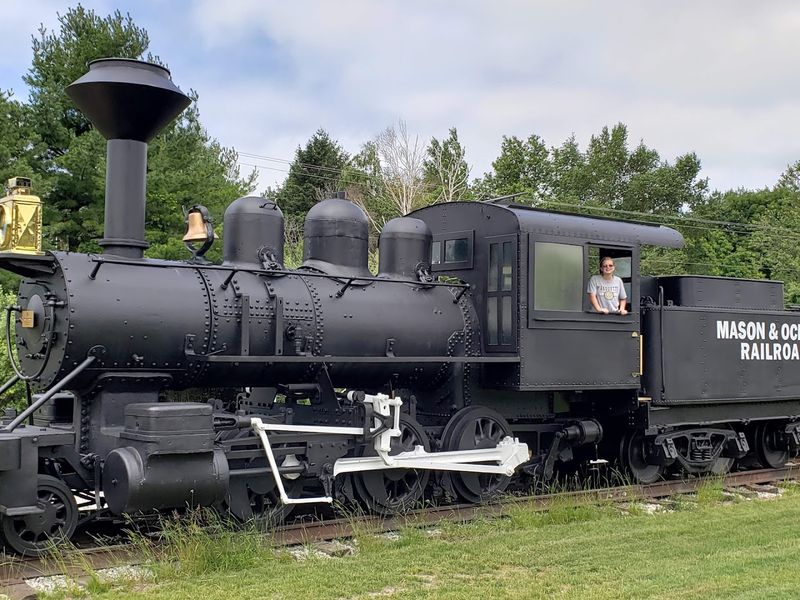
Historic White Pine Village has the slightly rambling, deeply specific charm that makes small living history sites memorable. Near Ludington, it gathers about 30 historic exhibit buildings into a late 19th and early 20th century setting, including the 1849 Mason County Courthouse and a steam locomotive beside a working sawmill.
You can feel the region’s lumbering past without needing anyone to oversell it. There is pleasure here in the variety. One minute you are thinking about civic life in an early courthouse, the next you are looking at machinery that reminds you how local economies were literally powered.
The site rewards a slower pace because the details do the heavy lifting. Instead of one grand narrative, it offers many smaller ones, and that patchwork approach feels true to how communities actually grow over time.
4. Troy Historic Village, Troy
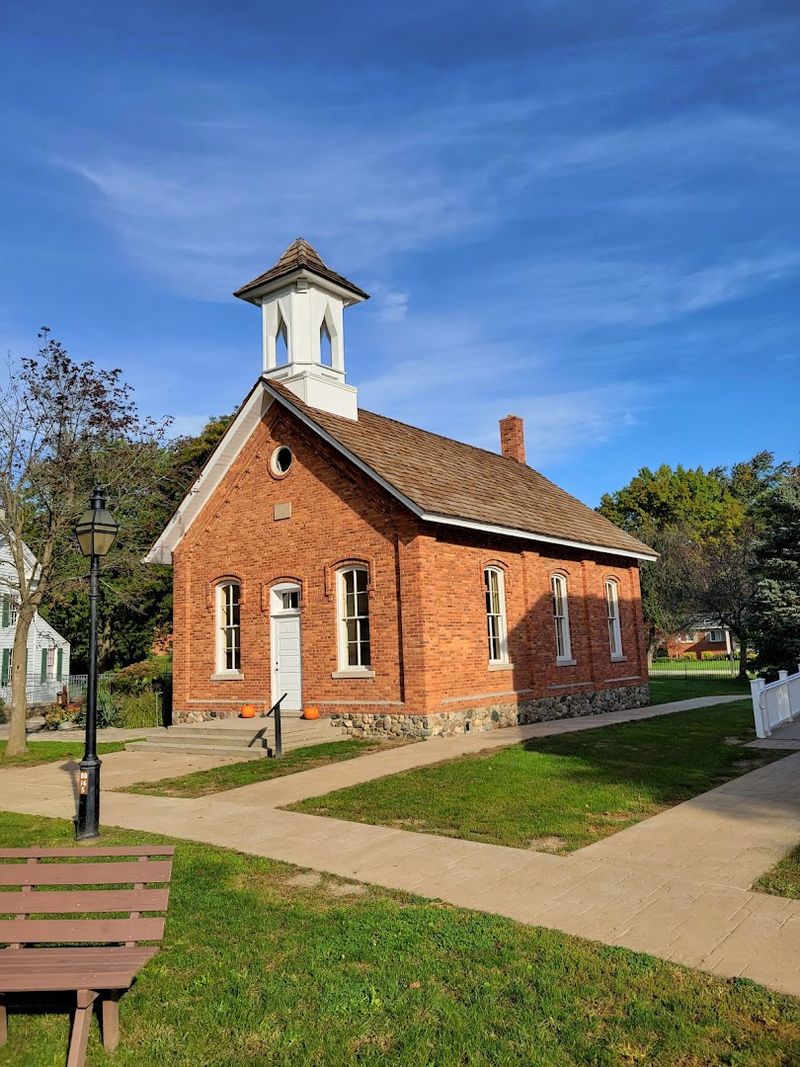
Troy Historic Village works because it resists the idea that suburban history must be bland. The preserved buildings and exhibits focus on local life in a way that makes the area’s transformation easier to understand, from rural community to one of metro Detroit’s busiest suburbs.
That contrast gives the place an unexpectedly sharp point of view. I appreciate sites like this because they make ordinary development patterns legible. Historic villages can sometimes lean too hard on nostalgia, but here the value is in seeing what was present before roads widened and commercial corridors took over the map.
The scale is manageable, which means you can actually absorb the details instead of hurrying past them. If you pair it with the rest of a southeast Michigan day, it becomes a smart, grounding stop rather than an afterthought.
5. Meridian Historical Village, Okemos
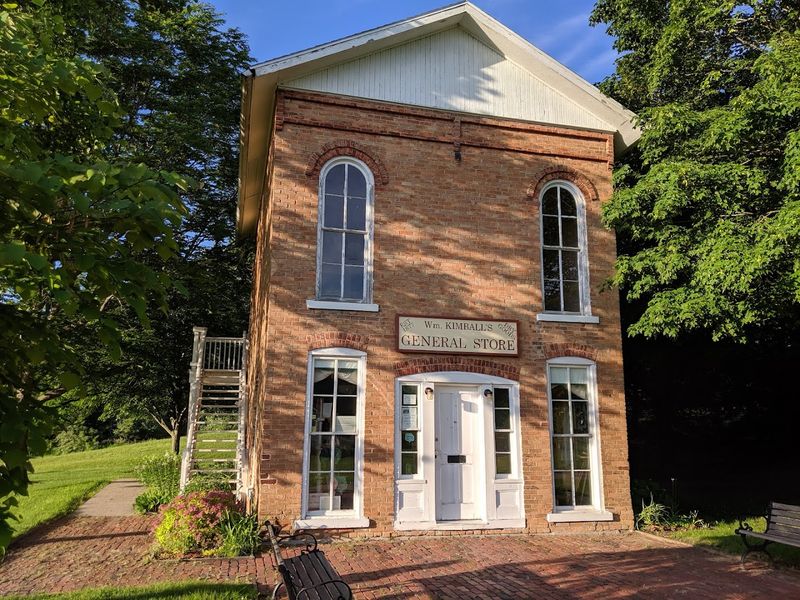
Meridian Historical Village has the appealing modesty of a place that knows its job and does it well. In Okemos, the preserved buildings create a compact window into local settlement and community life, and the small scale actually helps.
You are not distracted by spectacle, so details become the event. That can mean architecture, layout, or simply the rhythm of moving from one structure to another and realizing how much daily life depended on practical design. Historical villages often succeed when they let local history stay local instead of forcing it into a giant state-sized thesis.
This one feels rooted in its township rather than generic. Visit with a little patience and read the signs carefully, because the reward is cumulative. By the end, the site gives you a clearer sense of how central Michigan communities were assembled piece by piece, not all at once.
6. Sanilac County Historic Village & Museum, Port Sanilac
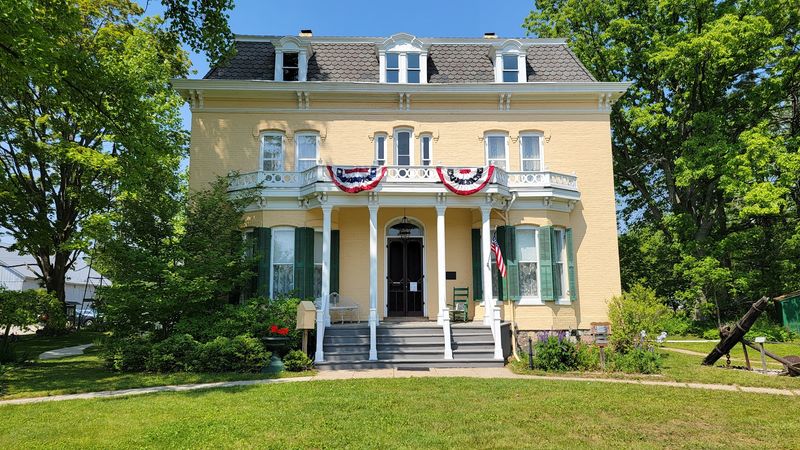
Near Port Sanilac, this village and museum has the kind of regional specificity that makes a road trip feel smarter. Rather than presenting a vague pioneer mood, it concentrates on Sanilac County history, which gives the buildings and artifacts a stronger sense of place.
The Thumb can seem understated until you notice how much local identity is packed into sites like this. The appeal is partly tonal. It is quieter than Michigan’s marquee attractions, and that quieter register lets you notice craftsmanship, domestic routines, and the practical institutions that shaped small communities.
You do not need elaborate reenactments to imagine the people who passed through these spaces. If you are driving the Lake Huron side of the state, this is the sort of stop that deepens the landscape. It turns a scenic route into a more layered understanding of how that shoreline region developed.
7. Montcalm Heritage Village, Sidney
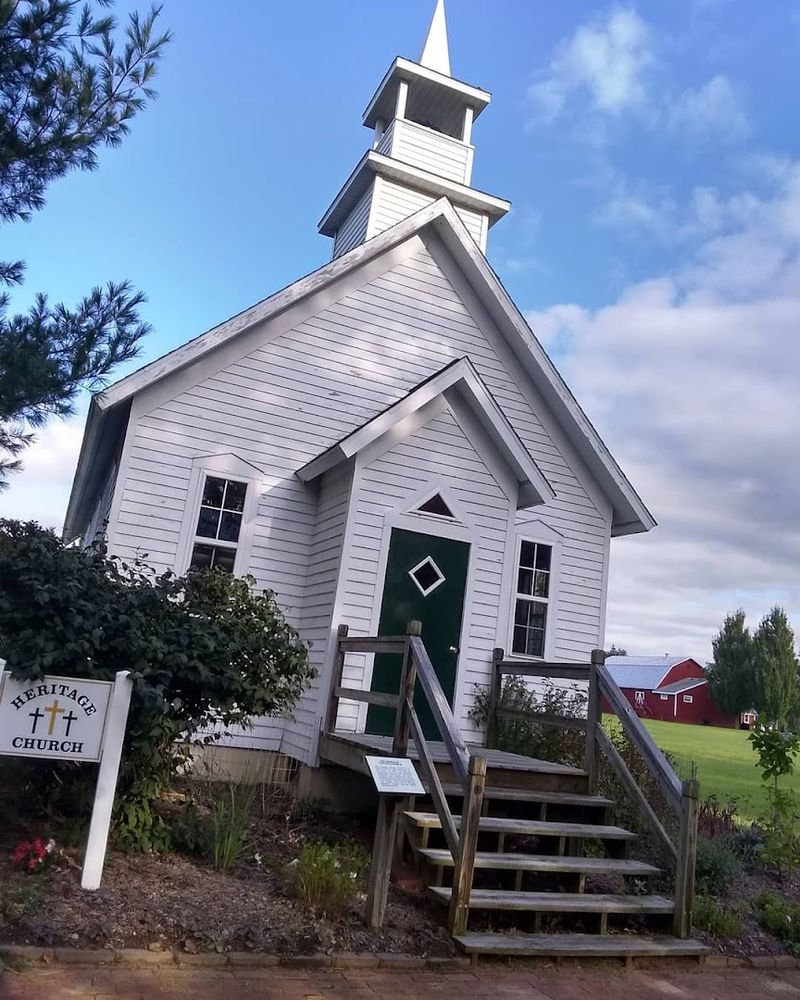
Montcalm Heritage Village feels pleasantly unshowy, which is part of its charm. In Sidney, the site preserves pieces of county history without a lot of fuss, and that directness suits the subject. You get a clearer sense of how everyday institutions and homes anchored rural life when nothing is inflated into frontier mythology.
I found the atmosphere especially appealing because it stays close to the scale of an actual community. Historic villages can lose credibility when they become theme parks, but this one invites attention through proportion, local context, and a steady respect for the material.
It helps to arrive curious about the county itself, not just the buildings. Once you do, the village becomes a map of social habits, work, and community memory. That makes it more than a quick look around old structures, especially if you enjoy under-the-radar Michigan stops.
8. Houghton Lake Historical Village, Prudenville
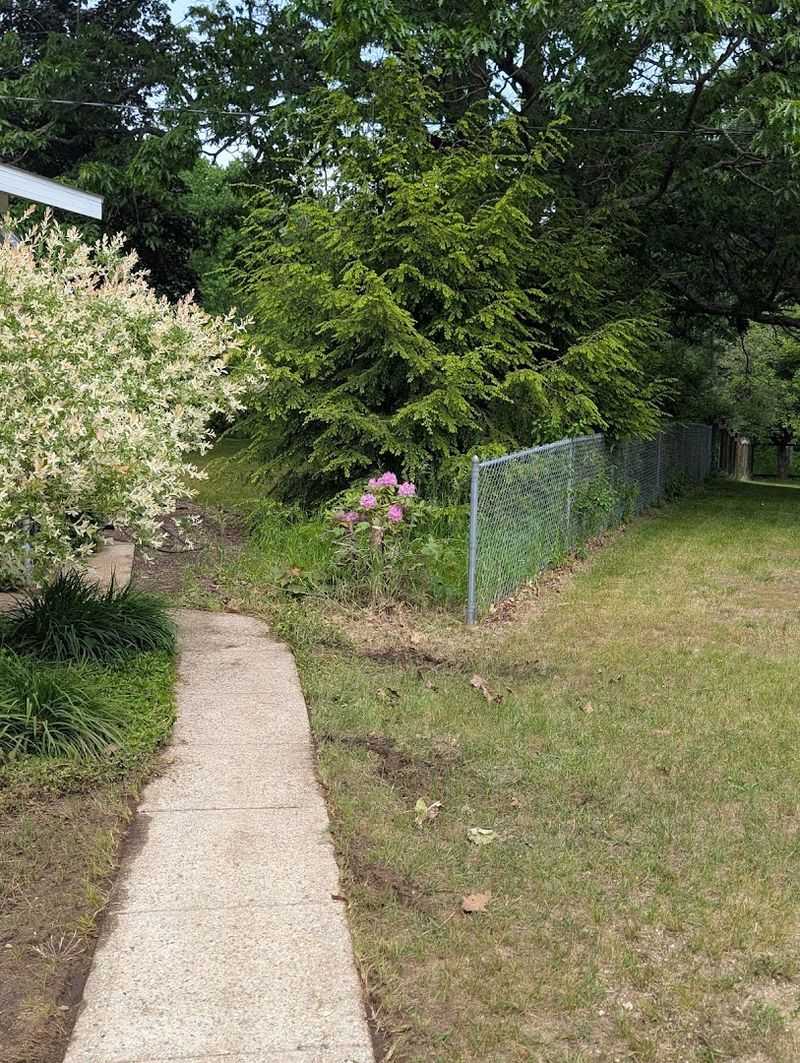
Houghton Lake usually gets framed around cabins, boating, and summer routines, which makes its historical village a nice corrective. In Prudenville, the site adds context to a region many people know mostly as a vacation destination.
Suddenly the area has a deeper timeline, with settlement, work, and civic life stepping forward from behind the lakefront mood. That shift in perspective is what makes the visit worthwhile. A historical village here reminds you that resort regions were built by communities long before they were marketed as escapes.
The preserved buildings help connect recreation country to the labor and planning that sustained it. If you are already in the area, this stop broadens the trip without demanding a huge time commitment. It is especially satisfying on a day when the weather is mixed and you want something grounded, local, and less obvious than another scenic overlook.
9. Greenmead Historical Park, Livonia
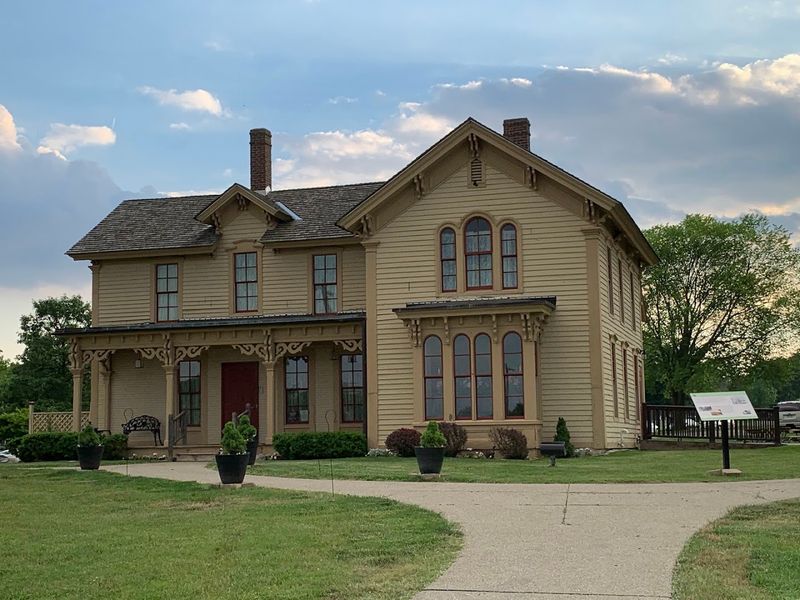
Greenmead Historical Park sits inside Livonia with a calm confidence that feels almost corrective. This 95-acre park preserves an authentic farmhouse and outbuildings tied to Michigan’s agricultural past, and the setting gives suburban development a useful backdrop. Instead of pretending the city arrived fully formed, Greenmead shows the working landscape that came first.
The farm setting is the key. Barns, grounds, and domestic structures make agriculture visible as a daily system rather than a decorative idea, which is something many heritage sites struggle to convey. You can walk it as a park, but the better approach is to let the layout teach you how labor, family life, and land use once fit together. That makes Greenmead feel less like a nostalgia capsule and more like a readable document.
For anyone exploring metro Detroit history, it is one of the region’s most clarifying stops.
10. Vicksburg Historic Village, Vicksburg
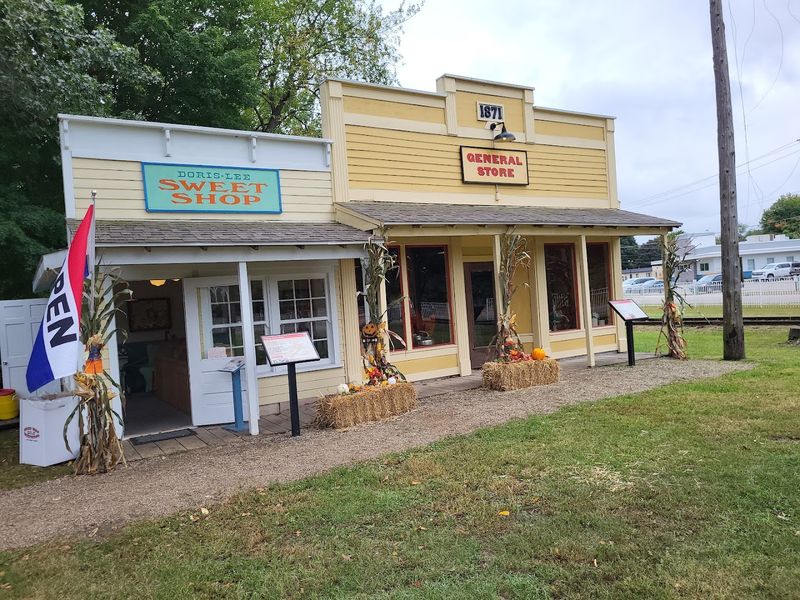
Vicksburg Historic Village has the tidy, quietly serious atmosphere of a place built by people who care about continuity. The preserved buildings offer a concentrated look at village life in southwest Michigan, and the scale encourages actual noticing. You are close enough to see how architecture, tools, and public spaces shaped everyday habits.
I like historical villages that do not confuse friendliness with simplification. Vicksburg’s strength is that it presents local history through structures that once mattered to real routines, whether civic, domestic, or commercial. That keeps the experience grounded and specific instead of sentimentally blurry.
The visit works best if you lean into that specificity and give each building a minute longer than you planned. Small places often reveal themselves slowly. By the end, what seemed modest at first has probably become one of the more memorable stops on your route through this part of the state.
11. Historic Charlton Park, Hastings
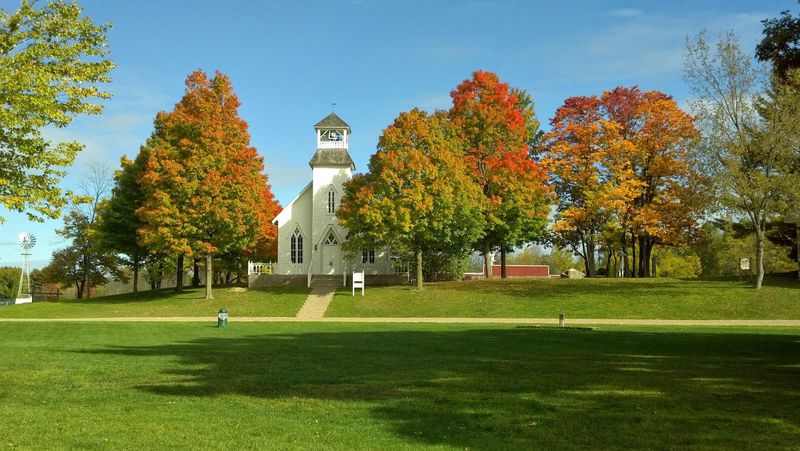
Historic Charlton Park benefits from a beautiful premise before you even get to the buildings. Set along the Thornapple River near Hastings, this open-air museum includes a recreated 19th-century village with a general store, blacksmith shop, church, and one-room schoolhouse, all furnished in period style.
Water, trees, and village structures give the place a lived-in calm rather than a staged feel. What stands out is how complete the social picture seems. Instead of isolating one trade or one grand house, Charlton Park gathers the institutions that made a community function, and that balance helps the site feel coherent.
The furnished interiors matter because they restore scale and texture to the story. You can imagine lessons, purchases, prayers, and work happening within a single shared world. Arrive ready to wander, not rush, because the park setting encourages slower observation and rewards it.
12. Clinton Township Historical Village Museum, Clinton Township
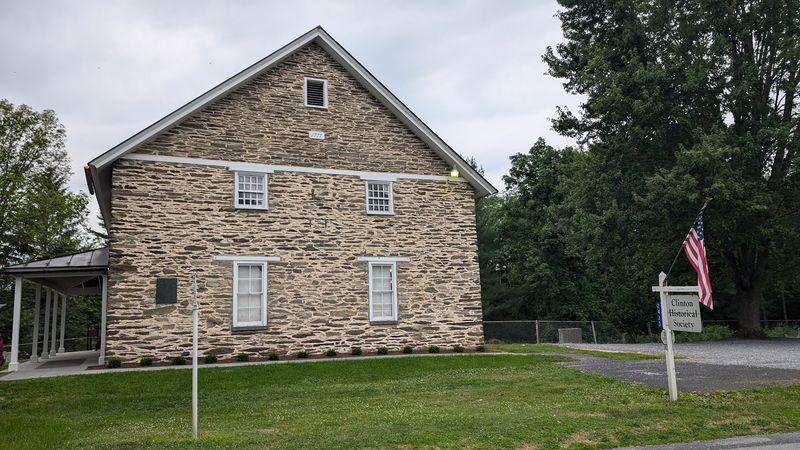
Clinton Township Historical Village Museum makes a convincing case for paying attention to local history where you might least expect it. In a part of metro Detroit better known for traffic patterns and shopping corridors, the village museum preserves an older community framework.
That contrast gives the visit a particular kind of clarity. The site is useful because it narrows the lens. Rather than telling all of Michigan’s story at once, it focuses on the township and lets buildings, artifacts, and layout explain change at a human scale.
You leave with a stronger sense of what existed before modern infrastructure flattened the distinctions between places. That is more valuable than it sounds. For visitors already exploring Macomb County, this stop works as both a history lesson and a recalibration. It reminds you that familiar suburban ground usually rests on deeper layers, if someone has taken the trouble to preserve them.
13. Pioneer Log Village, Bad Axe
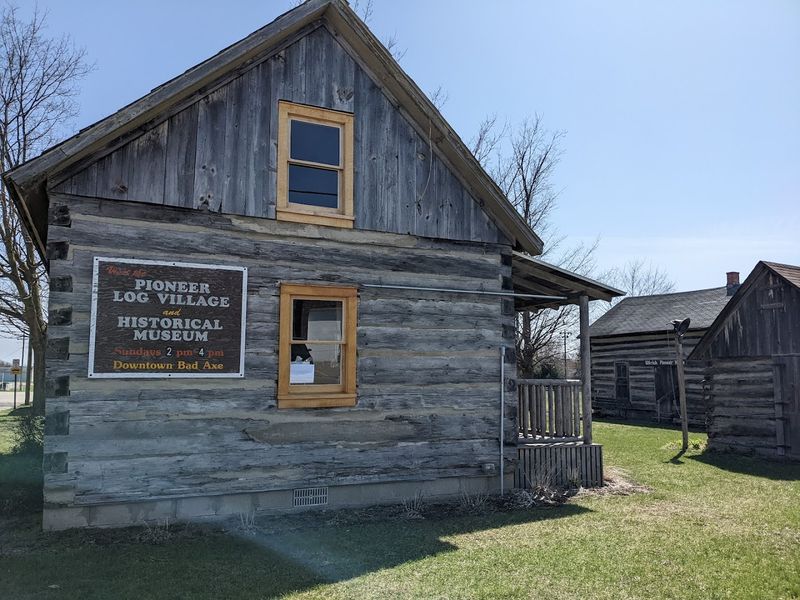
Pioneer Log Village in Bad Axe has a name that tells you exactly what you are getting, and thankfully the site follows through. The focus on log structures gives the village a rougher, earlier texture than some polished historic parks, which suits the Thumb’s settlement story.
You notice construction methods, materials, and scale before anything else. That material honesty is the pleasure here. Log buildings make survival, adaptation, and local resources impossible to romanticize too much, because the architecture itself is a reminder of hard practical choices.
I find that refreshing. In a region where agricultural land can seem endless from the road, this village helps you picture the earliest built environment that preceded later prosperity and organization. It is not flashy, and that is the point. Visit as part of a wider Thumb drive, and it adds grit, context, and a welcome change of tempo.