
These 11 Lake Huron And Lake Erie Towns In Michigan Are Perfect For An Easy Escape In 2026
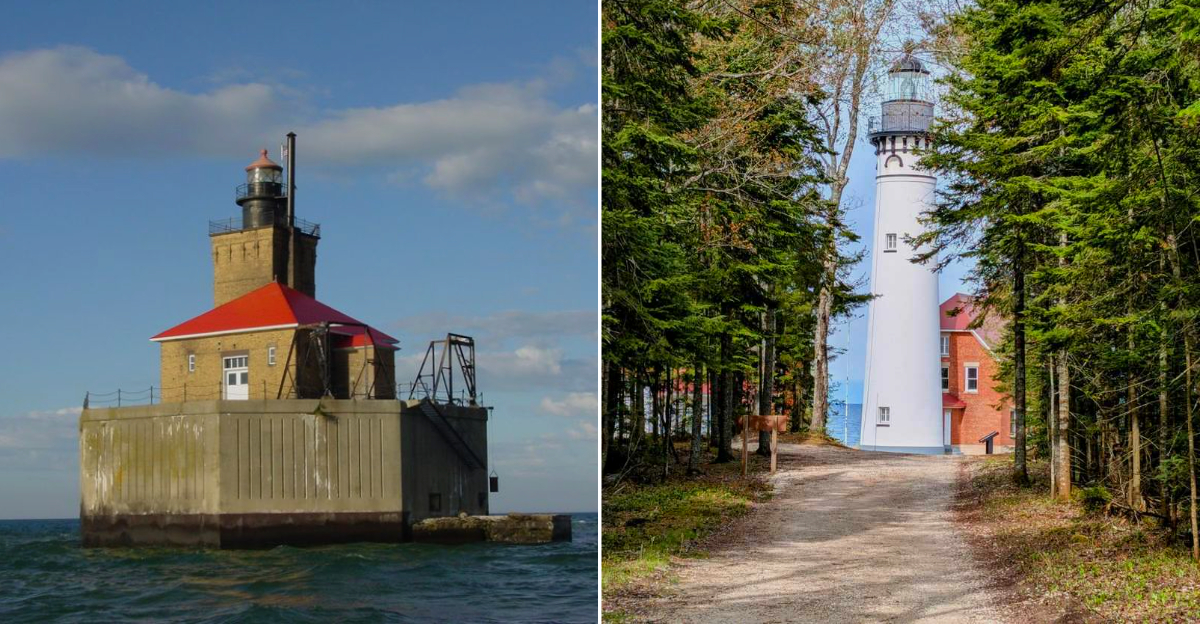
Michigan’s Lake Huron and Lake Erie edges feel like a string of small, sun-drenched revelations, each town stitched to the horizon with its own specific rhythm.
In 2026, these shorelines are rewarding the slow traveler: think steam rising from a coffee mug on a quiet pier, a lighthouse tour that still manages to surprise you, and local festivals where the wind carries the sound of a distant drum across the bay.
You get the weight of history without the fuss, stretches of sandy walks without the mid-summer chaos, and local quirks that feel earned rather than staged for a camera.
Explore the scenic Michigan Thumbcoast and Lake Erie shoreline for historic lighthouse tours, peaceful beach walks, and charming waterfront festivals this season.
Whether you are hunting for the perfect vintage find in a lakeside shop or just want to feel the spray of the Great Lakes on your face, this route is about the joy of the journey.
11. Port Austin
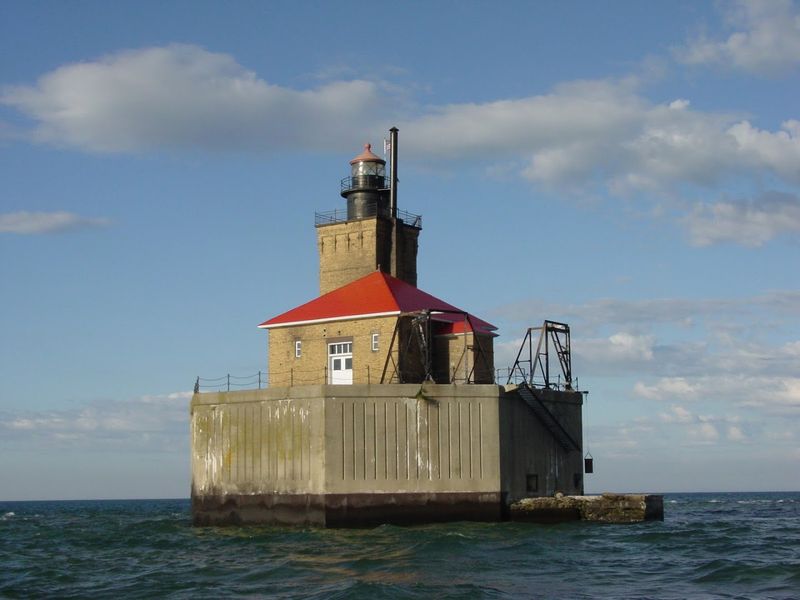
Morning light hits the Thumb’s tip differently in Port Austin, throwing a silver sheen across the harbor and the breakwall. There is a crispness here that feels like a clean slate when you stand at the edge of the peninsula and look into the vast blue of Lake Huron.
History lingers nearby in the vanished lumber town of Port Crescent, now remembered mostly through the trails and dunes of Port Crescent State Park. The area is also a Dark Sky Preserve, which makes it especially good for anyone hoping to see the Milky Way without city glow.
The beaches are wide and the water feels honest, refreshing without any pretense. If the wind makes the lake too rough, it is easy to shift toward galleries or a slower walk along the breakwater.
I often stop for a Perch Basket somewhere within sight of the marina masts. Fresh lake fish tastes even better when you can hear the rigging clink in the breeze and feel that steady hush of the lake staying with you.
10. Caseville
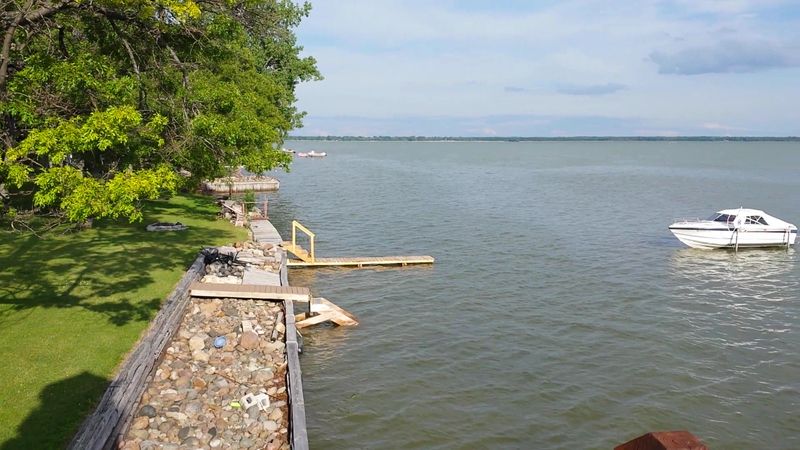
Beach-town spirit feels especially literal in Caseville, where Saginaw Bay lays out soft sand and lazy chop along a long public shore. The harbor is small enough to feel personal, which means the town can start feeling familiar within an hour.
Gulls patrol the pier with the confidence of permanent management. Around them, the scene falls into a very Michigan summer collage of pastel cottages, grill smoke, and kite strings pulling against a high blue sky.
History here leans more toward celebration than architecture. The Cheeseburger in Caseville festival is the season’s loudest expression, turning Main Street into a tropical, grill-scented parade every August.
It is a very specific kind of Jimmy Buffett-inspired chaos, so it makes sense to book lodging months ahead if that is your plan. For something quieter, Sleeper State Park just east of town offers dune overlooks and a quick mental reset.
Because of the shape of Saginaw Bay, wind shifts matter here more than people first expect. The water can turn from glassy to playful in a very short stretch of time.
9. Lexington

Start the morning quietly in Lexington with a hot coffee near the harbor, where small waves tap the rock armor and sailboat masts jiggle like tuning forks in the wind. The town carries its First Resort North nickname with surprising ease.
The brick storefronts along the main street are genuinely pleasant to wander, offering everything from vintage candy to more polished wine tastings. I always make a point of stepping into the local hardware store just for the smell of tin, oil, and rope.
The town’s history shows in preserved Victorian homes and the well-kept Lexington State Harbor, which still serves both practical fishing needs and relaxed weekend wandering. That mix of utility and leisure gives the place its balance.
If you are there on a summer Friday, Music in the Park is worth catching. Lawn chairs line up neatly toward the bandstand while the music competes gently with the nearby water.
When the lake is calm, walking the breakwall gives you a shoreline perspective the beach cannot quite offer. In spring or autumn, Lakeshore Road makes a good slow drive with freighters moving on the horizon like punctuation.
8. Harbor Beach
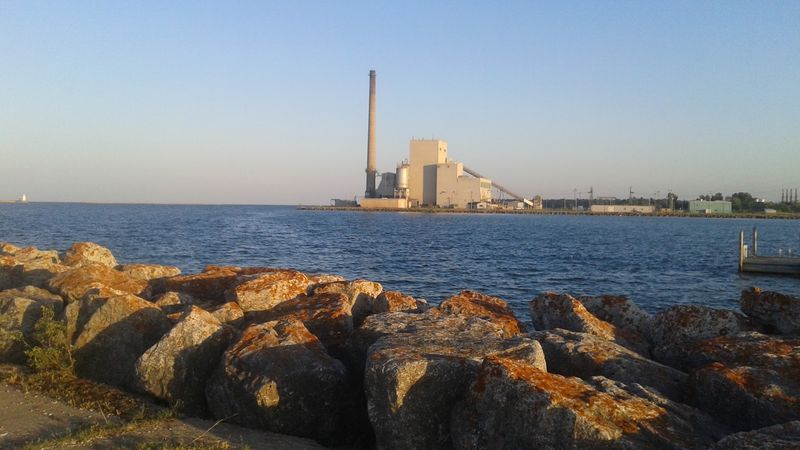
Harbor Beach wears its superlative lightly, even though it has the world’s largest man-made freshwater harbor. The basin holds the water calm behind a strong breakwall that has absorbed more than its share of Huron weather.
The Harbor Beach Lighthouse stands offshore like a small white chess piece, quiet and steady. On fair days, tour boats head out so visitors can climb the narrow stairs and take in a view that can stretch all the way to Canada.
The scale of the harbor makes more sense once you remember the town’s rail-era history. The protective arms were built with hard practicality, and today anglers, sailors, and swimmers all benefit from that old effort.
It is smart to book the lighthouse tour earlier in the day before the sun gets too high. Afterward, a walk along the pier gives you that larger lake perspective that quietly resets your sense of scale.
The forecast matters here, especially if you are heading beyond the breakwall. The harbor may feel sheltered, but the open water beyond it can still turn forceful with very little warning.
7. East Tawas
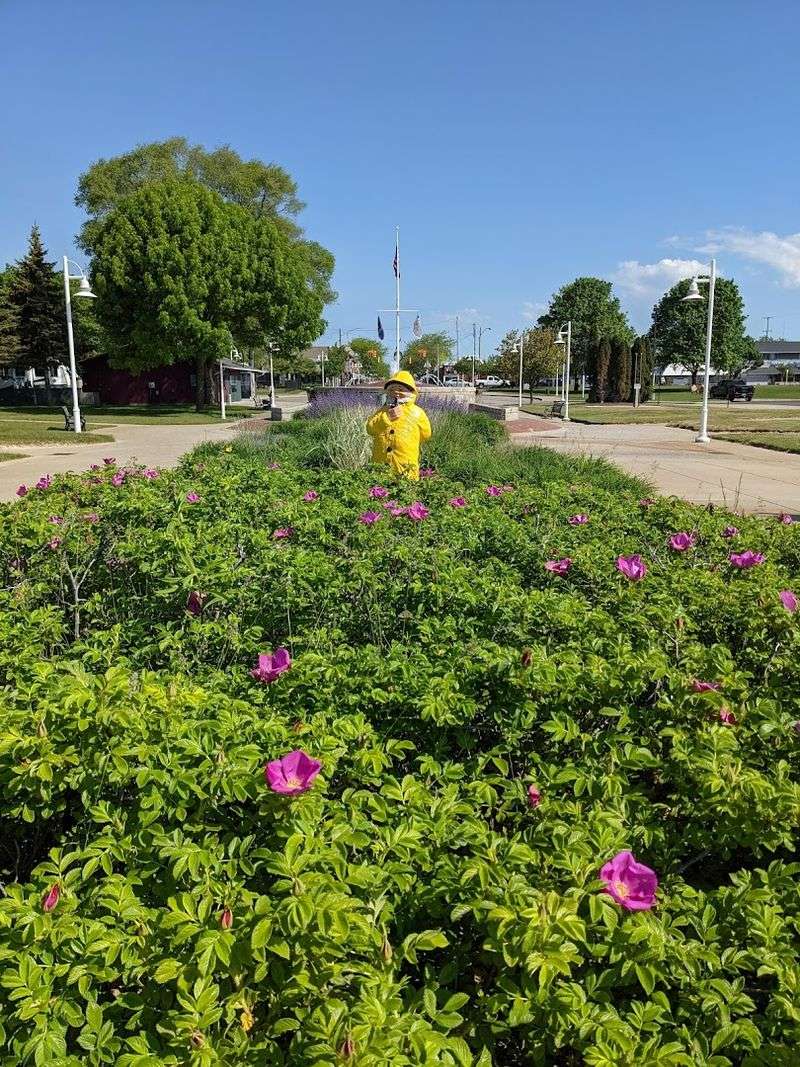
Calm water defines East Tawas, thanks to the curve of Tawas Bay that tucks boats into a harbor that feels almost inland. The boardwalk frames views of the piers, and Newman Street keeps the mood beachy without sliding into kitsch.
It is a place that feels balanced, part visitor town and part residential retreat. Nothing seems to lean too far in either direction, which is one reason it stays comfortable.
The deeper history of the area comes into focus at Tawas Point State Park. The lighthouse there marks the shifting sands and also serves as a migration crossroads for thousands of warblers every spring.
Birdwatchers arrive with binoculars and a kind of practiced quiet. The trails move through prairie grass and open suddenly to the channel in a way that feels breezy rather than dramatic.
This stretch of coast has a microclimate worth respecting. A windbreaker can still matter in July, because the point often cools down while town remains warm.
Early morning gives you the quietest minutes on the bay side, after which the Lake Huron side usually feels brighter and choppier. It becomes a small lesson in paying attention to the way wind reshapes water from one hour to the next.
6. Oscoda

Oscoda sits where the Au Sable River meets Lake Huron, and that confluence shapes the town’s entire mood. The water stays clear, the currents stay present, and the sky somehow always feels larger than expected.
Downtown is compact and friendly, with murals and a couple of very good bakeries pulling in sandy-footed locals and visitors every morning. It does not really feel like you have arrived until you have stood in line for a Cinnamon Roll.
The town’s older identity still points back to lumber, a history honored upriver at the Lumberman’s Monument. From there, looking over the river and dunes, you get a more physical sense of the labor that built this part of Michigan.
The River Road National Scenic Byway links overlooks, eagle habitat, and trailheads that stay surprisingly quiet even in July. It is one of the stronger drives in the state for anyone who values forest silence more than speed.
Oscoda also gives you long forgiving beaches both north and south of town. If you want a more active start, paddling from the river into the lake mouth early in the day is especially good.
5. Harrisville
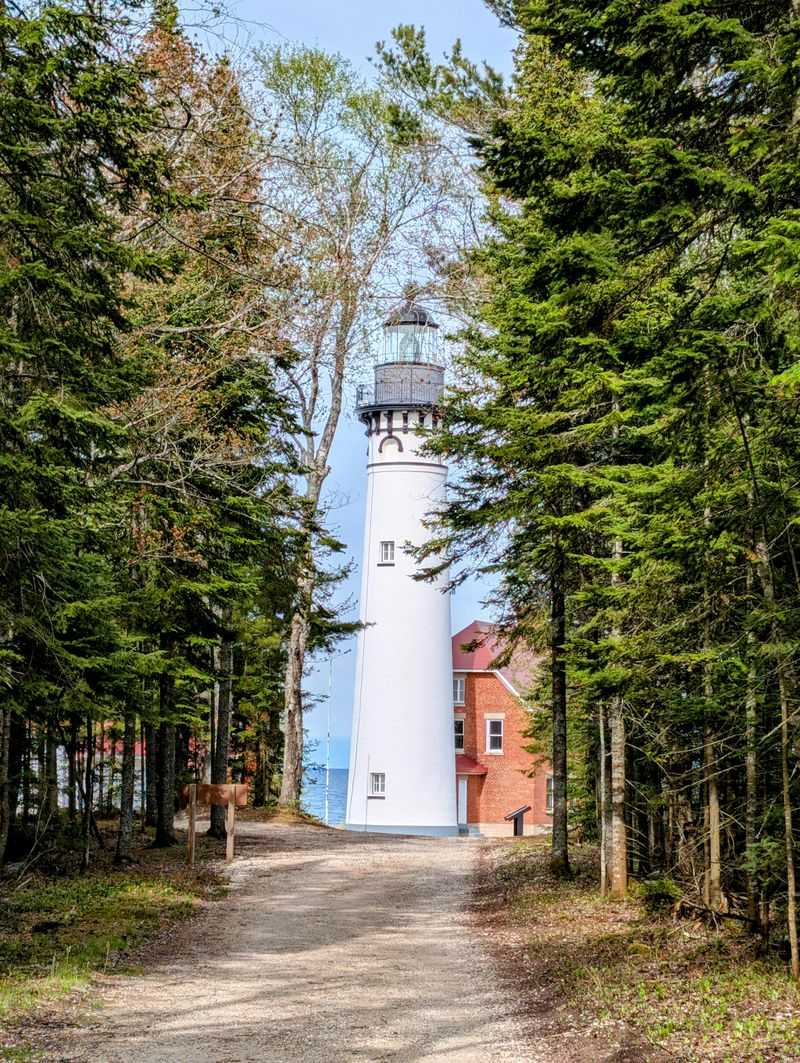
Harrisville is small enough that the wind feels almost local, moving through the pines of Harrisville State Park with a soft steady hush. The beach is not enormous, just a narrower ribbon of shore with the campground tucked behind dune grass.
It is the kind of place where people still say hello on the way to the water. That alone tells you a lot about its scale and pace.
Preservation feels active rather than ceremonial at nearby Sturgeon Point Lighthouse. The white tower and keeper’s house explain Great Lakes navigation with a plain honesty that suits the place well.
There are no elaborate simulations here, just the tools themselves and a real sense of how families once lived while keeping the light going.
If you are staying nearby, grocery timing matters more than it would in a larger town. Once the shops close, the evening really does begin, and the place commits fully to that slower rhythm.
This is what makes the stars feel larger here. During the shoulder months especially, cold-blue mornings and woodsmoke from backyard fire rings make Harrisville feel locked precisely between lake, forest, and town.
4. Alpena
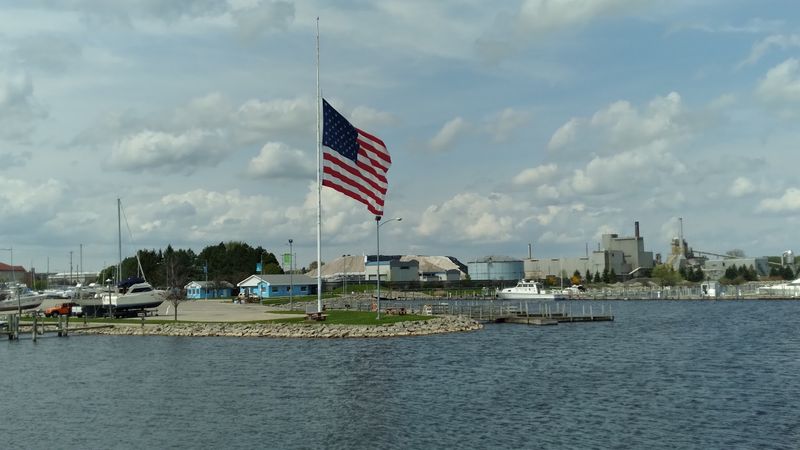
Alpena feels like a working port that learned hospitality without sanding away any of its edges. The riverfront marina opens into Thunder Bay, where gulls, kayaks, and research vessels all seem to share the water without tension.
Calling it a Sanctuary of the Great Lakes does not feel promotional once you are actually standing on the dock. The phrase makes practical sense there.
History remains unusually present beneath the surface, because Thunder Bay National Marine Sanctuary protects dozens of well-preserved shipwrecks. The Great Lakes Maritime Heritage Center helps turn that fact into something visible and immediate.
Its exhibits, including the full-size schooner stern, make the risks of early sailing feel much less abstract. On clear days, the Glass-Bottom Boat Tours are the easiest way to bring those wrecks into view without getting wet.
Downtown strikes a pleasant balance between local pubs, art galleries, and the nostalgic glow of the restored State Theater marquee. When you need more open space, Rockport State Recreation Area makes a strong companion trip.
The quarry cuts and limestone shoreline out there have a spare beauty that works well after a more museum-heavy stop.
3. Rogers City

In Rogers City, industry and scenery do not compete so much as work alongside each other. The Calcite Quarry is one of the largest in the world, and its scale feels slightly unreal the first time you see it.
You can stand in a carefully kept green park and watch massive freighters loading stone nearby. The contrast is not awkward at all, which is part of what makes the town memorable.
Its maritime history runs through places like 40 Mile Point Lighthouse and the visible timbers of the Joseph S. Fay shipwreck on the beach. Those details keep the shoreline from ever feeling merely pretty.
Downtown is tidy in a way that suggests people take both work and upkeep seriously. Bakeries and butcher shops still carry a strong local tone, and it often feels like the owners already know your grilling plans.
Timing your visit with a freighter arrival is worth the effort. From Lakeside Park, watching those ships maneuver into harbor gives you the strength of the Great Lakes and the town’s calm honesty in one frame.
2. Luna Pier
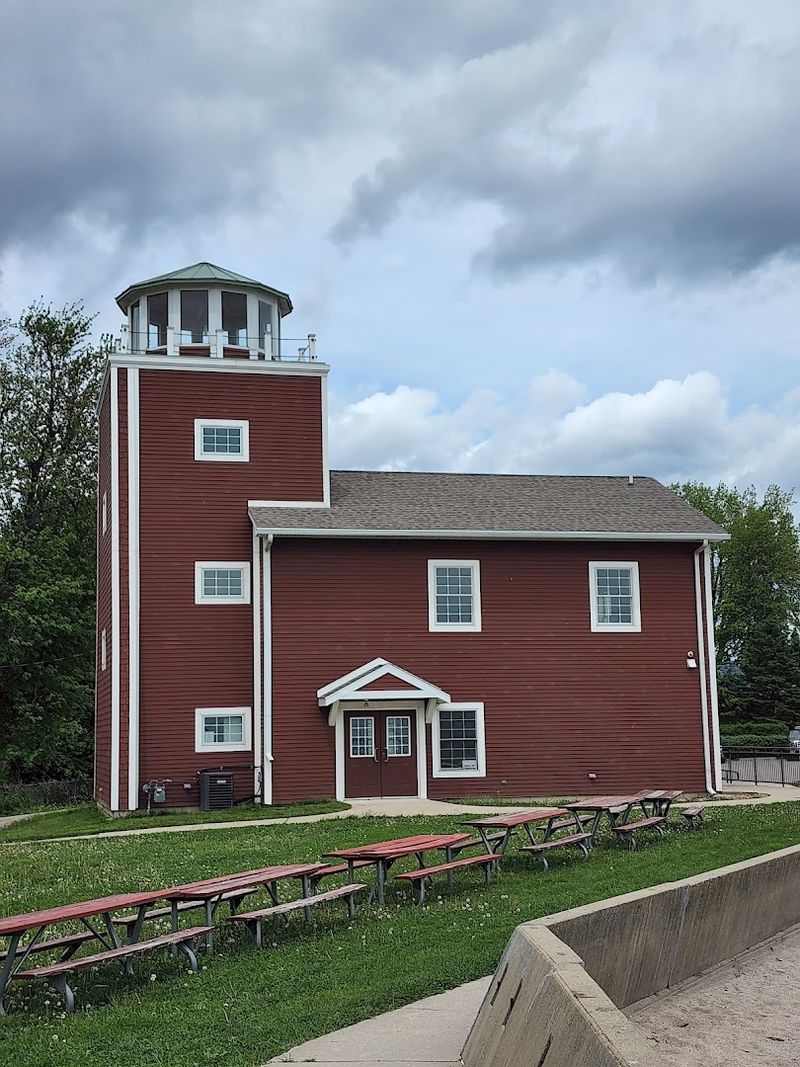
Moving south to Lake Erie, Luna Pier keeps things compact and approachable. There is a short clean beach, a sturdy concrete pier, and on some days even a faint Toledo skyline sitting low to the south.
The neighborhood follows an easy grid that makes walking feel natural. Front-porch conversations pass from yard to yard as you move toward the water, and the whole place stays pleasingly direct.
Its earlier history survives mostly in old photos of the original wooden pier and busier amusement-era days. What remains now is simpler, centered mostly on yellow perch fishing and quiet sunrise walks.
Because Lake Erie’s shallows warm faster than Huron’s, Luna Pier works especially well for early-season wading. The lake feels close and accessible in a way that changes the whole pace of the stop.
I like arriving midweek, parking near the pavilion, and doing slow repeated laps on the pier with coffee. It clears the head without asking very much from you.
Bug spray helps when the wind dies, and it is smart to watch the horizon because storms can build quickly over shallow Erie water. It is a small place with a big sky, and that balance suits it.
1. Erie
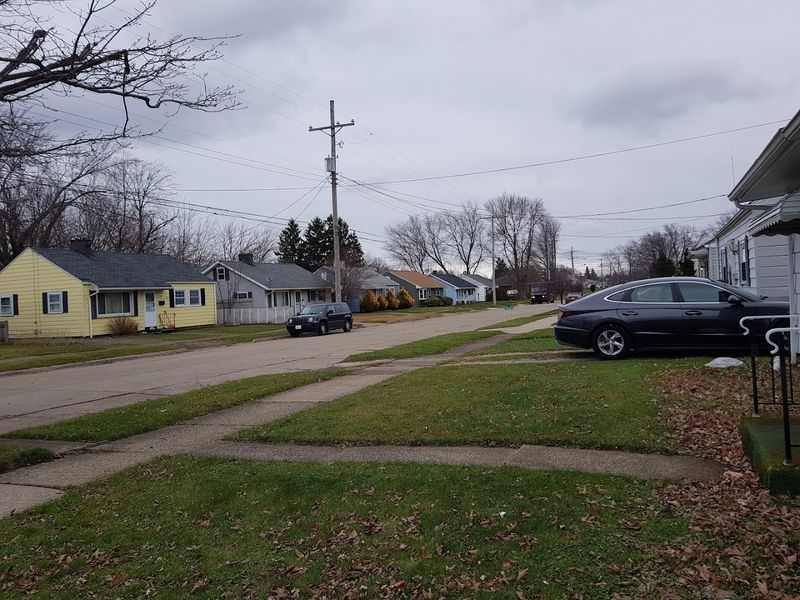
Erie, Michigan, right near the Ohio line, leans on quiet water and open sky rather than storefront charm. The shoreline is low and reedy, shaped by the broad shallows of North Maumee Bay.
It is the kind of place that appeals more to naturalists and patient observers than to anyone looking for a conventional resort stop. The boundary between land and water feels blurred in a way that is actually the main attraction.
The history of the area is written more in drainage ditches and farm grids than in preserved downtown blocks. Conservation now defines the place more clearly than commerce does.
That becomes most visible at Erie Marsh Preserve, where the emphasis stays on migrating waterfowl and rare marsh birds. Access can vary by season and management schedule, so checking ahead is worth doing.
Anglers appreciate the protected corners and small launches on calm mornings, but they know to retreat inland when the chop starts stacking up. Binoculars and patience both belong on the packing list here.
This is a true margin-of-the-map stop, where the lake seems to exhale instead of perform. Out here, it does not simply meet the land, it slowly weaves into it.