
This Illinois Japanese Restaurant Has One Of The Hardest Reservations To Get In 2026
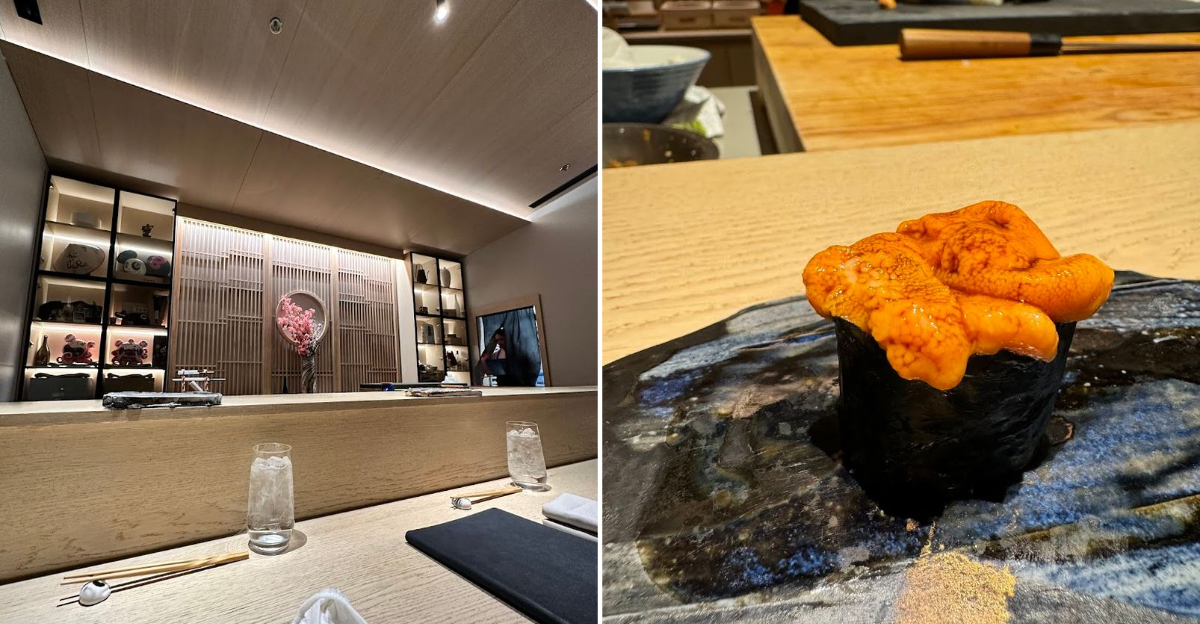
One of the hardest reservations to land in Illinois comes with just a handful of seats and a reputation that keeps growing. This intimate sushi counter, set near the Logan Square and Bucktown border in Chicago, hosts only a small group of guests each evening, making every booking feel like a win.
Acclaimed chef leads the omakase experience, shaping a seasonal menu around exceptional fish sourced from Japan’s top markets. Each dinner reflects precision, timing, and a deep respect for tradition without feeling rigid.
Securing a seat in 2026 means stepping into something rare: a focused, high-level dining experience that stands out even in a city known for great food.
The Omakase Experience At Kyōten
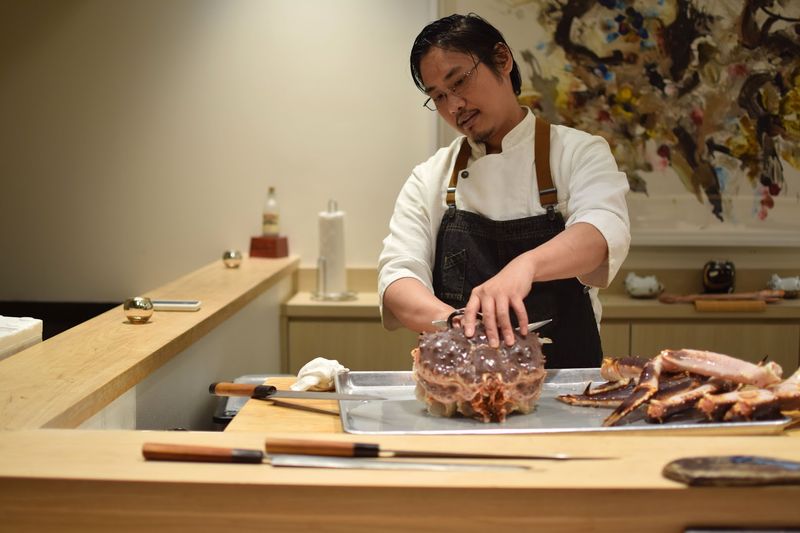
Few dining formats demand as much trust from a guest as omakase, and Kyōten delivers on that trust completely. The word omakase translates roughly to “I leave it up to you,” and handing creative control to Chef Otto Phan turns out to be one of the best decisions a Chicago food lover can make.
Each course arrives with intention. Nothing on the menu feels random or rushed.
Phan leads the culinary experience and remains closely involved in the preparation of each course, ensuring a level of consistency that larger restaurants cannot match.
The tasting menu changes based on what the market offers that day, so no two visits are exactly alike. That unpredictability is a feature, not a flaw.
Guests at the eight-seat counter experience something genuinely rare: a chef fully present and invested in every plate, every slice, and every moment of the meal from the first course to the last.
The Talent Behind The Counter
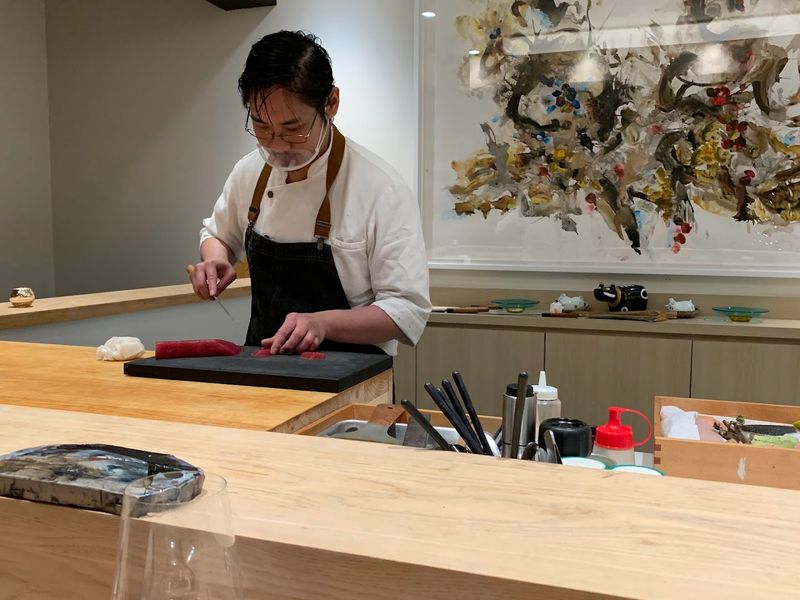
Chef Otto Phan is a Vietnamese-American culinary artist with an almost obsessive dedication to Japanese ingredients and tradition. His connection to Japan goes far beyond admiration.
He visits Tokyo twice a year and maintains daily communication with fish traders on the floor of the city’s legendary fish markets.
Those traders text Phan updates about the finest catches available, allowing him to shape each evening’s menu around what is truly extraordinary that day. That kind of direct sourcing relationship is extraordinarily rare for a chef based in the American Midwest.
What makes Phan’s cooking so compelling is his balance of deep respect for Japanese culinary tradition and a natural creative confidence. He works within those traditions without feeling confined by them.
Watching him work at the counter is part of the experience itself. His hands move with quiet authority, and his willingness to explain each course makes the entire meal feel personal, educational, and genuinely warm.
The Bucktown Neighborhood Location
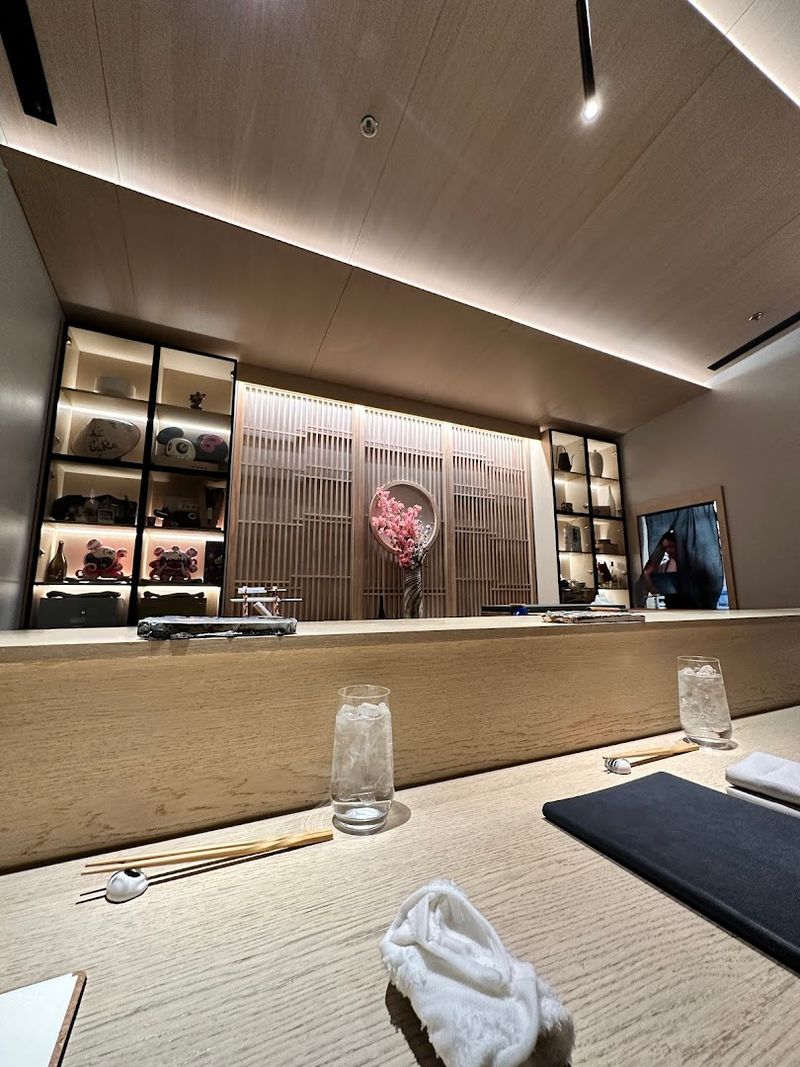
Kyōten sits at 2507 W Armitage Ave in Chicago’s Bucktown neighborhood, an area known for its creative energy, independent businesses, and strong local character. The surrounding streets have a relaxed, residential feel that contrasts pleasantly with the high-end nature of what happens inside the restaurant.
Bucktown is well connected to the rest of Chicago, making it accessible from most parts of the city without much difficulty. Guests arriving from downtown or other neighborhoods will find the area easy to navigate, and the neighborhood itself is worth a short walk before or after the meal.
The restaurant’s exterior is understated, which fits perfectly with the philosophy inside. Kyōten does not need a flashy facade to announce itself.
Its reputation travels through conversation and word of mouth rather than signage.
For anyone visiting for the first time, knowing the exact address and confirming it before heading out is a practical tip that saves confusion on arrival, especially in the evening hours.
Service Style And Atmosphere
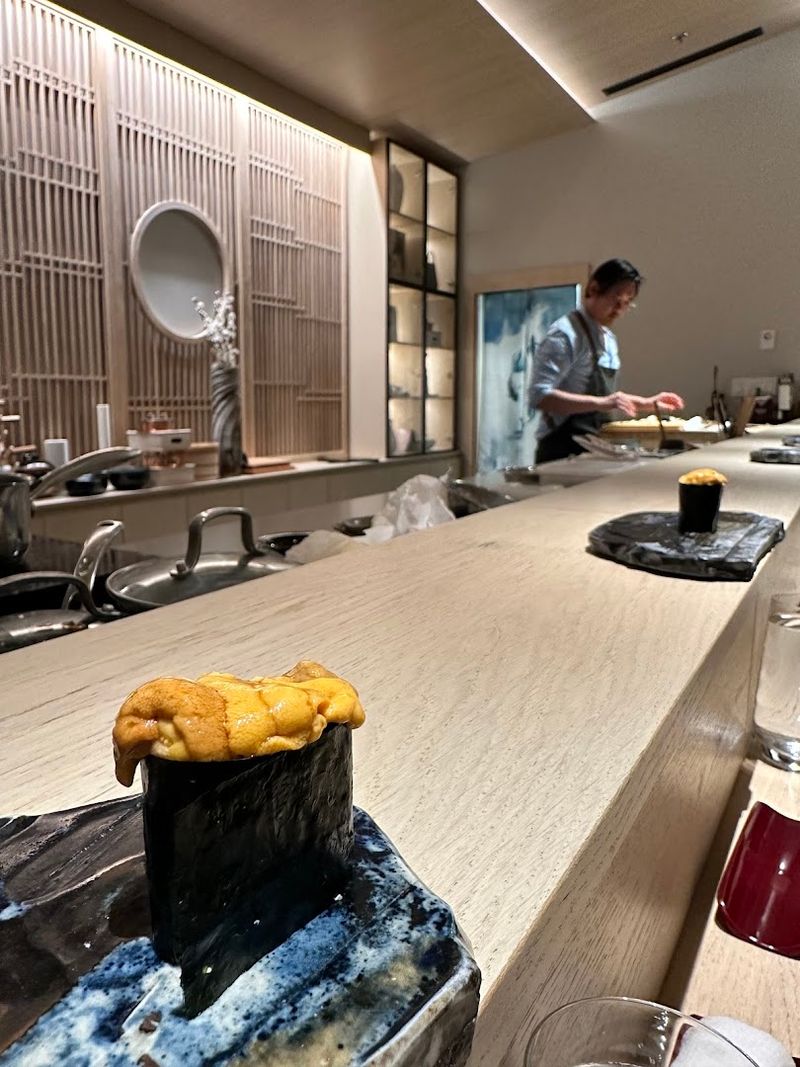
The service at Kyōten is built around attentiveness without formality. A single server handles the dining room while Chef Phan manages every aspect of the food.
That lean structure works because the guest count is so small. Every need gets noticed quickly, and the pace of service feels unhurried and natural throughout the evening.
Chef Phan actively engages with guests during the meal, explaining each course as it arrives. He describes the fish, its origin, how it was prepared, and what flavor notes to expect.
That running commentary transforms the meal from a passive dining experience into something closer to a conversation about food, craft, and the natural world.
The overall atmosphere lands somewhere between a high-end restaurant and a relaxed dinner among people who share a genuine interest in great food. The energy is convivial without being loud.
Guests tend to settle into the rhythm of the evening quickly, and the combination of excellent food and genuine human warmth makes the hours pass in the most pleasant way imaginable.
The Intimate Setting
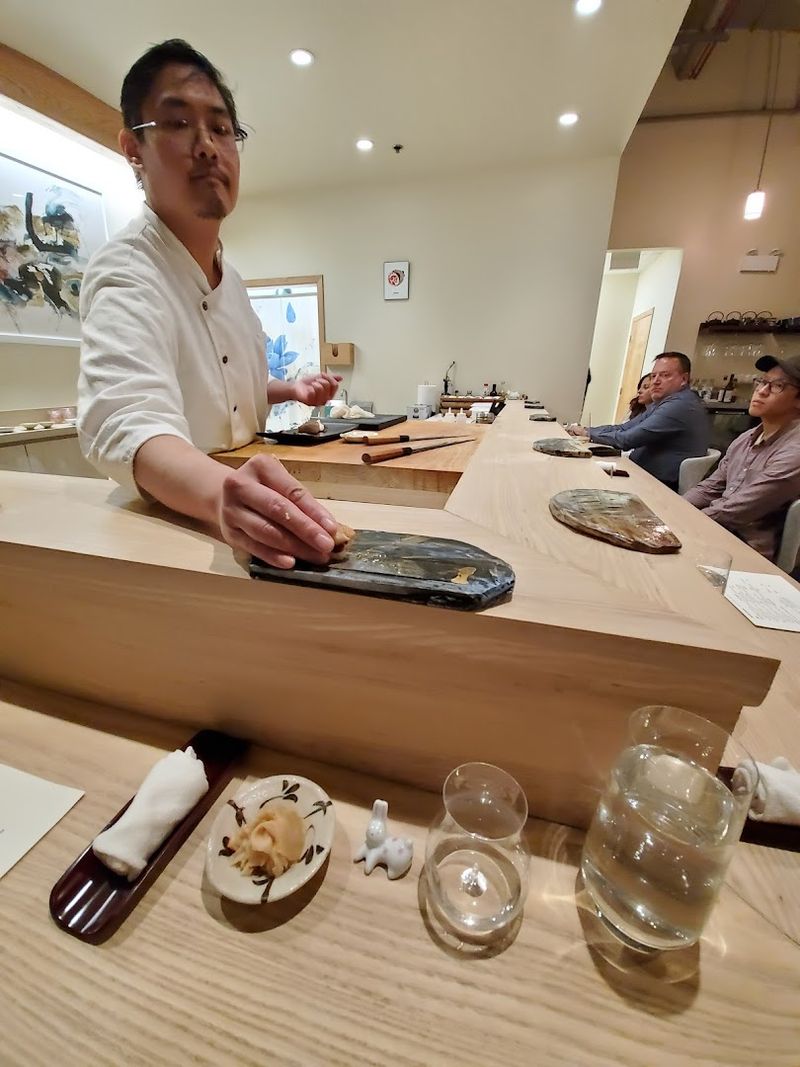
Roughly eight seats per service, with limited nightly reservations. That setup alone separates Kyōten from virtually every other dining destination in Chicago.
The restaurant is designed around intimacy, and the physical space reflects that philosophy completely. There are no hidden kitchens or distant prep areas here.
The cooking happens right in front of you, which transforms each course into a small performance worth watching closely.
Because the group is so small, the energy in the room feels more like a dinner party than a formal restaurant service. Conversations flow naturally between guests and the chef.
Questions are welcomed. The atmosphere is relaxed despite the high-end nature of the experience.
For anyone who finds large, noisy restaurants exhausting, Kyōten’s quiet, focused setting feels like a genuine relief and a refreshing change of pace.
Wild-Caught Fish And Seasonal Sourcing
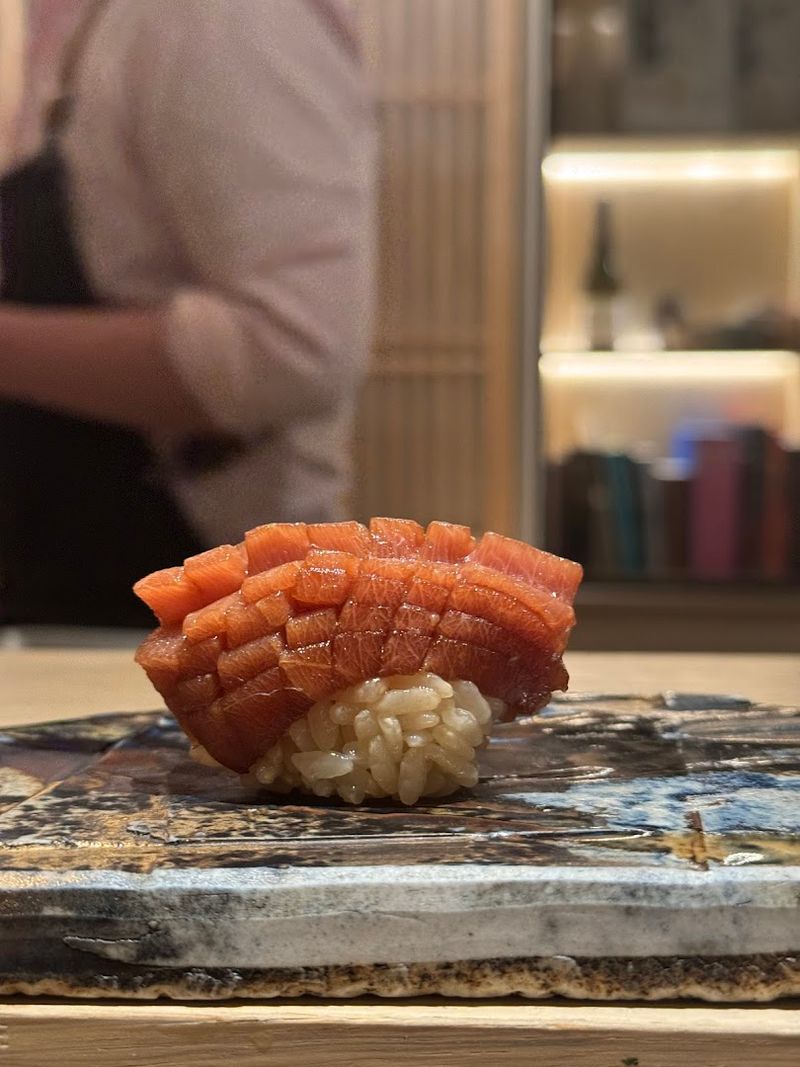
One of the most defining commitments at Kyōten is Chef Phan’s insistence on using only wild-caught fish. The menu strongly emphasizes wild-caught fish and high-quality sourcing.
That standard alone places Kyōten in a very small category of American sushi restaurants willing to hold that line regardless of cost or seasonal availability challenges.
The menu is built around what Tokyo’s fish markets offer on any given day. Because Phan communicates daily with traders at those markets, the fish arriving at Kyōten represents the absolute peak of what the ocean is producing at that moment.
Freshness is not just a selling point here; it is the entire foundation of the menu. Guests can taste the difference immediately.
The fish at Kyōten has a clarity and brightness that sets it apart from what most sushi restaurants serve.
Each piece carries its own distinct flavor profile, and that natural quality makes even simple preparations feel extraordinary. The sourcing philosophy is serious and the results are undeniable.
The Nigiri And Its Exceptional Rice
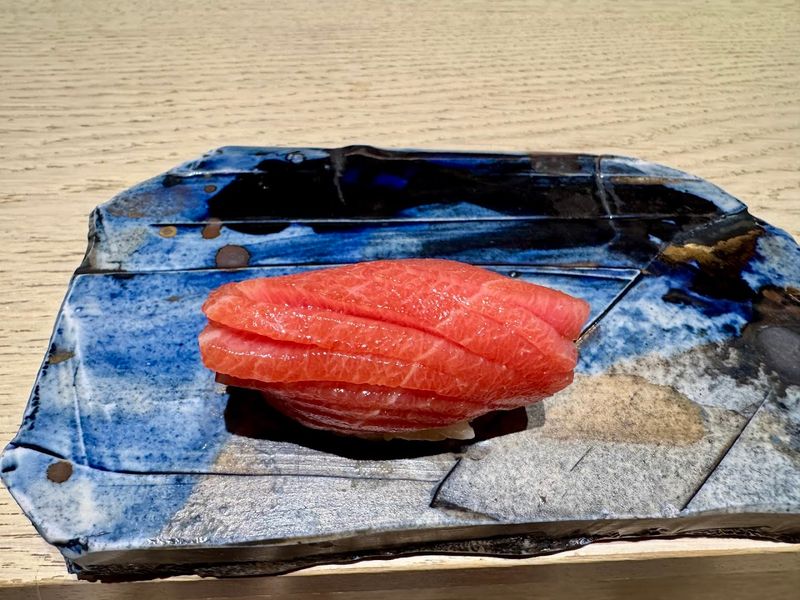
At most sushi restaurants, the rice is treated as a supporting character. At Kyōten, the rice is a co-star.
Chef Phan uses a specific style of sushi rice that very few chefs in the entire country prepare, and the difference is immediately noticeable from the first bite.
The texture is distinct, the seasoning is precise, and the way it holds together under the fish without becoming dense or gummy reflects years of careful refinement.
Each piece of nigiri is formed by hand moments before it reaches the counter, which means the rice is always at the ideal temperature and consistency.
The fish placed atop that rice is sliced with careful attention to grain and thickness, so every bite delivers the right ratio of topping to base.
Some pieces conceal a small amount of wasabi, fresh citrus zest, or grated horseradish between the fish and rice, adding a quiet punch of flavor that reveals itself mid-bite in the most satisfying way possible.
Wagyu Nigiri And Standout Courses
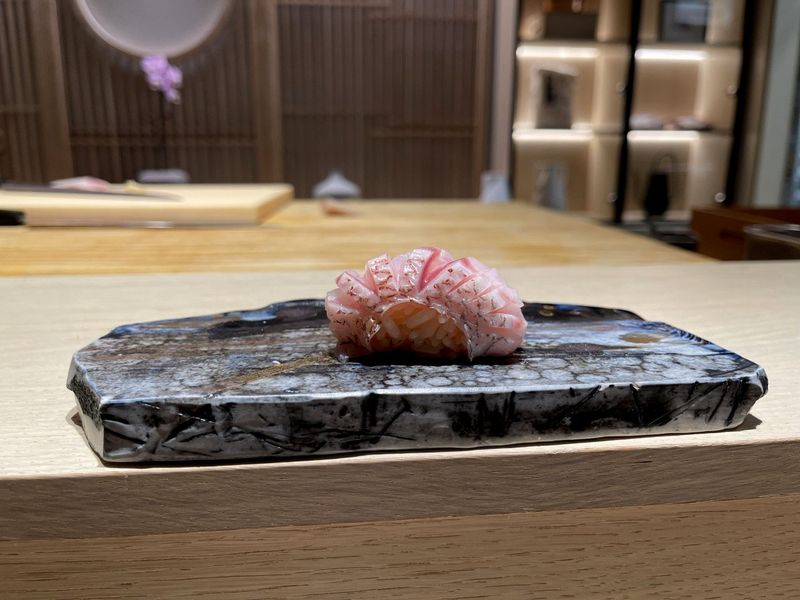
Among the courses that tend to leave the deepest impression at Kyōten, the wagyu nigiri holds a special place. Despite its rich appearance, the beef is carefully prepared to achieve a texture that melts on the palate.
The result is a piece of nigiri that looks bold but tastes impossibly delicate. It is a perfect example of how Chef Phan uses technique to enhance rather than complicate natural ingredients.
The wagyu course feels like a brief, luxurious detour within a menu that is otherwise built on the ocean’s finest offerings.
Other standout courses have included lobster tempura served with its roe and beltfish preparations that showcase Phan’s comfort with both raw and cooked techniques.
The dessert course, featuring a cheese ice cream, offers a surprising and genuinely memorable finish that proves Phan’s creativity extends well beyond the sushi counter into every corner of the meal.
Pricing, Value, And What To Expect
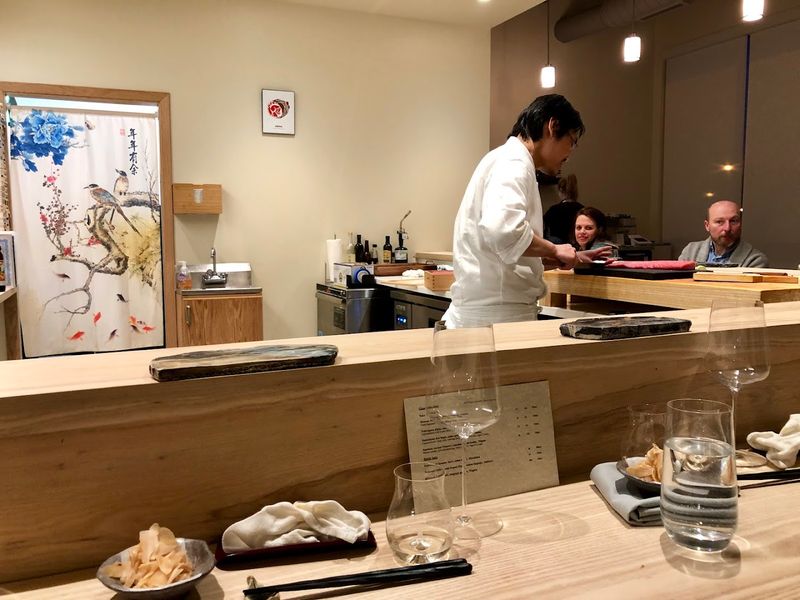
Kyōten sits firmly in the top tier of Chicago dining when it comes to price.For first-time guests, that price tag can feel significant. Understanding what it covers makes the value clearer.
Chef Phan pays premium prices for wild-caught fish sourced directly from Tokyo’s top-tier markets. Every course is prepared personally by the chef.
The group never exceeds eight people, and the entire restaurant is essentially reserved for that one group for the entire evening.
The experience is priced to reflect the extraordinary cost of ingredients and the uncompromising labor involved in delivering it.
If you value quality above all else, Kyōten represents a genuinely honest exchange between effort and price. The restaurant’s website provides the most current pricing details.
Hours Of Operation And Reservation Tips
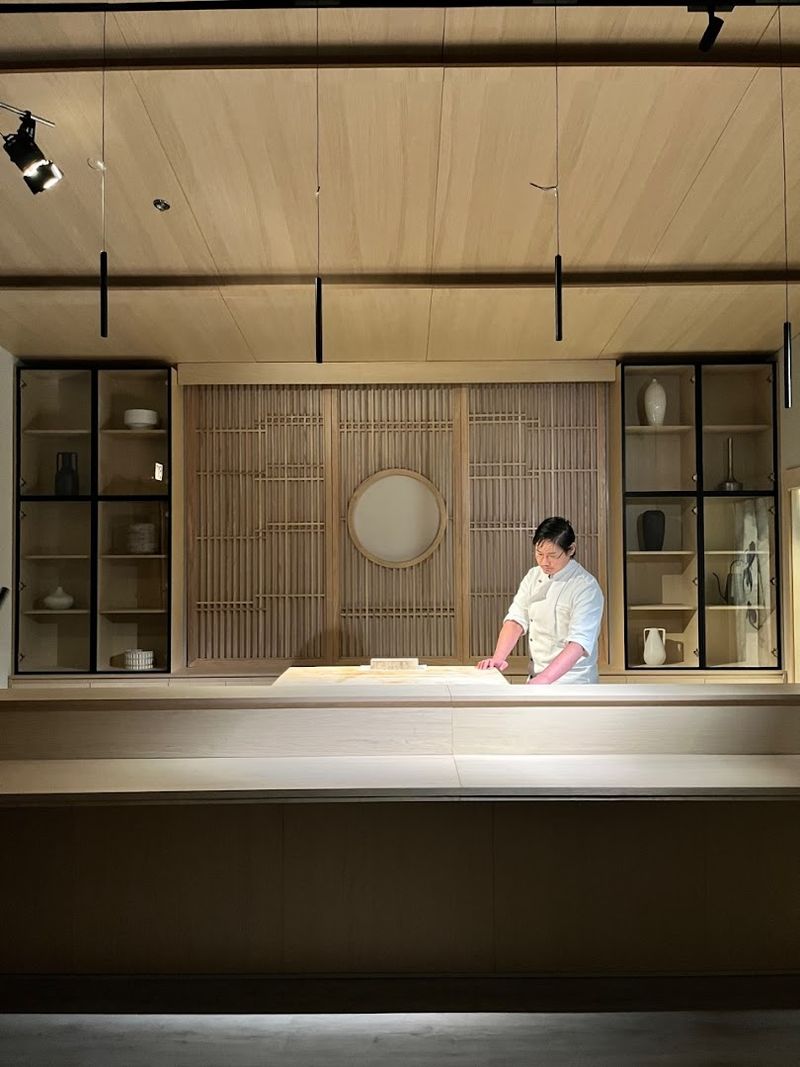
Securing a table at Kyōten requires planning well in advance. The restaurant opens reservations approximately four weeks ahead of each service date, and those slots fill quickly once they become available.
Anyone serious about dining here in 2026 should set a reminder and be ready to book the moment reservations open.
Operating hours run Tuesday through Sunday, with service beginning at 6:30 PM and concluding by 9:00 PM. Monday is the only day the restaurant is closed.
Because there is only one seating per evening, arriving on time is essential.
The experience is designed as a complete arc from start to finish, and late arrivals would disrupt the carefully paced flow of courses.
The restaurant is reachable by phone at +1 312-880-9402, and the official website is the best resource for reservation availability and any updates to the schedule. Planning ahead is not optional here; it is simply part of the Kyōten experience and worth every bit of the effort.
Why Kyōten Is So Hard To Book In 2026
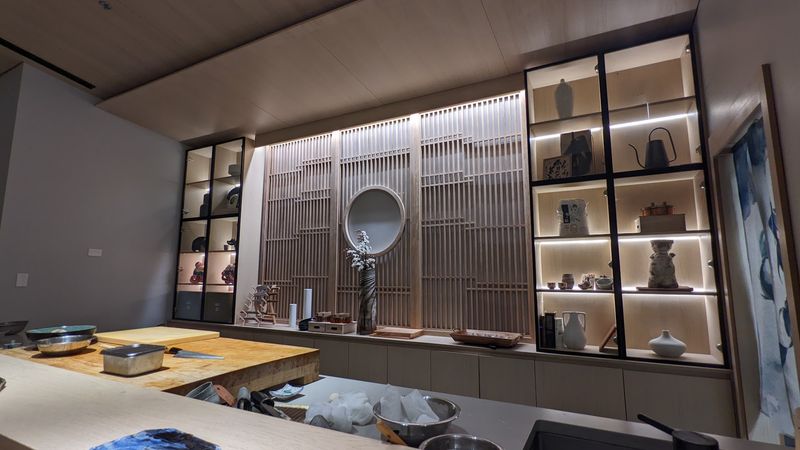
The math behind Kyōten’s scarcity is straightforward. With only a handful of seats available each night, the total number of guests served weekly is extremely limited.
Reservations open roughly four weeks in advance, and demand consistently outpaces that limited supply by a significant margin.
As Kyōten’s national profile has grown, so has the competition for those eight seats. Food enthusiasts from across the country now factor a Kyōten reservation into their Chicago travel plans, which means local diners are competing with visitors from every major American city for the same small number of spots.
The restaurant’s commitment to keeping the format small is deliberate. Expanding the guest count would compromise the personal nature of the experience that makes it worth pursuing in the first place.
Chef Phan’s hands can only prepare so many courses with full attention and care.
The scarcity is a direct result of the quality, and that connection between the two is exactly what makes landing a reservation feel like such a genuine achievement worth celebrating.
Tips For First-Time Visitors To Kyōten
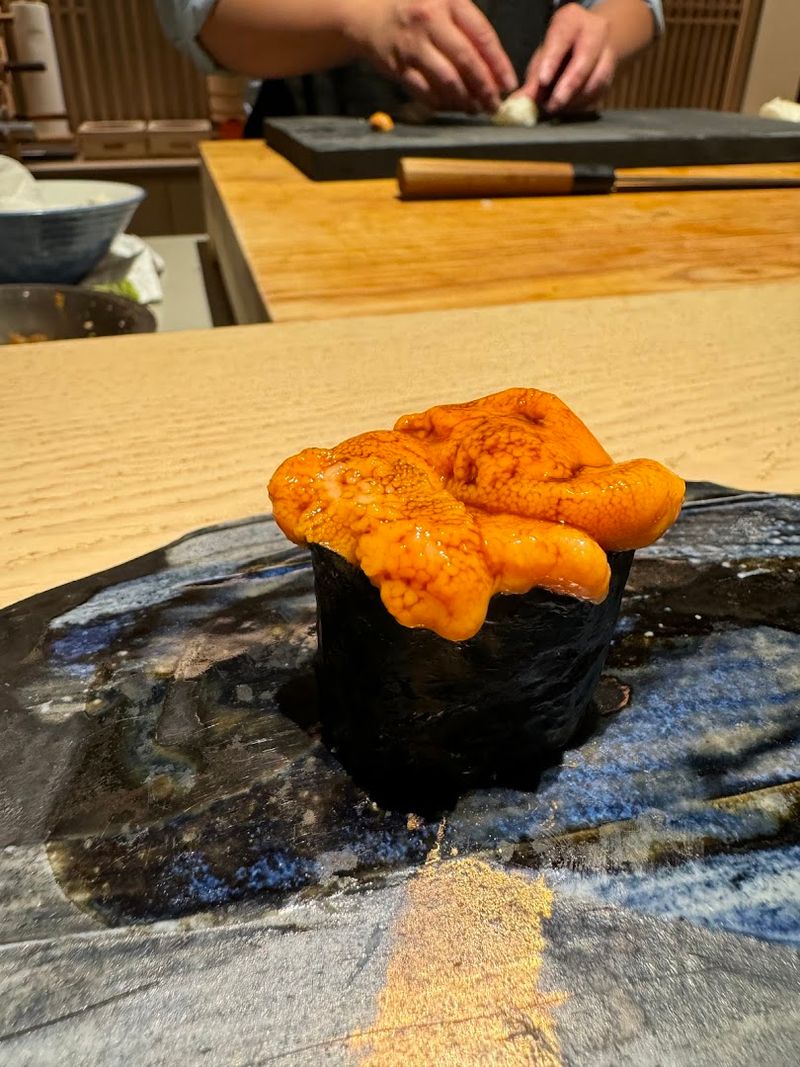
First-time guests at Kyōten benefit enormously from arriving with an open mind and an empty stomach. The tasting menu is substantial, and Chef Phan designs it to be satisfying from start to finish.
Skipping lunch on the day of your reservation is genuinely good advice rather than a cliche.
Arriving on time matters more here than at most restaurants. The single-seating format means the chef begins all courses in sync for the full table, and even a few minutes of tardiness affects the rhythm for everyone at the counter.
Confirming the reservation in advance and planning travel time conservatively is a practical habit worth forming.
Wearing comfortable but smart clothing fits the atmosphere well. The setting is upscale without being stiff, so guests do not need formal attire but should avoid overpowering fragrances that might interfere with the delicate aromas of the food.
Most importantly, ask questions freely during the meal. Chef Phan welcomes curiosity, and those conversations often become the most memorable parts of the entire evening.