
These 8 Quiet Corners Of Kansas Are Every Bit As Beautiful As The Famous Attractions
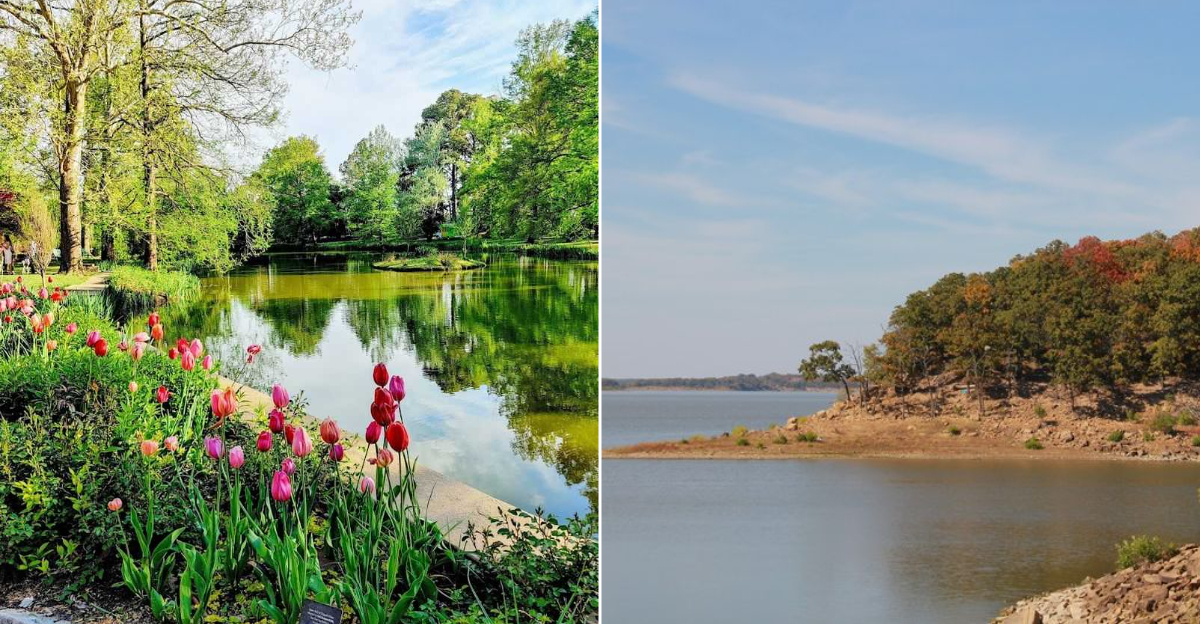
Kansas doesn’t always get credit for being dramatic. But that’s mostly because its best moments don’t announce themselves.
They wait quietly, tucked away from the highways, behind gravel roads, and in towns where the pace of life seems to slow down on purpose. While the famous attractions tend to get all the attention, these quieter corners offer something a little different.
Space to breathe, room to think, and landscapes that feel unexpectedly cinematic when you least expect them.
Think wide-open prairies that stretch so far they almost feel like they’re moving, small rivers cutting through green valleys, and sunrises that make you stop mid-sentence without realizing why.
There’s a kind of beauty here that doesn’t need filters or crowds. Just time and a willingness to look a little closer.
What makes these places special isn’t just how they look, but how they make you feel while you’re there. Calm. Unrushed.
A little more connected to everything around you. And once you’ve experienced that side of Kansas, the “famous spots” don’t feel more important.
They just feel louder.
1. Dyck Arboretum Of The Plains
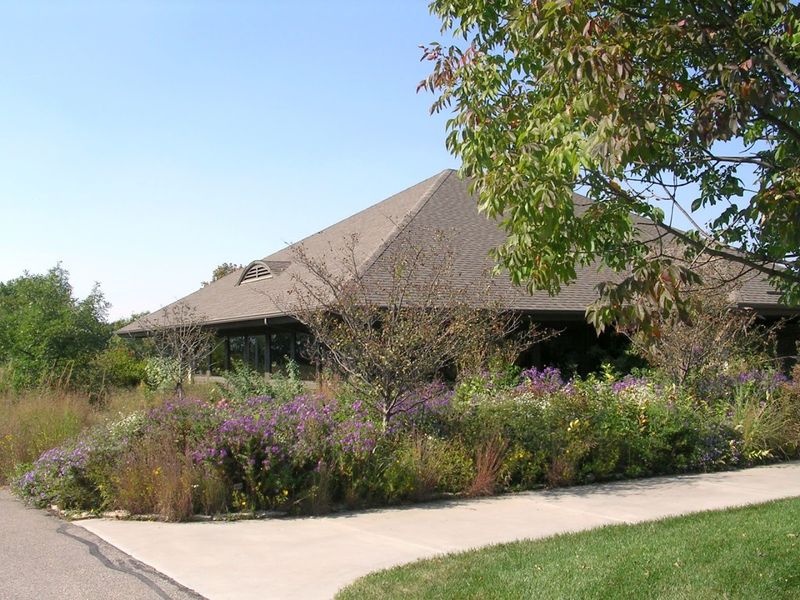
Picture a place where the prairie isn’t just background scenery but the actual main event. That’s exactly the vibe at Dyck Arboretum of the Plains, located at 177 W.
Hickory Street in Hesston, Kansas. This gem was established in 1981 by Hesston College and has grown into one of the most celebrated native plant gardens in the entire Great Plains region.
The arboretum spans about 13 acres and focuses on celebrating the natural beauty of Kansas landscapes. Native wildflowers, grasses, and prairie plants fill every corner with color and texture that changes dramatically with each passing season.
It’s the kind of place that makes you realize how underrated the Great Plains ecosystem truly is.
Sunflowers, coneflowers, and blazing stars create a visual symphony from midsummer through early fall that’s genuinely hard to describe without sounding like you’re exaggerating.
The annual Prairie Window festival draws visitors from across the region who come specifically to witness the wildflower peak. Educational programs and walking trails make it equally appealing for curious minds of all ages.
There’s a refreshing honesty to this place, it doesn’t try to be anything other than what it is: a love letter to the Kansas prairie. And somehow, that straightforward beauty hits harder than any manicured garden ever could.
2. Pillsbury Crossing Wildlife Area
There’s a kind of magic that happens when you stumble onto a place that feels completely untouched by modern life.
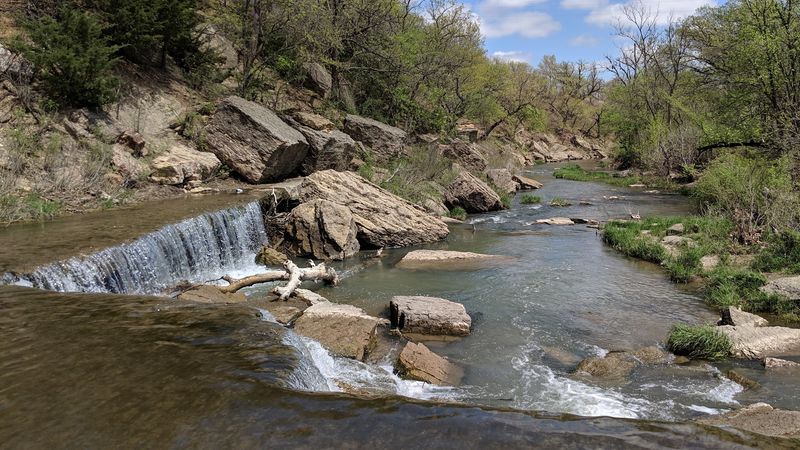
Pillsbury Crossing Wildlife Area, located at 2464-2484 Pillsbury Crossing Lane in Manhattan, Kansas, is exactly that kind of place. It’s a shallow limestone creek crossing where Deep Creek flows over wide, flat rock shelves in the most cinematic way possible.
The water runs crystal clear over the limestone, creating a natural ford that has been used for centuries. Surrounding the crossing, tall cottonwoods and sycamores lean in from both banks, creating a canopy that filters sunlight into golden ribbons.
Wildlife is abundant here, with great blue herons, turtles, and white-tailed deer making regular appearances throughout the year.
The area is especially dramatic after a good rain, when the water rushes over the rocks with real energy and the whole scene feels alive with sound and motion. Wildflowers line the banks in spring and early summer, adding soft pops of color to the already gorgeous landscape.
Birdwatchers particularly love this spot for its impressive variety of species throughout the migratory seasons. Pillsbury Crossing is one of those rare places that rewards you differently every single time you visit.
It never looks exactly the same twice, and that unpredictability is honestly half the thrill.
3. Bartlett Arboretum
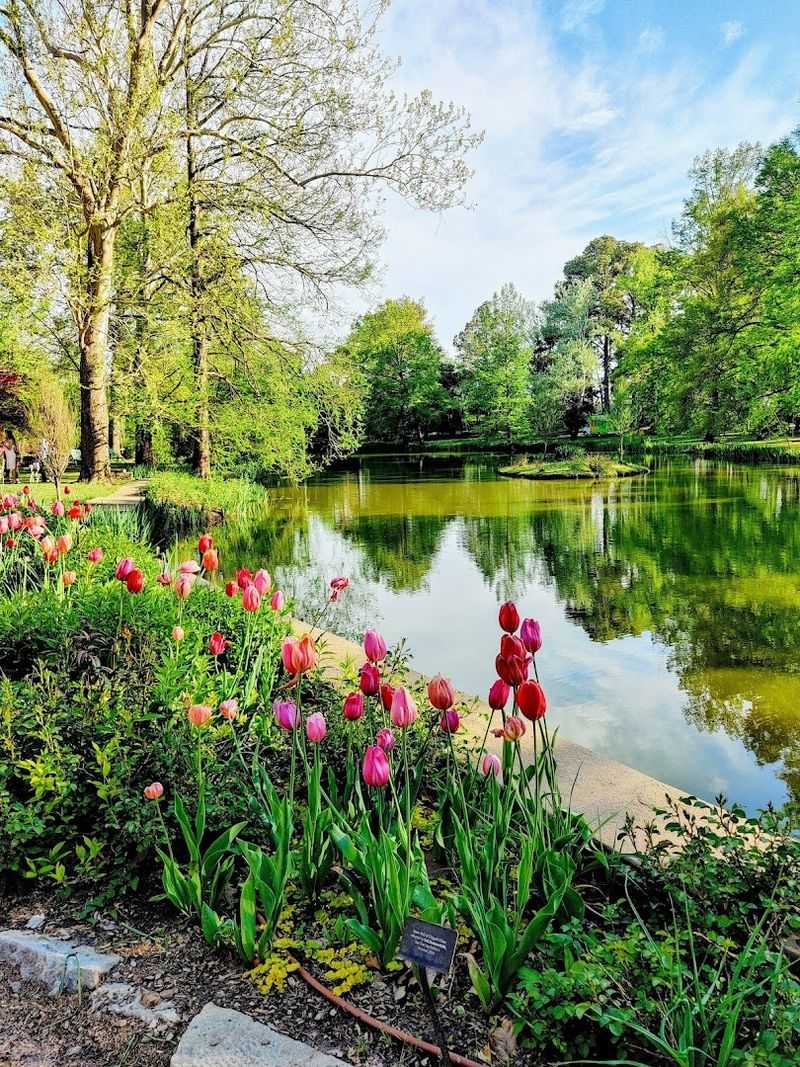
Some places just have a way of making the whole world feel quieter, and Bartlett Arboretum is absolutely one of them.
Tucked into the small town of Belle Plaine, Kansas, this living treasure sits at 201 N. Line Street and has been welcoming visitors since 1910.
It’s one of the oldest arboretums in the entire state, and the moment you walk through its entrance, you instantly understand why people keep coming back.
The grounds span around 20 acres and are home to an impressive collection of trees, shrubs, and flowering plants.
Giant bur oaks, some over a century old, stretch their canopies wide enough to shade entire picnic areas. Walking the paths here feels less like a nature hike and more like stepping into a painting that someone forgot to finish, in the best possible way.
Spring brings a burst of color with blooming redbuds and dogwoods scattered throughout the grounds. Fall turns the whole place into a warm mosaic of amber and gold that photographers absolutely lose their minds over.
There’s something genuinely peaceful about a place that has been growing and thriving for over a hundred years without needing much fanfare.
Bartlett Arboretum is proof that beauty doesn’t always announce itself loudly. Sometimes it just quietly grows, season after season, waiting for the right person to notice.
4. Geary State Fishing Lake And Wildlife Area
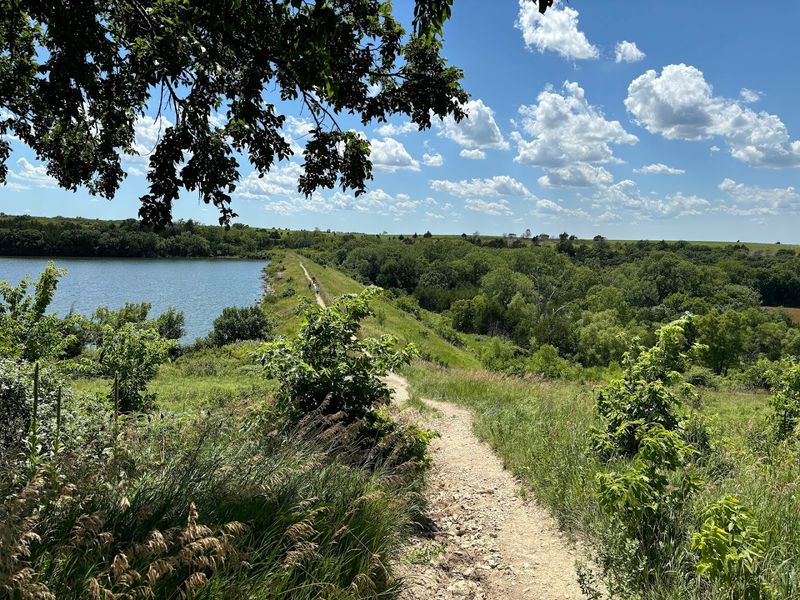
Not every beautiful place needs a big sign or a gift shop to prove its worth. Geary State Fishing Lake and Wildlife Area, found along US-77 near Junction City, Kansas, is the kind of spot that earns its reputation through pure, unfiltered scenery.
The lake sits in a natural basin surrounded by rolling Flint Hills terrain, and the views across the water are genuinely stunning at almost any time of day.
The 105-acre lake is a favorite among fishing enthusiasts who appreciate the peaceful setting as much as the catch. Largemouth bass, channel catfish, and crappie are among the species that keep anglers returning season after season.
Beyond the fishing, the surrounding wildlife area offers excellent opportunities for hiking, birdwatching, and simply sitting quietly while the world moves at a slower pace.
Migratory waterfowl make this area a seasonal spectacle, especially during fall when large flocks pass through the region. The prairie grasses surrounding the lake shift from green to gold as summer fades, creating a color palette that feels almost too good to be real.
Early morning visits reward patient visitors with mist rising off the water and wildlife emerging from the treelines. Geary State Fishing Lake is the kind of place where you show up planning to stay an hour and somehow find yourself still there as the sun sets.
5. Rock City Park
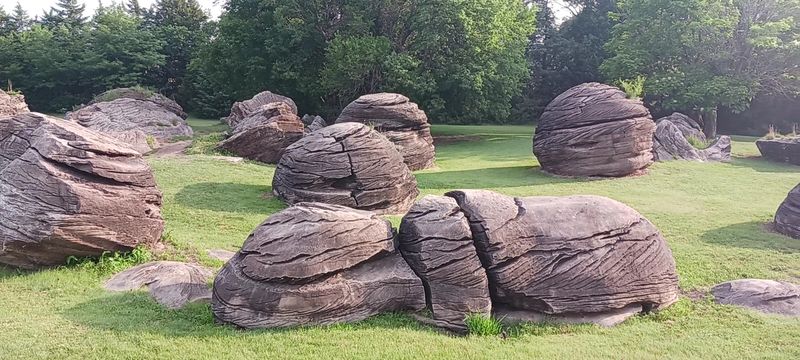
Okay, real talk: nothing quite prepares you for the first time you see Rock City Park. Imagine enormous spherical boulders, some over 27 feet in diameter, just casually sitting in a field like nature decided to play a giant game of marbles and then forgot to clean up.
Rock City Park is located at 1051 Ivy Road in Minneapolis, Kansas, and it is one of the most genuinely surreal landscapes in the entire state.
The park features 200 Dakota sandstone concretions, a type of rock formation created when minerals cemented around a central core millions of years ago.
Over time, erosion stripped away the surrounding softer rock, leaving these perfectly rounded giants exposed and clustered together in ways that feel almost intentional.
Scientists have studied them, kids have climbed them, and photographers have absolutely had a field day with them.
Rock City is actually one of only two places in the entire world where Dakota sandstone concretions of this size exist in such concentration.
The other is in Rockville, Czech Republic, which makes this Kansas field an internationally significant geological site.
Visiting feels like walking through a prehistoric sculpture garden curated by the earth itself. The park is open year-round and has a small admission fee that goes toward its preservation and upkeep.
This is genuinely one of the most unique natural wonders you will ever encounter anywhere on the planet.
6. Flint Hills National Wildlife Refuge
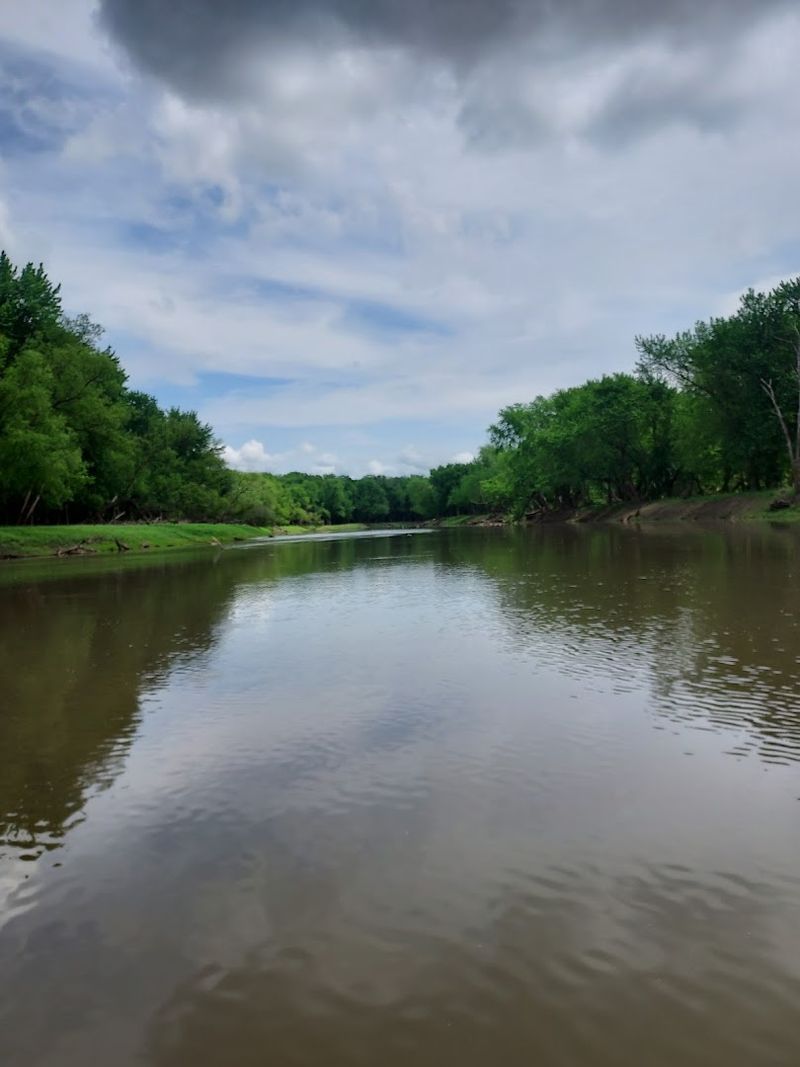
If you’ve ever wanted to feel genuinely small in the best possible way, a visit to Flint Hills National Wildlife Refuge will do the trick beautifully.
Situated at 530 W. Maple Avenue in Hartford, Kansas, this refuge covers nearly 19,000 acres of wetlands, grasslands, and woodlands that together form one of the most important migratory bird habitats in the entire country.
The refuge sits along the Central Flyway, a major migratory route that funnels millions of birds through the heartland of America each year.
During peak migration seasons, the skies and waters here are alive with activity in a way that’s almost impossible to fully capture with a camera.
Bald eagles, sandhill cranes, and a dazzling variety of waterfowl make regular appearances that leave even seasoned birdwatchers genuinely speechless.
The John Redmond Reservoir borders the refuge, adding even more scenic value to an already breathtaking landscape.
Hiking and wildlife observation areas throughout the refuge make it easy to spend an entire day exploring without covering the same ground twice.
Wildflowers carpet the grassland sections in spring, and the wetlands take on a mirror-like quality on calm mornings that is absolutely worth waking up early for.
Flint Hills National Wildlife Refuge is the kind of place that reminds you why protecting natural spaces matters so deeply and so urgently.
7. Elk City State Park
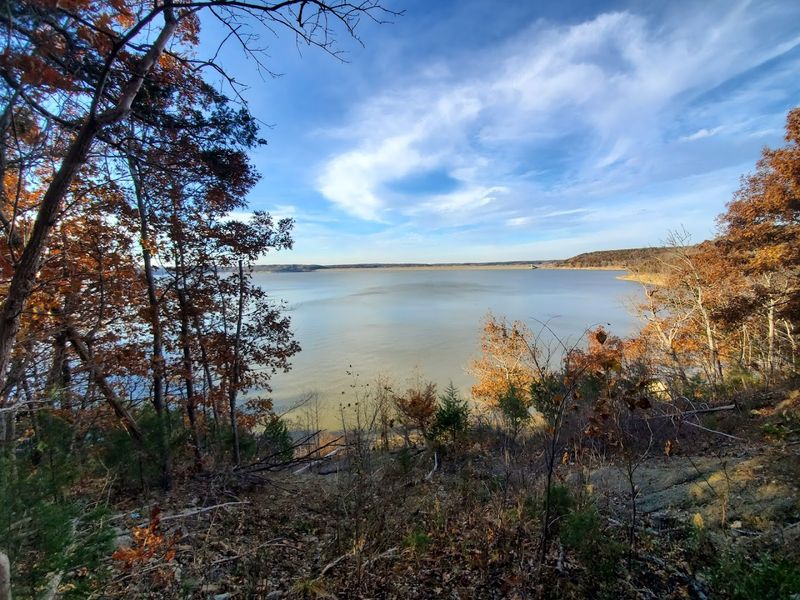
There’s something about a forested lake that just hits differently than an open one, and Elk City State Park delivers that combination in a way that feels almost unfairly good.
Located at 4825 Squaw Creek Road in Independence, Kansas, the park wraps around Elk City Lake and offers a landscape that feels more like Missouri Ozarks than classic Kansas prairie. That contrast is exactly what makes it so special.
The park covers over 1,000 acres of hardwood forest, open meadows, and lakeshore terrain that shifts beautifully with each season. Hiking trails wind through the trees and along the water’s edge, offering quiet moments and sweeping views in equal measure.
The Cross Timbers Trail, which runs through the park, is particularly beloved by hikers for its varied terrain and scenic overlooks.
Wildlife here is wonderfully diverse, with white-tailed deer, wild turkey, and a wide variety of songbirds calling the park home throughout the year. Fishing on Elk City Lake draws anglers who appreciate both the abundant catches and the peaceful surroundings.
Fall transforms the hardwood forest into an explosion of red, orange, and yellow that rivals anything you’d see in a more famous leaf-peeping destination.
Camping spots throughout the park let you extend your visit well into the evening, when the stars above the lake put on a show that no screen can replicate.
8. Cross Timbers State Park
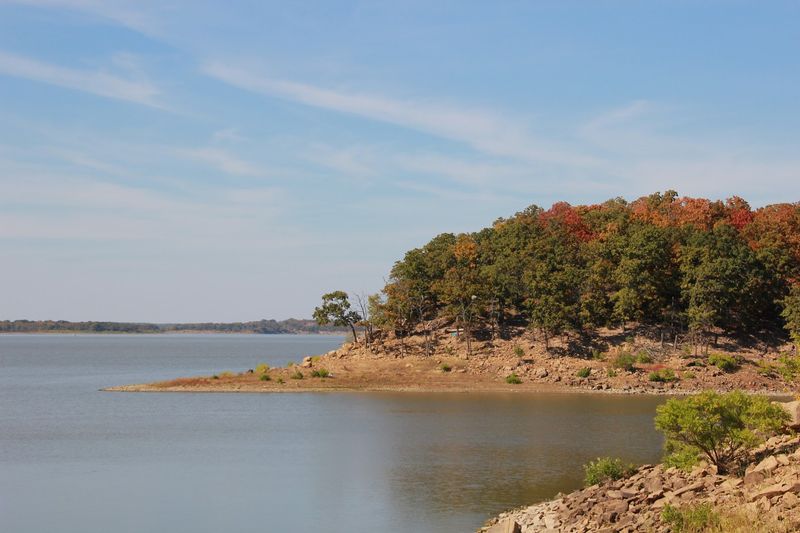
Cross Timbers State Park is the kind of place that makes you do a double take because it genuinely does not look like the Kansas you think you know.
Nestled at 144 Highway 105 in Toronto, Kansas, this park hugs the shoreline of Toronto Lake and features a landscape so rugged and textured that first-time visitors often can’t believe they’re still in the Sunflower State.
The park takes its name from the Cross Timbers region, a historic band of rugged woodland that stretches from Kansas down through Oklahoma and into Texas.
Ancient eastern red cedar trees, twisted and gnarled by decades of wind and weather, create a forest atmosphere that feels almost mythological. The rocky limestone bluffs along the lake add another dramatic layer to a landscape that never stops surprising you.
Hiking trails here range from easy lakeside strolls to more challenging routes through dense woodland and along exposed ridgelines.
The views across Toronto Lake from the higher elevations are genuinely stunning, especially in the late afternoon when the light turns warm and golden. Wildlife sightings are common, with osprey, herons, and wild turkey frequently spotted along the trails.
Cross Timbers is also one of the best camping destinations in southeastern Kansas, offering sites that put you right in the middle of that beautiful, rugged scenery.
Hiking boots ready? Because this park is calling, and it’s not being subtle about it.
The trails, the views, and that fresh air all come together in a way that makes sitting at home feel like a missed opportunity.