
These 17 Tick Hotspots Define The Worst Summer Hiking In Florida
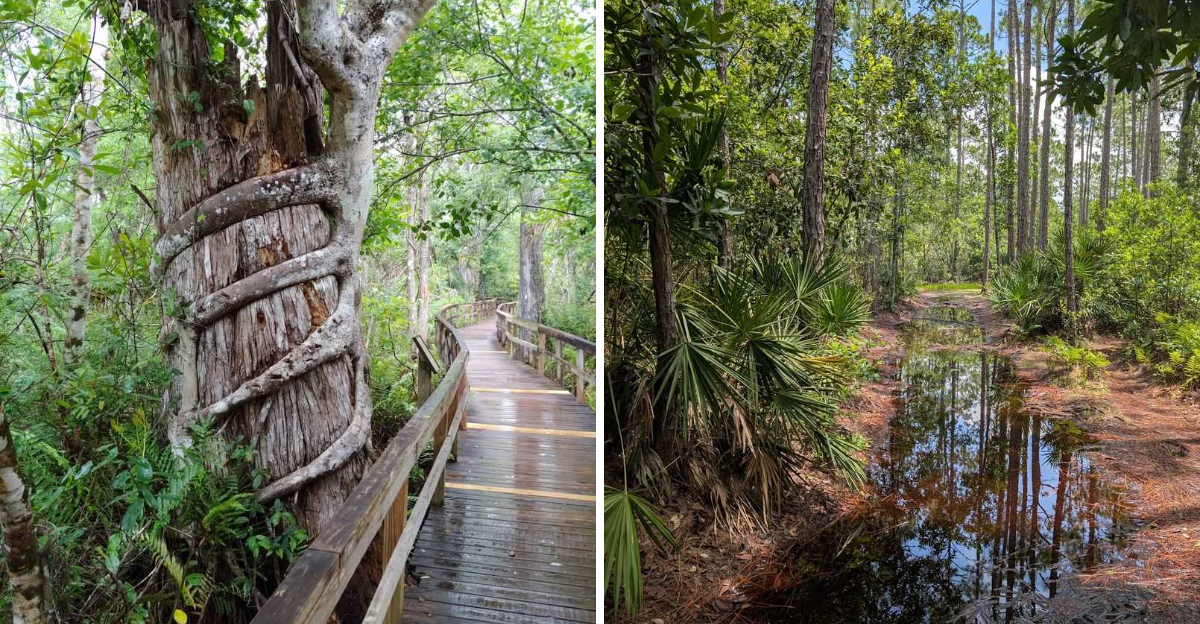
Florida summers already make hiking feel like a group project between you, the heat, and a humidity level that refuses to cooperate.
Unfortunately, ticks have also invited themselves along.
They wait in tall grass, dense brush, and shaded hammocks, turning some of the state’s most beautiful trails into places where every innocent itch suddenly feels suspicious.
The frustrating part is the contrast.
These landscapes offer peaceful forests, winding boardwalks, sparkling springs, and the kind of wildlife encounters that make the sweat worthwhile. They also provide exactly the warm, leafy conditions ticks love.
That does not mean your hiking boots need to spend summer collecting dust.
A little preparation can make the difference between bringing home great photographs and bringing home a tiny passenger that definitely was not invited.
Some Florida trails simply require more caution than others, especially when temperatures rise and vegetation grows thick.
Pack repellent, wear the right clothing, and save the adventurous spirit for the scenery, not for discovering what has been crawling inside your socks.
1. Big Cypress National Preserve, Ochopee
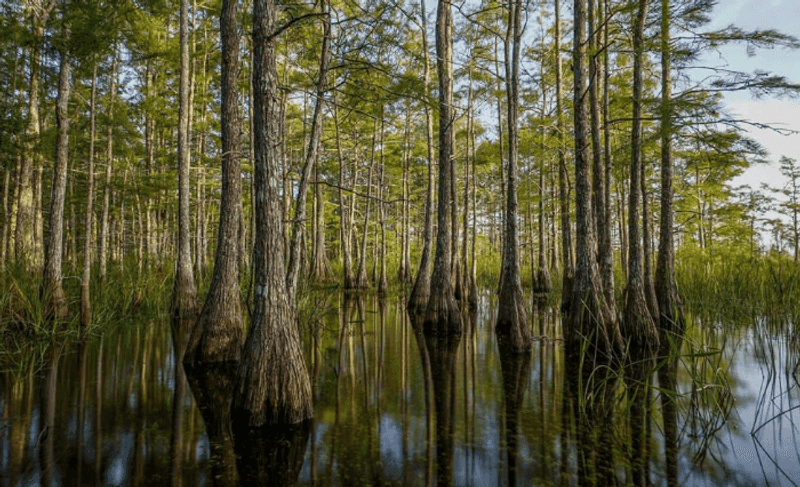
Wading through the swampy edges of Big Cypress National Preserve at 33100 Tamiami Trail E in Ochopee, FL, feels like stepping into a living terrarium where everything is damp, overgrown, and absolutely crawling with wildlife.
The preserve covers more than 729,000 acres of subtropical wilderness, and that sprawling wet prairie and dense palmetto understory creates ideal tick habitat during the Florida summer.
Lone star ticks and American dog ticks are both well-documented here, and they thrive in the thick brush that lines the trails.
Hikers who push through the tall grass sections near the Tamiami Trail corridor often find ticks hitching rides on their legs before they even realize it.
Wearing permethrin-treated pants and doing a full body check after every outing is not optional here, it is survival strategy.
The preserve is genuinely stunning, with ghost orchids and wood storks making appearances, but the beauty comes with a serious tick tax that every summer visitor needs to budget for.
2. Everglades National Park, Florida City
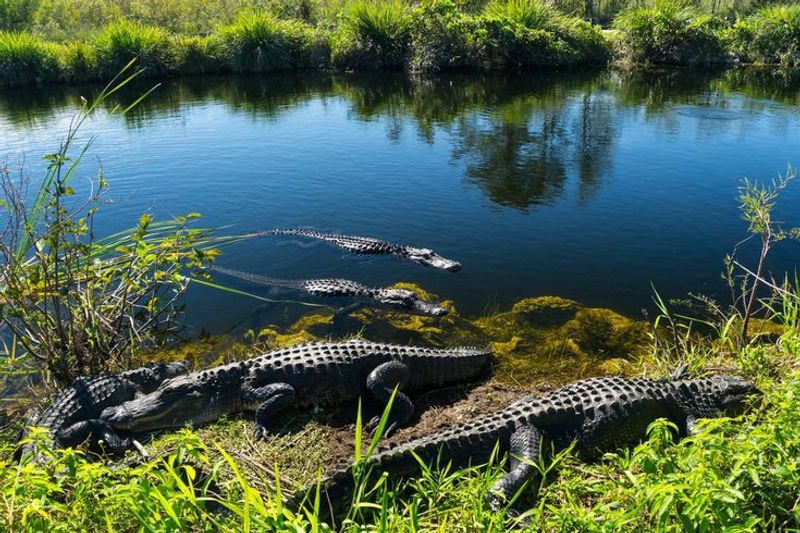
Most people picture alligators and herons when they think of Everglades National Park near Florida City, FL, but the ticks deserve equal billing on the list of things that will make you regret shorts.
The park’s vast sawgrass prairies and tree island hammocks are prime real estate for ticks, especially during the hot and humid months of June through August.
Blacklegged ticks, also known as deer ticks, have been found in the park and can carry Lyme disease, which adds a layer of concern beyond the usual discomfort.
The Anhinga Trail and Gumbo Limbo Trail both pass through vegetation types that brush directly against your ankles and calves as you walk.
I always tuck my socks over my pants here, which looks ridiculous but works surprisingly well.
Bringing insect repellent with at least 20 percent DEET and reapplying it every couple of hours is one of the smartest moves you can make before stepping onto any Everglades trail in summer.
3. Osceola National Forest, Sanderson
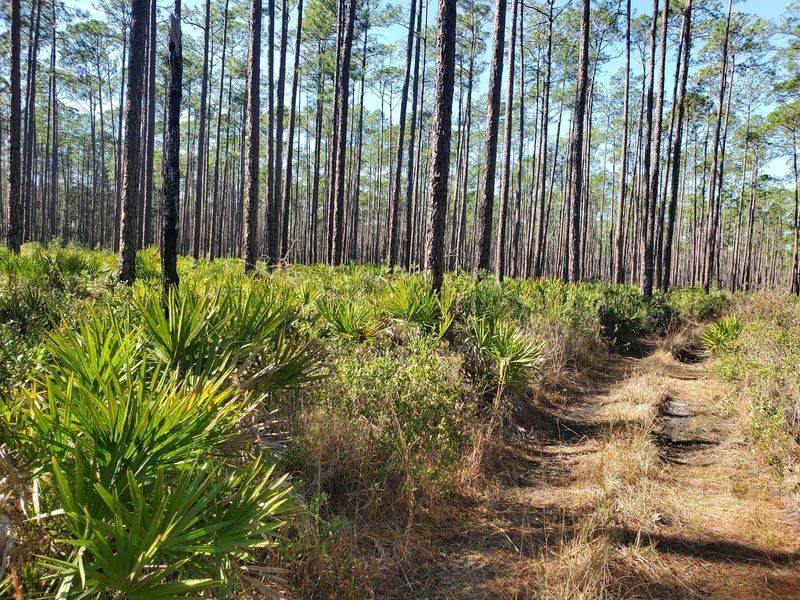
Tucked up near the Georgia border at 24874 US-90 in Sanderson, FL, Osceola National Forest is one of those places that looks peaceful on the map but turns into a tick obstacle course the moment you step off the pavement.
The forest is dominated by longleaf pine and wiregrass ecosystems, which sounds lovely until you realize that wiregrass is basically a welcome mat for lone star ticks.
Lone star ticks are aggressive by tick standards, meaning they actively move toward hosts rather than just waiting, which is a fun fact that makes every rustling sound in the brush feel personal.
The Florida National Scenic Trail runs through Osceola, and sections near the ocean pond area are particularly dense with vegetation that brushes against hikers constantly.
Summer visits here require serious preparation, including a tick-proof outfit, a good repellent, and a patient friend willing to do a post-hike check of your back.
The forest rewards prepared visitors with beautiful flatwoods scenery and quality birding opportunities.
4. Highlands Hammock State Park, Sebring, FL
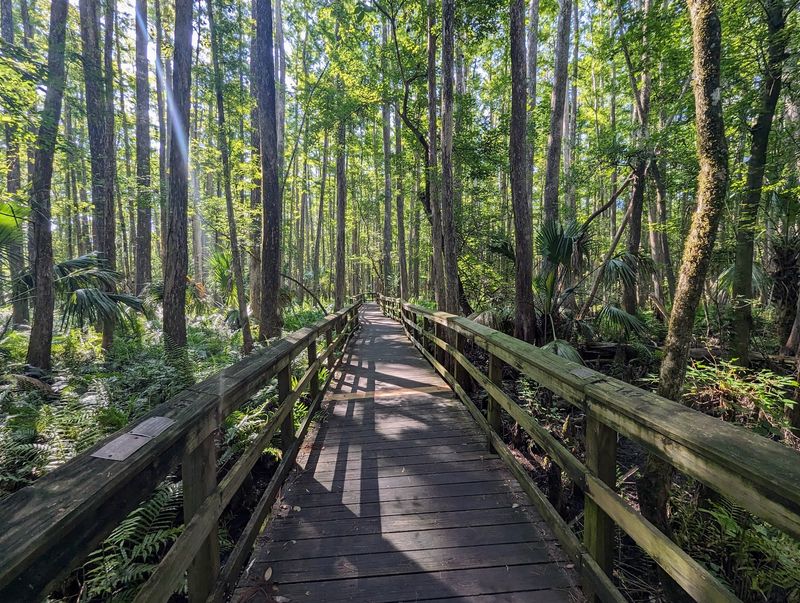
Highlands Hammock State Park at 5931 Hammock Rd in Sebring, FL, is one of Florida’s oldest state parks, and its ancient oak hammocks and cypress swamps have had a very long time to perfect the art of hosting ticks.
The lush canopy creates shaded, humid conditions that ticks absolutely love, and the park’s thick understory of ferns, palmettos, and low shrubs means there is no shortage of places for them to wait for a warm body to walk by.
American dog ticks are a consistent presence here throughout the summer months, and they are large enough to spot if you check carefully, which you absolutely should.
The boardwalk trails are gorgeous and wind through genuinely ancient vegetation, but stepping off the boardwalk even briefly puts you in direct contact with tick habitat.
Rangers at this park consistently remind visitors to check themselves after walking the natural surface trails.
Sebring’s summer heat makes the humidity here feel extra thick, which only amplifies how important it is to stay covered and stay alert on every step of the trail.
5. Hillsborough River State Park, Thonotosassa
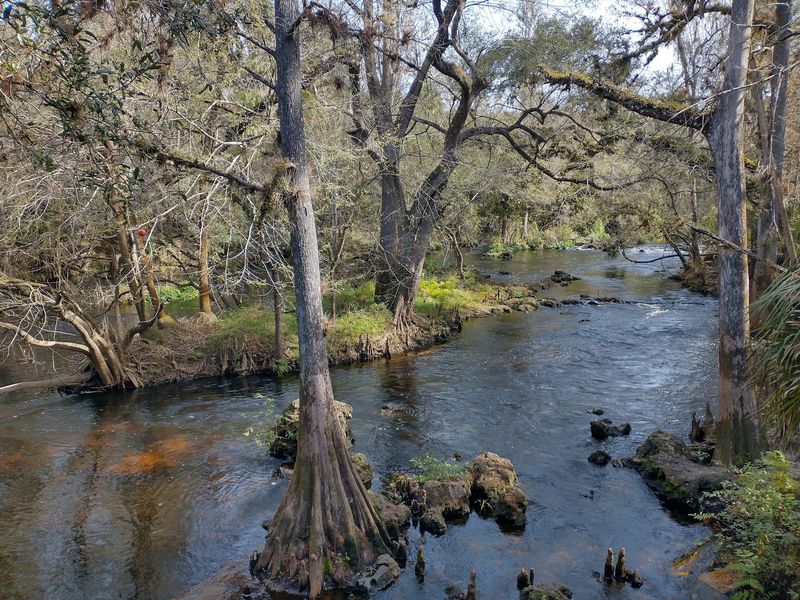
Just northeast of Tampa at 15402 US-301 in Thonotosassa, FL, Hillsborough River State Park packs a surprising amount of wild Florida into a relatively compact space, and that wildness includes a healthy tick population.
The park sits along the Hillsborough River, and the floodplain forest lining the river trail is exactly the kind of dense, moist habitat where ticks congregate during summer.
Hikers on the Baynard Nature Trail and the Florida Trail section through the park frequently report finding ticks on their clothing and skin after walks.
The park also sees heavy summer visitor traffic, which means the trails get brushed regularly by people and animals alike, helping ticks find new hosts more easily.
One practical tip I have picked up over several visits is to walk in the center of the trail at all times and avoid letting vegetation touch your arms or legs.
The river views and wildlife sightings, including river otters and wading birds, make this park worth visiting as long as you arrive fully prepared for the tick situation.
6. Little Big Econ State Forest, Geneva
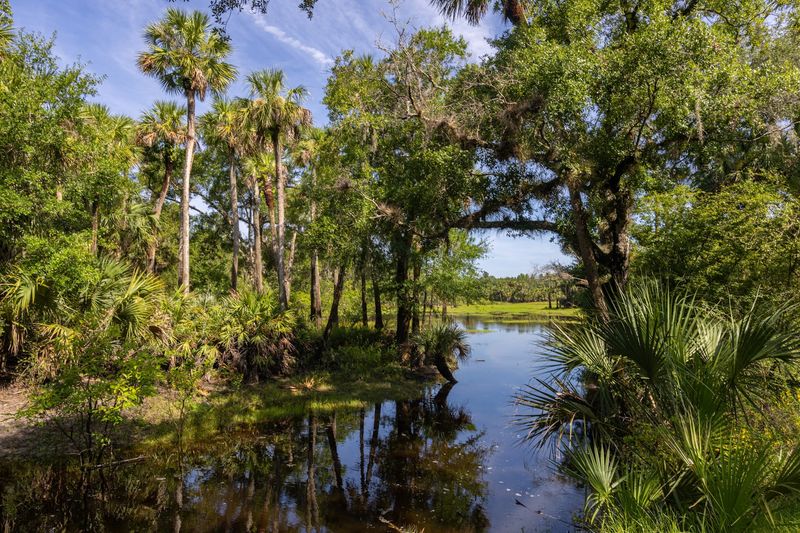
Named after the Econlockhatchee River, Little Big Econ State Forest at 1350 Snow Hill Rd in Geneva, FL, is a Central Florida gem for trail runners and hikers, but summer turns it into one of the region’s most tick-active landscapes.
The forest covers over 5,000 acres of sandhill, flatwoods, and floodplain habitats, and that variety of ecosystems means ticks from multiple species show up depending on which trail section you are walking.
The Econlockhatchee River floodplain is particularly dense with vegetation and moisture, creating near-perfect conditions for blacklegged and lone star ticks from June through September.
Trail runners who frequent this forest have started treating their gear with permethrin before every visit, which speaks volumes about how serious the tick situation gets here in summer.
The multi-use trails wind through some genuinely beautiful Central Florida scenery, including river views and old-growth trees.
Bringing a tick removal tool in your pack alongside your usual trail snacks is one of those small habits that makes a real difference after a summer outing here.
7. Black Bear Wilderness Area, Sanford
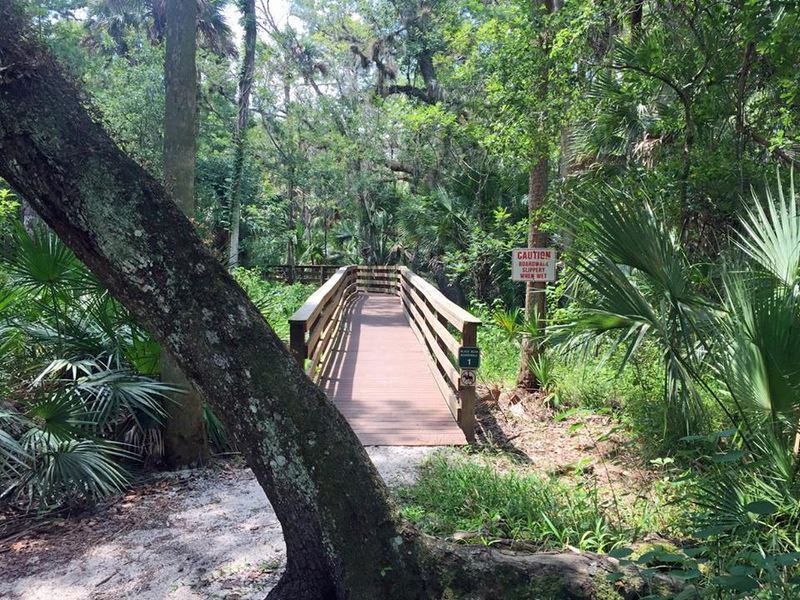
Black Bear Wilderness Area at 5298 Michigan Ave in Sanford, FL, sits along the St. Johns River floodplain, and that floodplain environment is one of the most tick-friendly habitats in all of Central Florida during summer.
The area is named for its black bear population, which is exciting in its own right, but the real wildlife encounter most summer hikers walk away talking about involves the ticks they found on their socks.
The trail here is about seven miles long and passes through wet prairie, floodplain forest, and scrubby flatwoods, all of which support active tick populations during the hot months.
Vegetation along the trail grows tall and dense in summer, and the path narrows in sections where you simply cannot avoid brushing against the plants on both sides.
Wearing long pants treated with permethrin and applying DEET repellent to exposed skin before you start walking is the standard preparation most experienced visitors use here.
The reward for navigating the tick situation is a genuinely wild and scenic river trail that feels far removed from the surrounding suburban sprawl of the Sanford area.
8. Kissimmee Prairie Preserve State Park, Okeechobee
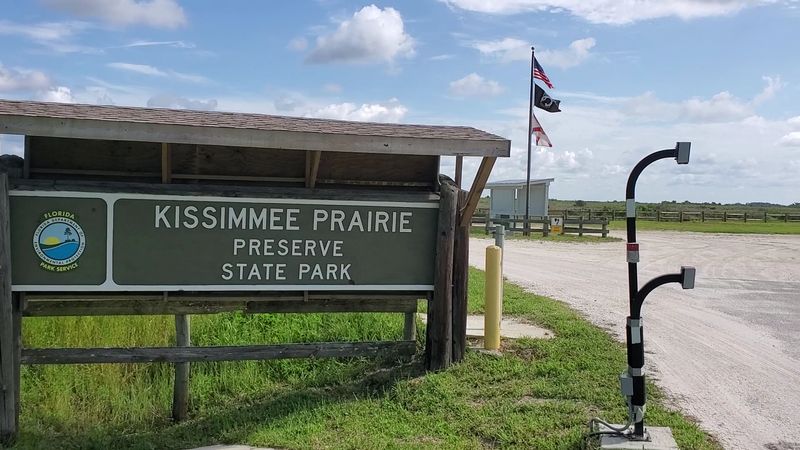
Kissimmee Prairie Preserve State Park at 33104 NW 192nd Ave in Okeechobee, FL, protects one of the last remaining dry prairies in Florida, and that sea of native grasses is as beautiful as it is tick-infested during summer.
The preserve covers over 54,000 acres, making it one of the largest state parks in Florida, and its open prairie habitat is particularly associated with lone star tick activity.
Lone star ticks are relentless in this environment because the low-growing grasses give them easy access to passing hikers, cyclists, and equestrians without much cover needed.
The park is also a renowned dark sky destination, so some visitors combine a nighttime stargazing trip with a daytime hike, both of which require serious tick awareness in summer.
I once spent an afternoon here and pulled four ticks off my pants before I even reached the halfway point of the main trail.
Checking yourself thoroughly before getting back in your car is non-negotiable here, because the last thing you want is a tick hitching a ride all the way home from Okeechobee.
9. Fakahatchee Strand Preserve State Park, Copeland
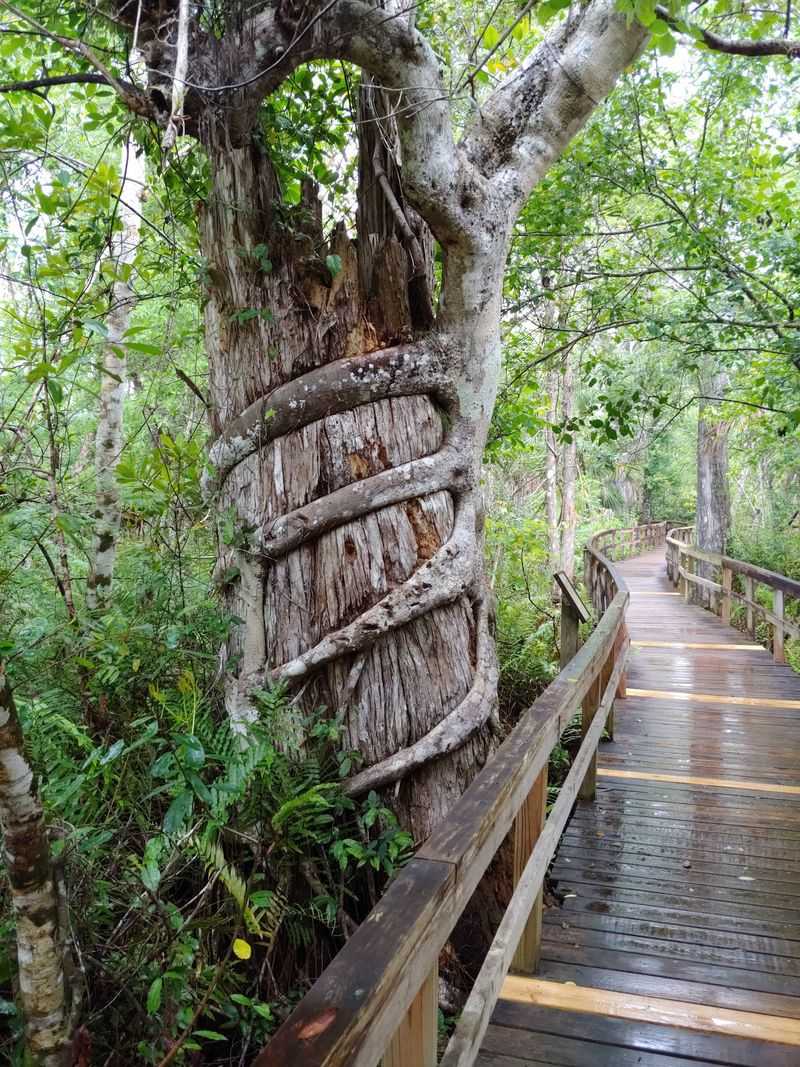
Fakahatchee Strand Preserve State Park at 137 Coast Line Dr in Copeland, FL, is known as the Amazon of North America, and that nickname tells you everything you need to know about how thick and humid the vegetation gets here in summer.
The strand swamp environment supports a staggering diversity of plant life, including the largest concentration of native orchids in North America, but it also supports a very healthy tick population hiding in all that lush greenery.
The Jane’s Scenic Drive boardwalk and the Big Cypress Bend boardwalk both pass through vegetation that is dense enough to make you feel like the forest is leaning in on you from every direction.
Ticks here benefit from the high moisture levels and the abundant wildlife that moves through the swamp, providing plenty of hosts to feed on between human visitors.
Wearing light-colored clothing makes it easier to spot ticks before they reach your skin, which is a practical tip that pays off quickly in a place like this.
The park is extraordinary and worth every precaution, but summer visits require a full tick-prevention kit and a solid post-hike inspection routine without exception.
10. Jonathan Dickinson State Park, Hobe Sound, FL
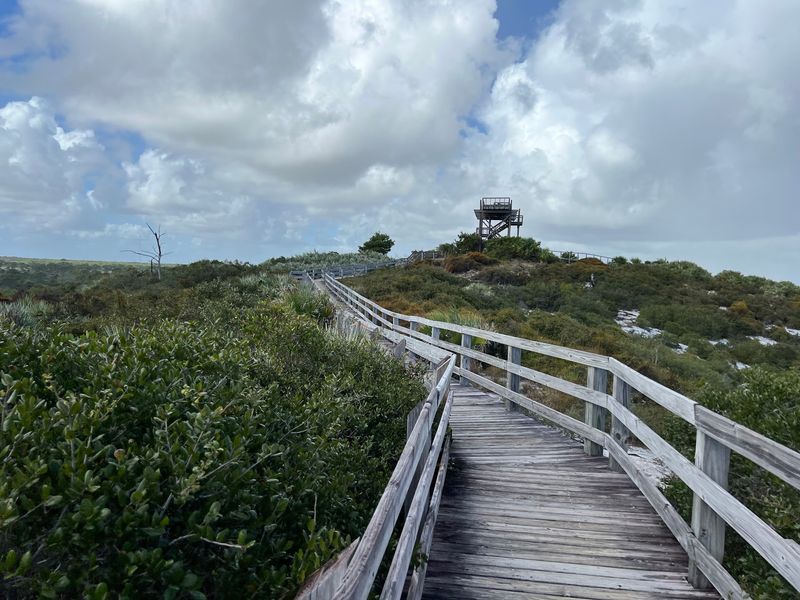
Jonathan Dickinson State Park at 16450 SE Federal Hwy in Hobe Sound, FL, is one of South Florida’s most diverse parks, covering nearly 12,000 acres of scrub, flatwoods, mangroves, and river habitat, and that diversity translates directly into a wide range of tick activity in summer.
The park is named after a Quaker merchant who was shipwrecked here in 1696, and while his experience sounds rough, at least he did not have to worry about lone star ticks on the Kitching Creek Trail.
The Hobe Mountain Trail climbs to one of the highest natural points in South Florida and passes through scrubby flatwoods that are prime tick territory during the warm months.
River tours on the Loxahatchee River are a popular activity here, but the launch areas and riverside vegetation also put you in close contact with tick habitat.
I recommend checking your hairline and behind your ears especially carefully after any trail visit here, since ticks seem to favor those spots with impressive consistency.
The park’s stunning river scenery and wildlife viewing make it a top destination, provided you treat tick prevention as seriously as your sunscreen application.
11. Rainbow Springs State Park, Dunnellon
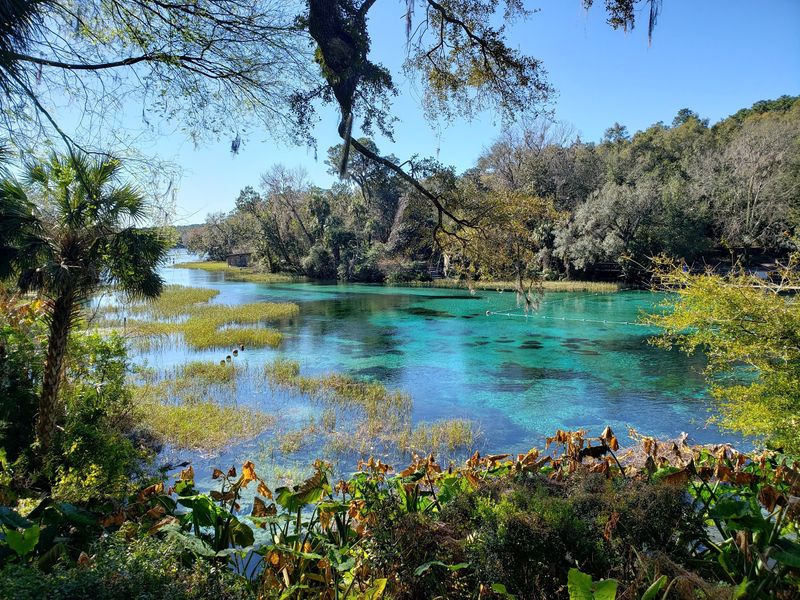
Rainbow Springs State Park at 19158 SW 81st Pl Rd in Dunnellon, FL, is one of Florida’s most visually stunning natural areas, with crystal-clear spring water and a rainbow of aquatic colors that draws crowds every summer weekend.
The beauty of the springs tends to distract visitors from the fact that the surrounding upland forests and floodplain trails are seriously active tick habitats from June through September.
The park’s trail system winds through mixed hardwood forest and floodplain areas where moisture and dense vegetation create the exact conditions that support multiple tick species.
American dog ticks are commonly encountered along the upland trails, while the wetter floodplain sections can harbor blacklegged ticks as well.
Tubers and swimmers who access the river through the park also pass through vegetation at the water’s edge, which means tick exposure is not limited to those who stick to the hiking trails.
Packing a tick removal tool alongside your towel and sunscreen before visiting Rainbow Springs in summer is a small habit that can prevent a much bigger problem later in the week.
12. Falling Waters State Park, Chipley
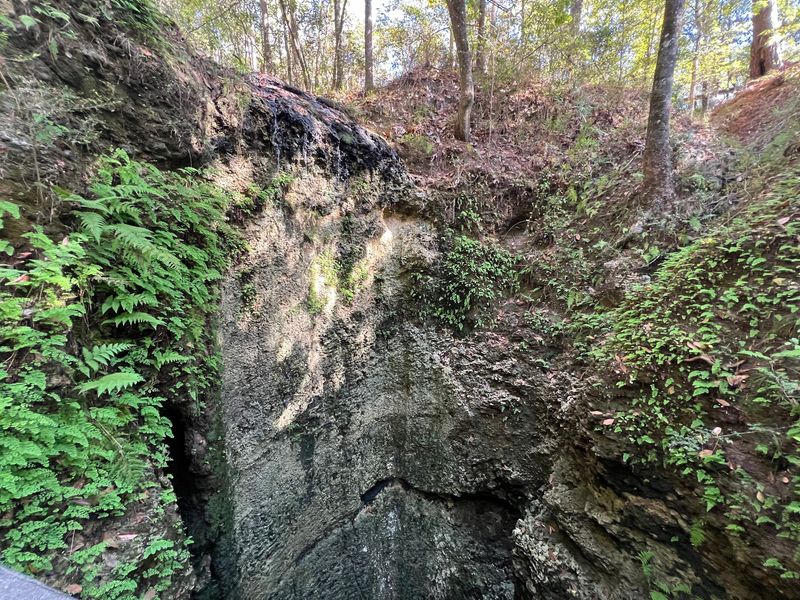
Falling Waters State Park at 1130 State Park Rd in Chipley, FL, is home to Florida’s tallest waterfall, a 73-foot cascade that drops into a cylindrical sinkhole, and the trail leading to it passes through some of the most tick-active forest in the Florida Panhandle.
The park sits in the rolling hills of Washington County, and that hilly terrain combined with dense hardwood and pine forest creates shaded, moist conditions that ticks thrive in during summer.
The boardwalk trail to the waterfall is relatively short but winds through thick vegetation the entire way, giving ticks plenty of opportunities to transfer onto passing hikers.
Lone star ticks have been documented in this area of the Panhandle, and they are particularly active during the hot summer months when humidity is at its peak.
The park also has a small lake with a swimming area, and the grassy edges around the lake are another spot where tick contact is common.
Visiting the waterfall is genuinely worth the trip, but treating your hiking clothes with permethrin the night before your visit is a preparation habit that experienced Panhandle hikers swear by.
13. Big Shoals Trail, White Springs
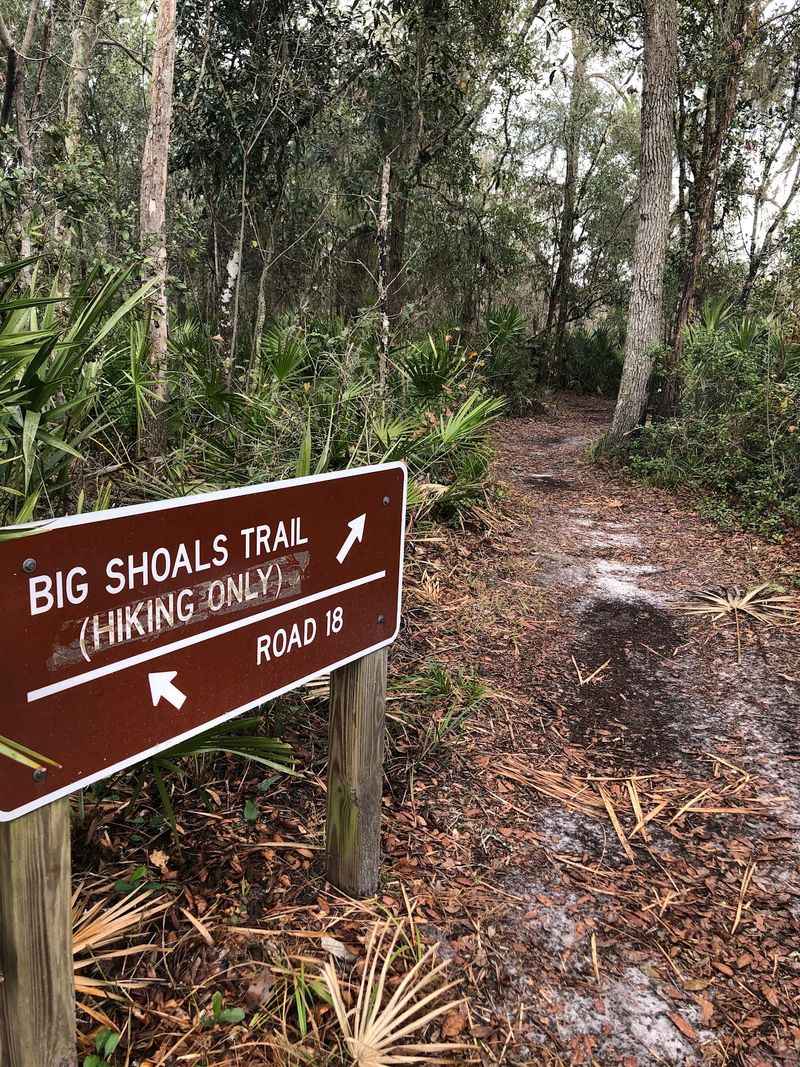
Big Shoals Trail in White Springs, FL 32096 follows the Suwannee River to Florida’s largest whitewater rapids, and the journey there takes you through a corridor of dense riverside forest that is one of the most tick-heavy hiking environments in North Florida during summer.
The Suwannee River floodplain creates a consistently moist microclimate along the trail, and that moisture supports dense understory vegetation that provides ideal tick habitat from late spring straight through to early fall.
The trail surface alternates between sandy upland sections and muddy floodplain areas, and the vegetation changes character dramatically between the two, but ticks are present in both zones.
Blacklegged ticks have been documented in the Suwannee corridor, which raises the stakes beyond simple discomfort and into the territory of tick-borne illness prevention.
White Springs is a small town with a big outdoors reputation, and locals who hike the Shoals regularly tend to do their tick checks in the parking lot before getting in their vehicles.
The roar of the rapids and the beauty of the Suwannee make this trail deeply rewarding, but summer visits without proper tick protection are a shortcut to a very itchy regret.
14. Ancient Dunes Nature Trail, St. Augustine
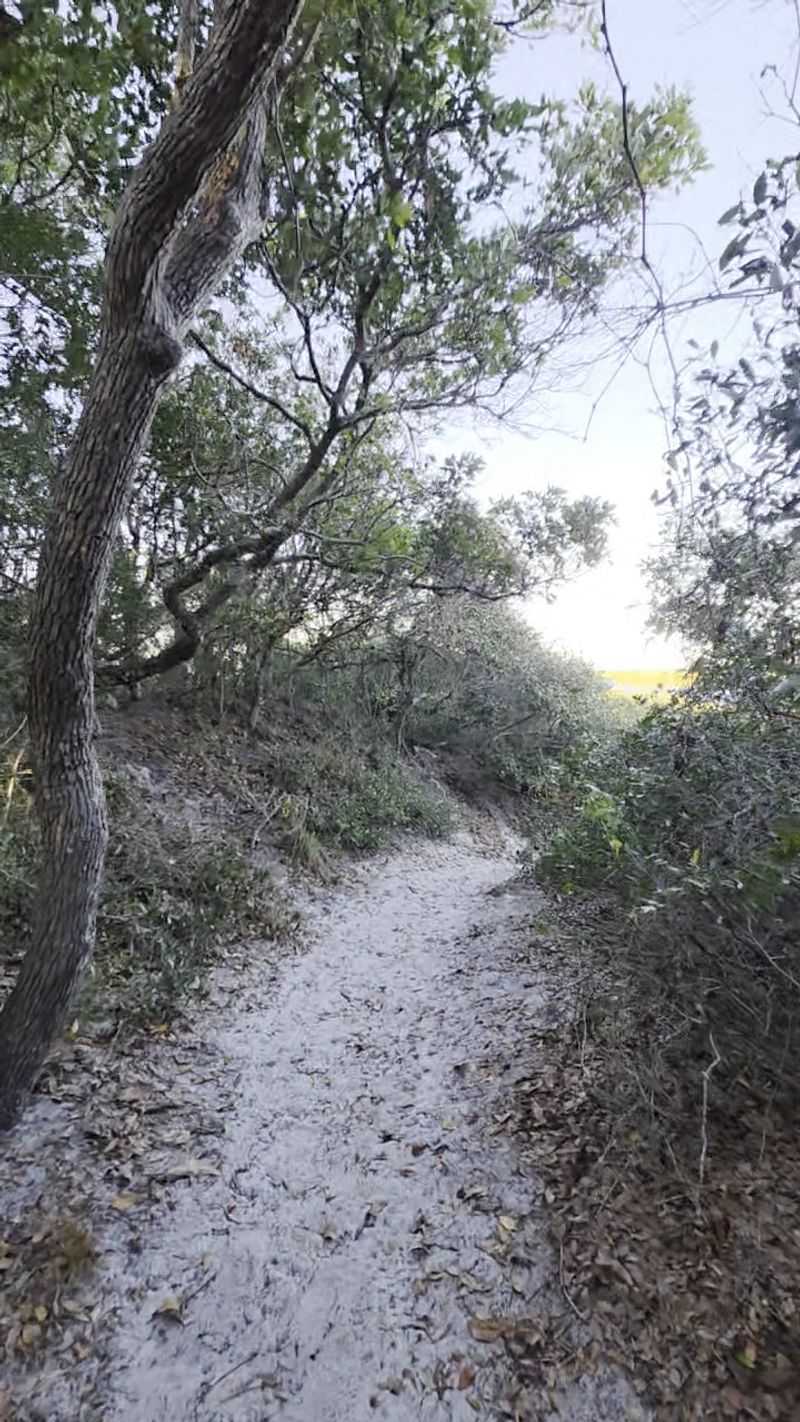
Ancient Dunes Nature Trail at 300 Anastasia Park Rd in St. Augustine, FL, sits within Anastasia State Park and winds through a coastal scrub habitat that looks deceptively open but conceals a surprisingly active tick population during summer months.
The trail explores ancient dune formations covered in scrubby oaks, rosemary, and low-growing shrubs, and that dense coastal scrub is exactly the kind of habitat where ticks wait at the tips of vegetation for a host to brush past.
St. Augustine’s summer humidity amplifies everything, and the scrub here retains enough moisture to keep ticks active even on the hottest days when you might assume nothing is moving.
The trail is short, only about a mile, but its compact length gives a false sense of low risk that has caught more than a few visitors off guard.
Ticks in coastal scrub habitats tend to concentrate at the trail edges where vegetation is tallest, so staying centered on the path is especially important here.
Pairing a tick-aware hike with a visit to the nearby St. Augustine Beach makes for a full day, as long as you complete your tick check before making the transition from trail to sand.
15. Alafia River State Park, Lithia
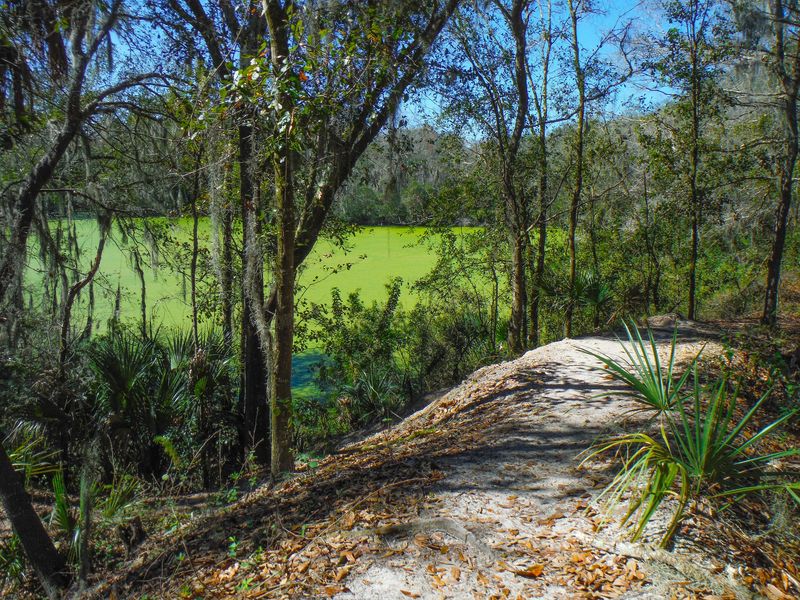
Alafia River State Park at 14326 S County Rd 39 in Lithia, FL, has the most dramatic terrain in Hillsborough County, built on reclaimed phosphate mining land that has been transformed into rolling hills covered in dense subtropical forest, and that forest is a serious tick hotspot every summer.
The park is popular with mountain bikers and hikers alike, and the trail system covers over 20 miles through a variety of habitats including flatwoods, scrub, and floodplain forest along the Alafia River.
The floodplain sections near the river are particularly tick-active during summer, and the dense vegetation along those segments makes it nearly impossible to avoid contact with trailside plants.
Lone star ticks are the most commonly encountered species here, and they are known to move toward hosts quickly once disturbed from their resting spots in the vegetation.
Mountain bikers moving fast through the trail system sometimes overlook tick checks after rides, which is a mistake that can lead to unpleasant discoveries hours later at home.
The park’s unique hilly landscape makes it one of the most interesting places to hike in the Tampa Bay area, and a thorough tick check at the trailhead is the right way to close out every visit.
16. Tibet-Butler Nature Preserve, Orlando
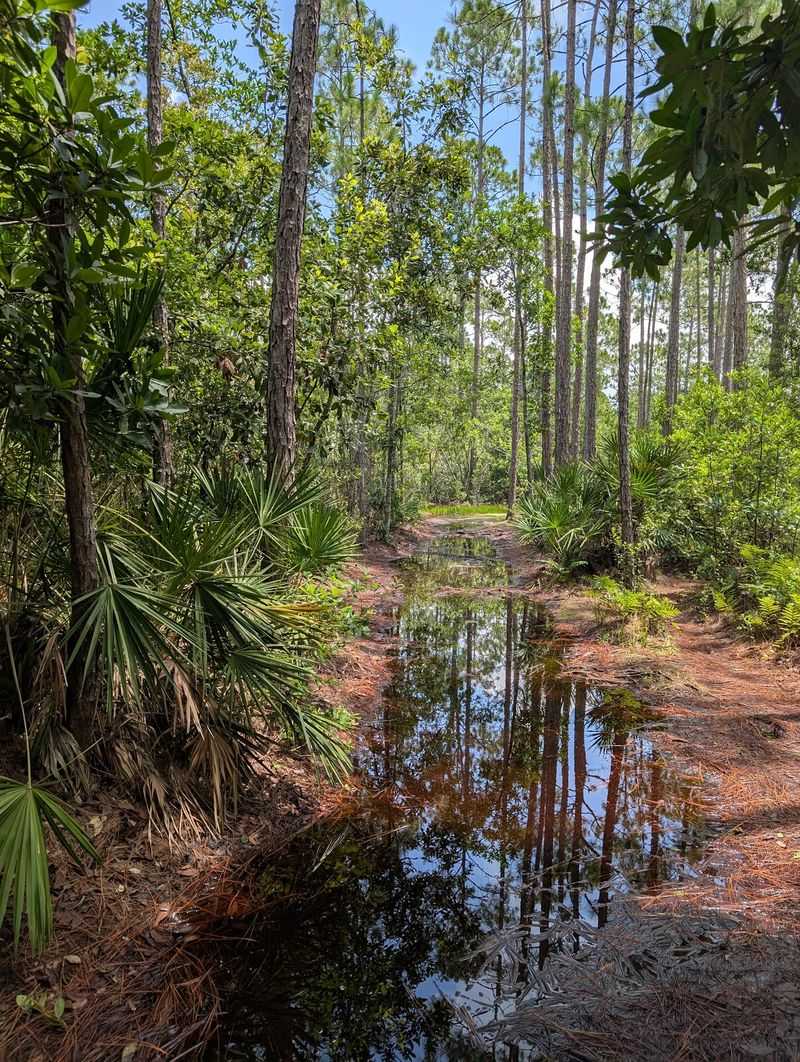
Tibet-Butler Nature Preserve at 8777 Winter Garden Vineland Rd in Orlando, FL, sits just minutes from Walt Disney World, which makes it one of the most surprising tick hotspots in Central Florida given how close it is to one of the world’s most visited destinations.
The preserve protects a mosaic of habitats including pine flatwoods, wetland forest, and lake shoreline, and the combination of moisture and dense vegetation makes it a reliable tick location throughout the summer season.
The Fallen Log Crossing Trail and the Osprey Overlook Trail both pass through shaded hammock sections where the understory is thick enough to brush against hikers on both sides of the path simultaneously.
American dog ticks and lone star ticks have both been reported in this area, and the preserve sees enough wildlife traffic, including deer and raccoons, to keep tick populations well fed between human visits.
First-time visitors often underestimate this place because of its suburban Orlando location, assuming that proximity to civilization means a tamer environment.
Treating a hike here with the same tick-prevention seriousness you would bring to a remote wilderness area is the mindset that keeps your post-hike inspection from turning into an unpleasant surprise.
17. Florida Scenic Trail Trailhead, Oviedo
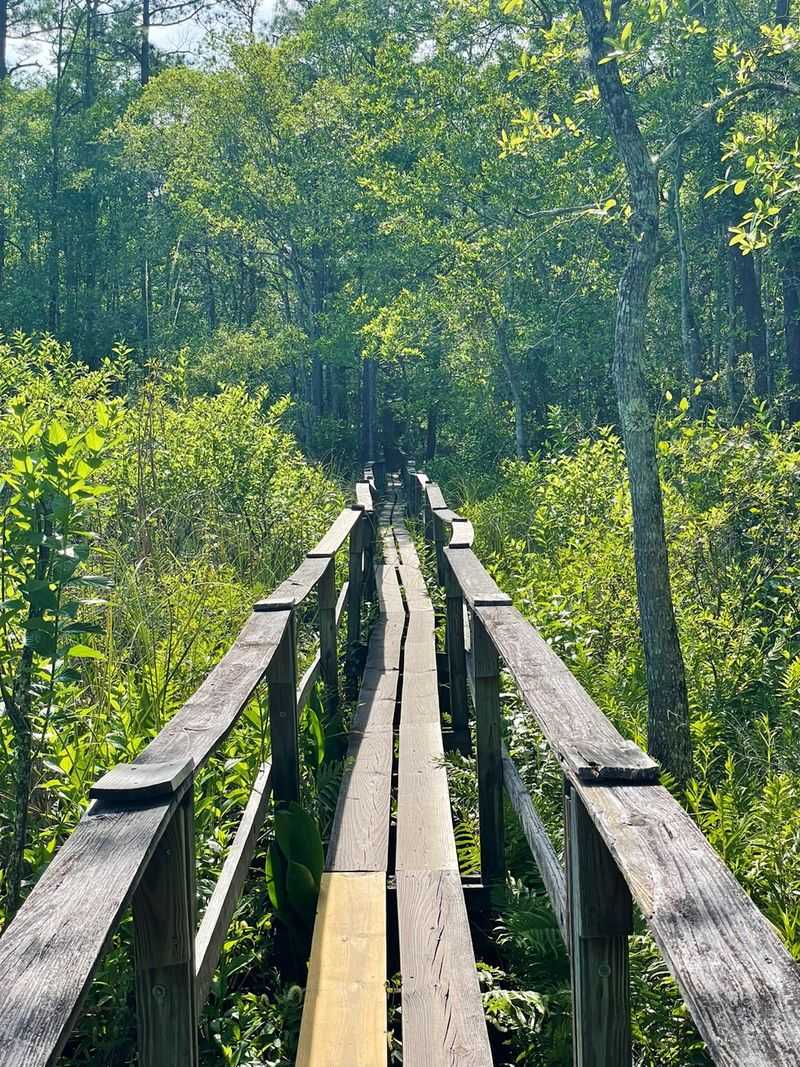
The Florida Scenic Trail Trailhead on Flagler Trail in Oviedo, FL 32765 is a launching point for one of the longest hiking trails in the eastern United States, and its Seminole County section is one of the most tick-active segments of the entire trail during summer.
The trail here passes through a mix of wet prairie, scrubby flatwoods, and floodplain forest along the Little Econlockhatchee River corridor, and every one of those habitat types supports tick populations during the hot months.
The vegetation along this section grows so densely in summer that the trail can feel more like a tunnel than a path, with plants pressing in from every direction.
Lone star ticks are the dominant species along this corridor, and their questing behavior, where they actively hold out their front legs waiting to grab onto a passing host, makes them more likely to make contact than other tick species.
Local hikers who use this trailhead regularly tend to do their gear checks in the parking lot before driving home, treating it as a standard part of the hiking routine rather than an afterthought.
Starting a long-distance trail adventure here is genuinely exciting, and respecting the tick situation from the very first step is what separates a great hike from a week of itchy regret.