
This North Carolina State Park Features A Lake That Feels Like A Secret Escape
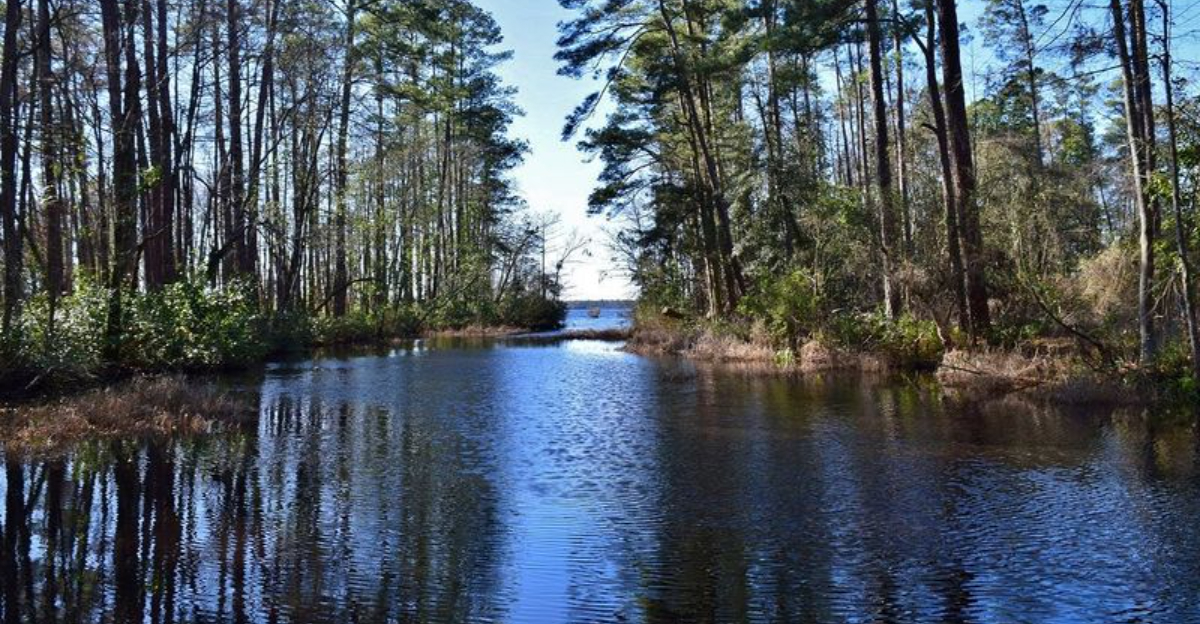
Sometimes the best getaways are the ones where your phone starts feeling a little less important. No crowded beaches, no endless notifications, no schedule packed down to the minute.
Just calm water, quiet trails, and the kind of scenery that makes you wonder why everyone isn’t talking about it.
Hidden among North Carolina’s landscapes is a state park built around a serene lake, a place that feels as though it belongs in the pages of a much larger adventure.
It’s the kind of place where you can slow down, breathe a little deeper, and remember that nature doesn’t need flashy attractions to impress. And the best part?
You don’t need a plane ticket or a complicated itinerary to find this little escape.
Unraveling The Mystery Of Carolina Bays
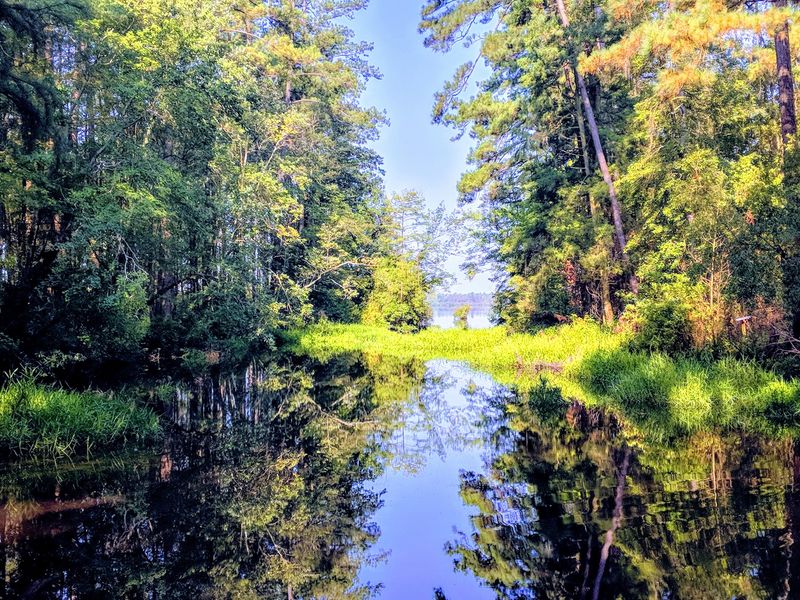
Geology rarely gets a standing ovation, but Singletary Lake might just change that opinion forever. This is not your average lake formed by a river or a glacier.
Singletary Lake is a Carolina Bay, one of the most geologically puzzling landforms on the entire Atlantic Coastal Plain.
Carolina Bays are elliptical depressions that stretch across the landscape with their long axes oriented consistently from northwest to southeast.
Scientists have debated their origins for decades. Early theories floated around cosmic events like meteor showers, which honestly would have been a fantastic story.
However, modern research points to something equally fascinating: powerful, sustained winds during the last ice age sculpted these shallow basins over thousands of years.
Singletary Lake ranks among the largest and deepest Carolina Bays in the region, reaching nearly 12 feet at its deepest point. That combination of size, depth, and mysterious origins makes every visit feel oddly significant.
Standing at the water’s edge, you get the sense that the landscape itself is holding a very long, very interesting conversation. Understanding what formed this lake transforms a simple outing into something that feels closer to exploration.
Glide Across Tranquil, Tannin-Stained Waters
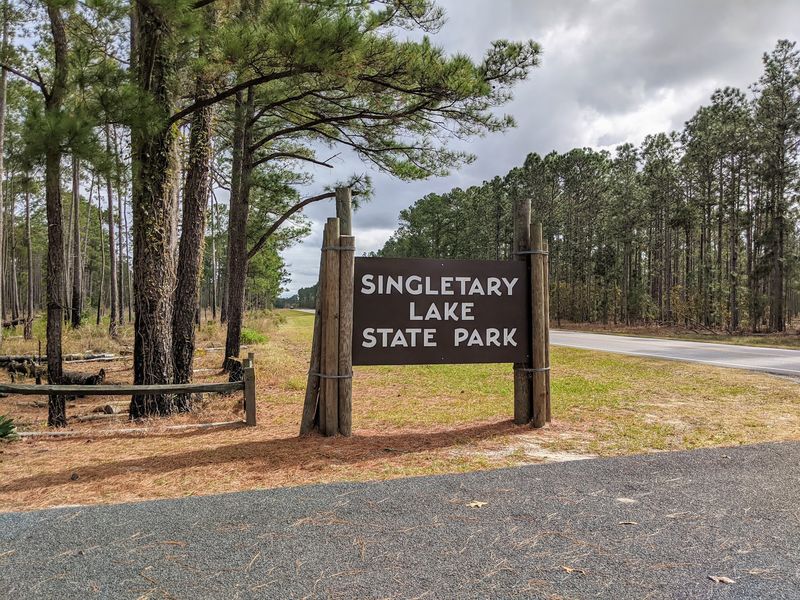
There is something almost meditative about dipping a paddle into water so still it looks like smoked glass. Singletary Lake State Park, located at 6707 NC Highway 53 East, Kelly, NC 28448, offers paddling conditions that feel genuinely rare.
The water is dark from natural tannins released by surrounding vegetation, giving the lake a mysterious, tea-colored appearance that is completely natural and honestly quite beautiful.
You can bring your own canoe or kayak and launch from the park’s access point. Motorized boats are permitted, but the park enforces a strict 10 horsepower limit, which keeps the atmosphere wonderfully peaceful.
No roaring engines, no wake-slapping chaos. Just the soft sound of your paddle cutting through calm water.
Ancient cypress trees line the shoreline, some standing for over 400 years. Paddling past them feels like moving through a living museum.
Keep your eyes open and you might spot a great blue heron standing perfectly still near the water’s edge, waiting patiently for its next meal.
A morning paddle here resets something inside you that you did not even realize needed resetting. Pack a snack, bring a camera, and give yourself permission to move slowly.
Cast A Line Into Surprisingly Productive Waters
Fishing at Singletary Lake operates on its own quiet logic. The water’s high acidity creates a unique aquatic habitat that supports a specific but rewarding mix of species.
Largemouth bass patrol the darker depths. Bluegill and pumpkinseed sunfish dart near the shallows.
Yellow perch add a fun wildcard element to any afternoon session.
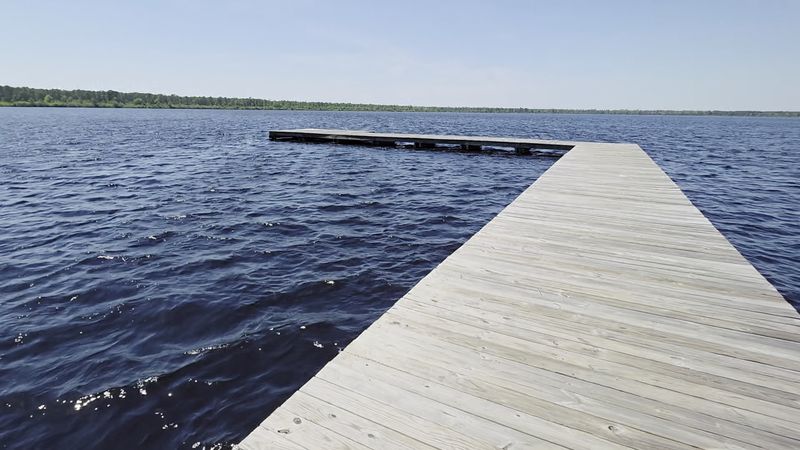
The park features a long 500-foot pier that stretches out over the lake, offering excellent vantage points for bank fishing without needing a boat. The views from that pier alone are worth the trip.
Early morning light hitting the dark water while your line sits perfectly still is a genuinely peaceful experience that is hard to replicate anywhere else.
A valid North Carolina fishing license is required, so make sure you grab one before heading out. Regulations on limits and seasons apply, so checking current state guidelines is always a smart move.
The lake’s ecosystem does naturally limit fish density compared to larger reservoirs, but that actually adds to the appeal.
Every catch feels earned here, and the surrounding scenery makes even a slow fishing day feel like time well spent. Patience is rewarded generously at Singletary Lake.
Wander Through Ecosystems That Feel Prehistoric
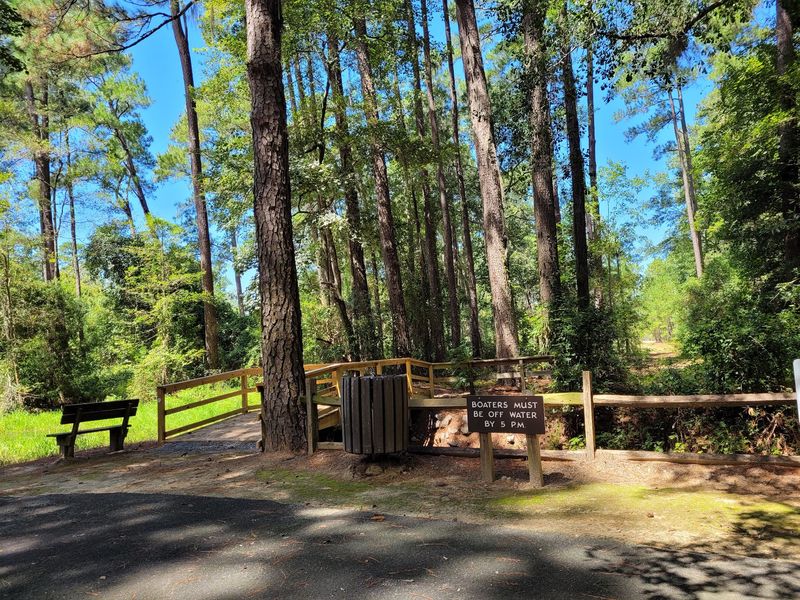
Lace up your walking shoes because the trails here are the kind that make you forget you were ever stressed about anything.
The Civilian Conservation Corps-Carolina Bay Loop Trail is the park’s signature walk, covering about one mile of genuinely captivating terrain. It is easy enough for almost anyone to handle comfortably.
The trail moves through a rich bay forest first, where loblolly bay, red bay, sweetbay magnolia, and Atlantic white cedar create a dense, fragrant canopy.
Then it opens into longleaf pine forest, a completely different visual experience that feels like the landscape just switched channels.
Interpretive panels placed along the route explain what you are seeing in clear, engaging language, making the walk educational without feeling like homework.
Wildlife sightings are common and genuinely exciting. White-tailed deer move quietly through the trees.
Wild turkeys strut across the path with total confidence.
Songbirds fill the canopy with layered sound. Most impressively, the endangered red-cockaded woodpecker calls this park home, making Singletary Lake an important conservation site.
Every step on this trail reveals something new, and the gentle pace encourages you to actually notice the world around you rather than just passing through it.
Step Inside Historic Group Camps With Deep Roots
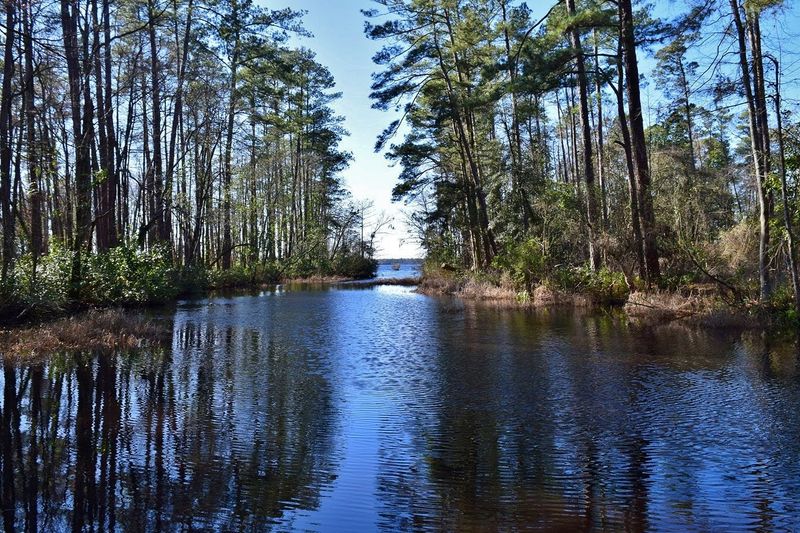
History has a way of sneaking up on you at Singletary Lake. The park’s infrastructure tells a story that goes back to the Great Depression, when the Civilian Conservation Corps built the original group camp facilities as part of FDR’s New Deal programs.
Those young workers left behind something lasting and genuinely remarkable.
Camp Ipecac and Camp Loblolly Bay are the two primary group camp facilities still in active use today. Camp Ipecac accommodates up to 84 people, while Camp Loblolly Bay hosts groups of up to 48.
Both sites include mess halls, sleeping cabins, and recreational areas designed for community and connection. These camps serve verified non-profit organizations, making them a resource for groups like Boy Scouts, 4-H clubs, and church organizations.
The park’s history extends beyond its New Deal origins. During the 1945 Cape Fear River floods, the facility opened as a refuge center for displaced residents.
During world conflicts, it hosted anti-aircraft training operations. These layers of history give the park a depth that most outdoor destinations simply cannot match.
Knowing that the ground beneath your feet has served so many different purposes across generations adds a quiet sense of meaning to every visit.
Book The Canebrake Cabin For A Lakeside Retreat
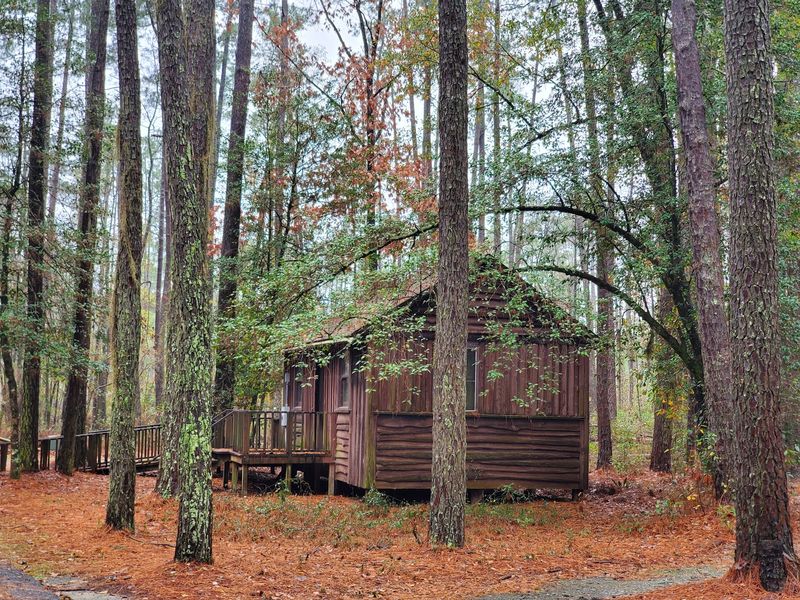
Not everyone wants to rough it in a tent, and Singletary Lake has a very appealing answer to that preference. The Canebrake Family Cabin is available for public rental and sits in a genuinely lovely setting within the park.
It is designed for smaller groups who want comfort without sacrificing the outdoor experience.
The cabin sleeps up to 11 people across three bedrooms. Inside, you will find a kitchen, a full bathroom, electric outlets, and climate control for year-round comfort.
A refrigerator keeps your food fresh. Outside, a fire ring and a group-sized charcoal grill set the stage for classic outdoor cooking.
A picnic table positioned near the water offers views that are honestly hard to beat at any price point.
Guests staying in the Canebrake Cabin get access to the park’s swimming pier from April through October, which transforms a standard cabin stay into something that feels like a private lakeside retreat. Reservations fill up faster than you might expect, so booking well in advance is genuinely important.
This cabin is the kind of place where a weekend trip quietly turns into an annual tradition, and nobody is complaining about that situation at all.
Enjoy A Peaceful Picnic With A View That Delivers
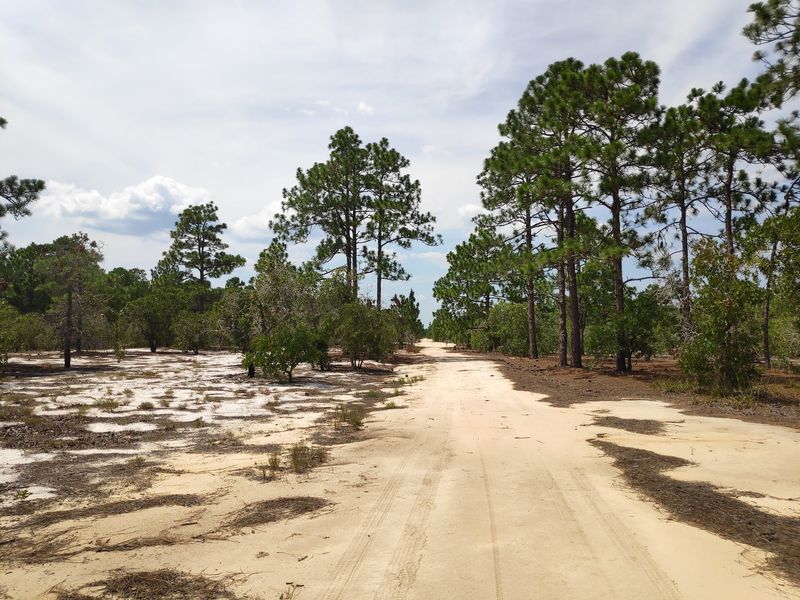
Eating outdoors hits differently when the scenery is this good. Singletary Lake State Park is scattered with picnic tables and charcoal grills positioned throughout the grounds, making it easy to claim a comfortable spot and settle in for a proper outdoor meal.
Some tables sit close enough to the water that you can watch the lake while you eat, which is an upgrade from any restaurant view imaginable.
Packing a picnic here is genuinely worth the effort. Bring sandwiches, fresh fruit, and your favorite savory snacks.
Fire up the charcoal grill and cook something that smells amazing in the open air. The surrounding trees provide natural shade, and the sounds of birds and rustling leaves replace the usual background noise of daily life in the best possible way.
Combining a picnic with a morning hike or an afternoon paddle creates a full-day experience that feels both relaxing and satisfying. There is something about eating a well-packed lunch after spending time outdoors that makes everything taste better.
The park’s calm atmosphere turns a simple meal into something that feels genuinely celebratory. Good food, good air, and a beautiful lake make for a combination that is hard to improve upon.
Discover The Botanical Wonders Hidden In Plain Sight
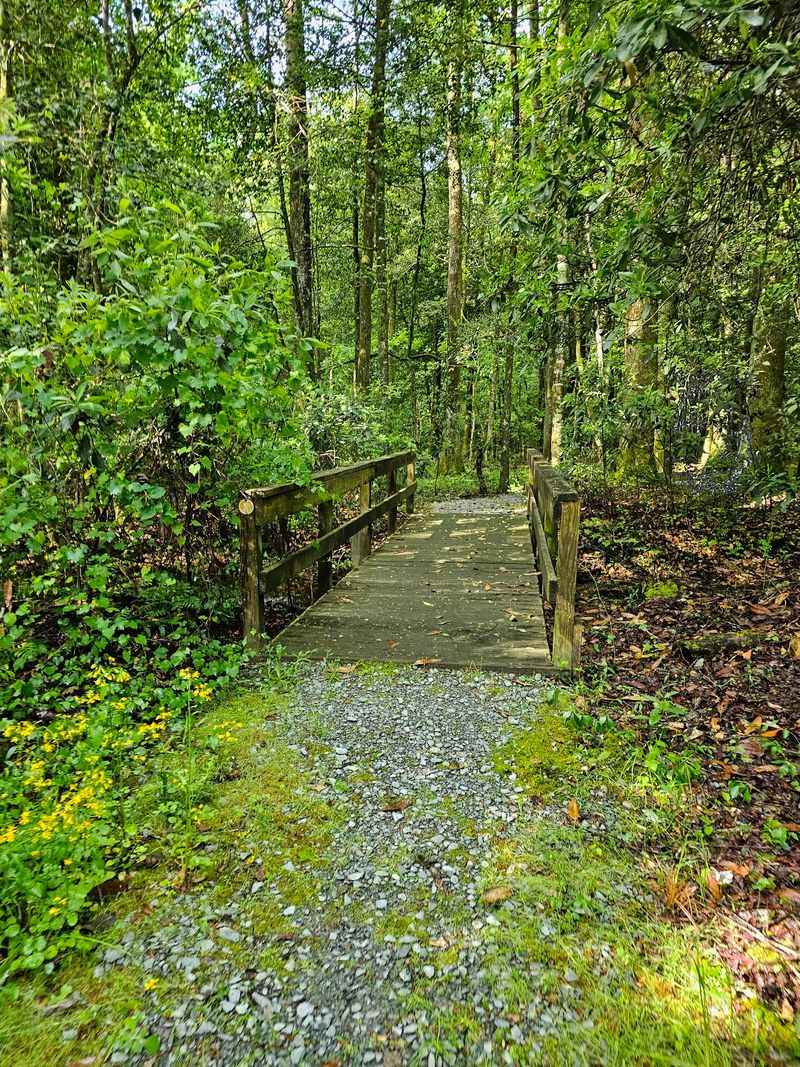
Most people show up at Singletary Lake for the water and leave quietly amazed by the plants. The park’s botanical diversity is genuinely surprising and rewards anyone willing to look closely at what is growing around them.
The bay forest ecosystem supports an unusual collection of trees and shrubs that thrive in the park’s naturally acidic, moisture-rich environment.
Loblolly bay, red bay, sweetbay magnolia, pond pine, and Atlantic white cedar create the upper canopy. Below them, a dense understory of huckleberry, gallberry, and pepperbush fills in the gaps.
The rare white wicky, a close relative of mountain laurel, also grows here, making botanically curious visitors genuinely excited.
The most thrilling discovery for many visitors is the park’s population of carnivorous plants. These remarkable species capture insects as a nutrient source, an adaptation to the nutrient-poor soils of Carolina Bay environments.
The 133-acre Turkey Oak Natural Area within the park is protected specifically for ecological study, representing all primary plant community types found in the region. It functions as a living field laboratory that scientists and curious visitors alike find endlessly fascinating.
If you have never paid much attention to plants before, Singletary Lake might be the place that finally changes your perspective on what the natural world is quietly doing all around you.